Two things I really liked: first, you get to see and use a real EMF meter (Ghost/Paranormal Detector) as part of the experience. Second, the route is a practical way to learn the French Quarter while you’re actually walking it, with built-in pauses to grab to-go drinks along the way. The main drawback to keep in mind is that the “drunken” part isn’t guaranteed to feel like a party bus, since the tour price doesn’t include drinks.
Key Points to Know Before You Go
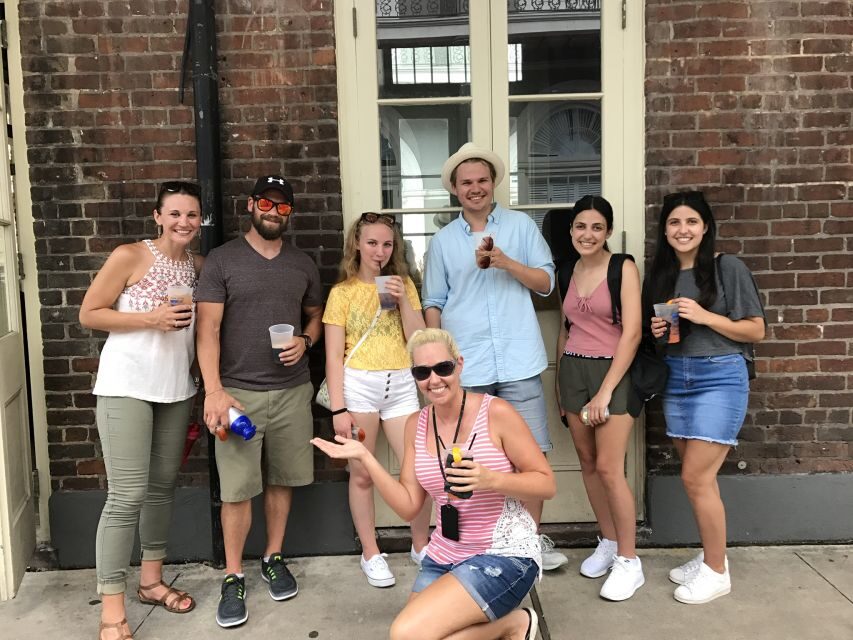
- EMF meter action: You’ll use a real paranormal detector during the walk.
- Booze, but pay as you go: Tour price covers the tour, not the drinks, though to-go stops are part of the format.
- True-crime meets supernatural: You’ll hear stories tied to unsolved murders and other dark events.
- French Quarter walking format: Plan for a solid 2-hour stroll focused on neighborhood lore.
- Simple rules: Video recording is not allowed, so think photos over videos.
Starting on Bourbon Street: Lafitte’s Blacksmith Shop Meeting Point
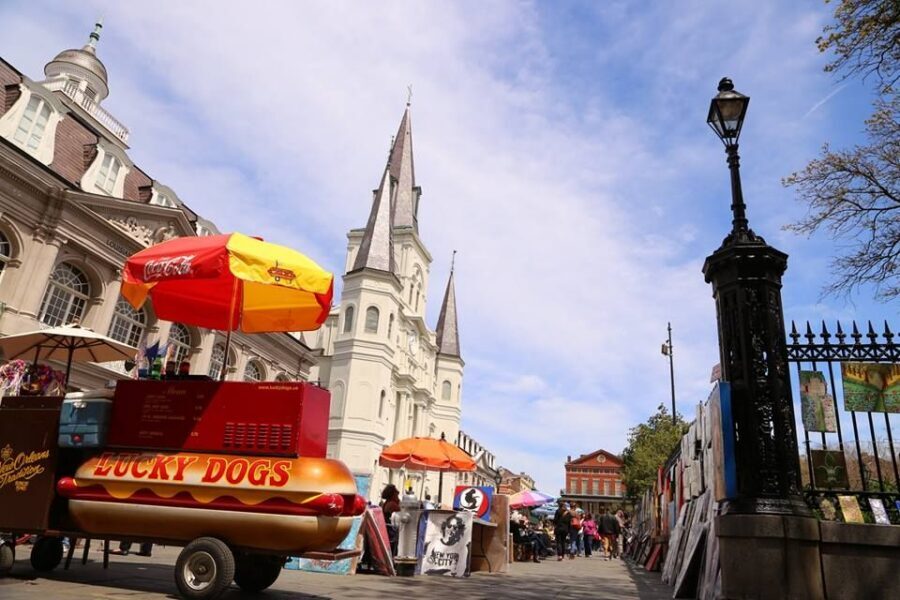
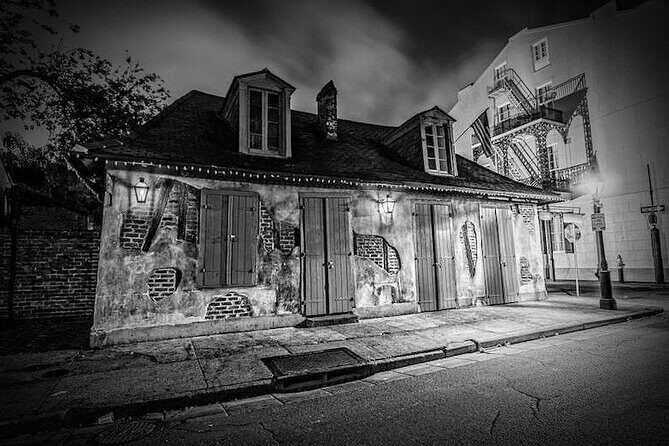
Your tour begins on the sidewalk outside Lafitte’s Blacksmith Shop Bar at 941 Bourbon Street. The key detail here is where to stand: tours do not meet inside the bar. You’ll meet your guide on the sidewalk at the gate of the courtyard attached to the building.
This matters more than people think. The French Quarter can be chaotic up close—doorways, lines, and people milling around—so showing up and locating the exact gate meeting point helps you avoid losing time. If you’re early, take a quick look around that gate and courtyard area so you’re not hunting for your group at the start.
The company running this experience is Show Me New Orleans Tours, a family-owned and city-licensed operator. They also note that guides are registered with New Orleans Safety and Permits, which is the kind of boring detail that makes a big difference when you’re walking with strangers through a busy, older neighborhood.
A 2-Hour French Quarter Walk Built Around Stories and To-Go Stops
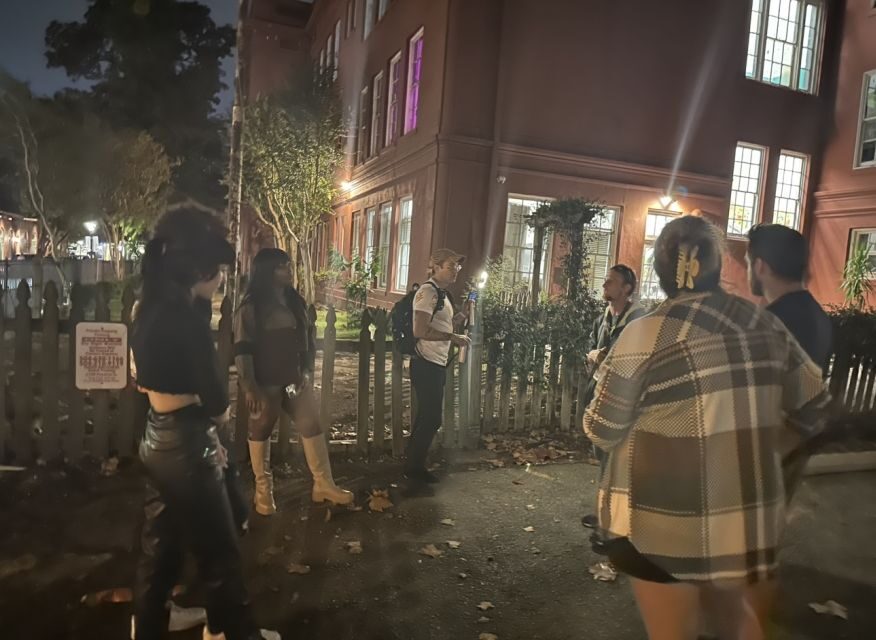
The whole experience runs about 2 hours on foot. That time window is long enough for a real route through the French Quarter, but short enough that you shouldn’t feel trapped. The format is walking plus story beats, with periodic stops where you can grab to-go drinks at bars along the way.
Two practical benefits come with this structure:
- You’re not stuck listening while standing still for most of the time.
- You can pace the drinking to your comfort level, since the tour doesn’t include drinks in the ticket price.
Keep in mind a balancing act: one of the reviews I saw said the tour wasn’t really “drunken” enough for their expectations, and also that the vampire material wasn’t the strongest part for them. That doesn’t mean the tour is bad—it just means this works best if you see it as a history-meets-paranormal storytelling walk with booze stops, not as an all-out drinking show.
How the EMF Meter Adds a Hands-On Paranormal Layer
This tour isn’t only about hearing spooky stories. It includes a real EMF meter (Ghost/Paranormal Detector) used during the walk. The promise isn’t that the meter will prove something to everyone, but you do get the theatrical value of seeing the device in action and using it as part of the group experience.
Here’s what that adds for you:
- It turns the tour into an activity. You’re not just watching and nodding.
- It gives you a way to react in the moment (even if your reaction is skepticism).
- It makes the stories feel more “present” because the meter is happening while the guide talks.
The tour also frames the paranormal experiences in vivid terms—things like cold spots, seeing apparitions, and catching orbs/apparitions in pictures. The most honest way to use this is to treat it as a prompt: keep your eyes open, follow what the guide asks you to do with the device, and decide for yourself what feels credible or just fun.
One more rule to plan around: video recording is not allowed. That affects how you document the night. If you want visual memories, think photos, keep your phone ready, and don’t assume you can film.
The Dark Side of New Orleans: Murders, Suicides, and Unsolved Mysteries
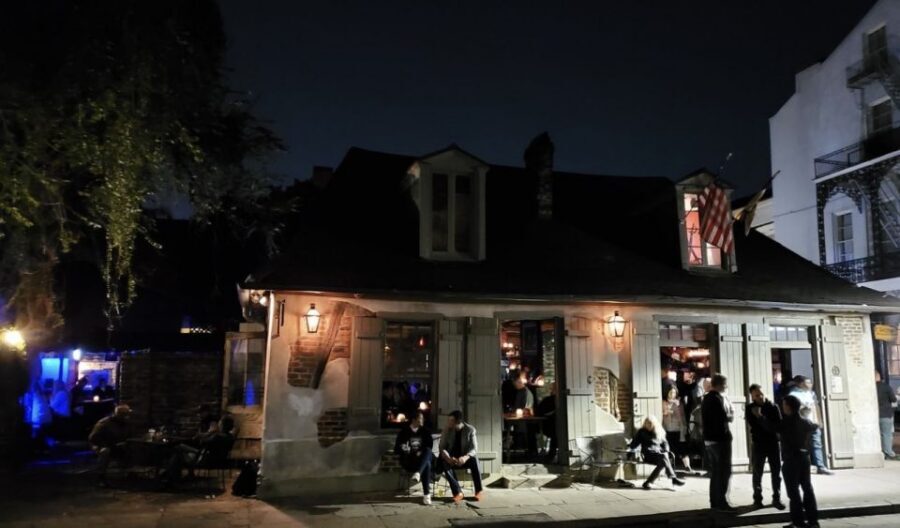
The core of the storytelling is New Orleans’s darker side: unsolved murders and other tragic events, including suicides, mixed with vampire and ghost lore. Your guide ties these stories to the city’s history and asks you to keep an open mind as you walk.
This is where the “value” shows. A French Quarter walking tour can easily become a list of landmarks. This one leans harder into the narrative—why the city’s reputation formed, how folklore attaches to real places, and how people in different eras tried to explain what they couldn’t control.
From the info provided, the company also emphasizes that they researched:
- the history of Louisiana and New Orleans,
- the city’s architecture and culture,
- paranormal activity and documented vampire/ghost sightings,
- traditional burial practices and cemetery secrets.
That matters because it signals a specific kind of tour: not just campfire horror, but something built around the city’s real past and how myths grow out of that past. If you love true-crime energy and atmospheric storytelling, this is likely to hit your sweet spot.
Vampire and Ghost Lore: Expect Theater, Not a Science Lab
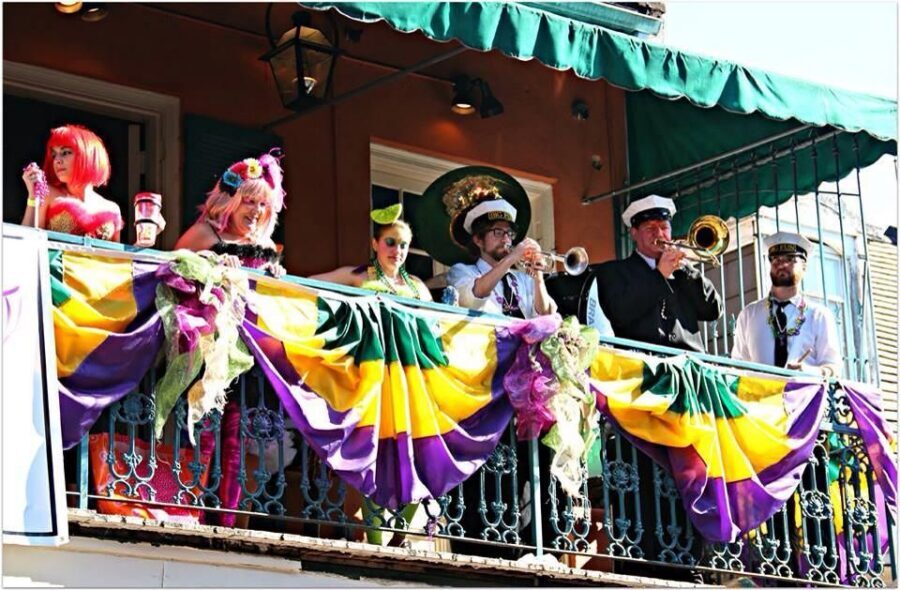
The tour’s “vampire and ghost” angle is a main selling point, but you should calibrate your expectations. One review I saw said it was interesting and informative, yet not great on vampire specifics for their taste. That tells me the vampire content may be present, but it’s probably woven into the broader theme of the city’s spooky history rather than taught as a deep dive into vampire lore.
So how do you get the most out of it?
- Treat the vampire/ghost parts as story leads, not as a lecture with facts you can quote later.
- Pay attention to the way your guide connects the lore to local details—street-level history and the mood of the buildings.
- Use the EMF meter as your moment-to-moment “hook.” Even if you’re not convinced by the supernatural, the interactive piece gives you something to focus on besides the narrative.
If you’re the type who wants only cold, hard proof, this may not satisfy you. But if you want a guided walk that’s equal parts folklore, atmosphere, and interactive weirdness, it’s a good fit.
Burial Practices and Cemetery Secrets: Why This Storyline Matters
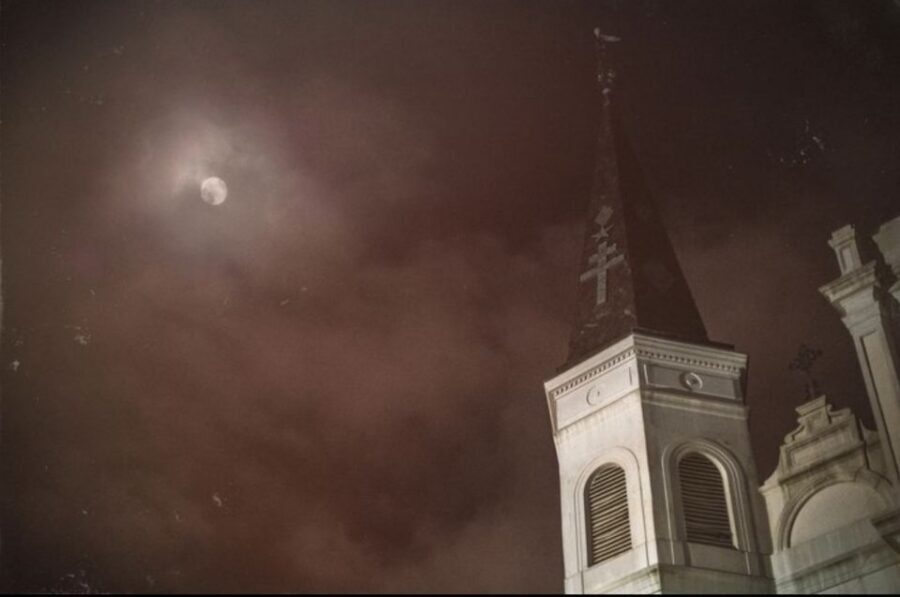
A big part of the tour’s framing is traditional burial practices and the secrets tied to cemeteries. Even though you’re on a walking route in the French Quarter, the guide’s theme connects what you’re seeing with how New Orleans handles death and remembrance differently than many other places.
Here’s why that theme is valuable for you:
- It explains why the city feels haunted even when it’s not trying to be.
- It adds cultural context. Ghost stories don’t float in a vacuum; they grow out of local customs and beliefs.
- It gives depth to the “spooky” label. The guide isn’t only talking about monsters, but also about how people historically lived with mortality.
The information provided also highlights a focus on cemeteries and burial traditions as part of the tour company’s own research. That suggests the stories aren’t random. They’re meant to connect to the way New Orleans developed as a city.
Guide Style and the Small-Group Feel You’ll Likely Notice
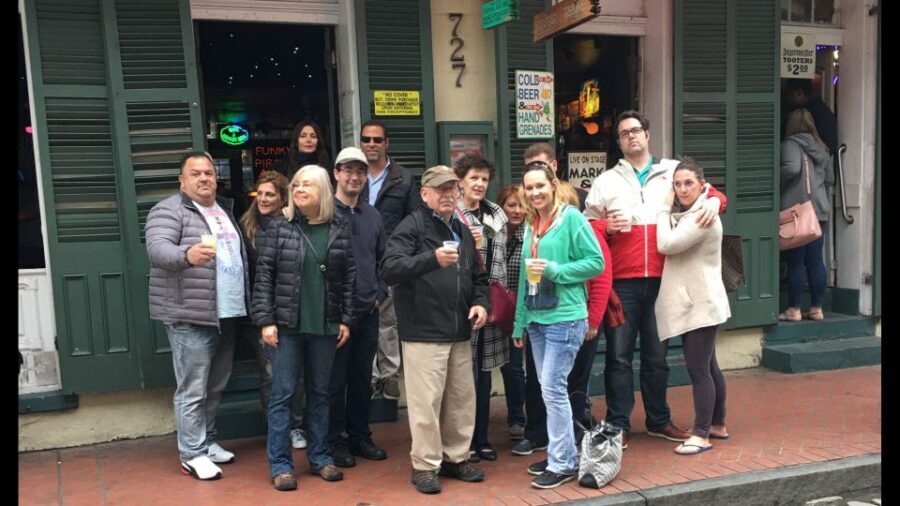
This tour runs with a live guide in English. The operator also says the tours are small and that a private group option is available.
Small group matters here because the paranormal and alcohol-to-go format depend on attention. You need to hear the guide, see what the EMF meter is doing, and follow the route without getting lost in a crowd. With fewer people, you’re more likely to actually catch the story beats instead of relying on whatever you overhear.
One named guide stood out in the feedback I saw: Cody. The comments pointed out that Cody gave good info and kept things interesting, and that it turned into a private tour for two people. That’s a strong signal that this experience can feel personal—especially if the group size stays small.
Price Reality: Is $38 Good Value Here?
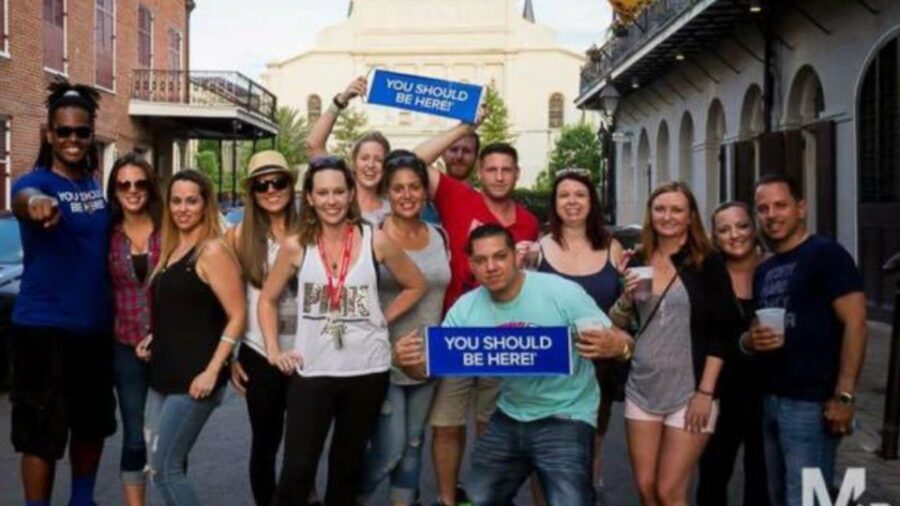
The price is $38 per person for about a 2-hour walking tour. Drinks are not included. That means you’re paying for:
- the guide and the walking route,
- the story-driven format,
- the interactive EMF meter component,
- and the structure that includes stops where you can grab to-go drinks (but you’ll pay for the drinks themselves).
Whether it feels like a bargain depends on what you want most.
- If you’d pay $38 anyway to walk the French Quarter with a guide who tells dark local stories, this is fair value, especially because the tour includes a real paranormal detector element.
- If your top priority is getting heavily drunk or getting lots of vampire-focused details, you may feel the money went toward “spooky atmosphere” more than alcohol volume or vampire lore depth.
A good rule: think of this as a guided story experience with alcohol options at stops, not an all-inclusive drinking event.
Practical Tips So You Don’t Miss the Good Parts
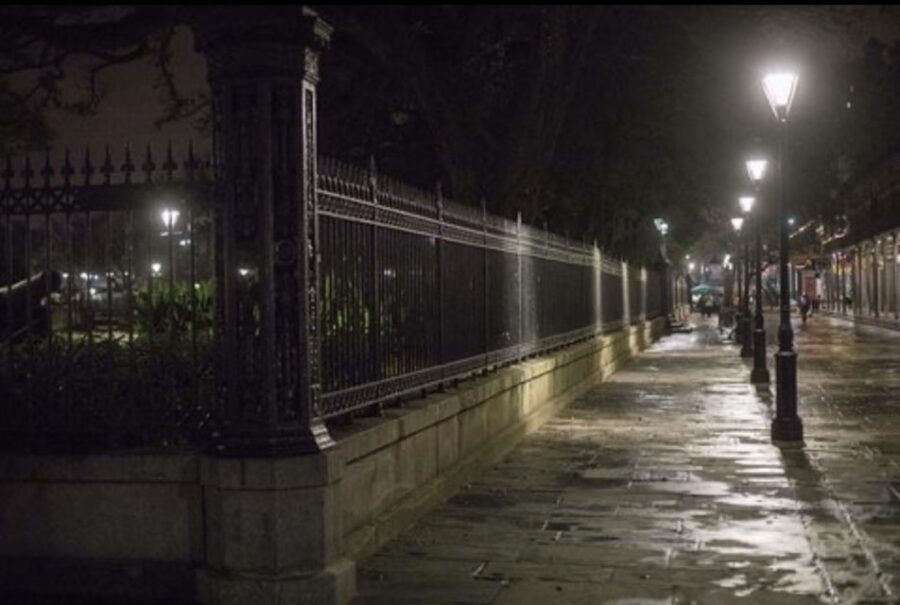
A few things will make your night smoother:
- Wear comfy shoes. You’re walking for about two hours in the French Quarter.
- Arrive at the meeting gate on time. Don’t plan on strolling up late and catching up.
- Skip video recording. Video isn’t allowed, so don’t waste time setting it up.
- Bring a phone for photos if you want to capture the moment, since the tour mentions orbs/apparitions in pictures as part of the experience.
- Pace your to-go drinks. The tour itself doesn’t include drinks, so budget for what you order.
- Go in with the right mindset: you can treat the paranormal elements as interactive fun while still enjoying the history.
If you’re sensitive to heavy topics, remember the theme includes unsolved murders and suicides. You’ll hear dark stories, even if the tone is meant to be entertaining.
Who This Tour Fits Best (And Who Might Want Something Else)
This works best if you’re:
- into French Quarter storytelling and local legends,
- the type who likes interactive tour elements like an EMF meter,
- curious about how New Orleans traditions around burial and cemeteries influence its ghost reputation,
- and comfortable with a mix of true-crime-adjacent history and supernatural lore.
You might want to choose a different tour if:
- you want vampire lore to be the main focus with lots of detail,
- you’re expecting the alcohol part to be the dominant feature,
- or you strongly prefer tours that stay away from dark topics.
Based on the feedback and the format, the “drunken” label seems more like playful marketing than a guarantee of heavy drinking.
Should You Book the Drunken Ghost and Vampire Experience?
If you want a 2-hour guided walk that blends French Quarter history with paranormal-themed interaction, this is worth considering at $38. The standout value is the combination of story plus the real EMF meter, along with the route that includes to-go drink stops so the experience matches the setting.
I’d book it if you can handle dark story themes and you’re okay paying for your own drinks. If your goal is maximum drinking or deep vampire scholarship, adjust expectations first, because the vampire emphasis may be lighter than you want and the tour isn’t drink-inclusive.
If you’re the kind of person who enjoys being in the moment—listening closely, watching the meter, and laughing when things get weird—this tour should feel like a fun night out in New Orleans.
FAQ
Where do I meet for the tour?
Meet on the sidewalk at the gate of the courtyard attached to Lafitte’s Blacksmith Shop Bar, located at 941 Bourbon Street, New Orleans, LA 70116. Tours do not meet inside the bar.
How long is the tour?
The tour runs for about 2 hours.
What does the ticket price include?
The ticket includes the 2-hour (approx) walking tour. Drinks are not included.
Are drinks included during the tour?
No. Drinks are not included in the price, though you’ll have opportunities to stop in and grab to-go drinks at bars along the route.
Is the tour led in English?
Yes, the live tour guide speaks English.
Is the tour accessible?
The tour is wheelchair accessible.
Is video recording allowed?
No, video recording is not allowed.
Can I book a private group?
Yes, private group options are available.
]]>What I like most is how the game lets you explore at your own pace, instead of being herded through stops on a schedule. I also like that the lore is actually useful—think New Orleans underworld themes and real city-history details—so your time isn’t just spooking around for fun. One thing to consider: this experience depends on the phone game working smoothly, and some locations require paid entry if you want to go inside.
Key Highlights You’ll Feel Right Away
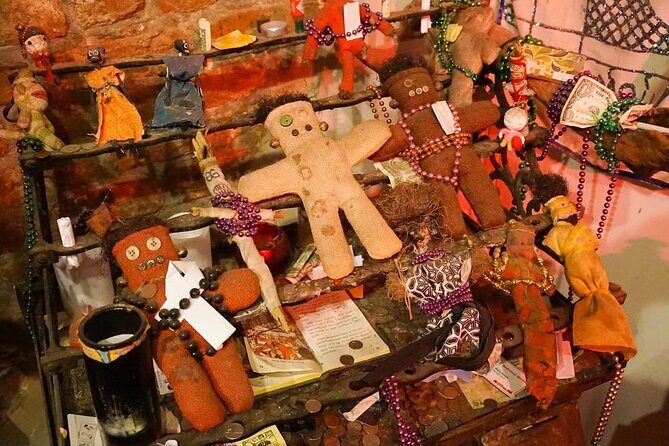
- Questo app clue route that guides your walk between major French Quarter landmarks
- Short clue stops (about five minutes each), plus time to linger where you want
- No tour guide walking with you, so you control the pace and pauses
- 24/7 customer support if the game stalls or something looks off
- Mix of free and ticketed locations, so you can budget as you go
Ghost Hunt Concept: A Self-Paced Story Game in the French Quarter
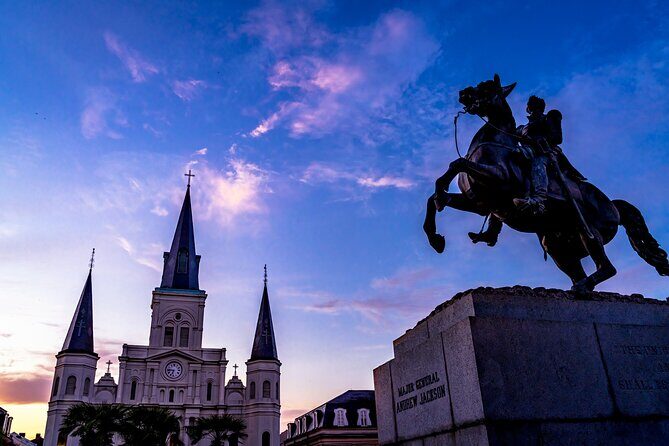
This is a “ghost hunt” in the classic New Orleans style: you’re not just sightseeing, you’re solving a street-level mystery. The big difference from a traditional guided tour is that you’re driving the timing. You start at Jackson Square, get your first clue, then follow directions from the story to the next place.
Instead of a person leading you, you’re using the Questo app. The app delivers the game content, and you answer the challenges as you go. That structure matters: it helps you stay focused, especially if you’re walking the Quarter anyway. On a normal wander, it’s easy to see lots of famous spots and still feel like you didn’t really connect them. Here, the places are linked by the story, so you’re forced to pay attention to what’s in front of you.
Also, the experience isn’t just about dark vibes. The game’s stories and local lore are built to teach you as you walk. One of the most practical benefits: while other groups may be moving fast, you can slow down at the moments that matter to you—then pick up the route again when you’re ready.
Price and Value: Why $7.19 Works for Most Budgets
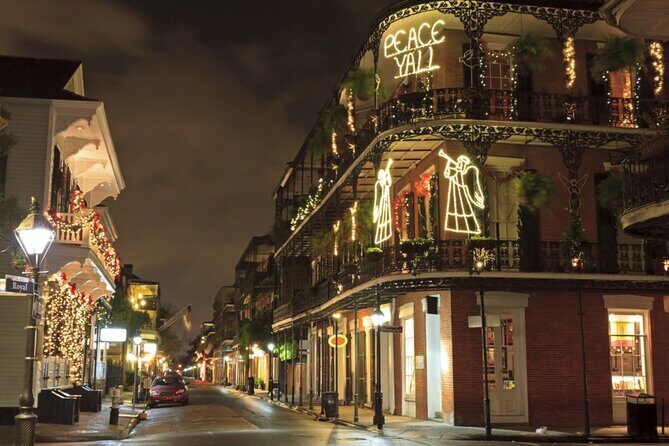
At $7.19 per person, this is priced like an activity you can actually fit into a day of French Quarter plans. You’re paying for the phone-based city game, not for a guide or bundled attraction tickets.
That price point changes how I’d judge value:
- If you like interactive self-guided activities, you’re getting a structured route without spending guided-tour money.
- If you prefer museums or paid attractions as the main event, you may still enjoy the walk—but you’ll likely need to add entry tickets for some stops on your own.
The route includes several places marked as free entry during the game stops, while others are marked as admission tickets not included. So your overall spend depends on how much you want to go inside each location at the end.
One more value note: this is offered in English, and it’s listed as a private activity (only your group participates). Even with a phone game, that “just us” feel can be a comfort if you want your own pace without dealing with crowd logistics.
Time on Foot: 1 Hour 10 Minutes to 1 Hour 50 Minutes
Expect roughly 1 hour 10 minutes to 1 hour 50 minutes. That range is about right for a self-paced puzzle walk: clue delivery takes a little time, but you can choose how long you stay at each stop.
A useful way to plan it: treat the route like a guided walk that gives you “buffer.” You get about five minutes around each stop to receive the next clue, but you can pause as long as you like afterward. If you’re the type who stops for photos, reads plaques, or just needs a minute to get your bearings, you’ll probably land nearer the longer end.
Also, keep in mind this is a phone game. That means your timing will depend on your pace and phone usability. If the app is slow or you lose signal in a street canyon of buildings, you’ll feel it right away. The good news: 24/7 customer support is part of the package, so you’re not left completely on your own if something goes wrong.
Stop-by-Stop Route: Jackson Square to LaLaurie Mansion
Your hunt runs from Jackson Square to LaLaurie Mansion at 1138 Royal St. You’ll visit eight stops along the way. Some are “grab the clue and look around” locations, while others are spots where entry tickets are not included if you want to go inside.
Here’s what to expect, stop by stop.
Stop 1: Jackson Square (First Clue Start)
You begin at Jackson Square and get the first clue that kicks off the story. This is a smart starting point because Jackson Square is open, iconic, and easy to find—even if it’s your first time in the Quarter.
What you’ll do here is basically set your mental mode: you’re not just arriving; you’re starting a puzzle. If you enjoy jumping into an activity quickly, this first stop will feel like you’re already playing within minutes.
Stop 2: Le Petit Théâtre du Vieux Carré (Clue + Optional Exploration)
Next is Le Petit Theatre du Vieux Carré. You’ll receive a new clue, and you can explore for as long as you like.
Drawback to consider: the stop is listed with admission tickets not included. So if you were hoping the game would handle everything inside, plan to either view the exterior and continue, or be ready to pay separately if you choose to enter.
Stop 3: Preservation Hall (More Story, Same Choose-Your-Own-Pace Feel)
Preservation Hall is another clue stop with flexible time. This is one of those places that many people recognize by name, and even if you only spend a few minutes outside, it helps ground the game in real New Orleans culture.
Again, the admission is not included, so your choice is clear: enjoy the atmosphere and keep moving, or budget for entry if you want the full experience.
Stop 4: Faulkner House Books (A Nice Change of Pace)
Faulkner House Books is on the route and marked with admission ticket free for this game stop. This matters because it gives you a break from the “only photo stops” rhythm. It’s also a great place for readers to linger—books are a natural fit with a puzzle game, since you’re already in story mode.
If you like taking short pauses rather than sprinting from clue to clue, this is one of the stops where you’ll probably slow down a bit.
Stop 5: Jackson Square Again (At Muriel’s Area)
You loop back to Jackson Square, this time associated with Muriel’s Jackson Square. The game gives you another clue, and you can continue exploring as long as you like.
This repeat stop is useful. It helps you reset your orientation and compare what the route makes you notice. When you return to a familiar place mid-game, the story can change how you look at details you might’ve skimmed earlier.
Stop 6: New Orleans Historic Voodoo Museum (Clue Stop With Ticket Planning)
Next is the New Orleans Historic Voodoo Museum. You’ll get a new clue and can stay as long as you want.
This is another location marked with admission tickets not included. If you want to go inside, don’t wait until you arrive to decide—decide earlier so the game doesn’t disrupt your budget and timing.
Stop 7: Lafitte’s Blacksmith Shop Bar (Free-Entry Clue Stop)
Lafitte’s Blacksmith Shop Bar is included as a free entry stop within the game route. You’ll receive a final clue before the story winds down toward the endpoint.
This is a good “last vibes before the finale” stop. Even if you don’t go deep inside, you’ll likely spend some time just taking in the place. It’s the kind of stop that turns a game walk into an actual New Orleans memory.
Stop 8: LaLaurie Mansion (Finish of Story + City Exploration)
You finish at LaLaurie Mansion. This is where the story and the city exploration games end.
This location is marked with admission tickets not included, which is important for planning. Also, the provided operating hours list Mon–Sun from 12:00 AM to 11:30 PM, so you’re not restricted to a narrow sightseeing window based on end time alone. Still, the last stop can feel like the emotional climax—so give yourself time to land the ending rather than treating it like a quick “check mark.”
What Makes Each Stop Worth Stopping For
The route is built around a simple idea: clues give you a reason to slow down, and the streets give you a reason to look longer.
Here’s what tends to make it work well:
- You’re seeing the big names (Jackson Square, Preservation Hall area, well-known Quarter landmarks) without needing a guide.
- You get a narrative thread that nudges you to connect what you see with what you’re learning.
- You control pacing, so if a corner catches your eye, you don’t have to “move on” when someone else is ready.
But there are two practical “fit” points I’d flag.
First: the experience depends heavily on the app. The short version is that if the game fails to load or behaves badly, the whole hunt can fall flat. One person’s account in the provided feedback describes real frustration when the game wouldn’t work properly and they were not granted a refund. The constructive part: the experience includes 24/7 support, and reaching out directly to Questo (for example, at [email protected]) is the right move when you hit a technical problem.
Second: admission planning. Several stops are marked as ticketed-not-included. If you walk expecting everything to be included, you’ll end up deciding on the spot. That’s fine for some people—annoying for others. If you like clear totals ahead of time, you may want to decide in advance which ticketed locations you’ll actually enter.
When This Quest Feels Great (and When It Might Not)
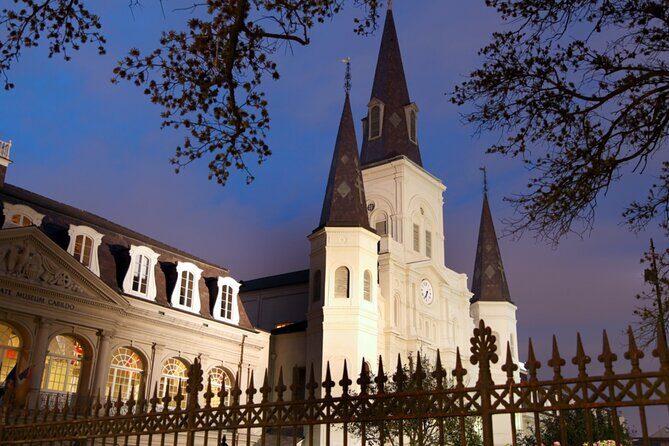
This is the kind of activity that can feel surprisingly good if you want independence. A big advantage is that you can keep moving on your own rhythm while you’re in the same neighborhood as large guided groups. When you’re not tied to a guide’s talking pace, you can spend your time the way you like.
Also, the stories in the game are more than just flavor text. Based on the feedback you shared, the game’s lore helped people learn about both the underworld themes and broader New Orleans history—and it led to noticing places and buildings they otherwise wouldn’t have sought out.
When it doesn’t feel great, it’s usually one of two reasons:
- The app experience isn’t smooth on your device or at the moment you need it.
- You expected a guided tour and instead got a phone-driven puzzle route with no human leader to explain things in real time.
If you’re comfortable with self-guided smartphone activities, you’re in the sweet spot.
Who Should Book This Self-Paced Ghost Hunt
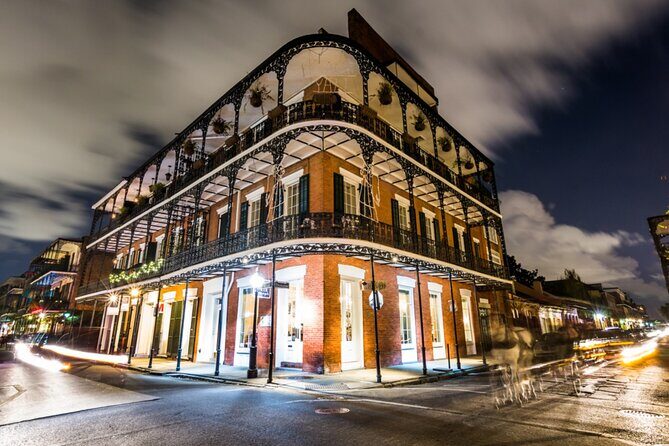
This Quest Experience is a solid match for:
- People who enjoy puzzle-style walking games more than “listen and look” sightseeing
- Anyone trying to see the French Quarter without spending the day in guided groups
- Couples or small groups who want a structured route but still want control of pace
- Visitors who like leaning into New Orleans lore while still getting practical city context
It may be less ideal if:
- You strongly prefer a live guide to answer questions and keep things on track
- You know you don’t enjoy phone-based games
- You need your sightseeing to be fully covered and paid in one clean bundle (since some stops have admission not included)
If you’re flexible and game-ready, this is a fun way to turn a normal Quarter walk into something you can actually play.
Should You Book Ghost Hunt in New Orleans: Quest Experience?
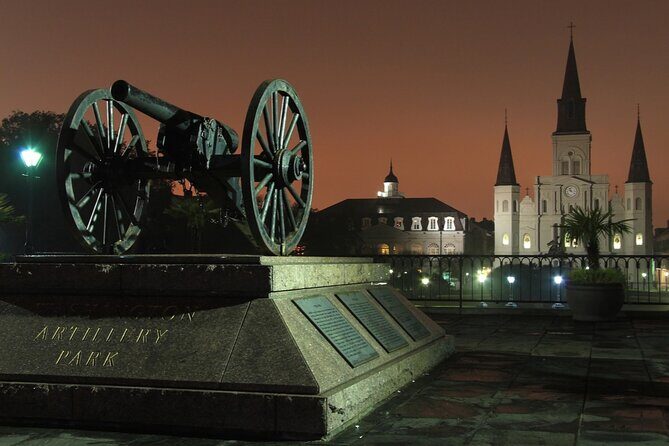
Book it if you want a low-cost, structured way to experience major French Quarter sights through a story game on your phone. At $7.19, it’s hard to argue with the value—especially if you’re the type who likes learning as you walk and you don’t mind deciding when to enter ticketed locations.
Skip it (or plan carefully) if you’re relying on technology working perfectly, because the experience is app-driven. And if you’re the “I need everything included” type, your final cost may depend on which of the ticketed stops you choose to enter.
If you’re okay treating it like a choose-your-own-pacing adventure—and you’re ready to troubleshoot quickly if the app has an issue—this ghost hunt is a smart way to spend an hour and change in the Quarter.
FAQ
Where does the Ghost Hunt in New Orleans start and end?
It starts at Jackson Square, New Orleans, LA 70116 and ends at LaLaurie Mansion, 1138 Royal St, New Orleans, LA 70116.
How long is the Ghost Hunt experience?
The duration is approximately 1 hour 10 minutes to 1 hour 50 minutes.
Do I need a tour guide with this experience?
No. The experience does not include a tour guide. It’s a city exploration game available on your phone (Questo app).
What’s included in the price?
Included are the Questo app city exploration game and 24/7 customer support.
Are attraction entry tickets included?
Not always. Some stops are marked as ticket free, while others list admission tickets not included (including Le Petit Theatre du Vieux Carre, Preservation Hall, New Orleans Historic Voodoo Museum, and LaLaurie Mansion).
What language is the experience offered in?
The experience is offered in English.
Can I cancel for a full refund?
Yes. You can get a full refund if you cancel up to 24 hours in advance of the experience start time. If you cancel less than 24 hours before, the amount paid will not be refunded.
]]>My other favorite part is the hands-on format: you’ll use an EMF meter and a ghost/paranormal detector yourself, so it feels interactive instead of purely sit-and-listen. One thing to consider: the tour leans hard into horror topics, including stories tied to murders and suicides, so it’s best if you want the spooky side of the French Quarter rather than a light, daytime history stroll.
Key highlights you’ll actually feel on the walk
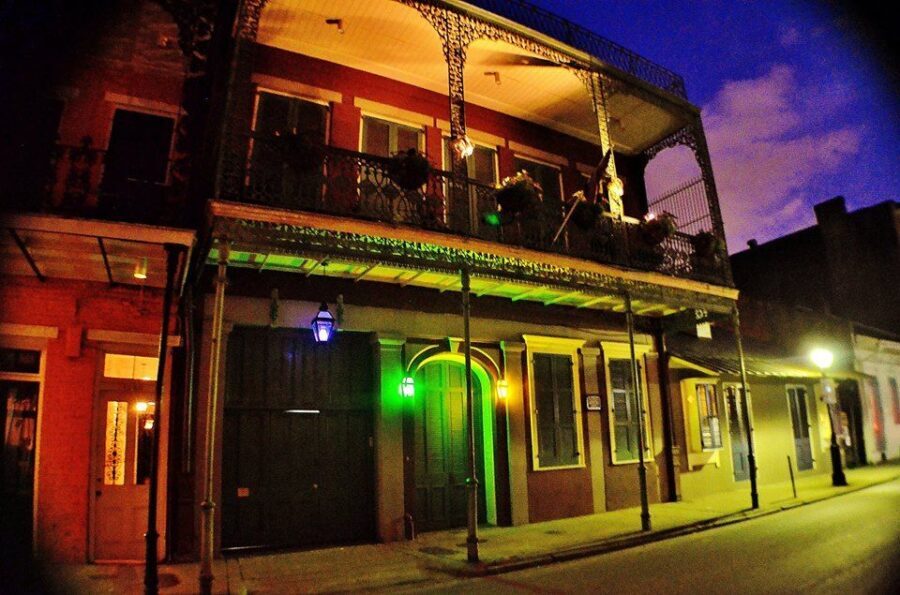
- Hands-on EMF + paranormal detector: you operate the equipment during the tour
- French Quarter landmark circuit: over 15 stops, including St Louis Cathedral, Cabildo, Presbytere, Ursuline Convent, and Jackson Square
- Dark mythology with local color: vampires, ghosts, and the idea of unsolved tragedies around the streets
- Insider-style storytelling: history and architecture tied to the myths you’re hearing
- Easy pace for 2 hours: a walking tour length that fits most itineraries without taking over your whole day
Entering the French Quarter’s darker side in just 2 hours
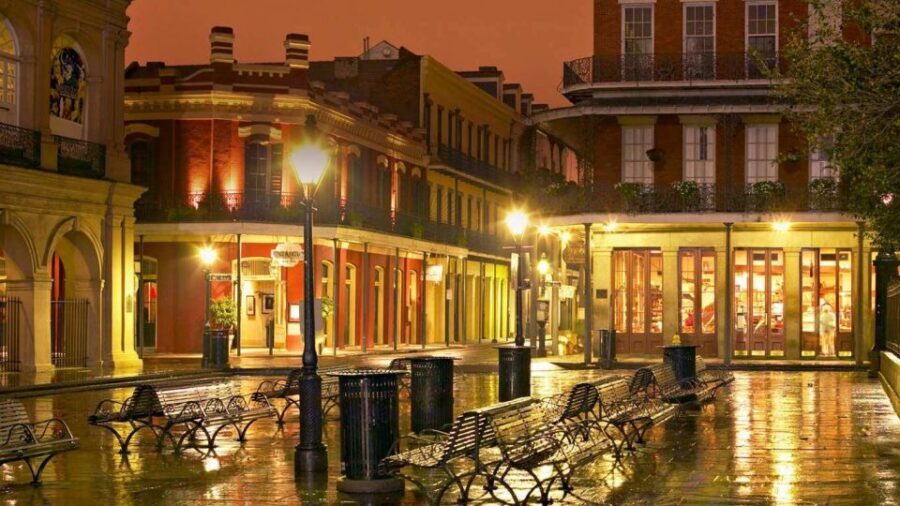
This tour is built for people who want the French Quarter atmosphere but with extra “what’s going on here?” energy. You’ll spend about 2 hours on foot in the most mythology-soaked district of New Orleans, which helps you see a lot without feeling stuck in a long bus ride or a multi-hour commitment.
I like that the description frames the experience as a blend of mystery, horror, history, culture, and architecture. That mix matters because it gives the scary stories a setting. You’re not just hearing vampire lore in the abstract; you’re standing in (or near) places where the architecture and landmark history make the legends feel more grounded.
The pace is a key part of the value. Two hours is long enough to get real street time and multiple stops, but short enough that you can still do dinner or a second activity the same day.
Starting at Lafittes Blacksmith Shop: where you meet and what to ignore
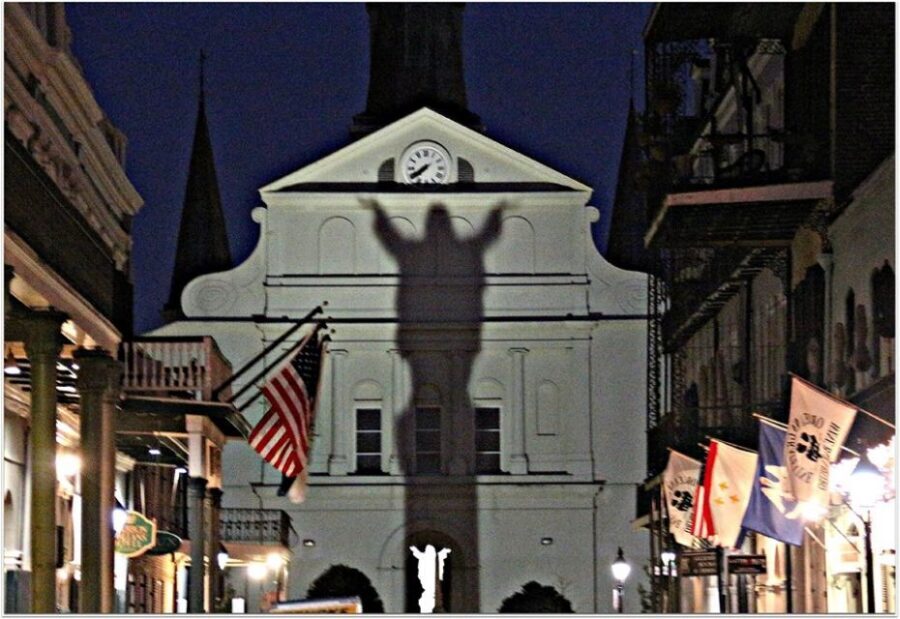
You’ll meet on the sidewalk outside Lafittes Blacksmith Shop Bar, at 941 Bourbon Street. The tour does not meet inside the bar, and the instructions are clear: find your guide on the sidewalk at the gate attached to the bar.
This is one of those small details that can save you time and stress. If you’re standing at the wrong entrance, you’ll waste the first five minutes figuring it out. Stick with the sidewalk/gate instruction and you’re good.
Also, the bar staff aren’t part of the tour, so don’t look to them for guidance about the walk. Think of the meeting location as a real-world landmark—not a help desk.
Using the EMF meter and ghost/paranormal detector yourself
Here’s what makes this tour feel different from a lot of “just listen” ghost walks: you’ll use equipment yourself during the experience. You’ll have an EMF meter and a ghost/paranormal detector, and the guide will bring the tools into the story so you can participate rather than watch.
I think this is where the fun kicks in, especially if you’re with friends who like to test the moment. You get that extra layer of curiosity: you’re not only hearing about ghosts; you’re running a gadget during the walk.
Quick reality check: paranormal tools don’t magically turn legend into proof. But for a travel experience, the point is the atmosphere and the interaction. You’ll get to treat the tour like a game while still hearing the history and mythology behind why these streets are famous for ghost tales.
The French Quarter stops that anchor the stories
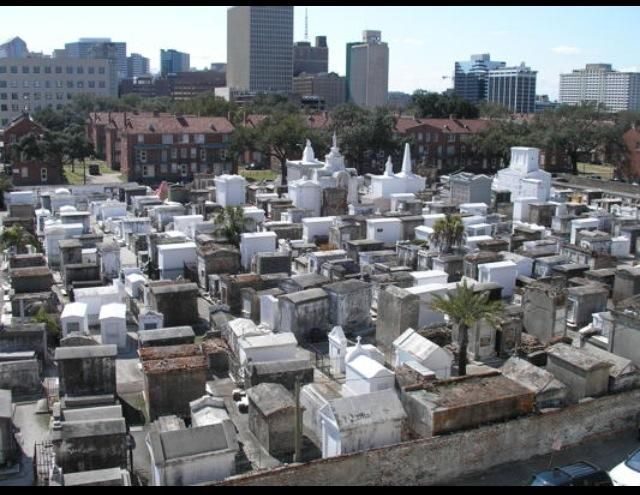
You’ll visit 15+ locations, with major landmarks included. The tour description calls out several big names—St Louis Cathedral, Cabildo, Presbytere, Ursuline Convent, and Jackson Square—so you’re not stuck only with vague “somewhere on this street” moments.
At a high level, each stop works like a chapter. The guide ties architecture and local history to the darker stories you’re hearing, so the scenery becomes part of the storytelling.
St Louis Cathedral: standing in the shadow of a centerpiece
The St Louis Cathedral is one of those New Orleans sights that already has gravitas, even before anyone mentions ghosts. On a tour like this, it works because the cathedral is tied to the city’s identity, and that contrast—sacred landmark energy paired with supernatural legends—can make the whole theme land harder.
If you like architecture and place-based storytelling, this is a great early stop. It gives you a clear “this is New Orleans” reference point, so the darker myths have something real to cling to.
Cabildo and Presbytere: historic buildings that make myths feel physical
Cabildo and Presbytere are included as part of the landmark set, and that matters. These aren’t generic street corners—they’re recognizable historic spaces. When a ghost tour uses real civic and historic buildings, it’s easier to imagine how stories could have grown around the area over time.
I also like these stops because they usually give you a chance to slow down and look. That’s helpful on a walking tour, since your brain needs a break from moving street to street.
Ursuline Convent: the kind of stop where the mood changes
The Ursuline Convent is another named landmark, and it has that classic New Orleans feel: history you can see in the structure. On this tour, it’s the kind of location where the guide’s dark mythology fits naturally, because the setting already carries weight.
Even if you take a skeptical approach, it’s hard not to notice the atmosphere. You’ll likely find that the guide’s stories land better once you’ve had a couple of stops to build the mood.
Jackson Square: where legends love to gather
Jackson Square is called out specifically, and it’s one of the best-known locations in the French Quarter for a reason. It’s open enough to take in the space, but still close enough to the cathedral and historic buildings that the whole area feels like one interconnected “stage.”
For a haunted tour, Jackson Square is valuable because it’s a visible hub. You don’t just hear about the supernatural—you can look around and picture how myths would spread here.
Where vampires, ghosts, and tragedy stories enter the conversation

The tour leans into New Orleans’ “dark side” with multiple locations tied to unsolved murders and suicides, plus stories about vampires and ghosts roaming around the French Quarter. It also includes visits tied to the legend of where vampires held their victims and fed off them.
Important note for your expectations: these are presented as documented reports and local stories, not as something you’ll verify in a lab. The value is how the guide frames the neighborhood’s mythology and how the city’s past becomes part of the spooky narrative.
I like that the tour doesn’t pretend the French Quarter is only one thing. It’s also described as a place with a decadent vibe and rich culture, so the horror elements sit inside a larger view of the city. That blend helps you enjoy the experience instead of feeling like you’re only getting grim content.
There’s also a line in the description about Hollywood stars choosing to call the French Quarter home. If you like pop-culture tie-ins, this is a fun angle because it connects modern fame to older stories and old streets.
Architecture, vibe, and why the guide’s perspective matters
The tour repeatedly points to architecture as a big part of what you’ll notice. You’ll see the French Quarter’s unique building style as you walk, and the guide uses those visual details to support the myths being told.
That matters because ghost tours can feel repetitive when the content is only scare tactics. Here, the architecture and landmark stops give you variety. Even if you’re not in full horror mode, you can still enjoy it as a structured French Quarter walk with interesting context.
One standout from the provided feedback: a verified booking (Melissa, dated October 31, 2019) praised the tour guide as both very informative and very fun. That combo is exactly what I’d look for in a tour like this—someone who can explain the background and still keep the energy playful.
Price and value: is $23 worth your time?
At $23 per person for a 2-hour walking tour, this sits in the “budget-friendly evening activity” category for New Orleans. The value is strongest if you want a concentrated dose of French Quarter sights plus spooky storytelling, not if you’re only chasing mainstream highlights like a standard sightseeing loop.
You’re getting:
- a live guide in English
- a walking format built around major landmarks
- a hands-on component with EMF and a ghost/paranormal detector
- a set of more than 15 stops, including several named National Historic Landmarks
If you normally pay more for a paid attraction plus a separate guided walk, this price can feel fair. If you prefer quiet museums and strictly verifiable history, you might find the horror theme is more of the priority than the facts. For most people who want atmosphere and stories, though, it’s a solid use of a couple hours.
Who this tour fits best (and who should think twice)
This works especially well if you:
- love the French Quarter and want a guided “spooky version” of it
- enjoy myths like vampires and ghost stories (with historic setting)
- like interactive experiences, not just lectures
- want to see recognizable landmarks in a walking format
It might be less ideal if:
- you prefer a strictly daytime sightseeing vibe
- dark topics like unsolved murders and suicides are not your thing
- you’re allergic to anything horror-themed, even when presented as stories
Also, the tour includes opportunities to stop along the way to purchase drinks. Some bars allow children; some do not. If that affects you, plan ahead so everyone in your group is comfortable.
Booking with flexibility: when to reserve and what to watch
The tour supports free cancellation up to 24 hours in advance for a full refund, and you can reserve now and pay later. That’s helpful in New Orleans, where plans change due to weather, crowds, or a spontaneous late-night decision for something else.
It’s also described as wheelchair accessible. The walking nature means you’ll still want to consider your comfort level for uneven sidewalks, but it’s at least positioned as accessible.
If you want more personal attention, there’s a private group option available. The private option includes up to 28 guests and is priced per tour rather than per guest—useful if you’re traveling with a group and want control over the experience.
Should you book this haunted excursion?
I’d book it if you want a French Quarter walk that mixes landmark sightseeing with scary, street-level storytelling—and you like the idea of using paranormal equipment yourself. The $23 price is reasonable for what you get: multiple named stops, a live English guide, and the interactive EMF/ghost-detector component.
I’d skip it if your idea of a good New Orleans day is mostly sunshine, light vibes, and strictly historical content. This tour’s focus is the darker mythology and supernatural legends, and it doesn’t hide that fact.
If you’re the type who loves atmosphere, you’ll probably have a fun night out—especially if you appreciate guides who can make the stories feel both informative and entertaining.
FAQ
Where does the haunted tour meet in New Orleans?
Tours meet on the sidewalk in front of Lafittes Blacksmith Shop Bar, at 941 Bourbon Street. They do not meet inside the bar—meet your guide at the gate attached to the bar.
How long is the New Orleans Haunted Excursion walking tour?
The tour lasts about 2 hours.
What paranormal equipment is used during the tour?
An EMF meter and a ghost/paranormal detector are used, and you’ll use the equipment yourselves.
Is the tour wheelchair accessible?
Yes, the tour is listed as wheelchair accessible.
Will there be stops where I can buy drinks?
Yes. During the tour, guests are allowed to stop along the way to purchase drinks. Some bars allow children inside and some do not.
Is there a private group option?
Yes. A private tour option is available for groups of up to 28 guests, priced per tour instead of per guest.
]]>I like the way the tour leans on real research instead of only campfire scares. I also like the practical twist: you handle real paranormal equipment, so you’re not just hearing spooky talk.
One possible drawback: this can feel more like dark New Orleans history than nonstop paranormal proof, so if you want guaranteed ghost sightings, adjust your expectations.
Key points to know before you go
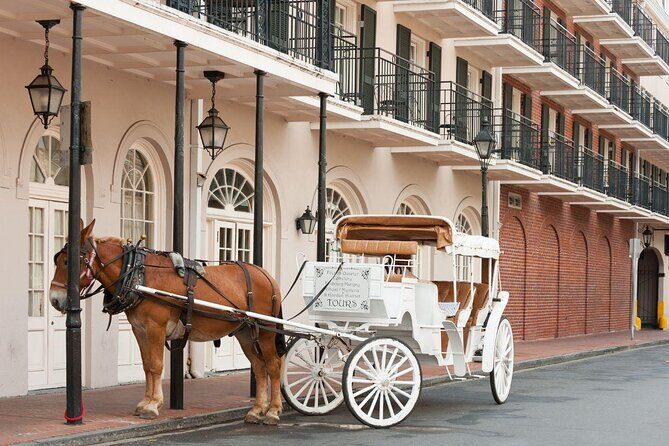
- Real equipment time: you can use an EMF ghost detector, plus you’ll get a quick explanation of what you’re doing with it.
- Research-based storytelling: the guide’s tales are tied to police archives, city records, and independent research.
- Unsolved crimes in the French Quarter: you’ll hear about murders and crimes of passion, with stories that include a suspected serial killer angle.
- Evening walks, bar timing included: it’s a moderate pace, and the route timing can stretch if bars are busy.
- Photos are allowed; audio/video isn’t: you can take pictures, but you won’t be recording audio or video during the tour.
Finding the meeting point on Bourbon Street (and why it matters)
Meet at 941 Bourbon St. The tour starts at the gate of the courtyard attached to the Legendary Lafitte’s Blacksmith Shop Bar. Important detail: the tour does not meet inside the bar, and it does not meet at the corner streets.
Show up a few minutes early and check in with your guide. The start time is real; if you’re even a bit late, the guide may not be waiting at the gate anymore because the tour leaves on schedule.
What you’re paying for: the value of a $35 French Quarter ghost tour
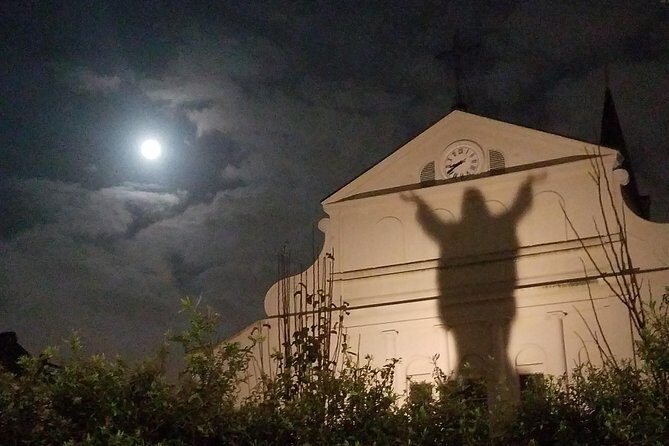
At $35 per person, this isn’t an all-day excursion or a bus-and-billboard production. You’re paying for a licensed guide, a walking route, and the theatrical edge of hands-on paranormal equipment—specifically an EMF ghost detector.
The best value here comes from the combination: you get stories that aim to be grounded in records, and you also get to participate rather than just listen. It’s also a good deal if you want a shorter night plan, because the tour runs about 1 to 2 hours.
The guide + the research: voodoo, witches, ghosts, vampires, and crime stories
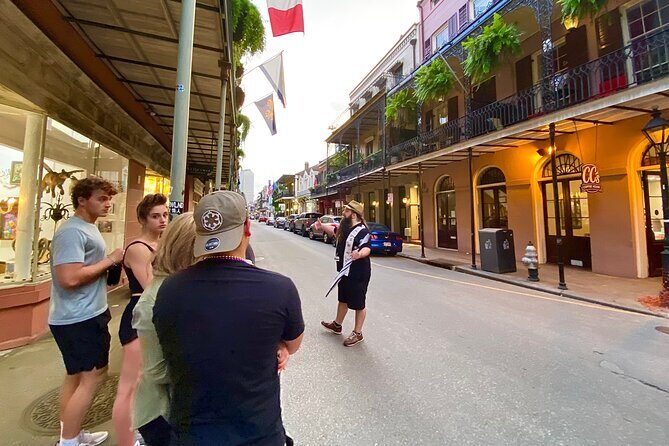
This tour is built around the idea that New Orleans has dark eras you can trace through places, people, and paper trails. You’ll hear about voodoo, witches, ghosts, and vampires, but the framing stays closer to unsolved mysteries and crime than to pure fantasy.
The tour claims its stories are derived from police archives, city records, and independent research. That matters because it gives you more to think about after the walk: you’re not only asking what you saw, but also what you heard and why the story persists.
How the pacing supports the storytelling
It’s a moderate-paced walking tour, so the guide can keep the narrative moving without rushing everyone. If you’re easily distracted by street noise, this kind of guided route can still work well, because the group stays together and the guide keeps drawing your focus back to what’s relevant.
The EMF detector experience: fun, science-ish, and very hands-on
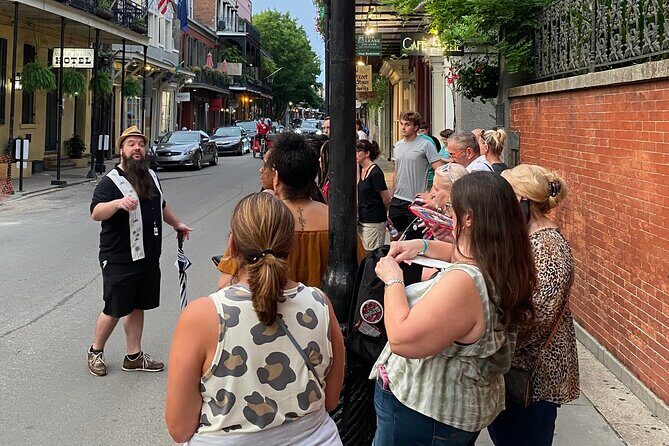
The headline practical activity is that you’ll use a real EMF ghost detector during the tour. This is the part that turns the night from entertainment-only into something you can participate in.
A key detail: equipment is checked out. If you want to handle the paranormal gear, you need to request it at check-in and provide your name, phone number, address, and booking reference number. Equipment is marked and tracked via GPS, and the rules are strict: there’s a $250 fee if something is lost, damaged, or missing—so treat it like a borrowed camera, not a toy.
What to expect in the moment
You’ll likely be walking through spots the guide has tied to the stories, then using the detector while the guide explains how to interpret what you’re seeing. Just keep one expectation straight: the tour is not promising a supernatural encounter. It’s offering a realistic way to explore the idea of paranormal activity while you’re out walking.
Photo rules that affect the vibe
You can take photos, and they encourage it. But audio or video recording devices are not allowed, so plan on keeping your phone mostly for pictures rather than recording everything like a documentary.
Walking the French Quarter: how the stops feel in practice
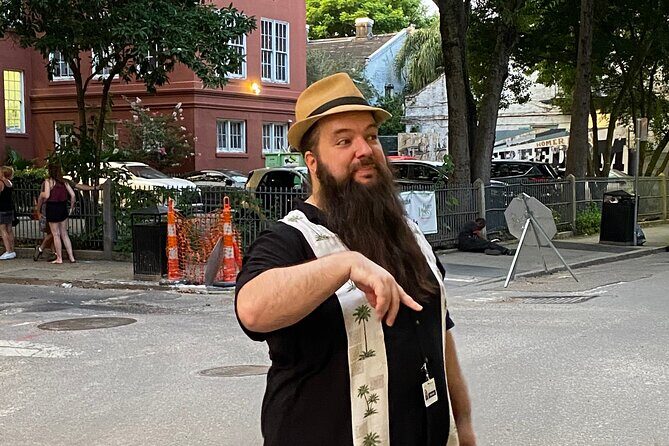
The tour’s itinerary is structured as a French Quarter walking experience with multiple story stops along the way. The big theme is the overlap of hauntings, rumor, and violent history: ghosts, vampires, witches, and voodoo alongside unsolved murders and crimes of passion.
One of the story pitches centers on following in the footsteps of a mysterious serial killer that some people believe may have been something other than human. Whether you come for the paranormal angle or the crime-history angle, this setup gives the guide a clear through-line for the night.
Places linked to unsolved cases (including a possible morgue-type stop)
Some stops may include locations people connect with major past events, including something like a former morgue stop. If that kind of site-heavy storytelling is your thing, you’ll probably like how the guide uses it as a staging ground for the mystery.
The trade-off: more history than repeat ghost sightings
A common watch-out with this style of tour is uneven intensity from stop to stop. Some moments can feel like direct ghost and mystery storytelling, while others can feel like the guide is setting context through the darker side of French Quarter history. That does not mean the tour is weaker—it just means you should go in ready to listen for themes, not only for dramatic paranormal outcomes.
How long the night takes and how to plan your schedule
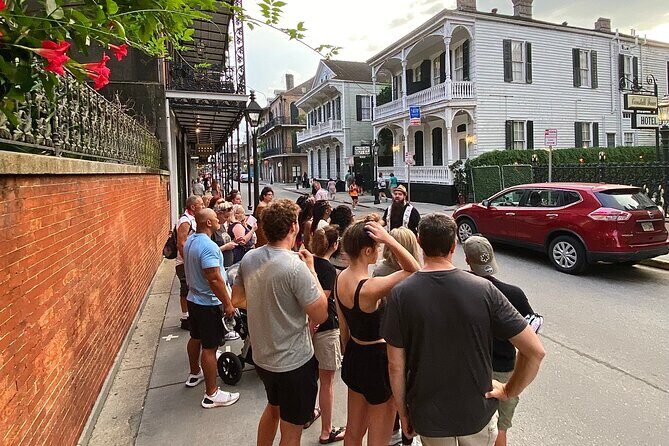
Expect the tour to run about 1 to 2 hours. It’s a moderate pace, but the actual timing can stretch because it may involve waiting related to bars along the route. Bars can be busy, and that affects how long the group stays on schedule.
Also, the tour departs on time. So if you’re pairing this with dinner or drinks, leave yourself buffer time before and after. French Quarter streets move fast, and it’s easy to misjudge how quickly you can get from one end of Bourbon to the other.
Where alcohol fits (and where it doesn’t)
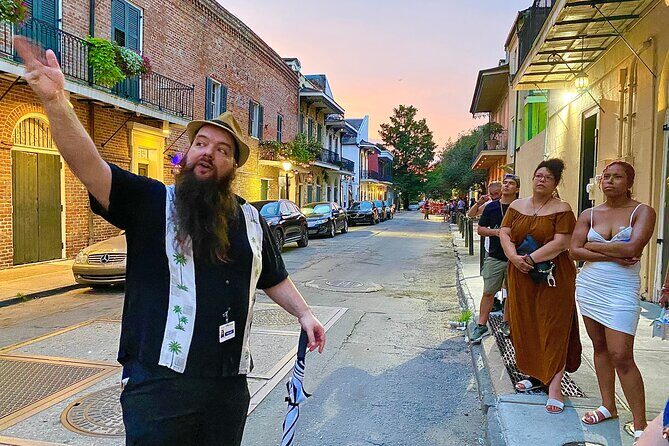
Alcoholic drinks are available to purchase along the way. If you want to sip, you can—this is part of the French Quarter atmosphere.
That said, the tour also has rules about intoxication for safety. If you’re the type who likes to start drinking early, keep it moderate so the experience stays fun and social rather than sloppy and uncomfortable.
Who this tour suits best
This is a great match if you want a short night walk that mixes spooky stories with local mystery. It also works well if you’re curious about the broader threads tied to New Orleans folklore—voodoo, witches, vampires—without needing a strict jump-scare format.
It’s especially appealing if you enjoy the idea of using real gear, even if what you’re measuring is uncertain. The point is the experience: walking the Quarter, hearing the stories, and trying the EMF detector yourself.
Who might want a different kind of haunted tour
Skip this one if you’re coming with a hard demand for constant paranormal proof. There’s no guarantee you’ll see or trigger anything supernatural during the tour. The company is explicit that the tour is for entertainment purposes, and they don’t promise you’ll encounter non-human beings.
Also, if you hate walking on uneven old streets, you’ll want to think twice. This is a walking experience through real neighborhood sidewalks, not a smooth indoor show.
Final call: should you book this French Quarter ghost tour?
I’d book it if you want a real-guide night with story focus and a hands-on paranormal activity. The $35 price makes sense for a licensed guide, research-based storytelling, and the opportunity to handle an EMF detector—especially if you like mysteries as much as you like the spooky vibe.
I would not book it if you need guaranteed hauntings or you expect every stop to deliver a dramatic ghost encounter. Go in for the atmosphere, the legends, and the unsolved-crime storytelling angle—and you’ll have the right mindset for a fun, slightly eerie walk through the French Quarter.
FAQ
How long is the French Quarter Ghost Tour?
The tour lasts about 1 to 2 hours.
Where do I meet the guide?
Meet at 941 Bourbon St, New Orleans, LA 70116, at the gate of the courtyard attached to the Legendary Lafitte’s Blacksmith Shop Bar. The tour does not meet inside the bar.
What is included in the ticket price?
Your ticket includes an admission ticket, local taxes, and a New Orleans licensed tour guide.
Do I get to use paranormal equipment like an EMF detector?
The tour uses real paranormal equipment, including an EMF ghost detector. If you want to handle the equipment, you must request it at check-in.
Is there a guarantee I’ll see ghosts or supernatural activity?
No. The tour says there is no guarantee you will encounter paranormal activity, even though they encourage photos and claim paranormal photos have been captured during tours.
Can I record audio or video during the tour?
No. Audio or video recording devices are not allowed during the tour. Photos are encouraged.
Is the tour refundable if I change my mind?
No. This experience is non-refundable and cannot be changed for any reason. If it’s canceled because the minimum number of travelers isn’t met, you’ll be offered an alternative or a full refund.
]]>What I like most is the mix of big themes and specific locations—Storyville and its role in early jazz, then Voodoo as lived belief alongside Roman Catholic influence. I also like that it’s not just spooky storytelling; you get to see the street-level settings tied to Marie Laveau and the “War of the Pews.”
One drawback to factor in: it’s a solid walk, and if you’re the kind of person who needs everything to be perfectly smooth, keep in mind there’s been at least one reported case of a guide not showing up.
Key things that make this tour worth your time
- Storyville on the ground: start at Backatown Coffee, then learn how the district helped shape early jazz.
- Voodoo with guardrails: West African religious roots plus crossovers with Roman Catholicism.
- Marie Laveau’s legacy: you’ll visit the site tied to her home and separate fact from myth as best as possible.
- Congo Square and Louis Armstrong Park: places where music, community, and performance history overlap.
- The War of the Pews: tied to sites around St. Augustine’s Catholic Church and the Tomb of the Unknown Slave, plus the 1891 Parish Prison vendetta story.
Starting at Backatown Coffee in the old Storyville footprint
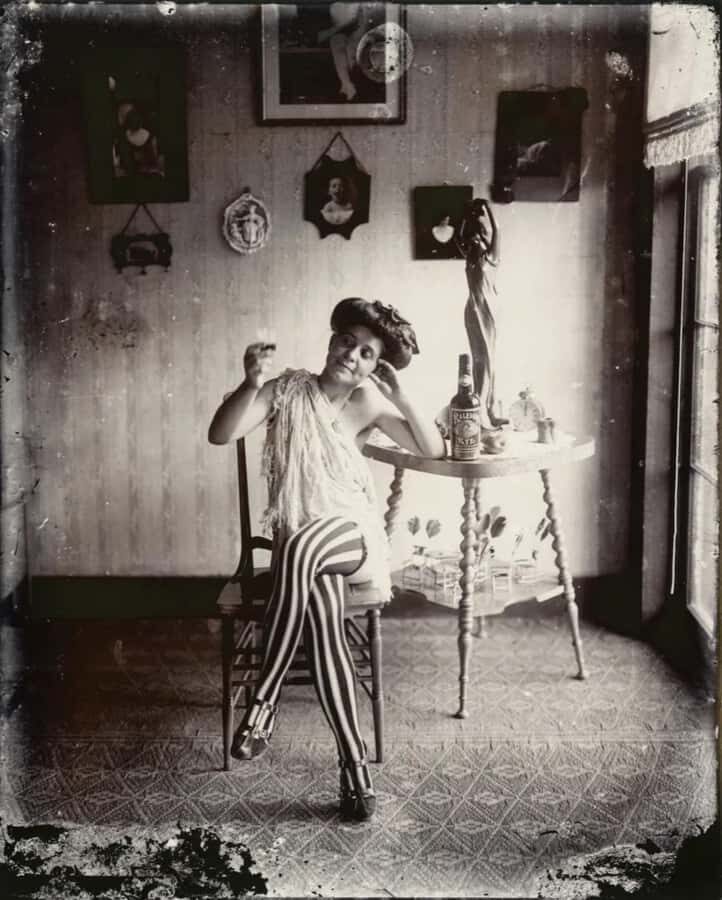
You begin at Backatown Coffee, which sits on the site of the notorious red-light district called Storyville. That’s a strong opener because it immediately reframes what Storyville was: not just scandal, but a specific local district that was decriminalized for about 20 years.
From there, you’ll walk with a guide who connects the dots between street life, the people who lived and worked here, and the early music scene. One reason this matters: the story of jazz doesn’t show up in New Orleans as one neat invention. It shows up as a messy human ecosystem—nightlife, money, migration, and performance all in the same neighborhoods.
Storyville to early jazz: what you’ll learn near the Basin area
The tour keeps going to sites tied to Storyville’s physical remnants, including a visit to the former Iberville Housing Project—now the Bienville Basin Apartments. The point isn’t the building itself as a postcard. It’s what the guide will tell you about what stood here during Storyville’s era, including surviving buildings linked to the district.
You’ll hear how Storyville’s decriminalized prostitution district played a role in the development of early jazz. The guide also points out notable names associated with that musical era—Jelly Roll Morton, King Oliver, and Sidney Bechet. Even if you’re not a jazz scholar, you’ll leave with a clearer sense of why music historians keep circling back to this neighborhood.
Two practical tips for this part:
- Watch for the way your guide uses place names to anchor the story. If you lose the thread, ask what you should look at next.
- Expect the tone to be frank. This is the kind of tour where you’re learning real social history, not sanitizing it.
Bienville Basin Apartments and “New Urbanism” in plain street-level terms
A notable stop is the former Iberville Housing Project, now the Bienville Basin Apartments, where you’ll learn about today’s “New Urbanism” in architecture. That sounds abstract, but on the ground it usually means this: how a city tries to reshape older spaces—what gets preserved, what gets rebuilt, and who the new design serves.
For me, this is where the tour becomes more than three themed stories. You start seeing New Orleans as a city that repeatedly reworks the same real estate, then argues about what the changes mean. Storyville is one chapter. The housing project is another. The architecture lesson is a third layer: how the present interprets the past.
You’ll want to pace yourself here, because the walk keeps moving and the tour keeps layering context.
Voodoo in New Orleans: realities, myths, and Catholic connections
After Storyville, the tour shifts gears into Voodoo—its history, the ancient West African religious basis, and the crossovers with Roman Catholicism in slave-holding colonies. This part is built to handle the topic responsibly without turning it into pure fear-mongering.
The guide explains Voodoo as both reality and myth. That matters because New Orleans has long lived with outsiders projecting their own ideas onto local belief systems. By the time you reach the Marie Laveau section, you’ll be better prepared to understand why certain stories stick, why some get distorted, and why people still talk about Voodoo as something lived.
If you’re curious but cautious, this is a good approach. You get the religious roots and the colonial-era crossovers, then you get a framework for interpreting claims without treating every headline-style story as fact.
Marie Laveau’s home site: separating fact from myth
One of the most direct emotional stops is the site of Marie Laveau’s home. The tour uses her biography to show how the city remembers its Voodoo practitioners—especially Marie Laveau, described here as the most well-known Voodoo queen in this country’s history.
What I like is the tour’s emphasis on separating what is fact and what is myth. That doesn’t mean you’ll get a perfect, lab-tested truth on every detail, because history rarely behaves that nicely. It does mean you’ll learn how to reason through stories: what’s grounded in documentation, what’s shaped by later retellings, and what may be local legend that still holds meaning.
If you’re visiting New Orleans for the first time, this is also a helpful reality check. You’ll see that Voodoo isn’t just costuming, photos, and folklore. It’s tied to community memory, spiritual practice, and cultural survival.
Basin Street Station to music landmarks: Congo Square, Louis Armstrong Park, and more
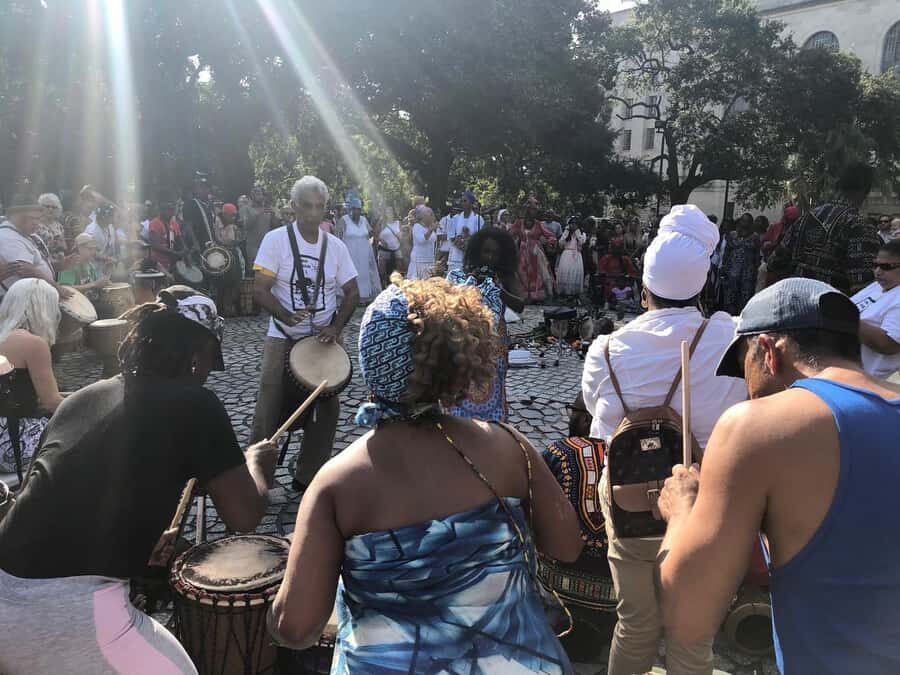
Next, the tour heads toward the Basin Street Station area and connects you to a string of music and gathering landmarks. You’ll visit Louis Armstrong Park and Congo Square, plus Perseverance Hall and the Rabassa-de Pouilly House.
Here’s what you can take from this section, beyond location names:
- Congo Square is where community gatherings and performance traditions get discussed in a way that makes sense in New Orleans. It’s a place name that carries weight because people gathered here for years, not just once.
- Louis Armstrong Park anchors the story in the jazz world you heard about earlier with Storyville. You start noticing how the city ties music to place.
Perseverance Hall and the Rabassa-de Pouilly House add texture too. These aren’t just “pretty stops.” They help you feel how New Orleans spreads culture across streets and buildings, not only across museums.
A quick way to get more from this portion: keep an eye on what your guide highlights as historically significant. If your guide points out a corner, doorway, or building feature, you’ll usually understand why once they connect it to the story they’re telling.
St. Augustine’s and the Tomb of the Unknown Slave: the War of the Pews
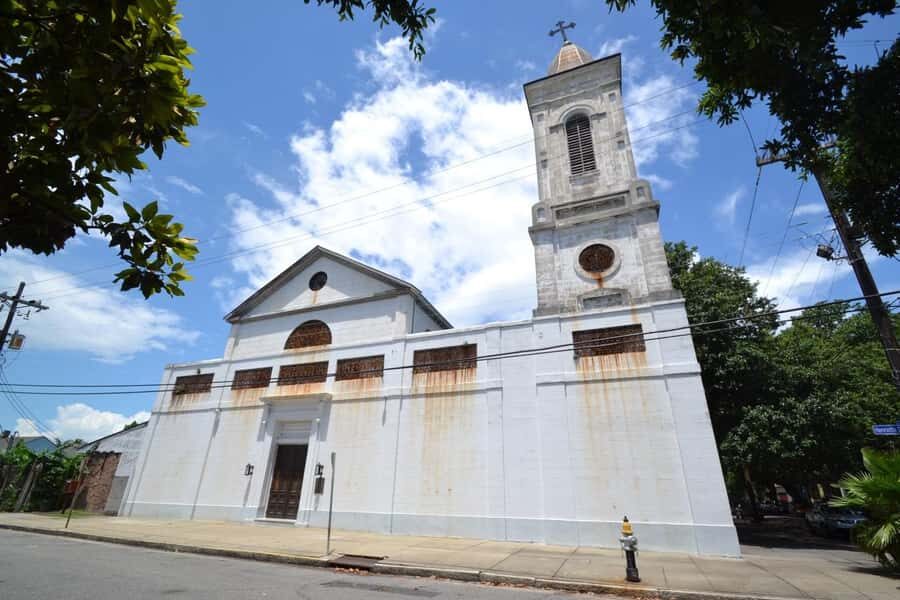
Then the tour moves into a darker, more complicated chapter: the “War of the Pews.” You’ll learn about it at St. Augustine’s Catholic Church and at the Tomb of the Unknown Slave.
You may not know this story at all before the tour, and that’s exactly why it’s included. New Orleans history isn’t only about music and festivals. It’s also about power, community conflict, and the way people fought over belonging and public space—even inside sacred places.
The tour also ties this theme to the 1891 Parish Prison vendetta, describing how it assassinated Sicilian convicts accused of murdering Police Chief Hennessy. The important takeaway for you is the pattern: arguments tied to status and authority don’t stay private. They spill into institutions. They become remembered history.
If you visit churches in New Orleans, follow the vibe the space asks for. That usually means quiet respect, staying aware of other worshippers, and dressing appropriately—this tour flags that some sites require respectful behavior and attire.
Treme neighborhood walking: Our Lady of Guadalupe Church and HBO connections
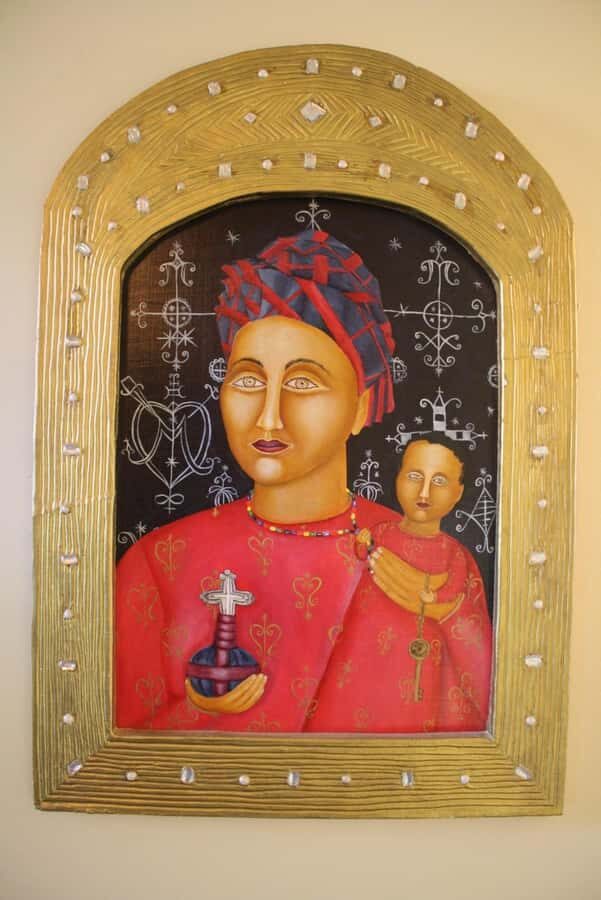
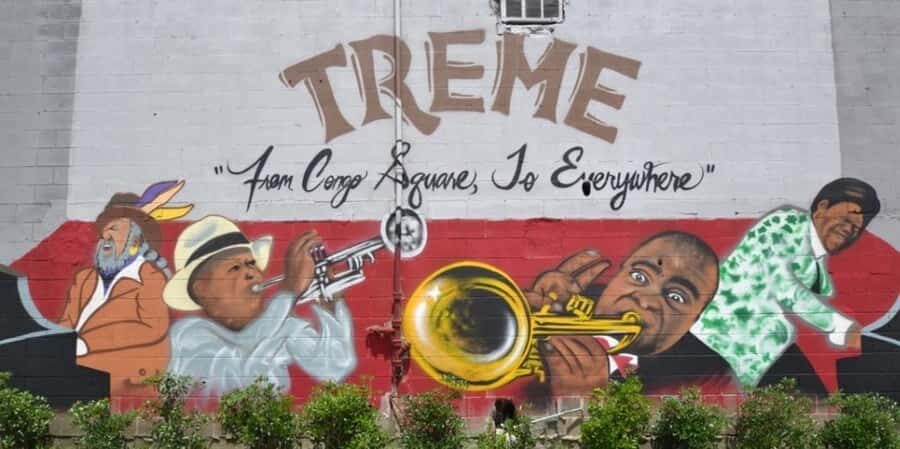
The tour spends real time in Treme, a neighborhood often treated as a living archive of Creole and African-American culture. You’ll hear about Treme through the lens of the “War of the Pews” story line and also through references to the HBO series Treme.
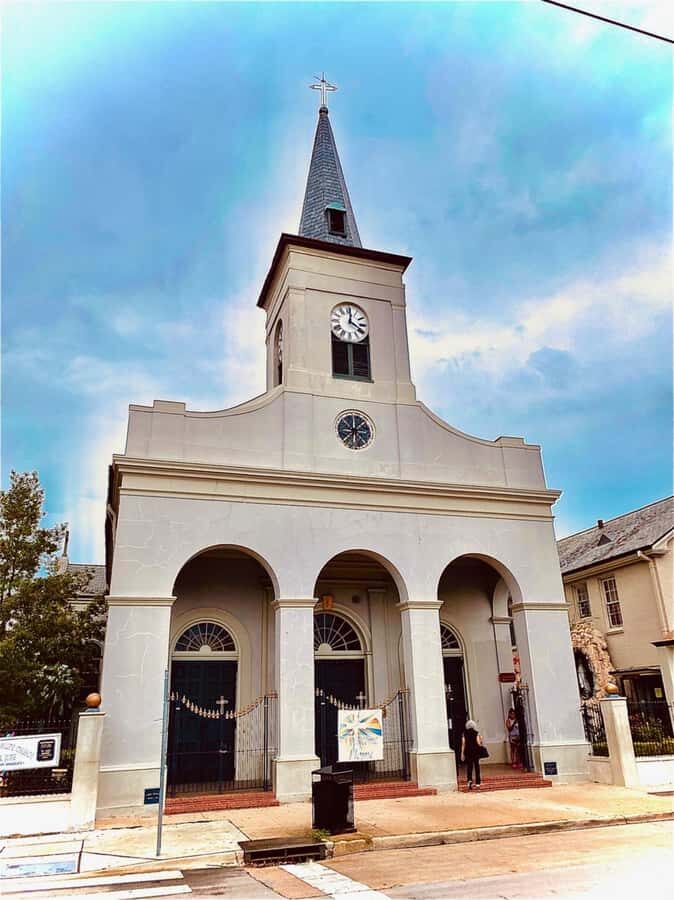
You’ll also visit Our Lady of Guadalupe Church as part of the route. Even if you’re not watching the show, the inclusion makes sense: it points you to the kind of community-centered filming that tries to show life as local people understand it.
The practical value here: you’re not just collecting “must-see” places. You’re learning how one neighborhood absorbed conflict, kept traditions, and continued producing culture. Treme helps you see New Orleans as continuity, not only as a set of dated landmarks.
Optional Backstreet Cultural Museum and the lagniappe trick
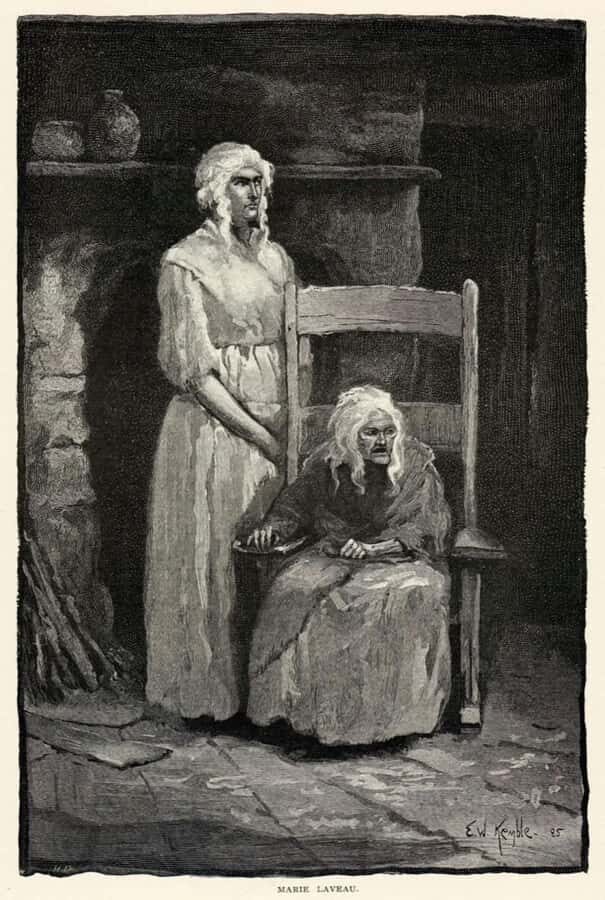
There’s an optional stop at the Backstreet Cultural Museum, dedicated to preserving Mardi Gras Indian and Second Line culture. If you’re the type who wants context you can keep afterward—something you can revisit by walking around in a museum setting—this is worth considering.
One small thing that’s actually smart: your guide offers a brief description of St. Louis Cemetery if you ask. You can also get the definition of lagniappe, explained by making that inquiry.
This is the kind of detail that makes a tour feel like it has a real guide behind it, not just a checklist. It’s also a low-pressure way to turn a question into a mini-story. If you like learning local language and customs, don’t skip this chance.
Price and value for a 2-hour walking tour
At $30 per person for about 2 hours, this tour sits in the sweet spot for a city like New Orleans. You’re not spending a full half-day, but you’re still getting multiple meaningful stops that cover:
- Storyville and early jazz connections
- Voodoo with religious and historical context
- Marie Laveau’s home site
- Congo Square and Louis Armstrong Park
- St. Augustine’s, the Tomb of the Unknown Slave, and the War of the Pews
- Treme neighborhood sights, including Our Lady of Guadalupe Church
The value isn’t only the number of locations. It’s the guided interpretation that connects them into one story of how culture survives alongside conflict. Admission to the Backstreet Cultural Museum is not included, and food and drinks aren’t included either—so plan to eat before or after, and carry water if the day is warm.
Also, this is significant walking. Comfortable walking shoes aren’t a suggestion—they’re the difference between enjoying the day and looking at every bench like it’s an oasis.
Who this tour fits best (and who might want a different plan)
This tour is ideal if you want New Orleans history that mixes culture, religion, and street-level storytelling. It’s especially good if you’re curious about:
- Why early jazz is tied to Storyville
- How Voodoo is discussed with West African roots and Catholic crossovers
- How local history includes church conflict and community power struggles
- The kinds of landmarks that matter in Treme
I’d think twice if you:
- Prefer a very light, casual walk with minimal tough topics
- Need lots of seating breaks
- Are sensitive to discussions of slavery-era history and criminal justice violence
The one thing to watch before you commit
A smooth day matters. One past booking included a no-show problem where the guide didn’t turn up and didn’t cancel in advance, which is obviously not what anyone wants. I can’t predict that will happen again, but I’d still do the simple, practical thing: confirm the meeting details the day-of and keep the operator’s contact info handy.
Should you book this New Orleans Voodoo, Storyville, and Treme tour?
If you’re trying to see New Orleans beyond the usual postcard loop, I think this is a strong choice. For $30, you’re getting a guided walk through Storyville, Voodoo, and Treme with standout anchor stops like Congo Square, Louis Armstrong Park, St. Augustine’s, the Marie Laveau home site, and the War of the Pews story.
Book it if you like history that’s grounded in places and explains how myths and memories form. Skip it if you want only gentle vibes, minimal walking, or guaranteed perfect operations.
FAQ
How long is the New Orleans Voodoo, Storyville, and Treme walking tour?
It lasts about 2 hours.
Where does the tour start?
It starts at Backatown Coffee, located on the site of the former Storyville red light district.
What are some of the main stops on the tour?
You’ll visit places such as Congo Square, Louis Armstrong Park, the site of Marie Laveau’s home, St. Augustine’s Catholic Church, and the Tomb of the Unknown Slave, plus stops in the Treme neighborhood.
Is food or drinks included in the price?
No. Food and drinks are not included.
Is there anything optional during the tour?
Yes, admission to the Backstreet Cultural Museum is optional (and not included).
Is the tour in English, and do I need walking-appropriate clothing?
The tour is in English. Wear comfortable walking shoes and dress appropriately for respectful behavior at some sites.
]]>Expect two hours that feel like a guided conversation with stops that actually belong in New Orleans. The museum visit is your foundation, then the short walk pulls you into public spaces tied to Voodoo practice—where the discussion shifts from artifacts to meaning.
The tour is entertaining, and it’s also designed to be responsible about what it covers. Still, if you want a strictly hands-off, totally hands-free approach to spooky themes, the topic is inherently intense, and the guides will talk about powerful traditions and symbols.
Key things I’d focus on before you go
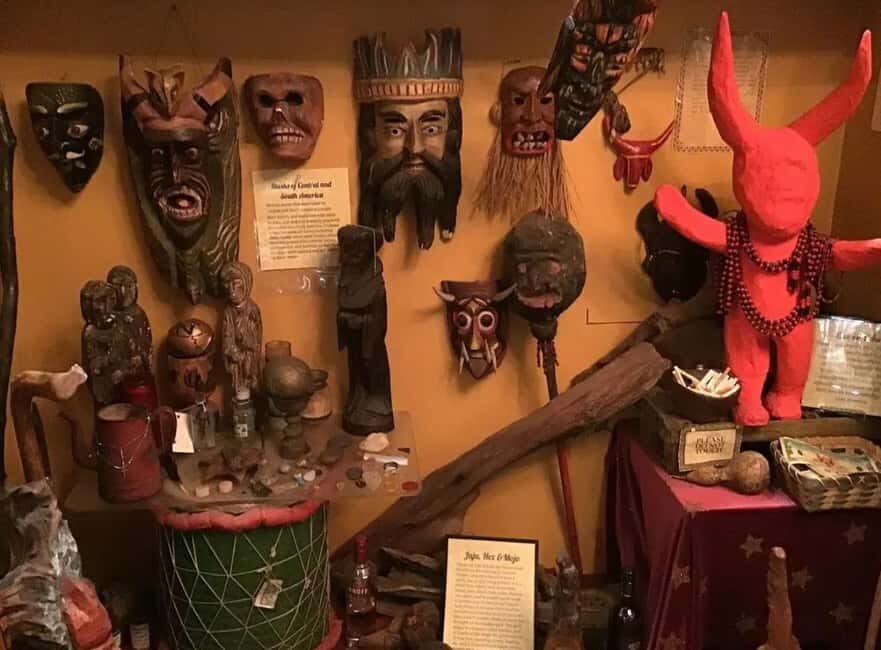
- A compact museum visit with museum access instead of just passing by for photos
- Nate’s question-friendly style, with guidelines but no scripted feel
- Congo Square as a real stop, used to explain how rituals and community life connect
- Marie Laveau context at two angles, via her house and a tomb replica in the museum
- A clear expectation that the cemetery is not part of the tour right now
- Entertaining writing influence from Martha Howe-Douglas, known for bringing ghost-story storytelling to the page
Starting at the Historic Voodoo Museum: why this order matters
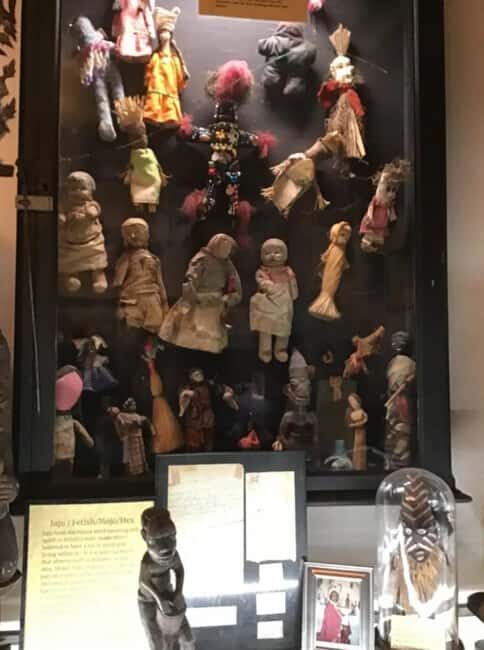
This tour begins inside the Historic Voodoo Museum, and that sequencing is smart. If you start outside at famous sites only, you risk collecting spooky details without context. Here, the museum acts like your briefing room: you learn what Voodoo is, how it’s described, and why New Orleans is an important setting for it.
You’re not in a huge building with miles of walking. It’s small, which is part of the appeal. You can actually pause, ask, and connect what you’re seeing to what you’ll hear next on the streets.
And yes, the topic is serious, but the delivery is meant to keep you engaged. The tour is built with entertainment in mind, written by Martha Howe-Douglas, co-creator of BBCs Ghosts. That doesn’t mean it turns into a gimmick. It means you’ll get stories with structure, not random facts thrown at you.
Inside the museum: exhibits you can actually look at
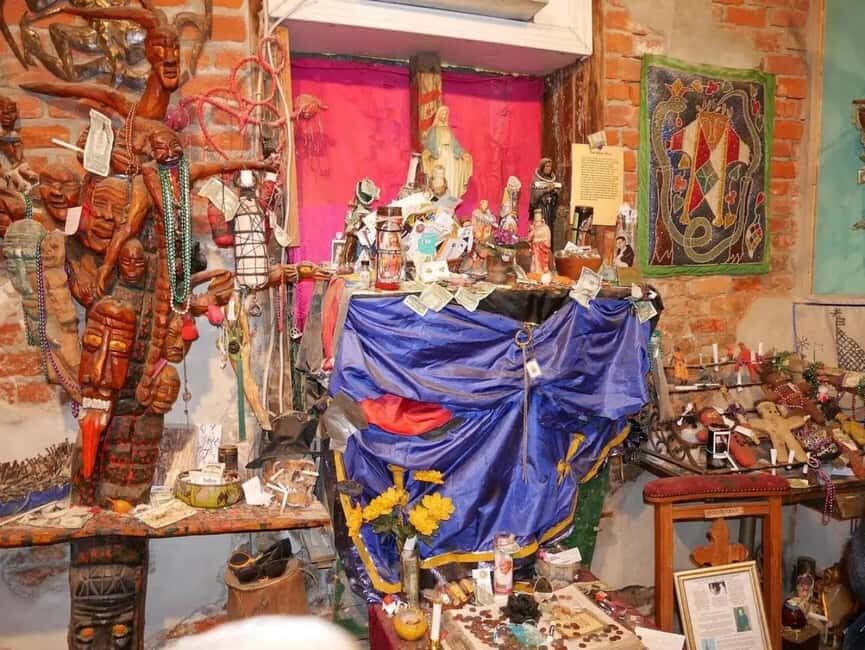
Once you’re inside, you’ll find unique exhibits that explore Voodoo’s influence on New Orleans and on the people who lived here. The value of this stop is the chance to slow down. Instead of relying on hearsay, you get something concrete: objects, symbols, and explanations that help you decode what you’re about to see outside.
This is also where the tone gets set. You’ll hear how Voodoo ties into identity, community, and belief systems that shaped daily life. That matters because New Orleans has plenty of tourism built on costumes and stereotypes. A museum visit gives you a framework that makes the street stops feel less like a show and more like a history lesson told by a guide who expects your questions.
Practical tip: bring your curiosity with you. The tour is guided and interactive, with guidelines, but it isn’t written like a tight lecture. If you’re wondering about a symbol, a term, or why certain practices became linked to specific spaces, this is the time to ask.
The walk to Congo Square: how public space changes the story
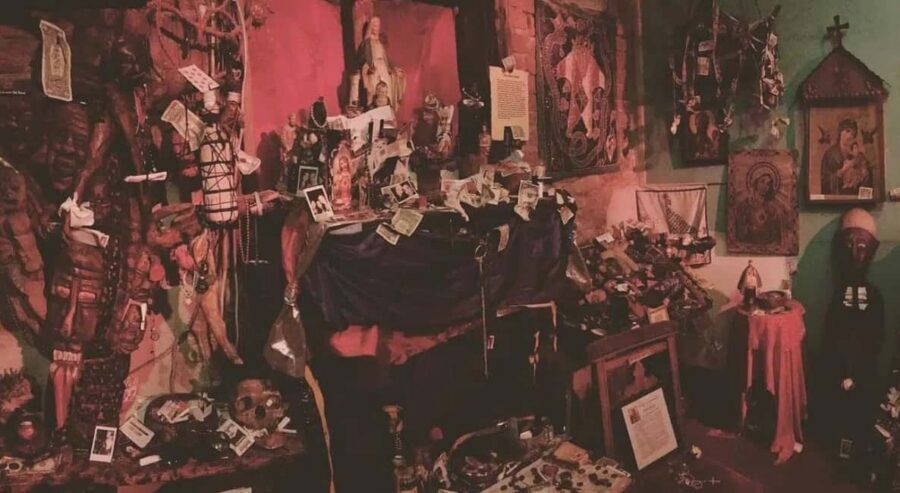
After the museum, you take a short walk to Congo Square. This stop is important because it’s not just a location on a map. It’s a place where public gathering and community rhythm matter.
Here, you’ll investigate Voodoo rituals of the past and present. That wording is key. The guide doesn’t treat Voodoo as frozen in time. Instead, you’ll get a sense of how practice, community life, and belief can shift while still staying connected to roots.
Why I think this stop is worth your time: Congo Square helps you understand the difference between learning facts and understanding meaning. If the museum gives you symbols, Congo Square helps you see how belief can be tied to gathering, music, and public celebration. It’s easier to grasp why people would connect ritual to community when you’re standing near a site built for gathering.
Good to know: the tour focuses on investigation through discussion. If you’re hoping for a dramatized re-enactment or something staged, you might be disappointed. If you’re okay with walking, listening, and asking questions, you’ll likely enjoy it.
Marie Laveau: the house visit and the tomb replica explained
Marie Laveau is one of those names that shows up everywhere in New Orleans marketing. The tricky part is that you can end up with a character from folklore instead of a real historical figure and cultural symbol. This tour helps you keep it grounded.
You’ll visit Marie Laveau’s house, and the guide will discuss her as an important and powerful Voodoo priestess. That word choice—powerful—matters. The discussion is not just about personality. It’s about influence, belief, and what it meant to lead within a tradition.
One clever detail: the museum includes a replica of Marie Laveau’s tomb, and that replica supports the conversation. Even though you’re not going to the cemetery as part of this tour, you still get a symbol to study and talk about. That’s a big help if you want the tour to feel complete without making promises about access to limited areas.
What to do while you’re there: listen for the difference between legend and context. The guide’s job is to connect what people repeat with what the sites and symbols can teach. If you ask why certain stories spread, or what the tomb replica is meant to represent, the tour is designed to answer you.
The guide experience: built for questions, not forced listening
The biggest strength of this tour is how it’s run. Nate and his team are passionate about New Orleans’ Voodoo history and culture, and that passion shows up in the tone: curious, responsive, and ready to explain. The walk has guidelines, but it’s not scripted, so you aren’t trapped in a one-size-fits-all script.
For me, that makes a difference. You’ll get better out of it if you can steer the conversation slightly toward what interests you—whether that’s ritual practice, symbolism, or how people in New Orleans have used belief systems to make sense of life.
There’s also a helpful balance here. The tour wants to be entertaining, but it’s built around explanation and context. That helps you avoid the two extremes: turning it into a joke, or turning it into a lecture you can’t follow.
What you should watch for: cemetery access and changing realities
Here’s the one clear limitation built into the experience. The cemetery was closed early in the pandemic, and it has only recently reopened with limited access. As a result, the cemetery is still not included in this tour.
That affects expectations in a practical way. If you’re specifically looking for a cemetery stop for Marie Laveau, you should plan to do that separately or accept that this tour will cover the tomb symbol through the museum replica instead.
It also means the route is more predictable and stays focused on access points that are currently workable. For many visitors, that’s a plus: you get the key story beats without the uncertainty of whether a closed site will open in time.
Price and value: is $41 for 2 hours worth it?
At $41 per person for a 2-hour tour, this sits in a fair mid-range zone for a guided experience in New Orleans. The value isn’t just the time. It’s what’s included and what it saves you.
You get:
- A guide
- Access to the museum
Then you spend that time at multiple meaningful sites: the museum, Congo Square, and Marie Laveau’s house, plus context around the tomb replica. For the price, you’re paying for interpretation—someone helps you connect what you see to what it might mean, instead of you wandering with only a phone.
If you’re the type of traveler who likes to take guided tours for context, this is a strong use of time. If you prefer self-guided wandering with minimal group structure, you might feel the two hours is too short to justify paying for a guide.
Still, the Q&A format is a value multiplier. If you ask good questions, you’ll get more out of the tour than someone passively collecting photos.
Sustainability note: the experience highlights sustainability through the UK’s first electric tour boat. The data doesn’t say you personally ride that boat on this New Orleans route, but it does suggest the operator is thinking about lower-impact travel. It’s worth noting as part of their broader approach.
Who this tour fits best
This experience is a good match if you:
- Want Voodoo in New Orleans with context, not just eerie stories
- Like guided Q&A and would rather talk than just hear facts
- Plan to cover multiple sites in a short window and want a clear structure
You might skip it (or at least temper expectations) if you:
- Only want light entertainment and no serious discussion of belief and symbols
- Expect cemetery access as part of the standard itinerary
- Want a strictly scripted tour with zero interaction
Should you book this New Orleans Voodoo museum and walking tour?
I’d book it if your goal is to understand Voodoo as a living part of New Orleans culture, using the museum and key locations like Congo Square and Marie Laveau’s house. The guide-led Q&A approach is the real draw, and the museum start helps you process everything you’ll hear afterward.
Book with a mindset that this is education plus story, not a staged spectacle. Also, go in knowing the cemetery is not part of the tour right now, so you’ll leave with tomb symbolism through the museum replica instead of a cemetery visit.
FAQ
How long is the New Orleans Historic Voodoo Museum guided walking tour?
The tour lasts 2 hours.
What does the tour cost?
It costs $41 per person.
What is included in the price?
The price includes a guide and access to the museum.
Does the tour visit the cemetery?
No. The cemetery is not included due to limited access after reopening.
Is the tour available in English?
Yes, the tour is conducted in English.
Is there free cancellation?
Yes. You can cancel up to 24 hours in advance for a full refund.
Can I reserve without paying right away?
Yes. There is a reserve now & pay later option, so you can book your spot and pay nothing today.
]]>Wear comfy walking shoes because it’s a steady stroll for about 2 hours. And since it’s a small group (up to 30), you get a better shot at hearing every detail instead of turning into background noise.
Key Highlights at a Glance
- True-crime meets ghost lore: murder stories tied to specific buildings you can see tonight
- Multiple major French Quarter landmarks: Lalaurie Mansion, Jackson Square area, and more
- Guides with strong personality: names like Lacey, Kamille, and Deana/ Diana show up in the guide lineup
- Good pace for a night walk: short stops (often around 10–15 minutes) keep you moving
- No admission fees for stops: each listed stop notes admission ticket-free
A Quick Reality Check Before You Join the Walk
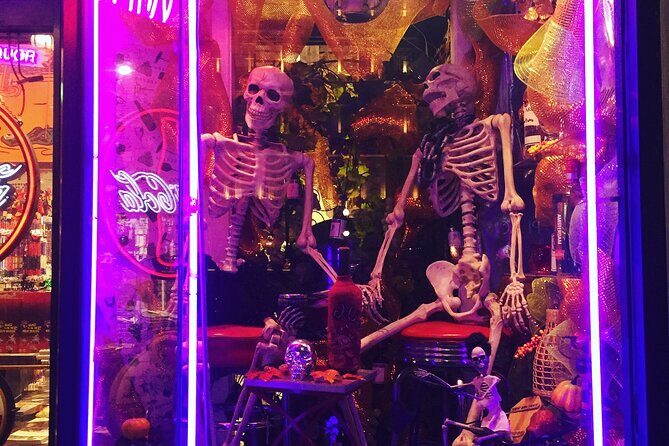
This is a group walking tour built for nighttime atmosphere in the French Quarter, with a heavy lean toward murder, scandals, and haunting legends. You’ll hear stories tied to named locations, not vague “someone once said” ghost talk. Expect a guide who keeps the group moving while still telling details—enough to make each corner feel like it has a backstory.
At $39.99 per person for about 1.5 to 2 hours, the value comes from two things: you get a guided narrative through multiple famous spots, and you don’t need to pay extra admission just to stand at them and hear the story. It also helps that the meeting and ending points are clearly set, so you’re not wandering around looking for the group.
The tone is where you should be honest with yourself. Some stops focus on real tragedies and brutal crimes (the kind that are still shocking even when told calmly). If you’d rather stay in pure folklore mode, plan for a darker style of storytelling.
Where You Meet and How the Night Unfolds
The tour starts at 710 St Louis St, New Orleans, LA 70130, with a start time of 8:00 pm. You’ll finish outside Ghost Bar at 606 Iberville St, so you can keep exploring after the tour rather than doing a second trek back to where you started.
You’ll also get a mobile ticket, and service animals are allowed. It’s near public transportation, which is handy if you’re mixing this with dinner or another evening plan. With a maximum group size of 30 travelers, it generally feels like a walk with a guide, not a huge crowd shuffle.
Timing matters here. With roughly 2 hours total and repeated short stops, this tour works best if you arrive a few minutes early and stay mentally ready to walk.
Omni Royal Orleans: A Hurricane-Era True-Crime Start
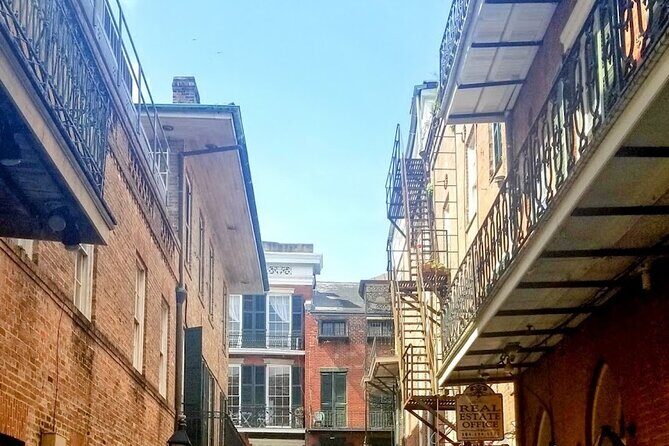
Your first stop is Omni Royal Orleans, where the guide sets the tone with a true-crime story tied to Hurricane Katrina. You’ll hear about a young couple, Zack and Addie, and how Katrina pushed their lives toward tragedy.
This opening is effective because it doesn’t feel random. Instead of starting with a jump-scare ghost, you start with a real-world disaster that shaped the city. Even if you’re not a true-crime person, it gives the night a strong anchor: this is New Orleans, where history isn’t trapped in the past.
One possible drawback: if you don’t like Katrina-related storytelling, this start can feel emotionally intense. But it also explains why the rest of the tour’s legends hit harder—because the city’s trauma is part of what people remember.
900 Royal St Balcony Spikes: The Late-1800s Twist
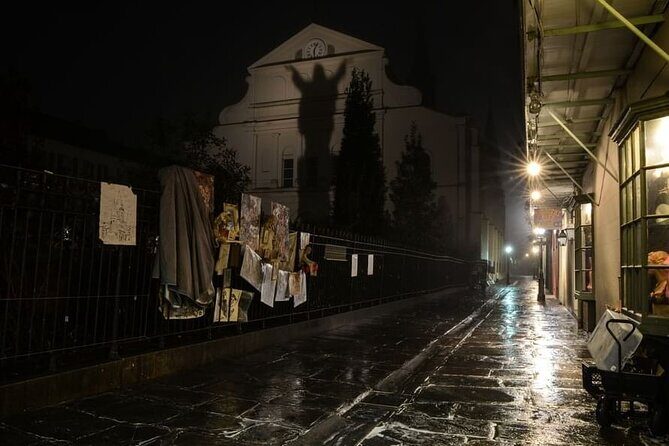
Next you head to 900 Royal St, a place that looks ordinary until the guide explains the story behind the cast iron spikes on balcony poles. You’ll hear a bizarre tale rooted in the late 19th century, including what led to the death of one young man tied to the situation.
What I like about this stop is that it teaches you how to read the city like a detective. You start noticing architectural details and realizing they weren’t added for decoration alone. If you’ve ever wondered why New Orleans buildings look the way they do, this is the kind of explanation that makes the French Quarter feel legible.
This stop is also short (about 15 minutes), so you’ll get the story without getting stuck in one spot for too long.
Lalaurie Mansion: Madame LaLaurie and the Hard Edges
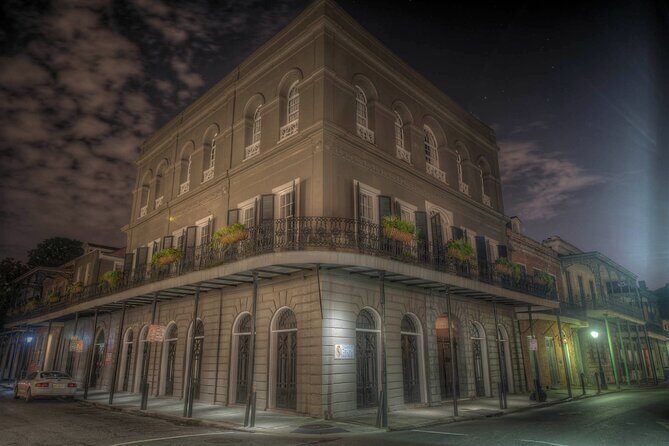
Then you’ll spend time at the Lalaurie Mansion, focused on Madame Delphine MacCarthy LaLaurie. The guide frames her as someone who moved from high society into one of the city’s most infamous reputations for cruelty.
This is one of the stops where the “ghost” label starts to feel secondary. Even if you don’t believe in ghosts, the story is compelling because it’s about power, violence, and secrecy—stuff people can’t stop talking about. If you’re sensitive to heavy themes, this is the one to mentally flag in advance.
The payoff is that it explains why the French Quarter has such strong haunted folklore. People tend to attach haunting to places where the truth felt unbearable.
Old Ursuline Convent Museum: Vampire Lore and Early Settler Stories
At the Old Ursuline Convent Museum, you’ll hear talk of vampires and other supernatural legends connected to the Ursuline presence in early New Orleans. The tour ties it to the Ursuline nuns being among the first women’s groups to settle in the New World, blending religion, legend, and haunting tales linked to early settlers.
I like this stop because it shows how folklore works in a real place. Even if you treat the supernatural parts as legends, the setting gives them weight. You also get a broader view of the city: not only crime and scandal, but also the early religious and cultural roots that shaped how people told stories.
A consideration: if you’re expecting pure supernatural action, you might find more emphasis on atmosphere and story than on provable facts.
Beauregard-Keyes House Area: Caroline the Cat Story
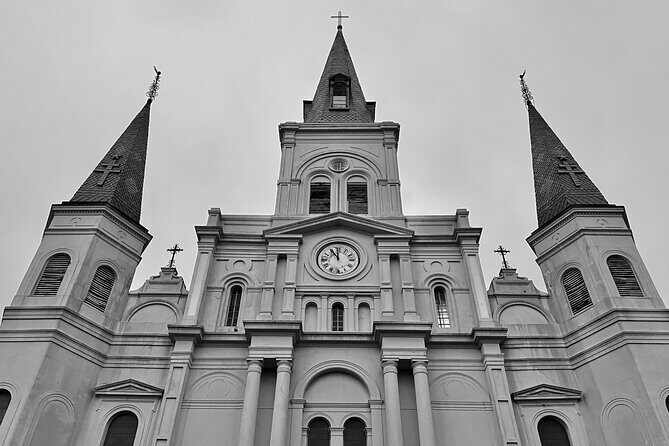
You’ll cross the street from the convent to the Historic BK House & Gardens, where you’re encouraged to keep watch for Caroline, the house’s resident cat. The tour plays this as a ghostly detail, pointing you to Caroline’s name engraved on a tombstone under the stairway in the courtyard.
This is one of the more “New Orleans specific” moments because it’s odd in a charming way. The guide turns a living detail (a cat) into an entry point for the supernatural legend. If your idea of a good ghost story includes a wink, this one usually hits well.
And practically, it’s a good break in the walk’s mood. After heavier crime stops, you get something a little stranger and lighter in tone, even if it still has an edge.
Bourbon Orleans Hotel: The 1854 Gallery Collapse
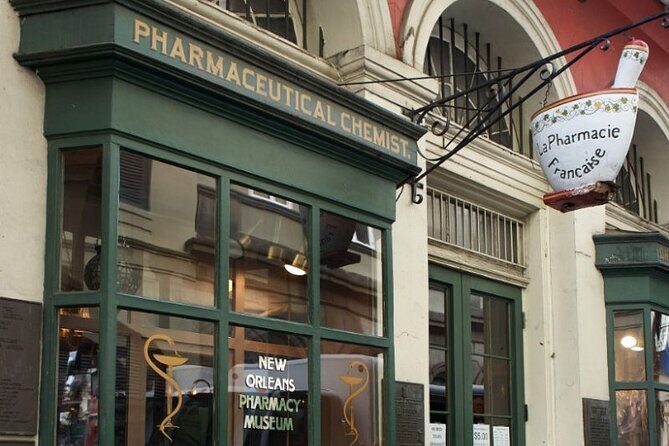
At the Bourbon Orleans Hotel you’ll hear an 1854 tragedy involving cries of terror and iron rods that supported an upper gallery. The story describes the building folding in a way that’s hard to picture, like a deck of cards.
This stop matters because it reminds you that “haunting” isn’t only about ghosts. Sometimes it’s about the way disasters get remembered, replayed, and turned into legend over time. The French Quarter is packed with stories of survival and sudden disaster, and this gives you one that shaped the city’s memory.
It’s another short stop (about 10 minutes), so you’ll get the big picture without being stuck in place after dark.
Père Antoine Alley: St. Louis Cathedral and a Priest’s Spirit
Your next walk takes you down Père Antoine Alley beneath St. Louis Cathedral. Here the guide focuses on Père Antoine, described as a key figure in New Orleans Catholic history, and how even after death his spirit is said to make the walk between the alley and the cathedral.
I like this stop because it shifts from crimes and collapses into something more devotional and local. Whether or not you believe in the spirit legend, the alley-and-cathedral layout practically begs for storytelling. You’re in a narrow space, under big architecture, with the kind of echo that makes a legend feel believable.
It’s also one of the better stops for photos if you like architectural framing, though the tour keeps moving so you shouldn’t linger too long.
Lafitte’s Blacksmith Shop: Smuggling and a Dive-Bar Reputation
Then comes Lafitte’s Blacksmith Shop Bar, one of the oldest buildings in the French Quarter, where the stories stretch from smuggling and privateering into hauntings that have circulated since the early 19th century. The tour highlights it as a standout stop for paranormal tales.
This is where the atmosphere of the French Quarter really comes alive. A dive-bar setting changes the ghost-walk vibe: instead of a solemn monument, it feels like the kind of place where legends get traded over drinks and late-night talk. And yes, the tour includes no alcoholic beverages, so you’re there for story and mood, not a party.
If you’re sensitive to loud bar energy, keep in mind this is a popular spot. The guide’s job is to keep you oriented while you’re hearing the legend.
Jackson Square: Artists, Psychics, and Haunted Hotel Remains
You’ll finish the storytelling stretch with time at Jackson Square, right in the French Quarter’s heart. From there you’ll look toward Saint Louis Cathedral while performers and psychics create a lively scene, and you’ll hear about the Place d’Armes Hotel and its place in haunting talk.
This stop works as a cool-down. It’s not only about ghosts; it’s about how the French Quarter performs for itself at night—street life, art, and legends mixing in one open space. If you want one place to people-watch after the tour, Jackson Square is that place.
The tour also ends outside Ghost Bar, so this part helps set you up for easy continuation of your evening.
How the Tour’s Pace Works for Real People
This walk uses short, focused stops—often 10 to 15 minutes—so you’re constantly recalibrating. That keeps energy up, especially in the evening, and it reduces the chance you’ll get bored between story beats.
Also, because it’s a group tour, the guide’s personality matters. The reviews highlight guides such as Lacey, Kamille, and Deana/Diana, and the pattern is consistent: guides bring the city to life with warmth and strong storytelling. In practical terms, it means you’re less likely to feel like you’re standing silently next to your group while someone reads from a phone.
If you don’t want to feel rushed, show up on time and don’t plan a long, seated dinner immediately before the start. You’ll be happier if you’re already on “walking mode.”
Value for $39.99: What You’re Really Paying For
At $39.99, you’re not buying access to museums or attractions that charge extra. Each stop notes admission ticket free, so the cost is mostly for the guide, the route, and the curated narrative connecting the French Quarter’s most talked-about stories.
That makes this tour a good “first night” option, especially if you want context fast. You can learn why certain streets feel the way they do and what specific buildings are known for. Then, later on your trip, you can explore with better instincts.
If you’ve already done multiple paid guided walking tours in New Orleans, this might feel similar in format. But the tone—true-crime paired with hauntings—gives it a distinct angle worth considering.
What to Wear, Bring, and Plan (So You Enjoy It)
This is a nighttime walking tour. I’d plan for uneven sidewalks and a bit of standing still while the guide tells the story. Comfortable walking shoes are non-negotiable.
Bring water. The tour’s length is about 1.5 to 2 hours, and even in cooler months you’ll feel the walking. If you’re sensitive to cold night air, bring a light layer because you’re out long enough for the temperature to change.
And if you want photos, use discretion. The tour is built around hearing the guide and moving on schedule, so quick shots beat long stops.
Who This Tour Fits Best
This tour is ideal if you like:
- True-crime stories tied to real city locations
- Haunted legends you can connect to actual architecture
- A guide-led night walk that helps you get your bearings quickly in the French Quarter
It’s less ideal if you:
- Want purely “fun spooky” stories with no heavy tragedies
- Prefer daytime history tours with museums and verified facts
Should You Book This French Quarter Ghost Walk?
If you want an easy, guided way to understand why the French Quarter talks about ghosts, murder, and misfortune in the same breath, I think you’ll like this. The route hits major landmarks, the stops are short enough to keep you engaged, and the guide-driven storytelling gives you a reason to look at the buildings instead of just walking past them.
Book it if you’re the kind of traveler who enjoys a strong narrative and can handle darker themes. Skip it if murder-and-tragedy stories will spoil your mood, or if you’re craving a gentler, family-friendly ghost vibe.
If you do book, show up with comfortable shoes and a flexible mindset. This is New Orleans after dark: the city’s legends feel most real when you’re walking them.
FAQ
How long is the 2-Hour French Quarter Ghost Walking Tour?
It runs for approximately 1 hour 30 minutes to 2 hours.
How much does the tour cost?
The price is $39.99 per person.
Where does the tour start and what time does it begin?
The tour starts at 710 St Louis St, New Orleans, LA 70130 and begins at 8:00 pm.
Where does the tour end?
It ends outside Ghost Bar at 606 Iberville St, New Orleans, LA 70130.
Is a mobile ticket used?
Yes. The tour offers a mobile ticket.
How big is the group?
The tour has a maximum of 30 travelers.
Are alcoholic beverages included?
No. Alcoholic beverages are not included.
Is good weather required?
Yes. The experience requires good weather. If it’s canceled due to poor weather, you’ll be offered a different date or a full refund.
What is the cancellation policy?
You can cancel for a full refund up to 24 hours in advance. Within 24 hours of the start time, refunds are not offered.
Is the tour accessible for service animals and near transit?
Service animals are allowed, and the tour is near public transportation.
]]>I like two things most: the stops are tied to specific, famous locations you can actually point to, and the guide’s delivery keeps the mood spooky but still fun for a wide age range. One caution: the stories include murder and torture, so if you want light, fluffy scares, this may feel heavy.
Key points worth your time
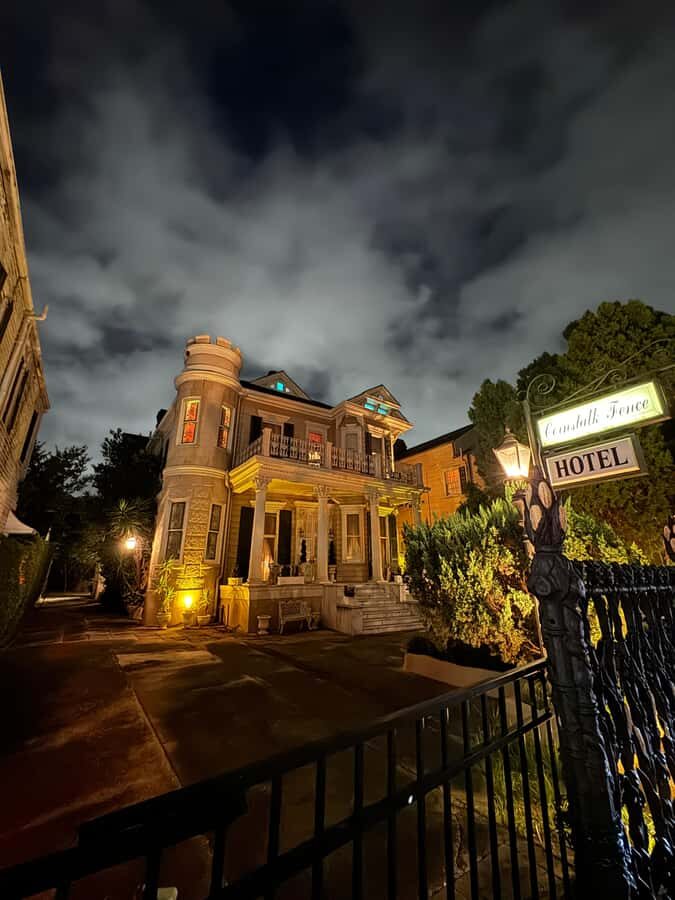
- Jackson Square kickoff at the Andrew Jackson statue, with a lantern-carrying guide you can spot fast
- Chartres and Royal Streets along the way, so you get atmosphere plus folklore
- LaLaurie Mansion as the big chills moment
- Ursuline Convent vampires and the Muriel’s resident spirit (complete with a legend about a set table)
- Optional séance at the restaurant’s séance lounge, or you can keep roaming in the neon-lit Quarter
Where You Start at Jackson Square (and why it matters)
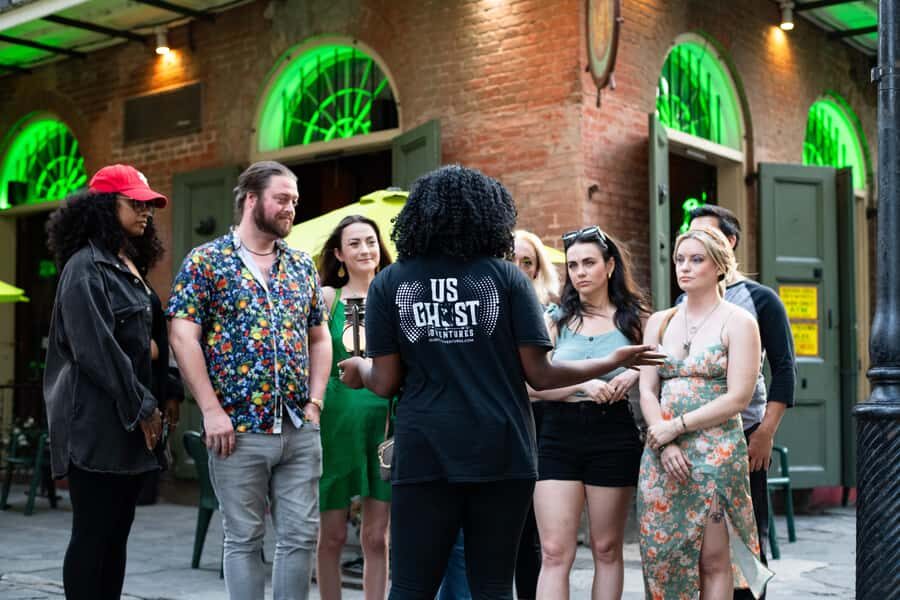
Your tour meets in the center of Jackson Square at the Andrew Jackson statue. The guide wears a black US Ghost Adventures t-shirt and carries a lantern, so you’re not hunting in the crowd. Plan to arrive about 15 minutes early so you can get your bearings and avoid rushing when the group starts moving.
From the start, this tour gets the vibe right. Jackson Square is one of the most recognizable spots in the Quarter, and it’s also where the stories begin. The tour is built to feel like a guided walk through layers of New Orleans time, not just a string of “spooky spots.”
You’ll also be walking with intention: the route is designed around iconic buildings and street corners, then branching into the darker tales those places are known for. If you like history in story form—especially stories that sound like they belong to the city—you’re in the right place.
The 1-hour French Quarter route: how the walk unfolds
This is a tight, hour-long guided walk. You’ll hit Jackson Square, then move through the Quarter’s famous Spanish-style street grid, including Chartres and Royal Streets, stopping at six additional haunted sites along the way. The timing is short enough that you won’t feel dragged from one location to the next, but long enough that the guide can build suspense instead of just listing facts.
A big practical win here is that the “main landmarks” are concentrated. You’re not commuting across town or spending half the evening in transport. Most of your time is spent close together, so your feet do the work while the stories do the rest.
One more practical note: it runs rain or shine. If you’re visiting in a stormy season, still wear shoes you can trust on wet pavement, and dress for weather changes.
Stop 1: Jackson Square and the executioner’s ghost
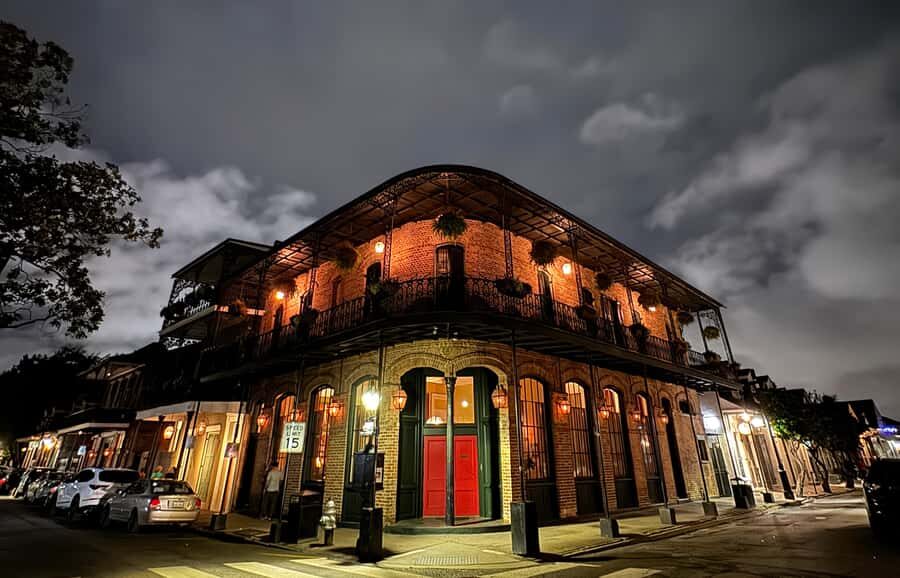
Jackson Square is where you set the tone. The tour story kicks off with the executioner and the idea that the town executioner and victims are trapped together for eternity. It’s the kind of legend that fits the square’s theatrical energy—statues, open space, and that constant sense that something old is watching.
What I like about this opening is the pacing. Instead of starting with the darkest location first, the guide lets you warm up to the city’s supernatural mood. You’re learning how the tour will frame the Quarter: not as a theme park, but as a place shaped by tragedy and survival.
You’ll also get a sense of New Orleans’ timeline. The tour frames the French Quarter’s hauntings in the context of centuries of disasters and violence—fires, hurricanes, murders, and tragedies—roughly 300 years of them. It’s not just “ghosts because ghosts.” It’s ghosts as part of the city’s memory.
Chartres and Royal Streets: architecture that makes the stories stick
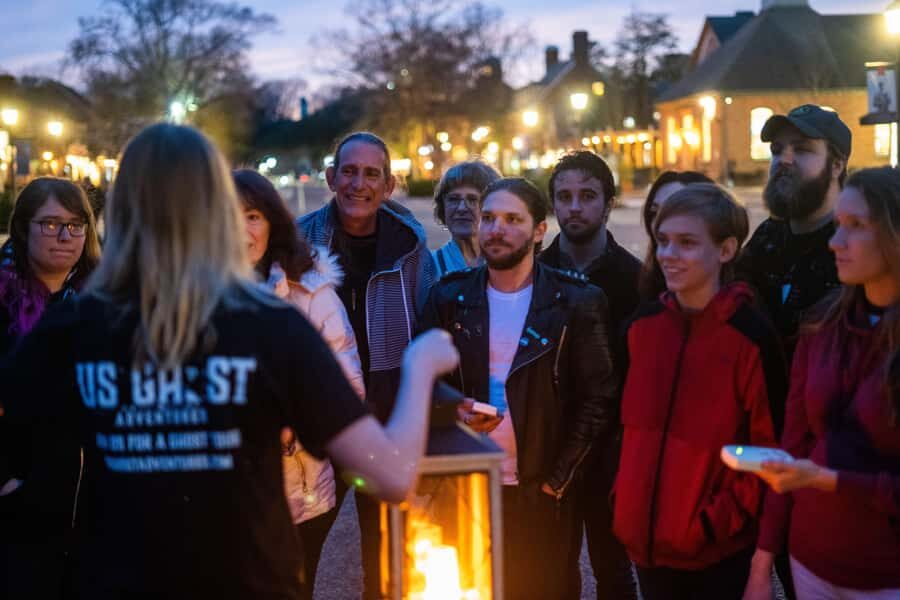
After the Jackson Square start, the tour moves through Chartres and Royal Streets, where the architecture does some of the spooky work for you. These streets are visually memorable even in daylight: old-world facades, narrow lanes, and the kind of street geometry that makes corners feel closer than they are.
This part of the walk matters because it connects legend to place. When you hear about a haunt connected to a specific property or neighborhood reputation, you can look around and understand why it became a story. You’re not just hearing “there’s a ghost here.” You’re watching the Quarter’s built environment reinforce the mood.
Also, you get moving coverage. The guide weaves through multiple haunted sites—six more along the path—so you get variety without losing momentum. If you want a single evening where you cover the basics and a few heavier stories, the street-by-street structure is a strong fit.
LaLaurie Mansion: the chilling stop you’ll remember
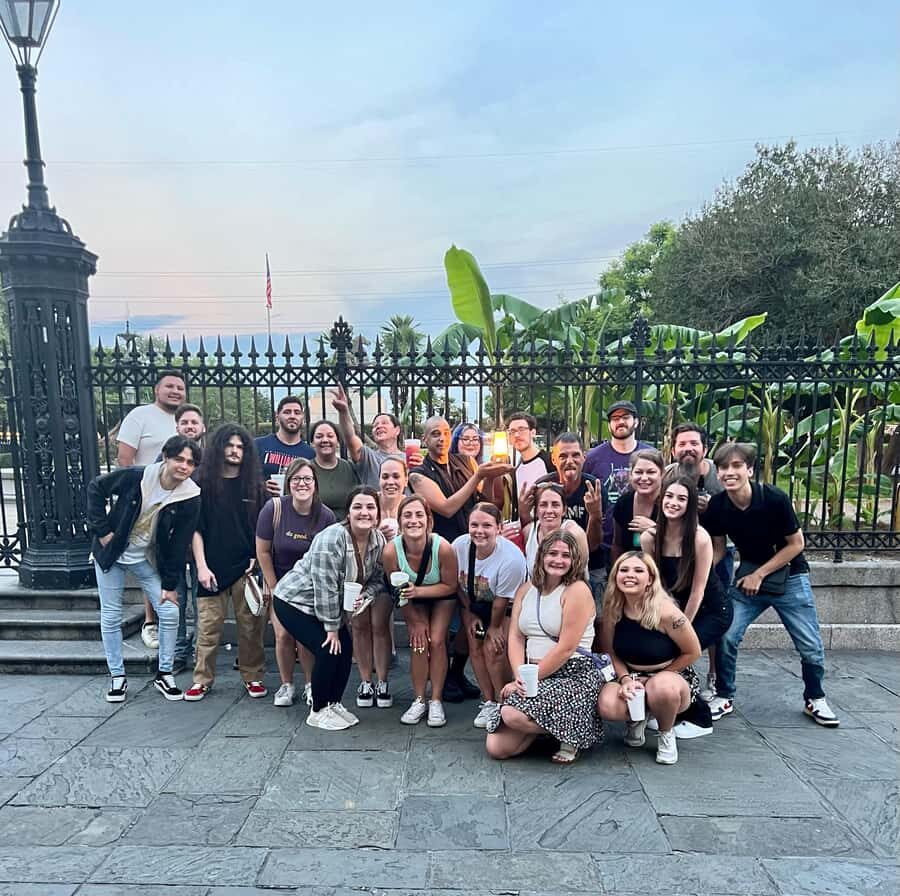
The most intense moment is the approach to LaLaurie Mansion. The tour calls it infamous, tied to a socialite who tortured and murdered her slaves. That’s not a gentle legend, and the tour doesn’t treat it like a campfire tale.
Here’s how to think about this stop: it’s valuable even if you’re not looking for horror. LaLaurie Mansion is one of the French Quarter’s most recognizable horror-adjacent sites, and learning the story in a guided setting gives it context. With a guide telling it, you’re less likely to rely on vague internet bits and more likely to get a clear narrative arc.
That said, it’s also the reason this tour comes with a consideration. If you’re sensitive to accounts of torture and murder, you might find this stop stressful. In exchange, it’s also one of the most memorable, because you can feel the weight of the place as you hear the details.
Ursuline Convent vampire legends (and how to enjoy them)
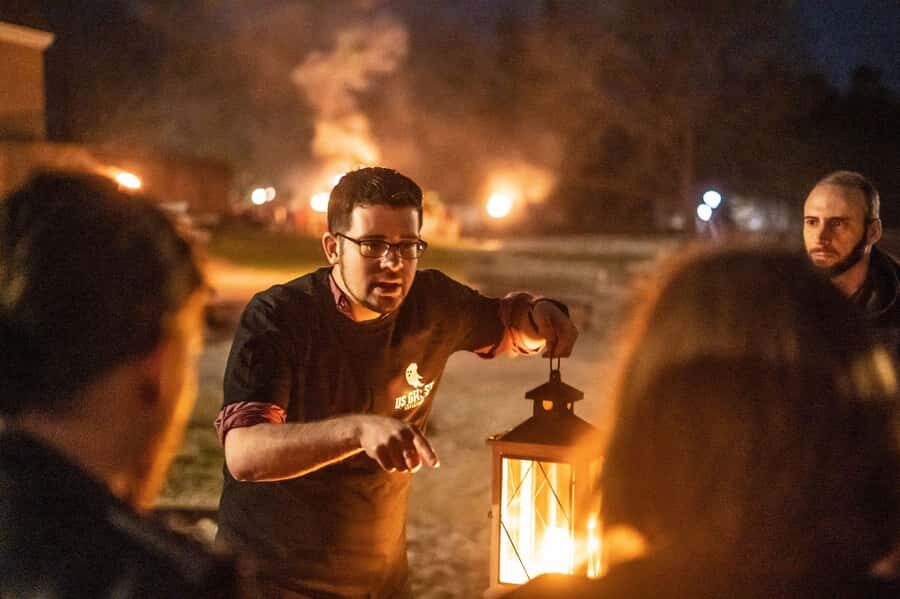
Next comes the tour’s creepy folklore moment: the tale of the Ursuline Convent Vampires. This is where the tour leans into legend and the kind of supernatural storytelling that New Orleans is famous for. The Ursuline story is told along your walking route, so you’re still experiencing the Quarter while the guide builds the myth.
I like that this stop isn’t just one quick scare line. It’s connected to the wider theme of the tour: how the city’s past feeds the stories people repeat. Even if you don’t fully believe in vampires, you can still appreciate the cultural pull of the legend—why it stuck, and how it became part of the Quarter’s ghost map.
Muriel’s resident spirit: why the table matters
The tour also includes Muriel’s and its resident spirit. The story is that his presence is so frequent that they keep a table set out for him. That detail is oddly practical and very New Orleans: a legend that shows up in everyday ritual.
This part of the tour is especially good if you like ghosts with local flavor. A random spooky rumor feels generic. A story tied to a real restaurant practice feels like something you’d only get here—something that blends myth with city habit.
Even better, it sets you up for the optional finale. Because if the legend is already part of the restaurant’s atmosphere, the séance option feels like a natural next step rather than a gimmick.
Optional séance lounge, then neon-lit wandering
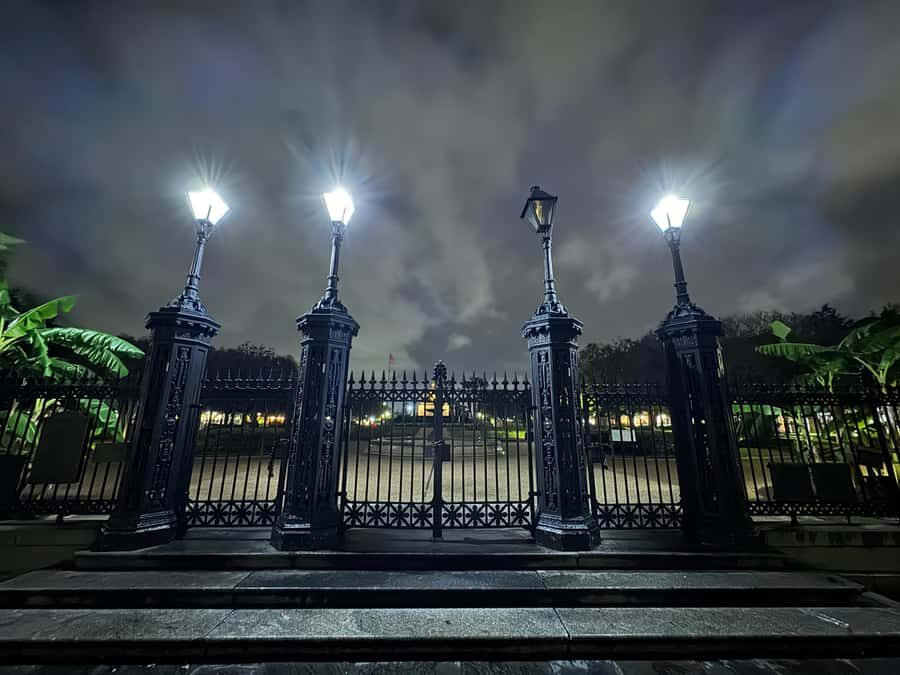
At the end, you have two choices. You can opt for a séance in the restaurant’s séance lounge, or you can head out and continue on your own into the neon-lit French Quarter.
What you choose depends on your vibe:
- If you want the full theatrical experience, the séance adds a performance element and makes the tour feel like a complete night out.
- If you’d rather keep it casual, you can skip it and use the guide’s stories as a lens while you keep walking.
Either way, the tour ends back at the French Quarter meeting point at the St. Louis Cathedral, 615 Pere Antoine Alley, at the front of the steps facing Jackson Square. So even if you keep going after, you’re not stranded. You’ll know exactly where to regroup.
Price and value: what $27 gets you in the Quarter
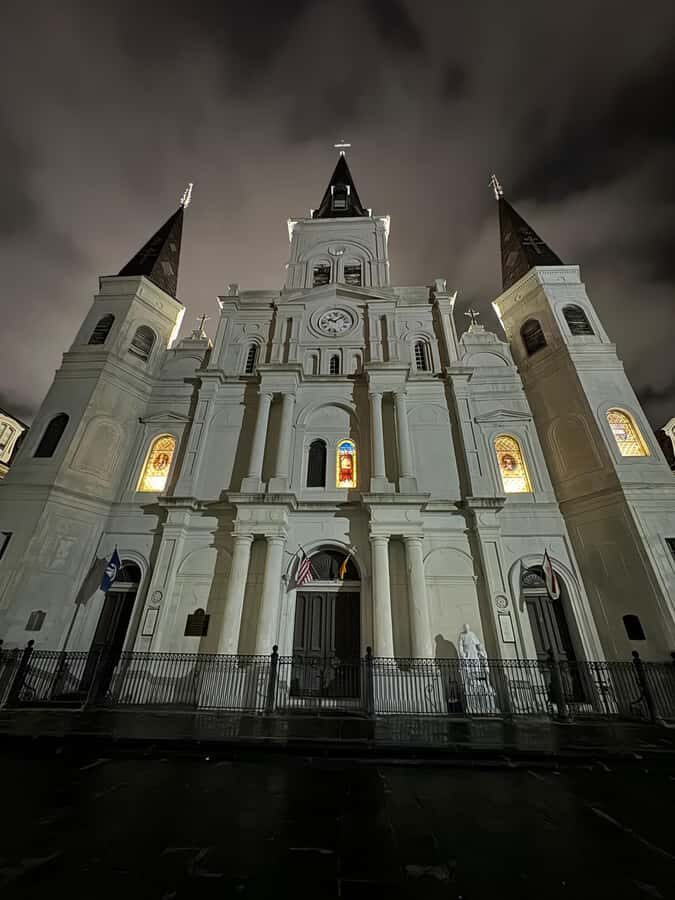
At $27 per person for about 1 hour, this tour is priced like a solid “worth it” evening activity rather than a big splurge. The value comes from how concentrated it is.
You’re paying for:
- A live guide who stays with you for the whole walk
- Well-researched, credible framing of the stories
- Authentic, local ghost storytelling tied to recognizable landmarks
- A route that covers multiple haunted sites in a short time
In other words, you’re not paying only for fear. You’re paying for narrative structure and on-the-ground orientation—how to understand what you’re looking at while you’re looking at it.
If you’re visiting New Orleans for only a couple of days, this is a smart way to “get the ghost map” fast, without burning your evening hopping between far-apart locations.
Guide style and what the best tours get right
The most praised part of this experience is the guide. The feedback highlights guides who are not just fluent in facts, but also fun in delivery and flexible with real groups.
That matters because French Quarter tours aren’t all the same. Some are rigid. Some skip around. If you’re in a mixed-age group—from kids to adults—having a guide who can keep the story engaging without making it inappropriate is a real plus. You’re also more likely to get a smooth experience if the guide can adjust to pacing and comfort.
Also, the lantern isn’t just for atmosphere. It’s practical. It helps you find the guide quickly and keeps the group coordinated as you move through the Quarter’s busy streets.
Practical details that can make or break your night
A few basics you should plan for:
- Wear comfortable shoes. This is a walking tour and it’s not recommended if you can’t walk more than about a mile.
- Bring weather-appropriate clothing since the tour runs in rain or shine.
- You’ll be skipping line time with an express security check.
- The tour is English.
What’s not allowed is also worth noting. No smoking, no alcohol, and no drugs during the experience. Video recording isn’t allowed either. If you’re the type who likes photos for keepsakes, plan to rely on your memory and quick phone shots outside the recording rules.
One more practical detail: wheelchair access is listed, but there’s still a walking-distance caution for people who can’t handle more than about a mile. If mobility is a concern, it’s worth thinking about how you’ll manage the full route.
Who should book this haunted walking tour
This is a great fit if you:
- Want a focused French Quarter ghost experience in a short window
- Like guided stories tied to real landmarks like Jackson Square, LaLaurie Mansion, and Muriel’s
- Enjoy both eerie legend and tragedy-linked history
- Want an activity that can work for a mixed group, since it’s described as fun and appropriate across a wide age span
It may not be the right match if:
- You’re very sensitive to accounts involving torture and murder
- You can’t manage the walking pace or distance
Should you book it or skip it?
If you’re looking for an hour of story-forward New Orleans—spooky, specific, and tied to places you’ll recognize later—this tour is an easy yes. For $27, you get a concentrated walkthrough of major haunted landmarks, plus an optional séance finale if you want the full theatrical send-off.
Just go in with the right expectations. This isn’t only cute paranormal lore. It includes dark material, and it takes the city’s tragedies seriously enough to make the scares feel grounded. If you can handle that, you’ll likely come away with a stronger sense of why the French Quarter’s ghosts keep getting retold.
FAQ
Where do I meet the guide for the French Quarter Ghosts tour?
Meet your guide by the Andrew Jackson statue in the center of Jackson Square.
Where does the tour end?
The tour ends back at the meeting point at the St. Louis Cathedral, 615 Pere Antoine Alley, at the front of the steps facing Jackson Square.
How long is the tour?
The tour lasts about 1 hour. Starting times vary, so check availability.
How much does it cost?
The price is $27 per person.
What should I wear or bring?
Wear comfortable shoes and bring weather-appropriate clothing. The tour runs rain or shine.
Is the tour wheelchair accessible?
It’s listed as wheelchair accessible, but the tour is not recommended if you cannot walk more than a mile.
Is there an optional séance?
Yes. You can choose to have an optional séance in the restaurant’s séance lounge at the end of the tour.
Is smoking, alcohol, or drugs allowed?
No. Smoking, alcohol, and drugs are not allowed during the tour.
Can I record video during the tour?
No. Video recording is not allowed.
]]>What I like most is how the guide gives you straight distinctions early on, separating Haitian Voodoo, New Orleans voodoo, Santeria, and Hoodoo before the spooky headlines kick in. I also like the stop-by-stop pace, because you’re not just hearing names. You’re learning why Congo Square mattered, why Laveau is central, and what people got wrong about dolls and zombies.
One possible drawback: this is history, not a light party stroll. You’ll cover racial crimes, propaganda, and violent folklore, so bring a steady mindset and dress for weather since it’s outdoors for two hours.
Key things you’ll notice on this voodoo history walk
- A fast beginner guide to Haitian Voodoo vs New Orleans voodoo vs Santeria vs Hoodoo
- Congo Square as sacred ground, not a jump-scare backdrop
- Marie Laveau’s old home stories that mix family life with spiritual work
- Zombies and voodoo dolls explained in terms of lore, medicine, and misunderstanding
- Sanite Dede and how early influences helped voodoo become visible in the city
Meeting on Basin Street Station’s St. Louis side and learning the voodoo map
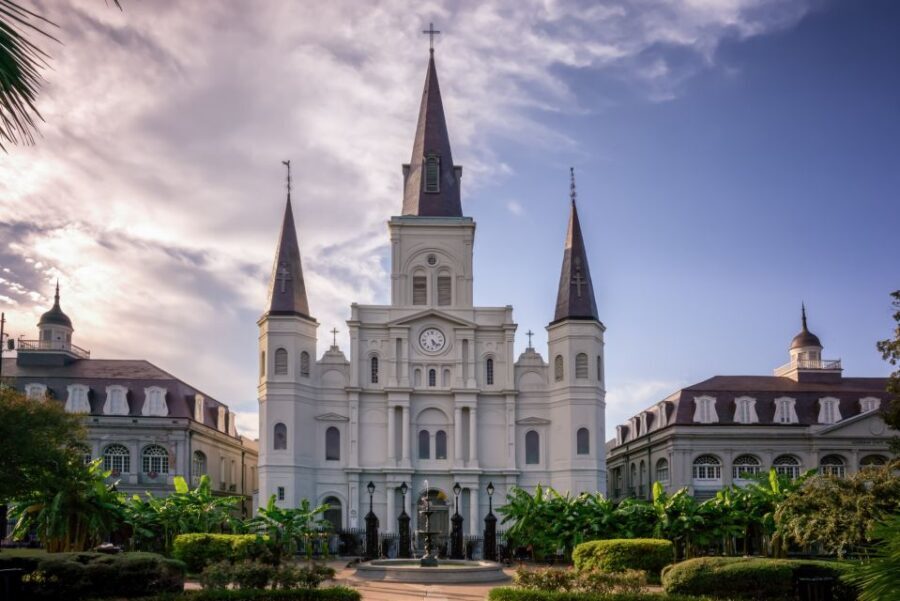
You meet on the St. Louis side of the Basin Street Station Visitors’ Center, and you stay outside the building. It’s a good setup because Basin Street is easy to find, and you’re close to one of the most famous Marie Laveau landmarks people point to in New Orleans.
Before you head into the walk, the guide does a quick lesson that matters. Voodoo gets treated like one uniform thing, but it isn’t. You’ll learn the differences between Haitian Voodoo, New Orleans voodoo, Santeria, and Hoodoo. That one step changes how you’ll read everything else you see in the city. Instead of chasing random myths, you can place what you’re hearing into the right cultural bucket.
You’ll also get some grounding on why this religion gets painted as demonic in Louisiana’s history. The guide frames voodoo as something outsiders misunderstood and outsiders exploited, especially through the lens of older Christian colonizer attitudes. It’s not just background noise. It’s the reason a lot of the stories you’ve heard are bent out of shape.
Congo Square: sacred ground where ceremonies became part of daily life
Next you go to Congo Square, described as the sacred grounds tied to Marie Laveau’s countless ceremonies and rituals. This is the heart of the walk for a reason. Congo Square isn’t a generic “voodoo spot.” It’s where community culture and spiritual practice showed up in public life.
What you should do here is slow down. Congo Square is the kind of place where the guide’s context helps you see beyond the postcard version of New Orleans. You’ll hear about ancestor worship and the way spiritual practice lived alongside daily realities. That matters because voodoo in New Orleans wasn’t invented in a vacuum. It grew in a world that tried to crush belief systems and then left room for people to keep practicing anyway.
A lot of voodoo stories get stuck on props: dolls, candles, snakes. But the tour steers you toward what people were doing and why. You’re not just collecting eerie facts. You’re learning how religion, community, and survival work together.
Marie Laveau’s old home and the Dauphine Street stories that connect family and faith
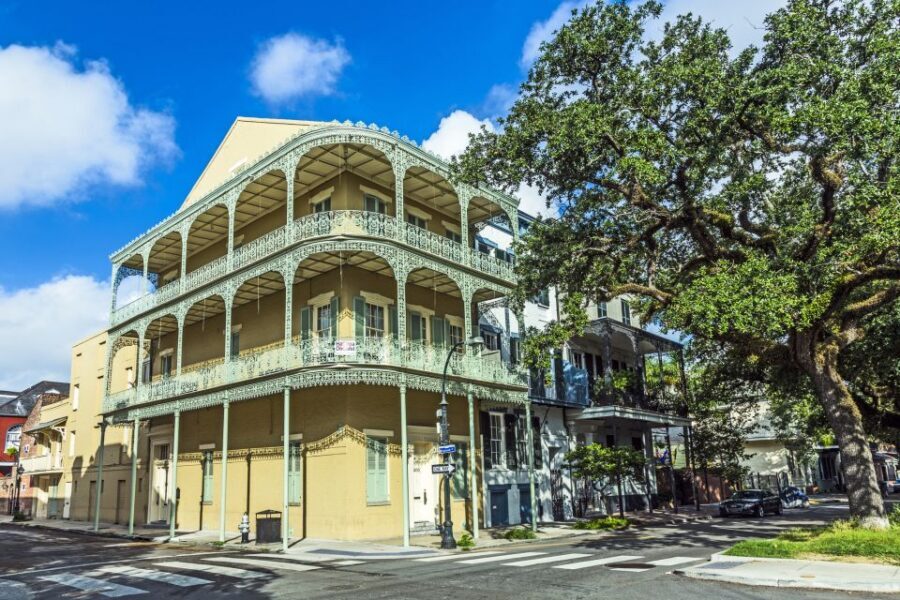
From Congo Square, the tour heads toward Laveau’s old home, with a stop on Dauphine Street. This is where the walk starts feeling like New Orleans history at full volume. The guide paints a picture of Laveau raising her children by day and practicing spiritual workings at night, including lore about a snake around her neck.
This part is also where the tour pivots from myth into explanation. You’ll hear the guide break down zombie lore, plus historical ideas around disease and pandemic history that connect to how zombies are discussed in Caribbean and New World folklore.
Then comes one of the most practical parts of the tour: the guide addresses Afro-Caribbean medicine and how it was often more effective than Western medicine in certain contexts. Even if you don’t remember the details, the takeaway is clear. When people talk about voodoo as if it’s only tricks, they miss that spiritual practice was also tied to healing knowledge.
The truth about voodoo dolls and zombies, minus the cheap spook show
You’ll hear the tour tackle a lot of what people repeat as if it’s fact: voodoo dolls, zombies, and other sensational elements. The guide’s approach is to separate what’s sensational from what’s meaningful.
Here’s the key for you: instead of taking the horror-story version, you’ll learn how these ideas became popular while being distorted. Voodoo dolls, for example, are often treated like movie props. The guide brings them back toward traditional meaning and toward the broader world of ancestor-related practice. You’ll also get the idea that misunderstandings can spread faster than understanding.
For zombies, the tour ties the lore to the way people historically explained illness, death, and the fear of not knowing what killed someone. The goal isn’t to turn this into a science lecture. It’s to show you why the stories formed, and why they stayed.
And yes, the guide keeps the tone engaging. Based on past tour leadership, guides like Doug use story pacing that makes the history easy to follow without turning it into a ghost-hunt. The vibe stays on facts, not jump scares.
Sanite Dede and why voodoo became visible enough to be banned
One of the tour’s most distinctive stops is learning about Sanite Dede, the woman introduced as a key early figure who paved the way for Marie Laveau. This is where the walk stops being just about one celebrity name and becomes about a lineage—how beliefs and practices traveled, changed, and took root in the city.
You’ll also hear how voodoo was once popular enough that it had to be banned from the French Quarter entirely. That detail is a reminder that the authorities treated religious practice as a threat, or at least as something they couldn’t control. For you, it helps explain the later mix of fear, propaganda, and rumor that turns into the misinformation tourists usually chase.
This section also connects voodoo history with bigger social currents. You’ll hear about love affairs, documented miracles, radical healings, and spirit summoning, all filtered through ancestor worship. The guide also includes shocking racial crimes and points to the beginnings of the abolition movement, showing how spiritual practice and political change overlapped in real lives.
If you like history that ties culture to power, this is the portion that will stick with you.
What it’s really like on the ground: 2 hours, walking pace, and focus
This is a 2-hour walking tour. That duration is short enough that you can do it on a first or second day in town, but long enough for the guide to build context instead of just listing names.
Because it’s a walking tour, the “how” matters. Come with comfortable shoes, and plan to pay attention in every stop. The best moments aren’t just the biggest sites. They’re the guide’s explanations that connect one place to the next.
The guide will teach in English, and the tour is listed as wheelchair accessible, which is a real plus if you want a structured history experience without needing a car.
Price and value: $37 for a guided walk that corrects the record
At $37 per person for a roughly two-hour guided experience, this sits in the range where you’re paying primarily for interpretation. You’re not just buying access to a site. You’re buying a guide who helps you understand what you’re seeing and why the myths spread.
There’s also value in the operator side of things: the tour is run by a licensed, insured, and bonded provider. You’ll feel it most in the consistency of the experience: meeting point clarity, a live guide, and a planned route.
If you’re the type of traveler who hates generic “scary stories,” this price can feel even more reasonable. The tour’s framing is the point. It gives you a historical backbone and then lets the folklore make more sense instead of feeling random.
Practical tips so you enjoy it (and not just tolerate it)
To get the most from the walk, keep it simple.
- Bring comfortable shoes. The tour is outdoors and paced for walking.
- Bring your camera if you like photos, but also bring your attention. Some of the value is in what the guide says as you look around.
- Bring cash. The tour notes cash as something useful to have.
- Dress for the weather. Two hours in New Orleans can shift fast.
Also, go in with the right mindset. This is about religion, not a theme park. If you treat it that way, the experience gets better quickly.
Who should book this tour, and who might skip it
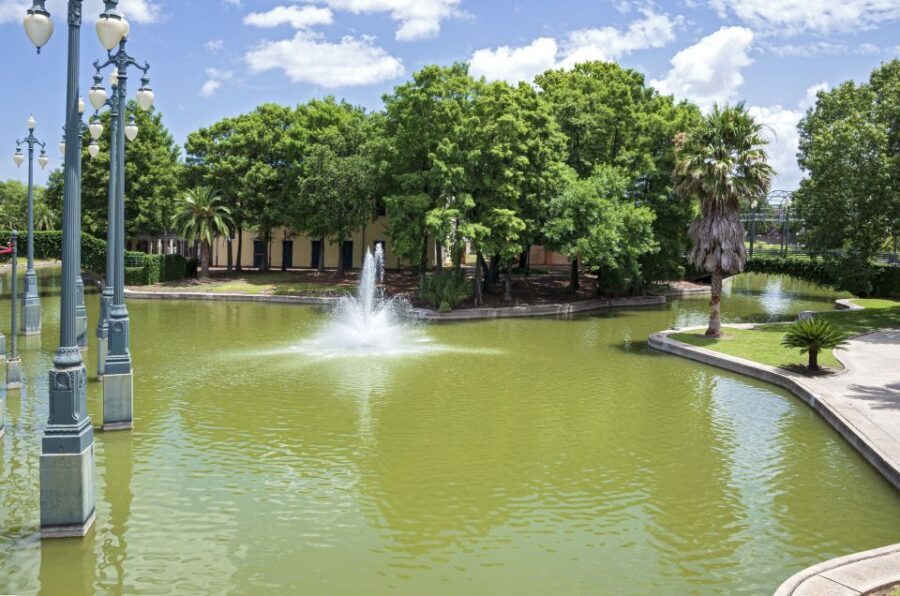
This tour is a strong fit if you’re:
- New to New Orleans and want a clear starting point on voodoo without misinformation
- Interested in how history, religion, and racism shaped each other
- Curious about Marie Laveau beyond the tabloid version
- The kind of traveler who likes stories grounded in context, not just scare tactics
You might skip it if you’re only looking for a light, casual walk with minimal heavy topics. This one includes dark history and serious cultural material. It’s not graphic, but it doesn’t pretend the past was pleasant.
Should you book this voodoo history guided walking tour?
I’d book it if you want to leave New Orleans with a more accurate mental map. The biggest win is the tour’s insistence on separating misunderstanding from reality early on. Once you learn the differences between Haitian Voodoo, New Orleans voodoo, Santeria, and Hoodoo, the rest of the stops land with more meaning.
I’d also recommend it if you enjoy guides who tell stories with energy while sticking to historical framing. Past leadership like Doug has shown how fun this can be without turning into a spooky-ghost circus.
If you’re looking for a short, guided, history-based walk with real context—this one is a smart use of two hours.
FAQ
How long is the voodoo history guided walking tour?
It lasts about 2 hours.
What does the tour cost?
The price is $37 per person.
Where do I meet the guide?
You meet on the St. Louis side of the Basin Street Station Visitors’ Center, and the meeting point is outside the building.
What language is the tour guide?
The tour is guided in English.
Is the tour wheelchair accessible?
Yes, it’s listed as wheelchair accessible.
What should I bring?
Wear comfortable shoes, and bring a camera, cash, and weather-appropriate clothing.
Can I cancel for a full refund?
Yes. You can cancel up to 24 hours in advance for a full refund.
Is pay later available?
Yes. You can reserve now and pay later, keeping your travel plans flexible.
]]>I like two things right away. The air-conditioned bus transfers from the French Quarter make the trip easier at night, and the tour also includes the plantation admission ticket, so you’re not juggling extra stops or add-on fees mid-evening.
One thing to consider: timing can feel choppy. There have been reports of long gaps between phases (over 30 minutes), which can be tough if you’re ready to keep moving after dark.
What you’ll get from this tour
- A guided two-stop evening plan that combines plantation time with a cemetery visit in one outing
- Air-conditioned round-trip comfort from the French Quarter for the night portion
- Included Destrehan Plantation entry (plus about two hours on-site)
- Inside access at 400 City Park Ave with free admission and a short, focused stop
- Ghost-story storytelling with a humor-forward guide style (Trish is specifically praised)
- A strict, limited cemetery window, so plan to absorb the highlights fast
How the 7:00 pm Night Tour Works (and What to Expect)
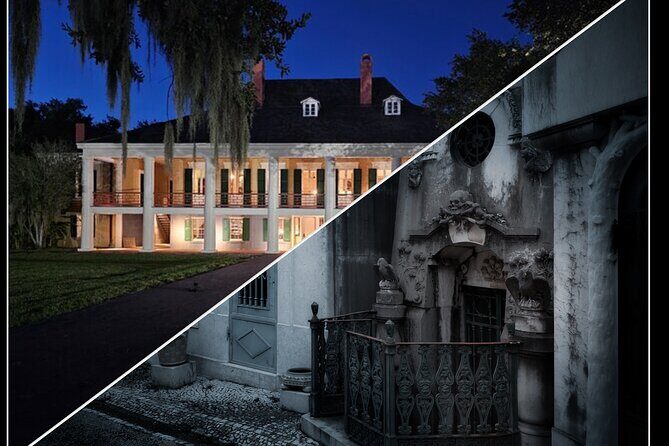
This runs about 5 hours total, starting at 7:00 pm and ending back where you start. Your meeting point is 1140 Decatur St, New Orleans, LA 70116, which is a practical location if you’re already spending time around the French Quarter.
You’ll ride in a group limited to 28 travelers. That cap matters because it usually keeps the tour from feeling chaotic, especially when you’re switching locations in the evening. You’ll also get a mobile ticket, and you should receive confirmation at booking.
The format is simple: bus ride first, then your main time block at the plantation, then a short cemetery stop. The pacing is part of the value. You’re not trying to stitch together separate attractions on your own at night.
Destrehan Plantation After Dark: Your Main 2-Hour Block
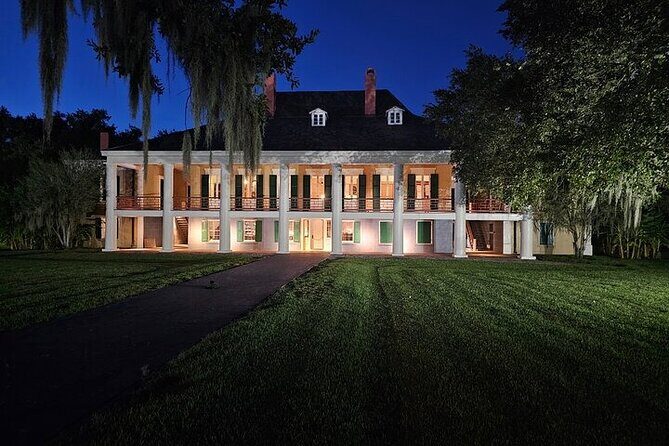
The first stop is Destrehan Plantation, and the tour gives you about 2 hours there. This is the core experience, the time block where you’ll spend most of your night.
What I like about this kind of setup is that it gives the stories room to breathe. Plantation tours work best when you’re not rushing every few minutes. With a full two hours, you’re more likely to actually notice details, not just listen while you hurry past them.
The tour also includes the admission ticket here, which is a win for value and convenience. You don’t want to waste your nighttime energy standing in lines or figuring out separate payment steps.
Also, the tour frames Destrehan as spooky and story-driven. That matters because New Orleans hauntings and folklore are often more about atmosphere and the way information is delivered than about jump-scare gimmicks. If you’re the type who enjoys hearing chilling tales connected to a place, this is the time to lean in.
400 City Park Ave Cemetery Stop: Short, Specific, and Free
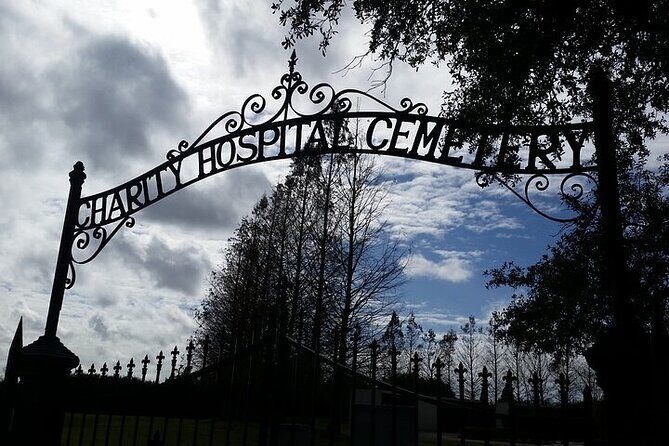
The second stop is at 400 City Park Ave, a cemetery visit that includes inside access and a chance to learn about burial practices. The stop is about 20 minutes, and the admission is free for this segment.
Twenty minutes is brief. I’d treat it like a focused “highlights sprint,” not a full cemetery exploration. If you love wandering slowly, taking long photo pauses, and reading more plaques than a guide can cover in a tight window, you might feel slightly compressed here.
But that short timing can also be a benefit. It keeps the evening moving and reduces the chance that you’ll lose the plot while you’re tired. You’ll likely get the key background and the cemetery-specific context, then you’re done—without turning the night into a marathon.
The French Quarter Outskirts Drive: What You’re Doing Between Stops
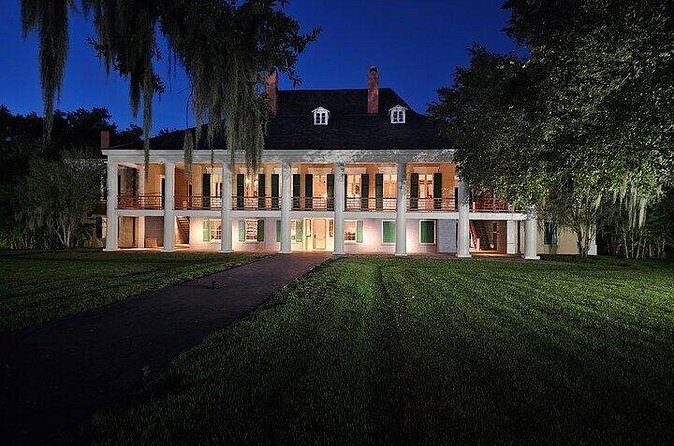
On the way to the cemeteries, you’ll drive along the outskirts of the French Quarter. That sounds minor, but it helps in two ways.
First, it provides a smoother transition from the busy center of town to a calmer, more historic setting. Second, it fills the downtime between major stops with something you can at least look at, rather than sitting idle.
This is also where timing matters. If your group hits a schedule delay, the bus ride can feel longer. If your tour runs tight, that ride is a quick breather and a chance to get your head in the right mood for the next location.
Ghost Stories With Humor: The Guide Factor (Trish Is a Big Name)
A lot of haunted tours rise or fall on the guide. This one is story-led, and the delivery style seems to matter a lot.
One guide name comes up in feedback: Trish. She’s described as hilarious and very informative, which is exactly the combo you want on a nighttime tour. Humor helps keep the evening from turning too heavy, and clear info keeps ghost stories from feeling like random spooky lines.
Now, I can’t promise who you’ll get on your date. But I’d take that praise seriously. A good storyteller can make plantation details and cemetery context click in your mind, so you leave with more than just a checklist of places visited.
Timing Risk: When the Tour Splits and Energy Drops
Here’s the main practical caution I’d give you. Some schedules may feel like two tour waves with a big gap between them. There have been reports of delays over 30 minutes, and that late-night waiting has reportedly led some people to leave before the second phase.
You can’t fully control that, but you can control how you prepare.
My advice: come in expecting the plantation and cemetery are tied together, but also expect there’s a chance the day-to-night flow isn’t perfectly smooth. If you’re easily bothered by waiting, consider whether you’d rather do one stop really well instead of trying to fit both into one ticket.
If you do go, keep the mindset flexible. Use the time to reset—hydrate, re-check you have what you need, and keep your energy for the story segments rather than the gaps.
Value Check: What the Inclusions Actually Mean for Your Night
No one wants to pay for a tour that feels under-planned. The good news here is that the tour includes meaningful pieces that help you get more out of your time.
Here’s what’s covered in your experience:
- Air-conditioned bus transfers from the French Quarter
- Destrehan Plantation admission ticket (included)
- Cemetery stop entry is free at the 400 City Park Ave location
That combination adds up. Transportation included means you’re not figuring out late-night rides between attractions. Admission included means you’re not stopping your evening for separate ticket purchases or entry hassles.
And because the tour is guided, the value isn’t only “you went to places.” It’s that someone is organizing the order, framing the stories, and giving the cemetery and plantation context so you’re not piecing everything together on your own.
What you’ll supply:
- Patience for a tight schedule (especially with any timing gaps)
- Comfortable footwear for a night tour
- Your willingness to treat the cemetery stop as short and focused
Who This Tour Fits Best (and Who Should Think Twice)
This tour works best if you want an organized haunted night that covers two iconic stops without you doing logistics math in the dark.
It’s a strong match for:
- First-time New Orleans visitors who want a structured evening plan
- People who enjoy plantation atmosphere plus ghost-story storytelling
- Anyone who’d rather sit on a bus with a plan than coordinate separate transport and timed entries
It’s less ideal if:
- You want a long, slow cemetery walk and lots of time to read, wander, and linger
- You don’t handle delays well, especially late at night
- You’re expecting a full “cemetery tour” experience rather than a short, guided cemetery lesson
If you’re torn, lean toward your preferences. If your heart is set on the plantation and stories, you’ll probably enjoy the main event. If cemeteries are your top priority, be aware that this one is more of a quick visit than an all-night exploration.
Should You Book This Nighttime Plantation + Cemetery Tour?
I’d book if you want a guided nighttime plan with comfortable transport, included Destrehan Plantation entry, and a quick, cemetery-focused context stop at 400 City Park Ave. It’s also a good call if you appreciate storytelling delivered with humor—especially since a guide like Trish has been praised for being both funny and informative.
I’d think twice if you hate waiting or you need long cemetery time. The risk isn’t the existence of stories—it’s the evening rhythm. If you’re the kind of person who gets annoyed when a tour feels split, you might end up tired instead of thrilled.
One more practical note: it runs in conditions that require good weather. If weather turns, you should plan for the experience to be adjusted or refunded, rather than assuming it’s locked in no matter what.
FAQ
FAQ
How long is the New Orleans Nighttime Cemetery and Haunted Plantation Tour?
It’s about 5 hours total.
What time does the tour start, and where does it meet?
The start time is 7:00 pm, and the meeting point is 1140 Decatur St, New Orleans, LA 70116. The tour ends back at the meeting point.
Are air-conditioned bus transfers included?
Yes. Air-conditioned bus transfers from the French Quarter are included.
Is admission to Destrehan Plantation included?
Yes. The Destrehan Plantation admission ticket is included, and you spend about 2 hours there.
Is there an admission fee for the cemetery stop at 400 City Park Ave?
No. Admission for the cemetery stop at 400 City Park Ave is free, and the time there is about 20 minutes.
Will I go inside the cemetery at 400 City Park Ave?
The tour includes the chance to go inside and learn about burial practices at 400 City Park Ave.
What language is the tour offered in?
The tour is offered in English.
How many people are in the group?
The tour has a maximum of 28 travelers.
What happens if the tour is canceled due to poor weather, and can I cancel for a refund?
The experience requires good weather. If it’s canceled due to poor weather, you’ll be offered a different date or a full refund. You can cancel up to 24 hours in advance for a full refund.
]]>I like that the experience is tightly routed through the French Quarter, starting near Lafitte’s Blacksmith Shop and ending at Jackson Square. I also appreciate the photo-first approach: the meeting point gets time-stamped photos, and photos are encouraged while audio/video recording is not.
One drawback to plan around: there is no guarantee you’ll see or capture anything paranormal, and the tour can still be canceled if conditions or minimum numbers aren’t met.
Key things to know before you go
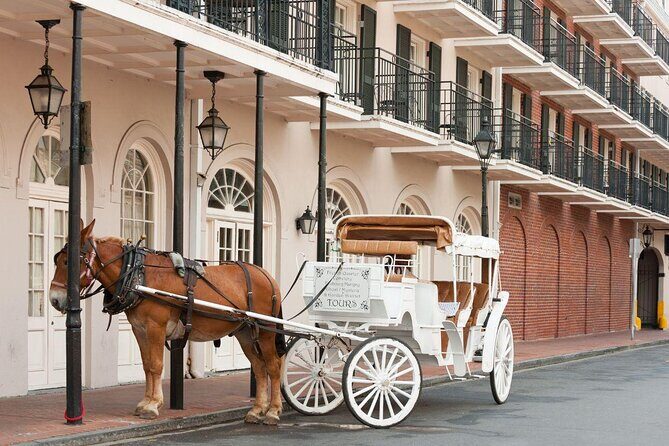
- EMF meter included: you’ll use a real Ghost/Paranormal detector during the investigation stops.
- Walking route, not a bus ride: plan for a moderate pace and uneven, old-street footing.
- Photos are part of the “evidence” story: time-stamped meeting photos and lots of photo opportunities.
- Three high-attention stops: Lafitte’s Blacksmith Shop area, multiple French Quarter locations, then Jackson Square.
- Alcohol is allowed (with limits): you can drink on the walk, but extremely intoxicated guests can be refused.
A 1–2 hour ghost hunt that actually fits your day
This tour is short on purpose. You’re looking at about 1 to 2 hours of guided walking, with departures at different times so you can match it to the rest of your New Orleans plans.
The “haunt” part is structured: you’re not just wandering and hearing spooky lines. You’re given a route, an investigation framework, and time to work the area with the gear. It’s also a good choice if you want something atmospheric without committing to an all-night plan.
Meeting at Lafitte’s Blacksmith Shop (and not inside it)
You’ll meet at 941 Bourbon St at the sidewalk gate of the courtyard attached to Lafitte’s Blacksmith Shop Bar. This is important: the tour does not meet inside the bar, and it does not start at a random corner nearby.
To avoid a rough start, arrive a few minutes early and check in with the guide. The tour departs at the scheduled time, and if you’re late, the guide may not wait around.
Also keep in mind that the company notes they take time-stamped photos at the meeting location at the start of each tour. That’s their way of keeping the group anchored and the experience consistent.
Using the EMF meter without expecting movie magic
The headline tech is a real EMF meter used during the walk. You’ll be encouraged to use the equipment during the investigation stops, which turns the ghost-hunting theme into something more hands-on.
That said, you should calibrate your expectations. The tour is designed for entertainment, and there’s no guarantee you’ll encounter paranormal activity or see a supernatural being on cue. The operators specifically say the experience is realistic and that they cannot create a ghost or other entity on demand.
A smart way to enjoy this: treat it like a guided mystery walk. Your goal is the stories, the locations, and the chance to try the meter—not a promise of results.
Stop 1: Lafitte’s Blacksmith Shop area—history meets supernatural legend
Your first stop is the Lafitte’s Blacksmith Shop Bar area. This location is used as a jumping-off point into New Orleans’ older layers—one of the oldest neighborhood areas in the United States—wrapped in the tour’s spooky mix of history, ghosts, vampires, and voodoo.
What makes this first stop work (especially if you’re new to the French Quarter) is pacing. You start close to where the action is, then the guide builds context as you move. It’s easier to understand the rest of the route when you’ve already heard how the neighborhood’s past gets tied to today’s ghost stories.
Practical note: because this is a bar-adjacent stop, you may spend a bit of time moving in and out. If there’s a wait inside along the route, it can affect your exact total duration.
Stop 2: French Quarter investigation stops—stories, detectors, and photo “evidence”
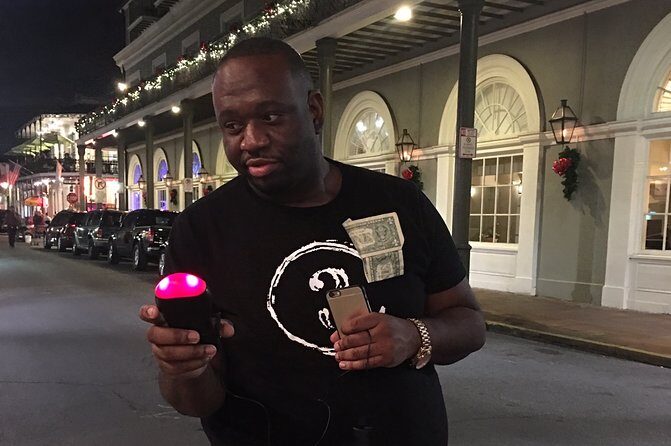
The main event is the French Quarter portion, where you’ll visit multiple sites tied to documented ghost sightings. The guide gives you the history behind each location, then frames the sightings so the locations feel more connected than a random scavenger list.
This stop is also where the tour gets interactive. You’ll participate in an investigation using the EMF/Ghost detector, moving through locations where paranormal activity is commonly associated.
Here’s a key expectation-set that helps: you might not feel anything dramatic in the moment. Some people walk away thinking they saw nothing—then later, when they review photos, they’re surprised by what shows up. The tour explicitly leans on the idea that things like orbs and apparitions can appear in photos taken during the exploration.
To get the most out of that angle:
- Bring your camera/phone fully charged
- Keep your hands steady during quick stops
- Don’t treat every flicker as proof, but do treat photos as part of the experience
And remember, audio or video recording is not allowed during the tour, while photos are encouraged.
Stop 3: Jackson Square—predictable ghosts and the city’s darkest stories
Your final stop is Jackson Square, with the tour ending in the heart of the French Quarter.
The guide targets a few heavy-hitting legends tied to the area: the most predictable ghost in New Orleans, the largest mass murder in the city’s history, and the most haunted house, among other claims. Whether you take the supernatural literally or just enjoy it as folklore, Jackson Square is a strong ending point because it’s instantly recognizable and easy to regroup around.
This last stretch also helps you land on something practical: after the walk, you can immediately pivot to dinner, drinks, or a self-guided stroll. The tour’s end point is walkable from plenty of French Quarter streets, which makes it simple to keep your evening flexible.
Price and value: why $35 can be a smart buy
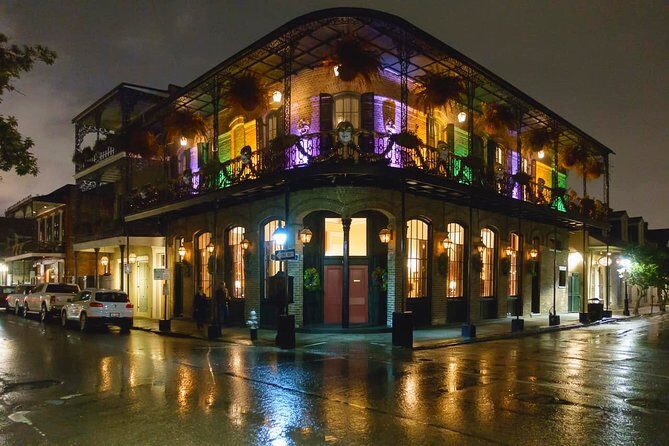
At $35 per person, you’re paying for a guided, structured walk, not just a general ghost story lecture. The value equation here is about inclusions:
- A professional guide and a local guide
- A walking route that lines up the stops
- A real EMF meter used during the investigation
- A setting that’s already saturated with atmosphere, so your imagination has plenty to work with
If you’re comparing options, focus on what’s actually included in the experience you’ll feel on the street. A short walking tour that includes detector play and multiple named locations can be good value—especially if you’re already planning to spend time in the French Quarter anyway.
One more practical point: the tour’s average booking timing is about 57 days in advance, which is a sign to reserve early if you’re traveling at a busy time.
Pace, streets, and small rules that matter
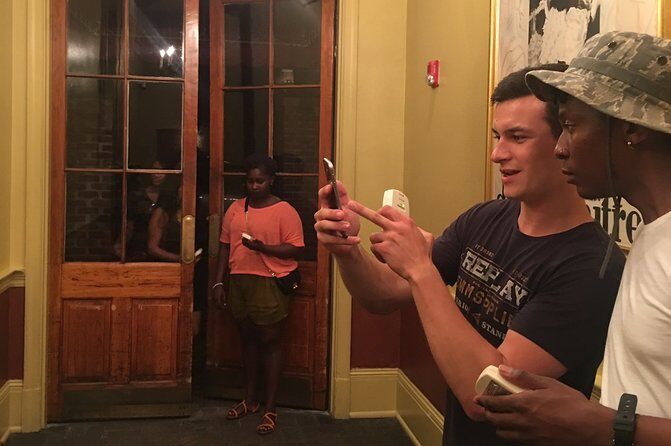
This tour is described as a moderate paced walking tour. That matters in New Orleans because the sidewalks and streets can be uneven and older. Wear shoes you’re comfortable trusting for an hour or two.
A few rules can also affect your experience if you’re the type who likes to wander or linger:
- You stay with the group the whole time; walking off to take photos isn’t allowed.
- The guide has to stay on schedule, so stops may be time-managed.
- You can’t trespass on private property or ring doorbells of private homes.
There’s also the equipment side. If you want to use paranormal equipment, you have to check it out. The tour notes equipment is tracked, and there’s a $250 fee for lost, damaged, or missing items. So if you’re booking this as a hands-on experiment, bring care and treat the gear like it’s fragile—because it is.
What to do with your photos (and your expectations)
The tour encourages photos, and it even takes time-stamped photos at the meeting spot. That’s a strong hint that the “evidence” element is a big part of how the experience is meant to land.
A realistic approach:
- Take photos during the stops
- Don’t obsess over perfect framing; catch the moment
- Later, review what you captured with curiosity, not certainty
If you do get equipment at check-in, follow the guidance exactly and return it before you leave. The tour is clear that guests must check equipment out and back in through staff.
Alcohol and group behavior: a fun option, still a serious street
This tour allows alcoholic beverages along the route, including for people who want to drink. However, they reserve the right to refuse service to guests who appear extremely intoxicated.
You’ll also want to be mindful of group flow. If you drink, do it at a pace that still lets you walk, listen, and follow instructions. The French Quarter is memorable, and the tour is designed to keep you moving and paying attention to the guide’s narration.
Who this ghost adventure is best for
This is a great match if you want:
- A short ghost-themed outing (not a long immersion)
- A guide-led route through major French Quarter landmarks
- Hands-on-ish participation with paranormal detector play
- A playful, story-heavy experience that still feels structured
You may want to skip it if you’re looking for guaranteed supernatural sightings. The tour is entertainment-based and explicitly says there’s no promise of ghosts or apparitions appearing on schedule.
Should you book the New Orleans Ghost Adventure?
I’d book it if you’re the kind of traveler who enjoys mystery walks, likes taking photos as part of the fun, and wants a low-commitment way to get a ghost story fix in the French Quarter.
I’d pause and reconsider if you hate “chance-based” experiences. Even with an EMF meter and a guided investigation, the operators are clear that you cannot count on results. Also, because the tour depends on conditions and minimum participation, you should be the type who has a flexible evening plan if something changes.
If your schedule is tight, build in a backup option nearby. Jackson Square is a good safety net: the area is easy to pivot from if you need a Plan B.
FAQ
Where do I meet the tour?
Meet on the sidewalk at the gate of the courtyard attached to Lafittes Blacksmith Shop Bar at 941 Bourbon St, New Orleans, LA 70116.
Where does the tour end?
The tour concludes in the heart of the French Quarter at Jackson Square, New Orleans, LA 70116.
How long is the ghost adventure?
It runs about 1 to 2 hours, approximately, and may run longer if there are waits inside bars along the route.
Is there paranormal equipment included?
Yes. A real EMF Ghost/Paranormal detector is used during the tour.
Can I bring a phone and take photos?
Yes, photos are encouraged. Audio or video recording devices are not allowed during the tour.
Is hotel pickup included?
No. There is no hotel pickup or drop-off.
What about alcohol during the tour?
Alcoholic beverages are allowed during the tour route. The operator can refuse service to guests who appear extremely intoxicated.
Is the tour rain or shine?
The tour is rain-or-shine. If it’s canceled due to poor weather, you’ll be offered a different date or a full refund.
Can I cancel for a refund?
Yes. You can cancel up to 24 hours in advance for a full refund. If you cancel less than 24 hours before the experience’s start time, you won’t be refunded.
]]>I especially like the way you hit Marie Laveau’s lifelong home and then stand near LaLaurie Mansion, using these sites to frame why New Orleans talks about ghosts and magic so casually. The tour also gives you time to stop in a real voodoo shop, where you can pick up a blessed gris-gris bag from Voodoo Authentica if you want a little extra luck.
One thing to consider: because this is a walking tour, it’s not recommended if you can’t walk more than a mile, and I’d also keep an eye on timing. I saw reports of a guide not showing up and another booking where the tour ran short, so it’s smart to double-check your start point and be ready to go on time.
Key things to notice before you go

- Congo Square as the launch point: you’ll begin with the West African roots tied to voodoo spirits
- Marie Laveau’s lifelong home: one stop that turns a name into a place you can stand in front of
- LaLaurie Mansion timing: you’ll get the haunted-house perspective, not just the spooky label
- Bloody Mary’s murder-and-betrayal story thread: the tour uses dark history to keep the narrative moving
- Boutique du Vampyre: you’ll hear the tour’s vampire-meeting-spot story and how they avoid violence
- Voodoo Authentica with a gris-gris takeaway: a practical, tactile ending to all the lore
Starting at Congo Square: where the story gets grounded

Most “magic” tours start with a legend and hope you’ll do the math. This one starts at Congo Square. That matters, because you’re not just listening to spooky soundbites. You’re hearing how West Africans performed dances to appease voodoo spirits, which gives you a cultural anchor before the myths start flying.
When you’re standing in the tour’s meeting area at the center of Congo Square, it helps you get oriented fast. The guide—wearing a white Junket t-shirt and carrying a flag—makes it easier to find the group without playing guessing games. If you’ve ever wandered the French Quarter looking for the right company, you’ll appreciate the clarity.
From there, the tour sets a steady pace built for a two-hour walk: enough stops to feel like you’re moving through different chapters, not so many that you’re sprinting from one corner to the next. You can also expect bonus pointers along the route, including suggested places to eat, which is handy when your brain is busy absorbing the dark stuff.
Marie Laveau and LaLaurie Mansion: ghosts with local context
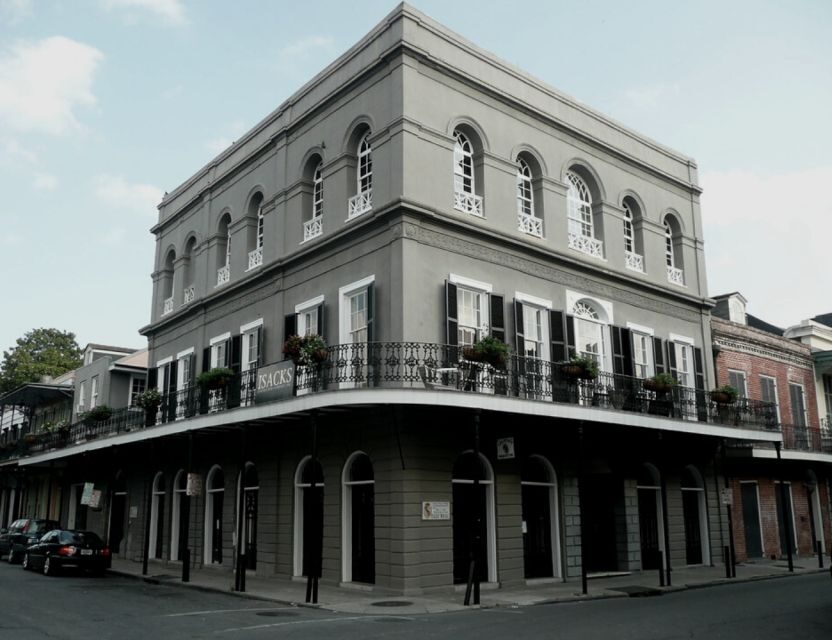
Two names show up repeatedly in New Orleans stories, and this tour treats them like more than trivia. You’ll visit Marie Laveau’s lifelong home, and you’ll also stand in the shadow of LaLaurie Mansion, described as America’s most haunted house.
Here’s why I think this works: these aren’t generic “haunted” stops. They’re specific locations tied to how New Orleans people talk about power, fear, and protection. Even if you’re not buying the supernatural parts, the atmosphere is real. You’ll feel how the city uses place-names to keep memories alive.
And the tour’s tone is important. It mixes the spooky with the factual framing—what you’re hearing is presented as surprising, true history of voodoo and vampires. That makes the experience more than a themed walk. It becomes a way to understand why the French Quarter’s imagery stuck around, even as tastes changed.
Still, it’s worth saying out loud: this is not a “laugh and forget” ghost tour. If you’re sensitive to heavy topics or you don’t like grim stories, you might want to mentally prep for the murder-and-betrayal chapter later on.
Bloody Mary’s: why the tour turns from magic to motive

A good walking tour doesn’t just say what happened. It explains why it matters. This one builds tension as it moves from voodoo roots into darker city lore, including a stop at Bloody Mary’s for a grim tale of murder and betrayal.
I like this approach because it gives your brain a narrative hook. After Congo Square, your mind is already thinking about beliefs, rituals, and community. Then Bloody Mary’s adds the human element—people making choices, and the consequences echoing through the streets.
The result is that you’re not only collecting eerie details. You’re learning how New Orleans mythology often grows from real social conflict and real-world stories, then gets wrapped in supernatural language.
If you’re the type who likes your sightseeing with a plot, this is the part that makes the whole walk feel connected instead of like a set of unrelated photo stops.
Boutique du Vampyre: vampires, but framed as rules
New Orleans vampire talk can sound like pure performance. This tour tries a different angle. You’ll visit Boutique du Vampyre, presented as a favorite meeting spot for real, practicing vampires, and you’ll learn how they quench their thirst for blood without violence.
You don’t have to be a believer for the stop to be interesting. What matters is the structure: the tour doesn’t just say vampires exist. It adds “how” and “why,” which makes the story feel like it has internal logic. That kind of world-building is part of what you’re paying for.
Also, this is a walking tour of the French Quarter, so you’re seeing the practical side of all the fantasy. You’re getting the sense that the city has pockets—shops, cafés, corners—where themed folklore is treated like a living thing people interact with.
And because the tour includes time to shop later, you’re not just reading about the supernatural. You’re given a chance to see how New Orleans businesses package the occult for daily life.
Voodoo Authentica and the blessed gris-gris bag
The tour’s ending has a real-world payoff: time to shop at Voodoo Authentica, where you can take home a genuine, blessed gris-gris bag. That’s the kind of souvenir that feels different from the usual fridge magnet.
I like that the tour gives you actual time for this stop, not a five-second photo moment. Shopping is part of the experience here, because you’re turning the stories into something you can hold. Even if you treat it as a cultural item rather than a magical one, it still becomes a keepsake with a location and a reason.
One practical note: the tour rules say no video recording, and alcohol and drugs aren’t allowed. So if you’re planning to film yourself reacting in a shop, you’ll need to adjust expectations. Stick to photos if the shop allows it, and keep your focus on what you’re hearing while you’re there.
How the walk fits into a short New Orleans day
At 2 hours, this is designed to be a doable slice of the French Quarter, even if you’re also planning other stops that day. But remember: it’s still a walking tour. You’ll want comfortable shoes and you should plan on moving more than you would in a seated attraction.
Weather is another real-world factor. The tour runs rain or shine, so you’ll want weather-appropriate clothing. In New Orleans, that can mean heat in one hour and a downpour in the next. Bring the basics so you’re not distracted by discomfort.
There’s also a “keep moving” vibe. Expect your guide to manage the route, share stories, point out bonus stops, and keep the group together while you work through the narrative. If you’re the type who likes to linger, just know the tour format is about pacing.
Also, this tour includes an express security check. That matters if your day involves other timed entry plans. It can help you avoid the annoying stall that happens when you’re already dressed for sightseeing and waiting on lines.
Price and value: is $38 worth it?
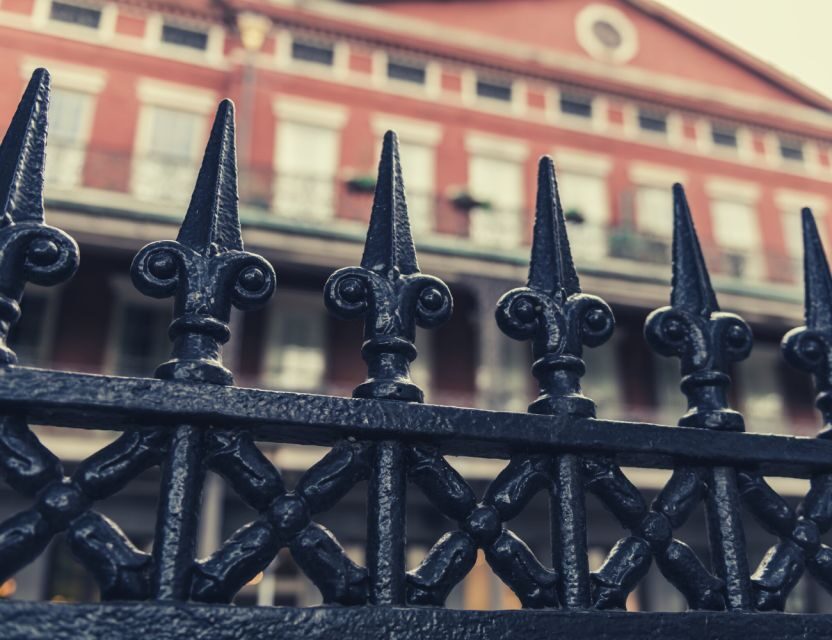
The price is $38 per person for a 2-hour walking experience. On paper, that’s not cheap for “just walking,” but the value comes from what’s included and what you skip.
Here’s what you’re really paying for:
- A local, live guide delivering well-researched and credible history
- A guided French Quarter route with specific stops tied to voodoo and vampire legends
- Time built into the tour for shopping at Voodoo Authentica
- Express security check access
For me, the question isn’t whether $38 feels low. It’s whether the guide’s storytelling plus the fixed locations plus the shop time saves you from wandering blind. If you’d otherwise spend the day trying to figure out where things are and which stories are worth your attention, this becomes more of a shortcut than a mere ticket.
That said, balance it with what I saw in past bookings. I noticed serious timing complaints, including one situation where a guide didn’t show up and another where the tour ran much shorter than the contracted time. If you’re booking this, I’d treat punctual start time like part of the product. Be ready, arrive early, and be clear about the meeting point at Congo Square.
Who should book this tour (and who should skip it)
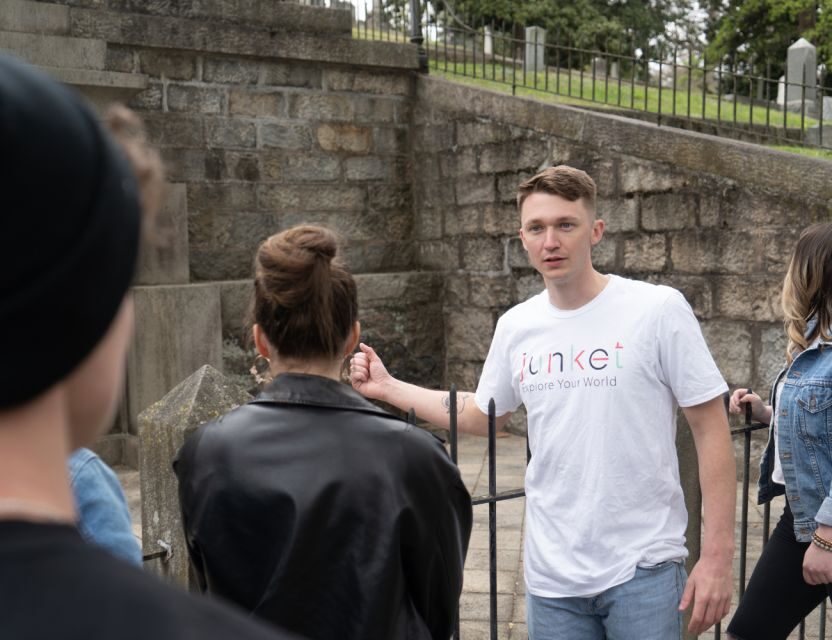
This is a great match if you want New Orleans in story form. You like guided walking tours. You enjoy mixing dark folklore with real places. And you’re curious about how voodoo and vampire legends show up in daily life, not just in movies.
It’s also a good fit if you want a structured way to see iconic stops in a short window. Marie Laveau’s lifelong home, LaLaurie Mansion, Bloody Mary’s, and the voodoo shop stop are all built into the same two-hour block.
Skip it if you:
- Can’t walk more than about a mile (the tour notes it isn’t recommended for that)
- Hate grim stories, since the route includes a murder-and-betrayal tale
On accessibility: the tour is listed as wheelchair accessible, but it also flags the walking-limit issue. If mobility is a concern, this is one to evaluate carefully before you commit.
Should you book this Voodoo Legends, Vampires & Magic tour?
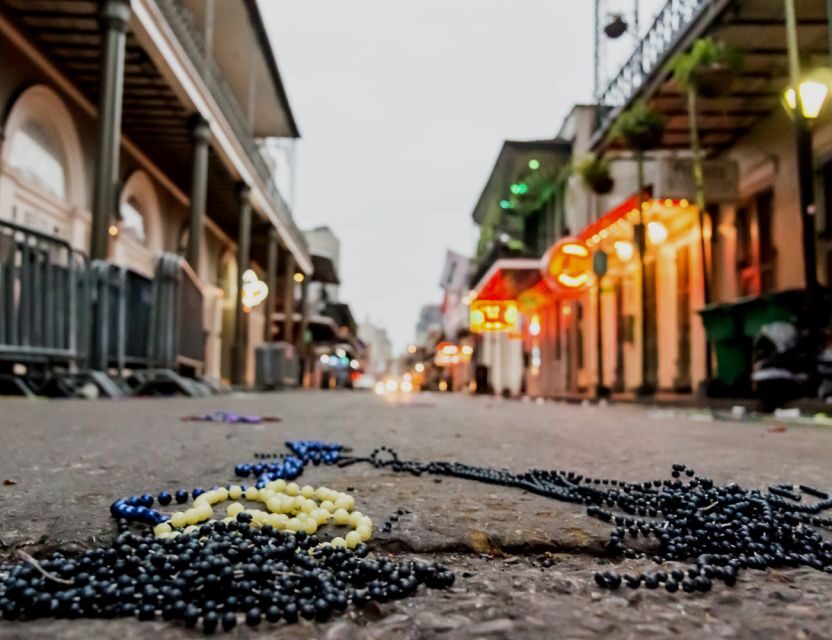
I’d book it if you want an efficient, story-driven French Quarter walk that goes past surface-level spooky. The strongest reason to choose it is the stop set: Congo Square for cultural roots, Marie Laveau’s lifelong home for named history, LaLaurie Mansion for haunted-house atmosphere, and a real shop ending with a blessed gris-gris takeaway.
I’d think twice if punctuality is critical for your schedule or if you’ve had bad luck with guide timing before. Based on what I saw in prior booking reports, there’s enough risk around guide arrival and tour length that you should protect yourself with careful planning and a little patience on the start time.
If you go in with the right expectations—comfortable shoes, a rain-ready plan, and a willingness to hear dark legends as part of New Orleans culture—you’ll likely come away with stories you can actually place on a map.
FAQ
Where is the meeting point?
Meet your guide in the center of Congo Square.
How do I recognize the guide?
The guide will be wearing a white Junket t-shirt and carrying a flag for easy identification.
How long is the tour?
The tour lasts 2 hours.
What is the price?
It costs $38 per person.
Is the tour walking only, and what should I bring?
You should wear comfortable shoes and bring weather-appropriate clothing since the tour runs rain or shine.
Does the tour run in bad weather?
Yes. The tour takes place rain or shine.
What’s included in the price?
Included are a walking tour of the French Quarter, a live English-speaking guide, well-researched and credible history, and time to shop at Voodoo Authentica.
How do security lines work?
The tour includes a skip through an express security check.
What is not allowed during the tour?
Smoking is not allowed. Alcohol and drugs are also not allowed. Video recording is not allowed.
Can I cancel or pay later?
Free cancellation is available up to 24 hours in advance for a full refund. You can reserve now and pay later.
Is it wheelchair accessible?
Wheelchair accessibility is listed, but the tour is not recommended for people who cannot walk more than a mile.
]]>The tour runs about 1 to 2 hours at a moderate pace, starting at 941 Bourbon St and ending near Jackson Square. It’s run by a small, family-owned company that has operated this concept since 2014, and that experience shows in the way the tour is designed to feel like an easy first night out in New Orleans. You’ll get city history told in plain language with plenty of personality, and you’ll see key parts of the French Quarter as you walk.
Alcohol isn’t included, but you’re encouraged to buy drinks as you go, and the guide may adjust the vibe if someone gets too intoxicated. Photos are encouraged, but audio or video recording devices are not allowed during the tour. If you’re expecting a quiet museum-style experience, this isn’t that kind of night.
Key things to know before you go
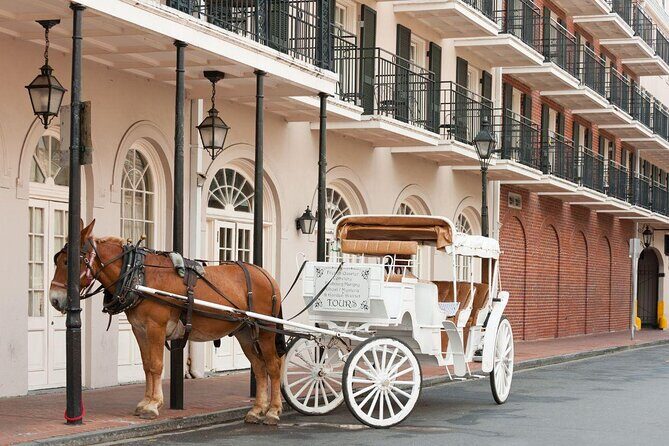
- Bourbon St start at Lafitte’s Blacksmith Shop courtyard: meet by the gate, don’t wait inside.
- Two main story blocks: Lafitte’s area lore first, then a French Quarter walk through the darker legends.
- Paranormal equipment is included: check it out, use it on the tour, and return it before you leave.
- Drinks are purchase-on-your-own: bar stops are part of the show, not included in the ticket.
- No supernatural promises: it’s realistic entertainment, not a guaranteed ghost hunt.
- The tour is time-driven: the route depends on the schedule and bar crowding, so show up early.
What You Get for $15 in New Orleans
For $15, the value here isn’t in a fancy add-on. The value is in getting a guided walking night that combines three things people usually pay separately for: local storytelling, bar stops, and spooky theming.
You’re not paying for unlimited drinks. You’re paying for a guided experience that makes your French Quarter evening feel organized, social, and themed. And because the tour includes paranormal equipment, it gives you a way to participate instead of just listening.
Also, the duration is short. About 1 to 2 hours means you can still fit in dinner after, or keep the night going without the tour swallowing your whole evening. That matters in New Orleans, where plans can multiply fast once you’re walking the Quarter.
Meet on Bourbon Street: Lafitte’s Blacksmith Shop Courtyard, Not the Bar Interior
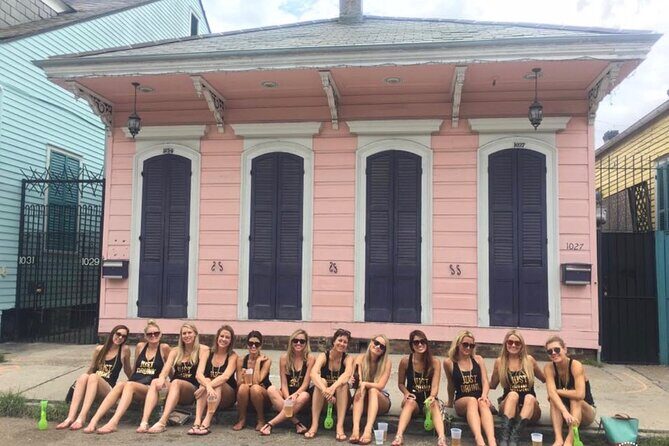
The tour starts at 941 Bourbon St at the sidewalk meeting point by the courtyard gate attached to Lafitte’s Blacksmith Shop Bar. You do not meet inside the bar, and the guide is starting on schedule.
This detail matters because the French Quarter can be busy, and “I’ll just be there in a minute” turns into “I missed the start.” The tour guide takes the group out at the scheduled time, and if you arrive even a few minutes late, you may not find the guide at the meeting spot anymore.
You’ll also want to plan around the walking. The company notes moderate pace and uneven, older streets. That’s not a reason to skip the tour, just a reminder to wear shoes you’re comfortable walking in, especially if you add a drink or two later.
Lafitte’s Blacksmith Shop Bar Stop: Voodoo, Ghost, and Vampire Storytelling
Stop one is the Lafitte’s Blacksmith Shop Bar area, and the tone is “step in, listen up, and take in the atmosphere.” This is where the tour sets expectations: you’ll get general New Orleans history, then the darker flavor—voodoo, ghost, and vampire stories—layered on top.
The bar stops are part of the format. The tour isn’t a lecture that ends at a doorstep. It’s designed so you’re walking and switching context, with chances to purchase drinks along the way. You’ll also use paranormal equipment during the experience if you want to play along.
One of the nicest touches is the kind of hosting you’re likely to run into. In the guide feedback, Coty and Cody come up as friendly, informative people who keep the energy up. That’s what you want on this kind of tour: someone who can balance facts with creepy storytelling without making it feel mean-spirited or forced.
A possible drawback at this stage is simple: bars can get busy. If you end up waiting to go in or waiting for the group to regroup, your 1-hour expectation can stretch toward 2 hours.
The French Quarter Walk: Sketchy History, Pirates, Felons, and the Rest
After Lafitte’s, you shift into the wider French Quarter story. This part is built around the idea that the Quarter has always had a shadow side, and the tour frames the famous neighborhood through characters and events that sound straight out of a thriller.
You can expect themes like pirates, convicted felons, and ladies of the night. It’s not about sanitized tourism. It’s about the French Quarter as it developed—plus the voodoo and paranormal angle that people associate with the city today.
This section is also about walking the neighborhood in a guided way. If you’ve only visited the Quarter for photo stops, this tour can give you a storyline so you’re not just looking at street corners. You start connecting street names, landmark vibes, and the “why does this place feel haunted” feeling to the kind of history the guide tells.
The other practical perk: you’re not trying to figure out where to go next. You’re led from stop to stop, so you can focus on the stories and the drinks, instead of constantly checking your map.
Paranormal Equipment: Use It for Fun, Not Certainty
The tour provides paranormal equipment for participants who want it, and there’s an important responsibility piece. You’ll check it out at the beginning and you must return it before leaving the tour group. The stated consequence for lost or damaged equipment is a $250 fee.
Also, set expectations correctly. The company is explicit that paranormal activity can’t be guaranteed. The tour is realistic entertainment, and you’re not promised that you’ll see a ghost, vampire, demon, or anything non-human on demand. The best way to enjoy the equipment is like you’d enjoy a prop in a suspense movie: you’re participating in the mood, not trying to force proof.
If you love ghost lore, this still has a strong appeal. Paranormal equipment turns the tour from passive listening into an activity. Even if nothing dramatic happens, you’ll still be part of the shared experience, and that’s where the fun usually lands.
Drinks, Bar Stops, and the Pace You’ll Actually Feel
This tour is a “drinks and stories” format, but it’s not an open bar. Alcoholic beverages are not included, and drinks/snacks are purchased along the route at various bars.
That affects how you plan your night. You’ll want to pace your own drinking since the route involves walking and regrouping. The tour operator notes they can refuse service to someone who is extremely intoxicated, which is a good safety rule even if you’re only out for one or two drinks.
As for pacing, the company calls it moderate. Bar crowding and wait time inside venues can slow things down, which is why the tour can land anywhere from 1 to 2 hours.
Practical advice for comfort:
- Wear shoes that handle uneven sidewalks.
- Bring a little water planning, since the French Quarter can feel long even on short walks.
- Keep an eye on time and don’t drift off. The tour rules say you should stay with your group, and the guide can’t stop the tour to let people wander off for photos.
Photos, Recording Rules, and How to Capture the Night
You’re allowed to take photos and you’re encouraged to. The company also notes time-stamped photos are taken at the start of each tour at the meeting location.
But there’s a line for recordings: audio or video recording devices are not allowed during the tour. That’s a helpful constraint to know up front. It also means the tour experience stays focused on what’s happening live—stories and bar atmosphere—rather than turning into a constant filming session.
If you love taking pictures, you’ll still have plenty of chances. Just follow the group schedule and aim your photos during stops rather than trying to step away mid-walk.
Who This Tour Fits Best (and Who It Doesn’t)
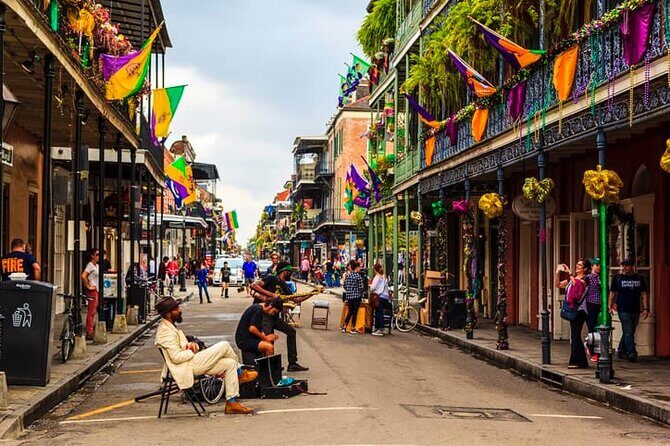
This is the kind of tour I’d point you to if you want a fun first night in the French Quarter and you like your history with a spooky soundtrack. It’s especially good if you enjoy:
- short guided walking with a clear start and finish,
- bar stops that feel integrated into the story,
- voodoo, ghost, and vampire themes told in plain language,
- the chance to use paranormal gear for interaction.
It may not fit if you need guaranteed supernatural experiences. The tour specifically says you shouldn’t expect that. It also might not be ideal if you want a quiet, sit-down format or if you dislike drinking-related bar hopping (even though drinks are optional and you can buy what you want or skip it at some stops).
Because the end point is near Jackson Square, it’s also a good choice if you’re already thinking about finishing your evening in that general area. You can roll right into more walking and people-watching afterward.
Final verdict: Should you book Cheers New Orleans?
I’d book it if you’re trying to mix three goals into one stop: French Quarter orientation, spooky New Orleans storytelling, and a social night that doesn’t require planning every minute. The price is low enough that you can justify it as entertainment value, and the time length is short enough that it won’t derail your whole day.
I would not book it if you’re expecting a ghost sighting on cue or if you get cranky when group tours are affected by bar crowds. Also be realistic about alcohol: drinks aren’t included, and the walking is part of the design.
If you do book, the best “make it go well” moves are simple: arrive a few minutes early at the Bourbon meeting gate, check that your mobile ticket is ready, and remember the paranormal equipment has to be returned before you leave the group. Do that, and you’re set up for exactly the kind of creepy-fun New Orleans night this tour is built around.
FAQ
How long is the Cheers New Orleans tour?
It lasts about 1 to 2 hours, depending on wait times inside bars and the pace of the group.
What is included in the ticket?
The ticket includes a local licensed tour guide, the admission ticket, and the walking tour duration. Paranormal equipment is provided during the tour.
Are alcoholic drinks included?
No. Alcoholic beverages are not included. Drinks and snacks can be purchased along the route at various locations.
Where do I meet the tour guide?
Meet on the sidewalk at the gate of the courtyard attached to Lafittes Blacksmith Shop Bar at 941 Bourbon Street, New Orleans, LA 70116.
Where does the tour end?
The tour ends at Jackson Square, New Orleans, LA 70116.
Is paranormal activity guaranteed?
No. The tour is for entertainment purposes only, and there is no guarantee you will encounter paranormal activity.
Are audio or video recordings allowed?
No. Audio or video recording devices are not allowed during the tour. Photos are encouraged.
]]>I love the small-group feel. It keeps the pace relaxed and makes it easier to hear every detail while you move block to block. I also love that the tour is built around specific, well-known places you’ll recognize, but the explanation is what makes them hit harder.
One consideration: the subject matter is heavy. You’ll hear about hate crimes and serial-killer stories, and you’ll likely want a short drink (optional, and own expense) to take the edge off after.
Key Things You’ll Remember from This New Orleans True Crime Ghost Hunt
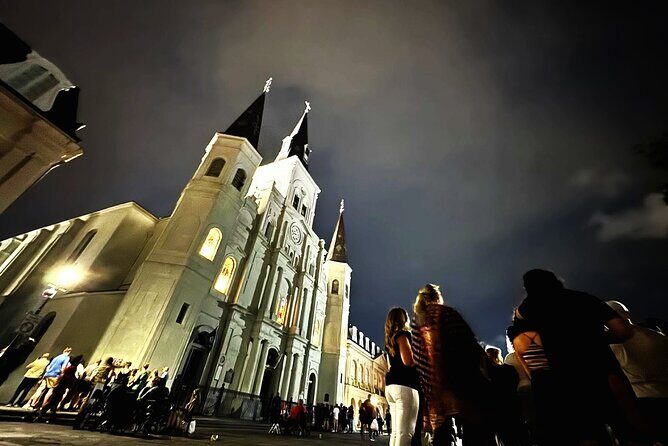
- A night-focused French Quarter walk with a 7:30 pm start, when street scenes feel darker and more cinematic
- Seven short stops that keep attention locked without turning into a long slog
- Robby Rob–level storytelling is highlighted in the guide praise, which matters a lot for this kind of tour
- A real licensed guide, not a random audio track, so you can ask questions as you go
- Absinthe stop in Pirate’s Alley where you can sip if you want, but pay for it yourself
- The Dungeon story of Never and Worry, delivered right where the tale is said to have started
The 7:30 pm French Quarter Pace That Works
This tour is timed for evenings. You meet at 311 Exchange Pl around 7:30 pm, and you finish near Hotel Villa Convento at 616 Ursulines Ave (though your end point can vary in the French Quarter). The total time is about two hours, so you’re not stuck out late with no plan for dinner after.
The group size is capped at 15, which makes a huge difference here. True crime and ghost stories work best when you can actually hear your guide over the street noise. A smaller group also means the route feels more like a conversation than a lecture.
You’ll want moderate walking fitness. It’s a night walk through the Quarter, and you’ll be on your feet for stretches between stops. Shoes that handle uneven sidewalks help too.
What $49.99 Gets You (and Where Extras Can Show Up)
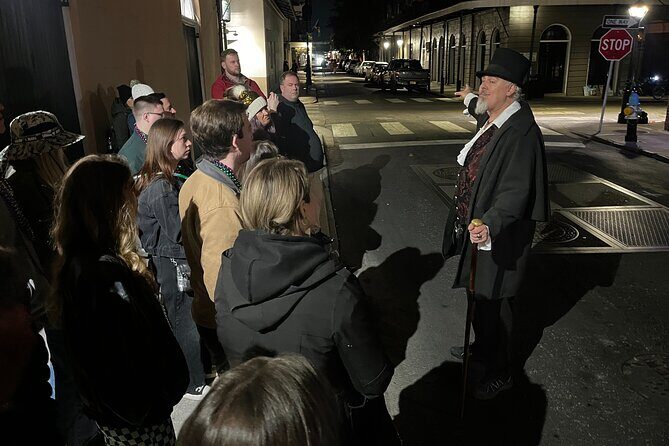
It costs $49.99 per person, and the value is mainly in the guide-led storytelling. You’re paying for a professional licensed tour guide plus an organized true crime walking experience with multiple “named” locations.
Not everything costs extra, but not everything is included either. Some stops are listed as free with no admission, while others are not included (so you may encounter optional entry costs depending on what’s available at the moment you’re there). You should also expect the drink stop to be own expense, since alcoholic beverages are available to purchase.
If you’re the type who loves a good story tied to real places, this price makes sense. If you’re mostly browsing and want “atmosphere only,” you might find it a bit intense for your taste.
Stop-by-Stop: How the Story Unfolds in the French Quarter
French Quarter: the setting first, the chills second
You start with a walk through the French Quarter, about 30 minutes. This is the warm-up that matters: you get your bearings and a sense of why these streets became famous for both beauty and brutality.
The guide focuses on local sights after dark, so the neighborhood landmarks feel less like postcards and more like evidence. This first segment also sets the tone for the darker content to come.
Jimani Lounge & Restaurant (former Upstairs Lounge): one of the country’s worst hate crimes
Next you stop at Jimani Lounge & Restaurant for about 15 minutes. It’s described as the former Upstairs Lounge, connected to one of the most horrific hate crimes in US history.
This is not just shock value. The value of this stop is how the story anchors tragedy to a real address you can point at. It also reminds you that the “ghost hunt” label isn’t only about spooky vibes—it’s about how violence leaves a shadow on everyday places.
New Orleans Pharmacy Museum: serial killer storytelling with a guide’s framing
After that, you head to the New Orleans Pharmacy Museum for about 15 minutes. Here, your guide shares the tale of one of NOLA’s most infamous serial killers.
This is where I think the licensed guide advantage shows up. Serial-crime stories can wander into sensational territory fast. With a proper guide, you’re more likely to get context and a clear connection to the building and the era, instead of just jump-scares and rumor.
Omni Royal Orleans: a tragedy tied to a recognizable landmark
Then it’s the Omni Royal Orleans for about 15 minutes. This stop is framed as the site of a great tragedy, using a major, easy-to-spot location as the anchor.
Even if you’ve seen the exterior before, the tour shifts it from “hotel I might visit” to “place a story happened.” That switch is the heart of this kind of walk: you stop looking and start noticing.
Jackson Square: violence you can’t un-know once you hear it
You’ll spend about 15 minutes at Jackson Square. The tour connects the famous site with great violence throughout its history, and the guide explains the meaning behind that.
This stop is practical too. Jackson Square is a landmark you’ll recognize instantly, so even if you’re new to the Quarter, you’ll understand where you are while you learn. It’s also a good moment to pause and let your brain catch up before you go deeper into the darker corners.
Pirates Alley: the short walk-through plus an optional absinthe sip
Next comes Pirate’s Alley for about 15 minutes. You’re invited to sip on absinthe while you check out the sights.
Here’s the practical part: absinthe is not described as included. Alcoholic beverages are available for purchase on the tour, so treat it as a choose-your-own-spice add-on. If you do order, go easy; you still have a story ahead and you want to stay sharp for the final stop.
Pirate’s Alley also helps break the emotional intensity. The street feel can be more cinematic than heavy, and that quick reset makes the last segment easier to handle.
The Dungeon: Never and Worry, right where the tale started
Your final stop is The Dungeon, about 15 minutes. This is where you hear the mysterious tale of Never and Worry, said to have started right there.
If you want the “ghost hunt” label to feel legit, this is the payoff. It’s also a good ending structure: by the time you reach the Dungeon, you’ve already heard the real-world violence and the lore-type stories blend together. The contrast helps the memory stick.
Why the Small Stops Matter More Than the Big Claims
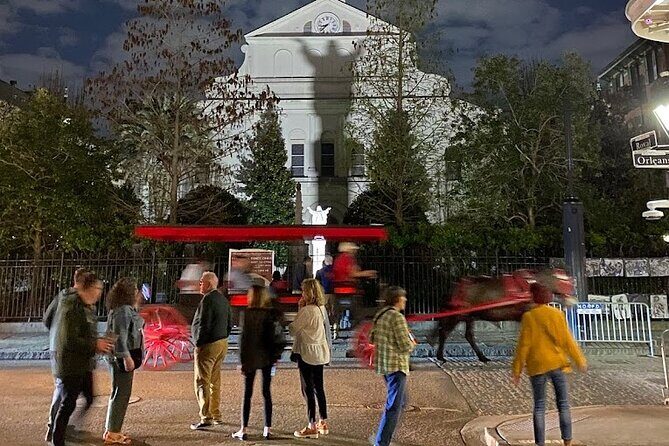
This tour works because each location is timed and focused—usually around 15 minutes, with the French Quarter starting at 30 minutes. That structure keeps you from getting lost in long lectures, especially at night when attention naturally drops.
It also reduces fatigue. Two hours in the Quarter can feel like a lot if you’re constantly walking with no breaks. Here, the stops act like pacing points: you walk, you hear, you look, you move on.
And since the group is capped at 15, you get a better chance of hearing every name, every connection, and every transition between locations. For true crime tours, clarity is everything.
Drink Stop Reality: Make It a Choice, Not a Trap
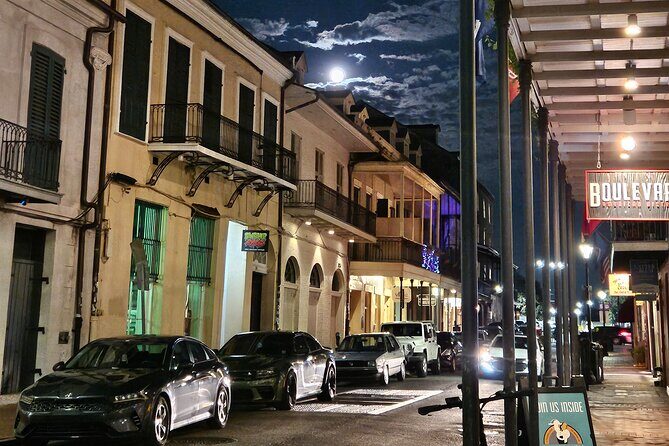
There’s a drink stop built into the experience. The tour highlights stopping at a historic bar where you can grab a drink along the way, but it’s own expense.
If you drink, I’d treat it like part of the vibe, not the main event. Order something light, or plan on water before and after. You still want to walk safely, and the tour covers multiple sites where you may be standing in small clusters.
If you don’t drink, you’re not stuck. You can still participate fully—you’re there for the story and the route, not for the alcohol.
Weather, Night Timing, and What to Wear
This experience requires good weather. If conditions are bad, you’ll be offered a different date or a full refund. That matters in New Orleans, where rain can show up quickly.
Wear something comfortable for night walking and consider the terrain. The Quarter’s sidewalks can be uneven, and darkness makes it easier to trip. A light layer helps too, since evenings can feel cooler than you expect.
Also, get ready to hear heavy topics. If you’re sensitive to stories about violence and hate crimes, be honest with yourself before you book.
Who This Tour Is For (and Who Should Skip It)
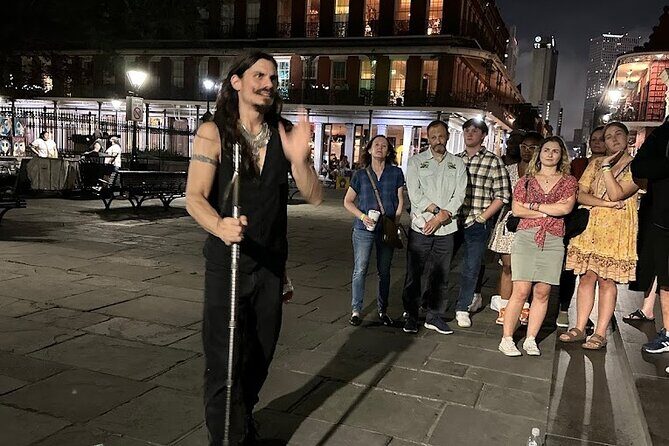
You’ll probably love this tour if:
- you enjoy true crime stories tied to real addresses
- you like night walks and recognizable landmarks
- you want a licensed guide doing the talking, not a free-for-all
- you care about story quality, since the guide praise mentions someone like Robby Rob specifically
You might want to skip it if:
- you’re looking for a light, silly ghost tour with zero heavy content
- you don’t handle crime stories well, even in a guided, respectful format
- you prefer longer museum time rather than short street-level stops
Should You Book the New Orleans True Crime Ghost Hunt?
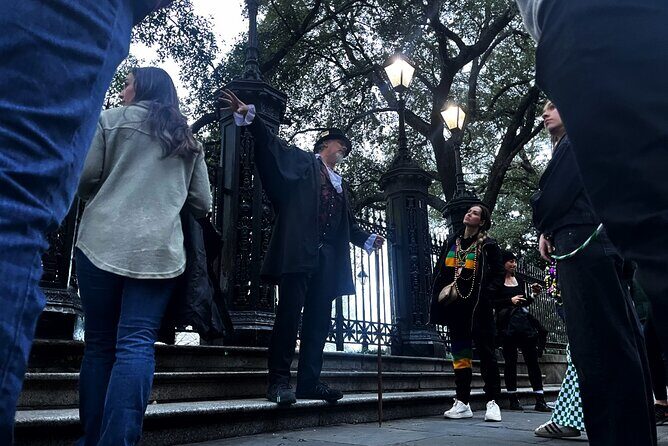
If you want a French Quarter experience that feels more personal than a general sightseeing walk, I’d book it. The price isn’t low, but the structure helps justify it: a small group, a professional licensed guide, and multiple named stops that turn familiar places into story anchors.
The biggest deciding factor is your tolerance for dark material. This tour includes hate crime context, serial-killer storytelling, and multiple locations tied to tragedy and violence. If that sounds like your kind of history-as-story, you’ll likely have a strong time.
And if you care about guide performance, pay attention to the praise for Robby Rob. For tours like this, the guide’s voice and delivery are half the experience.
FAQ
How long is the New Orleans True Crime Ghost Hunt and Tour?
It runs for about 2 hours.
How much does the tour cost?
The price is $49.99 per person.
Where do I meet for the tour, and when does it start?
You start at 311 Exchange Pl, New Orleans, LA 70130 at 7:30 pm.
What language is the tour offered in?
The tour is offered in English.
Is alcohol included in the price?
No. Alcoholic beverages are available for purchase, so drinks are not included.
How big is the group?
The tour has a maximum of 15 travelers.
What happens if the weather is bad or I need to cancel?
The experience requires good weather. If it’s canceled due to poor weather, you’ll be offered a different date or a full refund. You can also cancel for a full refund up to 24 hours before the start time.
]]>What really helps is the pacing: you’re led through three themes—voodoo legends and rituals, vampire tales, and witchcraft magic—so the tour feels like one connected night story instead of three random stops. I’m especially a fan of the vampire section, because it names things like the Casket Girls and Count Saint Germain and then frames them as lore you can actually understand. One thing to consider: the tour leans dark and spooky, so if you want light, daytime sightseeing only, you may prefer a different style of tour.
Key Highlights You Should Know
- 90 minutes at night in the French Quarter with a start time set at 8:30pm and a return to the same meeting point
- Voodoo legends and ritual symbols explained as part of a living tradition, not just generic horror
- Vampire lore with specific leads like the Casket Girls and Count Saint Germain
- Witchcraft and magic stories focused on spells, potions, and rumored covens
- Small group size (max 28) that leaves space for questions, with guides such as Shawn, Lauren, and Truly
How Shadows and Spells Works in the French Quarter at 8:30pm

This tour is built for nighttime wandering. You meet at 1301 Decatur St at 8:30pm, and it runs about 1 hour 30 minutes before ending back where you started.
The format is simple and practical: you get a tour guide and a mobile ticket, and you walk through the French Quarter with a focused theme. With a max of 28 people, it’s not a huge crowd shuffle, which helps you hear the story and keep up without constantly lagging behind.
Also, it’s designed to be approachable for most visitors. The tour notes that most travelers can participate, and service animals are allowed, so it’s fairly welcoming if you plan ahead.
The Voodoo Stops: Rituals, Symbols, and Where Legends Sit
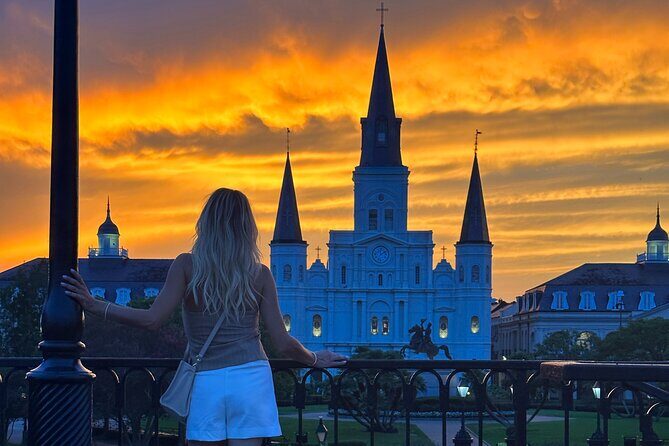
The voodoo portion is the backbone of the night. Instead of treating voodoo as a Halloween costume, the tour frames it as a set of beliefs, rituals, and symbols tied to community protection and guidance.
Expect to hear about sacred sites and hidden shrines in the French Quarter and how practitioners sought help through rituals, spells, and symbols over time. You’ll also get the sense that this is not just a ghost story; it’s lore that people took seriously enough to build traditions around it.
What I like about this section for your experience: it gives you language for what you’re seeing. When you walk past shrines, markings, or odd details at night, you’re not guessing as much. You’re getting a story thread that helps you connect symbols to meaning, which is where the French Quarter trips from spooky to actually interesting.
One note to keep in mind: the tour description is clear that it’s not for the faint of heart. If you’re uncomfortable with dark themes, this may feel intense—even if the tone stays educational and story-driven.
Vampire Lore in New Orleans: Casket Girls and Count Saint Germain
Then the tour shifts into vampire territory, and it does it with specific, memorable names. You’ll hear chilling tales tied to the French Quarter, including the Casket Girls and Count Saint Germain.
This is the part of the tour where the stories can feel extra “New Orleans.” I like that the guide isn’t just repeating a generic vampire script; the lore is connected to local legend markers, so you can picture where the myth might have grown legs.
For your brain, this section works best if you enjoy folklore as a mix of fact, fear, and storytelling. Even when you know it’s not literal, the names still help you track the mythology across the city. And if you’re the type who loves comparing legends you’ve heard elsewhere, you’ll likely find these particular New Orleans references more grounded than you expected.
Witchcraft and Magic: Warlocks, Potions, and Hidden Covens
The third theme brings witchcraft into the mix—spells, potions, and the idea of hidden covens that still thrive in the shadows. The tour tells stories about powerful witches who allegedly influenced events through magic, not just personal drama.
What makes this part worthwhile is that it continues the same style of storytelling used in the voodoo and vampire segments. You’re not switching to a lecture at this point. You’re staying in the same night-walk mode, learning how the city’s darker legends link together.
If you’ve ever wondered why the French Quarter can feel like a stage set for the supernatural, this section helps explain the appeal. It’s not only about scary plots. It’s about how communities turn uncertainty into stories—about protection, control, power, and hope.
And yes, this tour fully leans into the mood. You should expect a spooky tone throughout, especially as you move deeper into the witchcraft theme.
Your Guide Matters: Shawn, Lauren, and Truly
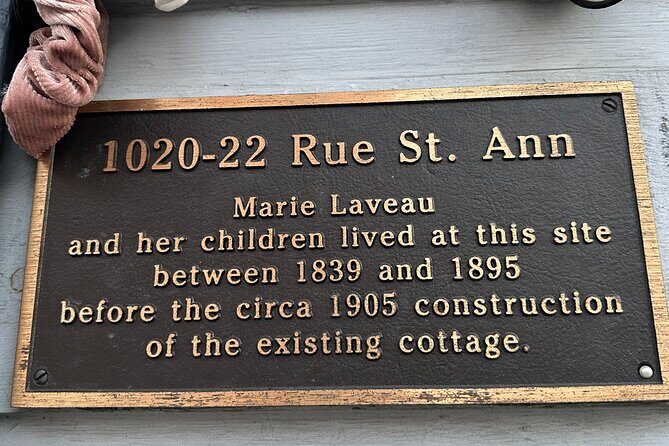
The biggest strength of this tour is how well the guides handle the human side of the experience: pacing, clarity, and questions.
From the guides’ names that come up—Shawn, Lauren, and Truly—the common thread is that they’re patient when you ask. One standout pattern is that the Q&A doesn’t feel like an interruption. It feels like part of how the story gets built.
That matters because this tour blends folklore with cultural practice. If you’re skeptical, you’ll probably appreciate the chance to ask for context. If you’re already a believer in the power of legends, you’ll like that the guide doesn’t treat your curiosity like a nuisance.
If you’re the type who asks follow-ups like, What does that symbol mean? or Why did that story spread here? this tour is set up for you.
Timing, Walking Comfort, and Getting Back to Decatur
This is a night tour, so comfort matters. Plan for an evening walk in the French Quarter and wear shoes you feel good standing and walking in for about 1.5 hours.
Because it ends back at the meeting point, it’s easier to plan your next stop afterward. You can hop on public transportation or head to dinner without the stress of figuring out a remote drop-off.
The tour also notes it’s near public transportation, which is a big win if you don’t want to worry about parking. And since the start and end are the same location, you won’t be stuck chasing your bearings in the dark.
Price and Value: Is $29 Fair for 90 Minutes of Lore?
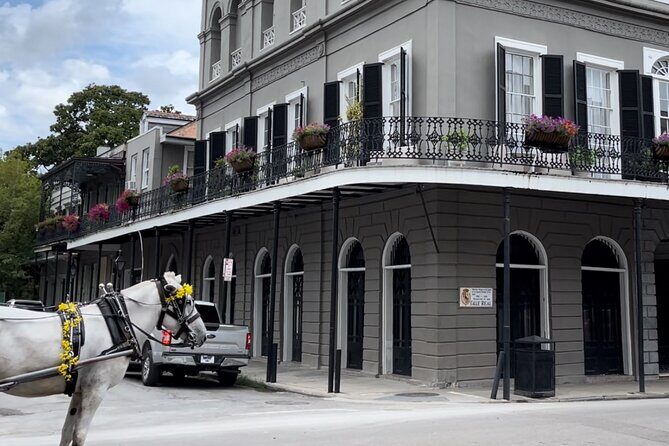
At $29, this tour is priced in the “you can actually say yes” category. You’re paying for a live guide, a structured theme, and a focused night walk through a part of New Orleans where the legends cling to the streets.
The value here isn’t only the length. It’s the way the tour blends three themed storylines—voodoo, vampire lore, and witchcraft—so you’re not paying to hear a single topic for a short burst. Even with one hour and change, the structure keeps you moving through the bigger picture.
If you’re comparing to other guided activities where you’re mostly touring without a strong narrative, this one leans hard into storytelling. And at this price, you can also pair it with another evening plan without blowing your budget.
If you want a safe bet for a first night in the French Quarter, this tour has a simple promise: you leave with context for what you saw and heard, not just photos.
Who This Tour Fits Best (and Who Should Skip It)
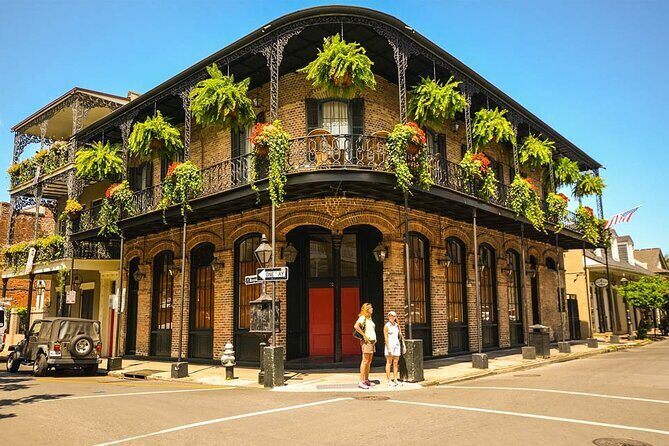
I think Shadows and Spells is ideal if you’re visiting the French Quarter for the stories, not just the architecture. You’ll likely enjoy it if you like folklore, enjoy asking questions, and want a guided route that explains the darker side of New Orleans legend.
It’s also a good choice for groups of different interests, because the tour spans multiple themes. Someone who came for vampires can enjoy the vampire legends, while someone more interested in ritual and symbolism can focus on voodoo and the witchcraft pieces.
You might want to skip it if you’re allergic to spooky themes or you only want daytime, bright-and-cheerful sightseeing. The tour description doesn’t pretend it’s gentle, and the tone matches that promise.
Quick Practical Tips Before You Go
- Bring a curious mindset. This tour rewards questions and attention.
- Wear comfortable shoes for a walking tour at night.
- Keep your expectations aligned: it’s folklore with a dark mood, not a museum exhibit.
- Save your phone battery. A mobile ticket helps you move quickly at the start.
If plans change, you can cancel for a full refund up to 24 hours before the start time, so you’re not locked in if your day shifts.
FAQ
FAQ
Where does the Shadows and Spells tour start?
It starts at 1301 Decatur St, New Orleans, LA 70116, USA.
What time does the tour start?
The start time is 8:30pm.
How long is the tour?
The duration is about 1 hour 30 minutes.
How much does the tour cost?
The price is $29.
Does the tour include a guide?
Yes. A tour guide is included.
Is a mobile ticket used?
Yes, this experience uses a mobile ticket.
Does the tour end at the same place it starts?
Yes. The activity ends back at the meeting point.
What themes are covered during the tour?
It covers Voodoo legends and rituals, vampire lore, and witchcraft and magic.
What is the maximum group size?
The maximum number of travelers is 28.
Are service animals allowed?
Yes, service animals are allowed.
Should You Book Shadows and Spells?
Book it if you want a focused, night-time French Quarter experience built around story. With a small group size, a strong guide presence (names like Shawn, Lauren, and Truly come up), and an easy-to-follow start point on Decatur Street, it’s a solid use of your evening.
Skip it if you don’t like spooky themes or you’re looking for daytime sightseeing with zero dark mood. If you’re even a little curious about voodoo, vampires, or witches as New Orleans folklore, this tour is one of the most practical ways to turn that curiosity into a real guided walk.
]]>