REVIEW · NEW ORLEANS
Garden District Celebrities Cemeteries Mansions and Mysteries Walking Tour
Book on Viator →Operated by New Orleans Ghosts By Us Ghost Adventures · Bookable on Viator
Spooky beauty, in under two hours. I love how this tour covers major Garden District sights fast, and I love that you get well-researched stories connecting the cemeteries and mansions to New Orleans history.
The route is designed for momentum: short stops, then quick resets as you walk to the next landmark.
My one caution: each location is timed at about 10 minutes, so you’ll need to save any extra lingering for after the tour if you’re a slow photo taker.
In This Review
- Quick Highlights (What You’ll Really Get)
- Why This Garden District Ghost Walk Works in 2 Hours
- Lafayette Cemetery No. 1: Ornate Tombs and Yellow Fever Legends
- Colonel Short’s Villa and the Sugarcane Cast-Iron Fence
- 2523 Prytania Street: Greek-Italianate Grandeur With a Weird Feeling
- Women’s Guild of the New Orleans Opera: Gothic, Italianate, Greek Revival
- 2340 Prytania St (Built 1838): Hurricanes, Wars, and Cold Drafts
- Buckner Mansion: Henry Buckner, a School, and Ghost-Child Echoes
- The Seven Sisters: Shotgun Houses and Twin-Believable Legends
- Morris-Israel House: Gothic-Italianate Elegance With Phantom Footsteps
- Brevard Clapp Wisdom House: A Staircase That Never Forgets
- 2415 Coliseum St and 2627 Coliseum St: Ironwork Luxury and a Swiss Chalet Twist
- Commander’s Palace: Sazerac Sips, Creole Plates, and Kitchen Ghosts
- Price, Group Size, and How to Plan Your Walk
- Should You Book This Garden District Ghost Walk?
- FAQ
- How long is the Garden District Celebrities Cemeteries Mansions and Mysteries Walking Tour?
- What does it cost, and what’s included in the price?
- Is the tour in English, and do I get a ticket on my phone?
- Are admission tickets required for the stops?
- Where do I meet, and does the tour end nearby?
- What’s the cancellation policy if my plans change?
Quick Highlights (What You’ll Really Get)
- Lafayette Cemetery No. 1: ornate above-ground tombs and the kind of yellow-fever lore that makes the place feel alive
- Prytania Street mansion run: multiple named homes with distinct architecture and strong storytelling angles
- Civil War connection: Colonel Short’s Villa is tied to Union General Nathaniel Banks and war-era disruption
- Iconic Garden District silhouettes: the Seven Sisters shotgun row and the big-column drama of Buckner Mansion
- Commander’s Palace included: you’ll hear why New Orleans pairs its best Creole food with ghost stories
- Small-group feel: up to 35 people, led by a professional guide, in English, with a mobile ticket
Why This Garden District Ghost Walk Works in 2 Hours
New Orleans has a special talent for making history feel personal. This walking tour is built around that idea: you get a tight circuit through some of the Garden District’s best-known cemeteries and mansion streets, without losing your day to long sightseeing loops.
The timing is simple. Most of your time is walking between stops, and the stops themselves are brief. That can sound rushed, but it’s also practical. You’ll check off a lot of the neighborhood’s face-recognition landmarks, and the guide helps you understand what you’re looking at instead of just snapping photos at random facades.
At $26 per person, the value comes from two things: you’re paying for interpretation (a real guide with answers) and you’re not paying entrance fees at each stop. The tour notes that admissions are free for the attractions along the route, which matters when you’re trying to keep costs under control.
You can also read our reviews of more walking tours in New Orleans



Lafayette Cemetery No. 1: Ornate Tombs and Yellow Fever Legends
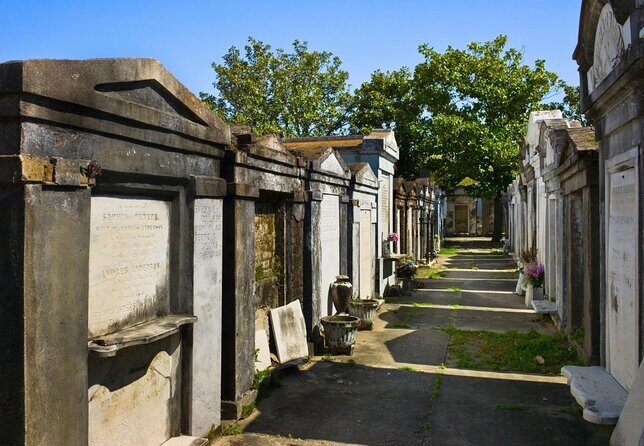
You start at Lafayette Cemetery No. 1, one of the Garden District’s most striking places for the way it mixes beauty with dread. The tombs are above ground, built to handle the swampy terrain—so instead of simple markers, you get ornate vaults and ironwork that seem to glow in the humid air.
The stories attached to this site are part of why the tour works. The guide focuses on the idea that epidemics didn’t just kill people; they left echoes. Yellow fever victims are often mentioned in local lore, including the claim that some spirits still wander in search of peace. Whether you believe it or not, it changes how you look at the cemetery details—iron gates, vault shapes, and how the space feels sealed off from everyday life.
A practical note: cemeteries aren’t designed for long pauses. With the stop timed at about 10 minutes, you’ll get the highlights and key context, but you won’t be doing a full, slow, page-by-page reading of every monument. If you’re the type who wants to copy family names or study symbol meanings for an hour, plan to return later on your own.
Colonel Short’s Villa and the Sugarcane Cast-Iron Fence

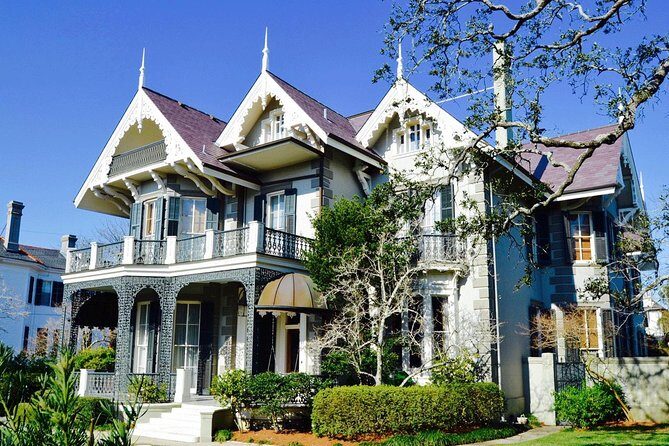
Next comes Colonel Short’s Villa, an Italianate mansion with a cast-iron fence that’s famous in the Garden District. The fence is designed to resemble sugarcane stalks, pointing back to plantation wealth and the kind of wealth display that New Orleans architecture does so well.
This stop gets sharper because of its Civil War connection. The tour ties the house to Union General Nathaniel Banks, who seized the property during the war. That matters, because it reframes the mansion from just a pretty building into something with disruption baked into its story.
You’ll also hear ghost-story themes tied to the house: people talk about lingering presences and the feeling of being watched, like the mansion remembers what happened in those rooms. Again, keep it in the realm of legend, but let the guide use it to explain the place. When you understand the historical shocks the building survived, the spooky claims start to make more emotional sense.
2523 Prytania Street: Greek-Italianate Grandeur With a Weird Feeling
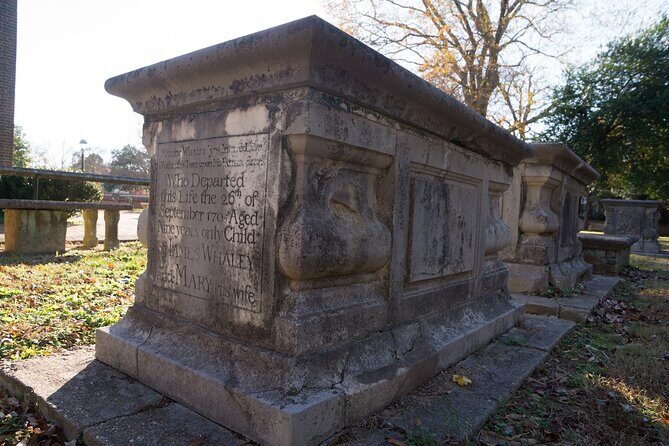
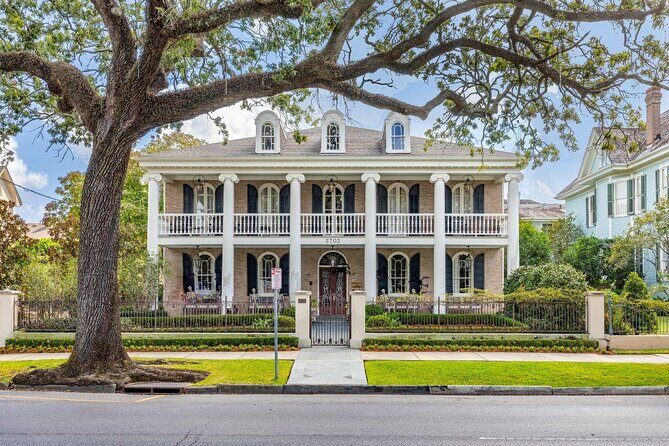
At 2523 Prytania St, you’ll see a Greek-Italianate revival mansion that was once the neighborhood’s largest building. That scale is obvious even in a short visit. Grand columns and detailed cornices help explain why this street feels like an open-air architecture book.
The tour’s storytelling angle leans into atmosphere. Some people describe an unsettling energy here—like the building’s size hides secrets. Even if you don’t lean into the supernatural, it’s useful to hear the guide connect architectural features with the era that produced them. It makes the details feel intentional, not decorative.
Because the stop is short, I’d use the time strategically. Look up at cornices and window rhythm. Then check how the building sits on the street. Those two things help you “read” the architecture fast, which fits the tour’s pace.
Women’s Guild of the New Orleans Opera: Gothic, Italianate, Greek Revival
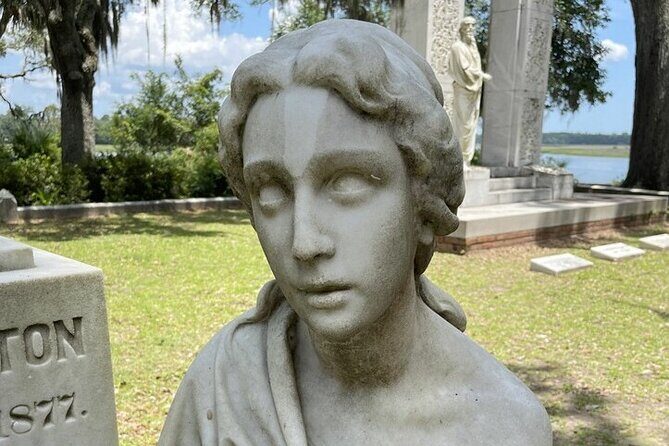
The Women’s Guild of the New Orleans Opera stop is a treat if you like architecture that refuses to stay in one style. The façade blends Gothic, Italianate, and Greek Revival elements into one statement-facing building. It’s the kind of combination that tells you New Orleans didn’t build with one rulebook—it built with taste, money, and changing trends.
The tour also frames this place socially. It was originally a private home and later became a gathering place for the city’s elite women. That’s a key point for making this tour feel more than spooky sightseeing. You’re not only learning about buildings; you’re learning about who had power, who met, and what that meant for the stories that got passed along.
Ghost stories are part of the pitch: you may hear about ghostly laughter echoing through lavish parlors after dark. Whether you take that literally or as theater for the imagination, it encourages you to picture daily life in those rooms instead of treating the building like a museum prop.





2340 Prytania St (Built 1838): Hurricanes, Wars, and Cold Drafts
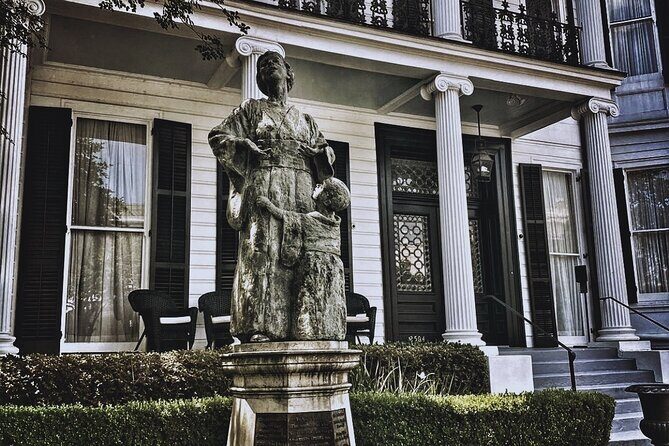
At 2340 Prytania St, you’re looking at an earlier Greek Revival mansion, built in 1838. The tour highlights sturdy columns and wrought iron that have endured hurricanes, wars, and changing times. That “endurance” theme is helpful, because it keeps the stop grounded. The ghost angle is there, but the building’s survival is the anchor.
The lore here is about lingering presences: people believe the home is still watched by original owners, with the feeling of cold drafts and flickering lights. In practice, this is where I suggest you shift your mindset. Instead of scanning for proof, focus on how the architecture creates mood—shadows, doorways, and the way windows frame darkness.
This is also a good stop for a mental checklist: does the ironwork have sharp rhythm? Do the columns feel heavy or light? Those quick observations will stick longer than trying to remember every spooky line.
Buckner Mansion: Henry Buckner, a School, and Ghost-Child Echoes
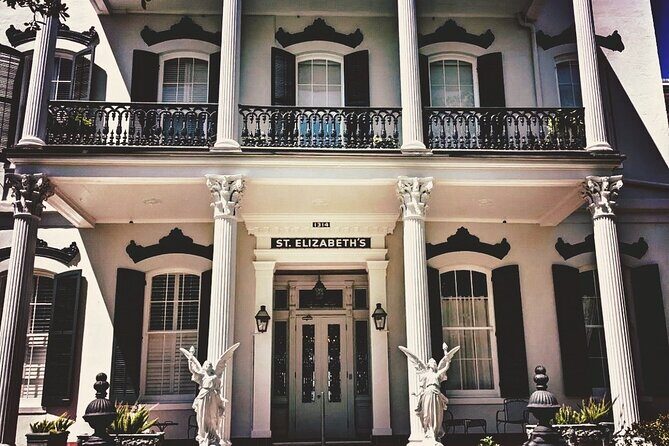
Buckner Mansion is one of the Garden District’s most iconic looks, with towering columns and wide verandas. The guide connects it to cotton magnate Henry Buckner, which helps explain why the scale is so confident. If you like “big house” energy, this is where you’ll feel it.
The Civil-era shift continues: the tour notes the mansion later served as a school. That matters, because schools create a different kind of memory. The ghost stories here lean toward children, with reports of ghostly child sounds echoing through the building.
There’s also a pop-culture link you can file away: its eerie beauty made it a filming location for American Horror Story: Coven. The point isn’t to treat it like a set. It’s to help you understand why modern audiences associate this architecture with haunted drama—and why the vibe is easy to sell, even to skeptics.
The Seven Sisters: Shotgun Houses and Twin-Believable Legends
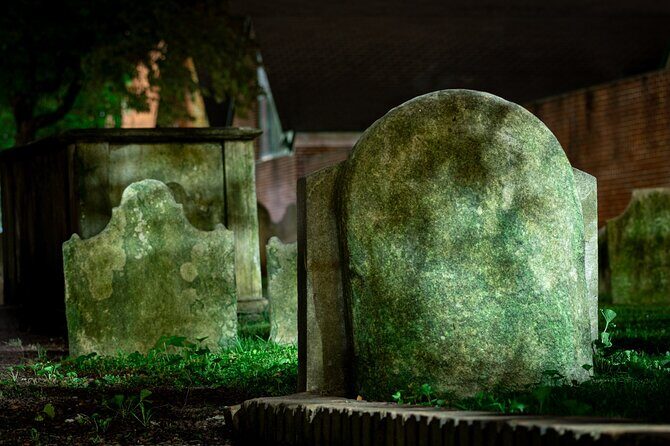
The Seven Sisters are among the most photographed spots in the Garden District, and for good reason. This row of identical shotgun-style houses is charming and compact, built for seven sisters by their father. The legible geometry makes them quick to recognize, even if you’re a first-timer.
The legend is that the sisters’ spirits still visit, keeping the homes warm and welcoming. You may also hear stories about shadowy figures appearing in doorways and vanishing when approached. Even if you don’t buy into that, the tour does a smart thing here: it shows how a neighborhood myth can help you care about otherwise small details like front steps, door placement, and porch symmetry.
Because the stop is short, I’d treat it like a photo station and a curiosity station. Get your pictures, then ask yourself why these houses look so “coordinated.” That’s the design story you can actually keep.
Morris-Israel House: Gothic-Italianate Elegance With Phantom Footsteps
Morris-Israel House blends Gothic and Italianate style, and the exterior details are the whole point in a timed walk. Expect elaborate balconies and grand archways that give the place an Old World kind of polish.
The tour also brings in the darker side—phantom footsteps and lingering servant or owner presences are part of the lore. This is a good example of how the guide uses ghost stories to talk about the emotional atmosphere of wealth. The building looks polished. The stories insist there was cost behind the elegance.
If you’re doing this tour in warm weather, this stop’s shadows can be great for taking a break mentally. But again: don’t expect a long sit-down. The guide uses the time to connect architecture plus legend into one quick takeaway.
Brevard Clapp Wisdom House: A Staircase That Never Forgets
Brevard Clapp Wisdom House is another stately mansion with white columns and a grand entrance. It’s framed as a hub for high society, but also as a place marked by scandal and sorrow. That mix is what keeps the tour from becoming a repetitive pattern of pretty houses and spooky lines.
The ghost-story angle here is specific: a woman in period dress is said to appear on the staircase, waiting for a lover who never returned. That’s the kind of story that actually changes how you look at staircases and circulation spaces. When you know a building has a legend about movement and pause, the layout feels less abstract.
For photo timing, the staircase area is often the most dramatic, but the stop is brief. Focus on the façade first, then try to catch one angle where the entrance steps and balconies line up.
2415 Coliseum St and 2627 Coliseum St: Ironwork Luxury and a Swiss Chalet Twist
Two Coliseum Street homes come back to back, and they show how the neighborhood’s style isn’t one note.
At 2415 Coliseum St, the tour points out the wraparound balcony and intricate ironwork, framed as Southern luxury for prominent New Orleans families. The ghost lore here is about strange cold spots inside rooms, which is less about a dramatic apparition and more about a creeping sense that the past is still in the walls.
Then you hit 2627 Coliseum St, a Victorian Swiss Chalet built in 1876 by architect William Freret, Jr. This is a big change from the more “classic” Southern mansion look: steeply pitched roof, ornate woodwork, and a European flair that feels unusual for the Garden District.
The guide’s story connects that oddness to lingering watchers from the windows, including mention of Senator James Eustis in the folklore. Whether you treat that as myth or mood-setting, it helps explain why the building feels different the second you see it.
This is also a good section for your senses. If you like architecture, take a quick mental note of what style signals you’re seeing: columns and ironwork for Greek Revival and Italianate cues, roof angle and woodwork for Swiss Chalet cues.
Commander’s Palace: Sazerac Sips, Creole Plates, and Kitchen Ghosts
The last big stop is Commander’s Palace, one of the most famous New Orleans restaurants. Here, the tour blends place and performance: award-winning Creole cuisine and the restaurant’s reputation for ghosts are part of the same package.
The guide ties the legend to the kitchen, including stories of a former chef haunting the cooking space and rattling pots and pans. Diners also hear about glimpses of shadowy figures moving through candlelit dining rooms.
Even if you’re here mainly for the ghost stories, Commander’s Palace adds real-world New Orleans culture. It shows that the city doesn’t treat history as something frozen behind glass. It treats it like a living theme that keeps showing up at the dinner table.
If you’re hungry after the walk, this is a perfect spot to plan the next move—just know this tour stop is timed, so you may not get time to linger for a full meal during the tour itself.
Price, Group Size, and How to Plan Your Walk
At $26 per person for about 2 hours, this tour is priced like a “high value highlights” experience rather than a deep research marathon. You’re essentially buying: a focused route, a guide who can answer questions, and free admission at each stop.
Group size matters too. With a maximum of 35 travelers, you’re more likely to get real interaction than on massive bus tours. That smaller size also makes the pacing workable, since the guide can keep people together while still explaining details.
A key logistics detail: the attraction stops total around 40 minutes, and the rest is walking. That’s good information for your body planning. If you’re sensitive to heat, plan water and light layers. If you get tired easily, wear supportive shoes and avoid switching to fancy sandals just for photos.
Finally, keep your expectations aligned with the timing. This is a “see it, understand it, move on” style tour. If you want one cemetery or one mansion to take over your afternoon, you can do that after with your own return visit.
Should You Book This Garden District Ghost Walk?
Book it if you want a quick, guided route through some of the Garden District’s most recognizable icons—Lafayette Cemetery No. 1, multiple Prytania and Coliseum Street mansions, and the Commander’s Palace ghost reputation—without spending extra money on admissions. I also think it’s a strong pick if you like stories tied to architecture and specific people, like Colonel Short’s connection to Nathaniel Banks and the way the guide frames each stop with an angle you can actually remember.
Skip it if you hate short stop times or you want long, quiet exploration of any one site. In that case, you’d be happier doing fewer stops with more time per location.
If you do book, go in with a simple plan: get your exterior photos, listen for the building-specific facts, and save deeper reading for later. This tour is built to help you get your bearings fast, then send you back out with better questions.
FAQ
How long is the Garden District Celebrities Cemeteries Mansions and Mysteries Walking Tour?
It lasts about 2 hours.
What does it cost, and what’s included in the price?
The tour costs $26.00 per person. You get a professional guide and well researched history. A guide tip is not included.
Is the tour in English, and do I get a ticket on my phone?
Yes, the tour is offered in English and you’ll use a mobile ticket.
Are admission tickets required for the stops?
The stops listed on the tour show free admission tickets.
Where do I meet, and does the tour end nearby?
You start at 1448 Fourth St, New Orleans, LA 70130, and the activity ends back at the meeting point.
What’s the cancellation policy if my plans change?
You can cancel for a full refund up to 24 hours before the experience starts. After that cutoff, the amount paid is not refunded.