REVIEW · NEW ORLEANS
New Orleans : African American Heritage Walking Tour
Book on GetYourGuide →Operated by UTG EXPERIENCE LIMITED · Bookable on GetYourGuide
Congo Square holds stories you can walk through. In this 2-hour guided loop, I like how the guide traces African arrivals beginning in 1719 and then links them to what you taste and hear in New Orleans today. I also like the stop at Congo Square for the human details, but note it is not recommended for limited mobility and you will be on your feet the whole time.
You’ll hear how people of African ancestry were forcibly removed from the Senegambia region of West Africa and arrived in New Orleans in 1719, within a year of the city’s establishment. You’ll also learn about later arrivals in the 1720s and another similarly sized group in the 1780s brought by the Spanish from the Benin and Congo regions, plus the work enslaved Africans did to clear forests, raise crops, and build city infrastructure. The goal isn’t just dates. It’s showing how African culture persisted and influenced New Orleans food, music, religion, and architecture.
To make it work smoothly, show up 15 minutes early at 401 Decatur Street. This tour runs rain or shine, so bring comfortable shoes, water, and a camera if you want to capture the French Quarter and Armstrong Park surroundings.
In This Review
- Key things I’d zero in on
- Why This Heritage Walk Feels Different Than a Standard French Quarter Tour
- From Senegambia to New Orleans: The 1719 Arrival Story You Can Hear
- What You Notice in the French Quarter: Creole Architecture and Everyday Culture
- Congo Square at Armstrong Park: The Gathering Place the Guide Puts in Context
- Food, Music, Religion, and Memory on a 2-Hour Walk
- Price, Pace, and Practical Tips for a Smooth Walk
- Who This Tour Fits Best (and Who Should Skip It)
- Should You Book This African American Heritage Walking Tour?
- FAQ
- Where is the meeting point?
- How long is the tour?
- How much does it cost?
- What is included in the tour?
- Is the tour available in English?
- What should I bring with me?
- Is the tour held in rain?
- Is the tour wheelchair or limited-mobility friendly?
Key things I’d zero in on
- 1719 arrival story: Forced removal from Senegambia and the quick timeline after the city was founded
- Congo Square at Armstrong Park: Where enslaved people gathered to trade, play music, dance, and socialize
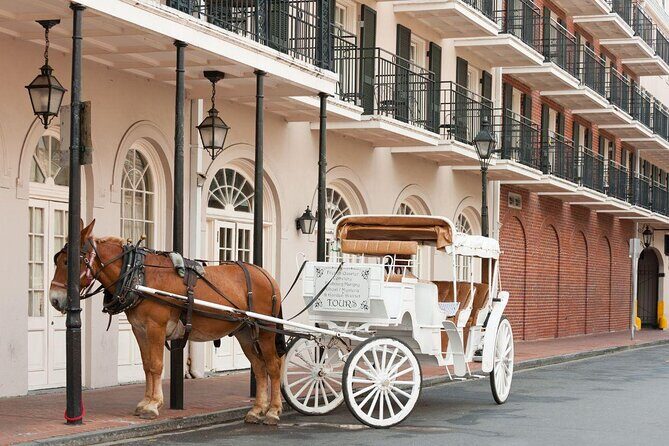
- French Quarter atmosphere with context: You connect street scenes to African-rooted cultural influence
- Creole architecture and food: You learn what to look for, not just what to see
- Human scale history: Stories focus on people, not just facts and dates
Why This Heritage Walk Feels Different Than a Standard French Quarter Tour
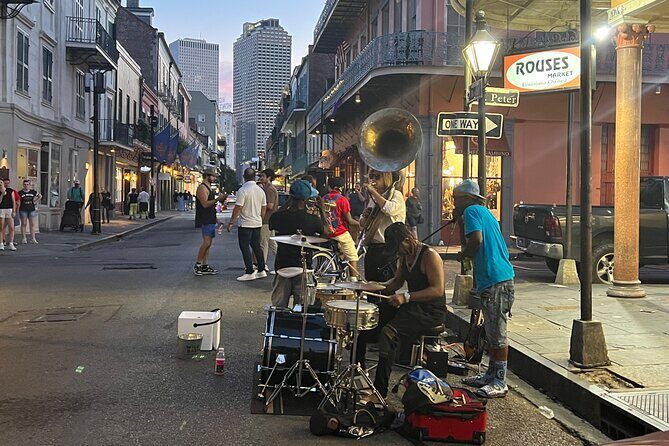
New Orleans can seduce you with quick visuals: balconies, courtyards, and that unmistakable street energy. This walking tour keeps your eyes open, but it steers the meaning of what you’re looking at toward African American heritage, starting at the very roots of the city.
The French Quarter portion matters because it’s the setting most people know first. What makes this tour special is that it doesn’t treat the Quarter like a theme park backdrop. It connects the atmosphere you feel on those streets to the people whose labor and culture shaped the place you’re walking through.
And then there’s the emotional pivot. You don’t just pass a landmark. You stop at Congo Square and hear why it mattered to enslaved people and laborers who gathered there. That shift turns a typical sightseeing walk into something you’ll remember longer than a single photo.
You can also read our reviews of more walking tours in New Orleans

From Senegambia to New Orleans: The 1719 Arrival Story You Can Hear
The tour’s backbone is the story of forced arrival and survival. You’ll learn that people of African ancestry were brought to New Orleans beginning in 1719, within a year of the city being established. You’ll also hear that they were forcibly removed from the Senegambia region in West Africa.
From there, the guide lays out the numbers in a way that helps the scale sink in. In the 1720s, roughly five thousand Africans survived the Middle Passage en route to French Louisiana. Then, in the 1780s, a similarly sized group arrived through Spanish control, brought from the Benin and Congo regions.
Why this matters for you on the ground: it changes how you read the city. When you understand the timeline and the origin regions behind the enslaved labor that built early New Orleans, the present-day Quarter feels less like a postcard and more like a layered result of real human effort and real loss.
It also sets up the tour’s next theme: persistence. The guide doesn’t only discuss forced work like clearing forests, raising crops, and building infrastructure. You also learn how African culture survived and continued shaping New Orleans across generations.
What You Notice in the French Quarter: Creole Architecture and Everyday Culture
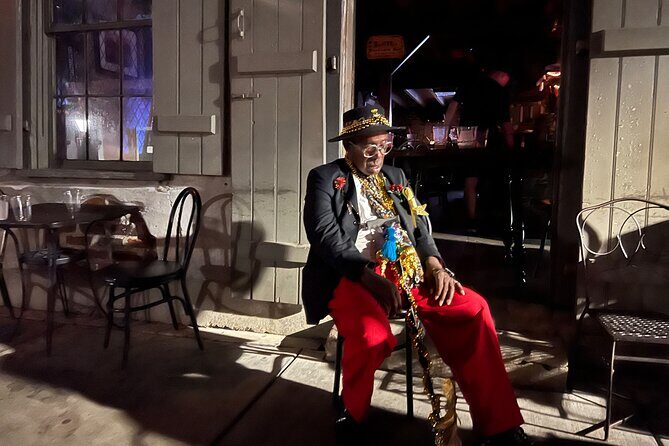
This isn’t a stop-by-stop scavenger hunt. It’s more like a guided lens. As you walk through the French Quarter portion, you’ll learn what to notice about Creole architecture and local food traditions, plus how religious and musical influences developed from African cultural roots.
Creole architecture can be easy to admire without understanding. A tour like this gives you the background that turns those facades and street scenes into evidence of cultural mixing and adaptation. You start recognizing how styles and building choices reflect the people who lived, worked, and built here—especially under conditions of slavery and colonial rule.
Food is similar. You might already know New Orleans cooking has strong influences, but this tour helps you connect those culinary roots to African cultural persistence. Same with music and religion. Instead of treating them as separate fun facts, the guide presents them as continuity—culture that survived even when people tried to erase its origins.
One practical note: the French Quarter walking part can be weather-dependent and physically demanding. Plan to be outside the whole time. Bring water, and wear shoes you trust.
Congo Square at Armstrong Park: The Gathering Place the Guide Puts in Context
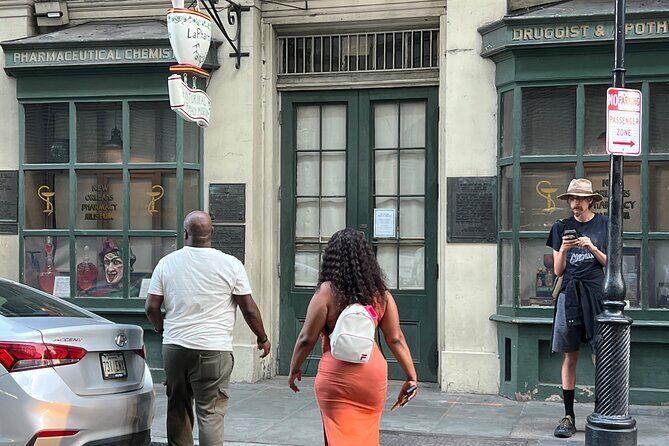
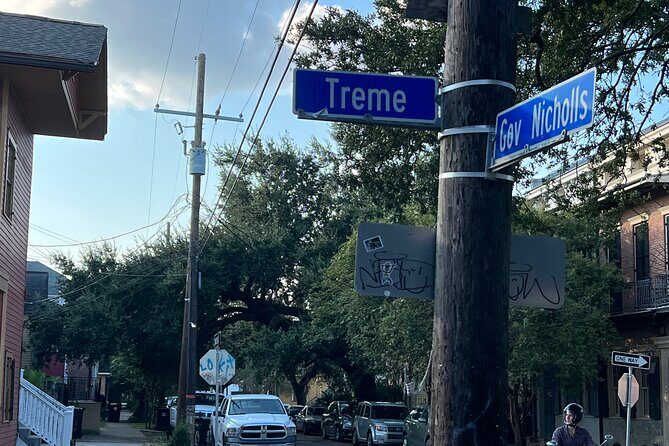
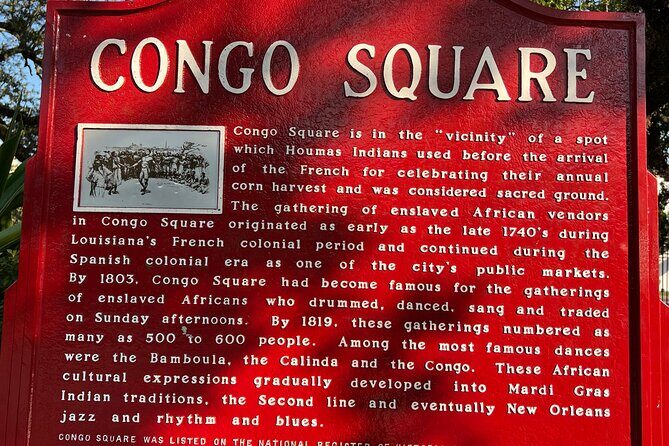
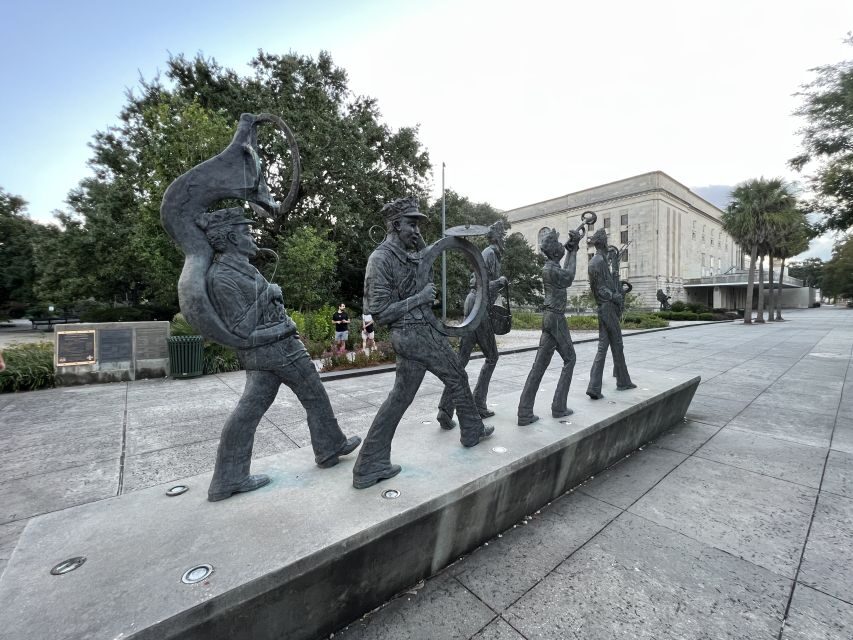
The highlight for many people is Congo Square, now part of Armstrong Park on the edge of the French Quarter in Faubourg Treme. The tour treats this stop as more than an address on a map.
You’ll learn that Congo Square was a place where hundreds of African slaves and laborers congregated. The guide explains how gatherings weren’t only about waiting around. They were social and active: people traded goods, played music, danced, and socialized.
That detail changes the way you experience the space. Congo Square isn’t just a memorial stop. It’s also a reminder that community life existed even inside a system designed to break families and identities. The tour’s storytelling connects the architecture and public memory of the park to the lived reality of the people who used that space.
Also, the tour uses Congo Square to tie together the earlier history with what you can still sense in the neighborhood today. You’re not just hearing about the past as a separate chapter. You’re watching the past show up in the culture around you.
Food, Music, Religion, and Memory on a 2-Hour Walk
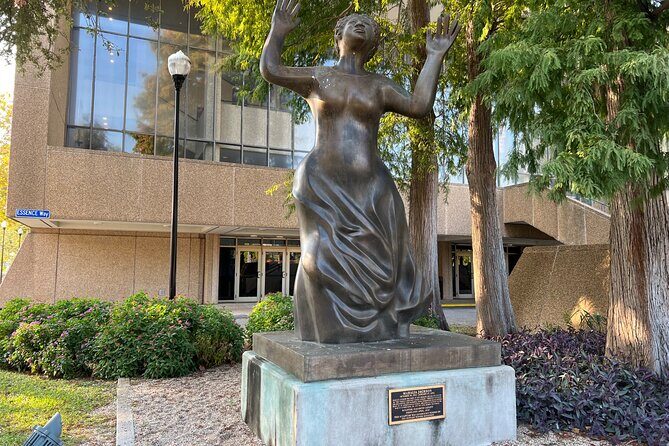
The tour’s big promise is that you’ll see African culture persisted in New Orleans and influenced everything from food to music to religion to architecture. On the ground, that can sound broad. The value is that the guide uses the walking stops to make those connections tangible.
For example, after the historical arrival discussion—1719 in particular, plus the later 1720s and 1780s groups—the tour turns toward continuity. You learn how the work enslaved Africans were forced to do supported early city life, while African cultural practices continued influencing daily experiences.
You’ll also hear stories that center the enslaved in New Orleans. Listening to that kind of history in a street-level setting is different from reading it in a museum room. The guide’s job here is to keep the facts human and place the suffering and resilience into context with the spaces you’re standing in.
If you like tours that are serious but still practical—tied to what you can actually see and smell and hear—this one fits well.
You can also read our reviews of more historical tours in New Orleans


Price, Pace, and Practical Tips for a Smooth Walk
The price is $29 per person for a 2-hour walking tour. For many visitors, that’s a fair value because you’re paying for a local guide plus a focused route that covers both the French Quarter and Congo Square area. You’re not just getting directions. You’re getting explanation at specific points where the story connects to what you’re seeing.
Just know what’s not included: there’s no hotel pickup or drop-off, no transportation, and no food or drinks. You’ll want to plan to eat on your own before or after, and you’ll want water on you during the walk.
Timing also matters. The meeting point is 401 Decatur Street, and you should plan to arrive 15 minutes early. That’s long enough to find the group and get settled without feeling rushed.
One more reality check: this tour runs rain or shine. Weather can affect schedules and the walk itself. In one case tied to rainy conditions, a booking was canceled the morning off after rain started and stopped, then didn’t resume until 9:30 pm the same night, and the guest reported they were not offered a refund. That’s not something you can fully predict, but it’s a good reason to keep your day flexible.
Finally, the tour is not recommended for people with limited mobility. If you’re unsure, assume you’ll be walking for the full 2 hours with minimal options to stop and sit.
Who This Tour Fits Best (and Who Should Skip It)
This is a strong choice if you want African American heritage history tied directly to the actual neighborhoods where it happened. I think it works especially well for first-time visitors to the French Quarter, because it prevents the Quarter from becoming only about scenery.
It’s also a good fit if you enjoy guided storytelling that connects multiple themes: forced arrival timelines, the persistence of African culture, and how that shows up in food, music, religion, and architecture.
Skip it if you can’t handle extended walking or if you need a low-stress, minimal-stand experience. The tour runs rain or shine, and it’s designed as a walking format rather than a sit-down lecture.
Should You Book This African American Heritage Walking Tour?
I’d book this tour if you’re the type of traveler who wants meaning behind the postcard views. The combination of French Quarter atmosphere plus the Congo Square stop at Armstrong Park makes it more than a generic heritage walk. You get the story of forced arrival and survival, then the cultural continuation you can sense in New Orleans today.
I would hesitate only if your mobility is limited or if you can’t make room for weather disruptions. Since it runs rain or shine and you walk the full time, comfortable shoes and flexible timing are not optional.
Overall, for $29 and two hours, this is a practical way to experience African American heritage in New Orleans without spending your whole day in a building.
FAQ
Where is the meeting point?
You meet your guide at 401 Decatur Street. Arrive 15 minutes before the activity starts.
How long is the tour?
The tour lasts 2 hours.
How much does it cost?
The price is $29 per person.
What is included in the tour?
Included are a local tour guide, walking in Louis Armstrong Park and Congo Square, and walking in the French Quarter.
Is the tour available in English?
Yes, the live tour guide speaks English.
What should I bring with me?
Bring comfortable shoes, a camera, and water.
Is the tour held in rain?
Yes. The tour takes place rain or shine.
Is the tour wheelchair or limited-mobility friendly?
No. It is not recommended for people with limited mobility.