REVIEW · NEW ORLEANS
New Orleans Jazz History and Music Walking Tour
Book on Viator →Operated by Intrepid Urban Adventures - USA · Bookable on Viator
A jazz walk with real streets and real stories. This New Orleans tour traces jazz roots from Tremé to Congo Square, then guides you through the French Quarter to where the music is still happening tonight. You also get a local music expert who picks the route and live venue timing so you’re not just wandering.
What I like most is the combo of neighborhood history and hands-on music time. I also like that you get a complimentary drink at a music stop, then can buy more if you feel like staying in the groove.
One thing to plan for: it’s a fair amount of walking (about 1.5 miles), so comfy shoes matter, especially if you’re visiting in cooler weather or rain.
In This Review
- Key Things to Know Before You Go
- Kicking Off in Tremé at Louis Armstrong Park
- Why this opening works
- French Quarter Footsteps: Vieux Carré, Bourbon Street, and Old Music Networks
- The practical downside of Bourbon Street
- Frenchmen Street: When the City Hands You Live Music
- What you’ll notice in Frenchmen’s venues
- Going Inside for Music: How the Live Stops Usually Feel
- Why I think the drink inclusion is good value
- Congo Square: The Cultural Mix That Helped Create Jazz
- A good reminder to bring your full attention
- Price and Time: Does $60.56 Feel Fair?
- The one thing to watch with value
- The Guide Makes It: Adam and Kristi as Examples
- What to do when you meet your guide
- Who This Tour Fits Best (and Who Might Want Another Option)
- Tips to Get More Out of Your 2.5 Hours
- Should You Book This New Orleans Jazz History and Music Walking Tour?
- FAQ
- How long is the New Orleans Jazz History and Music Walking Tour?
- How much does the tour cost?
- Is it a small group tour?
- Where does the tour start and end?
- Does the tour include a drink?
- Do I need to pay for any attractions?
- What areas does the tour cover?
- How much walking is involved?
- Is the tour in English?
- Is there an age limit?
- What’s the weather situation?
Key Things to Know Before You Go
- Small group size (max 12): easier questions, better pace, and less time stuck behind a crowd.
- Louis Armstrong Park start: a strong foundation before you hit the French Quarter.
- Route flexibility: your guide chooses between Bourbon Street energy and Frenchmen Street’s live-music density.
- Live venue stop(s): you go inside and listen, not just look from the sidewalk.
- One drink on us: some stops have a one-drink expectation, so it’s good to know in advance.
Kicking Off in Tremé at Louis Armstrong Park
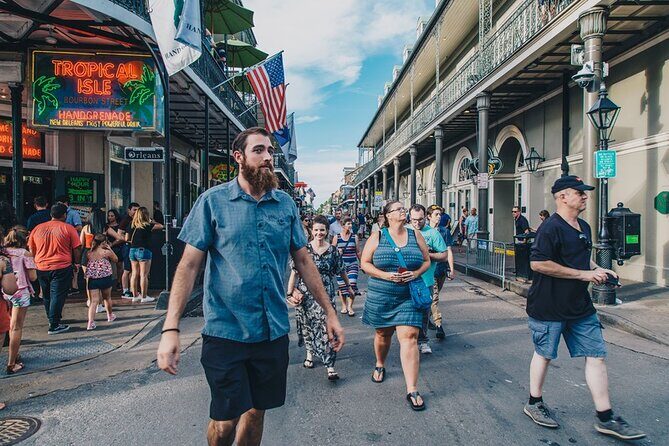
Most New Orleans jazz tours start with a claim. This one starts with a place that makes the claim feel earned. You meet near the French Quarter area, then head to Louis Armstrong Park in Tremé to set the story straight from the beginning.
This stop is mostly about context: why this city became the engine for jazz, and how local landmarks connect to the people you’ve heard about for decades. The tour also spends time on Louis Armstrong as a central figure—so even if you’re not a jazz expert, the guide can anchor big ideas to one name you can recognize fast.
There’s also something I appreciate here: you’re not rushed. You get roughly 35 minutes in the park, enough time to get oriented before the street-walking portion ramps up. And you’ll pass the Mahalia Jackson Theater of the Performing Arts (named for gospel great Mahalia Jackson, born in New Orleans), which helps show how music scenes in the city overlap, not compete.
You can also read our reviews of more walking tours in New Orleans

Why this opening works
If you show up to the French Quarter first, jazz can feel like background noise. Starting at Armstrong Park makes the rest of the walk click: you’ll understand what you’re seeing and hearing later, not just collect stops.
French Quarter Footsteps: Vieux Carré, Bourbon Street, and Old Music Networks
After Tremé, you move into the Vieux Carré, the French Quarter. This is where the tour slows down and turns the streets into a timeline. You’ll learn how jazz grew from a mix of cultures and local life, and your guide routes you for the best sound you can catch that evening.
One possible path includes Bourbon Street, but what matters here isn’t the neon. It’s the way your guide frames Bourbon Street’s history around the people who collaborated across blues and jazz—musicians who met, jammed, and traded ideas in a neighborhood built for nightlife and community.
You may also see the historic French Market area if your route lines up that way. It’s the kind of detail that makes you feel like you’re watching the city function, not just visiting a museum.
The practical downside of Bourbon Street
Bourbon Street is louder than the rest of the tour route. If you’re sensitive to noise or you’re traveling with someone who hates crowds, you’ll want your guide’s plan to feel intentional—so ask your guide (early) what they’re optimizing for: history, sound, or atmosphere.
Frenchmen Street: When the City Hands You Live Music
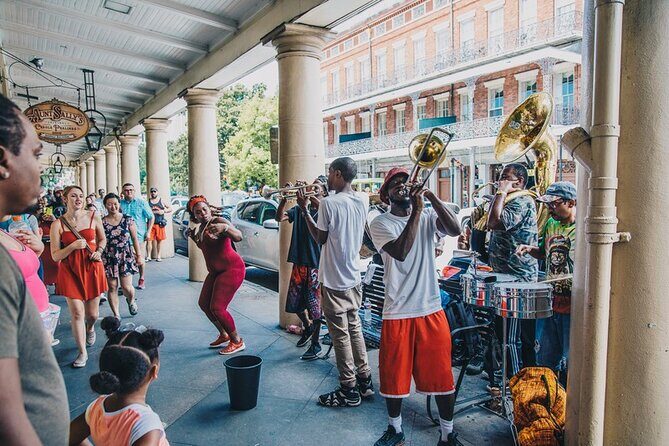
Your guide may steer you toward Frenchmen Street, which is famous for having a high concentration of live music venues close together. If Bourbon Street feels like the postcard, Frenchmen feels like the workshop where the postcard gets made.
This is one of the best parts of the tour because you’re not waiting for luck. The whole point is that your guide chooses the stop and timing so you can hear music at a venue, then move on to another spot if the evening schedule works.
You’ll also get local guidance on how the music culture works day to day—what times to show up, what to expect from performances, and how venues fit into the nightlife rhythm of New Orleans.
You can also read our reviews of more historical tours in New Orleans



What you’ll notice in Frenchmen’s venues
Even without naming every musician (that changes nightly), you’ll see a pattern: live music is treated as the main event. The tour’s structure helps you understand how that happens: neighborhoods support venues, venues support artists, and audiences come back because the scene is consistent.
Going Inside for Music: How the Live Stops Usually Feel
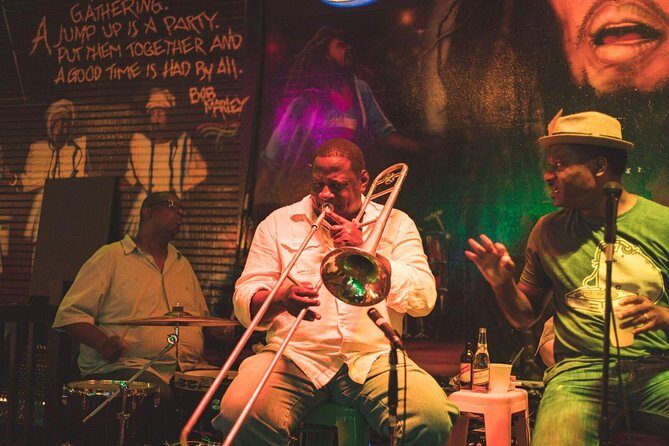
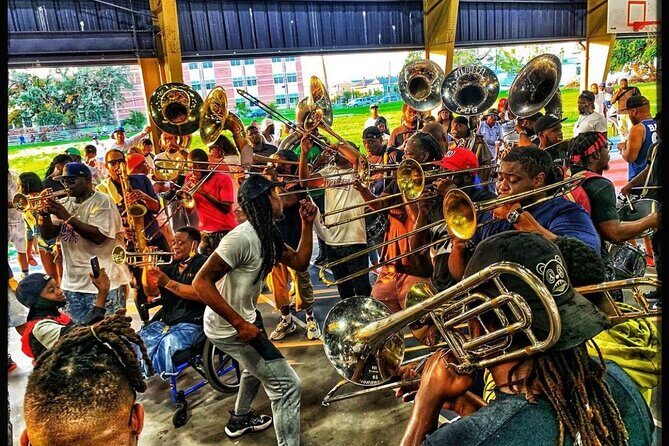
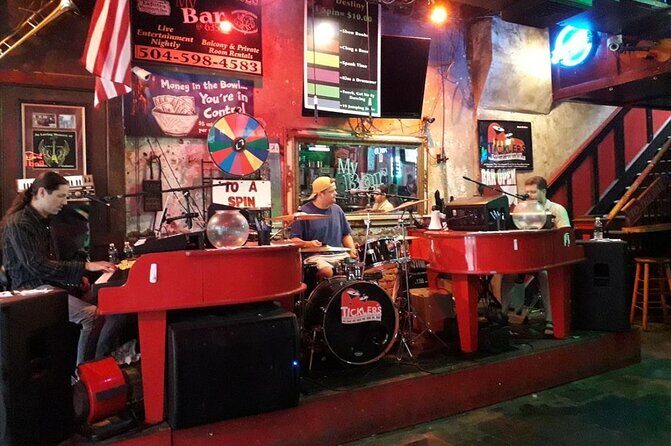
A key promise of this tour is that you visit a live jazz or music venue selected by your guide. That matters because New Orleans isn’t just a city of historic buildings—it’s a city where performances keep moving, and venues have their own vibe.
In practice, many groups end up with more than one listening stop in the French Quarter and/or Frenchmen Street areas. The guides often time you to catch specific sets, and people consistently highlight that the bands felt like a real payoff, not a random cover band detour.
You’ll also get one complimentary drink at a music stop. If you’re used to tours that give you a drink token, this is better: it’s tied to the venue experience. One practical heads-up from past experiences: some venues operate with a one-drink expectation, and in at least one case the drink didn’t have to be alcoholic. If you prefer non-alcoholic options, bring that mindset and you’ll usually be fine.
Why I think the drink inclusion is good value
At $60.56, the ticket price can be easier to swallow when part of it directly supports the music scene. You’re not just paying for the walk and stories—you’re contributing while you’re there, and you get to enjoy the venue as part of the plan.
Congo Square: The Cultural Mix That Helped Create Jazz
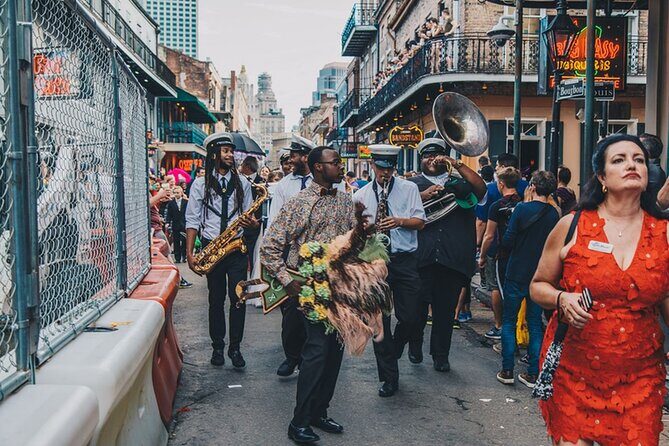
When you reach Congo Square, the tour shifts from performance mode back to origins. This place carries heavy history: it was one of the early locations where enslaved people and free people of color were allowed to gather and socialize.
This stop is where your guide connects jazz to culture in a way that’s more than a trivia list. You’ll hear how jazz’s roots grew from a mix of West African and Caribbean sounds with European musical influences. In a city known for music, that mix isn’t abstract—it’s baked into the streets and the people’s lives.
The time here is shorter (about 15 minutes), but it’s the kind of stop that changes how you interpret everything that came before. Instead of thinking of jazz as a genre that appeared out of nowhere, you’ll see it as a result of multiple communities sharing space, sound, and rhythm.
A good reminder to bring your full attention
This is not the place for multitasking or speed-walking. If you want the tour’s biggest emotional impact, linger here and listen.
Price and Time: Does $60.56 Feel Fair?
At $60.56 per person for about 2 hours 30 minutes, you’re paying for three things at once:
- guidance through multiple historic areas,
- the small-group experience (max 12),
- and access to live music time where venues are involved.
If you’ve ever tried to DIY a jazz night, you know how hard it is to do well without knowing where to go and when to arrive. This tour reduces that guesswork. You get someone steering the route and timing so you’re more likely to hear a set instead of just passing a venue entrance.
Also, the walking portion is planned. You’ll cover around 14 blocks (about 1.5 miles), which is manageable for most people, but not “zero effort.” If you’re mixing in other New Orleans activities that night, you’ll want to wear shoes you trust.
The one thing to watch with value
You’ll be responsible for additional drinks and food, and tips aren’t included. That’s normal, but it means the real cost depends on how long you stay after the tour and what you order inside.
The Guide Makes It: Adam and Kristi as Examples
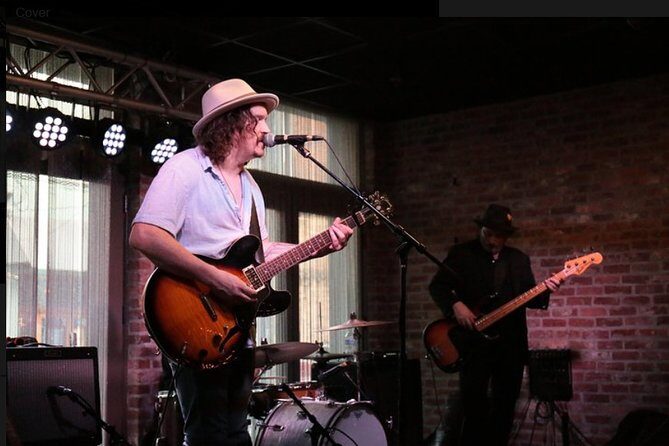
One of the most consistent themes in the experience is the quality of the guides. People highlight guides like Adam and Kristi as being strong storytellers with real ties to New Orleans music culture.
A few details stand out from past experiences:
- Kristi is often described as born and raised and very dialed into both history and music timing.
- Some guides are also musicians themselves, which shows in how they talk about performers and sound.
- Groups have felt like the guide doesn’t just recite facts, but explains how the city’s music scene actually operates.
What to do when you meet your guide
Ask a simple question early: what’s the plan tonight—Frenchmen Street, Bourbon Street, or a mix, and why? A good guide will have a reason tied to sound, set times, and crowd levels.
Who This Tour Fits Best (and Who Might Want Another Option)
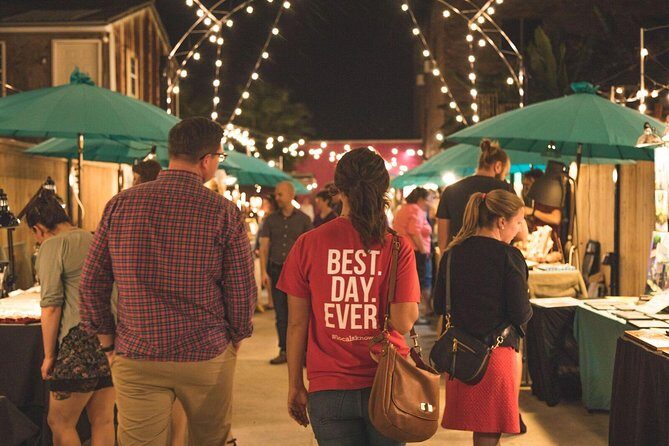
This tour is ideal if you want jazz history without turning the night into a lecture. You’re getting stories tied to real locations, plus time in actual music venues.
It’s also a good fit if you’re:
- traveling with a small group or even solo,
- short on time and want a structured way to understand New Orleans music culture,
- interested in the roots of jazz in Tremé and Congo Square, not just famous names.
It may be less ideal if you:
- strongly prefer minimal walking,
- need a quieter, low-stimulation experience,
- or want a purely music-focused tour with almost no cultural or historical context.
One more practical note: you must be 21 or older to join.
Tips to Get More Out of Your 2.5 Hours
Here’s how to make the most of it with minimal fuss:
- Wear comfy shoes. You’re walking about 14 blocks.
- Plan your timing. Do this earlier in your trip if you want the venue recommendations to steer the rest of your nightlife.
- Bring a flexible mindset. Your guide chooses routes based on what will sound best that evening.
- Ask about venue expectations. If you’re unsure about drink requirements, it’s better to clarify at the start of the visit.
- Pay attention at Congo Square. It’s the tour’s most reflective stop.
And yes—keep an eye on set timing. In New Orleans, “when” can matter as much as “where.”
Should You Book This New Orleans Jazz History and Music Walking Tour?
I’d book this tour if you want a night that combines jazz origins, neighborhood context, and at least one real chance to hear live music without spending your evening hunting for the right place.
It’s especially worth it when:
- you’re on your first visit and want the city’s music map explained,
- you like small-group tours (max 12) where you can ask questions,
- you want a reliable path to live performances instead of guessing.
Skip it if you mainly want long stretches of music with minimal history, or if walking 1.5 miles plus crowded nightlife streets sounds like misery. In that case, you might prefer a straight-up concert-focused plan.
If you’re somewhere in the middle—history curious, music hungry, and short on time—this tour hits the sweet spot.
FAQ
How long is the New Orleans Jazz History and Music Walking Tour?
It’s about 2 hours 30 minutes, including multiple stops and time to walk between neighborhoods.
How much does the tour cost?
The price is $60.56 per person.
Is it a small group tour?
Yes. The tour has a maximum of 12 travelers.
Where does the tour start and end?
The meeting point is 701 N Rampart St, New Orleans, LA 70116, and the tour ends in the French Quarter.
Does the tour include a drink?
Yes. You receive one complimentary drink at a music stop, and you can purchase more if you want.
Do I need to pay for any attractions?
No admission tickets are listed as required for the stops mentioned (Louis Armstrong Park and other passes are described as free).
What areas does the tour cover?
You’ll spend time around Tremé and Congo Square, then walk through the French Quarter, with route options that may include Bourbon Street or Frenchmen Street.
How much walking is involved?
It covers about 14 blocks, roughly 1.5 miles on foot.
Is the tour in English?
Yes, it’s offered in English.
Is there an age limit?
Yes. Travelers under 21 are not permitted to join this tour.
What’s the weather situation?
The tour requires good weather. If it’s canceled due to poor weather, you’ll be offered a different date or a full refund.