REVIEW · NEW ORLEANS
New Orleans Sightseeing City Tour
Book on Viator →Operated by New Orleans Ghost Adventures · Bookable on Viator
Cemetery stops turn the tour into more than sightseeing. This New Orleans city bus tour gives you a guided, high-comfort way to see neighborhoods you’d never cover on foot, plus a real stop at St. Louis Cemetery No. 3. You start at Bon’s New Orleans Street Food, get oriented, then roll out across the city with an air-conditioned vehicle and a licensed guide.
Two things I really like: first, the route actually expands your map beyond the French Quarter. You’ll pass key landmarks around Jackson Square, then head into Faubourg Marigny, Treme, and the Ninth Ward so you get the full shape of the city, not just the postcard streets. Second, the guide work tends to be interactive and story-driven, with tips for where to eat and what to try next.
One watch-out: this is a group tour with a max of 42 people, and it involves some walking plus steps to board and exit the bus. If you want a quiet, private chat or you need full wheelchair access, this may not be your best match.
In This Review
- Key points worth your attention
- Where you meet: Bon’s Street Food as your easy starting line
- Jackson Square and St. Louis Cathedral: the quick history stop that sets the tone
- Marigny and Treme: neighborhoods with a story you can feel from the windows
- The Ninth Ward drive: Hurricane Katrina context without the textbook vibe
- St. Louis Cemetery No. 3: above-ground burial rules, explained clearly
- City Park + the beignets break: energy for the rest of your day
- NOMA, Lafayette Cemetery No. 1, and Magazine Street: the city’s layers in one glide
- Local art studio, Mother in Law Lounge, and Congo Square: a finale that makes the city make sense
- Price and timing: is $40 worth it for what you get?
- Who should book this New Orleans bus tour (and who might skip it)
- Should you book this tour?
- FAQ
- Where is the meeting point for the tour?
- Is parking available near the meeting point?
- How early should I arrive?
- Is this tour family friendly?
- How strenuous is the walking?
- Does the tour include a cemetery visit?
Key points worth your attention

- A fast city overview for first-timers without getting stuck only in the French Quarter
- St. Louis Cemetery No. 3 entry plus an above-ground burial explanation at a meaningful pace
- Ninth Ward Katrina context as you drive through, not just as a vague mention
- Multiple departure times so you can fit it into your day (and still have time for lunch)
- Food breaks built in: beignets/coffee time at Cafe du Monde and option stops nearby
- Guides who tell stories well, often with humor and local recommendations
Where you meet: Bon’s Street Food as your easy starting line
I like the way this tour begins at Bon’s New Orleans Street Food on Decatur Street. It’s in the heart of the action, so you’re not hunting across town with a dead phone battery and a sprinting timeline.
Aim to arrive 15 minutes early if you can. Even when the meeting point is a big-name spot, the instructions can feel a bit unclear if you’re arriving from a different direction or if you’re dealing with parade detours. Getting there early also lets you settle in before the group funnels onto the bus.
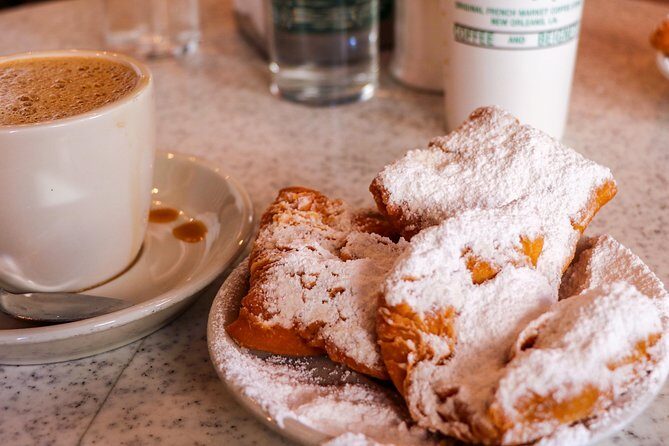
If you picked a tour time like 12:30 or 4pm, you can grab beignets and coffee before you go, but that part is at your own expense. That’s a nice option because you’ll be better able to sit through the whole ride and not turn hangry into history-hating.
You can also read our reviews of more city tours in New Orleans



Jackson Square and St. Louis Cathedral: the quick history stop that sets the tone

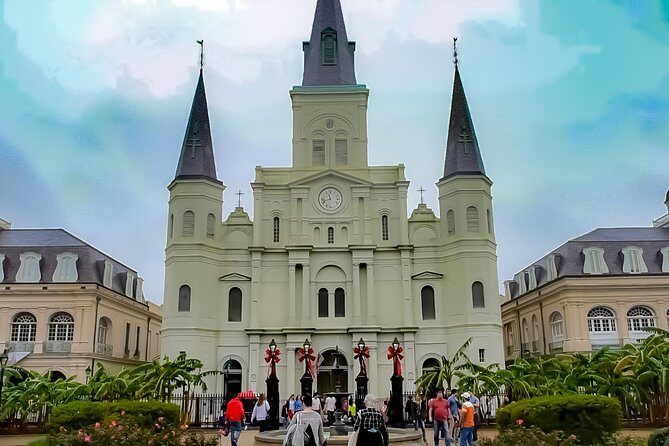
You begin with a stop in Jackson Square, where the tour starts turning New Orleans from scenery into context. From there, you’ll pass iconic views like the St. Louis Cathedral and the Cabildo.
What makes this segment valuable is pacing. You get just enough background to understand what you’re looking at when you’re standing there later on your own. This is one of the reasons these tours work even when you’re not a super-history person. The guide ties the buildings to the city’s rhythm, so the area stops feeling like a museum label and starts feeling like something people lived around.
Also, exterior viewing matters here. You’re not waiting in long lines or budgeting extra time for ticketed entry. The bus portion lets you keep momentum—especially if your itinerary is packed and you want the city map filled in fast.
Marigny and Treme: neighborhoods with a story you can feel from the windows
Next comes a big shift. The route moves from the central postcard zone into Faubourg Marigny and Treme, with sights and narration that help explain why these neighborhoods feel different from the French Quarter blocks.
You’ll see the city’s recovery themes and community identity as the guide talks about life in these areas. Treme also gets a special mention because it’s tied to the way New Orleans is portrayed in popular culture—so if you’ve seen the show, you’ll recognize the framing when your bus passes through.
Here’s the practical upside: you’re learning while you travel. Instead of picking one neighborhood to study deeply, you’re getting the broad strokes while you’re still fresh and not already exhausted from walking.
You should still know one downside of bus tours: you can’t linger. If you’re the type who wants photos at the exact same angle for 15 minutes, you may feel a little time pressure. The trade-off is that you cover a lot more ground in 2 to 2.5 hours.
The Ninth Ward drive: Hurricane Katrina context without the textbook vibe
Then the tour heads into the Ninth Ward and specifically talks about the impact of Hurricane Katrina as you drive through the Lower 9th Ward. This part works best when you treat it as context-setting rather than a full documentary stop.
The guide helps you connect what you see on the ground to what happened and what came afterward. You’re not just hearing names of streets—you’re hearing why the changes mattered and how resilience shows up in the built environment and community story.
For me, the value here is that the bus ride keeps you moving, so you don’t burn the day waiting in a lot of separate locations. You also get to hear how the guide frames the city’s survival-and-repair narrative, which changes the way you interpret New Orleans afterward.
If you’re sensitive to heavy topics, plan for that tone. It’s not just upbeat sightseeing.
St. Louis Cemetery No. 3: above-ground burial rules, explained clearly
This tour includes entry at St. Louis Cemetery No. 3, with about 15 minutes inside. You’ll hear about New Orleans burial practices—especially why above-ground cemeteries are a defining feature of the city’s cemetery culture.
What makes this stop more than a photo-op is the etiquette and explanation you get before you wander. Above-ground burials don’t work like the cemeteries you may picture back home, so a guide helps you understand what you’re seeing and how to behave respectfully.
A practical tip: wear shoes you don’t mind for cemetery surfaces, and keep your camera at the ready but your voice low. This is one of those places where people are genuinely there for meaning, not just for content.
Also note: this is time-boxed. Fifteen minutes goes fast once the group is inside. If you want longer, you’ll need to plan a separate return trip later in your own schedule.






City Park + the beignets break: energy for the rest of your day

Half the tour is sightseeing; the other half is making sure you can keep going. You’ll have a break at New Orleans City Park for beignets and coffee (that part is at your own expense).
You also get a food and drink break tied to Cafe du Monde as part of what’s included. This is a big deal for value because you’re getting a well-known New Orleans classic without hunting for it mid-tour.
Why I think this matters: in New Orleans, food is part of the culture story, not an afterthought. The timing makes sense—you refuel before the Garden District and the shopping streets, when you’ll likely want to walk around later.
If you go with coffee, take it slow. Some tours move on quickly after the break, and you don’t want to spend your last 20 minutes searching for where your group went.
NOMA, Lafayette Cemetery No. 1, and Magazine Street: the city’s layers in one glide
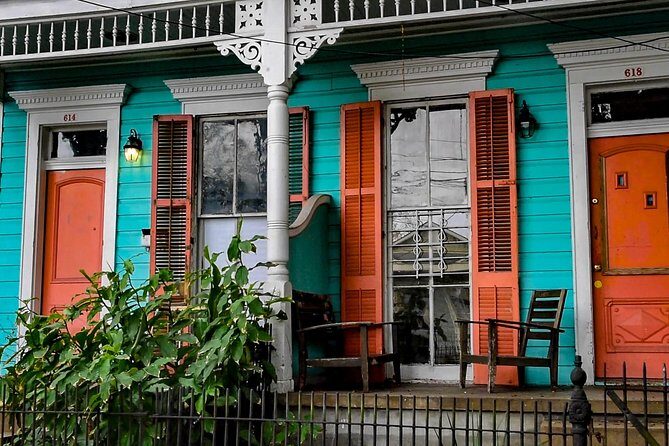
As you roll through the middle-to-late portion of the day, you’ll pass landmarks that act like signposts for different eras. You’ll see NOMA located in one of New Orleans most beautiful park settings, and the route also includes passes that connect the city to spiritual and cultural traditions (including spots associated with Marie Laveau).
Then you shift toward the Garden District with architecture and history commentary that helps you notice details you’d otherwise miss. You’ll also pass Lafayette Cemetery No. 1 and spend time by Magazine Street, where shopping and restaurants get the spotlight.
This is one of the best parts for people who like a mix of styles—old homes, street-life energy, and the kind of neighborhood feel you can’t fully get from the French Quarter alone. From the bus, it’s a preview. After the tour, you can choose what to repeat on foot, where you’ll get the slow, personal version of the same sights.
A quick heads-up: pass-by viewing means you might have window-photo envy. If you see a mansion or doorway you love, write down the general street area. You can go back later with more time.
Local art studio, Mother in Law Lounge, and Congo Square: a finale that makes the city make sense
Near the end, the tour blends famous names with more local, everyday landmarks. You’ll pass an art studio—worth checking out during your stay if it matches your vibe—and you’ll also pass the Mother in Law Lounge.
Then comes Congo Square, tied to the birthplace story of jazz. This is a strong closing note because it reconnects everything you’ve seen: neighborhoods, culture, survival, music, and community tradition. Instead of just dropping you back at your starting point, the guide wraps the theme so your day feels connected.
I like this kind of finale because it’s not only architecture and storms. It’s also the human output—music, gatherings, and the city’s ability to turn hardship into art.
When you get back to where you started, you’ll have a clearer sense of which areas to explore next and which streets to avoid only because you already know you’ve seen the best highlights from a good angle.
Price and timing: is $40 worth it for what you get?
At $40 per person, this is priced like a value-focused city orientation tour. You’re not paying for a long list of separate tickets. You’re paying for a guide, an air-conditioned bus, a cemetery stop with entry, and time carved out for food.
For a short New Orleans visit, that matters. In 2 to 2.5 hours, you cover:
- the core symbolism around Jackson Square
- multiple neighborhoods including Marigny, Treme, and the Ninth Ward
- an included cemetery visit to St. Louis Cemetery No. 3
- park-area sightseeing plus a break at Cafe du Monde
- the Garden District and major streets like Magazine Street
- the jazz origin framing at Congo Square
If you’re spending money daily on taxis or Uber rides trying to stitch together half-day neighborhood hopping, this price starts looking smarter fast. The bus does the heavy lifting.
The other timing bonus: multiple departure times help you avoid wasting a full day. If you’re pairing this with lunch or a later evening plan, it’s built for that.
One consideration: because it’s a group tour, the pace may not be perfect for people who want total control over photo time. Still, most people use it as their first or second-day plan to get their bearings fast—then they explore by foot afterward.
Who should book this New Orleans bus tour (and who might skip it)
This tour is a great fit if:
- you’re visiting New Orleans for the first time and want a city overview beyond the French Quarter
- you like history with a storyteller voice, not a dry lecture
- you want a bus route that hits major neighborhoods efficiently
- you want a cemetery stop without planning it yourself
It may not be ideal if:
- you need wheelchair access (the bus is not wheelchair accessible)
- you prefer a private, quiet tour where side conversations never happen
- you dislike heavier topics like Hurricane Katrina unless framed by a guide
If you’re a family, this is generally workable because the tour is described as appropriate for all ages and not considered strenuous. Just be ready for a normal group setting and a bit of walking.
Should you book this tour?
I’d book it if you want a smart, time-saving way to understand New Orleans as a whole—especially if your schedule is tight. The best reason to choose it is the mix: French Quarter context up front, then neighborhoods like Treme and the Ninth Ward, plus a real, meaningful stop at St. Louis Cemetery No. 3.
Skip it only if you’re trying to avoid crowds entirely or you need step-free accessibility. Otherwise, for first-timers and “we want the city map in one day” planners, this is one of the easier ways to make your later self-guided walks feel more meaningful.
FAQ
Where is the meeting point for the tour?
You’ll meet at Bon’s New Orleans Street Food at 620 Decatur St Unit 1B, New Orleans, LA 70130.
Is parking available near the meeting point?
There is limited parking near the departure location, and rates apply. Because it’s in a convenient area, walking, public transportation, or rideshare like Uber or Lyft is recommended.
How early should I arrive?
Plan to arrive at least 15 minutes before your scheduled departure time.
Is this tour family friendly?
Yes. The tour is described as family friendly and appropriate for guests of all ages.
How strenuous is the walking?
It includes a fair amount of walking, but it is mostly on flat surfaces. It is not considered strenuous.
Does the tour include a cemetery visit?
Yes. You stop at St. Louis Cemetery No. 3 and your guide explains the above-ground burial style.