REVIEW · NEW ORLEANS
5 Cemeteries of New Orleans – Anne Rice’s & other famous graves
Book on Viator →Operated by Wow Tours of New Orleans · Bookable on Viator
New Orleans has a strange way of telling stories. Cemeteries here are more than final resting places. They show you how New Orleans burial traditions work and why different communities shaped their own spaces. I love that the tour is compact and hits several landmark sites in about two hours, and I love the guide-led pacing that makes even tough stories understandable. One possible drawback: you’ll be walking and standing on uneven ground in a solemn setting, so it helps to have comfortable shoes and a respectful mindset.
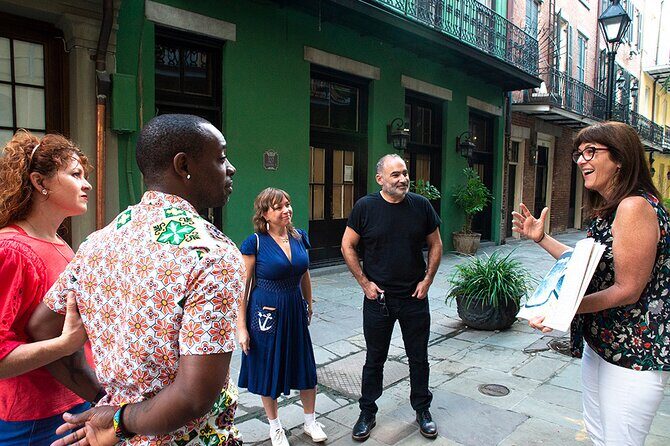
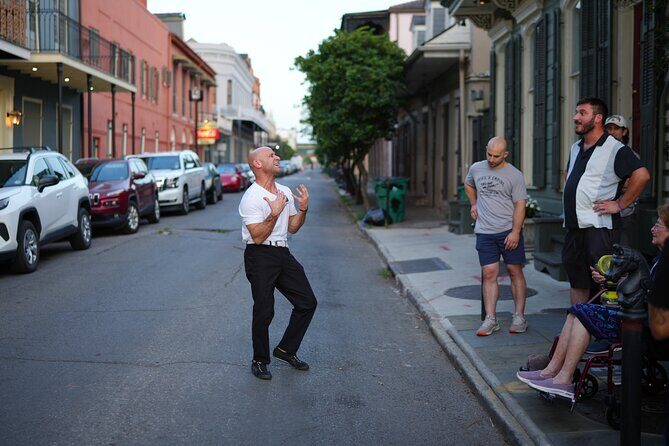
This morning format is also practical. You’ll start at 10:00 am near Morning Call Coffee Stand, then you’ll be back where you started with time for more New Orleans exploring afterward. And the guide can make a big difference—guides like Bobby and Christopher have been singled out for being prompt, friendly, and willing to answer questions at your speed.
If you’re expecting a light, spooky ghost show, this isn’t that. You’ll hear about real deaths, yellow fever, and Hurricane Katrina, including a recovery story tied to a “lost and rediscovered” body location.
In This Review
- Key things that make this tour worth your time
- Why New Orleans cemeteries matter more than you expect
- Greenwood, Cypress Grove, and the Gates of Juhad Cemetery stops
- Metairie Cemetery (Lake Lawn Metairie): Anne Rice and other famous plots
- St. Patrick Cemetery and Charity Hospital Cemetery: Irish immigration to yellow fever tragedy
- Hurricane Katrina Memorial: a cemetery with a recovery story
- Price and value: what $29 really buys you here
- Timing, pacing, and what to do before and after
- Who should book this cemetery tour
- Should you book 5 Cemeteries of New Orleans?
- FAQ
- How long is the tour?
- What time does it start?
- Where do I meet the tour?
- How much does the tour cost?
- Is the tour offered in English?
- Do I need to pay for admission at the cemeteries?
- Is lunch included?
- Are alcoholic beverages included?
- What’s the group size limit?
- What is the cancellation policy?
Key things that make this tour worth your time
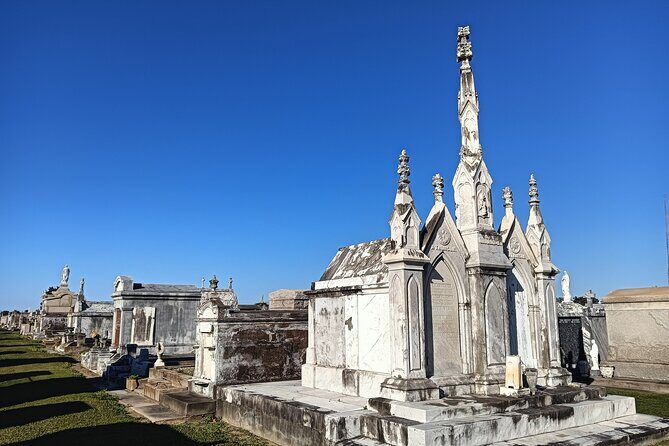
- Five-cemetery focus with multiple stops in famous clusters across major burial grounds
- Anne Rice’s grave at Metairie, plus Louis Prima and other entertainment names
- Irish immigrant history at St. Patrick #1 and #2, from Potato Famine escapees to later wealth
- Yellow fever mass burial context at Charity Hospital Cemetery
- Hurricane Katrina Memorial for 80 local victims, including a detailed recovery-and-burial story
- Guide-led explanations of why New Orleans burial practices differ from the rest of the U.S.
Why New Orleans cemeteries matter more than you expect
New Orleans cemeteries aren’t just old headstones in rows. They’re organized memory—neighborhood identity, religion, immigration waves, and big historical shocks, all written into stone and layout. The best part of this tour is that it gives you context while you’re still looking at the sites, so you don’t just collect photos. You start connecting what you see to the city around it.
I also like the format: it’s roughly two hours, and it’s designed as a morning outing. That matters because you’ll likely want to keep going after the tour—whether that’s wandering the French Quarter edges, grabbing coffee, or pairing it with another nearby activity. With a set start time and a clear end back at the meeting point, you can plan your day instead of hoping your timing works out.
At $29 per person, the “real value” isn’t the cemeteries themselves (you can see many from outside), it’s the guided storytelling. The tour explicitly focuses on burial procedures in New Orleans and how they differ from anywhere else in the U.S. That’s the kind of information that’s hard to assemble on your own unless you already know what you’re looking for.
You can also read our reviews of more tours and experiences in New Orleans.



Greenwood, Cypress Grove, and the Gates of Juhad Cemetery stops
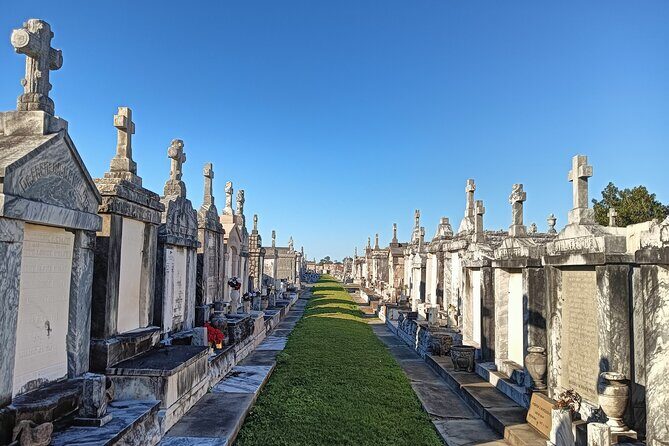
The tour begins with a cluster that sets the tone fast: three distinct cemeteries tied to different communities and burial traditions. In the first stop, Greenwood Cemetery is the big visual opener—imposing graves and statues that make it clear this isn’t a simple cemetery. You’ll also hear stories tied to how burial procedures in New Orleans work differently than elsewhere in the country. That theme—New Orleans doing things its own way—keeps resurfacing throughout the tour.
Greenwood is also where you’ll see several celebrity graves. That detail helps new visitors, because it gives you a hook. When you recognize a name, you pay closer attention to the symbolism, the scale, and the way family legacy shows up in the monument style.
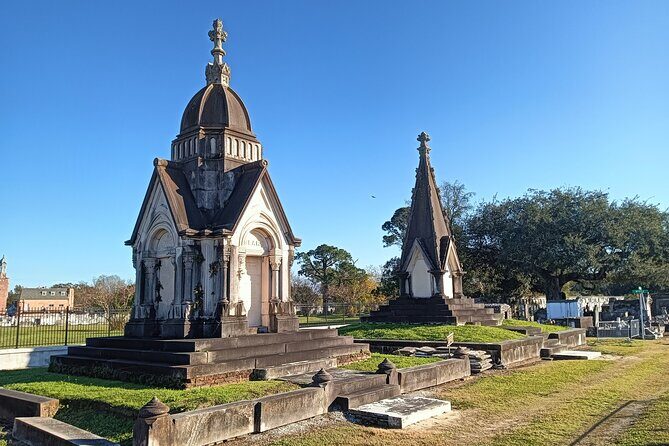
After Greenwood comes Cypress Grove Cemetery, described as a Protestant graveyard. Here you’ll see more celebrity graves and two of the largest and most monumental graves in all of New Orleans. One of the most memorable parts is the feud story linked to the families who built those monumental tombs. Even if you’re not a history-trivia person, feuds are a human entry point: you start hearing the city as a set of relationships, not just events.
Then the tour turns to the Gates of Juhad Cemetery, a Jewish cemetery. You’ll learn how Jewish burial practices in New Orleans differ from Catholic and Protestant burial practices. That’s a big deal for visitors, because you get a clearer view of how faith shaped material choices—how a community marks death, status, and remembrance.
Practical note: the schedule is short at this stage (about 30 minutes total for the first stop), so if you want slower photo time, keep your questions tight and ask early. A good guide will time it so you don’t feel rushed.
Metairie Cemetery (Lake Lawn Metairie): Anne Rice and other famous plots
Metairie Cemetery is where the tour becomes pop-culture recognizable. It’s often labeled as the most beautiful cemetery in America, and whether or not you agree with that superlative, the description signals what visitors tend to notice: careful presentation, striking monuments, and a strong sense of place.
The big reason to come here is the Anne Rice connection. You’ll see her grave—author of Interview with the Vampire. If you’re a reader (or even just a fan of the movie world), this stop adds immediate meaning. It’s not just literature being name-dropped. You’ll be standing where a cultural figure is physically marked.
You’ll also find other notable names, including Louis Prima, plus graves of actors and some mafiosos. That mix is useful for first-timers because it shows the range of who’s memorialized in New Orleans burial spaces. The city has always attracted artists and entrepreneurs, and this stop reflects that.
One consideration here: this is a quick 30-minute segment. It’s enough time to see the main highlights and learn the guide’s key points, but it’s not long enough to read every inscription. If you want to linger, plan for a return visit on your own with a photo list of names you care about.
St. Patrick Cemetery and Charity Hospital Cemetery: Irish immigration to yellow fever tragedy

This part of the tour is emotionally heavy, but it’s also one of the most educational segments because it layers community history into physical space.
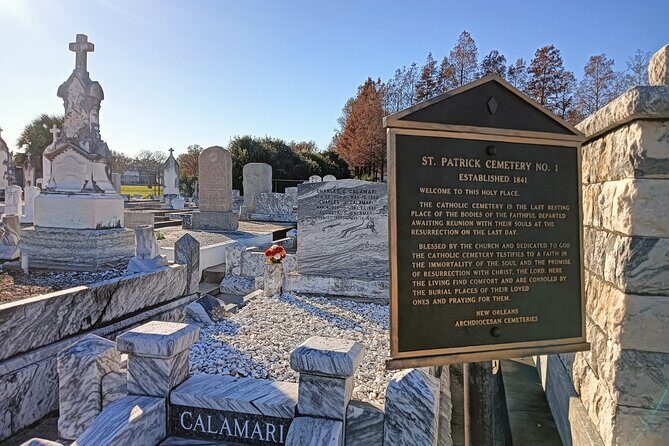
St. Patrick #1 Cemetery is the oldest Irish Catholic cemetery in the city. You’ll hear that it began with immigrants who escaped the Irish Potato Famine. The graves here started modest and, in the early period, they were built in a more haphazard way—because people were impoverished. You can feel that difference in your eyes: early survival history compared to later ability to invest in ornate monuments.
Then you’ll cross to St. Patrick #2 Cemetery, built a generation later. This is where you see what new money meant for Irish-American community status. The guide explains how the cemetery becomes more imposing and monumental, with very ornate graves. It’s not just that the stonework looks different—your understanding of the community’s shift becomes clearer when you compare the two sides.
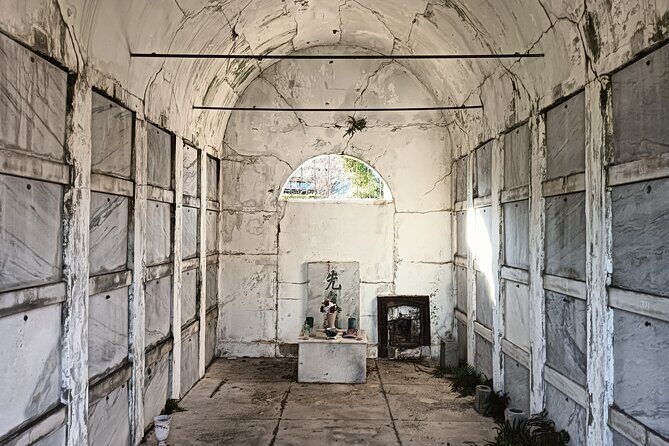
Next door is Charity Hospital Cemetery, a mass burial ground used in the past for victims of yellow fever. This is where the tour’s tone turns from community pride to public-health catastrophe. The guide shares the sinister and macabre history of why yellow fever was so prevalent in New Orleans. You’re not meant to laugh or treat this like a curiosity. You’re meant to understand what the city went through.
If you’re sensitive to disease and death history, you can still do this tour, but you should mentally prepare for it. The guide’s job here is crucial: they help you keep your focus on meaning and context, not just shock.
Hurricane Katrina Memorial: a cemetery with a recovery story
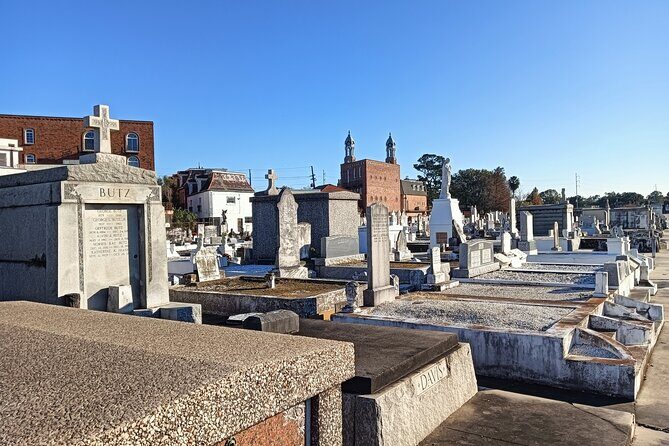
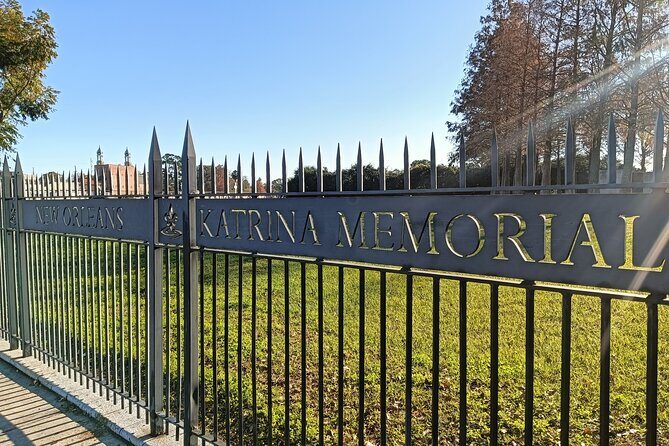
The final stop is the Hurricane Katrina Memorial, which works on two levels: it functions as a memorial for hurricane victims and it also serves as a cemetery for 80 locals who died in 2005.
What makes this stop stick is the story structure. You’ll hear touching accounts of the victims’ lives, but you’ll also hear a detective-style recovery-and-restoration narrative. The tour explains that their bodies were “lost” by local authorities, then later “re-discovered” a few years later in an obscure local massive freezer. After that, they received a beautiful burial with the respect and dignity they deserved.
For you as a visitor, this matters because it shows how tragedy can lead to complicated questions—about procedures, responsibility, and final care. It’s also a reminder that cemeteries aren’t only about the day of death; they can be about what comes later, when communities fight to make things right.
This segment is about 30 minutes, which is enough time for a guided walk-through and context, but not so long that you feel stuck in a single emotional space. When you’re done, you’ll be back at your starting point with your morning mostly intact.





Price and value: what $29 really buys you here
At $29 per person for about two hours, the value is mainly in the guided interpretation. Many cemetery sites are partly accessible without a paid tour, but you’d have to piece together the meaning yourself. This tour explicitly includes a guide and focuses on how New Orleans burial procedures differ from the rest of the U.S., plus stories behind famous tombs and names.
That guide element is also where the “wow” comes from in the human details. In the past, guides such as Bobby and Christopher have been noted as prompt and friendly, and they’ve been praised for walking at the pace you need while still keeping the timeline on track. A smaller group also helps with Q-and-A. When the group is small, it’s easier to ask why a monument looks the way it does, or what a particular burial practice means in context.
One more value point: the tour includes admission ticket free for the cemetery visits mentioned in the schedule. That means your $29 isn’t quietly inflated by entry fees.
If you like to travel with structure but still want authentic stories, this is a solid price-to-time trade.
Timing, pacing, and what to do before and after
This tour starts at 10:00 am and ends back at the meeting point at Morning Call Coffee Stand on 5101 Canal Blvd. It’s designed so you’re not stranded across town after. It’s also near public transportation, so you’re not forced into a taxi plan just to reach the start.
The tour has a maximum of 22 travelers, which keeps it from turning into a massive moving crowd. With a group that size, a good guide can still stop often and answer questions. If you can, arrive a few minutes early so you’re settled when the walk begins.
Before you go, think about the names you actually care about. If you’re most interested in Anne Rice, Louis Prima, or famous tombs, you’ll get more out of the tour by treating those as anchors for attention. If you care more about history and community differences, focus your questions on burial practices across faiths and eras.
After the tour, use the morning time you saved. Since it ends back where you started, you can pair it with another nearby activity without a complicated transit puzzle.
Who should book this cemetery tour
You’ll enjoy this if you want New Orleans context that’s specific and concrete. It’s a great fit for:
- First-time visitors who want more than typical street-level sightseeing
- People who like stories tied to names, faiths, and immigration waves
- Readers or music fans who want the Anne Rice and Louis Prima connections with real location context
- Travelers who appreciate respectful, historical storytelling rather than jump-scare tourism
You might want to skip it if you’re looking for a purely cheerful outing or if you’re not ready for the heavy parts, especially yellow fever and the Katrina recovery story.
Should you book 5 Cemeteries of New Orleans?
I’d book this if you want your New Orleans trip to make sense. The city is full of symbolism, and cemeteries are one of the best places to learn how New Orleans thinks about memory. For $29, you get a focused morning walk, guide-led explanations, and multiple major sites that you’d be unlikely to connect as well on your own.
Book it if you enjoy a structured tour that still leaves you time to keep exploring afterward. And choose it with the right expectations: this is history told through graves, not a theme park. If you can handle that tone, you’ll come away with a clearer, more human picture of the city.
FAQ
How long is the tour?
The tour lasts about 2 hours.
What time does it start?
It starts at 10:00 am.
Where do I meet the tour?
The meeting point is Morning Call Coffee Stand, 5101 Canal Blvd, New Orleans, LA 70124.
How much does the tour cost?
The price is $29.00 per person.
Is the tour offered in English?
Yes, it’s offered in English.
Do I need to pay for admission at the cemeteries?
The tour information says the admission ticket is free for the cemetery visits listed in the schedule.
Is lunch included?
No, lunch is not included.
Are alcoholic beverages included?
No, alcoholic beverages are not included.
What’s the group size limit?
The tour has a maximum of 22 travelers.
What is the cancellation policy?
You can cancel for a full refund if you cancel at least 24 hours before the experience start time.