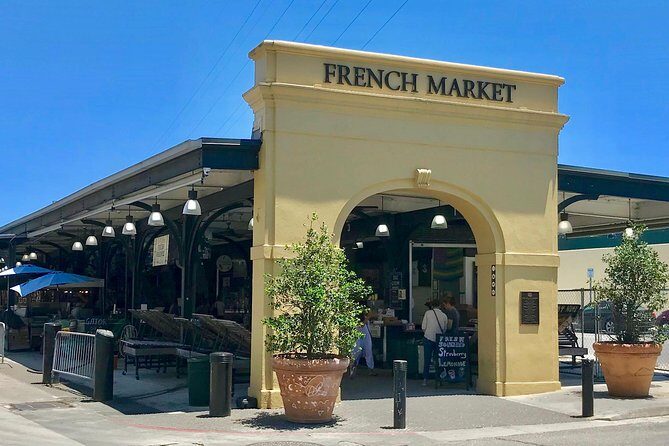
REVIEW · NEW ORLEANS
Creole Architecture of the Marigny Tour
Book on Viator →Operated by NOLA Tours · Bookable on Viator
A neighborhood lesson you can walk. This Marigny architecture tour strings together Old Mint grandeur, 19th-century homes on Esplanade Avenue, and the lived-in feel of Faubourg Marigny, then ends with a quick peek at Frenchmen Street. It’s a smart way to get local context in about two hours without cramming every sight in sight.
I love how the tour teaches you to read the neighborhood. The architecture focus turns street views into clues: styles, builders, and why certain streets and ridges mattered. I also like the human layer in the storytelling, including the mix of Creoles, Irish, Germans, and Haitians and how that shows up in the area’s homes and layouts.
One thing to consider: it’s still a walking tour. If you’re not into steady pavement or weather is rough, you’ll feel it more than on a drive-and-stop tour, so wear shoes that won’t punish you.
In This Review
- Key points worth knowing before you go
- Start in the French Quarter, Then Head for the Marigny
- Old Mint and the Jazz Museum: Greek Revival in a Quick Stop
- Esplanade Avenue Mansions: How the Ridge Shaped the Neighborhood
- Faubourg Marigny: Where Creole, Irish, German, and Haitian Roots Show Up
- Frenchmen Street: A Fast Stroll Toward the Entertainment Corridor
- Price and Time Value: Two Hours for $40 That Actually Teaches
- What the Walking Is Like (and How to Prep)
- A Local-Style Guide Makes the Difference
- Who This Tour Fits Best
- Should You Book This Marigny Architecture Tour?
- FAQ
- How long is the Creole Architecture of the Marigny tour?
- Where does the tour start and end?
- How much does the tour cost?
- Is the tour offered in English?
- Are there admission costs at the stops?
- How big is the group?
- What if the weather is bad?
- Can I cancel, and how far in advance?
- Are service animals allowed?
Key points worth knowing before you go
- Old Mint quick stop pairs the Jazz Museum with Greek Revival architecture context
- Esplanade Avenue ridge homes helps you understand who built those early-to-mid 1800s mansions
- Faubourg Marigny culture map explains how Creoles, Irish, Germans, and Haitians shaped local home types
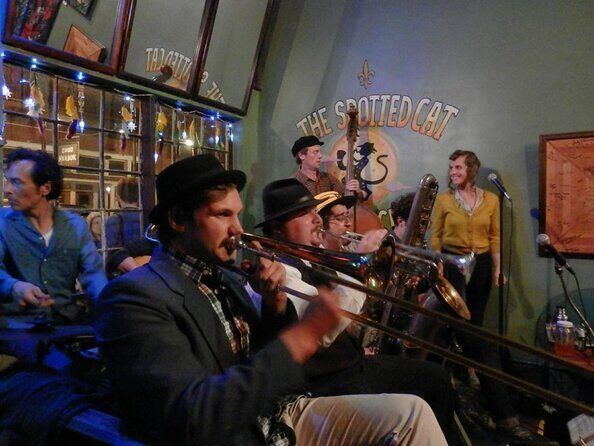
- Frenchmen Street nightlife preview gives you a plan for an evening without a long detour
- Small group size (max 14) makes it easier to ask questions and stay connected to the guide
- English tour with a mobile ticket keeps things simple once you’re at the start point
Start in the French Quarter, Then Head for the Marigny
Most walking tours start somewhere scenic and end up somewhere predictable. This one starts in the French Quarter and then shifts your attention toward the downriver side of town, where the architecture tells a different story.
You’ll meet in the French Quarter area and the tour returns to the same starting point at the end. That means you can stay flexible: if you want food or a drink after, you’re not stuck on the far side of town with no easy way back.
You can also read our reviews of more tours and experiences in New Orleans.



Old Mint and the Jazz Museum: Greek Revival in a Quick Stop
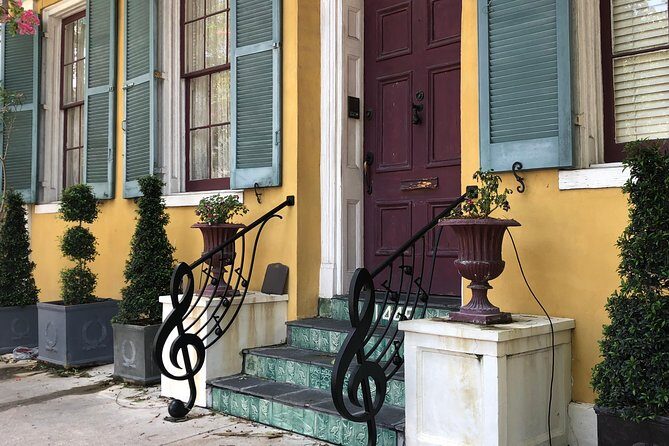
The first stop is the New Orleans Jazz Museum, housed in the Old Mint. Even if you only have a short window here, you get a strong payoff because the building itself is a lesson. The guide frames the Greek Revival Architecture of the Old Mint and connects it to the neighborhood’s downriver story, not just the broad New Orleans headline version.
This is the kind of introduction that helps the rest of the walk make sense. When you understand what that old civic-style building represents, the later neighborhood details feel less random and more intentional.
What I like about this stop: it’s short, free, and focused. You’re not stuck in a long indoor segment before you even hit the streets.
Possible drawback: if you expect a museum-style, full guided walkthrough, this isn’t that. It’s more about using the building as a historical anchor for the rest of the tour.
Esplanade Avenue Mansions: How the Ridge Shaped the Neighborhood
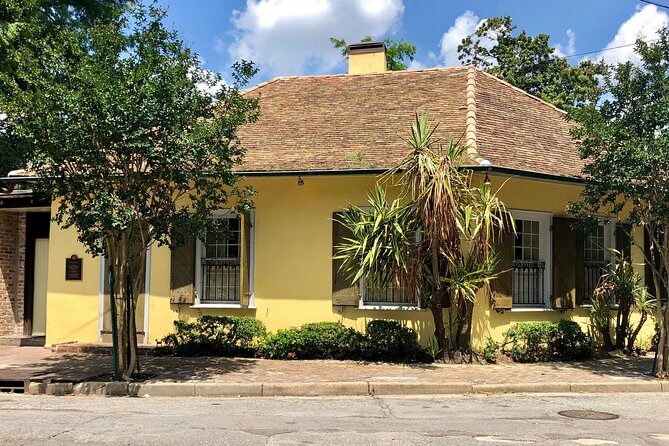
Next you stroll Esplanade Avenue, where the big visual education starts. You’ll learn about the magnificent mansions built in the early to mid 19th century, and the guide explains the people who built their homes on this ridge.
This is where the tour becomes practical for your eyes. You start spotting patterns like elevation, prominence, and what a “ridge” implies about views, status, and how a city grows outward. It’s not just pretty architecture; it’s the social geography of New Orleans made visible.
One key value here: you get a clear sense that architecture isn’t separate from real life. The homes on Esplanade are linked to who had the means to build there and why that mattered in the city’s layout.
Watch-out: because this segment is a stroll, you’ll want to stay aware of your footing and comfort level, especially if sidewalks are crowded or the weather turns.
Faubourg Marigny: Where Creole, Irish, German, and Haitian Roots Show Up
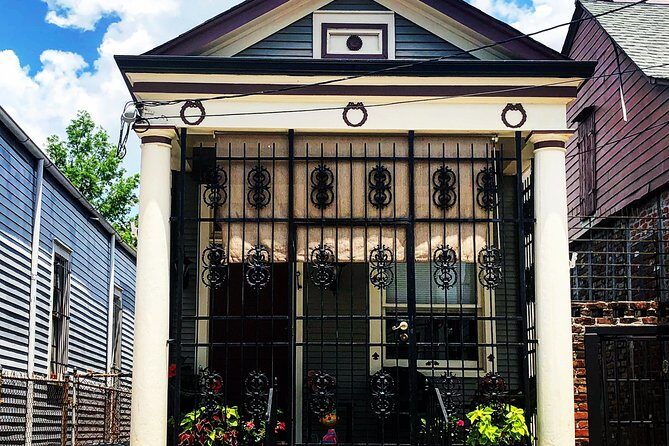
Then you head into Faubourg Marigny, and the focus shifts from landmark buildings to the neighborhood’s overall character. The guide walks you through how different cultures—Creoles, Irish, Germans, and Haitians—played a role in the area.
What makes this stop particularly useful is how the guide connects culture to home types and styles. You’ll hear how local architects and builders created a variety of housing styles that you might not see elsewhere. That diversity is the point: Marigny isn’t a single-style theme park. It’s a patchwork of influences that became everyday architecture.
This is also a great stretch for anyone who likes patterns. Once you learn what to look for, you can start noticing why certain streets feel more “of a piece” while others feel like different eras and different communities overlapped.
Possible drawback: because this is the longest stop, if you get tired easily on walking tours, you’ll feel it here the most. Pace yourself, and don’t be shy about asking the guide to slow down if you need a moment.
Frenchmen Street: A Fast Stroll Toward the Entertainment Corridor
The final neighborhood taste is Frenchmen Street. You’ll take a quick stroll and learn how it functions as the newer entertainment corridor, lined with clubs, dance halls, and restaurants.
This isn’t just sightseeing. It’s also timing help. When your walking tour ends, you’ll have a ready-made idea of where to spend an evening without guessing your way through the whole city.
What to do with this information: if you want live music or a night out, plan it soon after the tour while you’re oriented. Frenchmen Street is the type of place where “knowing where to go” makes your evening smoother.
Small consideration: because this is a street-level area, you’re more exposed to weather and street noise than at the earlier indoor or architecturally concentrated spots.






Price and Time Value: Two Hours for $40 That Actually Teaches
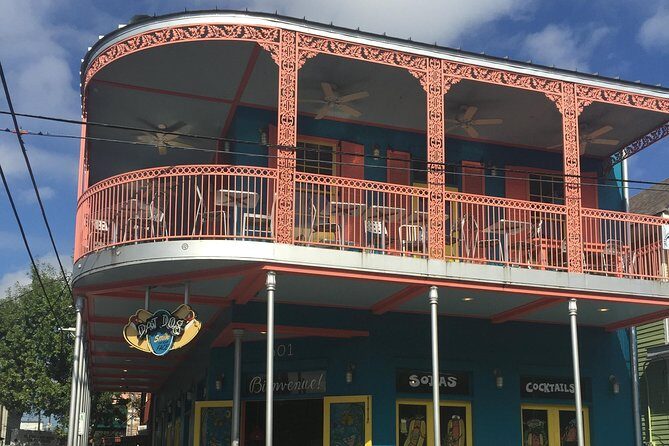
At $40 per person for about 2 hours, this tour is priced like a serious value, not a luxury experience. A lot of walking tours cost more and give you stories that stay general. This one uses a tight route to deliver architecture context plus neighborhood history, with free admission at the stops along the way.
It also helps that the group stays small (max 14). Smaller groups usually mean fewer side conversations, more direct engagement, and more chances to ask questions about the buildings and the neighborhood’s mix.
One more practical point: this tour is often booked ahead, with an average booking window of about 10 days in advance. If you’re traveling during peak times, booking earlier saves you from ending up with a plan that’s less flexible.
What the Walking Is Like (and How to Prep)
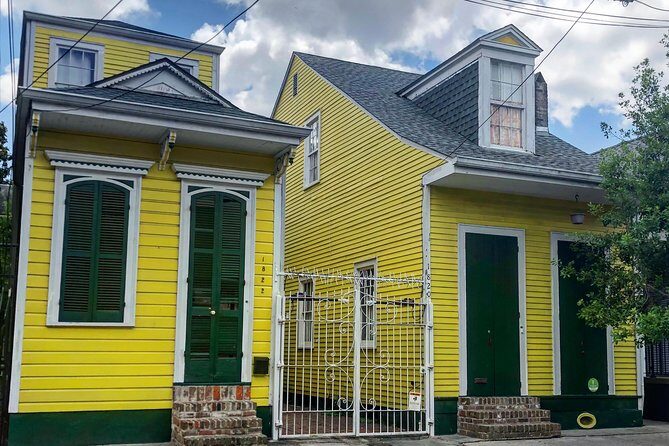
You’re looking at a true walking experience—comfortable shoes matter. The tour also depends on favorable weather, so if the forecast looks iffy, be ready to deal with a reschedule or refund option.
Good news: the route is described as being near public transportation, which helps if you’d rather hop off and check the rest of your day on your own. And if you’re traveling with service animals, they’re allowed.
English is the standard language, and the tour notes that most people can participate. Still, it’s smart to judge for yourself if two hours of walking fits your usual comfort level.
A Local-Style Guide Makes the Difference
The tour’s big advantage isn’t only where you go. It’s how the guide connects the dots.
In particular, I’m drawn to the way guides like Kelsey, Karen, and Guy are described: friendly, story-driven, and good at using visual aids to connect geography, migration, and architecture. Guy’s local perspective also stands out, with personal anecdotes and local color that make Marigny feel like a place people actually live in, not a list of facts.
Kelsey is also noted for offering smart food guidance, including a bakery recommendation for lunch that sounded like exactly the kind of local tip you want on a trip. Karen’s approach is described as covering architecture styles and periods clearly, with visual support that helps you understand what you’re seeing.
Guides like that matter because they prevent the common walking-tour problem: you see buildings but you don’t know how to interpret them. Here, you leave with a mental map and a vocabulary for what you noticed.
Who This Tour Fits Best
This is a great pick if you want New Orleans that goes beyond postcard staples. It’s especially well-suited for:
- First-timers who want a meaningful neighborhood orientation without a long day
- Architecture fans who like style periods and the “why” behind building choices
- History-minded visitors who prefer stories tied to actual street corners
- People planning an evening out, since Frenchmen Street is the payoff at the end
If you’re the type who loves to wander, the structure helps you wander with purpose. If you’re less into walking, this tour’s small-group size and focused stops can still make it manageable, as long as you wear good shoes.
Should You Book This Marigny Architecture Tour?
If you’re choosing between another sightseeing loop and a tour that teaches you how to see, I’d lean toward this one. The value feels strong for the time: $40 for about two hours, English, small group, and a route that links architecture to people instead of treating buildings like wallpaper.
I’d say book it if you want to understand Marigny’s cultural mix, learn to recognize architectural styles in context, and end with a practical nightlife direction. Skip it only if two hours of walking in changing weather sounds like a bad time for you, or if you want a long museum-style experience rather than street-level explanation.
FAQ
How long is the Creole Architecture of the Marigny tour?
It runs for about 2 hours (approximately).
Where does the tour start and end?
It starts at the French Quarter, New Orleans, LA 70116, USA and ends back at the same meeting point.
How much does the tour cost?
The price is $40.00 per person.
Is the tour offered in English?
Yes, it’s offered in English.
Are there admission costs at the stops?
The tour information indicates admission ticket free for the stops included.
How big is the group?
The tour has a maximum of 14 travelers.
What if the weather is bad?
The tour requires favorable weather. If it’s canceled due to poor weather, you’ll be offered an alternative date or a full refund.
Can I cancel, and how far in advance?
Free cancellation is available up to 24 hours in advance of the experience start time for a full refund.
Are service animals allowed?
Yes, service animals are allowed.