REVIEW · NEW ORLEANS
Destrehan Plantation Tour
Book on Viator →Operated by Destrehan Plantation · Bookable on Viator
History feels close here. In about 45 minutes at Destrehan Plantation, you hear how the site ran on politics, everyday work, and power, not just big-house photos. Destrehan Plantation also pairs guided storytelling with time to walk the grounds at your own pace, including the buildings tied to the people who lived and labored there.
I especially like the way the tour talks about both free and enslaved lives, using costumed historical interpreters and in-building displays. I also like that you get to see multiple dependency buildings up close, including a slave cabin with an enslaved registry and an overseer’s space with the 1811 Slave Revolt Exhibit. One thing to keep in mind: the guided portion is short, so if you want to read everything slowly, plan extra time beyond the scheduled tour.
In This Review
- Key highlights worth planning for
- Destrehan Plantation as a New Orleans day-trip choice
- Price and logistics: what $29.70 really buys you
- What happens at the plantation: your guided walk and next steps
- Dependency buildings you can walk through (and why it matters)
- The 1811 Slave Revolt Exhibit: what to look for
- After the main talk: walking the grounds at your own pace
- How long you should plan (so you don’t feel rushed)
- Who this tour suits best (and who might want more time)
- Tips to get the most out of your visit
- Should you book the Destrehan Plantation tour?
Key highlights worth planning for
- Costumed historical interpreters who bring free and enslaved lives into the story
- A timed visit that still gives self-exploration on the grounds after the main walk
- Dependency buildings you can actually see, not just pass by
- Slave cabin with an enslaved registry for a more specific, human-scale experience
- 1811 Slave Revolt Exhibit placed in the overseer’s cabin area
- Legacy Room with original documents and artifacts from the family
Destrehan Plantation as a New Orleans day-trip choice
A New Orleans itinerary gets busy fast, so this kind of tour works. You’re not signing up for an all-day bus ride and a checklist stop. You’re heading to Destrehan Plantation, just a ride away, to focus on one important place and what happened there.
What makes this tour feel useful is the angle. Instead of treating the plantation like a movie set, it leans into political, social, and economic life—the systems that shaped power and work. The story also includes the slave revolt of 1811, described as the largest uprising in U.S. history. That detail matters because it changes what you notice. You start looking for the structures of control and the signals of resistance, not just the architecture.
I also like that the group size is kept small (maximum 19 travelers). A smaller group tends to mean better pacing for questions and less waiting around.
You can also read our reviews of more tours and experiences in New Orleans.



Price and logistics: what $29.70 really buys you
The price is listed at $29.70 per person, and for me, the value comes from the mix: guided interpretation plus time to walk and look. The stop at the plantation is listed with admission included, and you’re encouraged to explore the grounds and dependency buildings after the main presentation.
Two timing clues show up in the information you have: the tour duration is listed at about 45 minutes, while the plantation stop is also described as 2 hours. So I’d treat this as a guided experience that’s short on stage time, then longer on site time. If you come in thinking you’ll be done in exactly 45 minutes, you might feel rushed. If you treat it like a short tour with a real chance to wander, it fits well.
Getting there is straightforward. The meeting point is at 13034 River Rd, Destrehan, LA 70047, and you can use rideshare or taxi. The tour ends back at the start, which is a small but practical detail when you’re planning a tight day.
What happens at the plantation: your guided walk and next steps
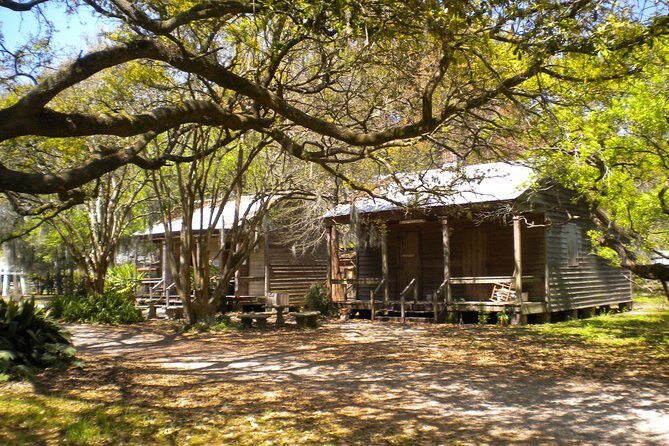
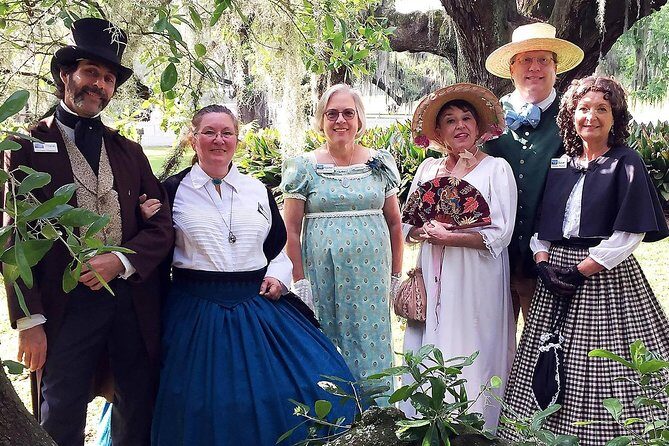
The tour begins with costumed historical interpreters telling stories tied to the plantation’s residents and the plantation system. The focus isn’t just dates and names. You’ll hear about the lives of people free and enslaved, and how daily routines connected to the larger political and economic picture.
Then you move into the part that makes the whole thing feel more complete: a folk-life demonstration, followed by time to explore on your own. That self-exploration time is a big deal. It lets you stop for details you actually care about, rather than trying to absorb everything while walking.
A practical note: this is a short-drive stop from New Orleans, so if you’re building in food and rest, you can often do it without sacrificing your whole day. Some guides and staff are also recognized by name in guest feedback—people have specifically mentioned Jim and others—suggesting the storytelling is a major part of what you’re paying for.
Dependency buildings you can walk through (and why it matters)
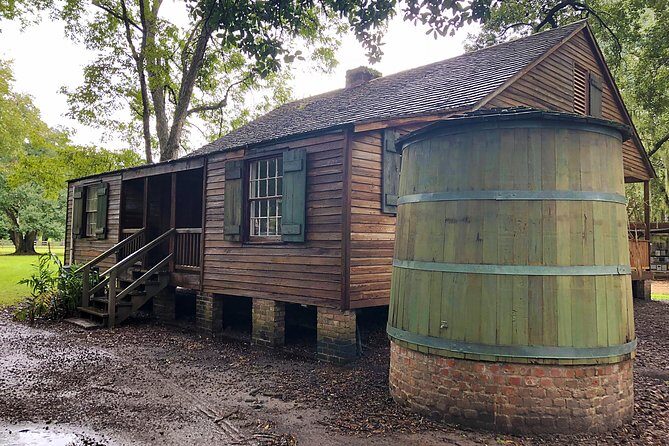
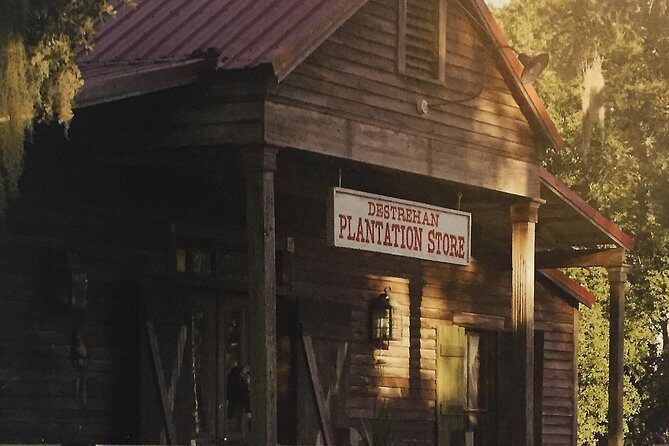
One reason plantation tours can feel hollow is when you only see the front of the house. Here, you get the working side of the story. The grounds include several dependency buildings, and the tour points you toward them so you don’t just “look around.”
Here are the key buildings and what you should expect to notice:
- A slave cabin with an enslaved registry. This is where the experience turns from broad talk to something more specific. You’re seeing the machinery of record-keeping tied to human lives.
- An overseer’s cabin area with the 1811 Slave Revolt Exhibit. This placement matters. It helps you understand the revolt not as an abstract event, but as something the enslavers had to respond to.
- An outdoor kitchen and other working spaces. Even if you don’t read every sign, these structures help you picture what life looked like outside the main house.
- A washroom and additional cabins, including a trapper’s cabin. These spaces reinforce that plantations were networks of functions, not just one residence.
- A Legacy Room where you can view original documents and artifacts from family members. This is often the part that rewards visitors who like primary-source style context.
If you’re sensitive to the subject matter, pace yourself. You don’t have to rush from one building to the next. Use the self-walk time to stop when you’re ready.
The 1811 Slave Revolt Exhibit: what to look for
The 1811 slave revolt is highlighted as a major event, and it’s connected directly to the overseer’s-cabin setting. That’s a smart way to present it because it puts the event in relation to the power structure that would have been watching and enforcing.
When you’re in that space, I’d focus on three things:
- The cause-and-effect link between control and resistance.
- How the plantation operated day to day so the revolt makes sense as something that grew out of conditions.
- What changed afterward, at least as the exhibit frames it.
You’ll see how the story doesn’t stay trapped in the past. The revolt is described as the largest uprising in U.S. history, and the tour framing helps you understand why that’s not just trivia.
Also, take cues from the staff. Multiple guide names show up in recent feedback, including Ann acting in other buildings and Jim repeatedly being praised for keeping the story engaging. That kind of presentation can help you process heavy material without turning it into a lecture you tune out.





After the main talk: walking the grounds at your own pace
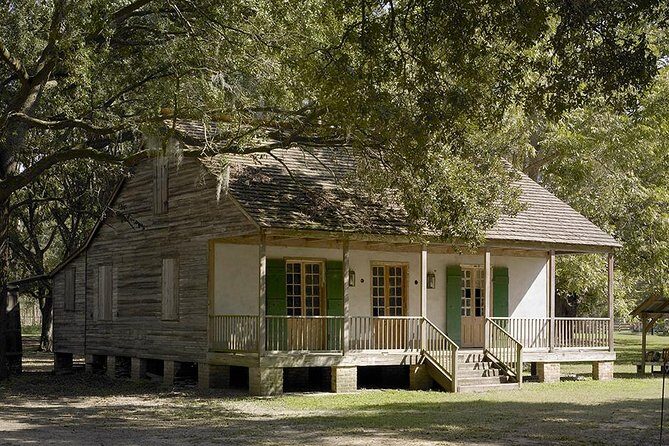
This is one of the most practical parts of the tour: after the guided components, you can explore more independently. That gives you control, and it also helps if your group includes different interests—someone may want the buildings, while someone else wants photos of the grounds.
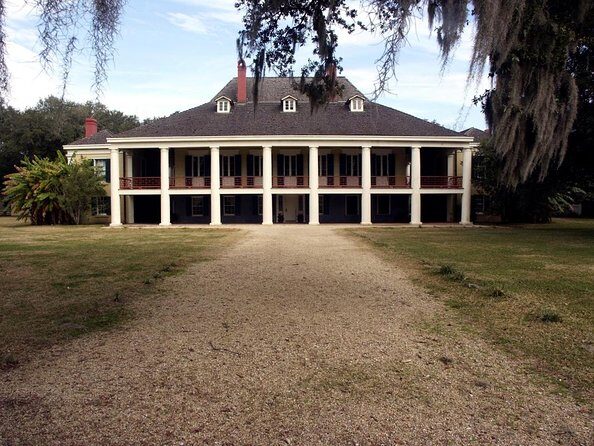
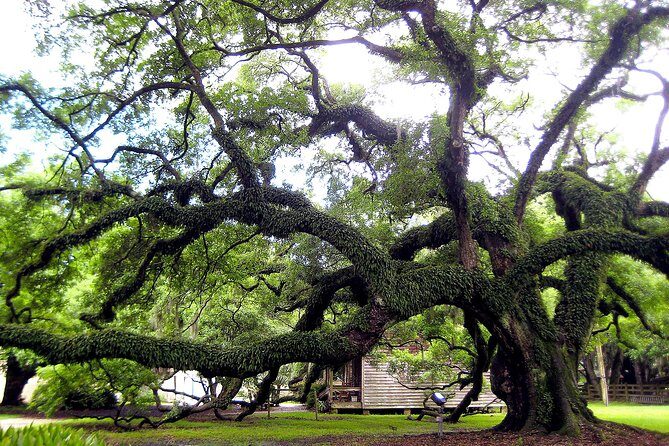
The grounds are described as beautiful and peaceful, and oak trees are specifically mentioned as a standout feature. So if you want that calm break from New Orleans energy, plan to slow down for a few minutes once the tour ends.
Also, some guests reported that they were able to walk the grounds solo afterward, which is exactly what you want if you prefer to go at your own tempo. Even if you don’t get a lot of extra time, those few minutes of independent walking can make the difference between a “quick look” and a “real visit.”
How long you should plan (so you don’t feel rushed)

Even though the guided duration is listed as about 45 minutes, plan closer to 2 hours total at the plantation site. The stop description includes admission and a longer time window, and the tour experience explicitly includes both guided time and self-exploration.
Here’s the simple planning strategy:
- Give yourself enough time to finish the tour talk and still feel unhurried in the buildings.
- Wear shoes that can handle walking on grounds that may include uneven patches.
- If you’re the type who reads every sign, assume you’ll need extra minutes.
If you’re pairing this with other New Orleans sights, treat it like a half-day block you can flex. The good news is it’s close enough to the city that you can still keep your schedule reasonable.
Who this tour suits best (and who might want more time)
I think this tour works especially well if you want a New Orleans plantation tour that is:
- focused and time-efficient
- built around interpretation, not just scenery
- honest about slavery and the 1811 revolt
- detailed through multiple sites on the property (cabins, kitchen, washroom, exhibit spaces)
You may also like it if you’re traveling as a couple, family group, or solo visitor and you prefer a guided experience that doesn’t run long. Recent feedback includes lots of positive notes from couples and families, and the pacing seems designed so you can actually process what you’re seeing.
If you’re the type who wants a full-day museum-like experience with very slow reading and deep documentary work, you might wish you had more time for the Legacy Room and the original items. The tour is strong, but it’s still a short visit.
Tips to get the most out of your visit
A few small choices can turn this into a more satisfying experience:
- Arrive ready to walk. The value is in the buildings and self-exploration.
- Pick your “must-not-miss” stops: the slave cabin registry, the overseer’s cabin exhibit, and the Legacy Room.
- Use the self-walk time intentionally. Don’t just wander randomly—pause in the places that connect to the 1811 story.
- If you’re a photo person, aim for the grounds and oak trees, but keep time for reading signage.
- Check what’s available on site after your visit. One guest note specifically mentioned an on-property café (Indigo Café) as a nice bonus, which suggests it can help you round out the outing.
And if you see staff in period costume, ask questions. This kind of tour tends to be strongest when you treat it like a conversation rather than a sightseeing sprint.
Should you book the Destrehan Plantation tour?
Yes, I’d book it if you want a high-impact plantation stop without burning a whole day. This tour delivers a clear focus: people’s lives and the systems behind them, with the 1811 Slave Revolt Exhibit and hands-on stops in the dependency buildings. With a small group cap and a price of $29.70, it’s also one of the more straightforward ways to add serious Louisiana context to a New Orleans trip.
Skip or reconsider if you need an extended, slow-paced walkthrough where you can spend a long time inside the document-focused spaces. In that case, you might want a longer-format visit where you can linger.
If you like practical travel plans, you’ll probably be happy here: a short ride, a guided interpretation, and then the chance to explore the grounds like you mean it.