REVIEW · NEW ORLEANS
From New Orleans: Whitney Plantation Ticket & Transportation
Book on GetYourGuide →Operated by Gray Line New Orleans · Bookable on GetYourGuide
Plantation tours usually center the owners; this one doesn’t. This 5-hour day trip from New Orleans brings you to Whitney Plantation, where the museum experience puts slavery at the center and uses hundreds of first-person narratives to change how you see the place. You’re not just looking at buildings. You’re walking through memory.
I really like the fact that this site is built around self-guided audio with a clear route. That means you can slow down when the stories hit hard, and you can move at your pace instead of being herded. The museum also pairs restored outbuildings with memorial artwork, so you understand the plantation as a working system, not a postcard.
One thing to plan for: the grounds require walking, and the house’s second floor is stairs only. It’s a moving visit, but it’s not a sit-down-only stop.
In This Review
- Key things to know before you go
- Riding out of New Orleans: what the Gray Line bus ride adds
- Whitney Plantation’s main idea: slavery first, architecture second
- The outdoor trail and historic outbuildings: where the story gets physical
- The Big House and Spanish Creole raised cottage: seeing the contrast
- How to use the self-guided audio tour (so it actually lands)
- Timing, comfort, and getting your money’s worth
- Who should book this Whitney Plantation day trip?
- Should you book? My take on whether this is a must-do
- FAQ
- How long is the trip from New Orleans to Whitney Plantation?
- Where do I meet for the Gray Line bus?
- What is included in the ticket price?
- Is food included?
- Is Whitney Plantation accessible for wheelchairs?
- Can I access the second floor of the house?
Key things to know before you go
- Bus ride with context: English-speaking drivers add local background on the trip out and back, so the day starts with more than just directions.
- Slavery-focused museum design: the experience is centered on the enslaved people who lived and worked here, not on owner portraits and pageantry.
- Audio tour pacing: you follow a guided trail with audio, letting you linger where you need to.
- Start outdoors first: a smart rhythm is to do the outdoor trail right after arrival, then finish in the visitor center when you want a break from the sun and heat.
- Outbuildings matter here: historic structures around the property show how the plantation worked day to day, not just how the big house looked.
- Spanish Creole architecture is part of the story: the Big House is one of the finest surviving examples of Spanish Creole architecture in Louisiana.
Riding out of New Orleans: what the Gray Line bus ride adds
This is a straightforward “leave and return” format. You meet at the Gray Line Lighthouse at 400 Toulouse St, New Orleans, behind Jax Brewery. Show up at least 15 minutes early so you can exchange your voucher for your boarding ticket without stress.
The bus ride is part of the value. You get round-trip transportation on an air-conditioned coach, and the driver typically provides background about New Orleans and the region on the way out and back. In the best runs, you also get roadside context—things like hurricane Katrina, local geography, and culture—so when you arrive, your brain isn’t starting from zero.
You’ll likely spend about an hour driving each way, which means your day has a clean shape. There’s time to get oriented, time to visit, and time to return without turning the trip into a half-day scramble. The day’s flow also helps if you’re not sure how to interpret plantations on your own. The bus puts the history in the right frame before you start walking.
Small practical tip: this starts from a specific pickup spot, so don’t treat it like a “nearby hotel drop-off” kind of day.
You can also read our reviews of more tours and experiences in New Orleans



Whitney Plantation’s main idea: slavery first, architecture second

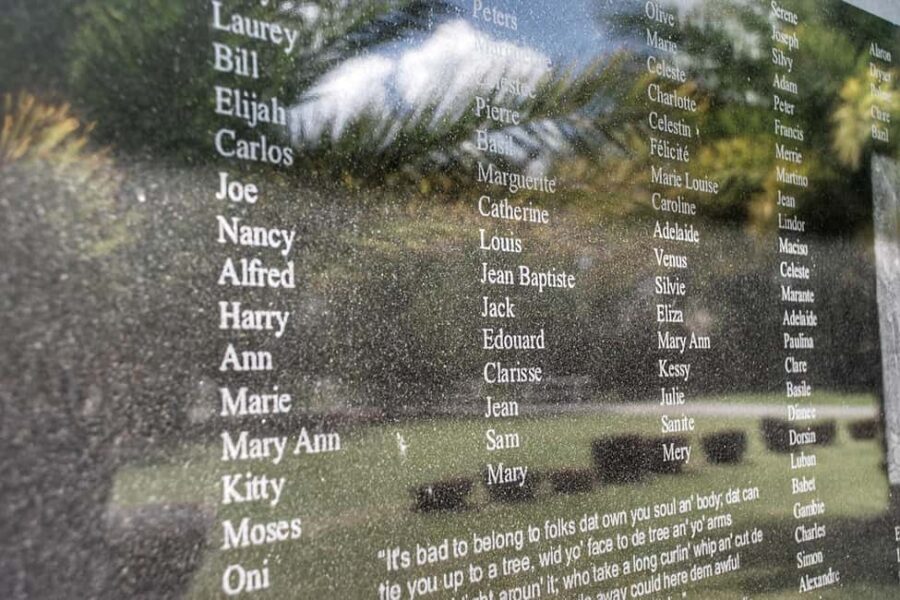
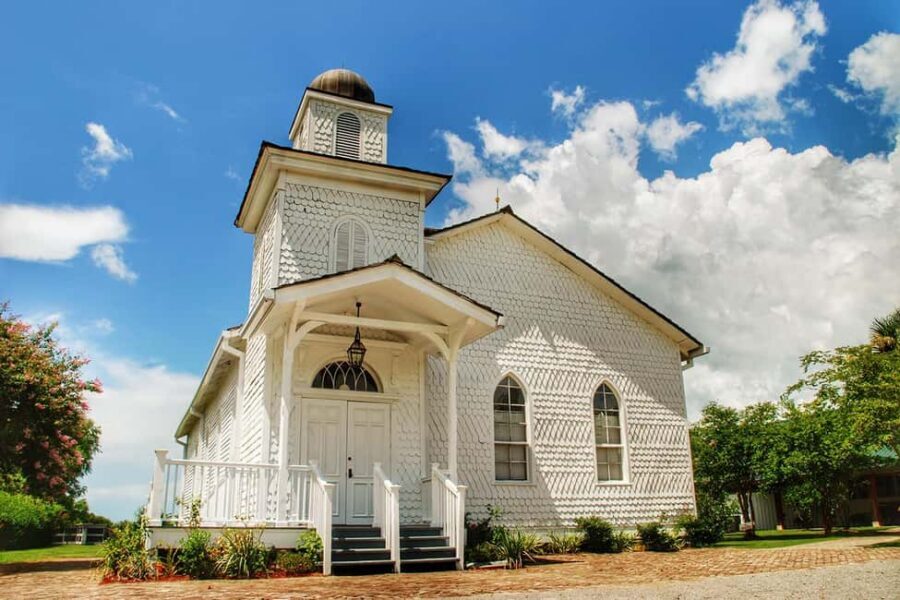
Whitney Plantation became open to the public in 2014, after 262 years of history. The big point is that it’s the only plantation museum in Louisiana with a focus on slavery. That focus changes the tone immediately when you start the trail.
You’ll see museum exhibits, memorial artwork, and restored buildings, but the experience is guided by first-person slave narratives—hundreds of them. In plain terms, the site keeps turning the spotlight back to the people who were enslaved here, their lived experience, and what that meant in everyday life.
It also helps that this wasn’t always the same kind of plantation. The property was first tied to Habitation Haydel, and the early owners became wealthy producing indigo. In the early 1800s, the plantation transitioned to sugar. That “shift” matters because it reminds you this system evolved over time, not all at once in one moment.
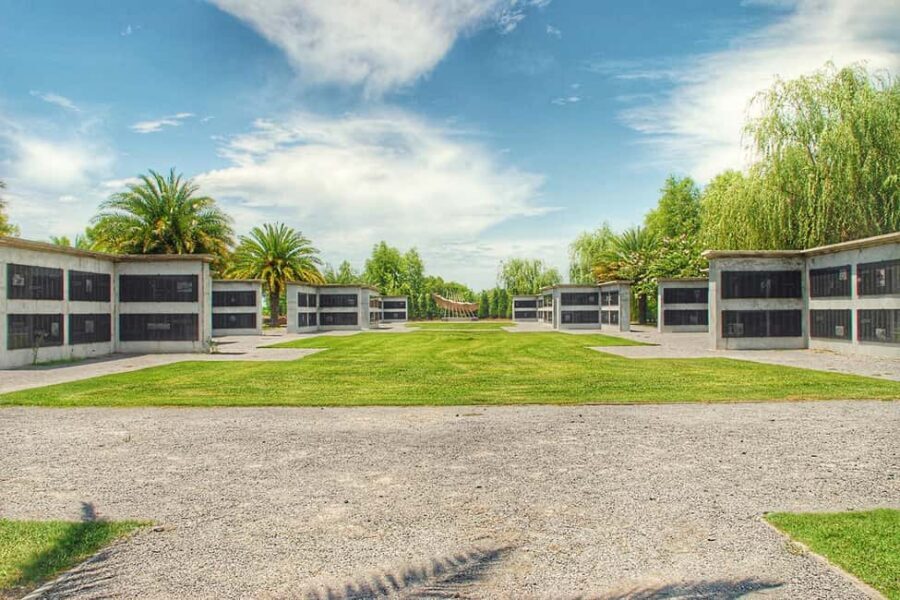
And then there’s the sense of place. This is described as a site of memory and consciousness, honoring enslaved people on the plantation and also recognizing those whose lives were shaped by slavery across the United States. So yes, the architecture and buildings are real and impressive. But the museum’s job is to keep those structures from turning into a distraction from what happened here.
The outdoor trail and historic outbuildings: where the story gets physical
Walking is a real part of the experience. The grounds are set up so you can follow the trail on your own with the audio, and the route is designed to put you in the middle of the working plantation world.
One of the best ways to handle it is also a simple way to avoid missing key moments: do the outdoor trail first after you arrive. The visitor center is where you can cool down, but outdoors is where you get the “footsteps” feeling—where the outbuildings and grounds help the narratives land in a more grounded way.
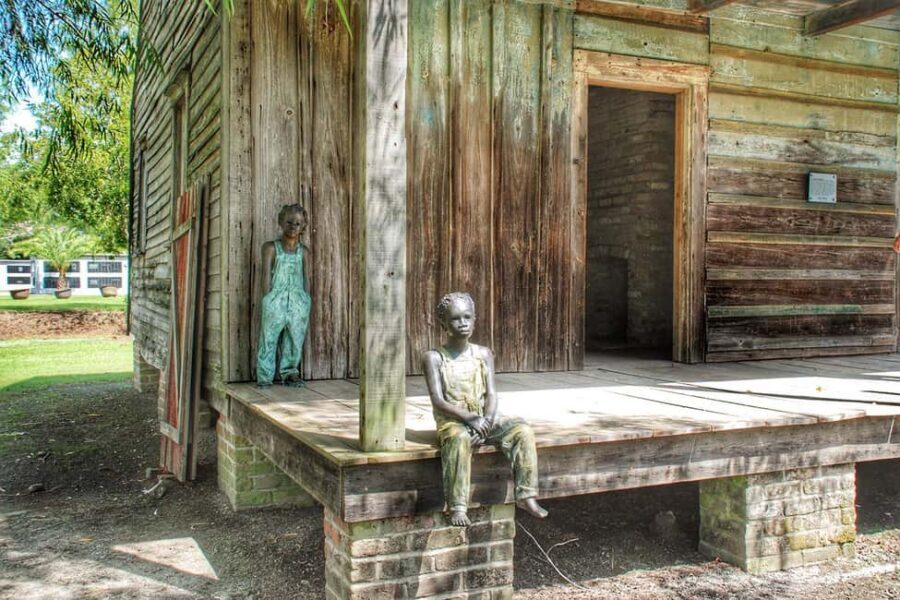
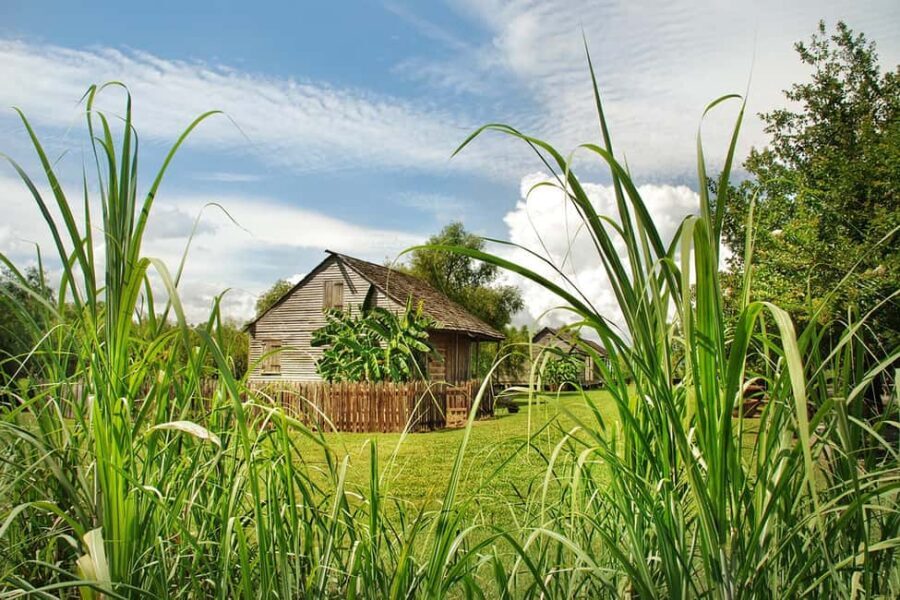
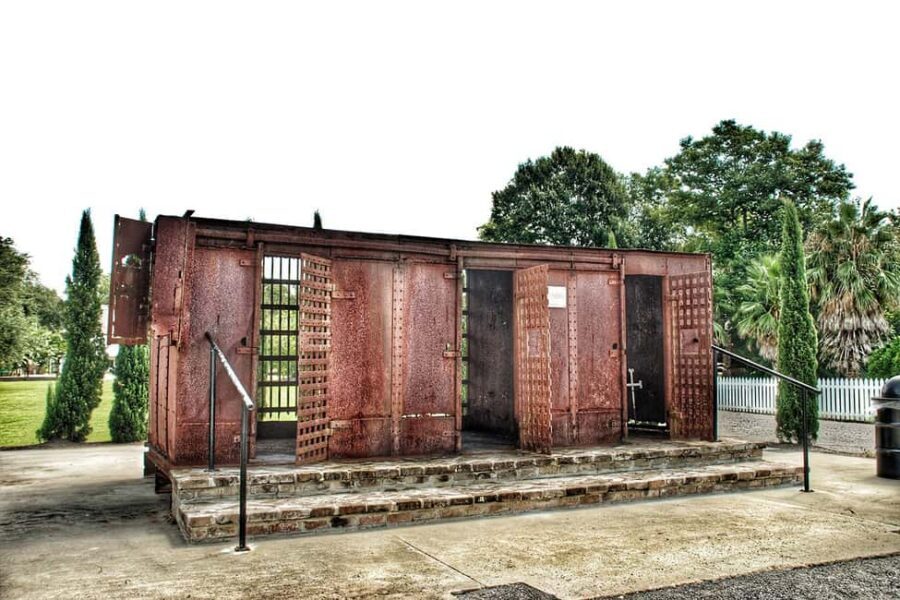
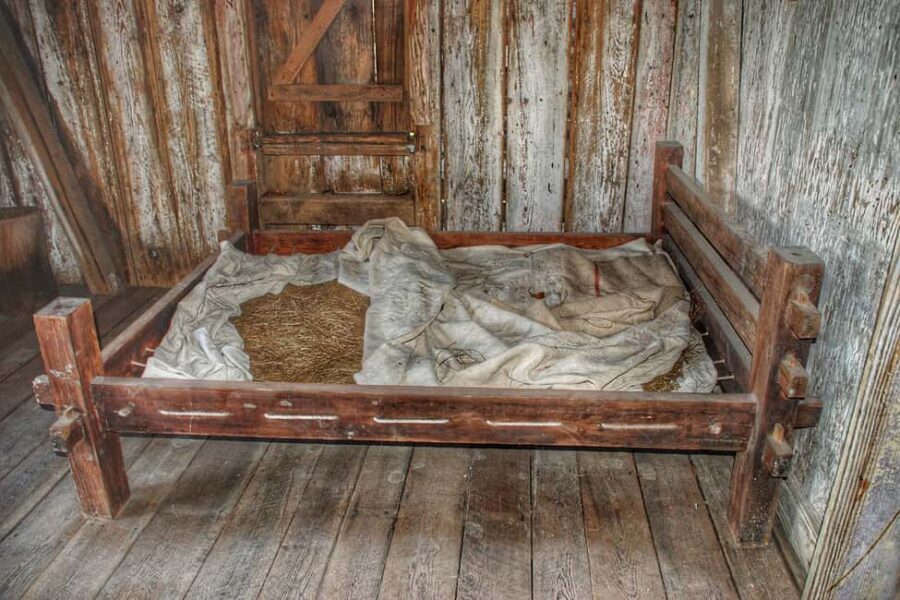
Why do the outbuildings matter so much here? Because Whitney has one of the strongest collections of historic structures in the state for understanding a plantation as it actually operated. Over the years, many outbuildings were added to the site, and the museum uses them to show how the plantation’s working life functioned—beyond the big house.
As you move through the grounds, you’ll keep encountering the museum’s memorial approach: restored buildings, carefully presented information, and artwork meant to register what happened here. It’s not the kind of visit where you “collect facts” and then bounce. The audio and layout are built to make you slow down, think, and sometimes sit with uncomfortable realities.
Time management helps here. You’ll have about two hours at the plantation itself. That’s enough for the main trail without turning it into an endless loop, but it does mean you should decide early how much you want to pause for audio. If you’re someone who needs quiet moments, plan those into your route instead of letting the schedule rush you at the end.
The Big House and Spanish Creole raised cottage: seeing the contrast
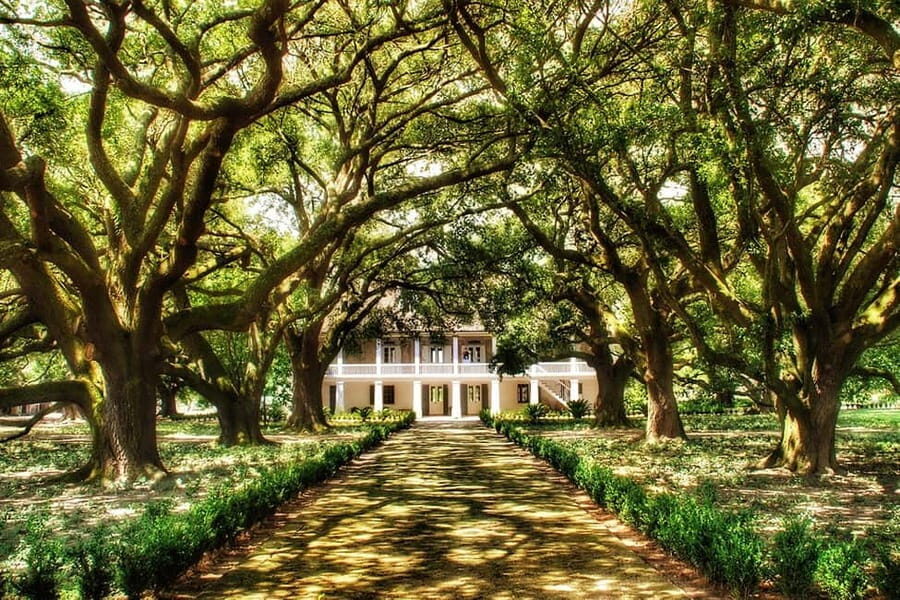
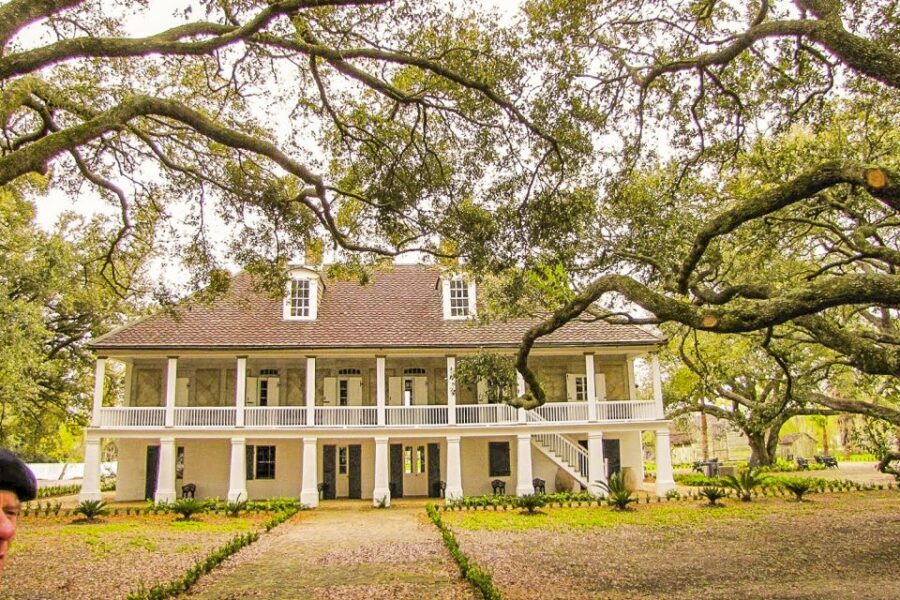
Whitney Plantation’s Big House is one of the finest surviving examples of Spanish Creole architecture in Louisiana. It’s also among the earliest raised Creole cottages in the state. If you like old buildings, you’ll notice details quickly—forms, layout, and the way the house sits raised from the ground.
But here’s the important part for your visit: at Whitney, the architecture doesn’t become the main event in the way it can on some plantation tours. The museum uses the house and its style as one piece of the full story—while keeping the focus on slavery and the people who were enslaved.
So you get a contrast that can feel unsettling. You’re looking at craftsmanship and design choices while the museum narrative keeps pointing back to what those structures were tied to in human terms.
Practical note: the house is historic, and access to the second floor is by stairs only. If stairs are a challenge for you, you can still experience a lot of the site’s meaning without relying on the upper level. Just know it’s not an elevator situation, and plan accordingly.
Even if you’re drawn to architecture, you’ll get more out of Whitney if you treat the Big House as a context marker—not a main attraction. The audio tour and memorial design keep steering you toward the human story, so you’re not stuck choosing between “pretty buildings” and “hard history.” The site forces the relationship between the two to be visible.
How to use the self-guided audio tour (so it actually lands)
Once you’re on site, you’re essentially running your own pace. The tour includes a self-guided audio tour, and the idea is that you can follow the trail with headphones and let the narration guide your movement.
That format can be a huge advantage. If you’re the type who likes to read every sign, you’ll still get value from audio because the stories are tied to specific locations. If you prefer to keep things moving, audio helps you avoid wandering. Either way, you’re not dependent on a strict walking pace set by a guide group.
The best practical approach is to treat the audio like a set of “stations.” Listen long enough to understand where you are and why that spot matters, then keep moving until the next narrative point. That keeps the day from becoming a blur or from getting stuck in one part too long.
You’ll also finish in the visitor center area. Many people find that’s a smart place to regroup, especially if you want a break from outdoor walking. The visitor center helps reset your attention and gives you a chance to process what you just heard.
A final audio tip: if you’re emotionally affected by what you’re hearing, that’s not a sign you’re doing it wrong. This museum is built for reflection. Use the self-guided design to pause when you need to, rather than trying to power through.





Timing, comfort, and getting your money’s worth
This whole trip runs about five hours from pickup to return. The museum time is about two hours at the plantation. That’s a key factor when you’re judging value—because you’re not spending all day just traveling and waiting in lines.
The bus is air-conditioned, which matters because the day is outdoors-heavy where you’ll walk the grounds. Also, this is a day trip with a set end point back at the meeting location, so you should expect the schedule to hold steady even if you feel like lingering.
On the value side, the included stuff is doing real work:
- Round-trip air-conditioned bus transportation
- Whitney Plantation admission
- Self-guided audio tour
That combination is why the price lands where it does. At $84 per person, you’re paying for the full package: transport out of New Orleans, entry into a museum that takes time, and the audio narration that shapes the experience. Food isn’t included, so plan to eat before or after you go.
You’ll get the most satisfaction if you’re the kind of person who wants history with weight. If you’re only interested in big houses, scenery, and easy photo stops, Whitney may feel too serious for your style.
Who should book this Whitney Plantation day trip?
This is a strong fit for people who want slavery-focused history in Louisiana, presented in a way that doesn’t gloss over the human cost. It’s also a good choice if you like structured self-pacing—because the trail and audio give you a route, but you control your speed.
If you care about outbuildings, first-person narratives, and how the working plantation operated, you’ll likely feel like the site understands what matters.
It’s also worth it if you’re traveling with someone who needs a museum experience that takes responsibility for difficult material. The site’s design is meant for reflection, not for a quick pass.
One more note: this day is built around walking the grounds. If you want to spend most of the time seated, or you can’t do stairs at all, you may want to think carefully about whether the layout works for you—especially since the second floor of the house is stairs only.
Should you book? My take on whether this is a must-do
If you’re choosing between a generic plantation stop and Whitney Plantation, I’d lean Whitney for most people who want to understand the real system behind the architecture. The focus is explicit: slavery, lived experience, and memorial interpretation. That makes the visit feel focused, not scattered.
Book it if:
- you want a slavery-centered plantation museum
- you like the idea of self-guided audio so you can pause and process
- you’re okay with walking and a schedule that gives you about two hours on site
Skip or rethink it if:
- you want a lighter, sightseeing-only plantation experience
- you can’t do outdoor walking or stairs, and you’d struggle with that layout
In short: this is not a casual day trip. It’s one of the clearest ways to see why this history still matters—and to do it with thoughtful structure, not just random stops.
FAQ
How long is the trip from New Orleans to Whitney Plantation?
The experience is listed as a 5-hour day trip. It includes round-trip transportation and time at the plantation (with about two hours on site).
Where do I meet for the Gray Line bus?
Meet at the Gray Line Lighthouse, 400 Toulouse St, New Orleans, LA 70130, behind Jax Brewery. Arrive at least 15 minutes early to exchange your voucher for a boarding ticket.
What is included in the ticket price?
You get round-trip transportation by air-conditioned bus, an entrance ticket to Whitney Plantation, and a self-guided audio tour of Whitney Plantation.
Is food included?
No. Food and beverages are not included.
Is Whitney Plantation accessible for wheelchairs?
Wheelchair access is provided. There are ADA-equipped vehicle lifts for wheelchair storage, but scooters and walkers are not mentioned as supported. Reservations for accessibility need to be made 48 hours in advance.
Can I access the second floor of the house?
No. Due to the home’s historic nature, access to the second floor is by stairs only.