REVIEW · NEW ORLEANS
Audubon Zoo Ticket
Book on Viator →Operated by Audubon Nature Institute Inc. · Bookable on Viator
That first roar hits your day fast. Audubon Zoo in New Orleans is one of the city’s best “show up and wander” attractions, with 50+ acres of animal habitats and clear, well-signed paths. I especially like how you get real face-to-face viewing, from African lions to orangutans, without feeling like you’re rushing through a checklist. Another big plus is the zoo’s thematic areas—Jaguar Jungle and the Louisiana Swamp Exhibit make it feel like you’re traveling across habitats, not just walking in a park. The main thing to consider is that this is a walking day with lots of outdoor exhibits, and the ticket info calls for a strong physical fitness level.
You’ll see 1,700+ animals representing 350+ species, plus standout features like Monkey Hill’s 5-level treehouse. The zoo also earns praise for being clean, well spaced, and easy to navigate, with lots of shade and places to sit. One possible drawback: it’s listed as a half-to-full-day plan (about 3–4 hours), and some experiences like the train are treated as extras rather than guaranteed inclusions, so you’ll want to plan your priorities before you go.
In This Review
- Key Highlights Before You Go
- Audubon Zoo Ticket: What Your $37.60 Includes
- Planning Your 3–4 Hour Zoo Day Without Feeling Rushed
- African Lions and Sumatran Orangutans: Where You’ll Want to Slow Down
- Monkey Hill’s 5-Level Treehouse: A Zoo Stop That Feels Like an Adventure
- Jaguar Jungle and the Bat House: Central America Energy in New Orleans
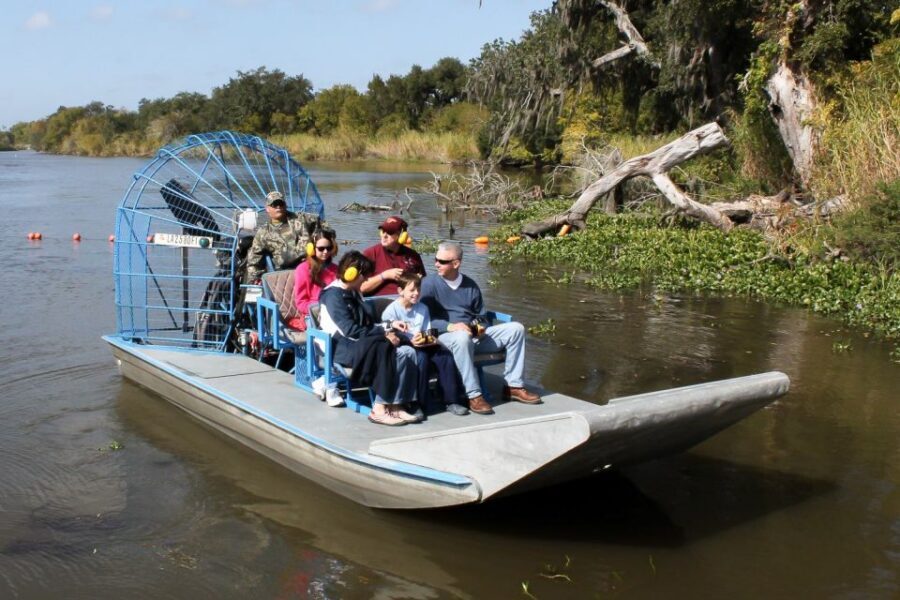
- Louisiana Swamp Exhibit and Watoto Farm: Local Wildlife With a Purpose
- Extra Displays, Reptiles, and Train Ride Options
- Shade, Seating, and Walking Comfort in New Orleans
- Price and Value: Is $37.60 a Good Deal?
- Who Should Buy This Zoo Ticket?
- Should You Book an Audubon Zoo Ticket in New Orleans?
- FAQ
- How long should I plan to spend at Audubon Zoo?
- Is the ticket mobile entry?
- What is included in the ticket price?
- What extra costs should I expect?
- Can I cancel for a full refund?
- Is the zoo accessible for service animals and public transit?
Key Highlights Before You Go
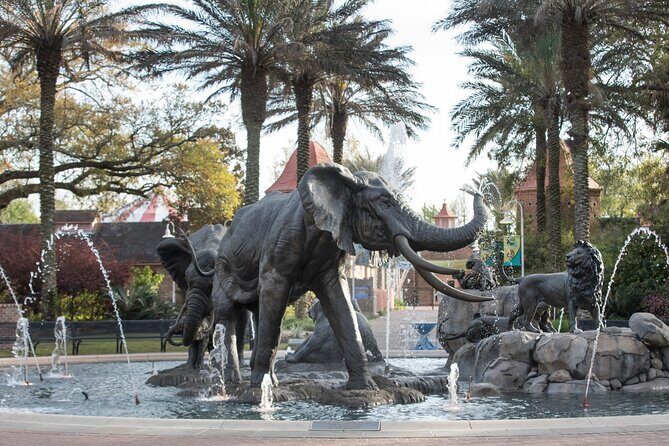
- 50+ acres and 1,700+ animals across 350+ species, so even a short visit feels like a full day.
- African lion habitat with close viewing of 3 females and 1 male.
- Outdoor Sumatran orangutans plus the zoo’s orangutan baby story.
- Monkey Hill (5-level treehouse) for views and a playful stop.
- Jaguar Jungle with an archaeological dig, spider monkeys, ocelots, a jaguar, and a bat house.
- Louisiana Swamp Exhibit as the world’s only urban swamp, with local species like the white alligator.
Audubon Zoo Ticket: What Your $37.60 Includes
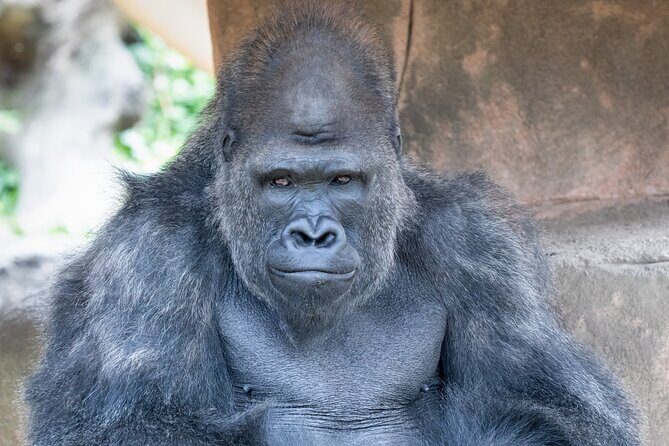
This ticket is straightforward: you’re paying for admission to the Audubon Zoo itself. The price is $37.60 per person, and the plan is roughly 3 to 4 hours on site—enough time to see the big habitats and still move at an unhurried pace if you pause for photos.
What you get is not just “a zoo.” The way the habitats are arranged helps you understand the animals you’re seeing. You’ll walk through carefully designed spaces that group species by region and theme, including places that move you from rainforest-style enclosures to Central America–themed areas and a Louisiana swamp setting. That matters because it turns a visit into more than passing by cages.
You also get a mobile ticket, which is handy for New Orleans days when you don’t want to hunt for paper. The zoo is near public transportation, which helps if you’d rather avoid a car.
Not included in your ticket: food and beverage, and add-ons like Virtual Reality and the train. (Some visitors like the train concept, so treat it as a check-before-you-commit option.)
You can also read our reviews of more tours and experiences in New Orleans



Planning Your 3–4 Hour Zoo Day Without Feeling Rushed
A 3–4 hour window is realistic, but it depends on your style. If you like close viewing and photos, plan for a bit more time. If you’re in “hit the highlights” mode, you can cover a lot and still enjoy the layout.
One practical trick: decide your top two “must-see” areas first. Then build the rest around them. This zoo is large enough (50+ acres) that wandering without a plan can make you feel like you’re always one habitat behind.
Also, the ticket info calls for a strong physical fitness level. That’s your hint to wear comfortable shoes. Even if the paths are straightforward, you’ll be on your feet a lot—plus some areas may involve steps or higher viewing points, especially around the Monkey Hill treehouse.
Weather matters in New Orleans. The good news from real visit feedback is that people like the shade and fans at seating areas, and there are drinks and snacks available throughout. That helps you keep moving rather than stopping every few minutes to cool off.
African Lions and Sumatran Orangutans: Where You’ll Want to Slow Down
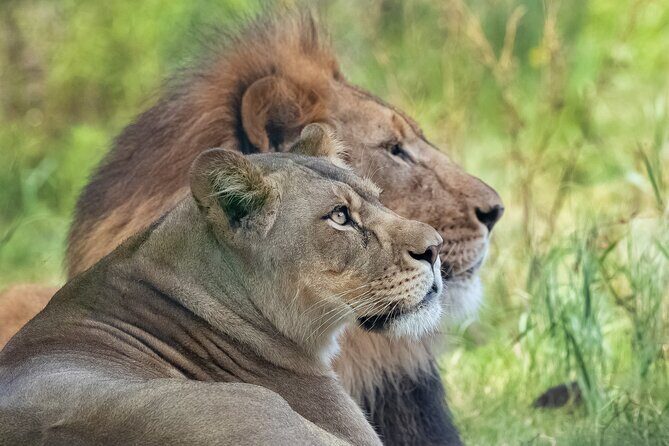
If you want one part of the day that sets the tone, start with the lion and orangutan habitats. The zoo’s African lion setup is known for breathtakingly close views, with three females and one male. Close viewing can be great for photos, but it also helps you actually watch behavior—resting, grooming, moving as a group, or simply keeping an eye on you from very near.
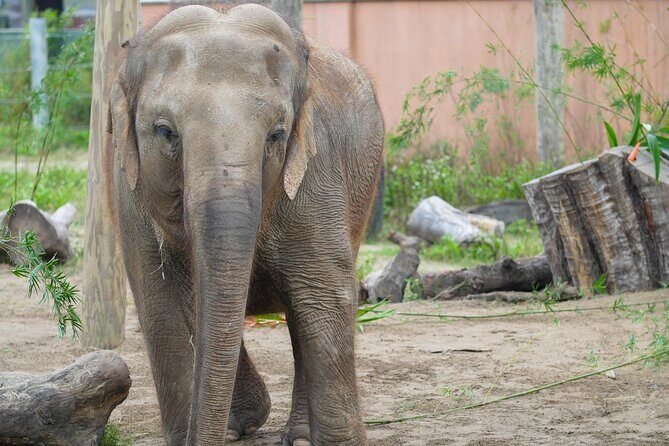
Next, look for the outdoor Sumatran orangutan habitat, including the zoo’s orangutan baby story—orangutan babies born at the zoo. Orangutans tend to reward patience. If you hang around long enough, you usually catch more than one type of movement: climbing, resting high up, then dropping down when the mood changes.
This combination—lions for dramatic presence and orangutans for slower, human-like movement—makes a strong pairing. It’s a good way to get your brain into “animal watching mode” early, so the rest of the zoo feels easier to enjoy.
Monkey Hill’s 5-Level Treehouse: A Zoo Stop That Feels Like an Adventure
Monkey Hill is one of those places that can change how you feel about the whole visit. It’s a 5-level treehouse, and even if you’re not traveling with kids, it’s fun to step into a structure built for viewing.
The big win here is perspective. When you’re up higher, you notice things you might miss at ground level—how animals move across platforms, how enclosures are designed, and where sightlines open up for viewing. The treehouse concept also breaks up the “walk, stop, walk” rhythm that can make a zoo feel flat.
Just don’t underestimate the time. If you want photos from multiple levels, allow a little extra buffer. Monkey Hill is one of the stops where people naturally spend more than they planned.
Jaguar Jungle and the Bat House: Central America Energy in New Orleans
Then there’s Jaguar Jungle, which is built to feel like a trip into another place. You’ll find details like an archaeological dig, along with species such as spider monkeys, ocelots, and a jaguar. There’s also the “Criaturas de la Noche” bat house, which adds a different kind of excitement to the mix.
What I like about this area for your visit is the storytelling. The jungle theme isn’t just a label; it creates a visual “set” that helps you connect the animal names to a larger environment. It makes your route feel purposeful, not random.
Practical note: this is still a zoo, so animal sightings can vary by the day and the animals’ mood. Instead of treating sightings like a score, treat the area like a habitat experience. Watch for movement cues and don’t expect every animal to be active at the exact moment you arrive.
If you’re a photo person, Jaguar Jungle is a good place to set up early for lighting and sightlines. If you’re short on time, prioritize the jaguar viewing area first, then work your way through the dig theme, spider monkey zones, and the bat house.
You can also read our reviews of more tours and experiences in New Orleans
Louisiana Swamp Exhibit and Watoto Farm: Local Wildlife With a Purpose
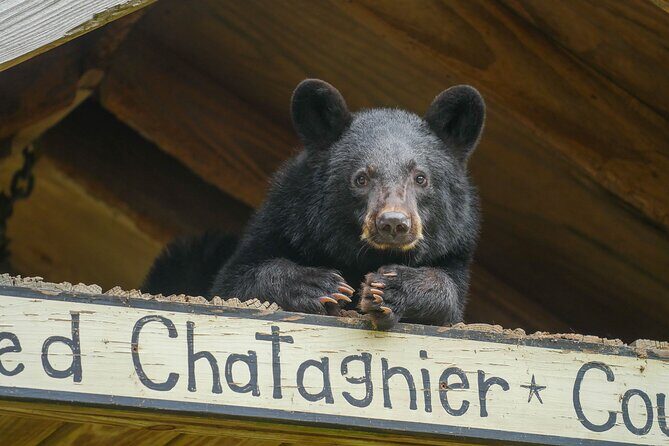
The Louisiana Swamp Exhibit is a standout because it’s described as the world’s only urban swamp. That’s a memorable concept on its own, but what matters for you is the variety of animals and the sense of place.
You’ll see wildlife from South Louisiana, including black bears, bobcats, foxes, and the white alligator. The key value here is that you’re not only looking at animals—you’re learning what the local environment supports. It’s a different angle from rainforest-focused habitats, and it helps round out the day.
Watoto Farm brings another layer. You can learn about sustainable agricultural practices while seeing domestic animals like sheep and goats. This is a calmer stop compared with jungle-themed areas, and it’s a good place to slow down if you’ve been moving fast.
If you enjoy hands-on learning or educational signage, this section is likely to keep your attention longer than you’d expect. Even if you’re just passing through, the farm and swamp themes help connect the dots between habitat, wildlife, and human choices.
Extra Displays, Reptiles, and Train Ride Options

You may also enjoy additional exhibits beyond the headline habitats—people often highlight moments like reptile exhibition time and a dinosaur display. Those extras can make the difference between a “saw the main animals” visit and a “walked away impressed” visit.
As for getting around: you might hear about the zoo train, and some guests enjoy the idea of riding through the grounds. But your ticket info lists the train as an add-on experience. So if you want it, confirm in advance what’s included with your specific ticket package or what you’d pay separately.
If you’re trying to keep the day smooth, use a simple rule: don’t build your schedule around the train unless you’ve confirmed it. Otherwise, count on your own legs to cover the core route.
Shade, Seating, and Walking Comfort in New Orleans
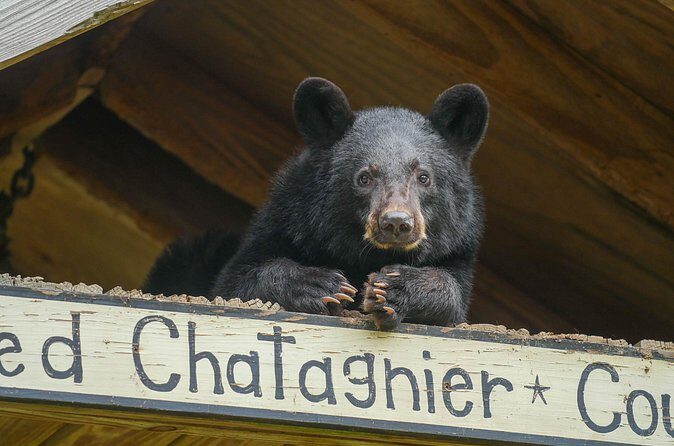
Zoo days can get tiring fast, especially in heat. A major theme in satisfaction is that the zoo feels clean and well spaced out, and that visitors like the presence of shade and fans at seating areas.
That comfort factor matters. When there’s shade, you stop less and see more. When seating is available, you can take breaks without losing your place in the animal-viewing loop.
My practical advice: bring water (or buy it on site, since drinks are available), wear breathable clothes, and plan a route that includes natural breaks—Monkey Hill for the “up and view” moment, Louisiana Swamp for a calmer learning stop, then back toward the busier jungle areas if you have energy left.
If you’re sensitive to walking, aim to start earlier in the day when possible. You’ll likely find the pacing easier and your photo stops more relaxed.
Price and Value: Is $37.60 a Good Deal?
At $37.60 per person, this ticket sits in the range where you want to feel the value quickly. Here’s the case for it: this is a major institution with 50+ acres and 1,700+ animals across 350+ species. In plain terms, it’s not a tiny zoo where you can see everything in one hour.
The value also comes from how the habitats are arranged:
- Close viewing at high-impact stops like the lion habitat
- Treehouse-style fun at Monkey Hill
- Themed areas that break up the day, like Jaguar Jungle and the Louisiana Swamp Exhibit
- Educational farm time at Watoto Farm
Even with a 3–4 hour visit, you can see enough to justify the ticket, especially if you’re selective with what you watch closely. If you’re the kind of visitor who walks through once and moves on, you might feel you’re paying for a bigger space than you used. But if you like to pause, read signs, watch animal behavior, and take photos, it’s a strong deal.
Who Should Buy This Zoo Ticket?
This is a great fit if you want:
- A half-to-full-day activity in New Orleans with minimal planning stress
- A zoo experience that mixes wildlife viewing with habitat and local-area learning
- Lots of photo opportunities and varied animal groups in one place
It’s also a good choice if you like structure. The themed enclosures help you make sense of the day, instead of wondering what to do next.
The main mismatch is physical energy. The ticket info flags a strong physical fitness level requirement, so if you’d prefer an easy, low-walking outing, you may find the grounds and steps more challenging than you want.
Should You Book an Audubon Zoo Ticket in New Orleans?
If your goal is a satisfying, high-quality zoo visit, I’d lean yes. The highlights are built around what people most enjoy: close animal viewing, standout thematic areas like Jaguar Jungle and the Louisiana Swamp Exhibit, and a route that stays interesting even when you’re there for just a few hours.
Book this ticket if you want one big anchor activity that’s easy to plan around and likely to deliver memorable animal moments without guesswork. If you’re traveling with limited walking ability or you’re hoping everything is included with no extra costs, you’ll want to plan carefully—food isn’t included, and add-ons like the train are listed separately.
FAQ
How long should I plan to spend at Audubon Zoo?
Plan on about 3 to 4 hours for the visit.
Is the ticket mobile entry?
Yes, this experience uses a mobile ticket.
What is included in the ticket price?
Your ticket includes admission to Audubon Zoo.
What extra costs should I expect?
Food and beverage are not included. Also, add-on experiences such as Virtual Reality and the train are not included.
Can I cancel for a full refund?
Yes. You can cancel up to 24 hours before the experience starts for a full refund. If you cancel within 24 hours, the amount paid is not refunded.
Is the zoo accessible for service animals and public transit?
Service animals are allowed, and the zoo is near public transportation. The experience does call for a strong physical fitness level, though.