REVIEW · NEW ORLEANS
New Orleans: Traditions Cooking Class
Book on GetYourGuide →Operated by The Mardi Gras School of Cooking · Bookable on GetYourGuide
If you love the smell of garlic and spices, you’ll get it here. This New Orleans Traditions Cooking Class turns Cajun and Creole classics into something you can actually make at home. I especially liked the hands-on Jambalaya and Barbecue Shrimp cooking, taught step by step, and the way the chefs explain why the seasonings work. One thing to consider: it’s not built for kids under 10, and it’s hands-on work for 3 full hours.
In a small group (up to 10 people), you’re not stuck watching from the sidelines. The vibe is relaxed, but the instruction is serious. You’ll cook, learn, and then sit down to enjoy what you made with wine, beer, sodas, and water included.
In This Review
- Key things to know before you cook
- Suite 101 kitchen time: what the 3-hour class feels like
- A quick reality check
- Barbecue Shrimp (New Orleans style): seasoning and technique you’ll use again
- What you’ll notice during cooking
- Jambalaya with chicken and andouille: balancing heat, smoke, and starch
- The “take-home skill” moment
- Chocolate bread pudding with brandy mocha sauce: dessert that teaches sauce control
- Why this matters for value
- What the chefs actually teach (not just what you eat)
- The best kind of lesson
- Eating what you cook: the included drinks make it feel complete
- Small practical note
- Price and value: is $157 worth 3 hours of cooking?
- The most cost-effective mindset
- Who should book this New Orleans cooking class
- Should you book the New Orleans Traditions Cooking Class?
- FAQ
- Where is the class meeting point?
- How long is the cooking class?
- How much does it cost?
- What dishes do you cook?
- What drinks are included?
- Is the class suitable for children?
- How big is the group?
- Is instruction available in English?
- Is it wheelchair accessible?
- What is included in the price, and what isn’t?
- Can I cancel for a refund?
Key things to know before you cook
- Small-group pace: limited to 10 participants, so questions don’t get lost
- Hands-on menu: you’ll make Barbecue Shrimp and Chicken and Andouille Sausage Jambalaya, plus dessert
- You get the drinks with the meal: wine, beer, sodas, and water are included
- Chefs teach technique, not just recipes: you learn seasoning logic and pro-style methods
- Short class, big payoff: 3 hours feels focused, not drawn out
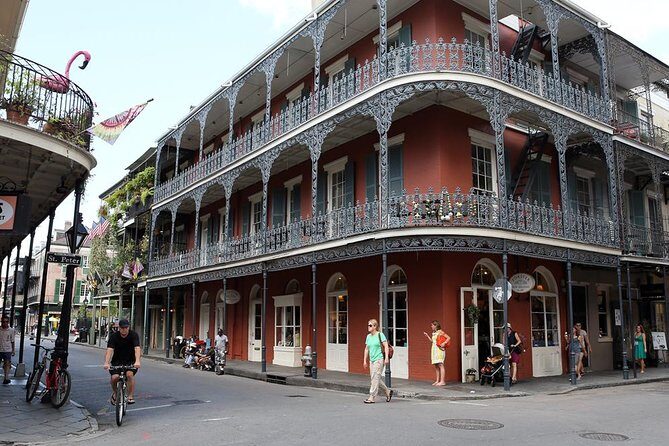
- Meet at Suite 101: ground level, so you can find it quickly
Suite 101 kitchen time: what the 3-hour class feels like
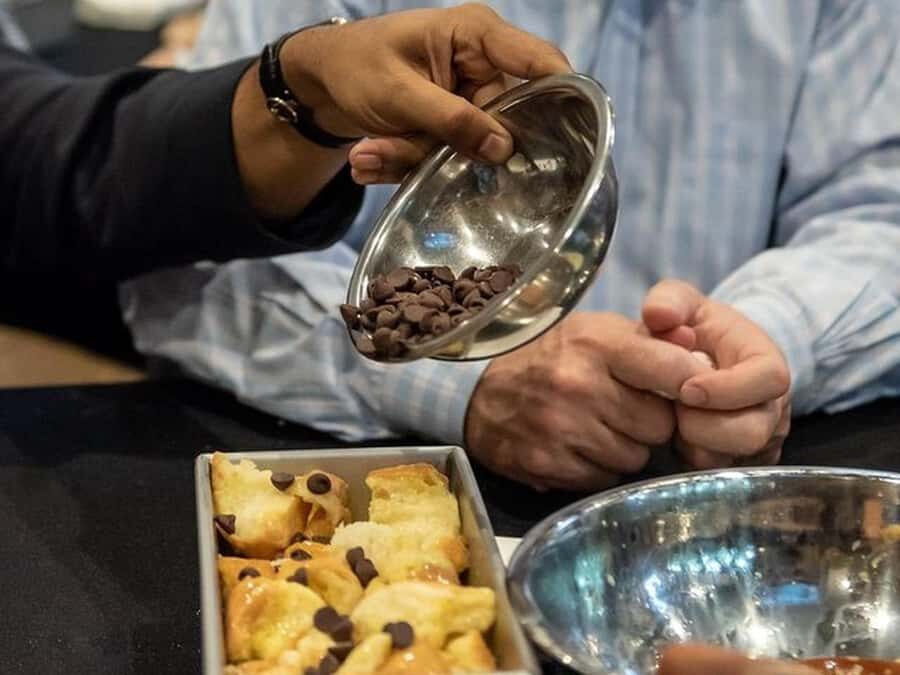
This class runs for 3 hours, and you’ll feel that time right away. The format is simple: you arrive, get settled with your classmates, and start cooking with a chef guiding you step by step. It’s the kind of setup where you can pay attention to what matters—heat control, seasoning timing, and how Louisiana flavors build.
The meeting point is Suite 101 on the ground level. Plan to show up ready to work. This isn’t a slow food walk-through where you just taste. You’ll be doing real prep and real cooking, wearing an apron once you’re in the teaching space.
The small group size (up to 10) also changes the mood. You can ask practical questions instead of waiting your turn. In the past, chefs like Chef Raymond, instructors like Coach, and teachers like Erika have led classes, and the common thread is clear: friendly, entertaining teaching paired with practical food technique.
You can also read our reviews of more cooking classes in New Orleans
A quick reality check
If you’re hoping for an easy, hands-off “food entertainment” night, this may feel like work. But if you want to leave with skills you can repeat, that effort is the point.
Barbecue Shrimp (New Orleans style): seasoning and technique you’ll use again
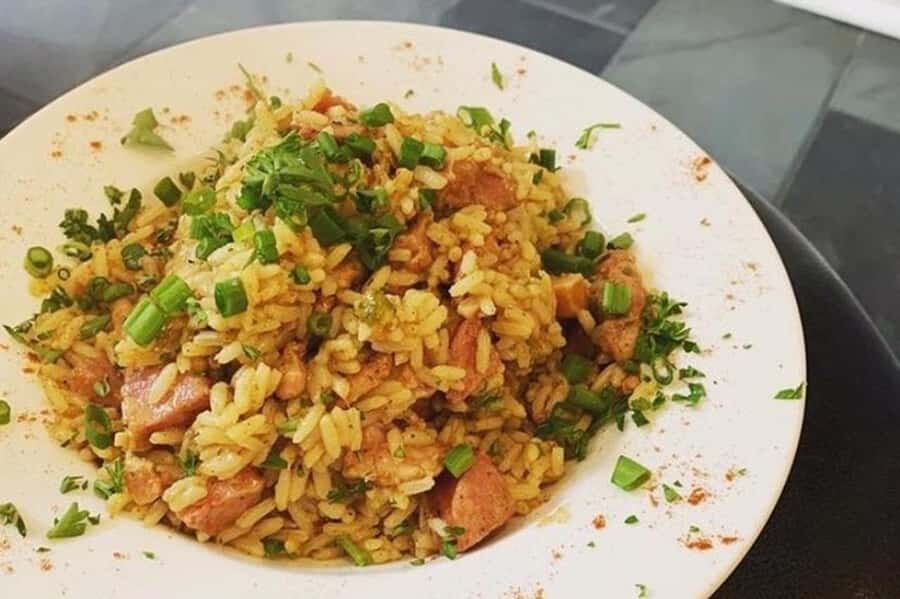
The cooking class centers on a New Orleans-style plate you’ll likely remember long after you leave. You’ll make Barbecue Shrimp using classic Louisiana flavors. The chef teaches the professional techniques, including how the seasoning shows up in the final sauce and why the timing matters.
What I like about this part is how it teaches “why,” not just “what.” Shrimp cooks fast. So the chef focuses on keeping the texture right while building flavor around it. You also learn how to handle spices so they taste balanced, not heavy.
What you’ll notice during cooking
- You’ll talk about the seasoning choices as you go, not at the end.
- You’ll get guidance on heat control so the sauce behaves the way you want.
- You’ll learn how Cajun and Creole approaches can land in the same dish—but with different flavor emphasis.
If you haven’t had New Orleans-style barbecue shrimp before, it can be a surprise in the best way. It’s not just “shrimp with sauce.” The sauce is the point, and the cooking method is what gives it its character.
Jambalaya with chicken and andouille: balancing heat, smoke, and starch
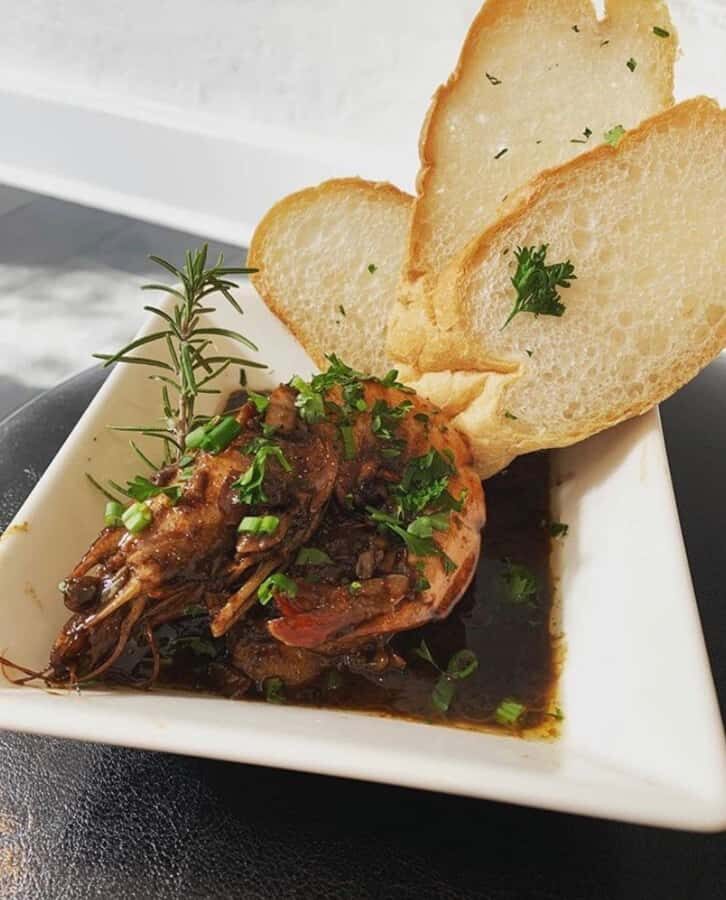
Next comes one of Louisiana’s most talked-about dishes: Chicken and Andouille Sausage Jambalaya. You’ll make it in class, using the meats and core methods that define jambalaya in this region.
This is where technique really shows. Jambalaya can go wrong in a hurry if the seasonings are off or the pot gets treated like it’s just boiling away. The chef’s instruction is aimed at helping you build flavor early, then bring everything together so the rice and ingredients finish properly.
You’ll also learn why andouille matters. It’s part smoke, part spice, part depth. And you’ll see how it works with other Cajun and Creole flavors rather than just overpowering everything.
You can also read our reviews of more tours and experiences in New Orleans


The “take-home skill” moment
For me, the best part of jambalaya lessons is learning what to watch while it cooks: how it smells, how it simmers, how the rice absorbs. You’re not just memorizing a list of ingredients. You’re learning a process you can repeat.
Chocolate bread pudding with brandy mocha sauce: dessert that teaches sauce control
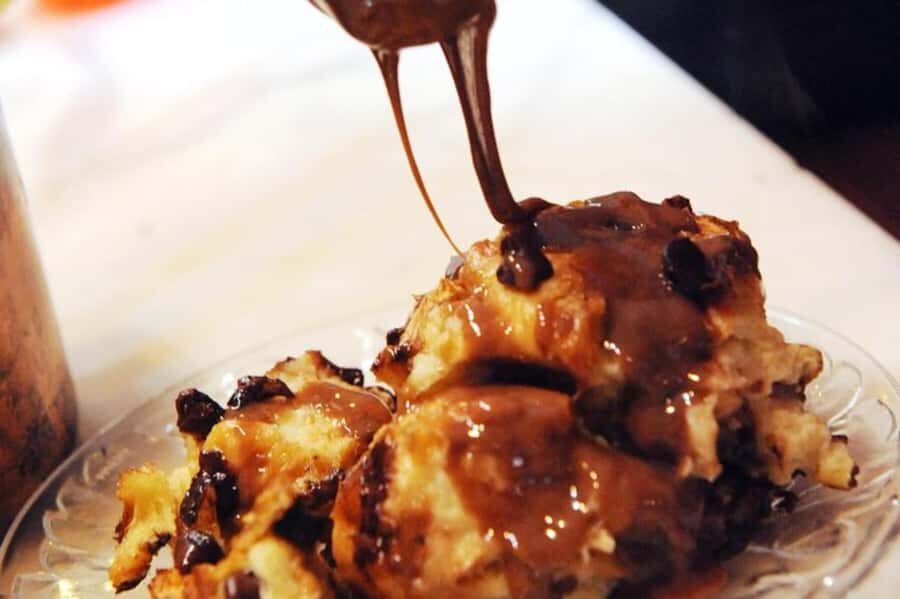
After savory comes dessert, and it’s not an afterthought. You’ll make Chocolate Bread Pudding with a Brandy Mocha Sauce. This is a strong choice for a cooking class because it teaches different skills than the main dishes.
Bread pudding is about texture and timing. If it’s undercooked, you get a weird bite. If it’s overcooked, it turns into something heavy. Then there’s the sauce: mocha plus brandy style notes need heat management so it tastes smooth rather than harsh.
Even if you’re not the dessert person in your group, this course component gives you something practical. You’ll see how to build a sauce that coats and balances sweetness with a coffee-like backbone.
Why this matters for value
Many classes stop at one main dish. Here, dessert rounds out the experience so you leave with a full Louisiana meal you could recreate: shrimp, jambalaya, and pudding.
What the chefs actually teach (not just what you eat)
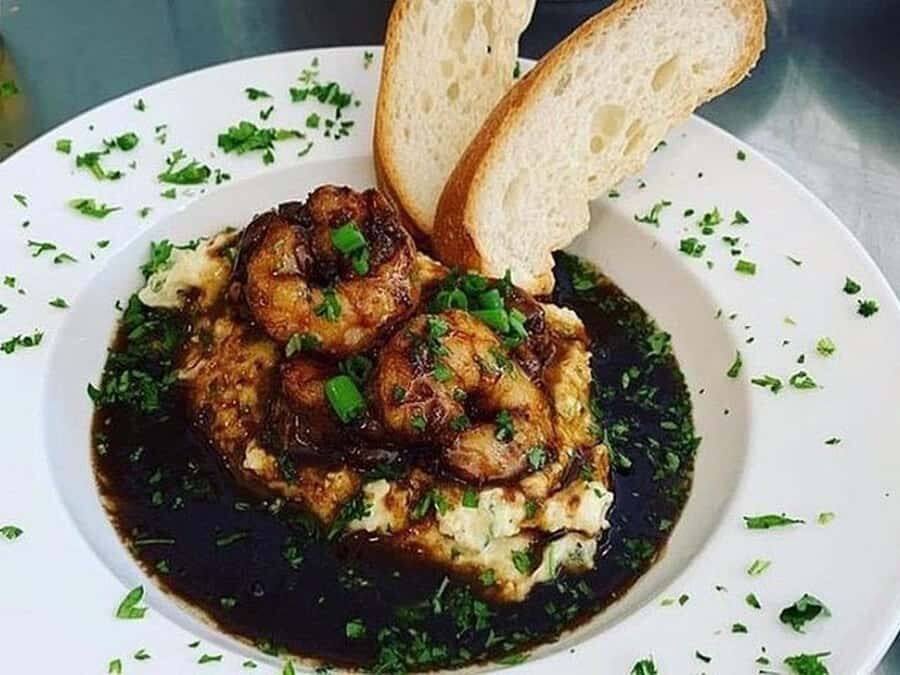
The standout here is instruction. The chefs are friendly and entertaining, but the teaching stays focused on the stuff that matters when you cook at home: seasonings, pro techniques, and the logic behind Cajun and Creole cooking styles.
The class also includes discussion of the history behind iconic Louisiana dishes. You don’t get museum-style facts dumped on you. Instead, the chef connects the cooking approach to what people in the region were trying to achieve—flavor, method, and practicality.
You’ll hear plenty of questions, too. That’s a good sign. In previous sessions, people praised chefs like Erika for explaining history alongside cooking styles and for answering questions freely. In other classes, Coach has been highlighted for making it feel like you’re cooking at a dinner party in his own kitchen—fun, but still teaching real technique.
The best kind of lesson
I like classes where you can translate the steps into your own kitchen. This one leans that way. You’ll leave knowing how to approach seasoning and timing, not just how to follow one recipe once.
Eating what you cook: the included drinks make it feel complete
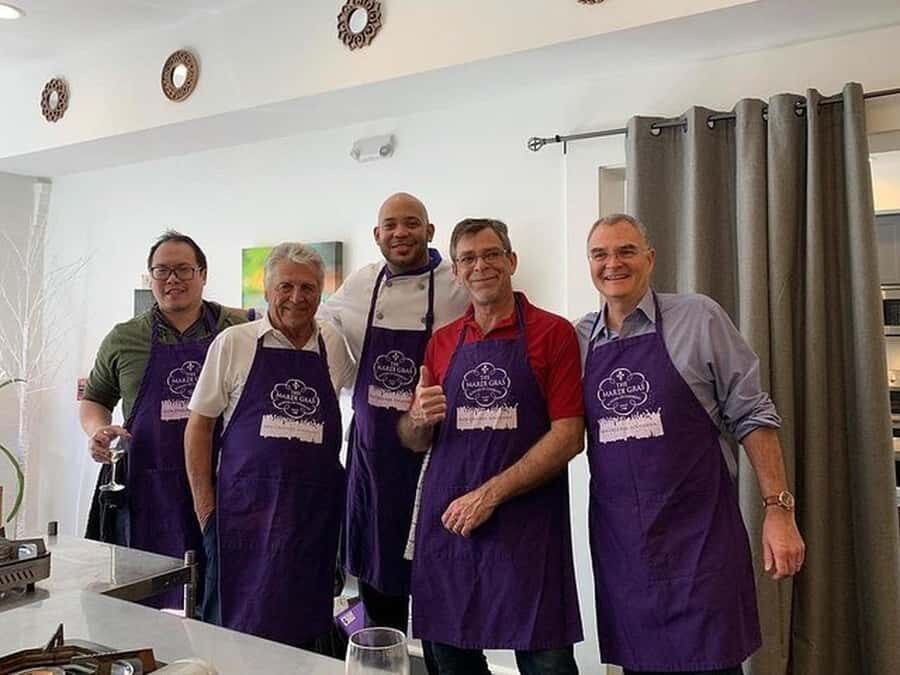
Once your dishes are made, you sit down and enjoy what you cooked. The class includes lunch/dinner as part of the meal, and you’ll also get wine, beer, sodas, and water during the experience.
That matters more than it sounds. A cooking class can be fun while you’re working, then leave you unsatisfied because you eat something mediocre at the end. Here, the meal is the payoff. You also get to taste while the flavors are still fresh and the session stays social.
Small practical note
Because beverages are included, it’s a more “treat night” than a budget snack stop. If you’re pacing your day around it, plan to treat this as a main activity rather than a quick side quest.
Price and value: is $157 worth 3 hours of cooking?
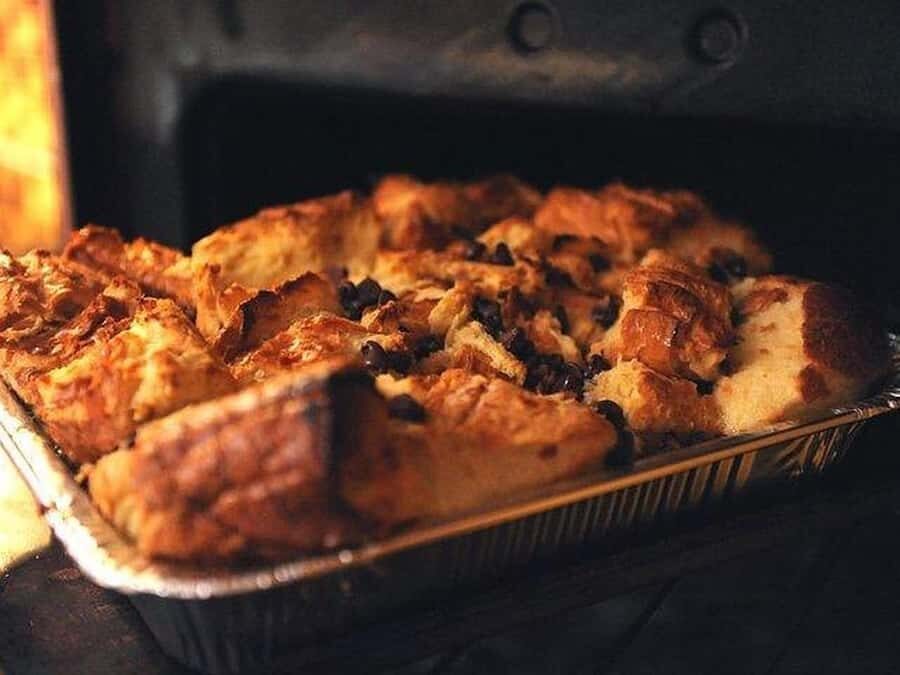
At $157 per person, this isn’t a bargain. But it also isn’t just a tasting experience. Your money covers a guided hands-on cooking class with a small group, multiple dishes (two mains plus dessert), and an included meal with drinks.
Here’s how I judge value for classes like this:
- Instruction time: 3 hours of chef-led teaching in a group limited to 10
- Food volume: you cook and then eat a full meal
- Included drinks: wine, beer, sodas, water, plus the meal itself
- Skill transfer: techniques and seasoning guidance that you can reuse later
If you’re the kind of traveler who wants to bring something home besides photos, this pricing starts to make sense fast. If you’re not sure you’ll actually use the techniques, then it may feel steep.
The most cost-effective mindset
Go in hungry, bring your curiosity, and be ready to learn. The class is at its best when you treat it like a hands-on lesson, not a show.
Who should book this New Orleans cooking class
I think this is a great fit for food lovers who want more than tasting. It also works well for small groups of friends or couples who like interactive activities with a shared meal at the end.
It’s especially good if:
- you want Cajun and Creole flavor education with real cooking steps
- you enjoy seasoning-focused lessons and pro technique tips
- you’d like a memorable, social activity that ends with dinner
It’s probably not ideal if:
- you need something child-friendly under age 10 (it’s not suitable for children under 10)
- you want a purely sightseeing-focused outing
- you’re hoping for a short 30–60 minute snack style experience
Should you book the New Orleans Traditions Cooking Class?
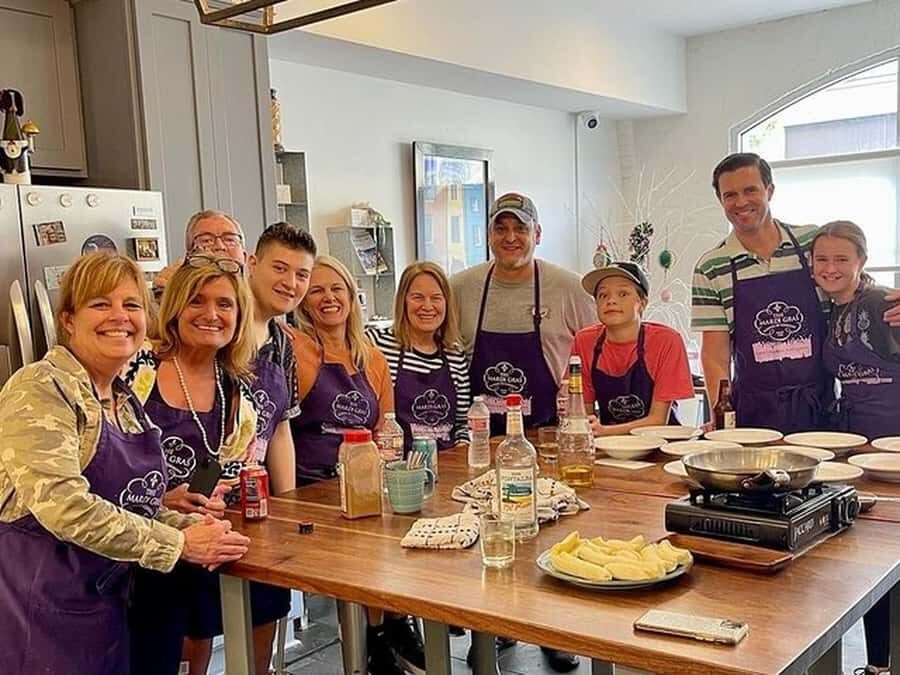
I’d book it if you’re craving an experience where you learn to cook Louisiana classics and then eat the results with included drinks. The small group size and the fact that you’re taught professional technique—not just handed recipes—make it feel like real value.
Skip it only if you’re mainly after passive entertainment or you’re traveling with someone who needs a child-friendly option under 10. Otherwise, this is a solid choice for a first-timer to New Orleans food culture, or a returning visitor who wants a practical skill you can use after the trip.
FAQ
Where is the class meeting point?
It meets at Suite 101 on the ground level.
How long is the cooking class?
The class lasts 3 hours.
How much does it cost?
The price is listed as $157 per person.
What dishes do you cook?
You’ll cook Barbecue Shrimp (New Orleans style), Chicken and Andouille Sausage Jambalaya, and Chocolate Bread Pudding with a Brandy Mocha Sauce.
What drinks are included?
Wine, beer, sodas, and water are included with your class and meal.
Is the class suitable for children?
It is not suitable for children under 10.
How big is the group?
The class is a small group limited to 10 participants.
Is instruction available in English?
Yes, the instructor is English.
Is it wheelchair accessible?
Yes, it is wheelchair accessible.
What is included in the price, and what isn’t?
Included: the cooking class and lunch/dinner, plus alcoholic beverages. Not included: personal expenses, transportation to/from the venue, and gratuity.
Can I cancel for a refund?
Yes. You can cancel up to 24 hours in advance for a full refund.