REVIEW · NEW ORLEANS
New Orleans: Cajun and Creole Cooking Class
Book on GetYourGuide →Operated by New Orleans School of Cooking · Bookable on GetYourGuide
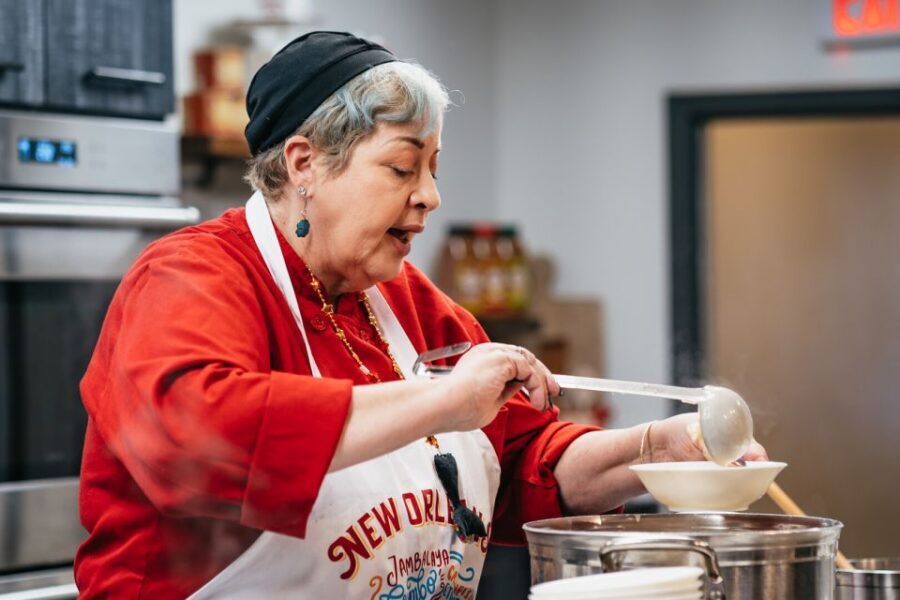
Cajun and Creole cooking starts with a demo. In a renovated molasses warehouse in the French Quarter, you watch a chef build classic New Orleans dishes and hear the stories that explain why they taste the way they do. It’s a laid-back 150-minute break that turns lunch into something you can actually repeat later.
I love that you eat a full 3–4 course meal, not just a couple of bites. I also love the “why” behind the food: the chef connects the flavors to local culture and Cajun/Creole traditions, then hands you recipe copies so you’re not stuck remembering guesses. If you get a lively instructor like Lynn, Austin, Eric, or Dianne, the history part doesn’t feel like homework.
One thing to keep straight: this is mostly a cooking demonstration, not hands-on cooking where you stir the pot yourself. If you’re expecting to cook at your own station, you may feel disappointed. Also, if you’re near the back, you might want to position yourself so you can hear the explanations clearly.
In This Review
- Key Highlights Worth Writing On Your Hand
- A Renovated Molasses Warehouse in the French Quarter
- What You Eat: Gumbo, Jambalaya, Shrimp Creole, and the Desserts That Stick
- The “Cooking Class” That’s Really a Cooking Demonstration
- Cajun vs Creole: How the Chef Connects Food to New Orleans Culture
- Inside the General Store: Joe’s Stuff Creole Seasoning and Take-Home Prep
- Be Smart About Timing: Picking 10:00 AM vs 2:00 PM
- Price and Value: Why This Lunch Feels Like a Bargain
- Who This Fits Best (and Who Might Skip It)
- Should You Book It?
- FAQ
- Where do I check in for the class?
- What dishes do you serve?
- Is this hands-on cooking or a demonstration?
- What drinks are included with the meal?
- Is hotel pickup included?
- Is the experience wheelchair accessible?
Key Highlights Worth Writing On Your Hand
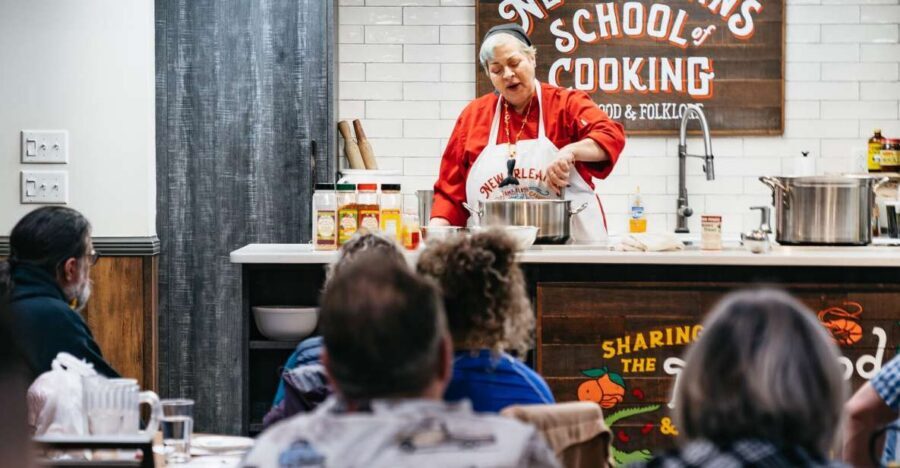
- Historic setting: a renovated early-1800s molasses warehouse in the French Quarter
- Real lunch included: a 3–4 course Cajun/Creole meal with local drinks
- Recipe take-home: copies to recreate dishes at home
- Seasoning stop: the general store is home to Joe’s Stuff Creole Seasoning
- Chef storytelling: Cajun vs Creole traditions and folklore woven into the demo
A Renovated Molasses Warehouse in the French Quarter
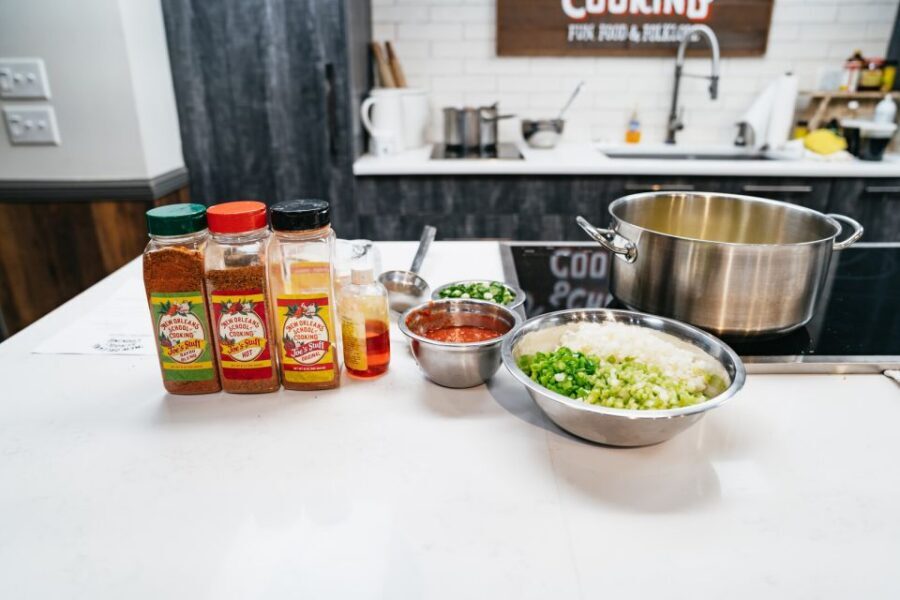
When you step into the New Orleans School of Cooking’s general store, you’re not in a sterile classroom. You’re in a renovated warehouse built in the early 1800s, and that old brick-and-wood feel matters. It makes the experience feel like it belongs to New Orleans, not a generic cooking show set.
Check in at the register, then settle in for the demo portion. This is the kind of stop that’s easy to fit into a first or second day in town. You’ll be near the French Quarter action, but the meal part keeps you grounded: you’re learning and eating, not running to the next line.
The other big perk here is that the school has a store attached. That means you don’t just leave with recipes—you can also shop for the kind of local products that help you recreate the flavor at home. If you’re the type who always forgets to buy the spice that made the food taste right, this is built for you.
You can also read our reviews of more cooking classes in New Orleans

What You Eat: Gumbo, Jambalaya, Shrimp Creole, and the Desserts That Stick
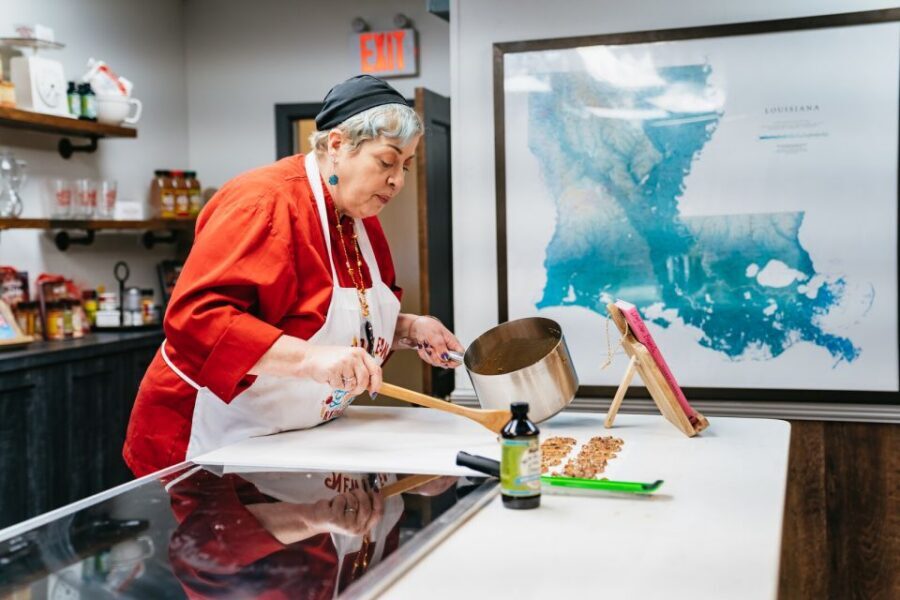
Your class time is about 150 minutes, and your meal is included. Expect a multi-course lunch where gumbo and jambalaya often show up, with desserts like pralines appearing regularly. What’s on the menu depends on the day and whether you’re in the 10:00 AM or 2:00 PM session.
Here are the common patterns to plan around:
10:00 AM menu examples
- Saturday, Sunday, Wednesday: Gumbo, Jambalaya, Bread Pudding, Pralines
- Monday: Gumbo, Red Beans and Rice, Pecan Pie, Pralines
- Tuesday: Gumbo, Jambalaya, Bananas Foster, Pralines
- Thursday: Corn & Crab Bisque, Shrimp Creole, Bananas Foster, Pralines
- Friday: Crawfish Etouffee, Shrimp and Artichoke Soup, Bread Pudding, Pralines
2:00 PM menu examples
- Saturday: Crawfish Etouffee, Shrimp and Artichoke Soup, Pralines
- Sunday, Tuesday: Corn & Crab Bisque, Chicken Etouffee, Pralines
- Monday, Thursday, Friday: Gumbo, Jambalaya, Pralines
- Wednesday: Gumbo, Chicken Creole, Pralines
A quick reality check: this is not a light snack experience. It’s structured as a full meal, and it’s designed so you can eat what you just learned. If you plan to pair this with a heavy dinner later, I’d give yourself some breathing room.
You’ll also have local drinks included—Dixie beer plus iced tea and lemonade. If you’re in the 10:00 AM class, hot coffee is included too.
The “Cooking Class” That’s Really a Cooking Demonstration
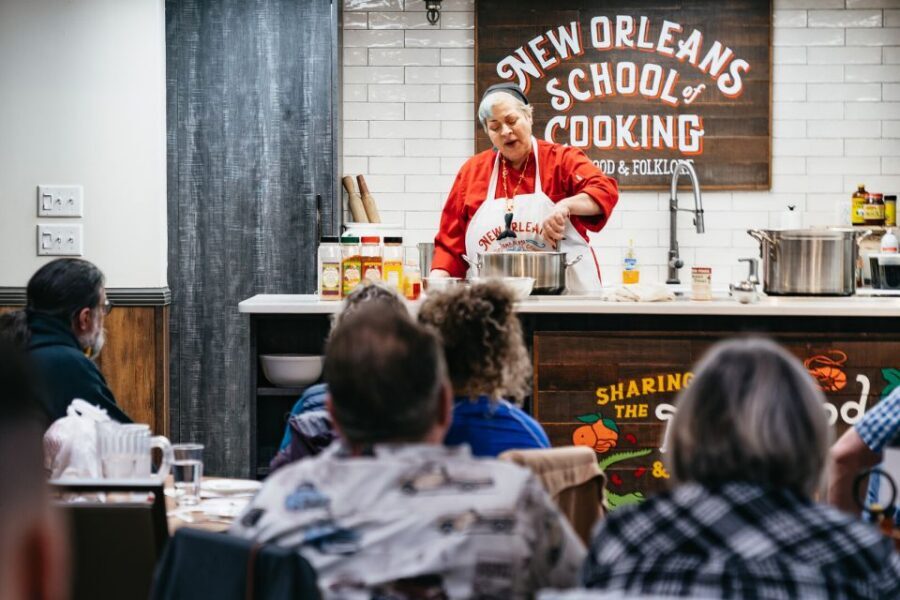
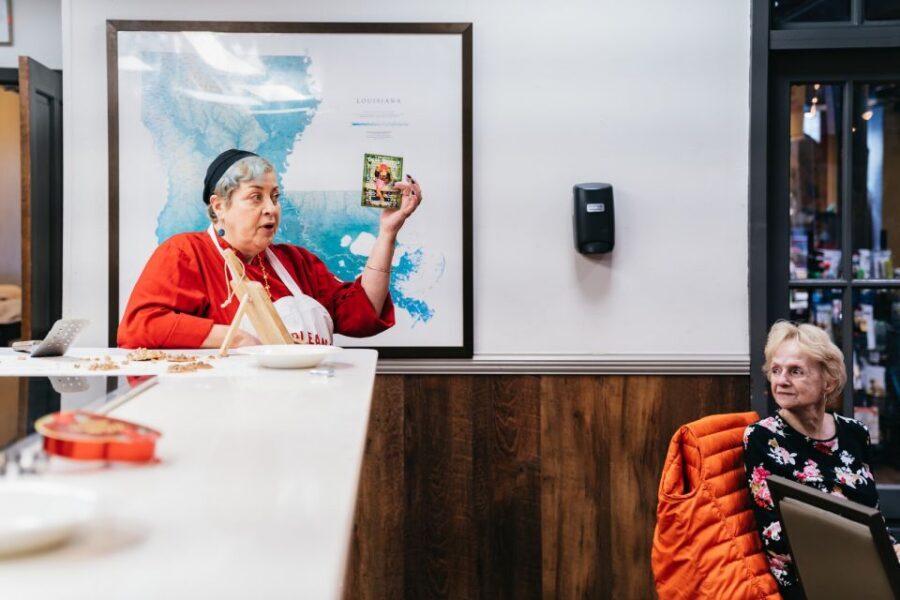
The name can fool people, because the experience is set up as a demo. In other words, you sit back, watch the chef work, and learn the steps and logic as they cook. You’re not on the hook for chopping ingredients or doing the final plating yourself.
That format can actually be a plus. You get to watch the whole process from start to finish—how the chef builds flavor, how they handle timing, and how the kitchen comes together without you feeling rushed. You also hear the reasoning behind decisions, which is what makes the recipe usable later.
It’s also a more comfortable choice if you’re on vacation and don’t want the mess and pressure of a hands-on session. Many people like this because it’s relaxed and social: you can pay attention, ask questions, and then enjoy the food without worrying about whether you’re doing it right.
If you want hands-on cooking, consider this your “watch and learn” option rather than a workshop where your apron is the star.
Cajun vs Creole: How the Chef Connects Food to New Orleans Culture
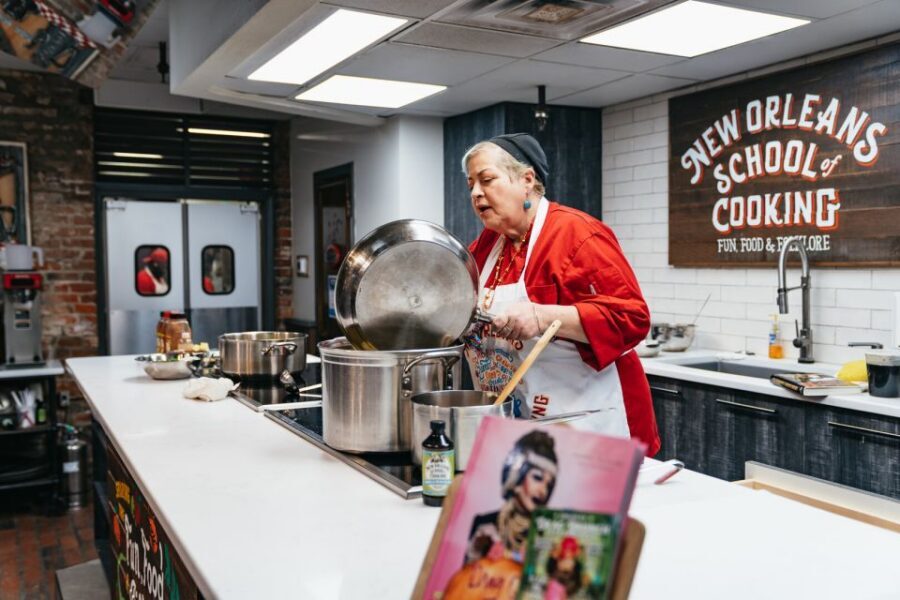
This is where the experience earns its price. Cajun and Creole food in New Orleans isn’t just about recipes—it’s tied to the region’s history, migration, and community traditions. The chef weaves that into the cooking so the dishes feel like they belong to place, not just to a cookbook.
You’ll get explanations that connect techniques to flavor. For example, gumbo and etouffee aren’t random stews on a menu. They’re built around structure: a thickening base, layered seasoning, and a rhythm of cooking that creates depth. Jambalaya does something similar by balancing rice with meats, aromatics, and spices so each bite tastes intentional.
And then you get the sweetness side of New Orleans. Pralines show up often, and they’re a great example of why this cuisine is more than savory. Bananas Foster and bread pudding are desserts that fit the same story: comfort, technique, and local flavor pride.
If you love folklore-type storytelling, this is the part to lean into. The chef’s explanations can turn everyday comfort food into a real New Orleans cultural lesson—something you remember long after the last bite.
Inside the General Store: Joe’s Stuff Creole Seasoning and Take-Home Prep
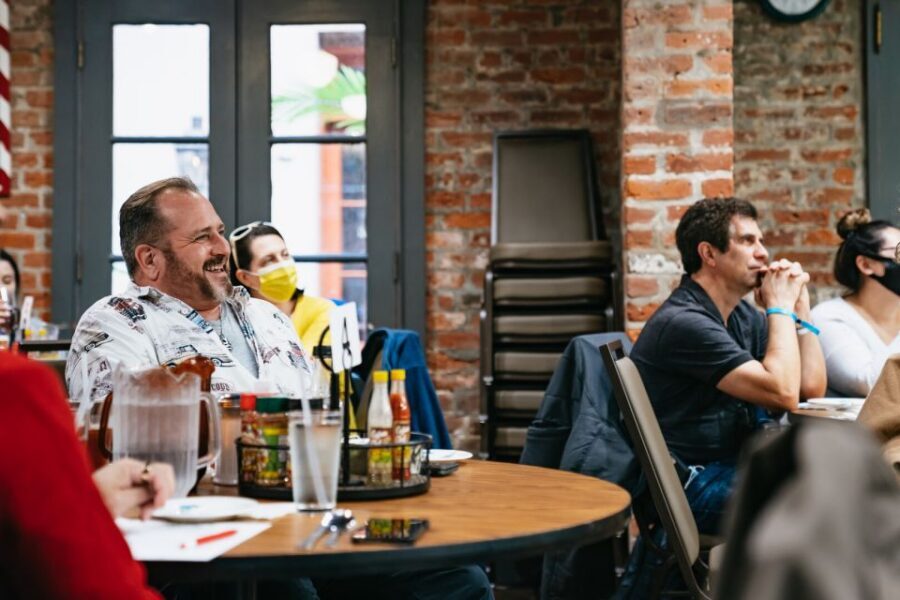
One of my favorite things about this setup is what happens after the meal. At the end, you receive a coupon to use in the general store, and you also get recipe copies so you can recreate what you ate. That means the class doesn’t end when you leave the warehouse—it keeps going in your kitchen.
The store is where you’ll see what local cooks actually use. A standout is Joe’s Stuff Creole Seasoning, a famous blend that’s loved by local chefs and visitors. If you’ve ever cooked gumbo at home and wondered why yours tastes good but not exactly right, something like a dependable seasoning blend can make a difference.
Also, because the school is set up like a shop, it’s easy to bring home practical gifts. Think small bottles of seasoning, spice mixes, or other local food products. It’s a more useful souvenir than a generic magnet.
If you’re the type who likes to cook but hates guessing quantities, the recipe copies matter. You’ll have the structure and ingredient list needed to repeat the dishes instead of relying on memory.
You can also read our reviews of more tours and experiences in New Orleans



Be Smart About Timing: Picking 10:00 AM vs 2:00 PM
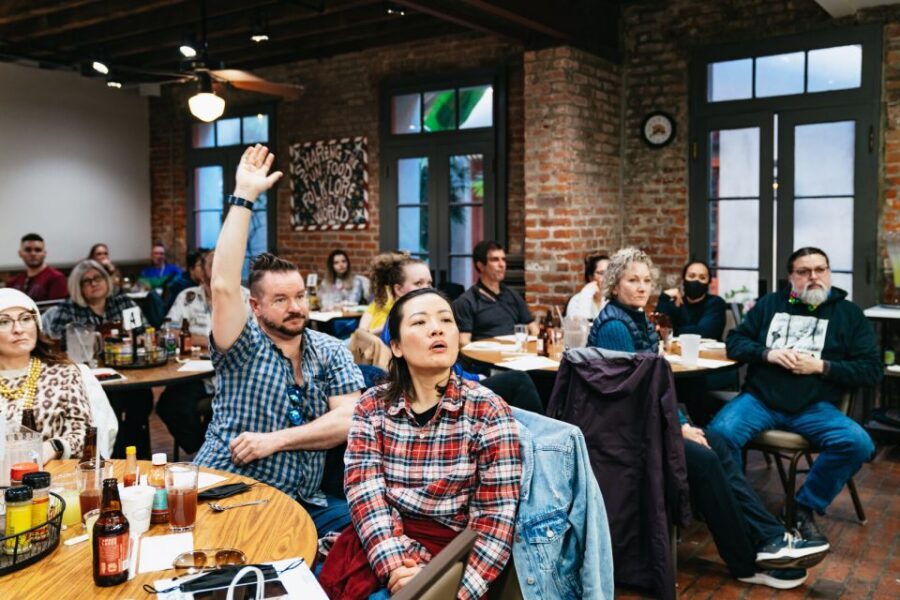
Both time slots work, but your menu changes by day, and that changes your “must-eat” decisions.
If you want gumbo and jambalaya, pay attention to which days pair them with your time slot. For example, many days in both sessions include gumbo and jambalaya patterns. If you’re chasing a specific dessert—like bread pudding or bananas foster—you’ll want to match your class time to the day when those show up.
Here’s the practical way to choose:
- Pick the slot that gives you the dishes you’re most excited to taste.
- If you’re visiting during a busy week, build your schedule around the menu you want rather than forcing the class into a tight day.
- Plan to arrive with appetite. Since your meal is included and servings tend to be generous, eating nothing beforehand usually makes the whole experience more enjoyable.
Also note: the chef’s presentation is the core learning. So if sound is an issue for you, aim for a spot where you can hear the explanations comfortably.
Price and Value: Why This Lunch Feels Like a Bargain
At $40 per person for about 150 minutes, this isn’t a cheap “do it and forget it” show. You’re paying for several things at once:
- A chef instructor and a full demo
- A 3–4 course Cajun/Creole meal
- Included drinks (Dixie beer, iced tea, lemonade; plus hot coffee for the 10:00 AM class)
- Recipe copies to take home
- A coupon for the store afterward
When you break it down, it’s closer to paying for lunch plus structured culinary education. The value is strongest if you’re curious about Cajun and Creole cuisine beyond just tasting it at restaurants. You leave with recipes and with a realistic path to recreate flavors at home, including the option to buy the local seasoning that chefs use.
If you’re in New Orleans for a short time, this is also a “one stop” experience. You get the history and the eating in one compact window, without needing to move between multiple neighborhoods.
Who This Fits Best (and Who Might Skip It)
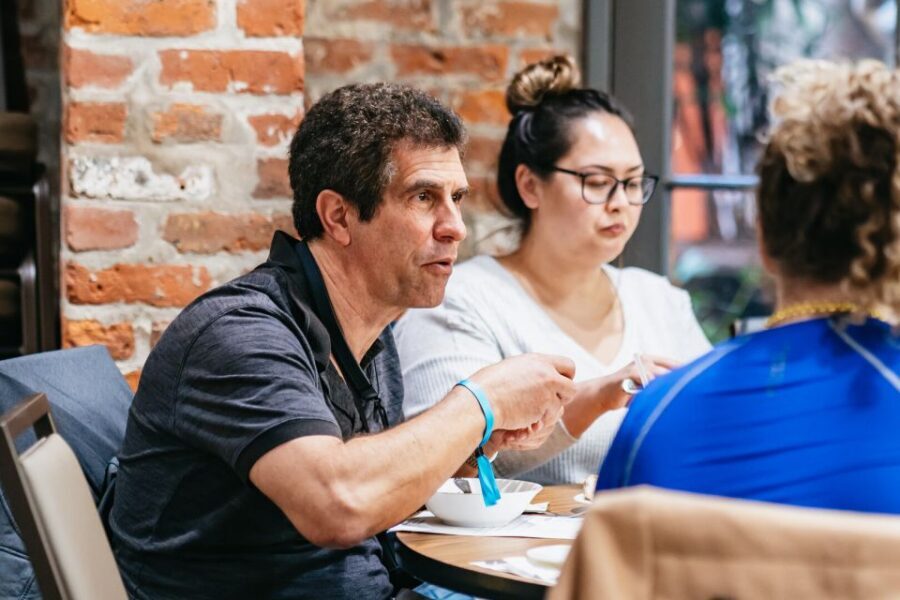
This experience fits best if you:
- Want a strong New Orleans food introduction without committing to an intense hands-on class
- Like learning the story behind dishes (Cajun vs Creole, plus local folklore)
- Enjoy big, structured meals during sightseeing
- Want take-home recipes and a chance to shop for local seasoning
You might skip it if you:
- Came specifically for hands-on cooking where you’ll stir and cook your own dishes
- Need quiet, low-sensory experiences, since you’ll be in a lively demo setting and audio clarity may vary depending on seating
Dietary needs aren’t listed in detail, but the experience has supported people with alternatives in past situations. If you have allergies or specific dietary requirements, ask in advance so they can help you plan safely.
Should You Book It?
Yes, if your goal is a genuine New Orleans culinary experience that pairs a chef’s stories with an included lunch, this is a smart booking. The historic warehouse setting, the consistent focus on gumbo, jambalaya, and New Orleans desserts, and the recipe take-home option make it more than a one-time snack.
Book it if you want to learn what makes Cajun and Creole food tick—and then go home with a plan to cook it again.
Skip it if you’re expecting a true hands-on cooking class where you do the cooking. For this one, think: watch, learn, eat, then recreate.
FAQ
Where do I check in for the class?
Enter the New Orleans School of Cooking General Store and check in at the register.
What dishes do you serve?
The menu changes by day and class time. Common examples include gumbo and jambalaya, with pralines appearing often. Other dishes may include red beans and rice, shrimp creole, etouffee, corn and crab bisque, bread pudding, pecan pie, bananas foster, and bananas foster.
Is this hands-on cooking or a demonstration?
It’s set up primarily as a cooking demonstration where you watch the chef prepare dishes and learn the steps and history.
What drinks are included with the meal?
You get Dixie beer, iced tea, and lemonade. Hot coffee is included for the 10:00 AM class.
Is hotel pickup included?
No. Hotel pickup and drop-off are not included.
Is the experience wheelchair accessible?
Yes, the experience is wheelchair accessible.