REVIEW · NEW ORLEANS
Private New Orleans Cajun Cooking Class with a Local Courtland
Book on Viator →Bookable on Viator
Cajun cooking gets personal fast. This private class with Courtland turns New Orleans food into a hands-on home experience, not a showroom demo. I like the private setup for real conversation, and I especially like the focus on seasonal ingredients—often from his own vegetable garden.
You’ll meet him in his residential neighborhood home, tour the garden area, then cook at his kitchen with a mix of techniques and practical tips. Expect a 1.5-hour lesson where you learn a Cajun starter, main, and dessert, then sit down family-style to eat what you made with beer or wine.
One drawback to consider: you are in someone’s home. It’s casual and residential, and the experience includes the fact that Courtland shares the space with his wife and their cat.
In This Review
- Key things that make this Cajun class worth your time
- A kitchen lesson that explains Cajun and Creole without a lecture
- Meeting Courtland at his Homedale St home (not a commercial kitchen)
- Your 3-hour experience: 1.5 hours cooking, then the meal you helped make
- The menu: starter, main, and dessert built around Cajun classics
- How the hands-on part actually works in Courtland’s kitchen
- Garden-fresh ingredients and the seasonal reality of New Orleans cooking
- What you’ll talk about after the first course
- Dietary requests: flexible enough to keep the meal meaningful
- Lunch or dinner timing: choose based on your day in New Orleans
- Who this private Cajun cooking class is best for
- Price and value: $64 for three courses in a local home
- Booking tips that make this feel smooth
- Should you book Courtland’s private Cajun cooking class?
- FAQ
- What dishes will I cook in this Cajun class?
- How long is the cooking class?
- Is this a private experience?
- Does the menu change by season?
- What drinks are included with the meal?
- Can Courtland accommodate dietary restrictions?
- Where do I meet for the class?
- What if I need to cancel?
- Can I choose between lunch and dinner?
Key things that make this Cajun class worth your time
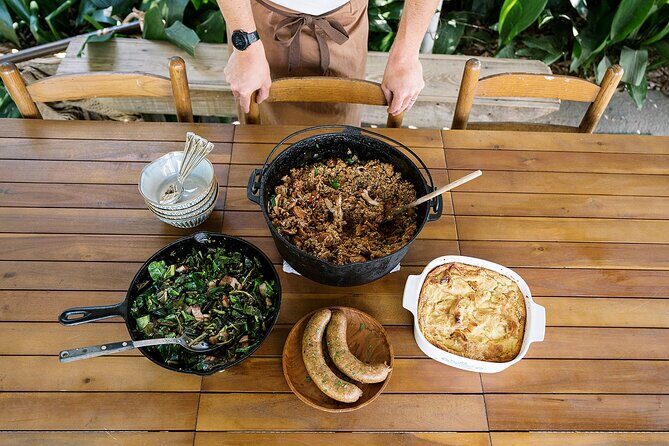
- A true home-cooking setting with Courtland sharing techniques from his Cajun French background
- Three dishes in one session, covering starter, main, and dessert
- Seasonal ingredients, with fresh garden produce used when available
- Clear Cajun vs Creole context while you cook
- Private experience for just your group, plus dietary tweaks on request
A kitchen lesson that explains Cajun and Creole without a lecture
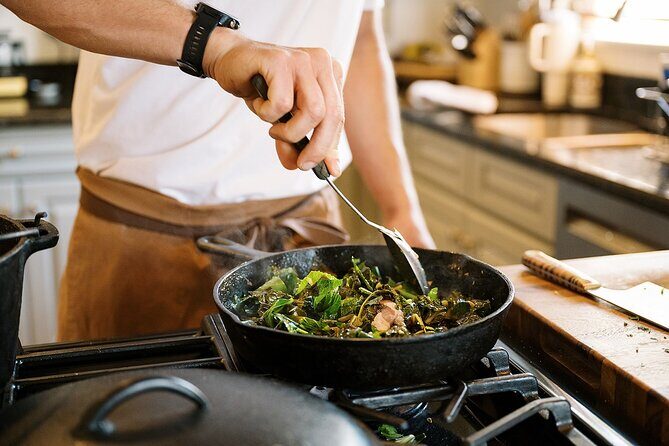
Cajun and Creole get tossed together a lot in New Orleans. Here, you get the difference in a way that sticks: by cooking, tasting, and adjusting. Courtland takes you through what makes a dish Cajun-style versus what points toward Creole flavors and approach. And because you’re making dishes you’ll actually eat at the end, it stops being trivia and starts being useful.
This matters if you’re the type who wants more than recipes. You’ll learn techniques and “why” behind them—especially how Cajun cooking leans on bold seasoning, practical methods, and flavor-building you can feel with your senses. One of the smartest parts of this class is that the lesson doesn’t force one fixed outcome. Courtland encourages you to cook based on what you taste, see, and smell.
You can also read our reviews of more private tours in New Orleans



Meeting Courtland at his Homedale St home (not a commercial kitchen)
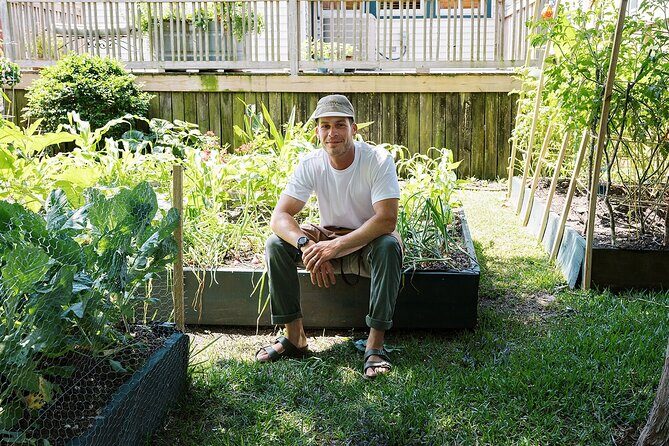
The meeting point is 305 Homedale St, New Orleans, LA 70124. From there, you’re heading into a cool, residential neighborhood where locals actually live—so the whole mood shifts away from the tourist track. The setting is part of the lesson: you’ll meet Courtland at his welcoming home and beautiful garden, and you’ll likely start with a refreshing drink while he shares stories about living in New Orleans.
That pre-kitchen time is more than small talk. It helps you understand where the cooking comes from. Courtland comes from a strong Cajun French background, and he learned to cook from his grandmother and father—who, in his own words and family tradition, continues to host the kind of Cajun parties people still talk about. It’s the type of family knowledge that doesn’t come from cookbooks alone.
Practical note: the class is private, so you won’t be swallowed by a big group. It feels like a host opening his door, not a ticket line. Also, he shares his home with his wife and their cat, so plan for a real family environment.
Your 3-hour experience: 1.5 hours cooking, then the meal you helped make
The whole experience runs about 3 hours. The cooking lesson itself lasts about 1.5 hours, with a blend of demonstration and hands-on work. In other words, you’re not just watching someone else cook for you. You’ll get your hands in the food in the way that helps you remember what to do later.
After cooking, you sit down at the table to share the seasonal meal you prepared with Courtland. This is a big part of the value. A lot of cooking classes end the moment the food hits the pass. Here, the meal is the finish line—and it turns the session into a full culinary experience rather than a quick skills workshop.
The menu: starter, main, and dessert built around Cajun classics
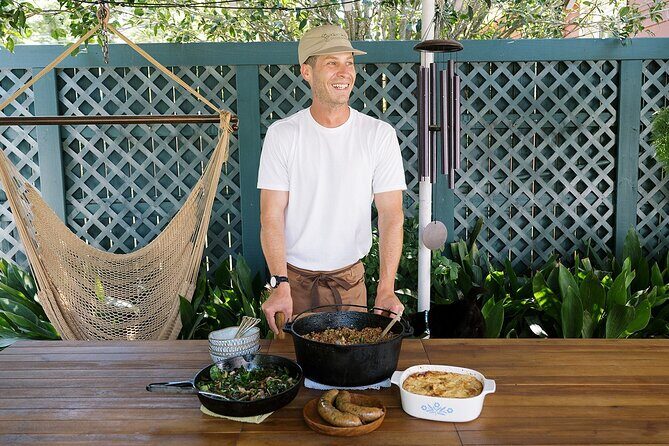
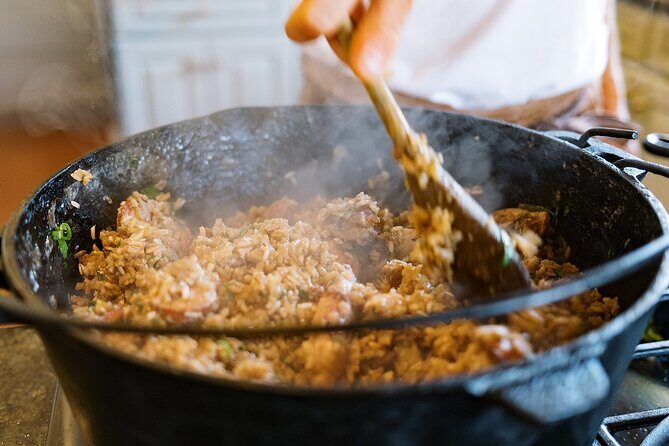
You’ll cook three authentic Cajun dishes. The exact menu can vary by season, but the structure stays the same: starter, main, dessert. The appetizer is typically a traditional option such as boudin balls.
For the main, you’ll choose from several well-known Cajun possibilities:
- Jambalaya
- Gumbo
- Étouffée
- Blackened fish
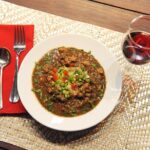
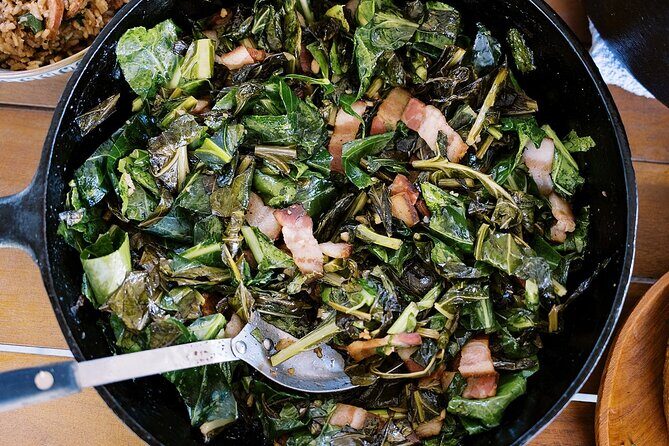
You’ll also get a vegetable side. The dessert rounds out the meal, and the experience includes beer or wine to go with what you’ve made. If you have dietary needs, Courtland is happy to accommodate vegetarian, gluten-free, or lactose-free diets on request.
A note on technique: because the dishes are classics, you’re not learning “one-off” recipes. These are flexible building blocks. Once you understand the seasoning logic and cooking method, you’ll be able to carry it into your own home cooking.
How the hands-on part actually works in Courtland’s kitchen
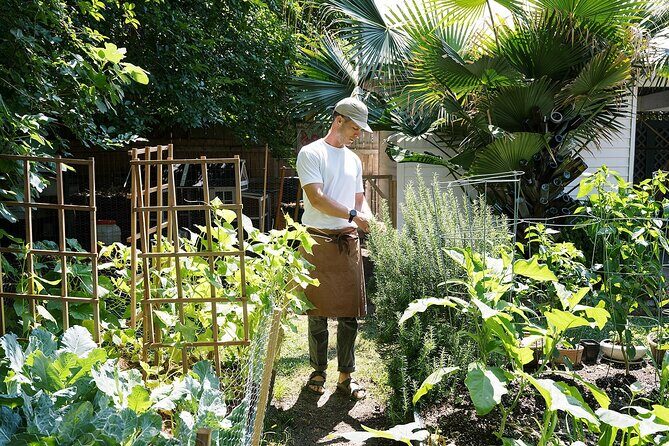
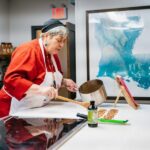
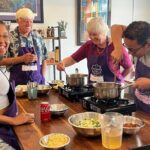
The class combines demonstration with participation. That’s ideal if you’re not a confident cook yet, but you want to learn by doing. Courtland doesn’t just explain steps—he encourages you to cook based on your senses, which is the difference between memorizing a recipe and learning a process.
Here’s what that tends to look like in practice:
- You see how he builds flavor early, then you repeat the motions with guidance.
- You learn when to adjust based on what’s happening in the pan, not just the clock.
- You get real technique, like how Cajun starters lead into heartier mains, and how dessert closes the meal.
The best part is that you aren’t stuck doing one task the whole time. With a starter, a main, and dessert, you’ll cover different styles of cooking—so you leave with broader skills than a single-dish class.
And yes, the setting really helps. One review praised the careful detail of the cookware and mentioned heirloom-style tools. You feel that in the experience: it’s thoughtful cooking, not just cooking for show.
You can also read our reviews of more cooking classes in New Orleans


Garden-fresh ingredients and the seasonal reality of New Orleans cooking
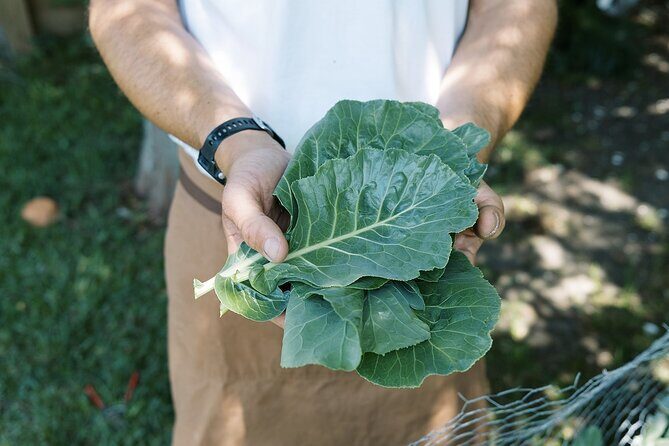
You’ll learn Cajun cooking in a way that respects the seasons. As much as possible, Courtland uses fresh produce from his vegetable garden or picks items up from local markets. That means the menu can shift depending on what’s good right now, and that’s exactly the point.
For you, that’s practical. If you cook what’s in season in your own life, your food improves without fancy ingredients. This class teaches that approach by showing it, then letting you eat the result.
It also helps you understand how New Orleans cooking can feel both hearty and fresh. Cajun food is known for depth and comfort, but it also relies on balance. Seasonal vegetables and herbs keep the meal from feeling heavy. And because you’re cooking alongside Courtland, you’re not guessing where the flavor comes from—you can taste it in real time.
What you’ll talk about after the first course
The “conversation fuel” here is the food itself. Courtland’s whole philosophy is that food brings people together and sparks good talk—family-style cooking does it better than formal service.
This is where the private setup shines. Instead of being stuck in a group where people rotate through stations, you’re sharing a table with your group and a host who wants the meal to be a shared event. One strong theme from feedback was that he greeted people warmly, almost like long-lost friends, and helped make the experience feel personal rather than scripted.
If you like cooking classes where you actually connect with the host and the place, this fits well.
Dietary requests: flexible enough to keep the meal meaningful
It’s common for classes to offer “special meals” that feel like an afterthought. Here, Courtland is specifically happy to accommodate vegetarian, gluten-free, or lactose-free diets on request. That’s a meaningful promise for many people—because Cajun meals often rely on ingredients that can be tricky to swap without changing the flavor.
Even if your restrictions are straightforward, you’ll still get the core structure: three courses, Cajun technique, and a sit-down meal with beer or wine (where possible). If you want to keep this experience satisfying, send your needs early when booking.
Lunch or dinner timing: choose based on your day in New Orleans
You can pick either a lunchtime or dinner cooking class. That choice matters more than you’d think.
- A lunchtime class can work beautifully if you want to be done with your big food event before the evening.
- A dinner class can feel like a natural capstone when you’re ready to settle in, eat slowly, and talk with your group after a day out.
The experience ends back at the meeting point, so you can plan your next stop nearby with minimal stress.
Who this private Cajun cooking class is best for
This is for you if you want New Orleans cuisine with a local voice, in a setting that feels real. It’s also a great fit if you’re traveling as a small group and want something hands-on that still includes social time.
You’ll likely enjoy it most if:
- You like cooking and want to learn the techniques, not just eat
- You care about understanding Cajun vs Creole in practical terms
- You prefer a private experience over crowded group tours
- You want a residential neighborhood perspective rather than another stop on a typical route
It’s not the best choice if you want a hotel-style production, lots of standing around, or a fast, impersonal activity.
Price and value: $64 for three courses in a local home
At $64 per person, the price is fair when you look at what you’re actually getting. This isn’t just a recipe handout or a quick tasting. You get:
- A private class for just your group
- About 1.5 hours of hands-on cooking plus a full meal afterward
- Three dishes (starter, main, dessert)
- Seasonal ingredients and guidance from a local host
- Beer or wine
Compare that to typical cooking experiences that can cost more but still feel like you’re watching mostly. Here, you do the work. And because you’re eating the results with the host, the experience becomes something you remember longer than a single bite.
Is it cheaper than a grocery-run home-cooking night? Of course. But it’s not trying to be. It’s a structured way to learn Cajun technique in the place it belongs, with a host who clearly cares about sharing the culture.
Booking tips that make this feel smooth
A few practical notes before you go:
- You’ll receive confirmation within 48 hours of booking, subject to availability.
- You get a mobile ticket.
- The menu may vary depending on the season, so don’t expect the exact same dishes year-round.
- Service animals are allowed.
And one more grounded tip: bring a curious mindset. Cajun cooking here is about adjusting based on taste and smell. If you show up ready to learn by doing, you’ll get the most out of those three courses.
Should you book Courtland’s private Cajun cooking class?
If you’re choosing between a quick food tour and something more hands-on, I’d steer you toward this class. It offers what many people actually want from New Orleans cooking: a local home setting, clear technique, seasonal ingredients, and a meal that you share while it’s still fresh and warm.
Book it if you want an experience that feels personal, private, and grounded in real New Orleans family cooking tradition. Skip it only if you need a highly structured commercial environment or you’re not comfortable with the realities of being in someone’s home (including a cat and a residential pace).
FAQ
What dishes will I cook in this Cajun class?
You’ll cook three Cajun dishes: a starter (often boudin balls), a main (options include jambalaya, gumbo, étouffée, or blackened fish), and a dessert.
How long is the cooking class?
The experience lasts about 3 hours total, with about 1.5 hours spent on the cooking lesson.
Is this a private experience?
Yes. It’s a private tour/activity, so only your group participates.
Does the menu change by season?
Yes. The menu may vary depending on the season.
What drinks are included with the meal?
The meal includes beer or wine.
Can Courtland accommodate dietary restrictions?
Yes. He can accommodate vegetarian, gluten-free, or lactose-free diets on request.
Where do I meet for the class?
You meet at 305 Homedale St, New Orleans, LA 70124.
What if I need to cancel?
You can cancel up to 2 days in advance for a full refund. If you cancel less than 2 days before the experience starts, the amount paid is not refunded.
Can I choose between lunch and dinner?
Yes. There’s a choice of a lunchtime or dinner cooking class.