REVIEW · NEW ORLEANS
Hands-on Cajun Roux Cooking Class in New Orleans
Book on Viator →Operated by The Mardi Gras School of Cooking · Bookable on Viator
Roux is the secret handshake of Louisiana cooking. In this hands-on New Orleans class, you’ll chop, stir, and build flavor with a local chef while learning why Cajun cooking leans on technique and timing. I love that it is built around making three classic dishes (gumbo, shrimp étouffée, and bananas foster), not just watching. I also like the small-group vibe, since the class caps at 10 and you actually get to do the steps yourself. The only drawback to plan around: it is a 3-hour kitchen session, so if you want long sightseeing windows, this will take a big chunk of your day.
You start with the big flavor lesson: the Cajun Holy Trinity gets chopped and prepped, then you move straight into roux work. Midway through, you pause for your first glass of wine (or soda pop), which makes the whole thing feel like a relaxed New Orleans evening instead of a classroom. In past sessions, instructors named Connor and Raymond have shown up as especially engaging, with lots of patient coaching and food stories that help the cooking make sense.
One more consideration: this is the kind of experience where you should come hungry and ready to stand at a counter. Even though it is friendly and family-group friendly, you’ll still be actively cooking for most of the time.
In This Review
- Key Points at a Glance
- Where the Class Starts: 519 Wilkinson Street in the City’s Rhythm
- Price and Value: What You Get for $163.85 Per Person
- The 3-Hour Cooking Flow: From Prep to Roux to Dessert
- Learning the Cajun Holy Trinity: Why This Prep Step Matters
- Roux Time: Dark for Gumbo, Light for Shrimp Étouffée
- Dark roux for chicken and andouille gumbo
- Light roux for shrimp étouffée
- What You Actually Do in the Kitchen (Not Just Watch)
- Bananas Foster: The Dessert Skill You’ll Want to Show Off
- The Meal Moment: Sitting Down After Cooking in a Real Kitchen
- Who This Class Fits Best in New Orleans
- Should You Book the Cajun Roux Cooking Class?
- FAQ
- How long is the Cajun Roux Cooking Class?
- What dishes will I learn to cook?
- Do I get to eat the meal after cooking?
- Is wine included?
- How large is the group?
- Where does the class start and end?
- Is the class offered in English?
- What is the cancellation policy?
Key Points at a Glance
- Small group (max 10) so you get real coaching instead of waiting your turn
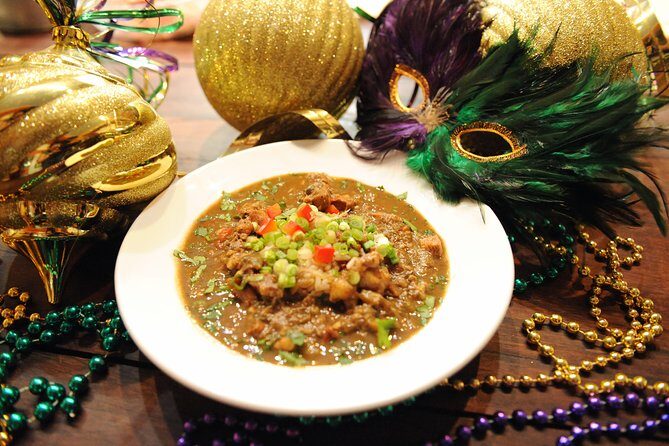
- Dark roux gumbo + light roux shrimp étouffée teaches the color-and-flavor difference
- Wine (or soda pop) included during a break in the middle of the cooking
- Bananas Foster taught as a fool-proof dessert skill you can repeat later
- You eat a sit-down meal right after plating what you cooked
Where the Class Starts: 519 Wilkinson Street in the City’s Rhythm
The class meets at 519 Wilkinson St, New Orleans, LA 70130, and it ends back at the same spot. That sounds simple, but it matters. A lot of New Orleans activities put you on a back-and-forth scavenger hunt; here, you’re anchored. It also makes it easier to plan a dinner afterward without worrying about a long ride across town.
Another plus: it is near public transportation, so you can skip the whole parking-and-traffic headache. For a 3-hour cooking class, that kind of convenience is underrated. You show up, cook, eat, and then head back into the city without dragging your day around.
You can also read our reviews of more cooking classes in New Orleans

Price and Value: What You Get for $163.85 Per Person
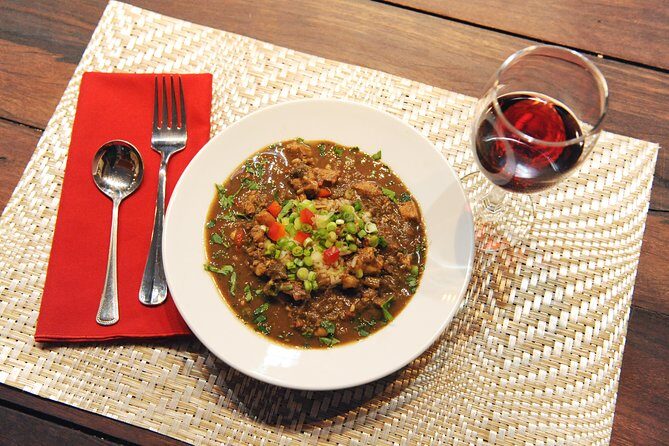
At $163.85 per person for about 3 hours, this is not a budget activity. But the value is in what’s included: the class is built around a full menu (starter, main, dessert), and you’re not just tasting along the way. You cook gumbo, learn shrimp étouffée technique, and finish with bananas foster, then sit down to eat.
You also get a drink during the class: wine or soda pop. That’s a small line item until you notice how many cooking classes charge extra for alcohol or skip it entirely. Here, it fits the rhythm of the session.
And because the group is capped at 10, you get a higher chance of hands-on attention. That is the difference between a fun souvenir meal and a skill you can actually use at home. If you’ve ever tried to make roux after a vacation and wondered why it never comes out right, this class targets the specific “why it works” behind the method.
The 3-Hour Cooking Flow: From Prep to Roux to Dessert
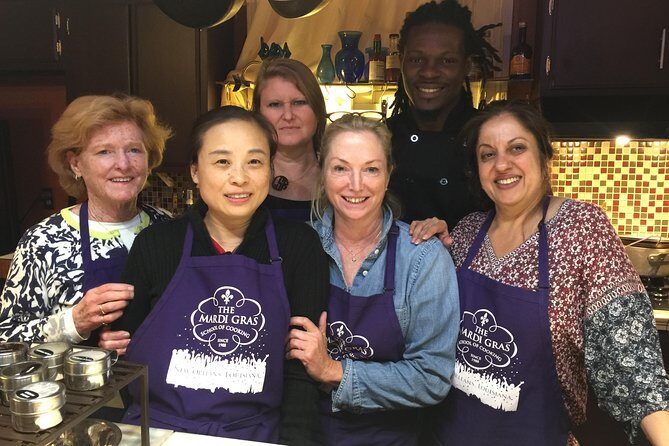
This class runs a tight loop with clear milestones. You’ll feel your progress, which is a huge part of why it lands as memorable rather than chaotic.
Here’s how the timing generally unfolds:
1) Prep and learn the flavor base
You begin by discovering the best-kept secrets of authentic New Orleans cooking. The chef walks you through the importance of the Cajun Holy Trinity, then you do cutting and prepping so the kitchen work is active right away.
2) A roux break with a drink
Once the Holy Trinity is chopped, you get a break for your first glass of wine (or soda pop). This pause isn’t random. It gives your brain time to reset so the roux steps don’t blur together.
3) Gumbo: dark roux session
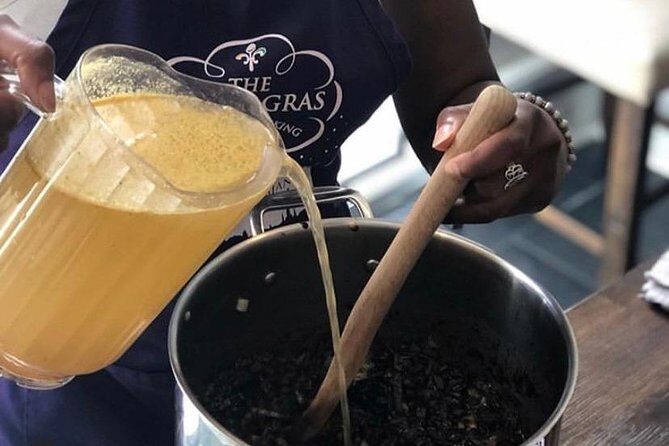
With the prep done, you start the Dark Roux for the gumbo. Roux is one of those skills that sounds simple until you’re the one controlling color and texture. This is where the class earns its keep.
4) Etouffée: light roux session
After gumbo, you switch to Shrimp Étouffée and use a light roux, which helps you understand how different roux colors support different flavors and textures.
5) Plate, then eat your own meal
After you plate your dishes, it’s time to dine. The fact that you sit down afterward is a big deal. You aren’t rushing from one station to another while everything stays hot and unfinished.
6) Bananas Foster finale
The last part is the dessert many people remember first: Bananas Foster. The chef teaches a fool-proof approach, so it feels achievable even if you’re not a confident home cook.
Learning the Cajun Holy Trinity: Why This Prep Step Matters
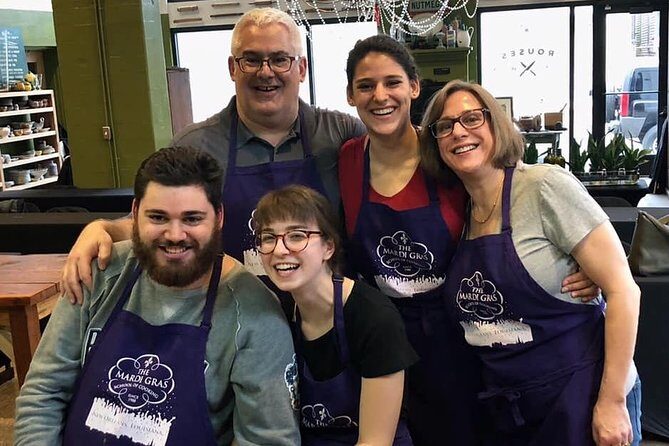
The Cajun Holy Trinity portion is more than chopping for the sake of chopping. It is the foundation of the flavor structure that later shows up in gumbo and shrimp étouffée.
In practical terms, this part helps you understand that good Cajun cooking isn’t only about the pot. It’s also about starting with the right base and treating your ingredients with intention. When you cut and prep during the class, you also get a feel for consistency—how the pieces affect cooking and how fast flavors can blend.
This is also where you’ll pick up the kind of kitchen hints that are hard to learn from a recipe alone. The class explains why the Holy Trinity matters, and then you put your hands on the work immediately. That combo is what turns into real confidence later.
Roux Time: Dark for Gumbo, Light for Shrimp Étouffée
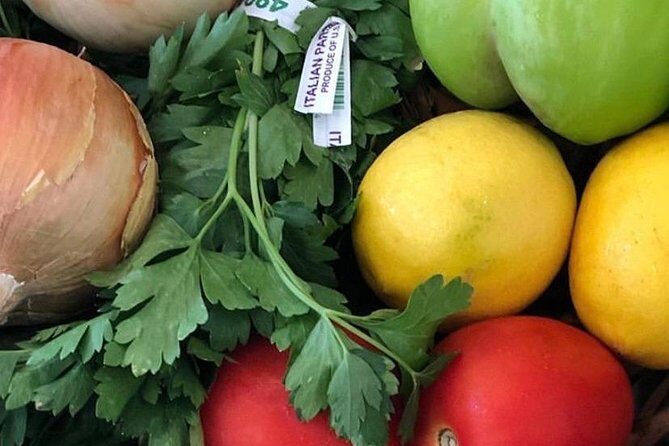
If you take away only one thing from this class, make it the roux contrast.
You can also read our reviews of more tours and experiences in New Orleans




Dark roux for chicken and andouille gumbo
You’ll make gumbo with a starter of Chicken and Andouille Sausage Gumbo, and you start with a Dark Roux. Dark roux is one of those methods people either overshoot or underdo at home. The class format matters here: you get guided steps and you’re actively involved, so you’re not just hoping the chef’s pot looks right.
The benefit for you: you learn to treat roux like an intentional process, not a background step. When you control the roux you control the character of the gumbo.
Light roux for shrimp étouffée
After gumbo, you shift to Shrimp Étouffée, using a Light Roux. This is huge because it shows that roux is not one-size-fits-all. The lighter roux supports a different flavor and texture direction than the dark version.
For home cooks, this comparison is gold. It helps you stop thinking in terms of “make roux” and start thinking “make the right roux for the dish.”
What You Actually Do in the Kitchen (Not Just Watch)
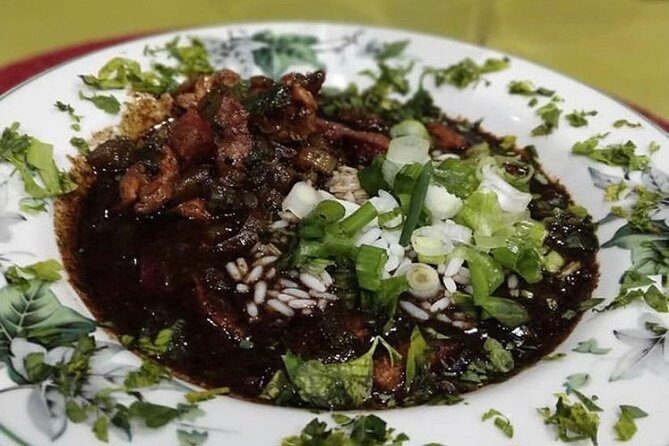
This class is designed to be hands-on. The kitchen pace keeps you busy, and the small group size means you do more than stand next to a cutting board. In past sessions, instructors like Connor and Raymond have been highlighted for being patient and breaking the steps down so it feels manageable, even if you’re not used to cooking with Cajun technique.
You should expect to:
- cut and prep your aromatics for the flavor base
- work through roux steps as the class progresses
- help with plating so the meal feels complete when it lands on the table
And after plating, you sit down and eat what you made. That part is not a throwaway. Eating your own work is where you confirm whether your technique clicked.
Bananas Foster: The Dessert Skill You’ll Want to Show Off
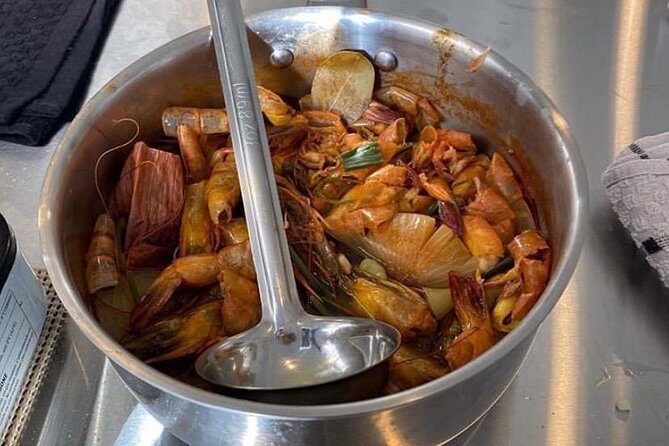
Many cooking classes end with a quick taste and a handshake line. This one ends with Bananas Foster, and it is taught like a skill you can repeat, not a mystery dessert reserved for restaurant kitchens.
The class specifically frames the dessert as fool-proof. Even if you’ve never cooked bananas foster before, you’ll leave with a clear method to follow at home. That matters for two reasons:
1) It turns the dessert into a practical takeaway, not just a sweet memory.
2) It gives your New Orleans trip a story you can repeat at dinner parties and family get-togethers.
If you love desserts, this is the finale you’ll probably remember most on the flight home.
The Meal Moment: Sitting Down After Cooking in a Real Kitchen
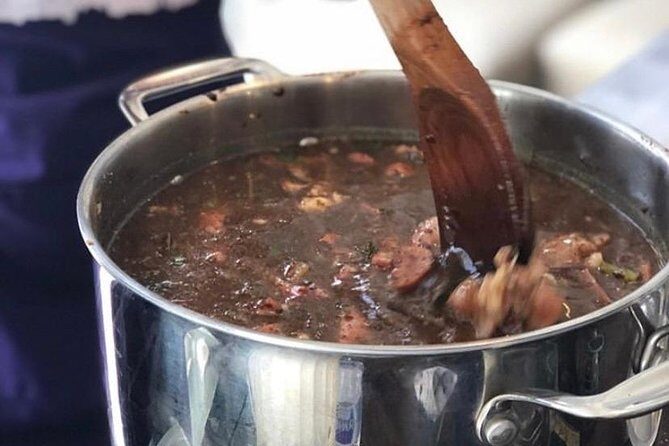
Once your dishes are plated, the class turns into a meal. That sit-down time is part of the value. It’s when the whole experience clicks: you connect the instructions you followed with the flavors you’re tasting.
In a city where you can eat great food almost anywhere, the difference here is ownership. You aren’t only sampling New Orleans; you’re building it with your own hands. That’s why people tend to walk away happier than they expected.
Also, since the group is small, the meal often feels social without being forced. You get to swap cooking wins and laughs while the food is still the main event.
Who This Class Fits Best in New Orleans
This is a strong choice if you fall into any of these categories:
- Couples who want a date that’s not another bar crawl
- Families and teens who learn better by doing than by listening
- Friends on a shared trip because the max 10 group size keeps it lively
- Food-focused travelers who want technique, not just a full plate
It is also ideal when your trip has a few busy days and you want one activity that feels structured but still fun. Three hours can be a lot, but the pacing keeps it from feeling like homework.
Should You Book the Cajun Roux Cooking Class?
If your goal is to leave New Orleans with something you can actually reproduce at home, I think you should book this. The class centers on the skills that make Cajun food work: roux timing and the dish-specific approach (dark for gumbo, light for shrimp étouffée). Then it caps off with bananas foster so you get both savory confidence and dessert bragging rights.
Skip it if you want a passive cultural activity, or if you hate hands-on cooking. This is kitchen work. Also, because it runs about 3 hours, plan it for a day when you can comfortably come in ready and not rush out to catch multiple other stops.
Otherwise, this is one of those New Orleans experiences that feels like you’re participating in the city, not just observing it.
FAQ
How long is the Cajun Roux Cooking Class?
It lasts about 3 hours.
What dishes will I learn to cook?
You’ll learn to make chicken and andouille sausage gumbo, shrimp étouffée, and bananas foster.
Do I get to eat the meal after cooking?
Yes. After plating, you sit down to enjoy the meal you prepared.
Is wine included?
Wine is included during the class. If you prefer not to have wine, soda pop is offered instead.
How large is the group?
The class has a maximum of 10 travelers.
Where does the class start and end?
It starts at 519 Wilkinson St, New Orleans, LA 70130 and ends back at the same meeting point.
Is the class offered in English?
Yes, it is offered in English.
What is the cancellation policy?
You can cancel for free up to 24 hours in advance for a full refund. Changes within 24 hours of the start time are not accepted, and cancellations made less than 24 hours before the experience start time are not refunded.