REVIEW · NEW ORLEANS
New Orleans: Whitney Plantation Audio Tour with Transfers
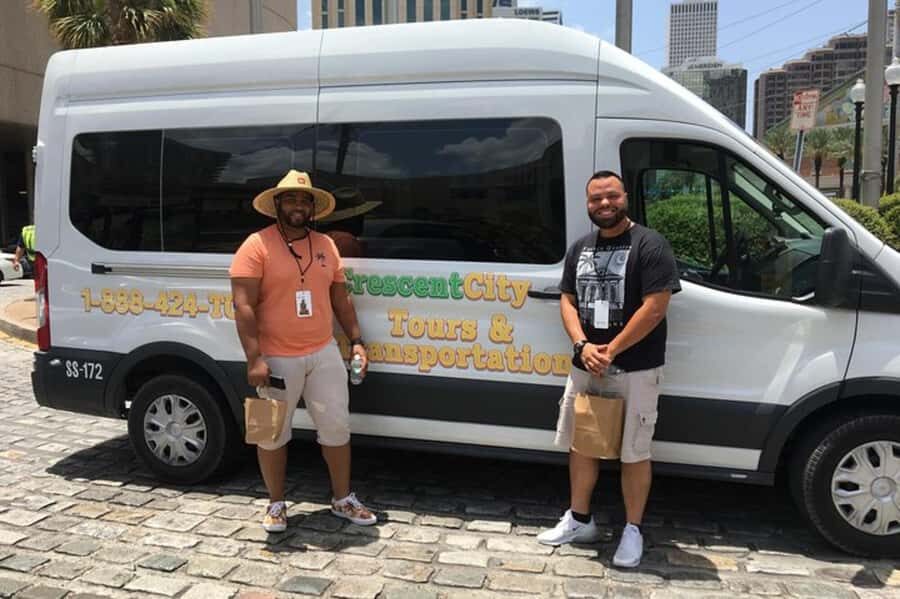
Book on GetYourGuide →Operated by Crescent City Tours & Transportation · Bookable on GetYourGuide
History hits hardest when it’s personal. This Whitney Plantation audio tour takes you through the lives of enslaved people with audio-guided stops that don’t skirt the truth. You’ll also get hotel pickup and drop-off for the 70-mile ride, so you spend your energy on the museum—not logistics.
Two things I’d bet you’ll like right away: the tour stays focused on what enslaved people endured, and it gives you a clear set of places to process that story—starting with the slave cabins and ending at the memorial. You’ll also visit Freedmen’s Church, a powerful symbol of resilience right in the middle of the site.
One consideration: it’s not wheelchair accessible, and the topic is heavy. If you’re looking for a laid-back plantation day, this is the wrong fit.
In This Review
- Key things to know before you go
- The 70-Mile Transfer: Leaving New Orleans With a Focused Schedule
- Self-Guided With an Audio Headset: How the Pace Really Works
- Slave Cabins: Where Daily Life Becomes the Starting Point
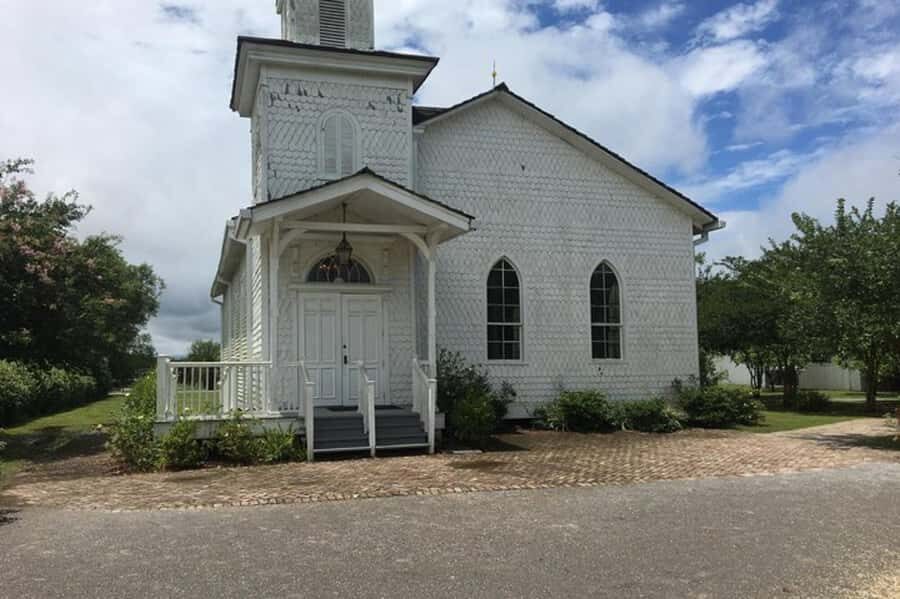
- Freedmen’s Church: Hope and Resilience in Plain Sight
- Detached Kitchen and Outbuildings: Understanding the Machine of Work
- The 1790 Owner’s House: Seeing the Disparity Without Filters
- The Memorial: Closing With Respect (Not a Quick Exit)
- 30 Minutes After the Tour: A Practical Window to Recharge
- Price and Value: Is $81 Worth It?
- Who This Tour Suits Best (And Who Should Skip It)
- Should You Book Whitney Plantation Audio Tour With Transfers?
- FAQ
- How long is the Whitney Plantation audio tour?
- Is hotel pickup and drop-off included?
- Is the tour guided by a person or audio only?
- What stops are included during the visit?
- Are meals included in the price?
- Is the tour wheelchair accessible?
Key things to know before you go
- You’ll follow a self-paced audio route with a headset, so you control the pace at each stop.
- Slave cabins come first, setting the tone with daily life, not just big-picture facts.
- Freedmen’s Church is a must-see stop for anyone wanting the story of hope and survival made visible.
- The 1790 owner’s house creates a stark contrast you can’t ignore.
- Everything is walk-connected with stops reportedly within a few blocks of each other.
- You get 30 minutes afterward for the gift shop, restrooms, or a quick snack before returning to New Orleans.
The 70-Mile Transfer: Leaving New Orleans With a Focused Schedule
The day starts with pickup from your New Orleans hotel, then a drive about 70 miles to Whitney Plantation. That ride matters more than you might think, because it gives you a quiet buffer before you walk into the museum’s story. I like that the tour isn’t just a ticket drop-off; it’s a structured outing that begins with care.
The whole experience runs about 390 minutes, which is roughly a long half-day. Plan to wear comfortable shoes and keep your expectations realistic for a museum day that covers difficult history. Also note that it’s not listed as wheelchair accessible, so you’ll want to think about your own mobility needs before booking.
You can also read our reviews of more tours and experiences in New Orleans

Self-Guided With an Audio Headset: How the Pace Really Works
Once you arrive, you’ll get an audio headset for a self-guided, self-paced visit. That format is practical because you can slow down where your attention needs to be—and move on when you’re ready. It also helps you avoid the all-too-common issue of being rushed through a site that deserves your time.
You’ll also be walking between stops that are close together—reported within about 3 to 4 blocks of each other. That’s a big deal because it keeps your energy for reading, listening, and absorbing what each place is trying to communicate. There’s no mention of guided narration in a group setting, so the headset is the heart of the experience.
The museum is designed around the lives of enslaved people, not a general plantation “view.” Based on the strongest praise from recent bookings, many people appreciate that the focus stays where it should: on enslaved people and what they endured rather than centering the owner.
Slave Cabins: Where Daily Life Becomes the Starting Point
Your first major stop is the slave cabins. This is where the tour’s tone sets itself, because it brings you into the reality of day-to-day living and the hardships that shaped it. If you’re hoping for a history visit that feels grounded, this is the part that usually delivers.
In plain terms, these cabins help you understand enslaved life as more than an abstract concept. The audio guide is used to explain working conditions and the pressure of routine under slavery. I like starting here because it prevents the story from turning into distant facts.
One practical consideration: because the topic is serious, don’t plan to multitask on your phone through the cabin sections. If you let the audio lead, you’ll get more from each room and setting.
Freedmen’s Church: Hope and Resilience in Plain Sight
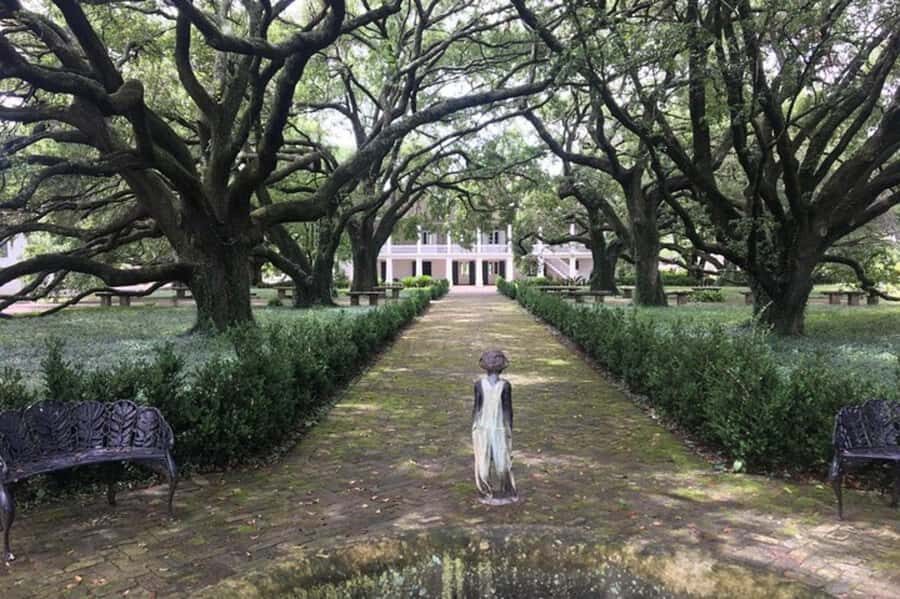
Next comes Freedmen’s Church. This stop is more than a site on a route—it’s a visible reminder that people pursued freedom and rebuilt community even after unimaginable violence. In the tour highlights, it’s called out specifically as a symbol of hope and resilience, and you’ll feel that emphasis as you listen.
I also think this is one of the most important stops for pacing emotionally. After learning about harsh conditions, Freedmen’s Church shifts the story toward survival and the human drive to find meaning and safety. The contrast helps you keep the full arc of the experience in mind.
If you prefer your history experiences to include a sense of where people went next, this is the stop that helps you do that. It’s also the kind of place where you’ll likely pause, reflect, and spend a bit longer than you intended—because the message isn’t only educational.
Detached Kitchen and Outbuildings: Understanding the Machine of Work
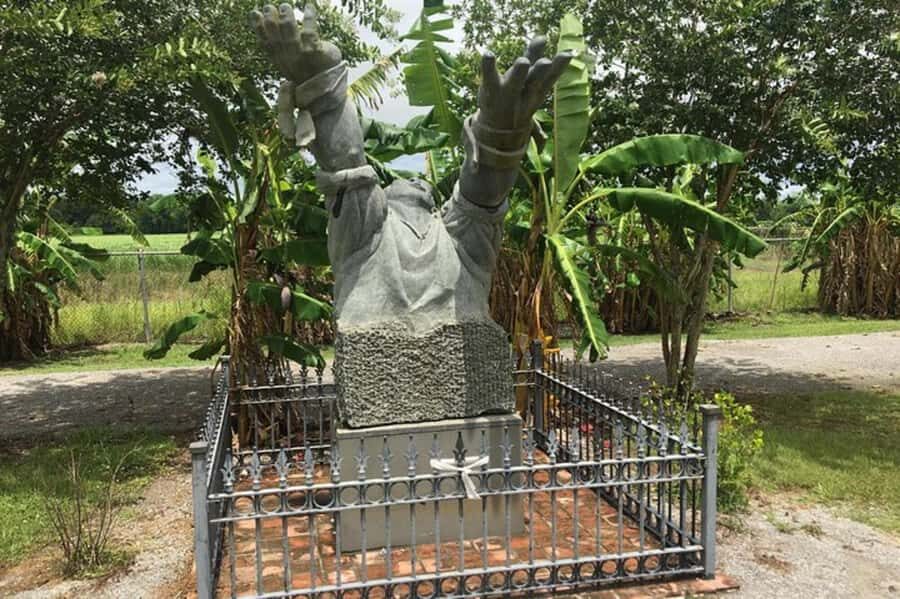
After Freedmen’s Church, you’ll head to the detached kitchen and outbuildings. This is where the tour explains how the plantation operated—through the structures that supported labor and daily production. It’s the practical side of the plantation story, but presented through the conditions endured by enslaved workers.
This portion helps you connect the dots between what you learned in the cabins and what you see in the plantation’s operational spaces. You’re not only hearing about suffering; you’re learning how the system worked to produce results. I find that this makes the history feel more concrete.
If you’re the type who likes to understand how things function—what was built for what—this stop will give you that. Just remember: function here is tied to control, forced labor, and strain on human lives.
You can also read our reviews of more tours and experiences in New Orleans



The 1790 Owner’s House: Seeing the Disparity Without Filters
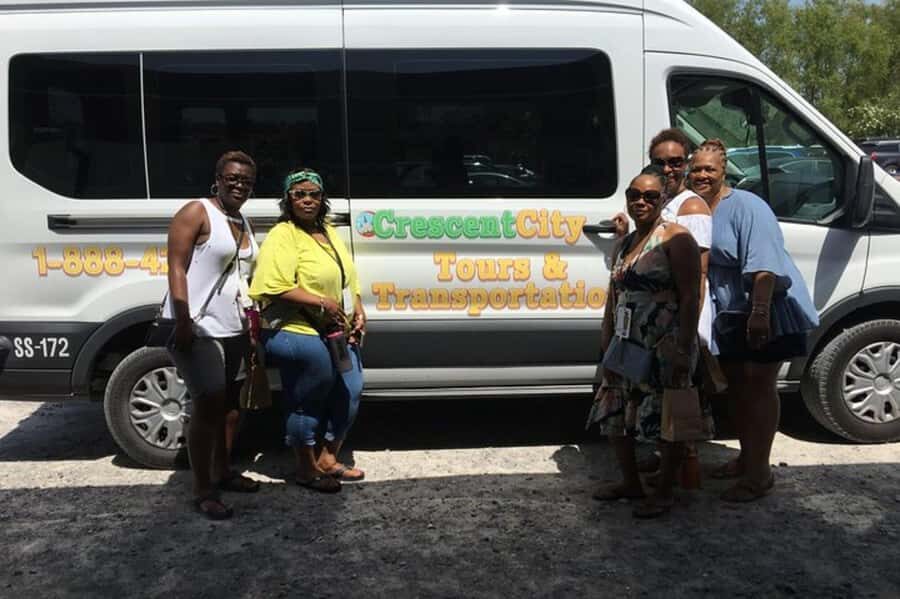
Then the tour brings you to the 1790 owner’s house. The point isn’t subtle. It’s designed to show the stark disparities of the era, letting the difference between living conditions and power structures speak for itself.
This is also where you may notice your own reaction shift. In many museum experiences, people want to “learn everything,” but a contrast like this can hit faster than words. The audio guide is there to help you interpret what you’re seeing, but you may still feel that emotional weight.
I appreciate that the tour includes this house rather than avoiding it. When you see the contrast after learning about cabins and work spaces, the story becomes harder to misunderstand.
The Memorial: Closing With Respect (Not a Quick Exit)
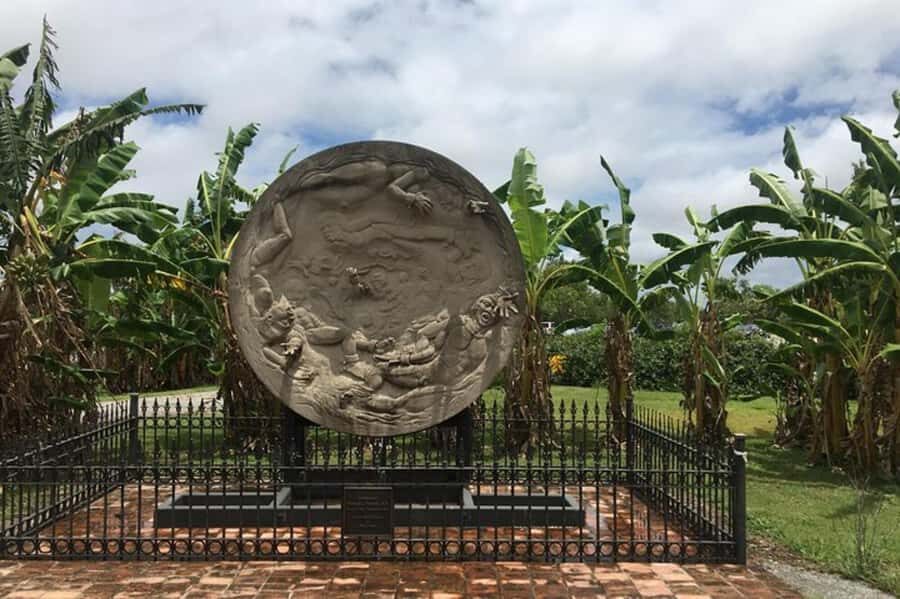
At the end, you pay your respects at the memorial honoring those who suffered under slavery. This final stop matters because it gives the experience a respectful landing point, not just a “thanks for visiting” finish.
If you’re visiting on a day when you want to keep your schedule tight, resist rushing through the memorial moment. Even without detailed instructions in the format, the design of the closing stop signals what it’s for: remembrance, reflection, and acknowledging loss.
Based on strong feedback from a verified booking, one of the top reasons people rate this so highly is the way the experience stays anchored in what enslaved people endured. The memorial is part of why that focus holds through the end.
30 Minutes After the Tour: A Practical Window to Recharge
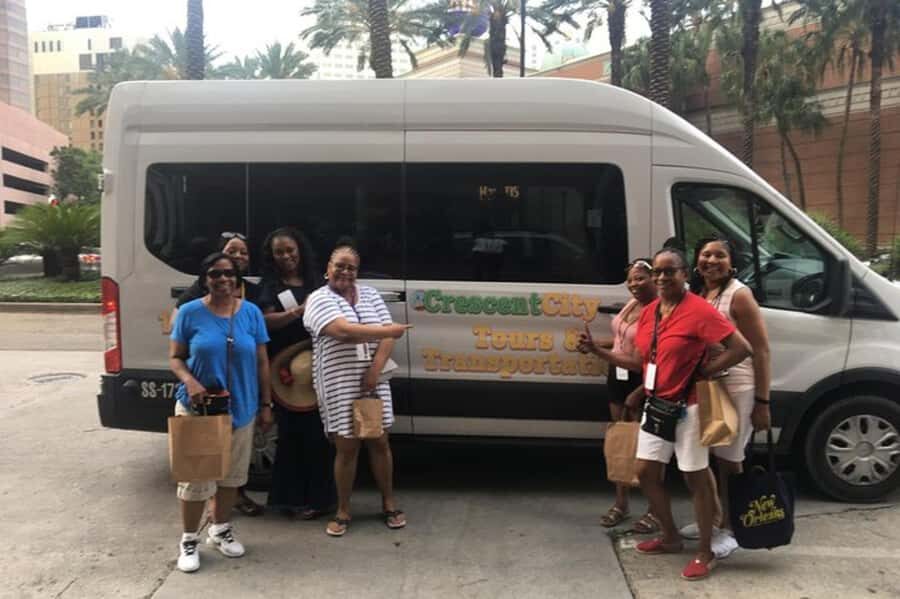
Once the audio route ends, you’ll have about 30 minutes to visit the gift shop, use the restrooms, or enjoy a quick snack before heading back to your hotel. I like this buffer because it recognizes that museum days can be draining—especially with subject matter like this.
It’s also a good chance to reset without overcommitting. You can browse or grab something small to eat, then settle back into the ride home. Since meals and beverages aren’t included, having this window for a snack is genuinely helpful.
If you’re sensitive to sound or stimulation, use that time to step away and breathe for a minute before your drive back.
Price and Value: Is $81 Worth It?
At $81 per person, this isn’t a budget outing—but it can still feel fair for what you’re getting. You’re paying for three main pieces: hotel pickup and drop-off, the entry ticket, and the audio guide.
That transfer component is a big part of the value. Whitney Plantation is about 70 miles from the French Quarter, and the tour takes you out and back without you having to manage driving, parking, or timing. In my view, that alone can turn a potentially stressful day into something manageable.
Then there’s the museum focus. The audio headset supports a self-paced route through multiple key spaces: cabins, Freedmen’s Church, kitchen and outbuildings, the 1790 owner’s house, and the memorial. That’s a lot of content for one visit, and it’s content you can’t replicate at a quick drive-by.
The one cost-related tradeoff: meals and beverages aren’t included. If you usually forget snacks until you’re hungry, bring your own small plan for what you’ll eat during that 30-minute window.
Who This Tour Suits Best (And Who Should Skip It)
This is a strong match if you want history that stays centered on enslaved lives and the reality of plantation operations. The Freedmen’s Church and the memorial create an emotional arc that doesn’t end at “this happened.” It moves toward resilience and remembrance.
It’s also a good choice if you like audio at your own pace. The self-guided setup means you’re not stuck listening to everything at once or being rushed past places that call for more time.
Skip it if you want a light sightseeing day, or if you need wheelchair-friendly access, since it’s not suitable for wheelchair users based on the activity details. And if you’re not ready for heavy subject matter, you might want a different type of New Orleans day first, then return when you feel emotionally prepared.
Should You Book Whitney Plantation Audio Tour With Transfers?
I’d recommend booking if you want a thoughtful, structured visit that doesn’t treat slavery as a side note. The route covers the key spaces you should understand—slave cabins, Freedmen’s Church, the work areas, the 1790 owner’s house, and the memorial—so you leave with a clearer mental map of how the plantation system functioned and what it cost.
I’d be cautious if you’re expecting a classic plantation tour vibe. This one is different by design: it’s built to focus on the lives, struggles, and working conditions of enslaved people. If that focus is what you’re seeking, the $81 price becomes easier to justify because the transfers and audio guide take a lot of friction off your day.
If you can handle a serious museum experience and want New Orleans to include real history beyond the postcard version, this is one of the best ways to do it.
FAQ
How long is the Whitney Plantation audio tour?
The duration is listed as 390 minutes.
Is hotel pickup and drop-off included?
Yes. Pickup and drop-off are included, and pickup is available from most New Orleans hotels (if yours is not listed, you choose the nearest option).
Is the tour guided by a person or audio only?
It uses an audio guide. You’ll receive an audio headset for a self-guided, self-paced tour at the plantation.
What stops are included during the visit?
The experience includes the slave cabins, Freedmen’s Church, the detached kitchen and outbuildings, the 1790 owner’s house, and a memorial honoring those who suffered under slavery.
Are meals included in the price?
No. Meals and beverages are not included.
Is the tour wheelchair accessible?
No. It is not suitable for wheelchair users.