REVIEW · NEW ORLEANS
Self Guided Walking Tour of New Orleans’ Historic Garden District
Book on Viator →Operated by VoiceMap Audio Tours · Bookable on Viator
One hour is enough time to get the Garden District feeling right. This self-guided route uses the VoiceMap app so you can follow narration tied to your exact location, with offline access for audio and maps. You’ll see standout architectural details and a string of movie-and-TV connections, without paying for a live guide or being stuck in a crowd. The main thing to watch: the pace is easy, but some sidewalks can be uneven if you have mobility concerns.
I love that the route is built for flexibility. You can stop when something catches your eye, then continue right when you’re ready, and the app helps you stay on track. If you’re the type who likes your own timing (and doesn’t want to coordinate with strangers), this fits well. One possible drawback: it requires a smartphone and headphones, which means you’ll need to bring your own tech and keep it charged.
In This Review
- Key Highlights You’ll Actually Feel On the Walk
- Why This Garden District Walk Feels Different From a Typical Tour
- Price and Timing: What You’re Really Paying For
- Start at Rink Shopping Center, Finish by Lafayette Cemetery No. 1
- How VoiceMap Works While You Walk (And How to Use It Smoothly)
- The App-Led Route: What You See Block by Block
- Beginning Signal: Rink Shopping Center and the Garden District Entry
- Briggs-Staub House: Notice the Architecture Even When You’re Just Passing
- New Orleans Opera Guild Home: Greek Revival and a Movie Moment
- Louise S McGehee School: A Cultural Layer on the Residential Streets
- Buckner Mansion: Largest Pre-Civil War House and a Horror TV Connection
- Seven Sisters Houses: Bust the Myth While You Look
- Pritchard-Pigot House: When Design Looks Like Modern Comedy
- Carroll-Crawford House and Warwick Manor: More Residences, More Visual Rhythm
- Camp and Third Street Corner: A Layout Moment
- Montgomery-Hero House: Built for Archibald Montgomery
- Walter Grinnan Robinson House: First Home With Indoor Plumbing
- Commander’s Palace Nearby: A Culinary Famous Name Along the Way
- Final Moment: Lafayette Cemetery No. 1
- What This Tour Is Best At (And What It Can’t Do)
- Who Should Book This Garden District Audio Walk?
- Should You Book This Garden District Tour?
- FAQ
- FAQ
- How long does the Garden District self-guided walk take?
- What does the tour cost?
- Where does the tour start and end?
- Is the tour available in English?
- Do I need an internet connection during the walk?
- Do I need to bring a smartphone and headphones?
- Is this a private experience?
- Is the tour suitable for most people?
- Is the tour refundable?
- Can I use public transportation near the tour area?
Key Highlights You’ll Actually Feel On the Walk
- GPS-guided narration that starts at the right places as you walk
- Offline audio, maps, and geodata, handy in areas where signal can be spotty
- Lifetime access to the tour, so you can repeat it later when you notice new details
- Movie and TV crossover spots, from Django Unchained to American Horror Story
- A short route designed for about 1 hour to 1 hour 15 minutes of walking
- Clear, flexible pacing, so you can pause for photos or move on quickly
Why This Garden District Walk Feels Different From a Typical Tour

The Garden District is often described like a postcard: big houses, leafy streets, and that careful mix of old wealth and local character. The value here is that you’re not just driving by or passively reading plaques. You’re doing a short, guided stroll where the audio is tied to where you are right now.
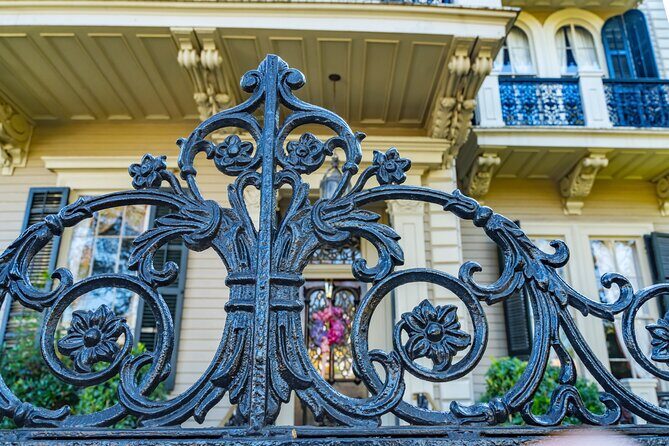
That matters because Garden District details are the kind you miss if you’re rushing. Look at doorways, galleries, ironwork, and the way the streets slope and curve. With a self-guided audio format, you can slow down at the exact moments you want, then keep moving when you’d rather see more.
And at $7.49 per person, it’s hard to beat. You’re basically paying for a structured, location-aware route that you can reuse. For a neighborhood like this—where the “real” experience is wandering the blocks—having a plan without forcing a group schedule is a smart way to spend money.
You can also read our reviews of more walking tours in New Orleans



Price and Timing: What You’re Really Paying For
This is positioned as a budget-friendly walking experience: $7.49 per person, in English, designed for about 1 hour to 1 hour 15 minutes. That duration is a sweet spot. Long enough to see multiple historic homes and architecture styles, short enough that you can roll it into a bigger day of New Orleans sightseeing.
Also important: this tour doesn’t expire. With lifetime access, you can come back later and run it again when you’ve learned the neighborhood better. That changes the value equation. You’re not buying one moment—you’re buying a repeatable route.
Start at Rink Shopping Center, Finish by Lafayette Cemetery No. 1
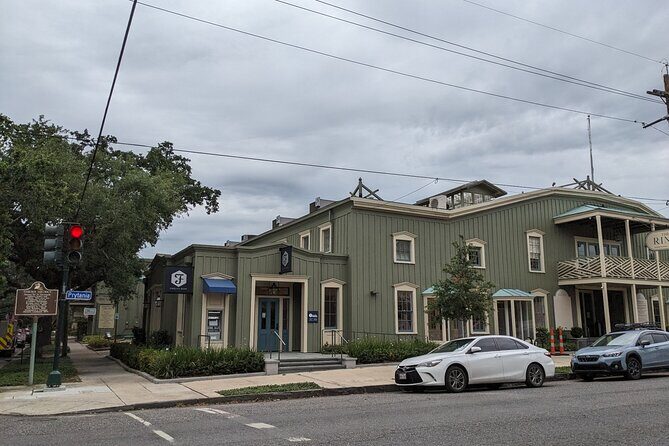
The walk begins outside the Rink Shopping Center, 2727 Prytania St, and it ends outside Lafayette Cemetery No. 1, at 1427 Washington Ave.
That start-to-finish setup is useful because it naturally steers you through the Garden District core and delivers you to a major landmark at the end. If you’re planning a day, you can use that ending point to continue with other neighborhood activities (especially cemetery and nearby sightseeing).
One practical note: the tour is available every day, with hours listed as 12:00 AM to 11:59 PM, so you’re not locked into a narrow departure time.
How VoiceMap Works While You Walk (And How to Use It Smoothly)
Included with the tour is the VoiceMap app for Android and iOS, plus offline access to audio, maps, and geodata. So the plan is simple: download, open, follow the prompts.
The biggest win is that the app is designed to help you avoid the most annoying part of self-guided tours: getting lost and then losing the plot. When your phone knows where you are, the narration is meant to start at the right locations so you can connect each stop to what you’re seeing outside your window.
A few practical tips to make this run better:
- Bring a charged phone. If your battery is low, your “guide” is effectively offline-disabled.
- Consider headphones. The tour doesn’t include them, so bring your own to keep the audio clear and hands-free.
- Stay calm if you need a quick backtrack. The route is straightforward, but if you miss the exact spot where narration triggers, you may have to retrace a step or two to re-sync.
The App-Led Route: What You See Block by Block
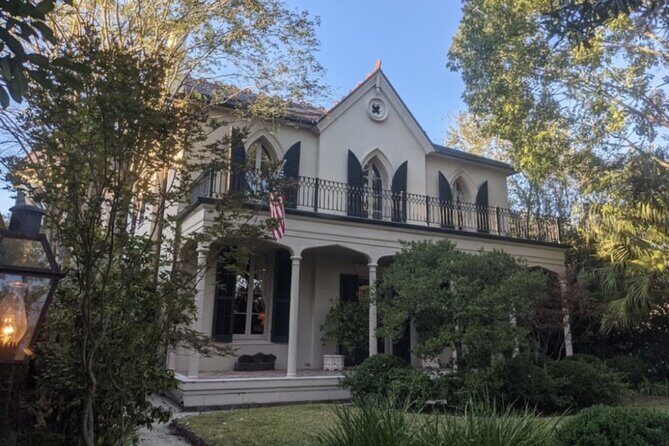
This is a neighborhood walk with a mix of true stops and “pass-by” moments. Either way, the goal stays the same: help you notice architecture and stories as you go.
Below is the experience as you’ll encounter it, from the start point toward the cemetery.
You can also read our reviews of more guided tours in New Orleans






Beginning Signal: Rink Shopping Center and the Garden District Entry
You start outside the Rink Shopping Center and pass the Garden District sign. It’s not listed as a stop, but it’s a good mental cue: you’re officially in the Garden District zone now.
Right away, you’ll get the vibe—quiet streets, old-style residential streetscapes, and plenty of places to stop and look up. If you like details, this is the part where you’ll start seeing the patterns: spacing of houses, the use of balconies and galleries, and the way the neighborhood feels planned.
Briggs-Staub House: Notice the Architecture Even When You’re Just Passing
As you walk, you’ll catch sight of the Briggs-Staub House. Not a designated stop, but it adds to the architectural narrative of the area.
This is the kind of building that rewards looking from the sidewalk. Even if you don’t go inside, you can often spot features that define the era: façade proportions, window rhythm, and how the house relates to the street.
New Orleans Opera Guild Home: Greek Revival and a Movie Moment
Next up is the New Orleans Opera Guild Home, featuring an 1850 Greek Revival double gallery. It’s a pass-by, but it’s also one of the most story-rich moments on the route.
Why this one matters: it’s known for appearing in Django Unchained. So when you look at the structure here, you’re not just seeing history—you’re seeing a recognizable film location that helps you understand how the neighborhood gets framed in popular culture.
If you’re a movie fan, take an extra minute here. You’ll likely spot elements that make the building feel dramatic and symmetrical, the kind of look film directors love.
Louise S McGehee School: A Cultural Layer on the Residential Streets
You also pass by the Louise S McGehee School. Again, not a designated stop, but it adds a cultural and educational layer to the walk.
This is a good reminder that the Garden District isn’t only about mansions. The neighborhood has long been a place where institutions—and daily life—fit alongside big homes.
Buckner Mansion: Largest Pre-Civil War House and a Horror TV Connection
Pause at Buckner Mansion, described as the largest house built before the Civil War. This is a true highlight, and it comes with serious pop-culture pull: it appeared on American Horror Story.
When you’re standing here, don’t treat it like just a photo op. Think about scale and age. The fact that this existed before the Civil War gives you a different lens on the neighborhood: these streets weren’t created overnight, and they kept evolving while holding onto major landmark homes.
If you want a little contrast, compare the vibe here to the smaller details you notice on the other residences. Buckner is the big anchor.
Seven Sisters Houses: Bust the Myth While You Look
You’ll pass by the Seven Sisters houses, and the tour specifically calls out a myth: it’s not true that a father built them for his seven daughters to live side-by-side.
My advice: use this moment to train your eyes. Instead of trying to force the story into the shapes, let the architecture do the talking—house frontage, uniformity, and how the units relate to the street.
These kinds of myth-busting stops are valuable because they keep you from building your understanding on a romantic story that doesn’t match reality.
Pritchard-Pigot House: When Design Looks Like Modern Comedy
Next is the Pritchard-Pigot House, described as possibly resembling a frat house. It’s a stop that mixes historical context with architectural appreciation.
This one is fun because it gives you permission to look at the building like a design object, not just a date on a timeline. If your eyes tend to glaze over at architectural terms, this sort of “it looks like X” framing helps you stay engaged.
Carroll-Crawford House and Warwick Manor: More Residences, More Visual Rhythm
You’ll walk by the Carroll-Crawford House and Warwick Manor. They aren’t designated stops, but they matter because the Garden District experience is a pattern. You’re watching the neighborhood repeat themes—galleries, façades, and street-facing details—while still showing variety.
If you’re the type who loves variety within a style, these pass-by moments give you that slow, rewarding comparison.
Camp and Third Street Corner: A Layout Moment
As you continue, you pass the corner of Camp and Third Street. Not a designated stop, but it helps you understand the neighborhood layout and how blocks connect.
Corners are useful on self-guided routes. They’re where you naturally re-orient yourself, so the app narration feels more grounded in the real-world street grid.
Montgomery-Hero House: Built for Archibald Montgomery
Pause at the Montgomery-Hero House, described as constructed for the president of the Crescent City Railroad, Archibald Montgomery.
This is the kind of stop that turns architecture into a social story. It’s not just a pretty building. It reflects who had power in the city’s earlier transportation era and how wealth translated into built form.
When you’re here, try to notice whether the house reads as practical and public-facing in any way, or more private and display-oriented. That tension tells you something about the person it was built for.
Walter Grinnan Robinson House: First Home With Indoor Plumbing
Next is the Walter Grinnan Robinson House, described as the first home to feature indoor plumbing.
This stop is easy to overlook if you’re only chasing grandeur. But indoor plumbing changes daily life. It’s one of those “quiet inventions” that makes a building feel more than just decorative.
If you’re traveling with someone who likes practical history, this is a strong moment. It brings you closer to what daily routines might have looked like when the neighborhood was developing.
Commander’s Palace Nearby: A Culinary Famous Name Along the Way
You’ll pass by Commander’s Palace, a renowned Garden District restaurant. It’s not a designated stop, but it adds a contemporary anchor.
Even without eating there, this moment helps you connect past and present. The Garden District isn’t frozen in time—it’s a living neighborhood where history and modern fame overlap.
Final Moment: Lafayette Cemetery No. 1
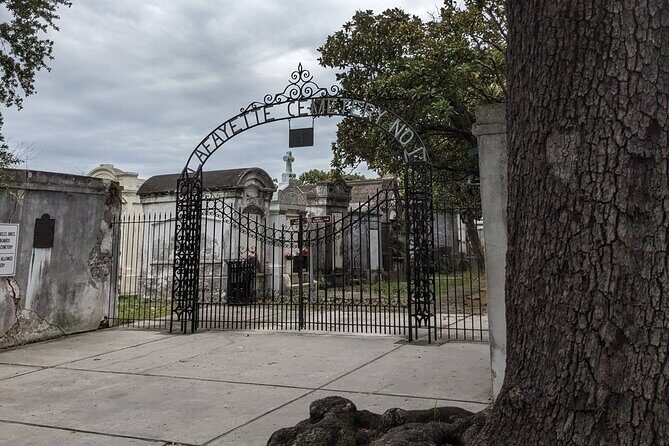
The tour ends outside Lafayette Cemetery No. 1. This ending point gives you a natural pause before you move on to other cemetery sightseeing or nearby attractions.
Cemeteries in New Orleans aren’t just somber. They’re also architecture, family history, and local identity. Ending here makes sense because you can finish your walk with a broader sense of how the city remembers people.
What This Tour Is Best At (And What It Can’t Do)
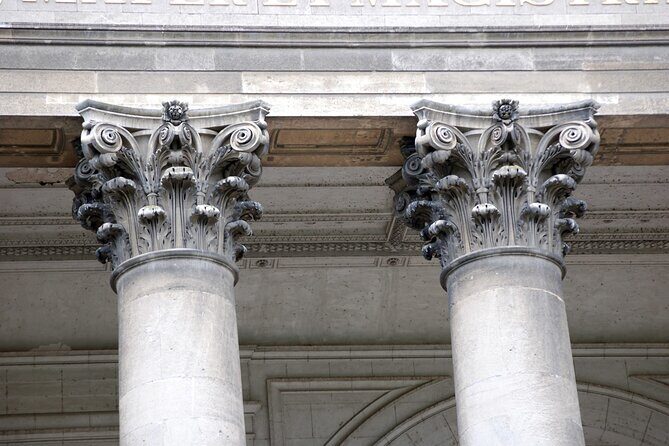
This self-guided audio format is at its best when you want:
- control over pace (slow down for photos, speed up when you want more blocks)
- repeat learning thanks to lifetime access
- structured discovery without paying for a live guide
It’s less ideal if you need:
- a wheelchair-friendly route with guaranteed smooth surfaces (some pavements can be uneven)
- a high-touch human explanation at each stop
Also, since it’s self-guided, you won’t get spontaneous answers to niche questions on demand. The narration gives you a solid flow, but it won’t adapt like a person would.
Who Should Book This Garden District Audio Walk?

I’d book this if you:
- want an affordable way to see Garden District landmarks without coordinating a group
- like architecture and want the audio to point out what to notice
- are comfortable navigating on your own with a phone map
- want something quick that still feels like you learned something
It can also work nicely for couples who want a shared walk that doesn’t force conversation with strangers. If you’re anxious about group settings, the independent pacing is a big plus.
And if you’re traveling with kids or friends, just be ready to manage phone time and outdoor walking together.
Should You Book This Garden District Tour?
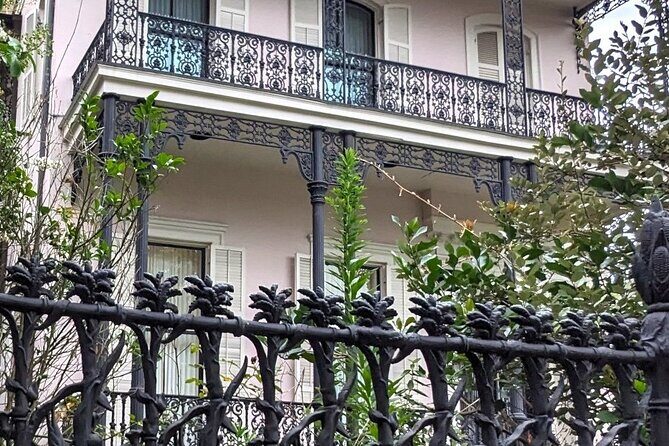
Yes, if you want a low-cost, high-flexibility way to experience the Garden District with location-aware narration. The combination of offline audio/maps, a route designed for about an hour to an hour and a quarter, and the chance to see big architectural names plus pop-culture touchpoints makes the $7.49 feel fair.
If you’re sensitive to uneven sidewalks, plan to take it slow and keep your route expectations realistic. And if you don’t want the hassle of managing a phone and headphones, consider a different format.
FAQ
FAQ
How long does the Garden District self-guided walk take?
It’s designed for about 1 hour to 1 hour 15 minutes.
What does the tour cost?
The price is $7.49 per person.
Where does the tour start and end?
It starts outside the Rink Shopping Center at 2727 Prytania St, New Orleans, LA 70130, and it ends outside Lafayette Cemetery No. 1 at 1427 Washington Ave, New Orleans, LA 70130.
Is the tour available in English?
Yes, it’s offered in English.
Do I need an internet connection during the walk?
No. The tour includes offline access to audio, maps, and geodata.
Do I need to bring a smartphone and headphones?
Yes. A smartphone and headphones are not included.
Is this a private experience?
Yes. Only your group will participate.
Is the tour suitable for most people?
Most travelers can participate, and service animals are allowed.
Is the tour refundable?
No. This experience is non-refundable and cannot be changed for any reason.
Can I use public transportation near the tour area?
Yes. It’s near public transportation.