REVIEW · NEW ORLEANS
Small-Group Manchac Swamp Kayak Tour with Local Guide
Book on Viator →Operated by Wild Louisiana Tours LLC · Bookable on Viator
Paddling into the bayou changes your pace fast. This small-group Manchac Swamp kayak tour mixes easy, guided paddling with local stories—about Louisiana wildlife and the lost logging ghost town of Ruddock—while you glide through slow water only minutes away from New Orleans. I also like that the route is paced for all kayaking skill levels, with extra time for first-timers when needed, so you’re not left flailing in the marsh. One consideration: the trip can feel chilly or wet in cooler months, and a few people found it harder to hear the guide at times (especially when the wind picks up or the group gets larger).
You’ll start with a quick orientation and then follow your guide into the swamp, where stops along the way turn “just paddling” into a real nature and history walk—without getting stuck in a classroom. Many outings have turned into wildlife spotting moments, from owls and herons to small gators, plus plenty of plants to identify. Go in rested, wear the right gear, and this tour feels like a peaceful reset from city noise.
In This Review
- Key Highlights Before You Go
- Manchac Swamp Kayaking: The Actual Feel of This Trip
- Getting There: St. Roch Market to Wild Louisiana Launch
- On the Water: How the Paddling Part Works
- Stops and Stories: Ruddock and Explorer Routes in Context
- Wildlife Spotting: What You Can Watch For (and How)
- Plants, Water, and the Bayou Soundtrack
- Who This Kayak Trip Fits Best
- What to Bring: Sun Gear, Water, and Cold-Weather Prep
- Price and Value: Is $93 Worth It?
- Group Size and Pacing: Why It Can Feel Different Day to Day
- Guides You Might Meet: What Makes Their Style Work
- Should You Book This Manchac Swamp Kayak Tour?
- FAQ
- How long is the Manchac Swamp kayak tour?
- Where do I meet for the tour?
- Do beginners need prior kayaking experience?
- How many people are in each group?
- What wildlife might I see on the paddle?
- What should I bring or wear?
- What happens if weather is bad or I need to cancel?
Key Highlights Before You Go
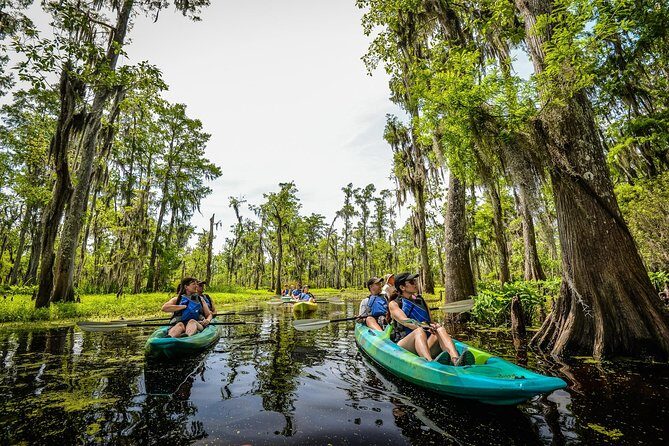
- Small group setup (max 14): you get more attention and less crowding on the water.
- Naturalist-style guiding with named guides: people share standout experiences with guides such as AJ, Terry, Gerald, Josh, Zack, and Wild Al.
- History woven into the paddle: Ruddock, plus New Orleans explorer routes tied to Iberville and Biennville.
- Wildlife you can realistically hope for: sightings often include alligators, turtles, and multiple bird species.
- Weather-dependent timing: it requires good weather, but you’ll be offered an alternate date or a refund if it cancels for poor conditions.
Manchac Swamp Kayaking: The Actual Feel of This Trip
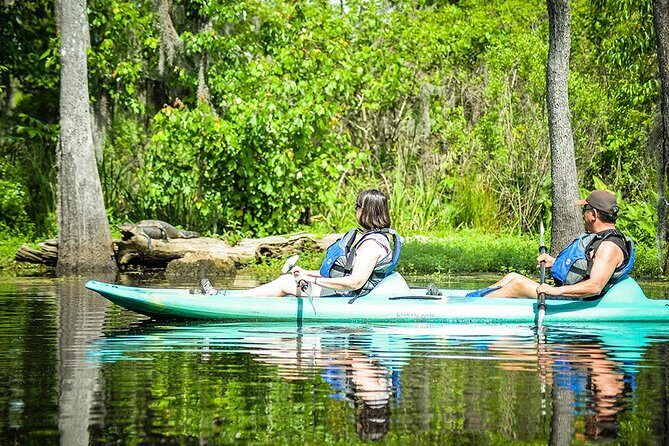
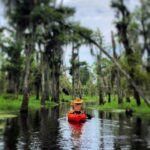
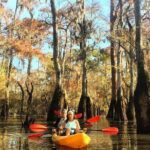
This is the kind of NOLA activity that doesn’t ask you to “perform.” You sit in a kayak, get shown the basics, then spend 2 to 3 hours moving through a swamp that’s slow enough to let your eyes catch details. The Manchac Swamp area is more than pretty water on a map—it’s a working ecosystem, with thick vegetation, small channels, and wildlife that tends to show up when you slow down and look.
The guide’s role matters here. The tour is built around learning—Louisiana plants, local wildlife, and swamp history—so you’re not just hoping for a gator. Many people also note that the guides help you scan for wildlife yourself, which turns a one-off outing into a skill you keep using after you’re off the water.
The other part I appreciate is pacing. Even with mixed experience levels, the tour is designed so beginners can participate, and more time gets added when someone’s brand-new. If you’re very fit and used to kayaking, you’ll still get exercise, but the goal stays calm and scenic rather than racing.
You can also read our reviews of more guided tours in New Orleans

Getting There: St. Roch Market to Wild Louisiana Launch
Your day starts at one of two points. You can be picked up at the historic St. Roch Market right outside the French Quarter, or you can drive yourself to the meeting area at 732 N Rampart St (with a roughly 30-minute transfer to the launch). If you drive out on your own, you can usually leave as soon as you’re back at the launch site after the paddle.
This “city meets swamp” format is practical. The ride time is short enough that you don’t lose your whole afternoon to logistics, and it keeps the group together, which helps with instructions and timing. Uber is allowed, but not recommended, which usually means the pickup/drop-off rhythm works better with the tour’s plan.
One small reality check: if you’re planning on taking a late afternoon paddle, build in buffer time. A couple of people pointed out that the pace can vary when the group has slower paddlers, so arriving early helps you stay relaxed.
On the Water: How the Paddling Part Works
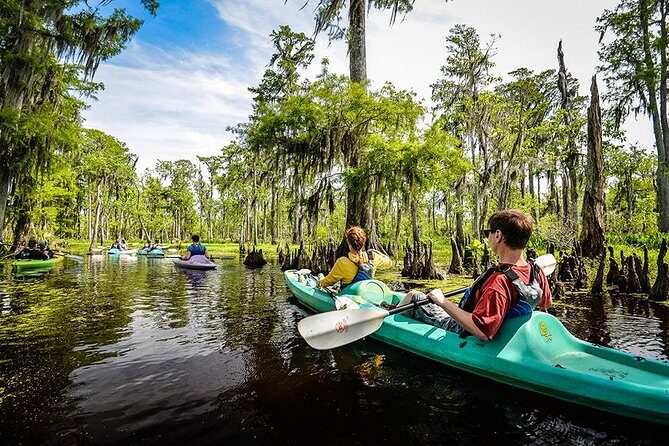
Once you reach Wild Louisiana Launch, you get a kayaking intro and then you head into the swamp with your guide. Expect a slow-moving route. You aren’t doing rapids or heavy technical maneuvers. Instead, you’ll follow the guide’s line and adjust your pace to match the group.
For first-time kayakers, this trip tends to work because the instruction is tied to the real movement you’ll do next. People noted they received extra time to learn the process before settling into the paddle rhythm. That’s huge, because swamp kayaking isn’t the same as renting a kayak on a lake—you’re in narrow, plant-lined water where steering and balance matter.
Some guests also suggested that not everyone always hears the guide clearly. If you know you struggle with audio, bring a little patience: position yourself well when the guide talks, and don’t be afraid to ask for repeats after brief stops.
Stops and Stories: Ruddock and Explorer Routes in Context
Here’s what makes this more memorable than a basic “look at trees” paddle: the guide ties the scenery to Louisiana stories. The swamp route is connected to Ruddock, a destroyed logging ghost town, and it also relates to waterways used by early New Orleans explorers such as Iberville and Biennville. You’re basically learning how people once moved through these same corridors—long before the modern roads and maps.
Along the paddle, stops are made so the guide can point out wildlife, explain plants, and add context for what you’re seeing. That structure is helpful. If the whole experience were one long uninterrupted glide, you’d miss the chance to connect names to sightings.
The drawback is that story time depends on group flow. When paddlers spread out or some pairs move slower, the pace can shift. That doesn’t ruin the experience, but it can affect how long you stay on the water and how quickly you get back to New Orleans.
Wildlife Spotting: What You Can Watch For (and How)
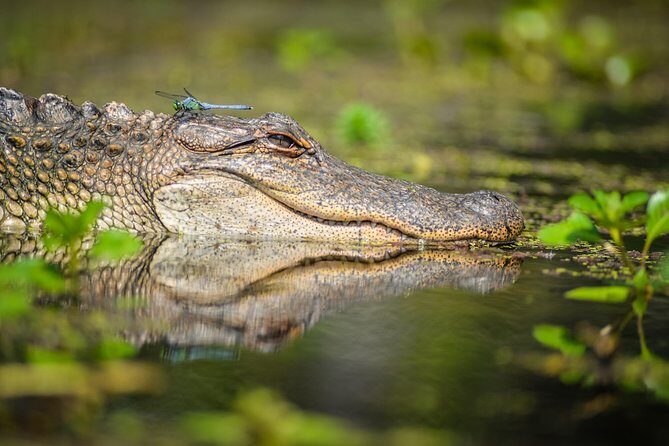
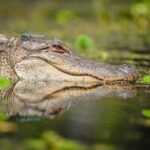
This tour earns strong marks for seeing wildlife. People report spotting alligators of different sizes, turtles, and birds that include owls, bald eagles, herons, hawks, and woodpeckers. There are also small surprises like blue crabs and even a frog hopping onto a kayak. Spiders show up too, so yes, you can expect some “nature close-up” moments.
How do you increase your odds? The best advice you’ll get is to scan and slow down. Several people specifically said their guides taught them to look actively rather than just paddling past everything. If you can, take the guide’s instruction literally: pause when asked, look where vegetation breaks the water surface, and watch for movement before you assume it’s nothing.
Also, remember that wildlife isn’t guaranteed. In winter, for example, some people reported fewer sightings. That doesn’t mean it’s a bad trip—it just means you should adjust expectations and focus on birds and plants that remain active year-round.
You can also read our reviews of more tours and experiences in New Orleans
Plants, Water, and the Bayou Soundtrack
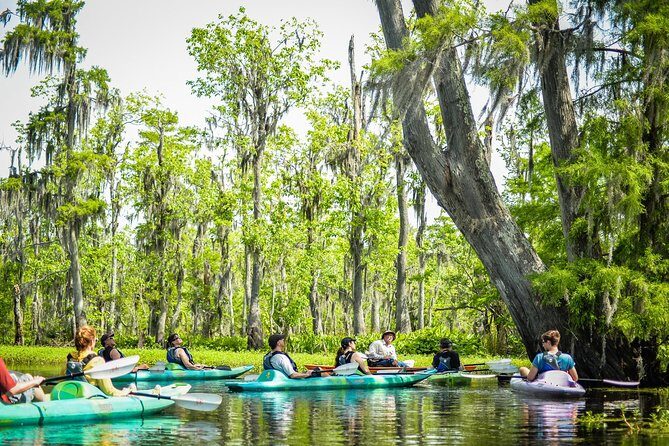
The Manchac Swamp isn’t just about animals. Guests repeatedly praise the plant identification part—names and how each plant relates to the swamp environment. That matters because plants are what create the habitat where wildlife lives. When you learn what you’re looking at, you start understanding the whole system instead of treating it like scenery.
The soundscape is part of the value too. People mention the calm, nature-first atmosphere that feels like a break from city noise. Even when there’s nearby highway sound in some areas, the overall experience still leans toward peaceful, close-range observation.
If you’re the type who likes to take photos, you’ll probably enjoy this format. Because the guide pauses and points, you get moments to capture what you see—especially when wildlife pops up unexpectedly.
Who This Kayak Trip Fits Best
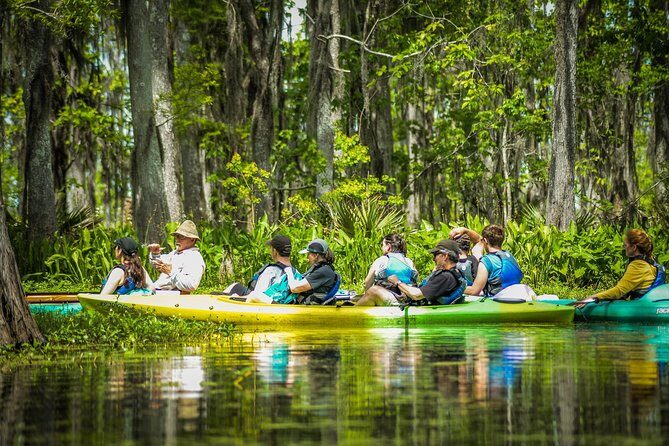
I see this tour as a great choice if you want a guided nature experience without needing advanced paddling skills. It’s described as suitable for all skill levels, and first-timers can get extra time to learn the kayak routine. If you’ve kayaked before, you’ll likely find the paddle manageable, and you can still get your muscles working, but it’s not a grind.
It’s also a good match for people who enjoy history but don’t want a lecture-only outing. The ghost-town connection to Ruddock and the reference to explorer routes gives the swamp meaning beyond the present landscape. If you like understanding how a place got shaped by transport routes and industry, this does that in a human, story-driven way.
If you’re extremely sensitive to cold or wet conditions, plan carefully. One review noted a chilly experience where the group got uncomfortable because they weren’t told how wet and cold it could get. That doesn’t mean the tour is unsafe or miserable—it just means you should prepare like you’ll get soaked.
What to Bring: Sun Gear, Water, and Cold-Weather Prep
Bring water. People explicitly recommend it, and it makes a difference when you’re paddling for 2 to 3 hours in sun or cool air. Eat and hydrate before you go too, and try not to schedule intense workouts beforehand—several suggestions point out that the paddle can use muscles you don’t normally use.
Clothing is the big one. Wear something comfy, and plan on protective sun gear like sunglasses and a hat. For cold or shoulder-season paddles, consider waterproof clothing and gloves if you run warm only on dry land. At least one guest wished they had known about the wet, cold side of the experience and suggested waterproof layers and gloves.
A practical approach: dress in layers that you can keep on even if you get water splashed onto you. If the tour is in cooler months, pack a change of dry clothes if you want comfort after the pickup.
Price and Value: Is $93 Worth It?
At $93 per person for a 2 to 3 hour guided kayak tour, the price makes sense when you count what’s included. You get a professional guide, round-trip transportation from the New Orleans meeting points, and the kayak swamp experience itself. For a small group capped at 14, that’s a lot of guide attention baked into the cost.
When I look for value in tours like this, I weigh three things: time on the activity, quality of guiding, and how much the logistics hassle costs you. Here, the time is clear (about 2 to 3 hours), the guiding is a big part of the promise (history, wildlife, plant ID, and frequent stops), and transportation removes a key headache.
Could it feel pricey if you’re mainly after adrenaline? Yes. This is calm, scenic work. But if you want wildlife and story on the water—and you like a structured small-group setting—this pricing is in the ballpark for what you’re actually getting.
Group Size and Pacing: Why It Can Feel Different Day to Day
With a maximum of 14 people, this isn’t a huge cattle-call situation. Still, group dynamics can shift the experience. One common theme is that the pace can slow down when paddlers are less comfortable or physically slower, which can affect how on-time the return feels.
That’s also why matching is handled carefully. Some guests mentioned kayak pairing and seating/balance issues for larger paddlers that influenced the flow. Most guides can help, but kayaking is physical and teamwork matters—one person steering while another stabilizes can change how easy the route feels.
If you want the smoothest ride, come rested, listen during setup, and be honest about where you’re starting from. That makes it easier for the guide to keep everyone safe and comfortable.
Guides You Might Meet: What Makes Their Style Work
One of the best parts of this tour is that guides aren’t just repeating facts. Multiple guests name guides and highlight their delivery style—calm pacing, hands-on tips, plant and wildlife spotting, and history stories that make the swamp feel alive. People specifically mentioned guides including AJ, Gerald, Josh, Zack, Terry, and Wild Al.
You can also tell the guides care about helping you see things. Many reviews describe the guides checking that you notice what’s around you and coaching you to scan. If you enjoy learning without feeling rushed, that “stop, point, explain, continue” rhythm is a big reason this earns a 4.8 rating with strong recommendations.
If you’re worried about hearing the guide, go in with the mindset that you’ll need to lean in during stops. Also, ask a question if you didn’t catch something. A good guide will adjust and repeat.
Should You Book This Manchac Swamp Kayak Tour?
I think you should book it if you want a calm, guided paddle that mixes wildlife watching with swamp history. It’s built for different experience levels, it stays small, and it includes transportation so you don’t spend your limited time in New Orleans fighting rides and directions. If you like learning about plants and you want a nature break with real local flavor, this is a strong pick.
Skip it or prepare extra if you’re very sensitive to getting wet or cold, or if you need crystal-clear audio during instruction. Also, if you’re expecting guaranteed big wildlife sightings every time, keep expectations flexible. The swamp is wild; your reward is the chance to see gators, turtles, and birds in their own environment, plus the stories that explain how people used these waters long ago.
If you’re the type who does well with outdoor pacing—rest, hydrate, and look around—you’ll probably come away with sore arms in a good way and a new respect for Louisiana’s waterways.
FAQ
How long is the Manchac Swamp kayak tour?
It runs about 2 to 3 hours, depending on the group’s kayaking experience and how the paddle progresses.
Where do I meet for the tour?
You meet at 732 N Rampart St, New Orleans, LA 70116. Pickup can also be available at the historic St. Roch Market outside the French Quarter.
Do beginners need prior kayaking experience?
The tour is suitable for all kayaking skill levels. If you’re new, you should expect extra time to learn the kayak process before settling into the paddle.
How many people are in each group?
There is a maximum of 14 people per booking, keeping things small.
What wildlife might I see on the paddle?
Sightings mentioned include alligators, turtles, and a range of birds such as owls, bald eagles, herons, hawks, and woodpeckers. You may also see smaller wildlife like blue crabs, and the exact sightings depend on conditions.
What should I bring or wear?
Bring water. Wear comfy clothing and protect yourself from the sun with items like sunglasses and a hat. If the weather is cool, consider waterproof clothing and gloves since some people found the tour wet and cold when they weren’t prepared.
What happens if weather is bad or I need to cancel?
The tour requires good weather. If it’s canceled due to poor weather, you’ll be offered a different date or a full refund. You can cancel up to 24 hours in advance for a full refund.