REVIEW · NEW ORLEANS
French Quarter History and Landmark Waking Tour
Book on Viator →Operated by Livery Tours · Bookable on Viator
French Quarter facts come with spooky echoes. This 2-hour walk pairs French colony roots with street legends and a cemetery visit that explains why New Orleans remembers the way it does. I love how the tour connects big themes like Catholic influence and voodoo practice to specific spots you can point at today, and I love that you actually see St Louis No. 1 above-ground tombs instead of just hearing about them.
One thing to plan for: you’re on your feet most of the time, and the cemetery can be hot and exposed, with limited shade. Bring comfortable shoes and a hat, and you’ll have a much better experience.
In This Review
- Key Things That Make This Tour Worth Your Time
- A Two-Hour Walk That Turns Landmarks Into Stories
- Starting Point at 540 Chartres St and What Your Timing Looks Like
- Catholic Influence: Why New Orleans Looked the Way It Did
- Royal Street and Bourbon Street: Two Sides of the Same Story
- Jackson Square, the French Market, the Cabildo, and Café du Monde
- Congo Square: From Pre-Colonial Roots to a Long Legacy
- St Louis No. 1 Cemetery: Above-Ground Tombs and Careful Context
- The Guides: The Tour’s Real Secret Sauce
- Price and Value: Why $30 Can Be a Smart First-Day Move
- Comfort Tips That Actually Matter in This Route
- Who This Tour Fits Best (and Who Might Want a Different Option)
- Should You Book This French Quarter History and St Louis No. 1 Tour?
- FAQ
- How long is the tour?
- Where does the tour start?
- What is the price?
- Is food or drinks included?
- Is the ticket mobile?
- Is there a cemetery visit, and which one?
- Is Marie Laveau part of the tour?
- What’s the group size limit?
- Cancelation and confirmation basics
Key Things That Make This Tour Worth Your Time
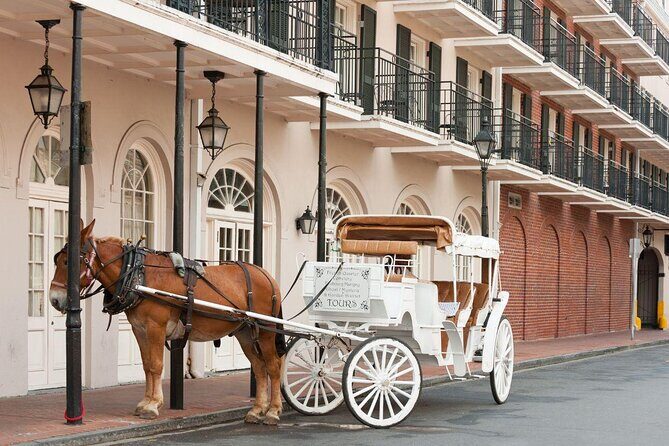
- French Quarter landmarks with real context at Jackson Square, the French Market, the Cabildo, and Café du Monde
- Congo Square’s long timeline, including pre-colonial origins and how its role changed over time
- Above-ground tombs at St Louis No. 1, plus why a licensed guide matters there
- Marie Laveau’s final resting place, explained with care and historical context
- Royal Street and Bourbon Street through different lenses, not just sightseeing chatter
- Small group feel (max 16), which helps you ask questions and stay engaged
A Two-Hour Walk That Turns Landmarks Into Stories
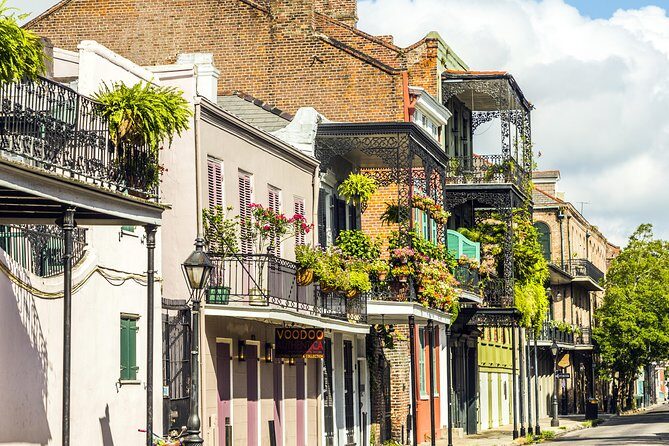
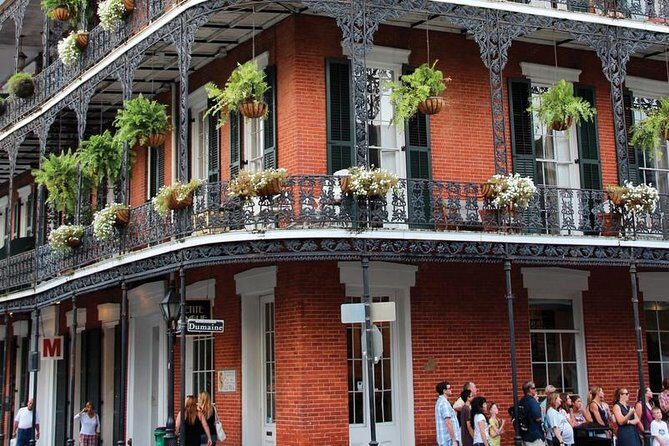
New Orleans has a talent for making history feel personal. One minute you’re standing in the middle of the French Quarter’s postcard scenes, and the next you’re hearing how the city’s French roots and Catholic traditions shaped the way people lived, celebrated, and mourned.
This tour is built for people who want a strong foundation fast. In about two hours you get a guided route that links major squares and streets to the forces that created them—French settlement, Catholic power, and the local mix of belief systems that still shows up in the city’s legends.
I also like the pacing. Short stops keep the walk moving, but you’re not treated like you’re sprinting from one photo spot to the next. You get enough time at key places to understand what you’re looking at and why it matters.
You can also read our reviews of more historical tours in New Orleans


Starting Point at 540 Chartres St and What Your Timing Looks Like
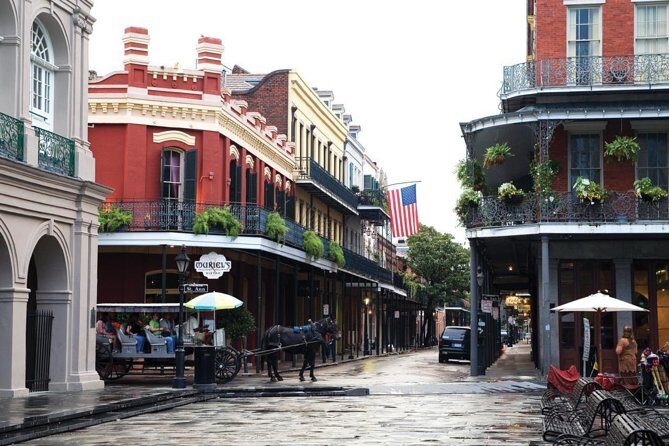
You start at 540 Chartres St in the heart of the French Quarter, with a 10:00 am start time. The tour is designed as a true walking experience, so arriving a few minutes early helps you settle in and get your bearings before you’re walking.
The group size is capped at 16 travelers, which is a sweet spot for a short history tour. It makes it easier for the guide to answer questions without the whole thing feeling like a lecture you can’t interrupt.
You’ll use a mobile ticket, so make sure your phone is charged and ready. It’s a small thing, but it saves time at check-in.
And since the tour is near public transportation, it’s also easier to stitch into the rest of your day. You can pair it with a longer morning of wandering without feeling locked into a complicated schedule.
Catholic Influence: Why New Orleans Looked the Way It Did
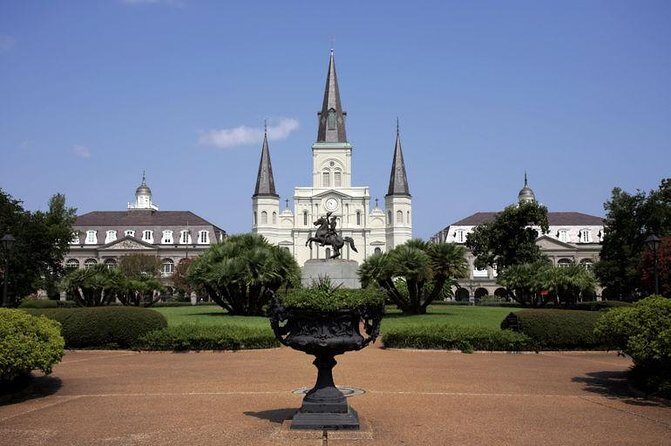
One early stop focuses on Catholic influence in New Orleans, and that’s not a random detour. In this city, Catholic traditions show up in street layouts, religious buildings, and the way people have historically organized community life.
What I like about this kind of framing is that it gives you a lens for the rest of the Quarter. Once you understand the Catholic footprint, other details start clicking: why certain spaces feel formal, why some locations carry a heavier tone, and how New Orleans kept religious authority close to everyday life.
It’s also a useful reminder that the city isn’t only about parties and late-night music. Even if you’re traveling for fun, learning the religious background helps you read the Quarter like a local.
Royal Street and Bourbon Street: Two Sides of the Same Story
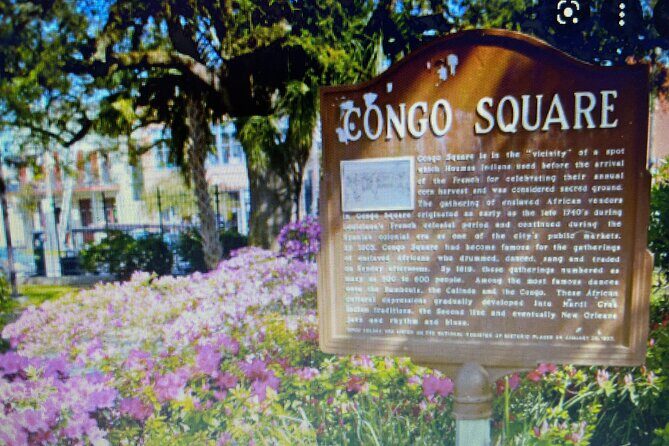
You’ll also walk past upscale shops and galleries on Royal Street. That’s a visual contrast with the French Quarter’s older themes, and the tour uses that contrast to explain how the neighborhood evolved rather than freezing it in time.
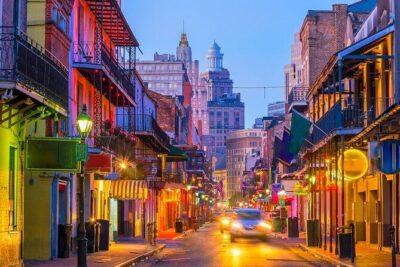
Then you pivot to Bourbon Street history and the current Bourbon Street scene. This part matters because New Orleans changes fast, and the Quarter’s nightlife isn’t just a modern costume. The guide ties the present-day energy to the city’s earlier patterns, so you’re not just learning what Bourbon Street looks like—you’re learning how it got there.
Here’s the practical value: if you’re trying to decide where to spend evenings, this tour gives you context fast. You can enjoy the nightlife without feeling like you’re ignoring the past.
Jackson Square, the French Market, the Cabildo, and Café du Monde
Your route includes classic anchor stops around Jackson Square and nearby attractions. These are the places most visitors recognize, but the payoff here is the “why.”
At Jackson Square, you get background that helps you understand how the area became such a central stage for public life. Standing there without context is fine for photos—but with context, you start to notice how people use space, not just what buildings look like.
Then the tour moves through the French Market area and the Cabildo. I like that the guide ties these to the city’s French-era identity and civic life, so you’re not treating them like isolated landmarks. They’re part of the same story chain.
Finally, you reach Café du Monde, which is famous for a reason. Even if you skip food and drinks (they aren’t included), the stop helps you place the café in the wider neighborhood culture. It’s one thing to know a landmark exists. It’s another to understand why people gather there again and again.
If you’re the type who likes learning first and eating later, this tour sets you up perfectly. You’ll know where you are and what you’re seeing by the time you decide whether to try something after.





Congo Square: From Pre-Colonial Roots to a Long Legacy
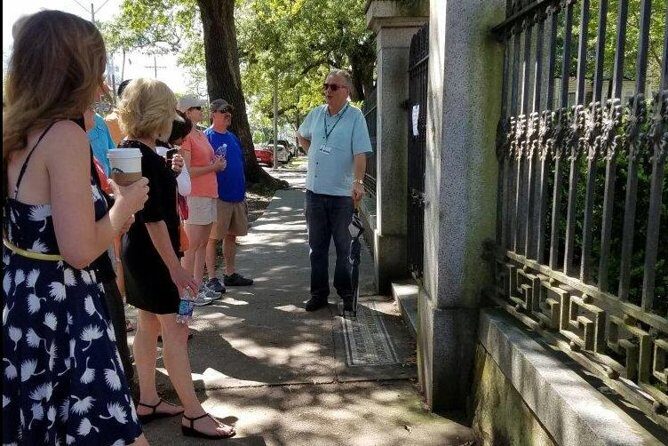
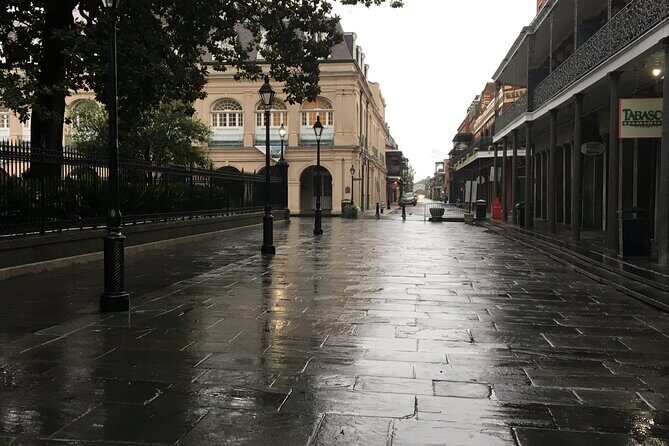
One stop highlights Congo Square and its deeper origins, including pre-colonial roots and how the site evolved over time in terms of place, space, and influence across empire and generations.
This is the kind of stop that changes how you look at the city. Congo Square isn’t just a historical name on a sign. It’s tied to how cultures traveled, adapted, and kept community bonds alive.
You’ll spend about 20 minutes here. That’s long enough to get the big picture and still short enough that you don’t lose the thread of the overall walk. I appreciate that structure because it avoids the common problem of “every stop gets the same long speech.” You get time where it counts.
If you’re fascinated by the ways history survives in music, public gathering, and community identity, this is one of the strongest moments on the route.
St Louis No. 1 Cemetery: Above-Ground Tombs and Careful Context
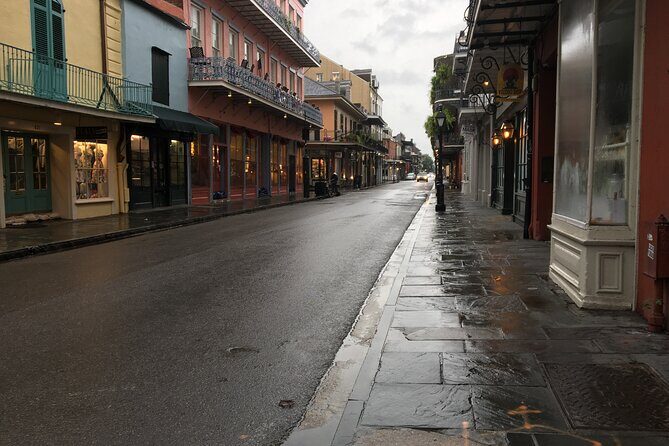
The cemetery stop is the emotional high point for many people, and for good reason. St Louis No. 1 is famous for its above-ground tombs, a feature that looks unusual until you understand how the site works and why it’s treated with respect.
The tour specifically includes a guided visit there with a licensed professional. That matters because you’re not just wandering in and out on your own. You’re learning how to read what you’re seeing—names, dates, and the overall structure of the resting place.
You’ll also visit the final resting place of voodoo queen Marie Laveau. The tour frames this carefully with historical context, so you understand her place in New Orleans culture instead of treating her story like a spooky extra for a photo.
One practical note: the reviews mention the cemetery can be scorching hot with limited shade. So even if you’re visiting in cooler months, bring a hat and water if you can. Plan for sun exposure more than you might in other parts of the Quarter.
Also, keep your tone respectful. This is a cemetery, not a museum set. If you treat it like that, you’ll feel the experience more, and you’ll get more out of the guide’s explanations.
The Guides: The Tour’s Real Secret Sauce
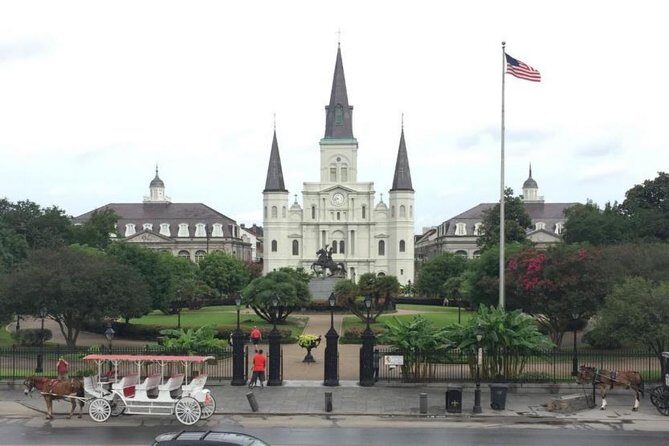
A walking tour succeeds or fails on the guide. This one has a strong track record of entertaining, engaging storytelling, with guides named in past experiences like David, Dane, Graham, Tara, Randy, Mike, Mark, and Michael Naughton.
Across those names, a pattern shows up: people describe the guides as personable and willing to answer questions, not just recite dates. I like that approach because New Orleans history includes details that people want to know in plain language—how beliefs blended, why streets feel the way they do, and what specific landmarks represent.
If you’re traveling with friends and you each want slightly different things—one person loves architecture, another loves legends, another cares about social history—this type of guided style makes it easier for everyone to stay interested.
Price and Value: Why $30 Can Be a Smart First-Day Move
At $30 per person, this tour is priced like a practical “get oriented” activity. It’s only about two hours, which is important in the French Quarter where a half-day can disappear fast if you don’t plan.
The value comes from two things:
- You pay for a professional historian tour guide, not just a walk with vague pointers.
- You get access to the cemetery experience in a way that’s not the same as self-guided wandering.
Food and drinks aren’t included, so don’t expect this to replace a meal. But that can actually be good value. You can decide what to eat nearby based on your tastes and budget instead of getting locked into whatever a package includes.
If you’re visiting for the first time, I’d treat this as a foundation. After the tour, you’ll have clearer instincts about what to revisit and what to skip as you explore on your own.
Comfort Tips That Actually Matter in This Route
This is a walking tour in a sunny city. That sounds obvious, but it matters more here because you spend time both around open public landmarks and in the cemetery.
Bring:
- Comfortable shoes you can wear for repeated stops and starts
- A hat if you’re going in warm weather
- Water if you tend to get heat-sick easily
The good news is the route is straightforward. You’re staying within the French Quarter area, and the meeting point at Chartres makes it easy to locate.
If you like asking questions, do it early. Guides often adjust the flow based on the interests in the group. And with a maximum of 16 travelers, you’re more likely to get direct answers than in very large tours.
Service animals are allowed, and most people can participate, but if you have mobility limits, think about the amount of walking you’re comfortable with before you book.
Who This Tour Fits Best (and Who Might Want a Different Option)
This tour is a strong match for you if:
- You want a first real overview of the French Quarter that connects landmarks to themes
- You’re curious about both Catholic influence and local lore, including Marie Laveau
- You want a short, structured experience rather than a free-for-all wandering day
- You’d like a guided visit to St Louis No. 1 without doing complicated planning yourself
It may be less ideal if:
- You’re looking for lots of food stops or a full meal-and-sightseeing itinerary
- You hate walking or sun exposure, especially with time in the cemetery
Should You Book This French Quarter History and St Louis No. 1 Tour?
If you’re coming to New Orleans for your first trip, I’d book it. This is one of the easier ways to get a strong sense of how the French Quarter formed—French colony beginnings, Catholic influence, public gathering spaces like Congo Square, and the cemetery stories that people still talk about for a reason.
At $30 for about two hours, the price feels fair for what you get: a guided route, a historian-led explanation at major landmarks, and a cemetery visit you can’t fully replicate on your own.
Just go in with the right mindset: wear good shoes, plan for sun, and treat the cemetery with respect. If you do that, you’ll walk away with more than photos—you’ll have a clearer story of the city you’re standing in.
FAQ
How long is the tour?
The tour runs for about 2 hours.
Where does the tour start?
It starts at 540 Chartres St, New Orleans, LA 70130. The tour ends in the French Quarter.
What is the price?
The price is $30.00 per person.
Is food or drinks included?
No. Food and drinks are not included.
Is the ticket mobile?
Yes. The tour uses a mobile ticket.
Is there a cemetery visit, and which one?
Yes. The tour includes a visit to St Louis No. 1 cemetery, with stops among the above-ground tombs.
Is Marie Laveau part of the tour?
Yes. The tour includes the final resting place of voodoo queen Marie Laveau.
What’s the group size limit?
The tour has a maximum of 16 travelers.
Cancelation and confirmation basics
Free cancellation is available up to 24 hours before the experience start time. Confirmation is received at booking unless you book within 1 day of travel, in which case it’s confirmed as soon as possible based on availability.