REVIEW · NEW ORLEANS
Glamorous Garden District Tour
Book on GetYourGuide →Operated by Unique NOLA · Bookable on GetYourGuide
Film legends and cemeteries in one tidy walk. I especially love the Garden District architecture—mansion facades, big lawns, and the neighborhood’s 1832 layout—and I also love the Lafayette Cemetery stop, where you’ll learn the burial practices that make New Orleans cemeteries so distinctive. One heads-up: this is a lot of walking and standing, so comfy shoes matter.
If you want to see New Orleans life beyond the French Quarter, this route is a smart way to do it. You’ll connect the dots between the pretty streets of the Garden District, the historical social divide along Magazine Street, and the Irish Channel’s “shotgun houses,” all with a live English-speaking guide. In several small-group departures, the guide’s attention stays personal enough that you can ask questions and steer the conversation toward the famous houses you care about.
Check in is 15 minutes before the start at 2800 St Charles Avenue. Tours run rain or shine, so if the weather turns, you’ll still be moving—plan for sun, shade, and a little standing around while the guide explains what you’re looking at.
In This Review
- Quick hits from the Glamorous Garden District walk
- Garden District at a walking pace: St. Charles to the mansions
- Magazine Street’s “social line” and the Irish Channel’s shotgun houses
- Lafayette Cemetery: learning the oldest city-owned cemetery burial practices
- Famous residents and movie/TV locations you can spot in real streets
- Timing, meeting point, and what to wear for a 2-hour stroll
- Price and value: is $37 for 2 hours a good deal?
- Who should book the Glamorous Garden District Tour?
- Should you book the Glamorous Garden District Tour?
- FAQ
- How long is the Glamorous Garden District Tour?
- Where does the tour meet?
- What should I wear for this walking tour?
- Is the tour outdoors?
- What language is the guide?
- Can I get a refund if my plans change?
Quick hits from the Glamorous Garden District walk
- Stroll the Garden District with a live guide who ties architecture to real local stories
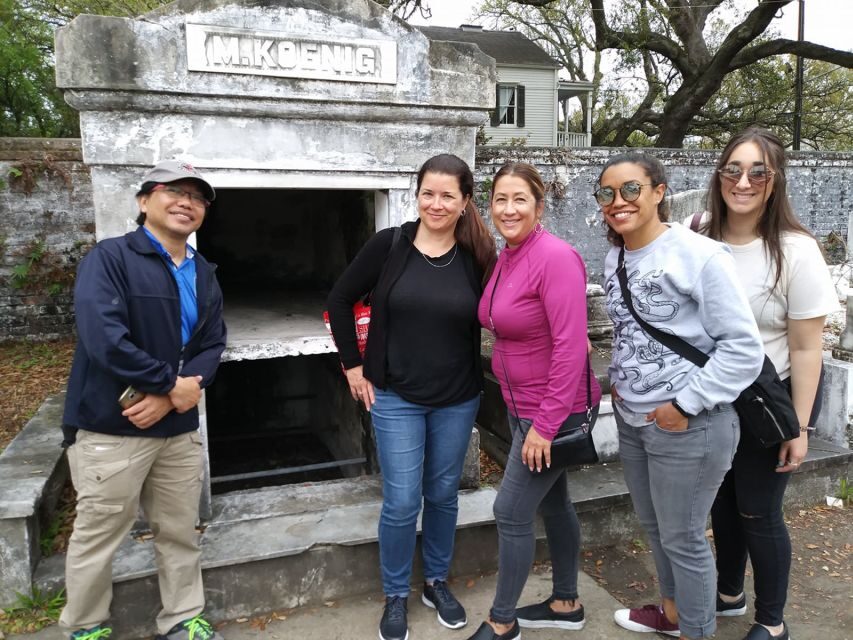
- Lafayette Cemetery lessons on the burial traditions that shaped New Orleans
- Magazine Street history showing how the neighborhood separated well-off residents from working-class residents
- Film and TV locations linked to places you’ll recognize on-screen
- Famous current residents you can spot homes of, like Anne Rice, Sandra Bullock, and John Goodman
Garden District at a walking pace: St. Charles to the mansions

The Garden District is one of those places where a walking tour really works. You get to slow down enough to notice the details that matter: the grand homes set back behind lush yards, the overall rhythm of the streets, and the way the neighborhood’s boundaries shaped its growth.
Early on, your guide frames the area historically. The Garden District was founded in 1832, taking shape between St. Charles Avenue, First Street, Magazine Street, and Toledano Street. It later became part of New Orleans in 1852. That timeline isn’t just trivia—it helps you understand why the streets feel like a “world unto themselves” compared with the surrounding city.
You’ll spend time looking at the neighborhood’s gorgeous mansions and their unusually large, opulent lawns. This is also where you start seeing the tour’s theme: you’re not just looking at pretty houses, you’re seeing how wealth, planning, and community identity all show up in the built environment.
Practical tip: expect short stretches where you’ll stop to listen. This part of the tour works best if you’re comfortable standing for descriptions while the guide points out specific architectural cues and explains what you’re seeing at street level.
If you love architecture, street patterns, and stories that connect old New Orleans to who lives there today, this section is the reason many people pick the tour. You’re walking through a place that feels like a living museum—without the museum rules and without the glass cases.
You can also read our reviews of more tours and experiences in New Orleans.



Magazine Street’s “social line” and the Irish Channel’s shotgun houses

From the Garden District’s polished grand homes, the tour shifts tone along Magazine Street. This stretch is famous for more than shopping—it has a long history as a boundary that separated different parts of the city. Your guide explains how Magazine Street became a dividing line between well-off residents and working-class residents, and you’ll see that idea play out as the walk moves from the Garden District side toward the Irish Channel.
Then you’ll walk a few blocks into the Irish Channel to spot the shotgun houses. These are distinctive for the way they’re built and the layout they follow, and having them called out by a local guide is huge. It’s one thing to see them in photos; it’s another to understand why they exist and what they reveal about the neighborhood’s housing needs and history.
What I like about this part of the itinerary is that it stops being “architecture sightseeing” and becomes “how the city worked.” You start with lawns and mansions, then you shift to housing forms that reflect density and practicality. That contrast makes the stories click.
A small travel reality to plan for: this section is still walking. Since the tour takes place rain or shine, bring a light layer if it’s cool and consider a hat or sunglasses if the sun is strong. You won’t want to spend your energy wishing you wore better shoes.
Lafayette Cemetery: learning the oldest city-owned cemetery burial practices

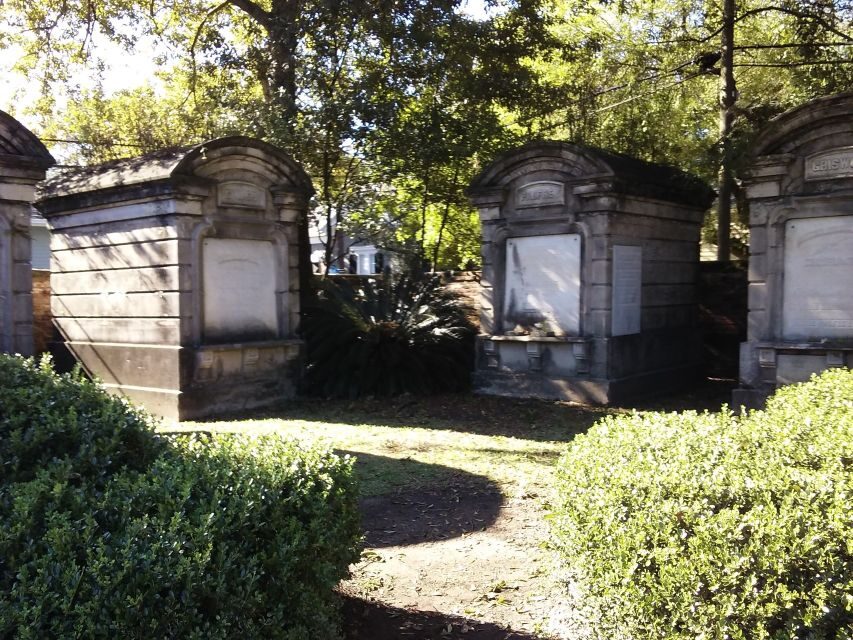
Next comes Lafayette Cemetery, described as the oldest city-owned cemetery. This is one of those stops that adds emotional weight to the tour, but it’s also educational in a very grounded way.
Your guide shares burial practices and traditions that make New Orleans cemeteries unique. The big value here isn’t just history facts—it’s context. When you understand how and why people were laid to rest in this style, the cemetery starts to make sense as part of the city’s culture, not just as an attraction.
You’ll likely hear the kinds of details that change how you look at headstones and family plots. You’re not only walking through a place of remembrance; you’re learning how communities organized memory over time in a city shaped by water, space, and tradition.
Practical note: cemeteries can feel quiet and still, and this stop can include standing while the guide speaks. If you need frequent movement breaks, plan accordingly and pace yourself during this portion.
This is also where the tour often feels most “New Orleans.” The Garden District and Magazine Street show the living city; Lafayette Cemetery shows the city’s long memory. Together, it’s a balanced arc that doesn’t rely only on pretty scenery.
Famous residents and movie/TV locations you can spot in real streets
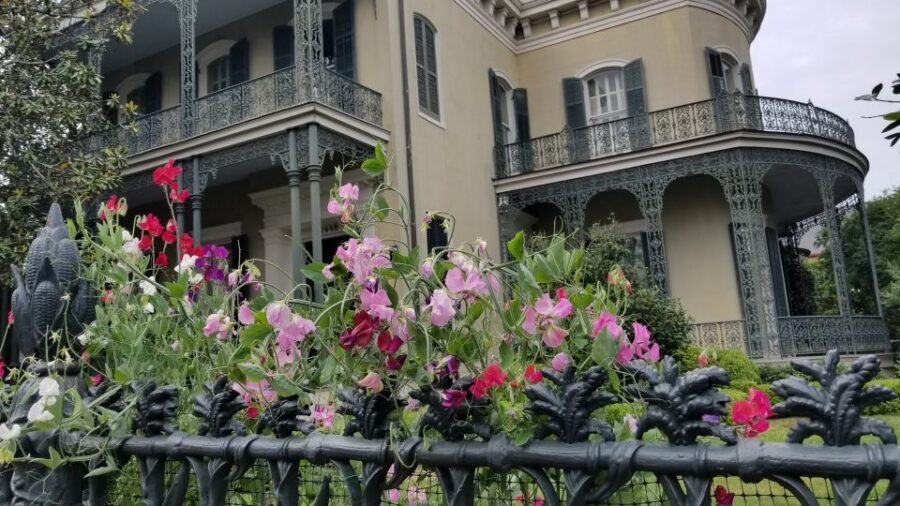
One reason people love this tour is the sense of recognition. You’re walking in an area where pop culture and real addresses overlap—so your guide points out locations tied to movies and TV as you move.
The tour includes stops where you’ll see where famous residents live, including Anne Rice, Sandra Bullock, and John Goodman. Seeing names like that isn’t just star-spotting. It’s also a way to connect the neighborhood’s old charm to the people shaping its present.
You’ll also visit places featured in films such as The Curious Case of Benjamin Button and in TV connections like the Buckner Mansion of American Horror Story. Even if you don’t know the exact scenes, your guide can point to the real-world angles that make these spots work on camera.
This section is great for a mixed group—people who love architecture get the house details, people who love screen history get the location stories, and everyone gets something to talk about on the walk back. It’s also a good reminder that New Orleans doesn’t just copy history—it keeps using the city’s look and layout as a creative resource.
A guide can make this part better or worse, and here that’s a real strength. You might be led by a guide like Barbara, Shawn, or Mikko, and the common thread is thorough explanations with enough energy to keep the tour moving while staying clear and understandable.
If you’re the type who wants to ask questions—about style, about filming choices, about who lived where—this is a section where the guide’s answers can feel genuinely useful rather than just “because it’s famous.”
Timing, meeting point, and what to wear for a 2-hour stroll

The whole tour runs 2 hours, and you’ll start from 2800 St Charles Avenue, New Orleans, LA 70115. Because check-in happens 15 minutes before the tour begins, build in time to find the exact starting spot and settle in before walking starts.
Since this is a walking tour with plenty of standing, comfy shoes are non-negotiable. You’ll be on your feet, and the experience works best when you can comfortably pause to look and listen.
Rain or shine is part of the deal. That’s helpful for planning, but it also means you should think practically:
- If it’s rainy, wear shoes you trust on sidewalks.
- If it’s hot, bring water and take advantage of any shade breaks your guide offers.
- If it’s windy or mild, a light layer helps since you’ll be outdoors for the full 2 hours.
Group size can vary. On at least some departures, the group can be small enough to make conversation easy and keep questions from getting crowded out. If you like a more personal guide experience, this format is usually a good fit.
Also, the tour is in English with a live guide, so you’ll get face-to-face explanations rather than a self-guided script.






Price and value: is $37 for 2 hours a good deal?
At $37 per person for a 2-hour walking tour, the value is less about how far you go and more about how much your guide helps you see.
You’re paying for three “skill sets” wrapped into one itinerary:
- Architecture + neighborhood planning context in the Garden District
- Cultural explanation at Lafayette Cemetery, not just a pass-by photo stop
- Location storytelling for famous residents and movie/TV sites, which turns sightseeing into identification
If you tried to DIY this on your own, you’d likely spend time guessing what matters, when to stop, and what each place means. Here, a guide turns the area into a readable map—one where you understand why the streets look the way they do and why certain landmarks are so meaningful.
The other value point: it’s short. Two hours is enough time to get a solid “feel” for the Garden District and Magazine Street corridor, plus one deeper stop at the cemetery. It’s not an all-day commitment, which matters in New Orleans where plans can change fast.
So the question isn’t just whether $37 seems fair. It’s whether you’ll enjoy walking with someone who points out the details and keeps the stories organized. If you want a guided framework for what you’re seeing, this price feels reasonable.
Who should book the Glamorous Garden District Tour?
You’ll probably love this tour if you want:
- A Garden District experience that goes beyond photos and explains the neighborhood’s layout and growth
- A Lafayette Cemetery stop where you learn the burial practices that make New Orleans cemeteries distinctive
- A guided way to connect Magazine Street to the city’s social geography
- Film and TV location context that helps you recognize places in the real world
- Room to ask questions—especially if you end up in a smaller group
You might pass if you:
- Don’t enjoy cemetery settings
- Have trouble with walking and standing for a couple of hours
- Prefer a more relaxed, sit-down paced tour (this one is designed for moving)
Language is English and the guide is live, so it’s straightforward if you’re comfortable with English explanations.
Should you book the Glamorous Garden District Tour?
Yes, if you want an efficient, story-heavy way to experience the Garden District and Magazine Street corridor, with Lafayette Cemetery added for real cultural depth. The standout strength is how the tour connects multiple layers of New Orleans—architecture, neighborhood boundaries, burial traditions, and film/TV location knowledge—into a single walk that makes the city feel coherent.
If you’re willing to wear comfy shoes and stand for explanations, this is a high-clarity outing for first-timers and a fun refresher for repeat visitors who want more than “just sightseeing.”
FAQ
How long is the Glamorous Garden District Tour?
The tour lasts 2 hours.
Where does the tour meet?
Meet at 2800 St Charles Avenue, New Orleans, LA 70115.
What should I wear for this walking tour?
Wear comfortable shoes. The tour includes a lot of walking and standing.
Is the tour outdoors?
Yes. The tour takes place rain or shine.
What language is the guide?
The live tour guide speaks English.
Can I get a refund if my plans change?
Yes. You can cancel up to 24 hours in advance for a full refund.