REVIEW · NEW ORLEANS
Louisiana of the Creoles: Visit to the French Quarter (French)
Book on Viator →Operated by Tours By Marguerite · Bookable on Viator
Creole New Orleans makes perfect sense here. This 2-hour French Quarter walk explains how Creole life shaped the city, from church squares to family courtyards and the one cemetery you can’t just wander into on your own. I like that the tour starts in an easy spot behind St. Louis Cathedral, so you’re not hunting around lost in the crowds.
I also love the value of what’s included: the Hermann-Grima House courtyard entrance fee is covered, and the route is built around sights that really need a licensed guide. One thing to consider: this is a mostly outdoor walking tour, and it depends on good weather, so plan for a change of plans if the forecast turns ugly.
In This Review
- Key Things I’d Focus On
- Creole Culture Starts in the Old Quarter, Not a Museum
- Price and Value for a 2-Hour French Quarter Walk
- Where You Meet and How the Route Works
- Stop 1: Jackson Square and How Old Square Got Its Meaning
- Stop 2: St. Louis Cathedral and the Center of the Story
- Stop 3: Louis Armstrong Park and Congo Square’s Cultural Weight
- Stop 4: Hermann-Grima House Courtyard (Entry Included)
- Saint-Louis Cemetery No. 1: Licensed-Only Access You Should Plan For
- French-Speaking Guide: What It Changes and What to Do
- Group Size, Timing, and How to Enjoy the Walk
- Who This Tour Suits Best (and Who Might Skip It)
- Should You Book Louisiana of the Creoles: Visit to the French Quarter?
- FAQ
- How long is the Louisiana of the Creoles French Quarter tour?
- What does the tour cost?
- Where do I meet for the tour?
- What’s included in the price?
- Does the tour include Saint-Louis Cemetery No. 1?
- Is this tour offered in French?
- What happens if the weather is bad?
Key Things I’d Focus On
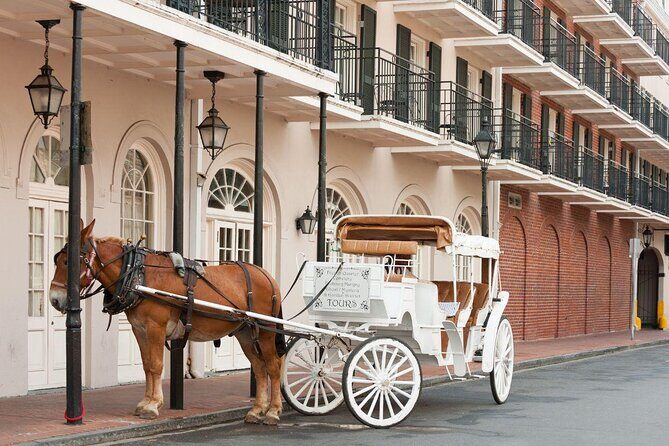
- French-speaking guidance that keeps the story clear and local
- Simple meetup behind St. Louis Cathedral to get you moving fast
- Included Hermann-Grima courtyard entry without extra ticket math
- Licensed access to Saint-Louis Cemetery No. 1, the one you can’t freely stroll into
- Old Square landmarks like Jackson Square and St. Louis Cathedral, explained in context
Creole Culture Starts in the Old Quarter, Not a Museum
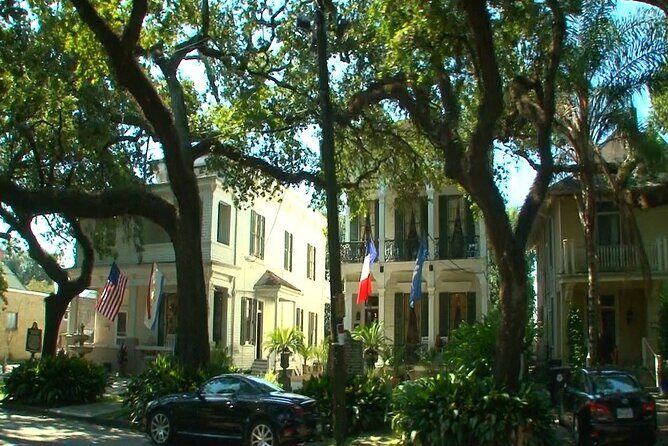
New Orleans is part of the United States, sure. But culturally, it sits on the northern edge of the Caribbean, and that shift shows up immediately in the French Quarter. This tour is built to help you connect the dots: who lived here, how they lived, and why certain places in the Vieux Carré matter beyond the pretty postcards.
You won’t just hear names. You’ll get the “so what” that makes the sights click. That’s the difference between wandering and understanding. And since the group stays small (up to 28 people), you’re less likely to get swallowed by the crowd.
You can also read our reviews of more tours and experiences in New Orleans.



Price and Value for a 2-Hour French Quarter Walk
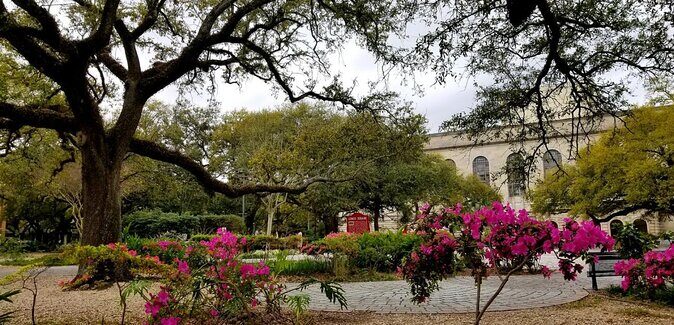
At $35 per person for about 2 hours, the price feels fair because you’re not paying for “general sightseeing.” You’re paying for focused interpretation plus access.
Two value drivers make a difference:
- The courtyard entrance at the Hermann-Grima House is included, so you’re not paying extra on the spot.
- The experience is designed to include Saint-Louis Cemetery No. 1, which is only accessible through licensed tour access.
If you’re the type who enjoys learning while moving (and you like walking at a comfortable pace), $35 buys you a solid chunk of context for a place that can be confusing without help. If you’d rather read a map quietly on your own, you might not get as much out of the structure.
Where You Meet and How the Route Works
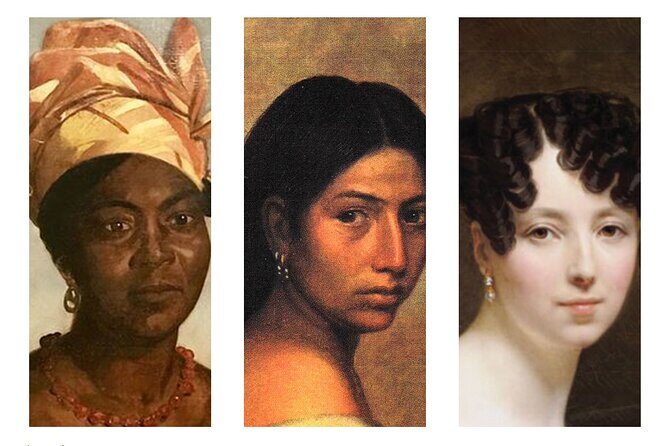
The tour starts at 2951502 Royal St, New Orleans, and it’s an easy one: you meet behind St. Louis Cathedral. That matters, because the French Quarter can be chaos-y at street level. When your starting point is clear, you waste less time figuring out where everyone is headed.
The walk ends at the Hermann-Grima House area (820 St. Louis St.). That’s convenient because it drops you near one of the quieter “reset” points in the neighborhood, where you can keep exploring afterward without a long trek back.
You’ll also use a mobile ticket, which is handy if you don’t want to mess with printed passes. And since it’s near public transportation, you can stitch it into a larger day without stress.
Stop 1: Jackson Square and How Old Square Got Its Meaning
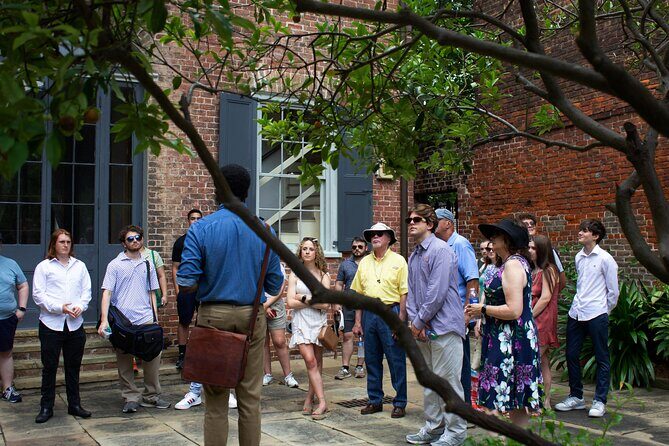
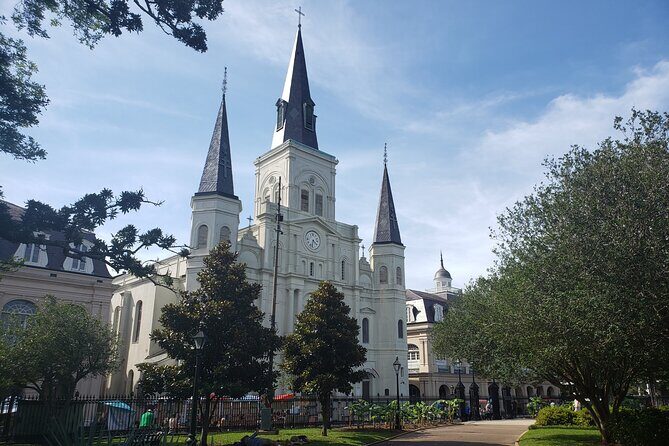
Jackson Square is where people start taking photos, but this stop is about more than the view. You’ll learn the history of Place Jackson—the core of Old Square—so you start to recognize why this location has stayed important.
Here’s what I think makes this stop worth your time: the square is a stage. In cities like this, squares hold power. They’re where community life, religion, and public events overlap. When you understand how the space functioned, the rest of the French Quarter makes more sense. You stop seeing it as a cluster of streets and start seeing it as a connected layout with roles.
Practical note: it’s a short stop, so listen closely and then let the square come back into focus as you keep walking.
Stop 2: St. Louis Cathedral and the Center of the Story
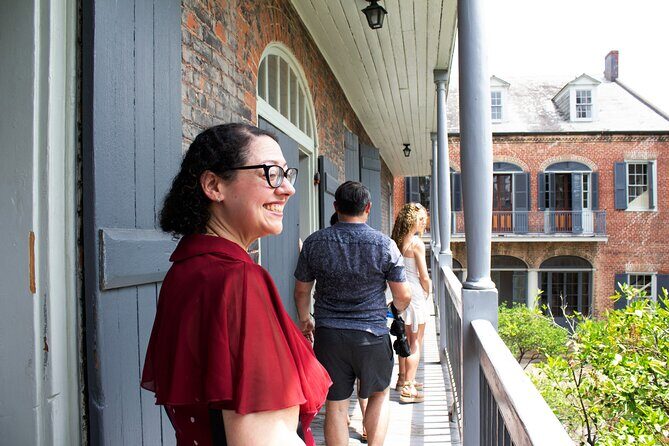
Next comes St. Louis Cathedral, and you’ll get the history of the church that became the most important one in New Orleans. This isn’t just about architecture. It’s about influence—how a major church anchors identity, and how that identity carried forward through the city’s Creole past and present.
I like this stop because it gives you a foundation. The French Quarter can look like a set of “cool old buildings.” Without context, you just get photos. With context, you start noticing how religious and civic life shaped the streets around you.
If you’re the type who likes to connect architecture to people, this stop gives you that link fast—especially helpful if it’s your first time in the Quarter.




Stop 3: Louis Armstrong Park and Congo Square’s Cultural Weight
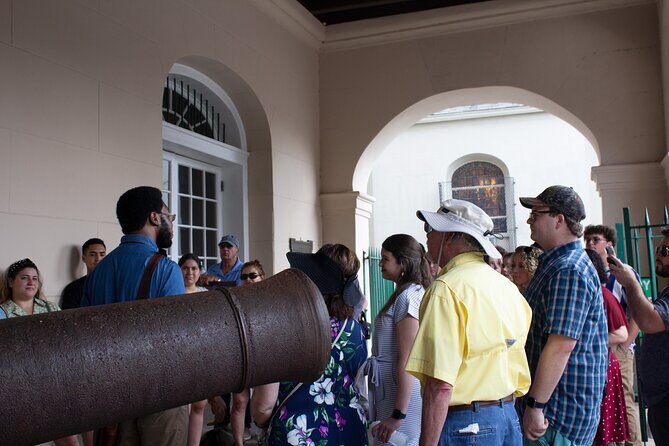
Then you shift from the cathedral area to Louis Armstrong Park, where you learn about Congo Square. This is one of those stories that explains why the Quarter isn’t only about French-language signage and grand facades. It’s also about music, gathering, and cultural expression.
Why this matters for your trip: Congo Square connects the dots between everyday community life and broader Creole culture. When you hear the significance explained, the name “Congo Square” stops sounding like trivia and starts sounding like a key to how the city’s identity formed.
This stop is longer than the first two (about 10 minutes), which helps. You get enough time to form the picture instead of just catching quick facts while the group moves on.
Stop 4: Hermann-Grima House Courtyard (Entry Included)
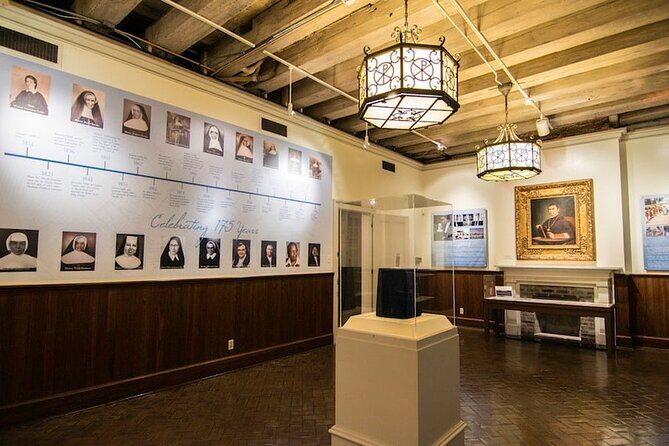
After that, you visit the courtyard of the Hermann-Grima House, described as typical of a 19th-century setting. This is where the tour slows down in a useful way: you’re not just looking at the street; you’re stepping into a space that reflects how people actually organized daily life.
The best part? The courtyard entrance fee is included, so you get access without any extra ticket confusion. For me, house-courtyard stops are often the “aha” moment on French Quarter tours because they show you the difference between a postcard and how spaces functioned.
Look for how the courtyard layout shapes movement and privacy. Even if you’re not an architecture expert, you’ll feel the logic of the space. It’s the kind of experience that helps you understand how the Creole way of living used rooms, open air, and shared space.
Saint-Louis Cemetery No. 1: Licensed-Only Access You Should Plan For

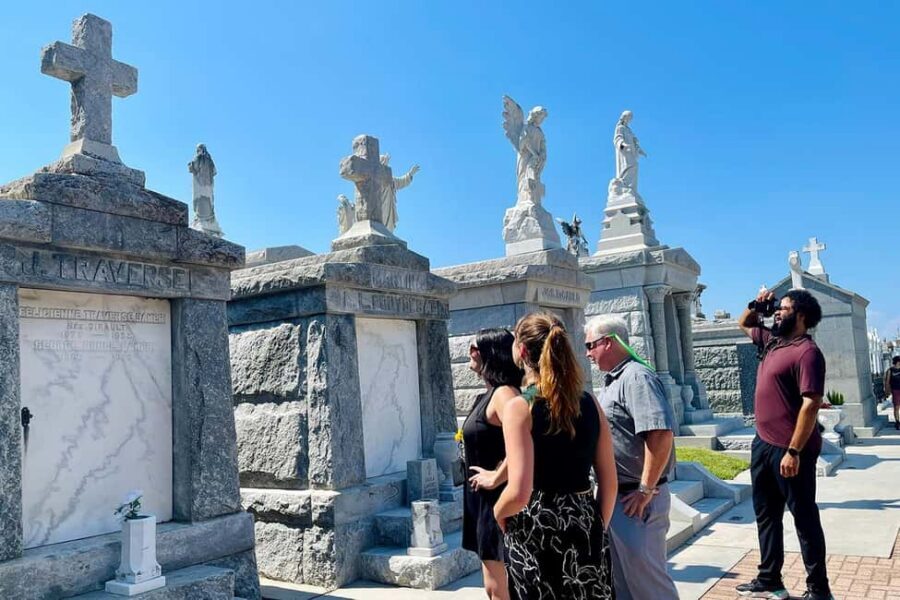
One highlight of the tour is Saint-Louis Cemetery No. 1. The key detail is that it’s only accessible via licensed tour. That’s exactly the kind of practical advantage that turns a “nice walk” into a real experience.
If you’ve ever tried to visit historic cemeteries on your own, you know the reality: rules exist, access can be restricted, and the best experience often depends on being part of a proper tour route. Here, the guide is there for a reason, so you can focus on the story instead of the logistics.
This cemetery stop also fits the overall theme: Creole history isn’t just what happened in public squares. It also shows up in how communities remember, bury, and honor people. When the guide connects it to the broader cultural thread, it becomes more than a spooky stop on a checklist.
French-Speaking Guide: What It Changes and What to Do
The experience is offered with a French-speaking guide. That’s not just a language switch—it changes how you process the story. If your French is solid, you’ll pick up details faster and enjoy the cadence of explanations that were meant for the language.
One useful lesson from guidance style is that guides can adapt when language choices get made at booking. For example, Muriel is cited for going above and beyond when a language choice led to a mismatch, arranging an English version later rather than leaving the guest hanging. That’s the kind of service you hope to see on a small guided tour.
If your goal is learning with minimal effort, choose the language that matches your comfort level. If you’re not sure, it’s often better to go with what you’ll understand best the first time, because this tour moves through several focused stops in a short window.
Group Size, Timing, and How to Enjoy the Walk
This tour runs about 2 hours, and the group max is 28 travelers. That size is big enough to feel lively, small enough that the guide can manage the pace and keep everyone together.
Timing is also tight in the best way. The stops are short and intentional:
- Quick orientation at major landmarks
- A bit more time where the story needs it (like Congo Square and the Hermann-Grima courtyard)
I’d recommend wearing shoes you’re comfortable walking in for a couple of hours on Quarter sidewalks. Also bring a light layer if the weather is mild; if it’s hot, you’ll still be moving, and you’ll appreciate not being stuck sweating through every sentence.
And keep in mind the tour requires good weather. If conditions aren’t right, you’ll be offered another date or a refund.
Who This Tour Suits Best (and Who Might Skip It)
You should book this tour if:
- You want an organized French Quarter experience with cultural context
- You like learning from a guide rather than just following a map
- You care about seeing sights that require proper access, especially Saint-Louis Cemetery No. 1
- You’re interested in the Creole story and how it continues in daily life
You might consider skipping if:
- You only want the most famous “photo spots” with no cultural explanation
- You don’t like walking for about two hours
- You prefer totally self-directed pacing and deeper time at each location on your own
Should You Book Louisiana of the Creoles: Visit to the French Quarter?
If you want French Quarter sights with meaning, I’d say yes. The price is reasonable for what you get—especially the included Hermann-Grima courtyard entrance and the licensed access designed for Saint-Louis Cemetery No. 1. It’s the kind of tour that helps you leave with a clearer sense of why the Quarter looks the way it does and how Creole culture shaped it.
If you’re on your first trip and you like getting oriented quickly, this is an efficient way to start. Pick the language you’ll understand best, show up with comfortable shoes, and treat the stops like part of one story—not separate attractions.
FAQ
How long is the Louisiana of the Creoles French Quarter tour?
It’s about 2 hours.
What does the tour cost?
The price is $35.00 per person.
Where do I meet for the tour?
You start at 2951502 Royal St, New Orleans, LA 70116, with an easy meetup behind St. Louis Cathedral.
What’s included in the price?
The tour includes the entrance fee to the Hermann-Grima House courtyard.
Does the tour include Saint-Louis Cemetery No. 1?
Yes, the experience is set up so you can see Saint-Louis Cemetery No. 1, which requires licensed tour access.
Is this tour offered in French?
Yes. The experience features a French-speaking guide.
What happens if the weather is bad?
The tour requires good weather. If it’s canceled due to poor weather, you’ll be offered a different date or a full refund.