REVIEW · NEW ORLEANS
New Orleans: Airboat Swamp & City and Katrina Tour Combo
Book on GetYourGuide →Operated by Louisiana Tour Company · Bookable on GetYourGuide
New Orleans can feel like two cities at once, and this day tour holds both. You get a guided city loop with Hurricane Katrina context, then trade the traffic for open-air airboat speed in the wetlands. It’s a long day, but the switch in scenery keeps it from dragging.
I like two things most. First, the city portion is paced so you see major sights like Jackson Square, St. Louis Cathedral, The Cabildo, and the Garden District without stressing over parking. Second, the airboat part is run by experienced captains—plus stadium-style seating, photo stops, and a real chance at alligators.
One thing to think about: the airboat is an open boat, so rain means you’ll get wet, and there are restrictions for pregnancy and neck/back problems.
In This Review
- Quick takeaways before you go
- Two tours in one day: minibus comfort, then bayou speed
- New Orleans city tour highlights with Katrina context (and a real local guide vibe)
- St. Louis Cemetery No. 3: why you walk, not just look
- Lower 9th Ward and Katrina recovery: learning the story behind the streets
- Getting to the swamp: the short transfer that helps you settle in
- Airboat ride and educational swamp tour: wildlife, speed, and real know-how
- Alligator sightings: season math that actually helps
- How Cajun life fits into the wetlands story
- Weather reality: what to pack and how wet you might get
- Price and value: does $140 make sense for this much day?
- Who this tour fits best (and who might hate it)
- Should you book this New Orleans Airboat and Katrina Combo?
- FAQ
- How long is the tour?
- Is hotel pickup and drop-off included?
- What parts of New Orleans do you see during the city tour?
- Is St. Louis Cemetery No. 3 admission included?
- What is included with the swamp portion?
- What wildlife might you see on the airboat?
- What should I wear or bring for the airboat ride?
- Are there age or medical restrictions for the airboat?
Quick takeaways before you go
- Hotel pickup and drop-off make this easy if you don’t want to manage a rental car
- St. Louis Cemetery No. 3 is included with a guided, on-foot visit
- Katrina-focused stops include areas of major impact and the real story of rebuilding
- High-speed airboat thrills with a stadium-seat setup and hearing protection included
- Wildlife odds aren’t luck-only—captains guide you to where they expect to find animals
- Cold vs warm seasons matter for alligator viewing, including winter sighting expectations
Two tours in one day: minibus comfort, then bayou speed
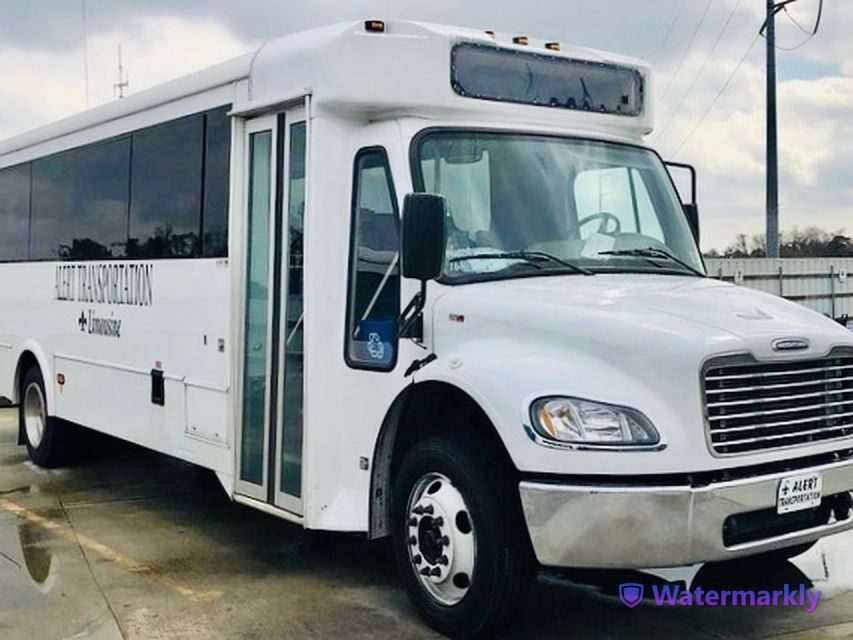
This combo tour is built for a full-day hit: about 7.5 hours total, with hotel pickup and drop-off. You start in a comfortable, air-conditioned minibus for the New Orleans sightseeing piece, then you switch to the kind of ride that makes your arms remember they used to hold onto steering wheels.
The format matters because it saves you from stitching together two separate tours. You’re not trying to figure out timing between a city guide and a swamp operator. One team moves you, one schedule ties it together, and the day flows from landmarks to wetlands.
Pickup is usually within a set window—about 9:30 AM to around 10:00 AM. You’ll want to be ready outside your hotel, since pickup is handled by a vehicle that’s clearly labeled for the service.
The one small catch: the order of the city and swamp sections can change based on weather and availability. Either way, you’ll still get both parts, but your “city first” or “swamp first” expectations might shift.
You can also read our reviews of more city tours in New Orleans



New Orleans city tour highlights with Katrina context (and a real local guide vibe)

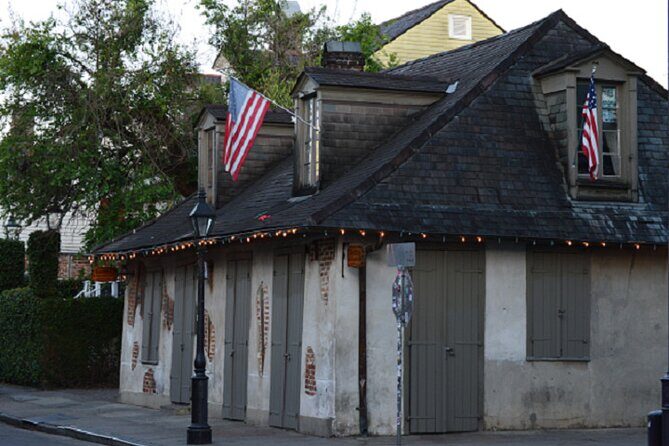
The city portion runs about 3 hours and stays practical: big sights, guided history, and just enough time on foot to make a few places feel personal. You’ll pass major New Orleans landmarks including Jackson Square and St. Louis Cathedral, then move into the Spanish colonial story through The Cabildo (the former seat of the city’s Spanish colonial government).
You also get a “future plan” advantage. If you want to explore the French Quarter later on your own, this gives you a guided preview so the streets and landmarks mean something when you return.
One standout theme is Hurricane Katrina and what happened after. You’ll travel through areas that saw severe impact, including the Lower 9th Ward, and you’ll hear how residents are rebuilding. That part isn’t trivia. It’s the reason this tour feels more meaningful than a simple sightseeing loop.
The guide style can really shape the day. One guide name that comes up is David, praised for being both calm and deeply informed while working through busy city conditions—exactly the kind of thing that matters when you’re trying to stay on schedule in New Orleans.
You’ll also see architecture and neighborhoods that help you understand how the city works beyond the postcards. For example, the route includes Esplanade Avenue with century-old homes, and you’ll pass into City Park to Dueling Oaks.
Then it’s into St. Charles Avenue for the “American side” vibe, with the Garden District and notable homes along the way. You’ll even pass the residence of Gothic fiction writer Anne Rice, which is a fun detail if you like the crossover between literature and place.
St. Louis Cemetery No. 3: why you walk, not just look

This tour includes entry to St. Louis Cemetery No. 3, and you’ll get a chance to walk through the grounds with a guide rather than treating it like a quick stop. That makes a difference. Cemeteries in New Orleans can feel confusing from a distance, but on foot you start to notice patterns—family vaults, layout, and the logic of how burial spaces are organized.
What I like here is that the guide doesn’t leave you staring at stonework like it’s a museum label. You’ll uncover the reasons behind the burial tradition—basically, you’ll get the local explanation for why things are the way they are.
A practical note: this is a walk-through stop, so comfortable shoes matter. You’re also doing this in the middle of a long day, so plan on staying upright, not just taking photos.
If you’re sensitive to intense themes (the cemetery is a reminder of mortality, and the Katrina segment later is also heavy), you should still be able to handle it—but you’ll want a day mindset that can hold both beauty and history.
Lower 9th Ward and Katrina recovery: learning the story behind the streets
The Katrina portion is the heart of the “why” behind the combo. You’ll visit areas most impacted by the storm and hear about how residents are rebuilding. The tour approach is built to keep the connection tight between place and outcome: you don’t just hear the name Katrina—you see how the city absorbed the impact and what life looks like now.
The Lower 9th Ward stop is especially important if you want to understand New Orleans beyond music and food. You’ll get context for what residents faced and how rebuilding happens in the real world, not just in headlines.
This is one of those sections where the guide’s communication matters. A strong guide can keep it respectful and clear, and you’ll feel that the tour wants you to understand rather than just check a box.
Also, this section adds weight to the rest of the day. When you leave the city tour and go out to the wetlands, it’s not just a fun detour. It’s a different way of understanding the same region: water, weather, and how people live with it.
Getting to the swamp: the short transfer that helps you settle in
Between the city portion and the airboat ride, there’s a transfer segment—about 30 minutes on the way out. It’s long enough for everyone to regroup, use the restroom if available, and get ready to change gears.
That “in-between” time matters more than you’d think. Airboat rides aren’t a quick photo stop. You’re about to sit in an open boat, wear gear, listen through provided hearing protection, and ride over shallow water. You’ll feel better if you arrive focused instead of rushed.
The tour plan includes a brief “secret stop” segment before the airboat portion. Think of it as the practical setup time where the crew gets everyone aligned for the ride.






Airboat ride and educational swamp tour: wildlife, speed, and real know-how
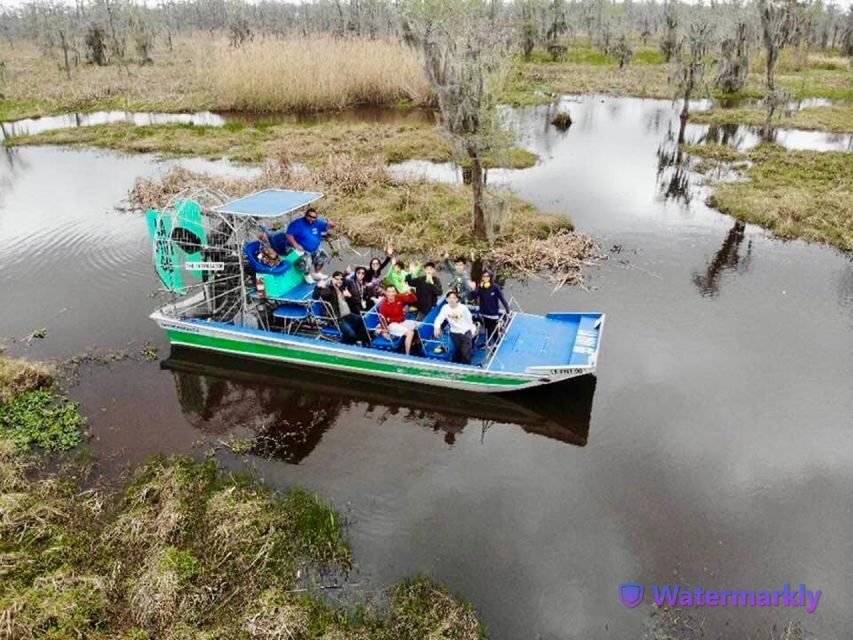
The swamp part is where the day turns loud—in the best way. You’ll get a high-speed airboat experience plus an educational swamp component, with a local captain guiding you to wildlife and explaining the wetland environment.
Airboats here are stadium-seated, which is a smart choice. You get better sightlines, so you’re not stuck craning your neck over someone’s shoulder. You’ll also have photo stops guided by the captain, rather than the ride being pure motion with no pause.
Now, the mechanics are impressive and you’ll feel them. The boats use a 454 Chevy engine, and they can reach up to 35 mph. A powerful fan blasts air at 200+ mph, which is part of how the boat moves across inches-deep waters that normal cars and even walking can’t reach.
And yes, you’re close to the action. Captains are experienced at finding wildlife in that specific marsh-and-lake mix. The tour is described as unique every time, so you shouldn’t treat it like a repeat script. One corner brings birds; another brings something else.
Wildlife possibilities include alligators (with the best odds in warm months) and also birds like bald eagles, pelicans, ospreys, and owls. You may not see every species on every day, but you’ll get guided chances rather than a generic ride.
Alligator sightings: season math that actually helps
This is one of the most practical details in the whole itinerary. Alligators do hibernate in colder months, but captains know where to look. The winter expectation is described as better than a 50/50 chance of seeing an alligator.
In warmer months, the chance is much higher. The point: don’t show up assuming you’ll absolutely see a gator—but do feel better prepared than with tours that only say you might see something.
If wildlife is your main motivation, consider planning your visit with the season in mind. It changes your odds, not just your comfort.
How Cajun life fits into the wetlands story
After the city and Katrina context, the swamp tour shifts into how people live with this terrain. You’ll learn about the way Cajuns lived in the wetlands outside of New Orleans, and it ties the natural environment to daily life.
This is more valuable than it sounds, because the bayou isn’t only a place to look at animals. It’s a working landscape with its own rhythm and traditions—something you’ll grasp better after a guided ride that connects the details back to culture.
Even if you’re not a hardcore history person, this part helps you understand why the region looks the way it does and why water is central to everything here.
Weather reality: what to pack and how wet you might get

The airboat ride is on an open boat. If it rains, you’ll get wet. The good news is there are inexpensive rain ponchos you can purchase at the swamp tour gift shop.
Pack for both comfort and safety. Comfortable shoes matter because you’ll do walking in the cemetery stop and you might be handling damp surfaces around boarding areas.
Bring:
- Sunscreen (you’re out in open air)
- Comfortable shoes
- Sportswear
If it’s colder, take a coat and long pants. If it’s hot and sunny, bring a hat and keep sunscreen handy.
Hearing protection is provided by the company. That’s important for comfort, but also for making sure you can actually listen to the captain’s explanations while you’re riding.
There are also firm ride limitations. Pregnant women can’t participate, and people with neck or back problems also can’t join. Kids must be at least 48 inches tall to sit and wear a seat belt.
If you’re deciding last-minute, take those rules seriously. The ride may look like fun from photos, but it’s a real high-speed boat, and they’re planning for safety and comfort.
Price and value: does $140 make sense for this much day?
At $140 per person, this is not a bargain-basement tour. But it’s also not just a “bus ride to one attraction.”
You’re paying for a full combo package: hotel pickup and drop-off, transportation by air-conditioned minibus, a licensed guide, admission to St. Louis Cemetery No. 3, an educational swamp tour, and the airboat ride with experienced captains.
That matters because you’re getting multiple guided components that cost money on their own. The included items also reduce friction. You don’t have to coordinate two separate companies, and you don’t have to handle transport between city and wetlands.
Food isn’t included. There’s a snack and souvenir shop with items you can buy—candy, chips, sandwiches, muffins, and drinks. Plan on buying something if you want more than a quick snack.
For me, the best way to judge value is this: you’re paying for guidance that makes the day make sense, plus a wildlife ride that’s hard to recreate on your own. If you want both Katrina context and bayou thrills in one shot, this price can feel fair.
If you only care about one half—either the city or just the airboat—you could likely find a cheaper single-purpose tour.
Who this tour fits best (and who might hate it)
This is a great match for you if:
- You want a single full-day plan that combines New Orleans history with wildlife
- You’re short on time and don’t want to coordinate transport between city and swamp
- You like guided storytelling that connects place to real events like Katrina
- You’re comfortable with speed and want the chance at close-up wildlife viewing
It’s likely not the right pick if:
- You’re sensitive to getting wet (the open-boat rule is real)
- You can’t meet the restrictions for pregnancy or neck/back problems
- You want a relaxed, slow pace with lots of free time to wander
There’s also the reality that the day is structured. Even if you’re curious about a place like Jackson Square, you’re not running your own schedule. This is the tradeoff for seeing a lot.
Should you book this New Orleans Airboat and Katrina Combo?
If you want the full New Orleans package—landmarks, Katrina context, cemetery walking, and then airboat speed—this is a strong yes. The mix is efficient, and the airboat operation sounds built for people who want both safety and a real shot at wildlife.
I’d especially consider booking if you enjoy tours with a guide who can handle both traffic-heavy city driving and serious history, like David, and if the idea of being guided by an enthusiastic captain—like Jason—is your kind of fun.
But skip it if you’re worried about rain, if you have medical limits that affect eligibility, or if you hate long days with little downtime.
If you book, do it with the right mindset: it’s not just a ride and a picture. It’s a day built around understanding New Orleans and then experiencing the water-rich bayou world right after.
FAQ
How long is the tour?
The total duration is 450 minutes.
Is hotel pickup and drop-off included?
Yes. Pickup and drop-off are included, with a pickup window of about 9:30 AM to around 10:00 AM.
What parts of New Orleans do you see during the city tour?
You’ll visit landmarks such as Jackson Square, St. Louis Cathedral, and The Cabildo, plus areas connected to Hurricane Katrina such as the Lower 9th Ward. The route also includes sights along Esplanade Avenue, City Park’s Dueling Oaks, and St. Charles Avenue with the Garden District.
Is St. Louis Cemetery No. 3 admission included?
Yes. Entry to St. Louis Cemetery No. 3 is included, and you’ll visit it on foot.
What is included with the swamp portion?
The swamp portion includes an educational swamp tour and an airboat ride with experienced airboat captains.
What wildlife might you see on the airboat?
The tour notes chances to see alligators, and birds such as bald eagles, pelicans, ospreys, and owls.
What should I wear or bring for the airboat ride?
Bring sunscreen, comfortable shoes, and sportswear. You may also want a coat and long pants on colder days. On rainy days, the boat is open and you may get wet, but ponchos can be purchased at the swamp tour gift shop.
Are there age or medical restrictions for the airboat?
Yes. Pregnant women and people with neck or back problems cannot participate. Children must be at least 48 inches tall to sit and wear a seat belt.