REVIEW · NEW ORLEANS
New Orleans: Destrehan Plantation Tour
Book on GetYourGuide →Operated by Destrehan Plantation · Bookable on GetYourGuide
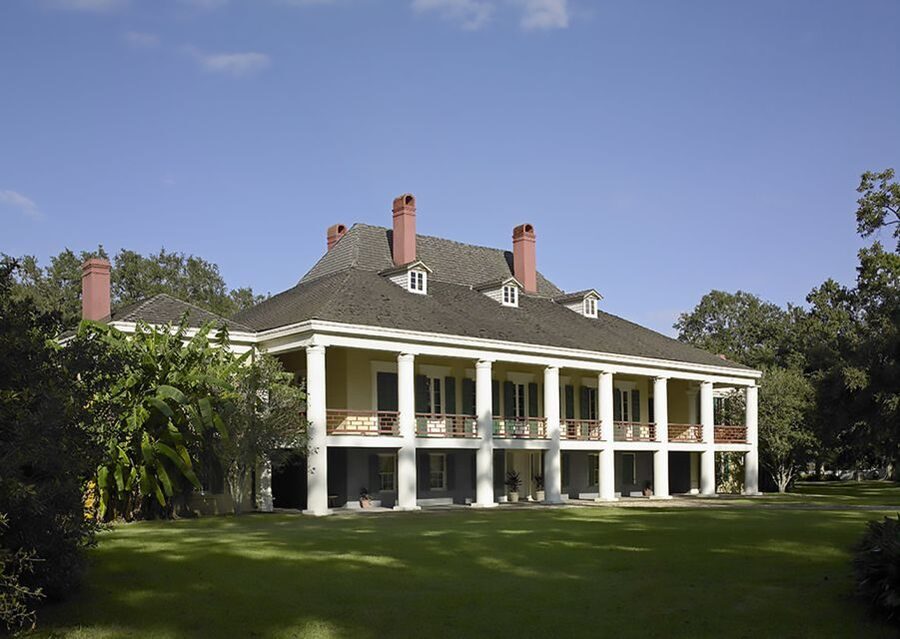
Old trees, heavy stories. This tour at Destrehan Plantation connects you to Louisiana’s earliest plantation world in a clear, guided way. I like that it’s not just a pretty house visit—it’s structured to explain both the people in power and the people trapped in the system.
Two things I really value here are the chance to see an original document signed by Thomas Jefferson and James Madison, and the way the tour follows up with dependency buildings you can walk through yourself. One consideration: the pace is built around a focused house visit plus specific outbuildings, so if you want a longer, slower crawl of every room, plan to take your photos and questions seriously because the day is fairly tight.
In This Review
- Key highlights at Destrehan Plantation
- The 25-minute trip that puts you in plantation time
- Start at the Destrehan Plantation Store, then head to the grounds
- Inside the main house: the Thomas Jefferson and James Madison document
- Free and enslaved stories, plus the German Coast connection
- Dependency buildings you can explore: cabins, registry, and revolt exhibits
- Folk-life demonstration and Spanish-moss photo moments
- Price and planning: is $29 worth it for a 1-day visit?
- Should you book this Destrehan Plantation tour?
- FAQ
- How much does the Destrehan Plantation tour cost?
- How long is the experience?
- Where do I meet the tour?
- Is parking included?
- Is hotel pickup or drop-off included?
- Is the tour wheelchair accessible?
- Are video recordings allowed?
- Frequently asked questions about planning
- What should I bring?
- Can I cancel?
- Is there a live guide?
Key highlights at Destrehan Plantation
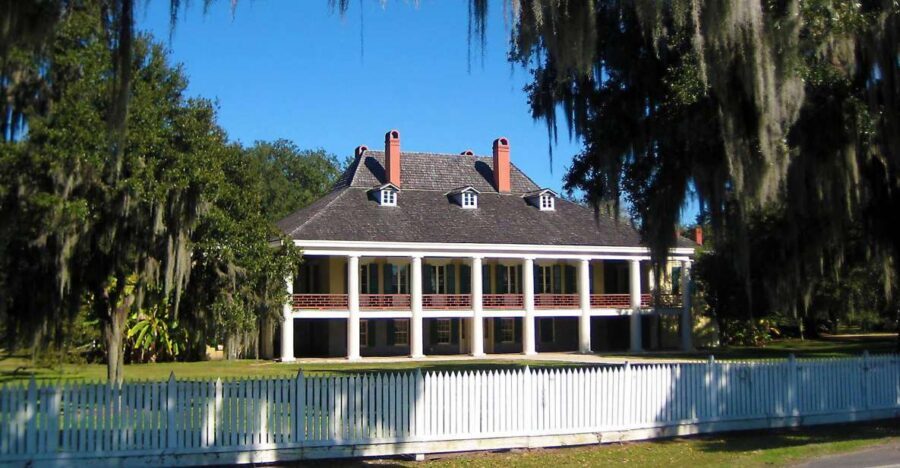
- Louisiana’s oldest plantation site gives you an immediate sense of scale and age
- An original Jefferson–Madison signed document ties the story directly to U.S. founding history
- A short drive from Downtown New Orleans makes it realistic for a 1-day plan
- Self-guided walking among dependency buildings lets you study the details at your own speed
- Spanish moss live oaks are perfect for photos without feeling like a theme park stop
- A guided option with Jean Destrehan descendants can add another personal layer to the German Coast story
The 25-minute trip that puts you in plantation time
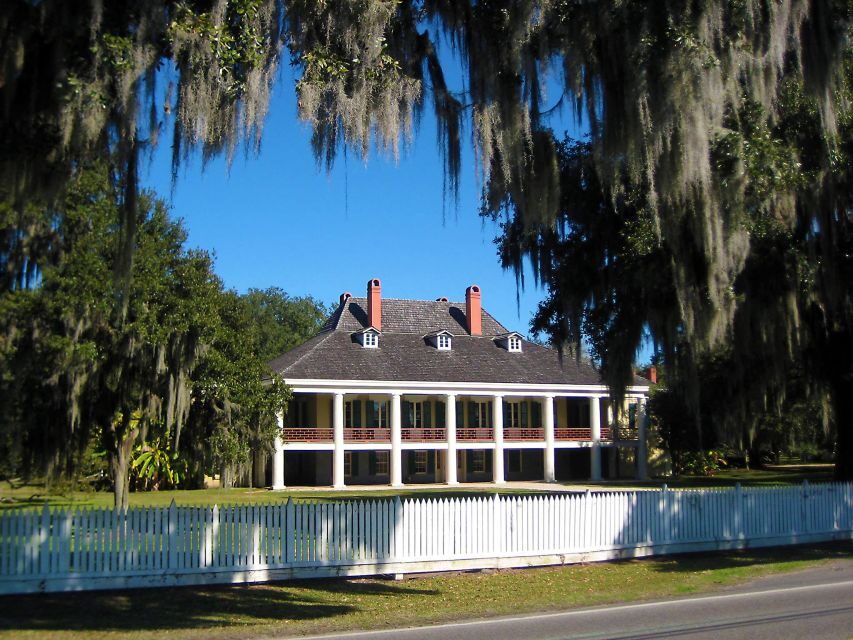
If you’re starting in Downtown New Orleans, you’ll be looking at roughly a 25-minute drive to reach Destrehan Plantation. That matters because it makes a plantation day feel doable, not like a full travel mission that steals your energy.
Once you arrive, the experience drops you into the real geography of a plantation: store frontage, then grounds, then a guided walk through how the place worked. It’s the kind of setup that helps you connect the buildings to the human stories instead of treating them like static scenery.
You can also read our reviews of more tours and experiences in New Orleans.



Start at the Destrehan Plantation Store, then head to the grounds
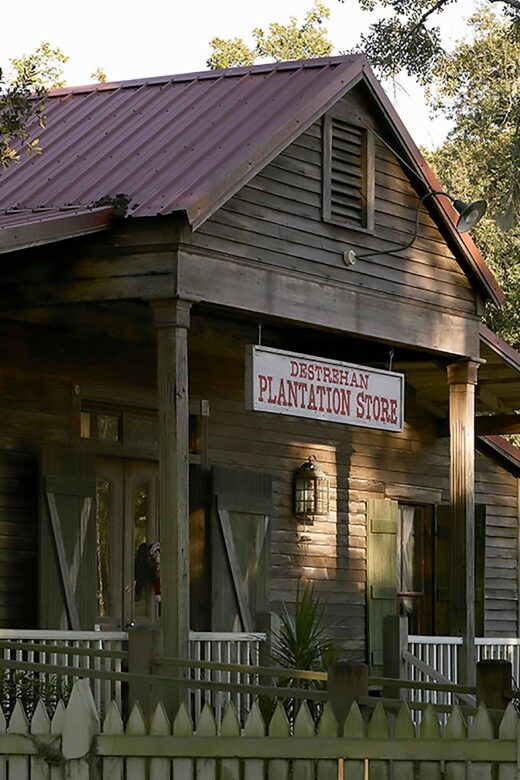
Your visit begins at the old Plantation Store—look for it on arrival. You’ll go through the store and gift shop first, then exit out the back onto the grounds where you’ll meet a personal interpreter.
That flow is smart. It lets you get oriented without rushing, and it sets expectations that you’ll be guided by a live interpreter who will explain what you’re seeing. The tour runs in English, so you’ll get the story without needing headsets or relying on a translation app.
A couple practical notes: the entrance is designed to skip the ticket line, and free parking is included. Also, have comfortable shoes ready—some of the walking and building entries are easier when your feet aren’t protesting.
Inside the main house: the Thomas Jefferson and James Madison document
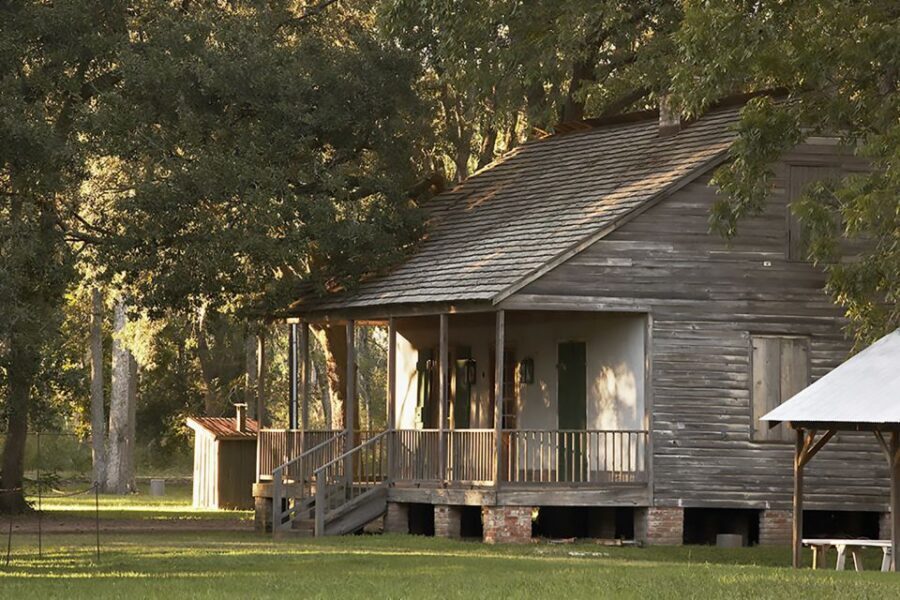
The center of the guided portion is the plantation house tour. This is where you’ll learn about the American slave trade and how Louisiana’s plantation economy developed.
One standout moment is the chance to see an original document signed by Thomas Jefferson and James Madison. It’s not presented as a random artifact; you’ll be guided on why that document matters and how it connects to Louisiana history. For me, that’s where the tour becomes more than a “see the old house” visit—it connects national history to what happened locally.
There’s also an important house-specific rule: no scooters are allowed in the plantation home. If you use mobility assistance, it’s worth planning around that so you’re not stuck making last-minute adjustments once you reach the main interior spaces.
Free and enslaved stories, plus the German Coast connection
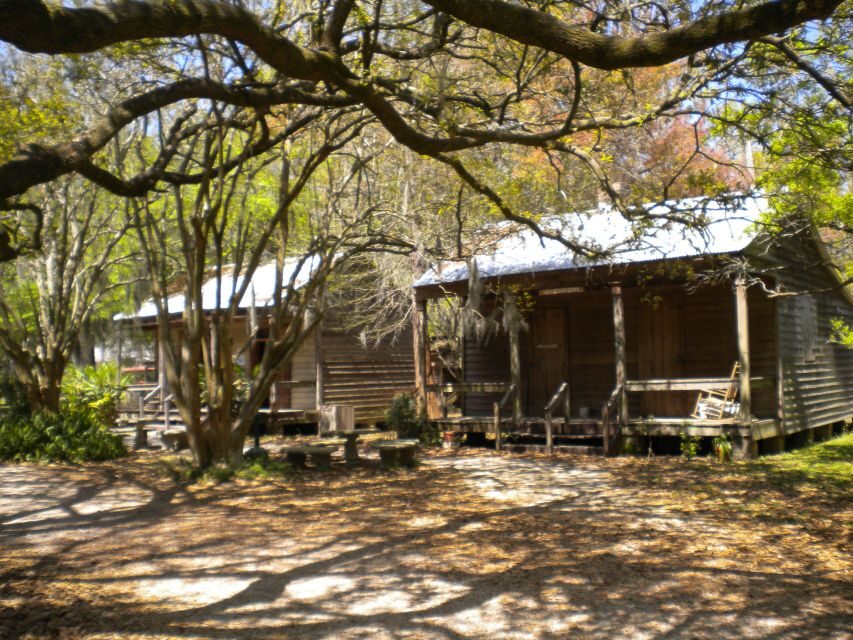
After the guided house focus, the tour centers on the people who lived on the plantation—both free and enslaved. The interpreter’s job is basically to put faces and choices to the buildings, so you can understand the plantation as a working system, not a single photo spot.
You’ll also hear about the various peoples who shaped the German Coast, and there’s an option to take a guided track with a descendant of Jean Destrehan. That’s a valuable add-on if you like the human side of history—how family lines, names, and community identity carry forward even when the past is painful.
One more thing I appreciate: the tour doesn’t just point at slavery; it shows how the plantation structure supported it. When you later visit the dependency buildings, the earlier explanations start to “click” into place.
Dependency buildings you can explore: cabins, registry, and revolt exhibits
After the house tour, you shift into a mix of a folk-life demonstration and self-exploration around the dependency buildings. This is where you’ll really see the plantation as a network of jobs, routines, and control.
Here are the specific spots you can expect to look for on your walk:
- A slave cabin with an enslavement registry
- An overseer’s cabin with exhibits tied to the 1811 Slave Revolt and the Rost Home Colony
- Outdoor kitchen
- Washroom
- Trapper’s cabin
- The Legacy Room showing original documents and artifacts from family members
I like this structure because it avoids the all-too-common museum trap of “one room, one story.” Instead, you get multiple entry points into how people lived and how power was enforced.
The slave cabin section, especially with the enslavement registry, is the kind of detail that turns history from an idea into paperwork-backed reality. And the overseer’s cabin exhibits—mentioning the 1811 Slave Revolt—keep the story from drifting into comfortable distance. Even without overloading you, those exhibits remind you that enslaved people resisted, and that resistance shaped what came next.





Folk-life demonstration and Spanish-moss photo moments
Not every plantation tour includes an interactive element beyond walking. Here, you’ll see a folk-life demonstration after the house portion. It’s a practical pause in the flow—something that adds texture to everyday skills and cultural life around the property.
Then, when you’re done with the heavier exhibits, you’ll be rewarded with the grounds. One of the most enjoyable parts is simply finding a shaded spot under the live oak trees covered in Spanish moss. It’s one of those Louisiana scenes that photographs well, but it’s also a nice break from standing in rooms.
Because video recording is not allowed, plan to rely on still photos where you can. If photography is important to you, bring your patience—some moments will be guided and controlled by the on-site rules.
Price and planning: is $29 worth it for a 1-day visit?
At $29 per person for a 1-day tour, the value here comes from how much content is packed into a single outing. This isn’t just a house exterior or a short stroll; it’s a guided interpretation plus a self-guided walk through multiple key buildings.
What makes it feel like good value is the mix:
- a guided house tour with major historical artifacts
- a direct look at dependency buildings with exhibits and original-material rooms
- a folk-life demonstration
- free parking and the ability to skip the ticket line
The main thing that might change your math is transportation. Hotel pickup and drop-off aren’t included, so you’ll need your own plan to get there and back. If you’re already in the city and can handle a short drive, that’s not a big deal. If you’re relying on a tour shuttle, you may need to coordinate separately.
Also keep your expectations aligned with the format. A longer, slower day is nice sometimes. But if you’re happy with a structured day—house first, then the outbuildings—this fits well.
Should you book this Destrehan Plantation tour?
Book it if you want a plantation visit that takes history seriously without turning it into a lecture you can’t process. I’d especially recommend it if you care about seeing the Jefferson–Madison signed document, and if you like tours that carry you from the house to the working parts of the plantation.
Skip it only if you’re looking for a long, open-ended wander where you can spend extra hours in each building without moving along the planned flow. And if you rely on scooters in indoor spaces, double-check your mobility setup first—scooters aren’t allowed in the plantation home.
If you do book, go with two goals: ask your interpreter questions, and then use the self-exploration time to slow down in the buildings that feel most important to you.
FAQ
How much does the Destrehan Plantation tour cost?
The price is $29 per person.
How long is the experience?
The experience is listed as valid for 1 day, with starting times depending on availability.
Where do I meet the tour?
Meet at the old Plantation Store upon arrival.
Is parking included?
Yes. Free parking is included.
Is hotel pickup or drop-off included?
No. Hotel pickup and drop-off aren’t included, so you’ll need your own transportation.
Is the tour wheelchair accessible?
Yes. The tour is wheelchair accessible.
Are video recordings allowed?
No. Video recording is not allowed.
Frequently asked questions about planning
What should I bring?
Bring comfortable shoes, since you’ll be walking around the grounds and buildings.
Can I cancel?
Yes. There’s free cancellation up to 24 hours in advance for a full refund.
Is there a live guide?
Yes. You’ll have a live English-speaking tour guide/interpreter during the tour.