REVIEW · NEW ORLEANS
New Orleans: French Quarter Walking Tour
Book on GetYourGuide →Operated by Tours by Foot · Bookable on GetYourGuide
French Quarter in half an hour sounds crazy. Yet this tight, guided route makes it surprisingly easy to get the real New Orleans feel, not just the late-night postcard stuff. I love how you take in St. Louis Cathedral right after Jackson Square, and I also like the literary angle—especially the stop connected to Tennessee Williams and A Streetcar Named Desire.
One thing to think about first: it’s only 30 minutes, so you’ll see a lot of highlights fast, then you’ll still want extra time to wander on your own if you’re a slow explorer.
In This Review
- Key Highlights You’ll Notice Fast
- A 30-Minute French Quarter Walk That Gets Past the Obvious
- Meeting at Jackson Square: Start Where the Quarter Makes Sense
- St. Louis Cathedral and the River Stop: Where the Photos Actually Feel Useful
- French Quarter Stroll: Bourbon Street Included, Stories Explained
- Cabildo: The Louisiana Purchase Connection You’ll Remember
- Presbytère Museum: Mardi Gras and Hurricane Katrina Context
- Literary New Orleans: Tennessee Williams (and the Bookstore Trail)
- Pirate Alley and Lafitte’s Blacksmith Shop: End With Legend
- Price, Time, and Value: Is $39 Worth It?
- Who This Tour Suits Best (and Who Might Want More Time)
- Should You Book This French Quarter Walking Tour?
- FAQ
- How long is the New Orleans French Quarter Walking Tour?
- Where do I meet the guide?
- What’s included in the $39 per person price?
- Does the tour include stops like St. Louis Cathedral and Jackson Square?
- Will we see Mardi Gras-related sites?
- Does the tour include Bourbon Street?
- Is there free cancellation?
Key Highlights You’ll Notice Fast
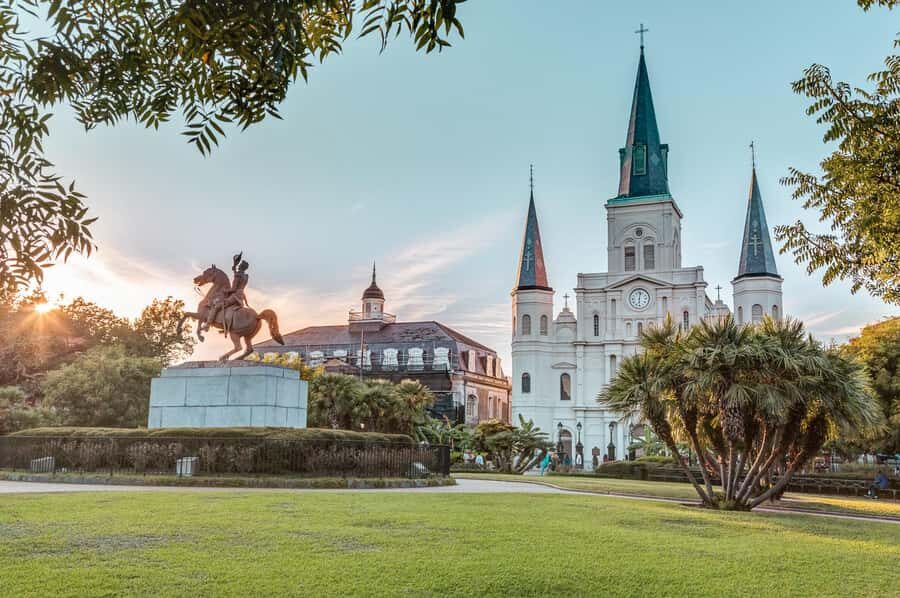
- Jackson Square as your starting “orientation hub” so the Quarter makes sense right away
- St. Louis Cathedral’s architecture up close, not just a distant skyline photo
- Cabildo + Presbytere for the Mardi Gras and Louisiana Purchase context
- Literary New Orleans stops, including the Tennessee Williams house
- Pirate Alley vibes and the famous Jean Lafitte legend area near the end
- Bourbon Street included, but with a broader, story-driven walk around it
A 30-Minute French Quarter Walk That Gets Past the Obvious
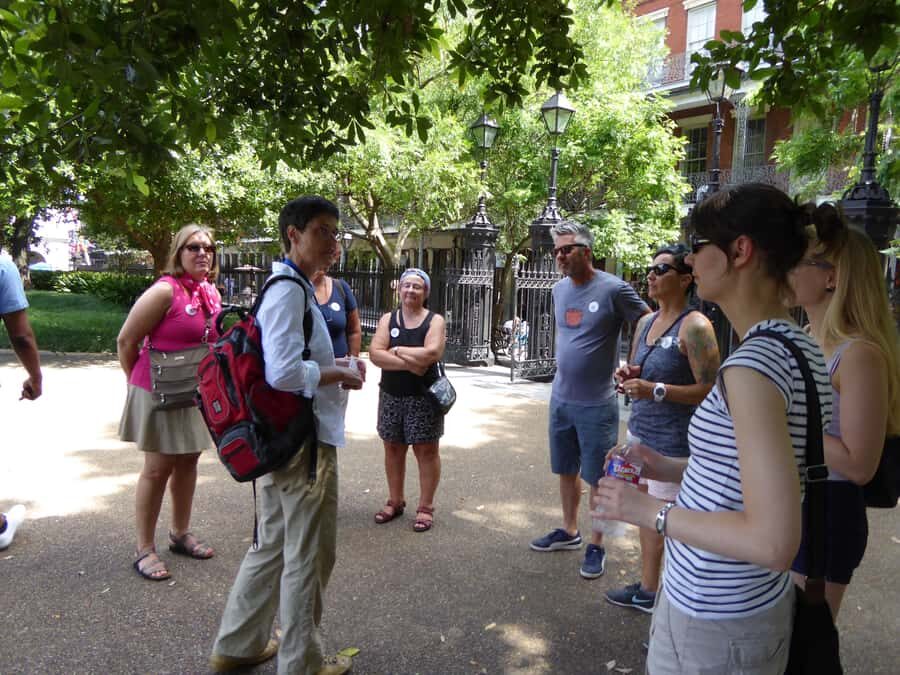
If you’re short on time in New Orleans, this is the kind of tour that helps you not waste it. For $39 per person and about 30 minutes, you’re buying structure: a certified English-speaking guide, a set route through the French Quarter’s big landmarks, plus tickets to the Presbytère Museum with skipping the ticket line.
What you get is not a deep, day-long crawl. Instead, you get a fast “map in your head.” You’ll understand why this neighborhood feels the way it does—Catholic landmarks, French/Spanish colonial traces, Mardi Gras traditions, and the city’s obsession with stories (pirates, writers, legends) all layered together.
I like the balance here: yes, you’ll go down Bourbon Street, but the tour also nudges you to look at the French Quarter beyond beads and beer. If your goal is to get oriented, catch major sights, and leave with a short list of where to go next, this format works.
The main trade-off is simple: 30 minutes is short. You can learn a lot, but you can’t linger. Plan to use the tour to decide where you’ll spend your real time.
You can also read our reviews of more walking tours in New Orleans


Meeting at Jackson Square: Start Where the Quarter Makes Sense
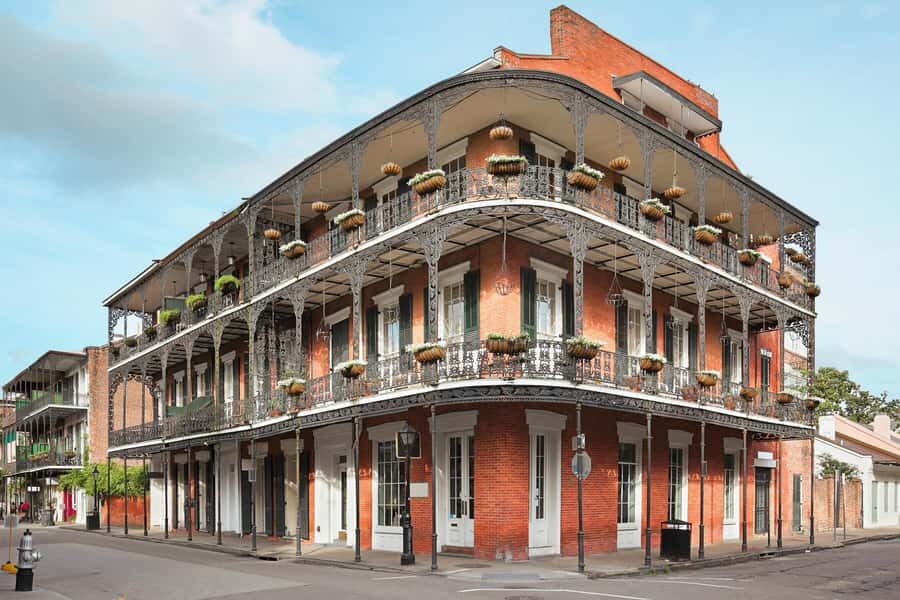
You start at the Andrew Jackson Equestrian Statue in the center of Jackson Square. That matters more than it sounds. Jackson Square is the public heart of the Quarter, where activity has been a center since the 18th century, and it’s the easiest place to calibrate what you’re seeing as you walk.
Expect a short guided introduction and then a photo stop. This is where you’ll learn what to look for as you move—how the Quarter’s main landmarks relate to each other and what each one represents. When you start at Jackson Square, you don’t wander blindly. You’re stepping into a neighborhood with a story already in your pocket.
Practical tip: Jackson Square can be busy, especially later in the day. Show up a few minutes early so you’re not doing the awkward shuffle as the group assembles.
St. Louis Cathedral and the River Stop: Where the Photos Actually Feel Useful
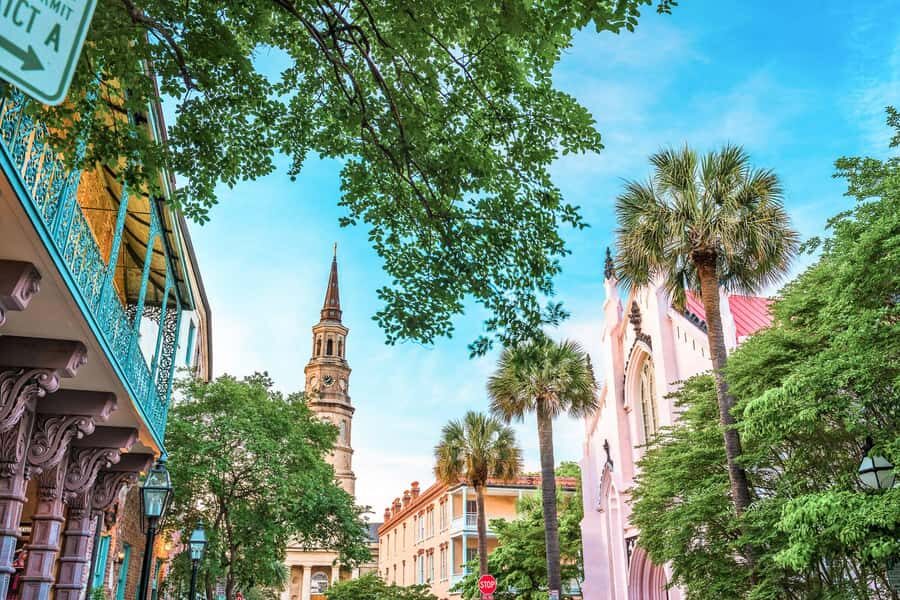
Right after Jackson Square, you’ll head to the St. Louis Cathedral. This isn’t a quick “walk-by and forget” stop. The tour includes a guided component and time for a photo. The big value is that you get the meaning behind the architecture: it’s one of the oldest cathedrals in the United States and tied to the city’s deep Catholic heritage.
Then you’ll get a Mississippi River stop for photos and guided explanation. This is the moment the Quarter stops being just buildings and turns into a place shaped by geography. Even a short look helps you understand why New Orleans historically grew where it did—trade routes, river life, and the constant pull between land and water.
The trade-off? You won’t have a long viewing window at the river. This tour is built for quick hits, not extended sightseeing. But if you’re the type who wants the key landmarks checked off and explained, this part delivers.
French Quarter Stroll: Bourbon Street Included, Stories Explained
The walk continues into the heart of the Vieux Carre. You’ll get guided time in the French Quarter area, and the tour doesn’t pretend Bourbon Street doesn’t exist. A stroll down Bourbon Street is included—because no tour of the Quarter is complete without it, and because it’s where the world tends to first notice New Orleans.
But the guide’s job here is to help you not get stuck in the noise. The tour frames Bourbon Street as a cultural symbol, then pulls you toward quieter context nearby—so you understand what’s happening and why, instead of treating it like a theme park.
If you’re worried about the Party Street factor: I’d treat Bourbon Street as a short visit, not your entire plan. Let the guide take you through it as part of the larger neighborhood story, then shift your attention to the other stops that feel more timeless.
Cabildo: The Louisiana Purchase Connection You’ll Remember
One of my favorite stops on this kind of route is the Cabildo. Here, you’re not just looking at old walls—you’re learning why they matter. The tour includes a photo stop and guided visit, focused on a big historical milestone: the Louisiana Purchase was signed there.
That’s the kind of fact that sticks because it changes how you interpret the entire city. New Orleans wasn’t only built by one culture. It absorbed new power, new languages, new customs, and then kept weaving them into daily life. The Cabildo helps you understand the political turning points behind the architecture and the traditions you’ll see walking around.
The value for your time is strong: you get the big historical note without needing hours of museum time.





Presbytère Museum: Mardi Gras and Hurricane Katrina Context
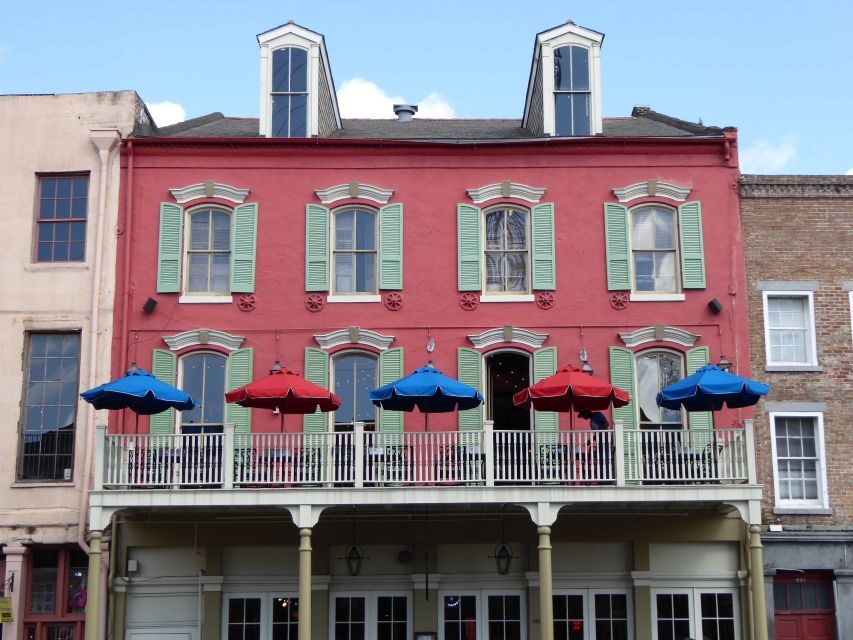
Your route brings you to the Presbytère, where the tour includes photo stop time, a guided visit, and even free time at the end.
This stop is packed with meaning because it ties two major forces together:
- Exhibits on Mardi Gras
- Exhibits connected to Hurricane Katrina
That combo is important. Mardi Gras isn’t just costumes and music; it’s part of how New Orleans expresses identity and resilience. And Katrina isn’t just a tragedy you hear about on the news—it’s part of the city’s recent history and recovery story. Seeing those themes in one place helps the Quarter feel less like a caricature and more like a lived-in community.
You also get tickets included and skip the ticket line, which is a real time-saver when you’re trying to pack a short tour into a busy day.
Literary New Orleans: Tennessee Williams (and the Bookstore Trail)
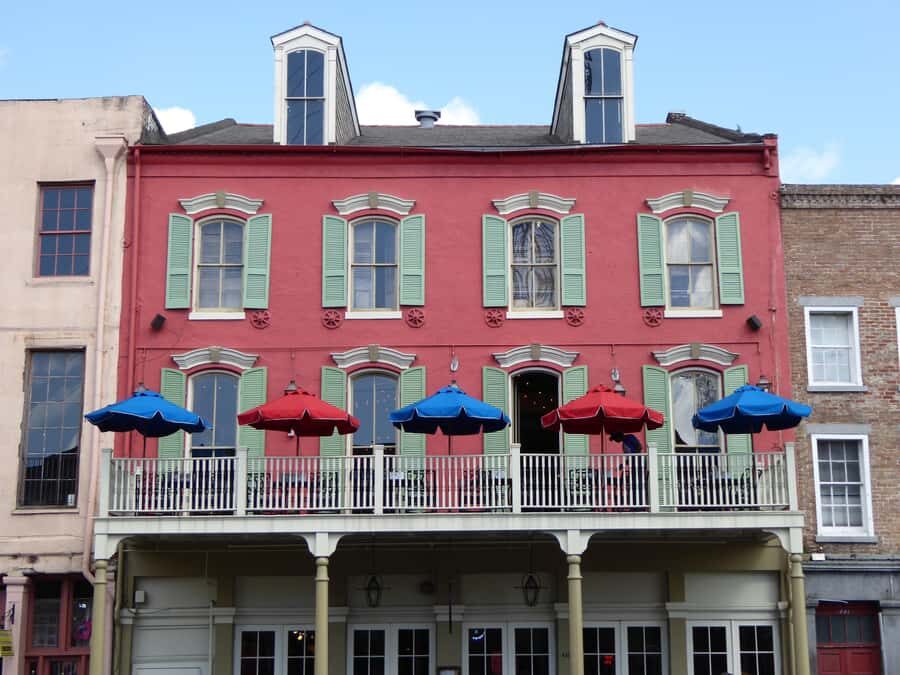
New Orleans loves writers, and this tour leans into that. You’ll see the house connected to Tennessee Williams, the playwright who penned A Streetcar Named Desire. This stop isn’t only about a famous name. It’s a reminder that the French Quarter has long been a magnet for imagination—artists drawn to its stories, its drama, and its history.
The tour also includes a stop at the William Faulkner House, now a bookstore filled with rare and classic books. Even if you don’t go inside for long, knowing where to look (and what to look for) can turn a street corner into something more personal.
If you’re a literature fan, this is the part that makes the tour feel more “you” and less “generic sightseeing.” If you’re not, it still works because it adds a human thread: people created art here, not just buildings stood here.
Pirate Alley and Lafitte’s Blacksmith Shop: End With Legend

As you move deeper through the Quarter, you’ll also get Pirate Alley, a narrow passage known for pirate lore and literary legends. It’s the kind of spot that feels made for quick photos—but the real point is the story. New Orleans has always traded in myth: pirates, smugglers, gamblers, writers, and the characters who make a city feel like a novel.
Then the tour concludes near the Lafitte’s Blacksmith Shop Bar (the spot associated with Jean Lafitte). You’ll stop there and learn why it’s famous: it’s one of the oldest surviving structures in New Orleans and tied to Lafitte’s pirate activities.
This ending choice is smart for a walking tour. You finish with a place that feels like a legend you can carry around. And since your tour ends back at the Presbytère area, you’re not stranded somewhere random far from the action.
Price, Time, and Value: Is $39 Worth It?
For a 30-minute guided tour, it might feel short until you look at what’s bundled. You’re paying for:
- A certified professional guide
- Guided stops at major landmarks (not just wandering)
- Presbytère Museum tickets
- Skip-the-ticket-line access
- English-language narration and structure
If you were to do this on your own, you’d spend time figuring out the “what” and the “why.” A good guide helps you turn a quick walk into a learning experience, which is exactly what you want when your schedule is tight.
So I see the value as strongest for these situations:
- You have only a couple hours in the Quarter and want the highlights explained
- You’re overwhelmed by the sheer number of things to do and want a short route
- You’d like museum access without spending time on logistics
Who This Tour Suits Best (and Who Might Want More Time)
This is a great match if you want a French Quarter orientation sprint. It’s also a good pick if you care about at least one of these themes:
- architecture (St. Louis Cathedral)
- Mardi Gras context (Cabildo and Presbytère)
- literature and famous authors (Tennessee Williams, Faulkner)
- legends (Pirate Alley, Jean Lafitte)
If you’re the type who loves slow wandering, long museum time, or lots of photos with no pressure, you might feel rushed. The stop format is fast, and the tour’s strength is the short, guided sequence—not extended downtime.
I’d also think about your priorities: if Bourbon Street is the only thing you want, this tour might be more “story-based” than you expect. But if you want Bourbon Street as one stop on a larger cultural walk, you’re in the sweet spot.
Should You Book This French Quarter Walking Tour?
Yes—if your goal is to get your bearings quickly and understand what you’re seeing as you walk. The best reasons to book are the short time commitment, the included Presbytère ticket (with line-skipping), and the tour’s mix of landmarks plus the Mardi Gras and literary story threads.
Skip it or consider adding your own extra time if you know you want to linger in museums, take your time with photos, or do a deep dive into just one side of the Quarter like nightlife alone.
If you’re deciding between wandering on your own and doing one guided route, this is the kind of tour that helps you leave with a clearer plan for the rest of your day.
FAQ
How long is the New Orleans French Quarter Walking Tour?
The tour duration is about 30 minutes, with starting times depending on availability.
Where do I meet the guide?
You meet your guide at the Andrew Jackson Equestrian Statue in the center of Jackson Square.
What’s included in the $39 per person price?
The price includes a certified professional live guide in English, and tickets to the Presbytère Museum, with skip-the-ticket-line access.
Does the tour include stops like St. Louis Cathedral and Jackson Square?
Yes. The tour includes Jackson Square and a photo stop and visit at St. Louis Cathedral.
Will we see Mardi Gras-related sites?
Yes. You’ll visit places like the Cabildo and the Presbytère, where there are exhibits related to Mardi Gras (and also Hurricane Katrina).
Does the tour include Bourbon Street?
Yes. The tour includes a stroll down Bourbon Street as part of seeing the French Quarter’s culture.
Is there free cancellation?
Yes. You can cancel up to 24 hours in advance for a full refund.