REVIEW · NEW ORLEANS
New Orleans: Garden District Walking Tour
Book on GetYourGuide →Operated by 504tours · Bookable on GetYourGuide
This walk turns a nice neighborhood stroll into something sharper. You’ll see opulent 19th-century homes in the Garden District and learn how money, design, and ambition shaped life here.
I love the mix of architecture and people stories, especially the Carroll-Crawford Mansion spotlight and the details behind each stop. You’ll also get a guide who keeps the pace friendly while still sharing a lot, in plain language that actually sticks.
One thing to consider: it’s a walking tour, and you’ll want to be comfortable on your feet for the full 2 hours. Also, the info notes the tour is wheelchair accessible, but it’s not suitable for wheelchair users, so double-check if you’re using a chair.
In This Review
- Key highlights you’ll feel fast
- Entering the Garden District: why this tour works
- Meeting Point on Magazine Street: start where the neighborhood feels real
- Bosworth-Haus and Burnside Mansion: the mansion stop you’ll look at twice
- The oldest municipal cemetery: a lesson about above-ground burials
- Commander’s Palace sightline: when famous chefs trained nearby
- Eustis-Haus and the Sandra Bullock connection
- Lonsdale House on Prytania Street: the oldest anchor point
- Ending at the Rink: coffee, books, and a softer landing
- Why $45 for 2 hours feels fair
- Who this tour suits best
- Should you book the New Orleans Garden District Walking Tour?
- FAQ
- How long is the New Orleans Garden District walking tour?
- What does it cost?
- Where do I meet the tour?
- What’s included in the price?
- Are there food or drinks included?
- What languages are offered for the live guide?
- Is the tour wheelchair accessible?
Key highlights you’ll feel fast
- Regina/Regine-style guiding: Warm, humorous, and focused on making history understandable, not lectured
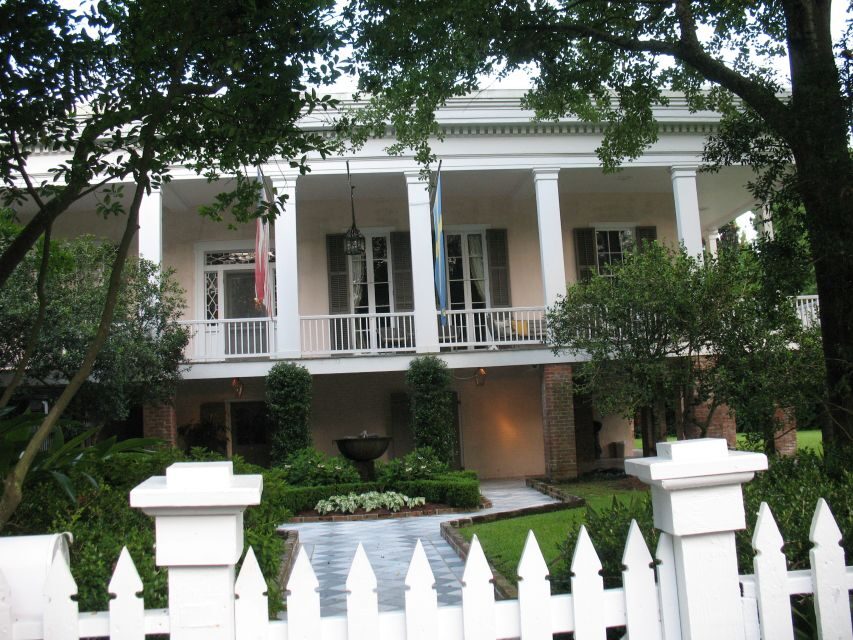
- Mansion design nerd facts (the fun kind): Greek Revival and Italianate details you can spot with your own eyes
- A cemetery lesson that matters: Above-ground burial traditions explained where you can see the results
- Food history on the route: A sightline to Commander’s Palace, tied to chefs like Paul Prudhomme and Emeril Lagasse
- Hollywood connection with a price tag: Sandra Bullock and the Eustis-Haus purchase for $2.25 million
- A good finish point: Ending at the Rink for coffee, an independent bookstore, and small boutiques
Entering the Garden District: why this tour works
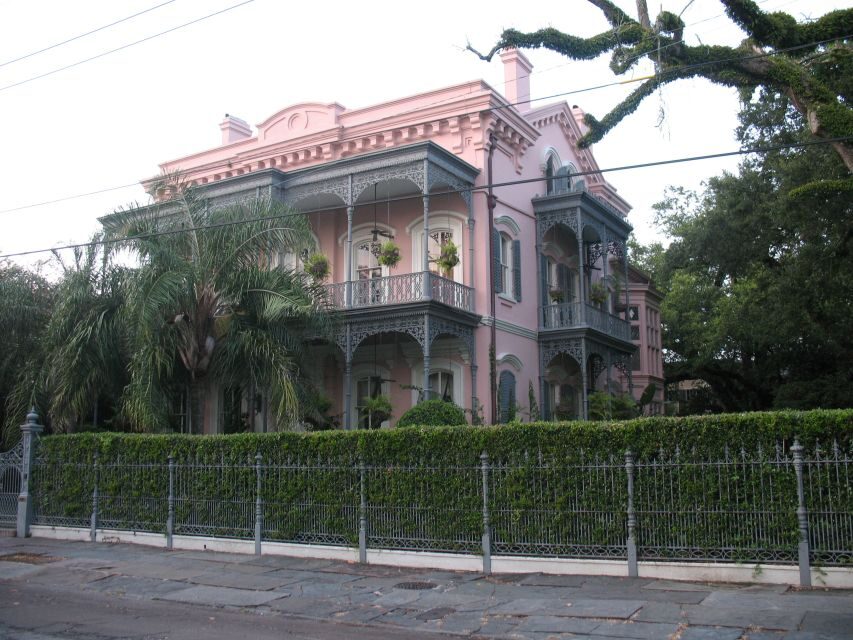
The Garden District is the kind of New Orleans place where beauty can look like a postcard. But this tour helps you read what you’re seeing. The mansions aren’t just decorative; they’re clues to when wealth surged, when it faded, and how families showed status through architecture.
You’ll walk a route that stays calm enough to enjoy the streets while still hitting the key sights. Expect a leisurely pace, and expect your guide to connect the houses to the people who lived there, including how fortunes changed in the second half of the 1800s.
And you’ll get more than name-checking. A big reason people love this tour is the guiding style. In the guide names I saw—Regina/Regine and Randy—there’s a pattern: clear storytelling, time taken with the group, and answers that sometimes go beyond the exact mansion in front of you. That’s the difference between a “see it and move on” walk and a tour you actually remember.
You can also read our reviews of more walking tours in New Orleans



Meeting Point on Magazine Street: start where the neighborhood feels real
You’ll meet at 2801 Magazine St., on the corner of Washington Avenue, directly across from Coquette. That matters because you’re starting inside the Garden District vibe right away, not at some far-away bus depot.
The tour runs about 2 hours. That’s long enough to cover multiple stops—without feeling rushed—but short enough that you can still do other New Orleans plans the same day.
Two practical notes from the details you’re given:
- Wear comfortable shoes. The tour is described as a walking experience, and you’ll want your legs happy.
- The tour is listed in languages English and German, and it’s for a private group. If you’re traveling with people who like a more personal pace, this format is a plus.
One more thing to keep in mind: the notes include a guidance that it’s not suitable for people over 95, and the accessibility notes are mixed. If that applies to you or someone in your party, it’s worth asking ahead how the route is handled.
Bosworth-Haus and Burnside Mansion: the mansion stop you’ll look at twice
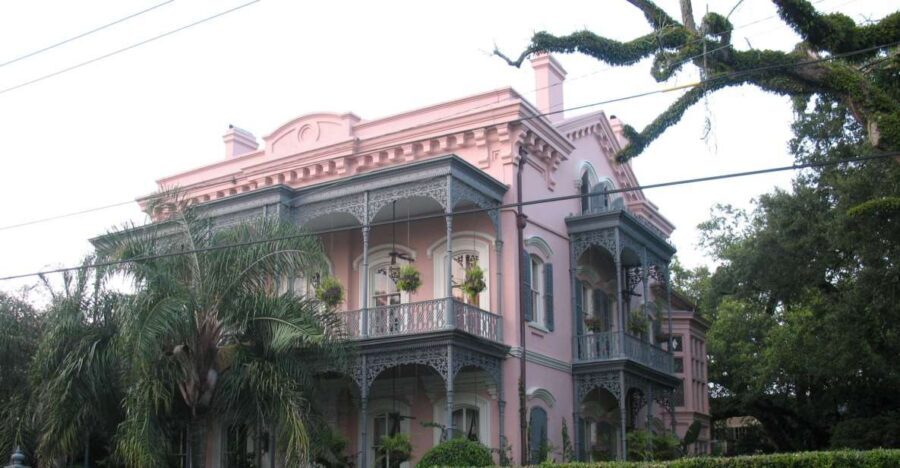
Your tour kicks off with two iconic stops: the Bosworth-Haus and the Burnside Mansion. This is where the Garden District education begins.
Here’s what you’ll take from these houses:
- Wealth found and sometimes lost: The stories tied to these mansions reflect how families made fortunes and how quickly circumstances could change.
- Architectural styles you can actually see: The homes are described with Greek Revival and Italianate influences. Your guide will help you spot what those styles mean on the street—so you’re not just admiring symmetry, you’re learning how design choices communicate status.
The Bosworth-Haus is tied to a successful ice-magnate. That detail is fun because it pulls you out of vague “old-money” talk. Instead, you get a specific business, and then the mansion makes sense: money had a source.
With the Burnside Mansion, you’ll look at another kind of wealth story—connected to a plantation owner. Again, the home becomes a readable artifact. It’s not just “pretty columns.” It’s what power and wealth looked like in that era.
Possible drawback: if you’re expecting interior visits, this isn’t framed that way in the details you’re given. The focus is on walking up, looking closely, and learning from what you see from the sidewalk and street view.
The oldest municipal cemetery: a lesson about above-ground burials
After the first mansion sequence, you’ll stop at the oldest municipal cemetery. This is a smart mid-tour pivot. Mansions can make you think the story is only about the living. The cemetery brings the focus back to the whole New Orleans reality.
The big idea you’ll learn here is the city’s above-ground burial tradition. In New Orleans, that tradition isn’t just trivia; it shapes what you see around town and how families navigate remembrance.
This stop also gives your legs a little mental reset. You’ll still be outside, still walking, but your brain is getting a different kind of information than the architecture-only track.
If you like tours that mix aesthetics with cultural practices, this cemetery lesson is one of the best “why this place is different” parts.
Commander’s Palace sightline: when famous chefs trained nearby
Next up, you’ll get to look at Commander’s Palace, one of New Orleans’ most famous restaurants. Even if you’re not eating on the spot, this stop adds a very “present-day” thread to the tour.
Your guide will connect the restaurant to culinary legends: Paul Prudhomme and Emeril Lagasse trained here, and you’ll hear about the owner, Ella Brennan.
Why it’s valuable: it shows you that New Orleans isn’t only about the past. The same neighborhoods and institutions that shaped wealth in the 1800s also shaped modern creative careers. It’s a reminder that culture here grows from people working hard, not just from old buildings.
One consideration: because the tour is structured around sights, don’t plan on a full restaurant experience during the walk itself. The tour details say food and beverages aren’t included, so you’re mostly there for the historical connection and the viewpoint.






Eustis-Haus and the Sandra Bullock connection
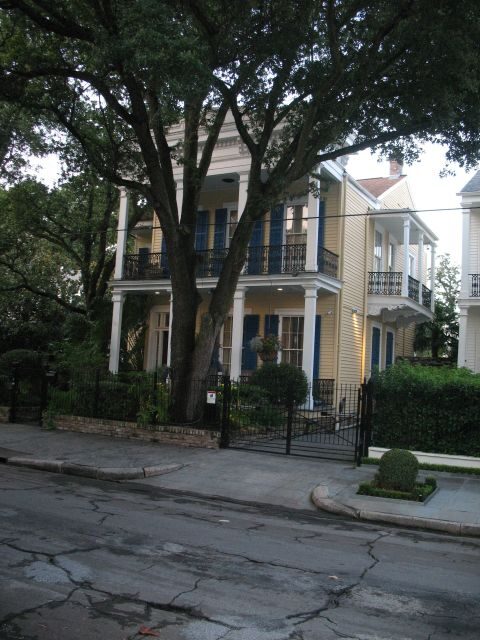
Then comes a stop that pops for almost every kind of traveler: the Eustis-Haus. You’ll learn it was built for the daughter of a cotton factor, and then the story jumps to pop culture.
The key detail you’ll hear is that the home was purchased by movie actress Sandra Bullock for $2.25 million.
This part works because it links three eras:
- the original wealth source (cotton business ties),
- the architectural statement of the period,
- and the way modern fame can fold into old-world real estate.
You don’t have to be a film buff to enjoy it. The joy is in seeing how the value and meaning of a place keeps shifting over time, while the building stays.
Lonsdale House on Prytania Street: the oldest anchor point
Nearby, you’ll get the chance to see the Lonsdale house on Prytania Street. This house is identified as the oldest in the Garden District, and today it belongs to a wealthy local tea and coffee importer.
That detail is small, but it gives you a strong takeaway: continuity. Even when the type of wealth changes—from the heavy 1800s economy to more modern business—people still choose to live in ways that signal status and taste.
This stop also helps you frame the Garden District as more than mansions. It’s a living neighborhood where the street itself tells you how old and new overlap.
Ending at the Rink: coffee, books, and a softer landing
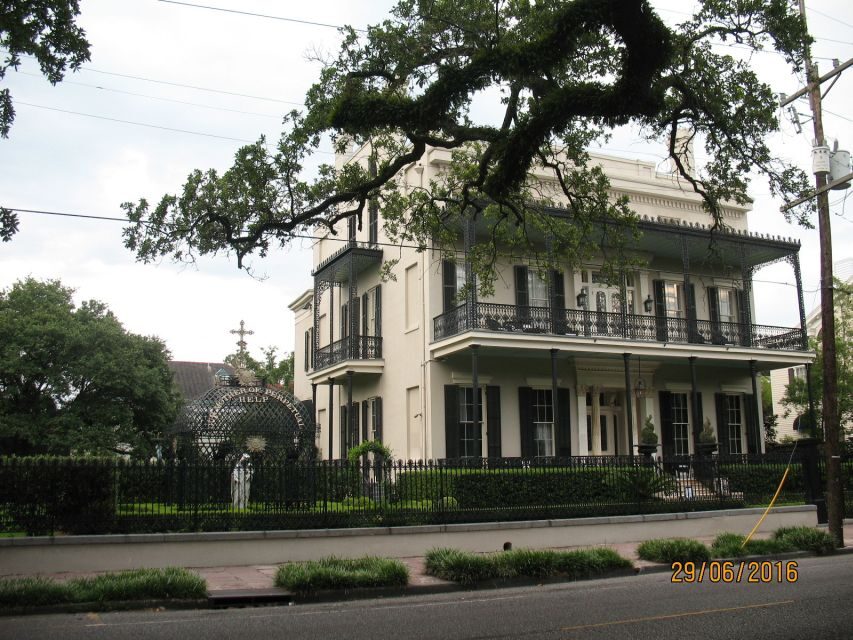
The tour finishes at the Rink, a former skating rink that now holds a local coffee shop, an independent bookstore, and small boutiques.
This is a smart ending because it doesn’t force you into a “tour ends, go wander aimlessly” situation. You get a natural transition to slow down, cool off, and decide what to do next.
If you like to keep your days flexible, this ending helps. You can grab something quick, browse a book, or pop into a shop without needing a strict schedule.
And it matches the tour’s tone: it starts with big architectural stories, then lands in something relaxed and human-scale.
Why $45 for 2 hours feels fair
At $45 per person for about 2 hours, this tour isn’t trying to be a bargain. It’s priced like a focused guided experience—one that includes multiple major stops and a guide who brings the stories to life.
Here’s how the value works in your favor:
- You’re paying for interpretation, not just walking past buildings.
- The route covers multiple named highlights, including mansions and a cemetery stop, plus the Commander’s Palace connection.
- The guide quality seems to be a key strength, with people praising how guides handle the group, add context, and keep the vibe friendly and humorous.
In plain terms: if you’re the type of traveler who likes to know why a building looks the way it does, this price makes sense. If you just want to take photos and move fast, you might not get as much out of the guided component.
Who this tour suits best
This is a strong match for you if:
- you want an easy way to understand the Garden District’s architectural styles,
- you like tours where the guide talks in clear, human terms,
- you appreciate connecting buildings to real people and real changes over time.
It’s also a good choice if you’re traveling with someone who gets tired of long museum stops. This is walking, yes, but it’s paced for conversation and looking closely.
On the other hand, if your group wants interiors, extensive museum time, or zero walking, this format may feel limiting.
Should you book the New Orleans Garden District Walking Tour?
I’d book it if you want a structured, story-led walk through the Garden District that focuses on what you can see—plus what it meant. The strongest reason to pick this tour is the guide experience: names like Regina/Regine and Randy show up in the details, and the common theme is warm, funny, attentive guiding with solid answers.
Skip it only if walking is a struggle for you, if you need interior access, or if you prefer pure self-guided photo time.
If your idea of a great New Orleans day includes mansions, cemeteries, and a bit of food-world connection, this one fits neatly.
FAQ
How long is the New Orleans Garden District walking tour?
The tour lasts about 2 hours.
What does it cost?
It costs $45 per person.
Where do I meet the tour?
You meet at 2801 Magazine St., at the corner of Washington Avenue, across the street from Coquette.
What’s included in the price?
The price includes a guided walking tour through the Garden District.
Are there food or drinks included?
No. Food and beverages are not included.
What languages are offered for the live guide?
The live tour guide is available in English and German.
Is the tour wheelchair accessible?
The info lists wheelchair accessibility, but it also states the tour is not suitable for wheelchair users, so it’s best to check details with the provider before booking.