REVIEW · NEW ORLEANS
New Orleans: Highlights of the French Quarter
Book on Viator →Operated by WeVenture New Orleans · Bookable on Viator
New Orleans hits different when you walk it with a local. This private French Quarter highlights tour takes you past cast-iron balconies, key landmarks, and the backstory behind the city’s food and music. You get a built-in route that helps you make sense of the chaos fast, without feeling like you are speed-running the Quarter.
I love how much you cover on foot in a short time, especially the French Quarter streetscape: colorful buildings, ironwork balconies, and the way different cultures shaped the neighborhood’s look and its food scene. I also like the mix of stops that keep changing the mood—from Jackson Square’s calm to Bourbon Street’s energy.
One thing to consider: this is a walking-and-stops plan, but food and drinks are not included, and the route also includes optional music-focused add-ons. If you’re hoping for a sit-down meal or a full nightlife experience, you’ll want to budget time and cash on your own.
In This Review
- Key highlights you should know before you go
- Why this tour is one of the smartest ways to see the French Quarter
- French Quarter walking: cast-iron balconies and the city’s food-story
- Jackson Square and St. Louis Cathedral: art, symbolism, and a darker chapter
- Bourbon Street: famous nightlife, explained through early jazz
- French Market and Jazz Museum options: shopping plus music culture
- Garden District and Magazine Street: mansions, mansions, and the working-class contrast
- City Park and botanical gardens: a green reset between neighborhoods
- More neighborhoods on the drive: streetcars, cemeteries, and Katrina Memorial
- Value check: $37 for a private guide and a tight route
- Who should book this tour
- Should you book? My take
- FAQ
- FAQ
- How long is the New Orleans French Quarter highlights tour?
- How much does it cost?
- Is this a private tour or shared experience?
- Does the tour include pickup?
- What kind of ticket do I get?
- Are any entrances included?
- Is food and drink included?
- Where does the tour focus first?
- Are there optional jazz-focused stops?
- Can I cancel for a full refund?
Key highlights you should know before you go
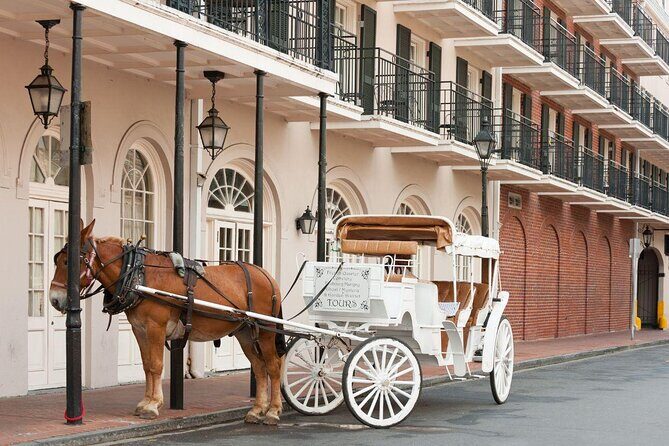
- Cast-iron balconies and cultural roots: You connect architecture to New Orleans’ mix of cultures and culinary legacy.
- St. Louis Cathedral at the center of the story: You’ll learn what makes the site meaningful since 1794.
- Bourbon Street with context: It’s more than bars—there’s an early jazz thread to follow.
- French Market for shopping and possible music: You can browse in one of the city’s oldest markets.
- Garden District + Magazine Street contrast: Big mansions, shaded streets, and working-class shotgun homes.
Why this tour is one of the smartest ways to see the French Quarter
If you have only a day in New Orleans, you usually face a choice: either pick a few famous spots and miss the connections, or trust yourself to wander and hope it all clicks. This tour does the clicking for you.
You’ll start in the French Quarter and move through the places that people actually use as landmarks—Jackson Square, St. Louis Cathedral, and Bourbon Street. The guide’s job is to connect what you see to why it exists, including how New Orleans became a cultural melting pot and how that shows up in architecture and food.
And because this is private, you get a route designed for your group. That matters in the Quarter, where crowds can easily turn a short walk into a slow shuffle. Here, you’re not just there to take photos—you’re there to understand what the photos mean.
You can also read our reviews of more tours and experiences in New Orleans.


French Quarter walking: cast-iron balconies and the city’s food-story
This is the portion that sets the tone. You’ll walk historic streets with colorful buildings and cast-iron balconies, the kind of streetscape that instantly looks like New Orleans even when you’re standing still.
The key value is what your guide connects to those details. You’ll get the story of how New Orleans’ cultures shaped the neighborhood over time, and you’ll see how that same blend shows up in the food scene people come here for today. That gives your visit structure. Instead of seeing the Quarter as a set of pretty scenes, you start seeing it as a living outcome of migration, trade, and community.
You may also pass by classic French Quarter sights mentioned in the tour plan, like Pirate’s Alley, which is one of those narrow-laned spots where the vibe feels instantly cinematic.
What to watch for: you’ll be on your feet. So if your group has mobility limits, plan to keep a slower pace and treat shade breaks as part of the itinerary, not a bonus.
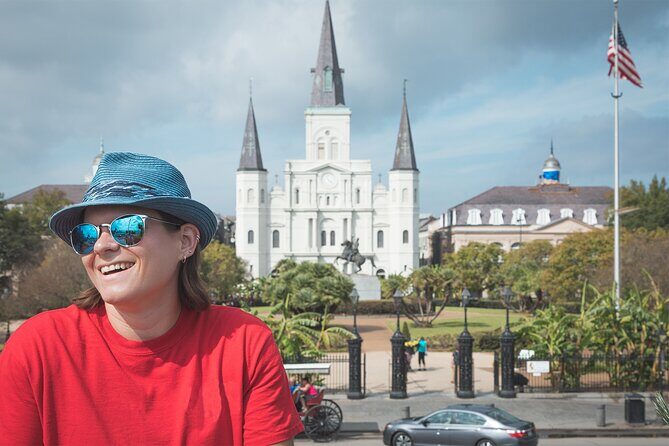
Jackson Square and St. Louis Cathedral: art, symbolism, and a darker chapter
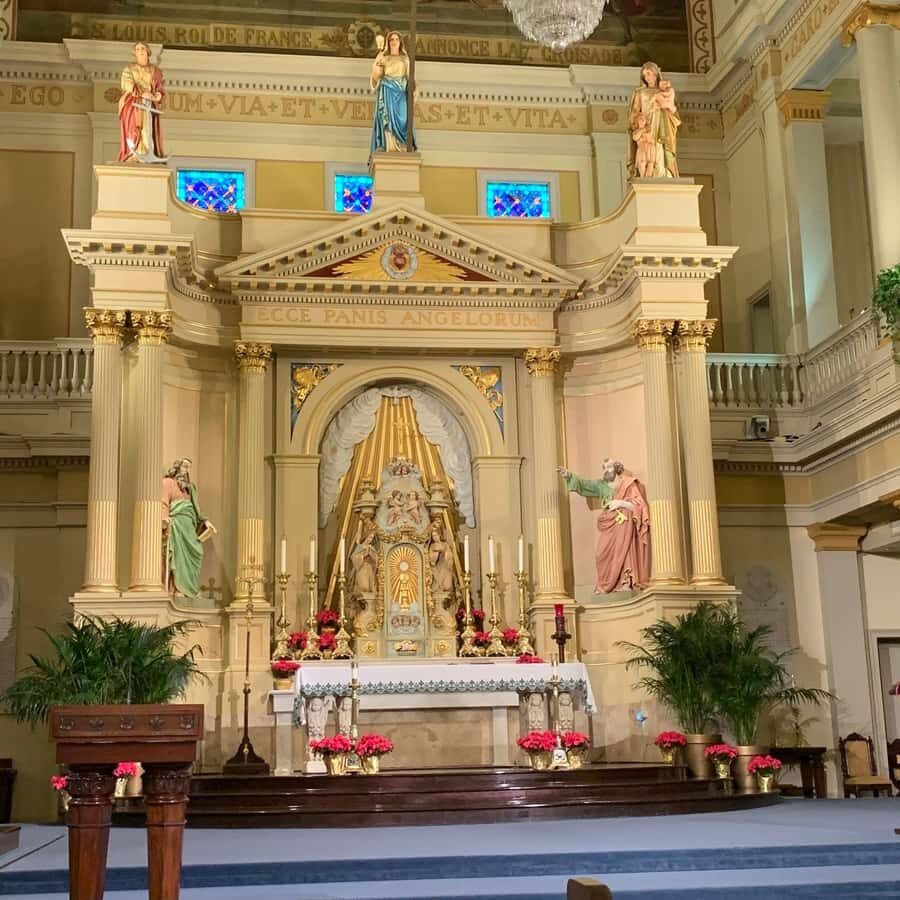
Jackson Square is one of those places that feels iconic even if you don’t know much history. In this tour, the square isn’t just a photo stop. Your guide will frame what you’re looking at—symbolic statues, architecture, and how the square functions as a central point for the city’s story.
Then you’ll go to St. Louis Cathedral, which the tour describes as standing since 1794. That date alone helps you understand why this spot feels like a landmark and a monument at the same time.
The tour also points out the layered meaning of the cathedral, including its long connection to crusading Catholics, and even the fact that past popes are interred there. And yes, there’s an infamous bombing tied to the cathedral’s past too. That blend—beauty and tragedy—is part of why the site matters.
How I’d use this stop: spend a minute looking up at the building first, then look back at the square. You’ll feel the shape of the place more clearly once you’ve connected the geography with the history.
Bourbon Street: famous nightlife, explained through early jazz
Bourbon Street is loud on purpose, but this tour helps you hear it through history instead of just noise. You’ll walk the street with an understanding of why it became associated with early jazz and why the area developed its reputation for bars and diverse culture.
This is a quick stop—about 30 minutes—so it doesn’t try to turn into a long party night. Instead, it gives you just enough context to make your own decisions after you leave: where to linger, where to avoid, and what to look for if you want to keep following the jazz thread.
The nice part is that you’re not pretending the Quarter is only glamour. Your guide also treats Bourbon Street as a real neighborhood shaped by music and culture, not just a strip for drinks. That changes how the street feels once you know the story behind it.
One caution: Bourbon Street can get crowded and uncomfortable fast, especially at peak hours. If you want a calmer experience, ask your guide to adjust your pace in that area.
French Market and Jazz Museum options: shopping plus music culture
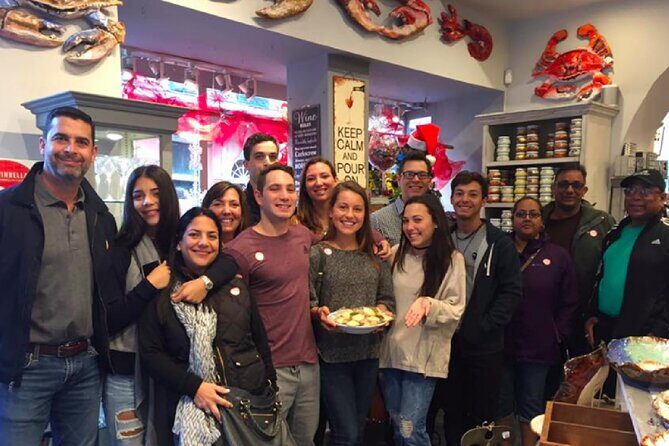
After Bourbon Street, the itinerary shifts to a more practical New Orleans moment: the market. The tour includes time at the French Market, described as the oldest of its kind in the United States, and you’ll have time to browse and do on-tour shopping.
This stop is also where the itinerary may include live music before you head toward a New Orleans Jazz Museum connection. The focus here is the city’s early jazz scene—how it grew and what instruments and history look like when you zoom in.
You’ll get about 30 minutes here, which is enough for browsing, a quick snack if you buy one yourself, and a little listening if music is happening.
If your group cares most about music, the plan can also include stops for music fans—Louis Armstrong Park and Preservation Hall. That’s a major reason to book: you’re not stuck doing only the famous postcard route. You can steer the day toward the sounds that shaped the city.
Tip for you: if you want Preservation Hall, go in with curiosity. The tour’s plan is designed to connect you to why the place matters, not just hand you an address.




Garden District and Magazine Street: mansions, mansions, and the working-class contrast
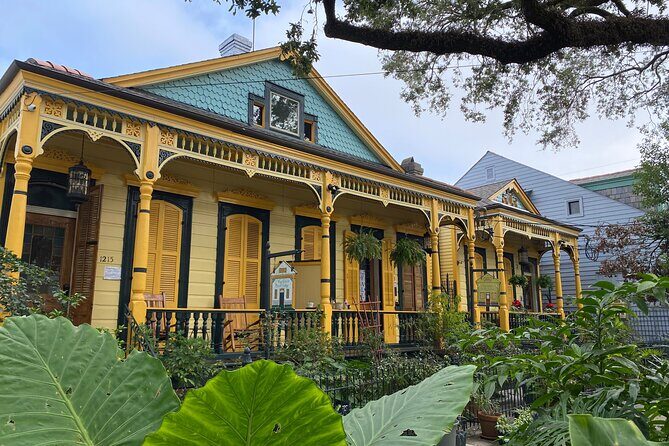
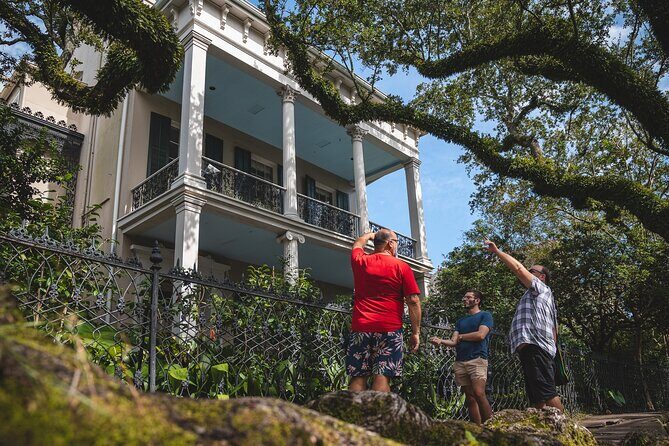
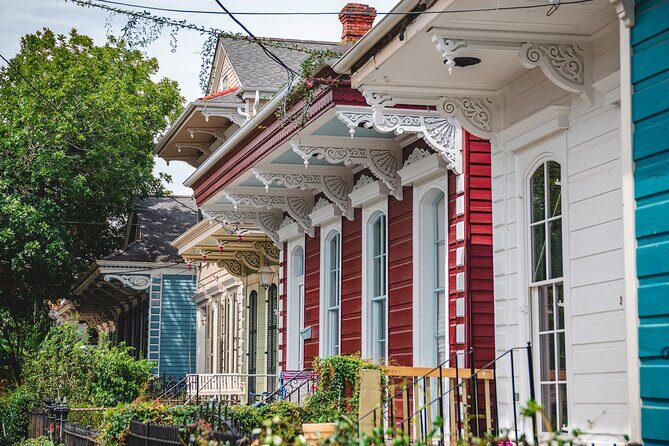
Next up is the Garden District, and it’s a smart change of pace after the tight energy of the French Quarter. The tour describes tree-lined streets with grand historic mansions, and you’ll hear about the neighborhood’s connection to Hollywood.
That’s one of those details that makes the architecture feel more than old. It helps you understand how New Orleans has been used as a visual story backdrop, even far beyond film trivia.
Then you’ll head toward Magazine Street, where the tour highlights early life for the city’s working class. The big takeaway here is the look of New Orleans homes, especially the shotgun-style houses.
This part of the day is about contrast. One neighborhood shows you scale and leisure; the other shows you how people lived day to day. It’s also where browsing makes sense. The tour plan includes time for arts and antique shopping on Magazine Street, which can be an easy win if your group wants souvenirs that aren’t just generic.
What to watch for: the Garden District can be a good walking zone, but it still gets hot. Think about water and comfortable shoes, and accept that you may move slowly at photo-heavy spots.
City Park and botanical gardens: a green reset between neighborhoods
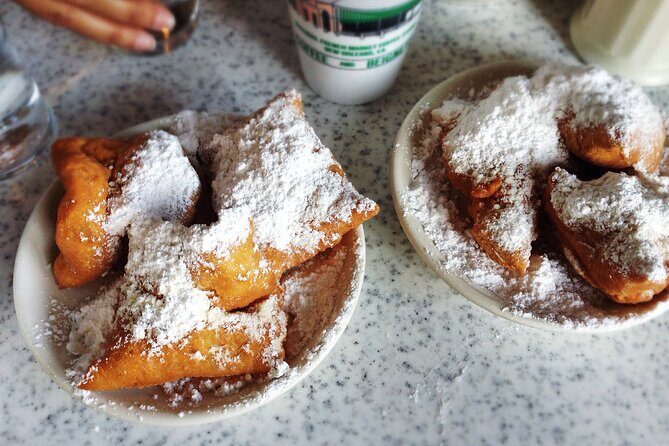
After the Quarter and Garden District, the tour plan turns toward City Park, giving you a breather from street-level noise. You’ll hear it described as a large green space—340 acres—with attractions like the Tree of Life and proximity to Loyola University along the northern edge.
From there, the plan includes a botanical garden stop described as having thousands of plant varieties. It’s not just one theme—it includes tropical and Louisiana native plants as well as themed areas like Japanese and even prehistoric plant displays.
This matters because New Orleans is a city of heat, texture, and crowds. City Park is a place where the pace can slow down naturally, and where you can reset before the next neighborhood stops.
There’s also a strong photo-op vibe in the tour description: ancient oaks with Spanish moss, stone bridges over a meandering stream, and general park scenery that makes you pause without needing a schedule timer.
More neighborhoods on the drive: streetcars, cemeteries, and Katrina Memorial
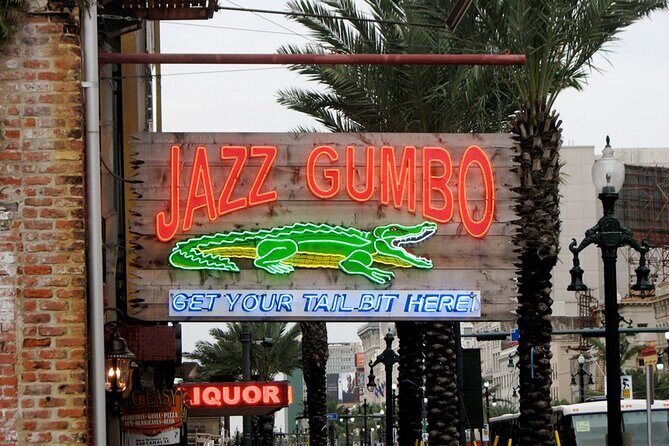
Not everything in this route is purely walking. The plan includes driving segments that show you more of the city’s personality from a distance, including the kind of landmarks that would be hard to hit efficiently on foot.
You’ll get views of an eclectic neighborhood with restaurants, and the tour also points out historic cemeteries. It mentions Canal Street and iconic streetcars there too, plus the Hurricane Katrina Memorial, which is one of the emotional anchors in the New Orleans landscape.
The purpose of including these is practical: you’re not only learning about the Quarter. You’re getting a wider New Orleans outline—how different parts connect, and how memory lives in the city’s public spaces.
If your group is sensitive to heavy history, you can still handle it. The memorial is a chance to pause, look, and decide how much time you want in that moment.
Value check: $37 for a private guide and a tight route
For $37 and about 2 hours (approx.), a private guide in New Orleans is usually the real value. You aren’t only paying for walking access—you’re paying for someone who can explain what you’re seeing and keep your stops meaningful.
What’s included:
- A local English-speaking guide
- Views of the French Quarter’s most iconic spots
What’s not included:
- Food and drink
- Souvenirs
- Tips/gratuities for the guide
Also, you get a mobile ticket, and pickup is offered. The tour is described as a private activity, meaning only your group participates, not a mixed crowd tour.
Is it a bargain? It depends on your priorities. If you want a quick, guided hit of the Quarter’s biggest landmarks plus context, $37 is a solid deal. If you want a full-day museum-and-meal plan, this is still a great start, but it won’t replace longer tours or a separate food-focused evening.
A practical strategy for you: plan to buy your own drink or snack during the French Market window. That keeps costs predictable while still letting you try what appeals.
Who should book this tour
I’d book this if you:
- Want an organized start in New Orleans without spending the whole day figuring out logistics
- Like your sightseeing with context, not just names and dates
- Care about jazz culture and want optional stops tied to that theme
- Are visiting in a small group and want flexibility that public tours often cannot deliver
I would think twice if your group:
- Needs a fully seated experience (this is designed around walking and a few driving views)
- Expects meals included or a guided tasting lineup (food and drink are not part of the package)
Should you book? My take
Yes—if you’re the type who wants to see the highlights and actually understand them. The tour’s sweet spot is that it pairs iconic French Quarter landmarks with cultural context, then gives you useful contrast in the Garden District and City Park.
It’s also a smart way to decide what to do next. After this, you’ll have enough background to pick whether you want to return for a deeper museum stop, spend more time on Magazine Street shopping, or shift your afternoon toward jazz history with added stops like Preservation Hall.
If you care about story detail, I’d also suggest you speak up during the tour. One strong review theme from the broader set of WeVenture New Orleans experiences is that guides can be highly informative—but you might want more personal-family story focus. On this walk, you can ask your guide to connect architecture and landmarks to the people behind them.
FAQ
FAQ
How long is the New Orleans French Quarter highlights tour?
The tour duration is about 2 hours.
How much does it cost?
The price is $37.
Is this a private tour or shared experience?
It is a private tour/activity, and only your group participates.
Does the tour include pickup?
Pickup is offered.
What kind of ticket do I get?
You receive a mobile ticket.
Are any entrances included?
The tour description lists admission tickets as free for the main stops mentioned.
Is food and drink included?
No. Food and drink are not included.
Where does the tour focus first?
It starts with a French Quarter tour segment, walking historic streets and key nearby landmarks.
Are there optional jazz-focused stops?
For those who want it, the tour plan can include stops at Louis Armstrong Park and Preservation Hall.
Can I cancel for a full refund?
Yes. You can cancel for a full refund if you cancel at least 24 hours before the experience’s start time.