REVIEW · NEW ORLEANS
New Orleans: Jazz Walking Tour
Book on GetYourGuide →Operated by Tours By NOLA LLC · Bookable on GetYourGuide
Jazz has a home base in New Orleans. This 2-hour walking tour strings together Louis Armstrong Park, the New Orleans Jazz Museum, Congo Square, and ends on Frenchmen Street for live music. I like the focus on real people and turning points (Louis Armstrong and Sidney Bechet come up in the story), and I also like that it’s led by local cultural experts instead of a script read off a card. The main drawback: you’ll be on your feet for a long stretch, and it’s not suitable for wheelchair users or people with mobility impairments.
The tour is run in English by a licensed local guide (a cultural ambassador), and it’s designed to feel like you’re hearing how the music grew in the streets—not like you’re studying from a textbook. You don’t need to plan for food because nothing is included, but you do want to bring water since you’ll be walking and standing. If you’re meeting in a crowded area, the guide sends a self-photo by text, so make sure your contact info is correct.
Come with comfortable shoes and a camera for quick stops and details along the route. You’ll also be told upfront that smoking is not allowed. If you want a calm pace with plenty of explanation, this is a strong pick; if you’re looking for a slow stroll with frequent seating, this one isn’t that.
In This Review
- Key things I’d pencil into your day
- First Steps at the Louis Armstrong Park Arch
- Louis Armstrong Park: why this location matters
- New Orleans Jazz Museum and the Armstrong connection
- Congo Square: walking the early jazz story
- Frenchmen Street live jazz: history meets what’s playing now
- Price and value: is $34 a good deal?
- What to expect from your guide on the ground
- How to prepare so the 2 hours feel easy
- Who this tour is best for (and who should skip it)
- Should you book the New Orleans Jazz Walking Tour?
- FAQ
- How long is the New Orleans Jazz Walking Tour?
- Where does the tour start?
- What’s included in the price?
- Is food or drinks included?
- What should I bring?
- Is the tour wheelchair-friendly or suitable for mobility impairments?
Key things I’d pencil into your day
- Start at the Louis Armstrong Park Arch (801 N. Rampart St), then move through major jazz landmarks on foot
- New Orleans Jazz Museum connection to Armstrong with a specific stop at where he stayed
- Congo Square walk on the grounds tied to the early jazz story
- Sidney Bechet and other pioneers show up in the timeline as you listen and look
- Frenchmen Street live jazz at the end so you connect history to what’s playing now
First Steps at the Louis Armstrong Park Arch
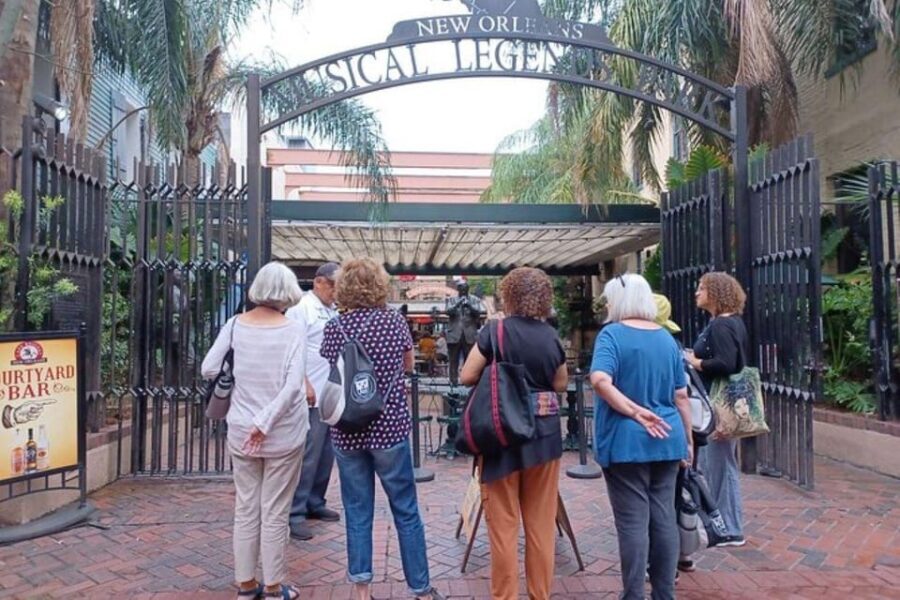
Most New Orleans tours start in a convenient place. This one starts in a meaningful one. The meeting point is the Louis Armstrong Park Arch at 801 N. Rampart Street (NOLA 70116). It’s an easy landmark to spot, and once you’re there, you get that immediate shift in mood: jazz stops being an abstract idea and becomes a set of streets and buildings you can actually see.
One practical detail that helps: the guide photographs themselves and texts you the image. That’s a small thing, but it cuts down the awkward standing around and scanning faces when you’re traveling. Double-check your phone number (and that you’ll be able to receive texts) before you head out.
The tour is 2 hours long. Starting times depend on availability, so if you’re planning around dinner or another activity, check the schedule early and lock it in.
You can also read our reviews of more walking tours in New Orleans


Louis Armstrong Park: why this location matters
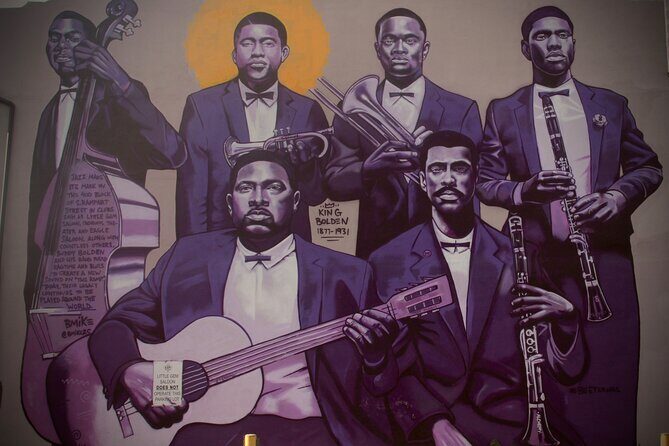
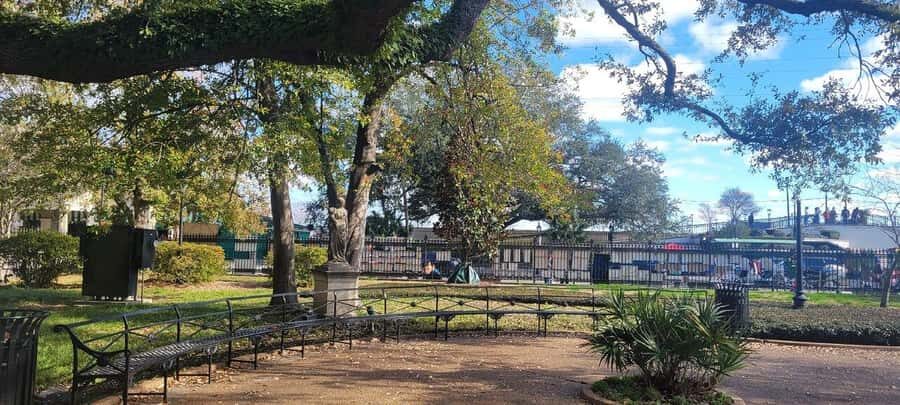
Louis Armstrong Park isn’t just a nice park. It’s a key part of New Orleans jazz identity, and the tour uses it to set the timeline. Expect a guided walkthrough that frames how early jazz pioneers shaped the sound and the culture around it.
What I like about putting the story here first: it gives you a center of gravity. After you’ve listened to the basics of who influenced what, the later stops (Congo Square and the jazz museum) land with more meaning. Instead of treating each place like a random photo stop, you understand why each one belongs in the same narrative.
The guide also brings in details about famous musicians tied to New Orleans. Louis Armstrong gets a spotlight, and Sidney Bechet is part of the story as well. That matters because it helps you connect the parks and museums to actual people—names you’ll recognize later when you listen to jazz in bars or on the street.
New Orleans Jazz Museum and the Armstrong connection
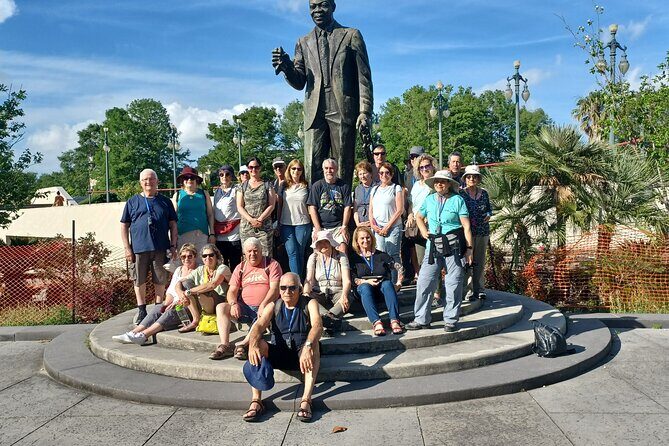
Next comes the New Orleans Jazz Museum, a stop that adds a tangible layer to the music story. The tour includes the museum where Louis Armstrong stayed, which is the kind of specific connection that makes history feel less generic.
Here’s the value for you: museums can be hit-or-miss on tours. This one avoids the problem by anchoring the visit to a clear, personal link to Armstrong. Even if you’re not a hardcore jazz historian, you’ll have a concrete reason to care about what you see inside, because the tour frames the museum as more than exhibits—it’s a piece of the Armstrong story.
Also, since your guide is a cultural ambassador and a local licensed guide, you’re not just reading labels. You’re getting context tied to the neighborhood and the music. That turns a museum stop into part of the walking conversation.
If you’re the type who likes to understand why a place mattered, this stop is usually the point where the tour clicks. If you’re mostly here for the vibe, you’ll still appreciate it because it gives you names and context to attach to what you hear later.
Congo Square: walking the early jazz story
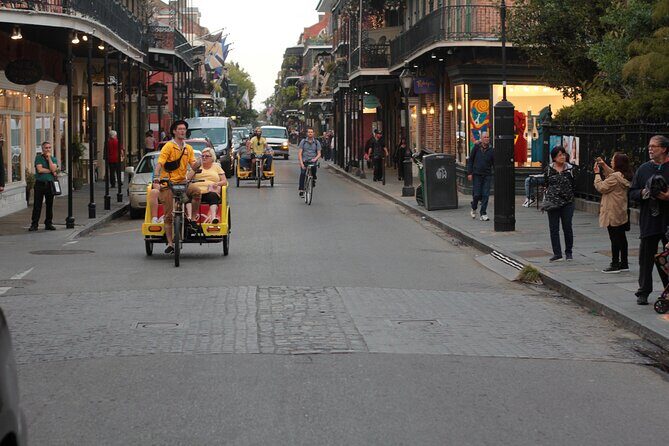
Then you reach Congo Square, described as sacred grounds tied to the early jazz story. This is the stop that often surprises first-timers, because it’s not always what you expect when you think of jazz in New Orleans. You’re not just looking for bandstands and brass. You’re walking in a space connected to community traditions that helped shape the larger music culture.
The tour treats Congo Square with respect and context. You’ll learn why this location gets mentioned so often when people talk about where jazz is said to have originated. Even when you hear variations of origin stories in different places, the takeaway matters: New Orleans jazz grew from public life, community rhythm, and cultural exchange.
Practical note: this is still a walking tour. Plan to stand and move through the area at the pace set by your guide. Bring your camera, but also give your attention to the explanation—this is one of those stops where your understanding improves as you listen.
Frenchmen Street live jazz: history meets what’s playing now
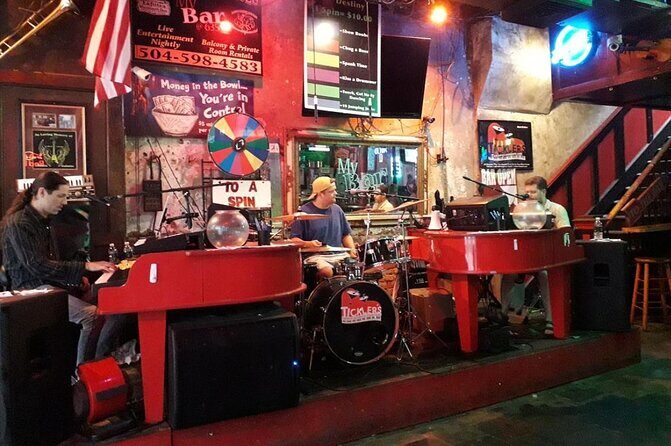
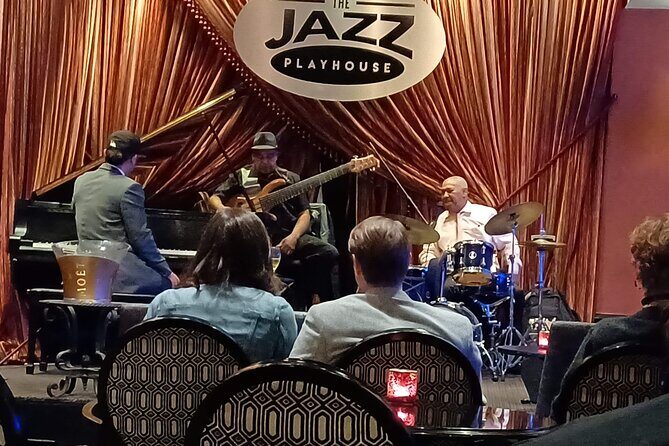
The payoff is the end: live jazz on famous Frenchmen Street. By the time you reach this area, you’ve already heard the names, the landmarks, and the reasons each place mattered. That makes the live music feel connected instead of random.
Frenchmen Street is known for music, and this tour uses it in a smart way: you don’t just hear jazz once; you hear it after the tour’s “why” has been explained. That’s the best combo for most first-time visitors. You’re not just catching a sound—you’re catching the sound as part of a continuing tradition.
You should also expect the guide to help you understand what you’re seeing and hearing while you’re there. The tour’s style is history plus context, not just showing up and walking away.
This is a great moment to slow down slightly, take a photo, and just listen for a few minutes. If your schedule is tight, don’t rush this part—this is the segment most likely to make the tour feel worth it.




Price and value: is $34 a good deal?
At $34 per person for a 2-hour guided walking tour, you’re paying for two things: an organized route through major jazz sites and a licensed local guide to explain the connections.
Is that fair? For New Orleans, it’s a reasonable price when you consider:
- You get multiple landmark stops in one outing, not just one building or one street corner.
- You also get interpretation from a local expert, which is what turns “I saw a park” into “I understand why this park matters.”
- The tour includes live music time on Frenchmen Street, which helps bridge history and present-day culture.
You’re not paying for transportation because it’s a walking format. That’s good value if you’re comfortable walking and standing. It’s not good value if you need lots of breaks or if you’re looking for a seated activity. The tour is 2 hours long, so you’ll want to fit it into your day when your feet can handle it.
Food and drinks are not included. That’s normal for walking tours, but it does mean you should plan to eat before or after. Bring water and then handle meals separately.
What to expect from your guide on the ground
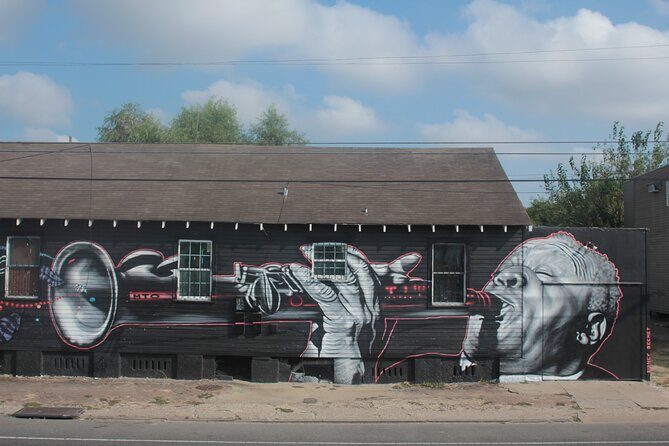
This tour is led by a local licensed guide and described as a cultural ambassador, with local musicians, choreographers, and cultural experts involved in how the experience is presented. Translation: you’re likely to get more than facts. You’ll get storytelling that connects the music to movement, local culture, and how New Orleans people talk about jazz.
In the past, one guide named Harris has been highlighted for being very informative about jazz history in New Orleans and also for putting New Orleans history into context. That kind of guiding makes a difference. Instead of hearing a string of names, you learn how the city’s history influenced the music, and how the music shaped the city’s identity back.
Also, pay attention to pacing. One reason people like this tour is that the 2 hours tend to pass quickly when the explanation stays focused and engaging. If you’re the kind of traveler who checks timing constantly, this kind of pacing can help you feel like you didn’t waste any minutes.
How to prepare so the 2 hours feel easy
Walking tours can feel longer than they are, especially in New Orleans heat and humidity. The good news is that this one is straightforward: wear comfortable shoes, bring water, and keep your camera ready for the key stops.
Here’s what I’d do before you go:
- Wear shoes you can stand in for a while
- Bring water (it’s recommended)
- Bring a camera if you want the stops documented
- Plan for standing and walking without expecting lots of seating
- Avoid smoking, since it’s not allowed
If you’re traveling with someone who needs accommodations, know that the tour is not suitable for wheelchair users and people with mobility impairments. That’s not a small detail here; it affects whether the route and stops will work comfortably.
Who this tour is best for (and who should skip it)
This tour is a strong match if:
- You’re visiting New Orleans for the first time and want a practical orientation to jazz landmarks
- You love music stories with names and connections (Louis Armstrong and Sidney Bechet show up)
- You want the history, then you want the payoff with live jazz on Frenchmen Street
- You’re comfortable walking and standing for about 2 hours
You might want to choose something else if:
- You need a fully seated tour or frequent breaks
- Mobility limitations make standing for a long period difficult
- You’re only interested in food or drink experiences (food and drinks aren’t included)
Should you book the New Orleans Jazz Walking Tour?
I think it’s a smart booking for the right traveler. If you want a focused, 2-hour route that ties major jazz sites together—Louis Armstrong Park, the New Orleans Jazz Museum, Congo Square, and then live music on Frenchmen Street—this tour does that job well.
Book it if you like guided context and you want your jazz experience to start earlier than just the first bar you walk into. Skip it if your day needs a low-steps, sit-down format or if mobility is an issue.
If you’re flexible, check availability for your preferred start time, then bring comfortable shoes and water. Do that, and you’ll be set up to enjoy both the story and the sound.
FAQ
How long is the New Orleans Jazz Walking Tour?
The tour lasts 2 hours. Starting times depend on availability.
Where does the tour start?
The tour starts at the Louis Armstrong Park Arch, 801 N. Rampart Street, NOLA, 70116.
What’s included in the price?
The tour includes the walking tour, a cultural ambassador, and a local licensed guide.
Is food or drinks included?
No. Food and drinks are not included.
What should I bring?
Bring comfortable shoes, a camera, and water.
Is the tour wheelchair-friendly or suitable for mobility impairments?
No. The tour is not suitable for people with mobility impairments or wheelchair users.