REVIEW · NEW ORLEANS
New Orleans: Laura Plantation Tour with Transportation
Book on GetYourGuide →Operated by Crescent City Tours & Transportation · Bookable on GetYourGuide
You’re going beyond New Orleans’ streets today. This tour brings you to a 200-year-old sugar plantation where Creole women ran the operation for decades, and the day has enough structure to keep it moving. I like that you see a lot of ground without getting stuck in traffic, and the guide keeps the story clear from start to finish. Still, the full day runs about 6.5 hours, so bring comfy shoes and a calm mindset for the heavy parts.
My favorite parts are the 12 historic buildings you visit (including the 1829 Maison de Reprise) and the three garden areas you can actually walk through at a good pace. You get a house tour, then you move outward to overseers’ spaces, animal barns, and the kitchen potager—so you understand how people lived and worked, not just what’s on display. One possible drawback: meals and drinks aren’t included, so you’ll want to plan for food and water on your own.
If you want a well-paced history lesson with real-world context, this is a strong choice. But if you’re hoping for a quick stop or you need full wheelchair accessibility, you’ll want to look at other options.
In This Review
- Key things to know before you go
- Hotel Pickup Makes the Ride Part of the Value
- Arriving at Laura Plantation: More Than a Pretty House
- The Creole Women Story: House Tour and Maison de Reprise
- Three Gardens You Can Walk Through Without Feeling Rushed
- 12 Historic Buildings: How Work Spaces Tell the Real Story
- The 1840s Slave Quarters: Respectful, Poignant Stories
- Br’er Rabbit Connection and the 2003 Fire Reconstruction
- What About the Extra Oak Alley Glimpse?
- Price and Time: Is It Good Value?
- Who This Tour Suits Best
- Should You Book Laura Plantation With Transportation?
- FAQ
- What’s included in the Laura Plantation tour?
- How long is the tour?
- Are meals included?
- Is the tour offered in English?
- Do I get hotel pickup in New Orleans?
- Can I see Oak Alley during the tour?
- What will I see on the property?
- Is the tour wheelchair accessible?
- Is there free cancellation?
- Can I reserve and pay later?
Key things to know before you go
- Hotel pickup and drop-off from most New Orleans hotels keeps logistics painless.
- A 200-year-old plantation homestead plus a guided tour of the main house and grounds.
- Three gardens (Jardin Français, kitchen potager, and Banana Land grove) with walkable stops.
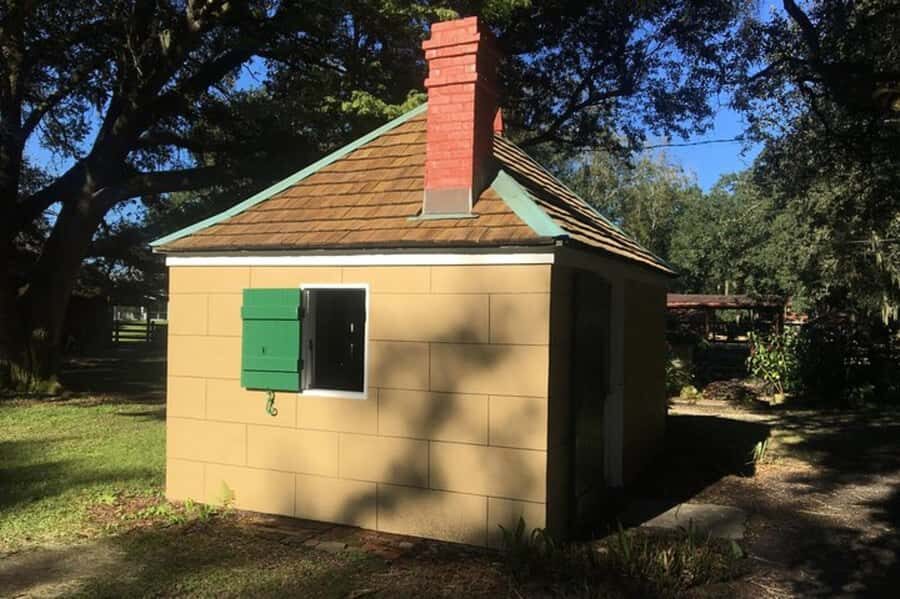
- 12 buildings on the National Register, including the 1829 Maison de Reprise and other work spaces.
- The 1840s slave quarters with poignant stories from the people who lived and worked there.
- Extra touches: a glimpse of the front of Oak Alley Plantation and a connection to Br’er Rabbit stories.
Hotel Pickup Makes the Ride Part of the Value
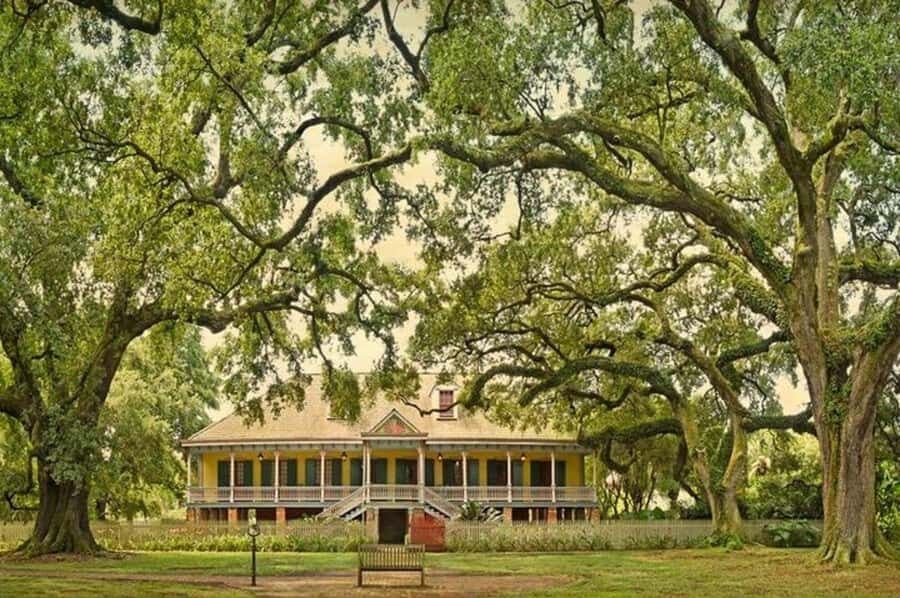
The best part is that the day doesn’t start with a scramble. You get hotel pickup and drop-off in New Orleans, and the tour is timed so you spend your energy on the plantation—not on figuring out rides, parking, or directions.
The transfer is about 70 miles each way, and it takes the edge off if you treat it like the warm-up to the visit. On top of that, you may catch sights of other plantation properties along the drive, and even a roadside gator has shown up on some outings, so keep your phone ready for quick, respectful photos from the coach.
One small practical tip: the day is long enough that you’ll feel it. I’d rather you plan for comfort now than regret it later—water, sunscreen, and shoes you can walk in without thinking.
You can also read our reviews of more tours and experiences in New Orleans.



Arriving at Laura Plantation: More Than a Pretty House
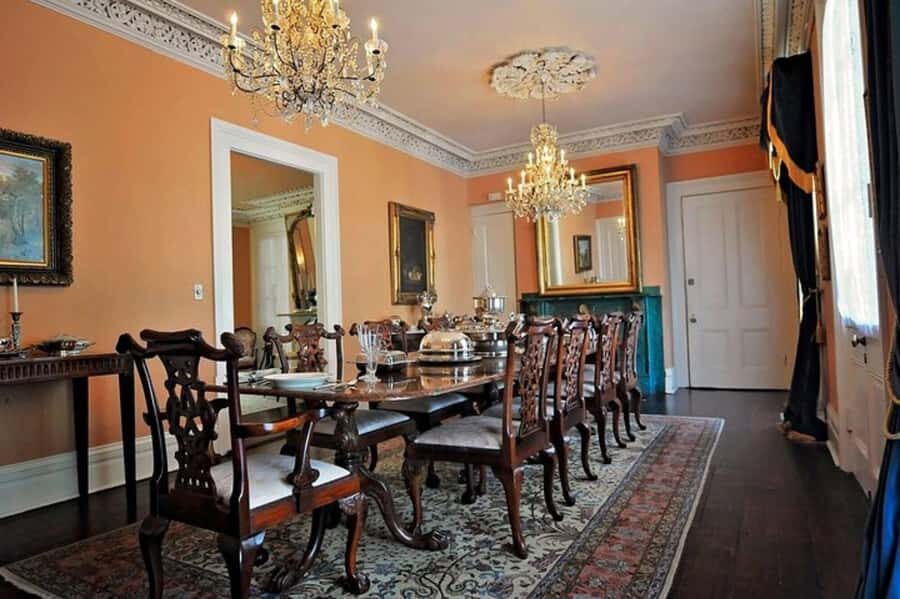
Laura Plantation sits just outside New Orleans, and once you arrive, the grounds make the story feel physical. You start with the plantation house and then fan out into buildings and gardens so you don’t just “look at history”—you see how the place worked.
A guided tour leads you through the main homestead area, and that guidance matters here. Plantation sites can be overwhelming if you don’t know what to focus on. With a live English guide, you get a clear through-line about how the plantation operated and who held power.
Also note the practical rhythm: you’ll have structured time with the guide, then later you can wander the grounds on your own for photos and a gift shop visit. That mix is ideal if you like to understand first, then explore at your own pace.
The Creole Women Story: House Tour and Maison de Reprise
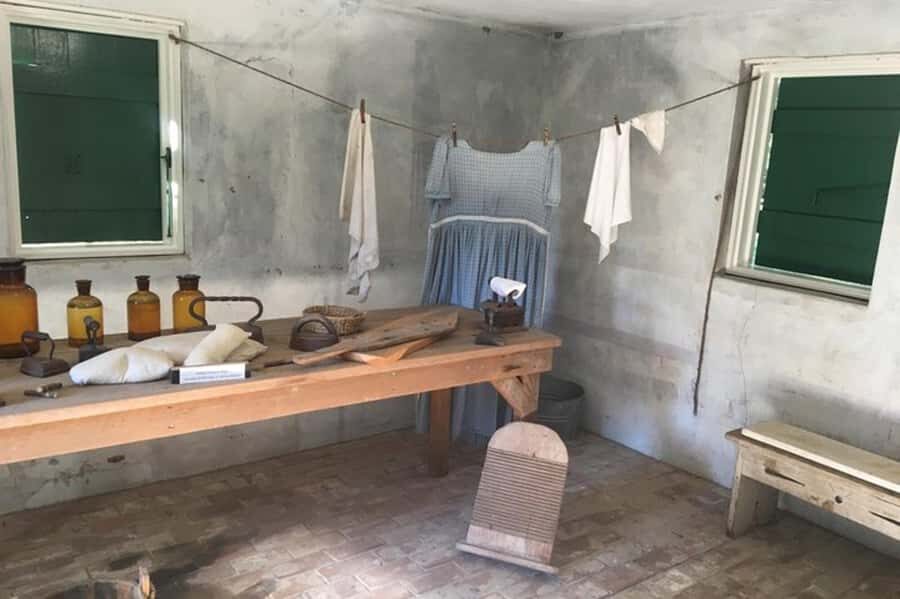
The heart of Laura Plantation is the human story behind the buildings. You’ll learn about the Creole women who ran the plantation for more than 60 years—an angle that adds real specificity, not just general plantation talk.
On the guided portion, you’ll walk through the Laura Plantation House and hear stories tied to the people who lived there. I like this approach because it shifts the experience from architecture alone to decisions, labor, and daily life.
Then you move into the wider set of structures that round out the operation. One highlight is the 1829 Maison de Reprise. Even if you don’t know what it means before you arrive, you’ll understand why it’s important once you’re on site and your guide ties it back to how the plantation functioned.
Three Gardens You Can Walk Through Without Feeling Rushed
People often assume plantation tours are only about buildings and information boards. Laura Plantation adds something better: three distinct garden areas that slow the day down in a good way.
You’ll stroll through Jardin Français, then the kitchen potager, and finally the Banana Land grove. Each one helps you picture different uses of space—ornamental beauty, practical growing, and themed plantings that make the grounds memorable.
I also appreciate that these stops aren’t just background decoration. The garden areas give you a break from the heavier narrative moments while still keeping the focus on how plantation life shaped the environment.
If you like photos, this is where you’ll naturally take them. If you’re sensitive to heat, this is also where you’ll want to pause—shade and pacing can make a big difference over a 6.5-hour day.
12 Historic Buildings: How Work Spaces Tell the Real Story
Laura Plantation covers a lot of ground, and the tour doesn’t waste it. You’ll explore 12 buildings listed on the National Register, and the mix includes overseers’ cottages, animal barns, and other functional structures tied to production.
What I find valuable is that you’re not only seeing the “public” impression of plantation life. You’re seeing the infrastructure that made the plantation’s output possible. Once you understand those relationships, it becomes much easier to interpret what you’re looking at without turning it into just a photo stop.
Because the day is guided, you also get help spotting details you might miss on your own. That’s a big reason the transportation and tour package makes sense: the guide does the “thinking” work for you, so your eyes can focus on what matters.






The 1840s Slave Quarters: Respectful, Poignant Stories
This part of the visit is the most emotionally serious. You’ll visit the 1840s slave quarters and hear poignant stories about the lives of enslaved people who lived and worked on the plantation.
I recommend you treat this as more than a checklist item. Give it time. Let the facts land, and if you need to step back for a moment, do it. The guided format helps because you’re not left guessing what you’re seeing—your guide provides context tied to the people who were there.
If your goal is to understand slavery’s reality beyond general statements, this stop is one of the reasons the tour stands out. It brings the narrative back to lived experience, not abstract “past events.”
Br’er Rabbit Connection and the 2003 Fire Reconstruction
Laura Plantation connects to a story you might already recognize. You’ll learn about its relationship to the famous Br’er Rabbit tales, which were written here. That detail adds a playful thread to the day, but it’s not just trivia—it helps show how culture can grow around place and memory.
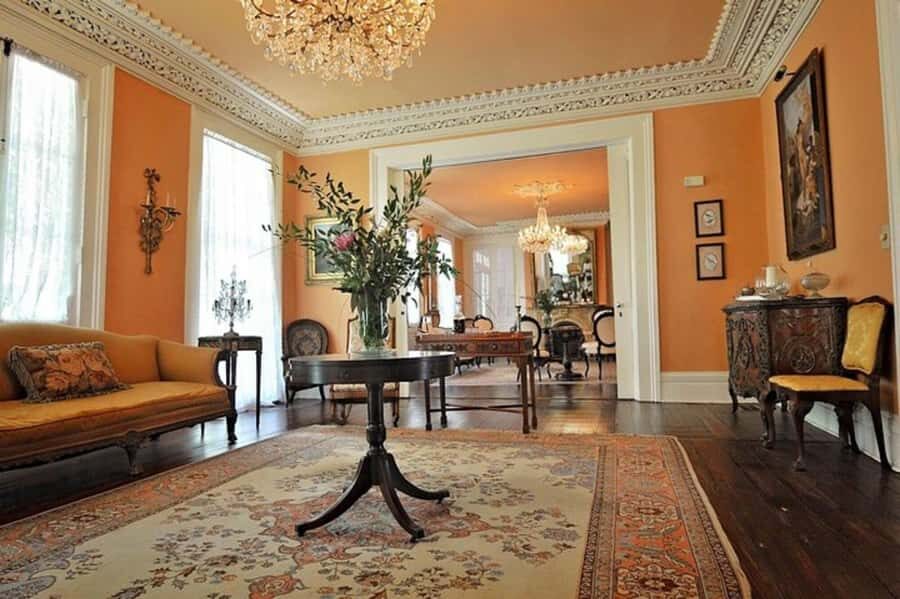
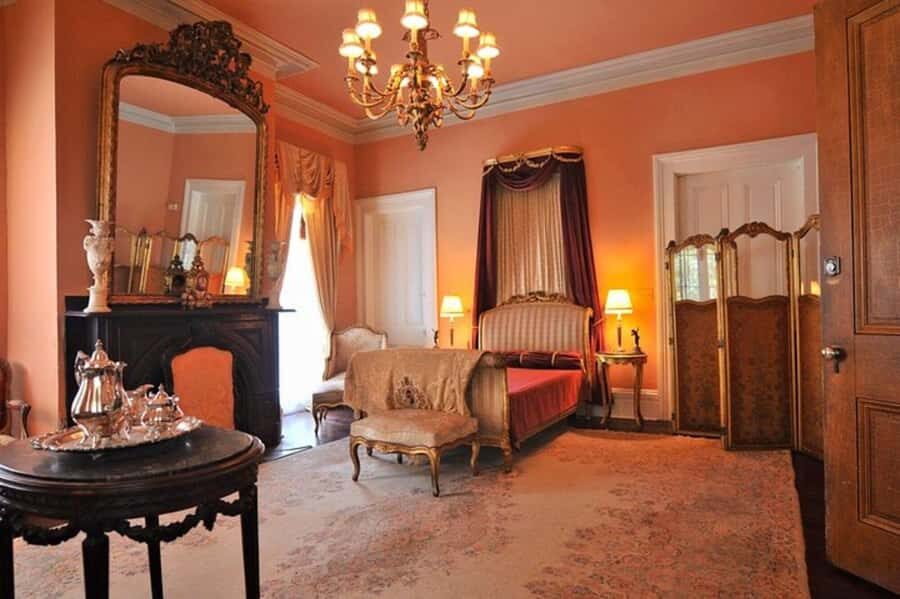
There’s also a practical lesson about preservation. The plantation house was nearly destroyed in a 2003 fire, and the reconstruction efforts used materials from antique homes. That means you’re walking through spaces shaped by both time and careful restoration choices.
I like including these details because they prevent the site from feeling like a museum “under glass.” You see it as something maintained and repaired, where the past and the present overlap in very real ways.
What About the Extra Oak Alley Glimpse?
There’s a small bonus on the drive: you get a glimpse of the front of Oak Alley Plantation. It’s not a full second tour, but it gives you orientation across the region’s plantation history.
This is the kind of addition I appreciate because it keeps your schedule intact. You’re still focused on Laura Plantation, and you get a quick sense of what the bigger area looks like.
If you’re the type who loves route-based spotting, this will feel like a nice perk. If you dislike passing sights without getting to stop, just think of it as a “see it from the road” moment, not a replacement for another guided visit.
Price and Time: Is It Good Value?
At about $81 per person for a tour that runs roughly 390 minutes, the biggest value comes from two things: transportation and guided interpretation.
Transportation is the difference-maker. The drive from New Orleans isn’t trivial, and once you’re seated, you don’t have to plan anything. You also get entry included, so you’re not juggling extra tickets on arrival.
On the ground, you’re paying for a live guide and a guided route that covers house areas, gardens, slave quarters, and a large set of historic buildings. That’s more than a quick walkthrough. You’re also given time to explore on your own after the guided portion, which helps if you want to take photos or linger.
Two realistic considerations:
- Meals and beverages aren’t included, so plan snacks and water. A long day without food can turn “interesting” into “irritable.”
- The tour isn’t suitable for wheelchair users, so if mobility is a factor, ask about alternatives before committing.
Overall, this feels like a solid value if you want structured access and interpretation. It’s not just transport to a site; it’s transport plus guided meaning.
Who This Tour Suits Best
This one fits best if you:
- Want a guided plantation visit with clear storytelling and time in the gardens
- Care about the Creole women perspective and want it tied to buildings you can see
- Prefer a packaged day where pickup and timing are handled
- Can handle serious subject matter respectfully and thoughtfully
It may be less ideal if you’re looking for a short trip, want meals included, or need wheelchair accessibility. In those cases, you’ll likely be happier with a different format.
Should You Book Laura Plantation With Transportation?
I think you should book it if you want a well-paced, guided visit that covers both beauty and difficult truth. The combination of three garden areas, a tour of the house, exploration of multiple historic structures, and a visit to the 1840s slave quarters makes the day feel complete instead of scattered.
It’s also a smart booking choice if you don’t want to fight with logistics outside the city. Pickup and drop-off from New Orleans hotel areas lowers the stress level, and the extra sights on the drive add interest without stealing focus.
My final advice: treat it like a day of learning, not a casual sightseeing loop. Bring water, wear shoes you trust, and let the guide do the heavy lifting on context. If you do that, you’ll come away with a sharper understanding of how this plantation worked and how people remembered it.
FAQ
What’s included in the Laura Plantation tour?
Hotel pickup and drop-off, a guided tour of Laura Plantation, and entry to the plantation and gardens are included.
How long is the tour?
The tour lasts about 390 minutes (roughly 6.5 hours), depending on the starting time.
Are meals included?
No. Meals and beverages are not included.
Is the tour offered in English?
Yes, the live tour guide provides the tour in English.
Do I get hotel pickup in New Orleans?
Pickup is included at most New Orleans hotels. If your hotel isn’t listed, choose the nearest option.
Can I see Oak Alley during the tour?
You get a glimpse of the front of Oak Alley Plantation during the trip.
What will I see on the property?
You’ll tour the Laura Plantation House, explore three gardens, and visit 12 historic buildings (including the 1829 Maison de Reprise), plus the 1840s slave quarters.
Is the tour wheelchair accessible?
No, the tour isn’t suitable for wheelchair users.
Is there free cancellation?
Yes. You can cancel up to 24 hours in advance for a full refund.
Can I reserve and pay later?
Yes. The option to reserve now and pay later is available.