REVIEW · NEW ORLEANS
New Orleans Mardi Gras 2026 Experience
Book on Viator →Operated by New Orleans Drunk History Tours • Show Me New Orleans Tours · Bookable on Viator
Vampires and Mardi Gras in one walk. This 1 to 2 hour French Quarter stroll mixes the parade-route story of Fat Tuesday with spooky New Orleans lore, plus a chance to try ghost-hunting gear along the way. You get a guided look at major landmarks tied to the city’s culture, while the atmosphere of Carnival season keeps the whole thing moving.
I like two things a lot: the hands-on ghost-hunting option with an EMF meter and paranormal detector, and the chance to see major French Quarter landmarks like St. Louis Cathedral, the Cabildo, and the Old Ursuline Convent.
One drawback to plan around is expectations: there is no guarantee you’ll spot a ghost or paranormal activity, and the tour can also be canceled if minimum numbers are not met.
In This Review
- Key things to know before you go
- A French Quarter walk that pairs Mardi Gras with the spooky side
- Meeting at Bourbon Street: the Lafittes courtyard detail that matters
- The parade-route and Fat Tuesday context you can actually picture
- St. Louis Cathedral, the Cabildo, and the Old Ursuline Convent stop
- Pirate legends, cultural mix, and the people behind the myths
- Haunted New Orleans: voodoo lore, vampires, and why the cemeteries matter
- Optional ghost hunting with an EMF meter and paranormal detector
- Food, drinks, and the real-world pacing of a walking tour
- Who this tour is best for
- Should you book the 2026 New Orleans Mardi Gras history and haunted walk?
- FAQ
- FAQ
- How long is the tour?
- Where do I meet the guide?
- Is the tour a walking tour?
- What does the ticket include?
- Can I use ghost-hunting equipment?
- Does the tour guarantee you will see a ghost?
- Is recording allowed?
- What if the tour is canceled?
Key things to know before you go
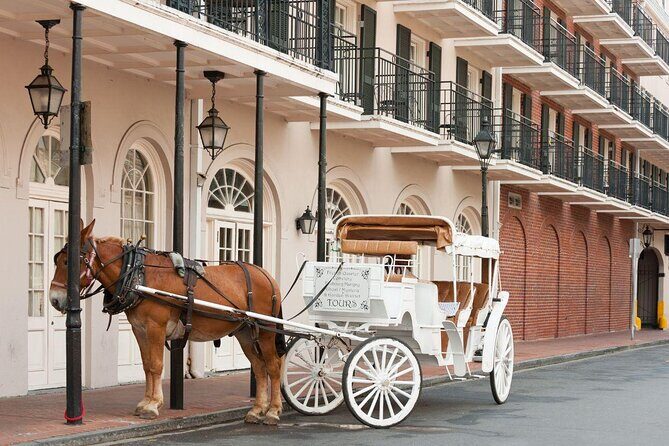
- You start at Lafittes Blacksmith Shop courtyard on Bourbon Street, not inside the bar, and not at the corner.
- You’ll walk the French Quarter with Carnival stories, including parade-route context and Fat Tuesday traditions.
- Expect landmark stops near Jackson Square, with St. Louis Cathedral and the Cabildo on the route.
- Cemetery-burial stories are part of the spooky lore, including why vaults get reused in above-ground cemeteries.
- Optional ghost-hunting tools are available, but you must check them out with rules and a replacement fee if lost or damaged.
A French Quarter walk that pairs Mardi Gras with the spooky side
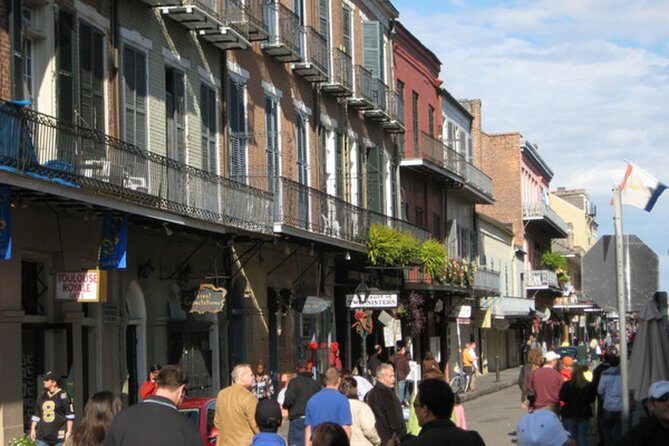
This tour is for people who like New Orleans with both hands. Yes, you’ll hear the Mardi Gras parade kickoff and Carnival tradition stories. But you’ll also get the other half of the city’s reputation: voodoo rituals, vampire tales, ghost sightings, and haunted history that people still whisper about long after the music fades.
The big value here is that you do not just get facts in a vacuum. You get story-driven context while you’re actually standing in the streets where those stories became part of local identity. That makes the French Quarter feel less like a postcard and more like a living neighborhood with centuries of overlap.
You’ll also cover a lot in a short time. It’s a moderate-paced walking tour designed to last about 1 to 2 hours, ending near Jackson Square. That compact timing matters, because it lets you pair it with dinner, a parade-view plan, or even another tour the same day.
You can also read our reviews of more tours and experiences in New Orleans.


Meeting at Bourbon Street: the Lafittes courtyard detail that matters
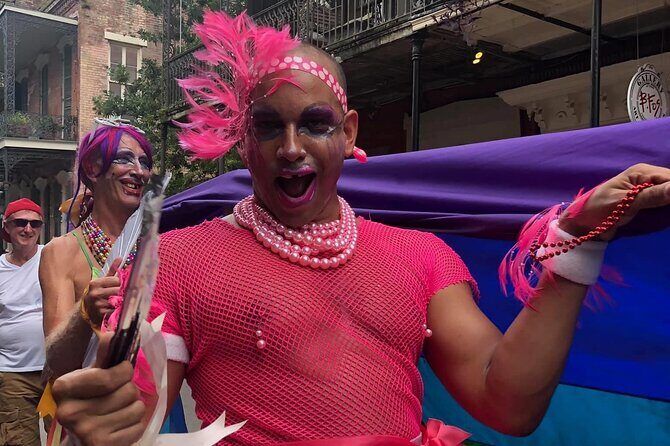
Show up on time and show up in the right spot. The meeting point is very specific: 941 Bourbon St, at the gate of the courtyard attached to Lafittes Blacksmith Shop Bar. The tour does not meet inside the bar, and it also does not meet at the corner of the streets.
Here’s why that matters. Late arrivals do not get a refund, and the guide may not wait if you’re a few minutes behind schedule. The tour starts at the set departure time, and guides are also not able to answer phones after departure because they’re actively running the tour.
If you’re coming by transit or you’re mixing plans with other parts of your day, I’d build in extra buffer time to find the exact courtyard entrance. In New Orleans, one wrong turn can eat your whole schedule.
The parade-route and Fat Tuesday context you can actually picture

One of the clearest parts of the experience is that you see where Mardi Gras parade action kicks off each year. You’ll walk through the French Quarter while connecting what you’re seeing with what people celebrate on Fat Tuesday.
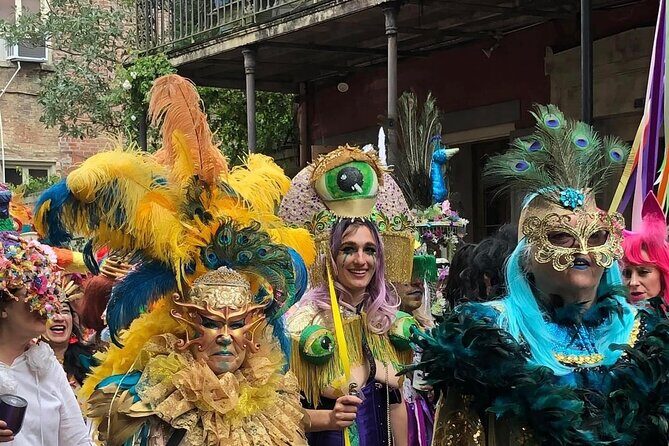
Even if you’re not traveling specifically for Mardi Gras day, the story still works. Carnival season is where New Orleans turns up the volume, and hearing the tradition behind it while you’re walking the Quarter helps you understand why the city is built around festivals, music, and public spectacle.
What you’ll get is more than trivia. You’ll learn how the parade-route energy and the party spots tie into neighborhood history and local culture. That makes it easier to plan your own viewing later, because you’ll have a sense of the geography instead of relying only on maps.
St. Louis Cathedral, the Cabildo, and the Old Ursuline Convent stop
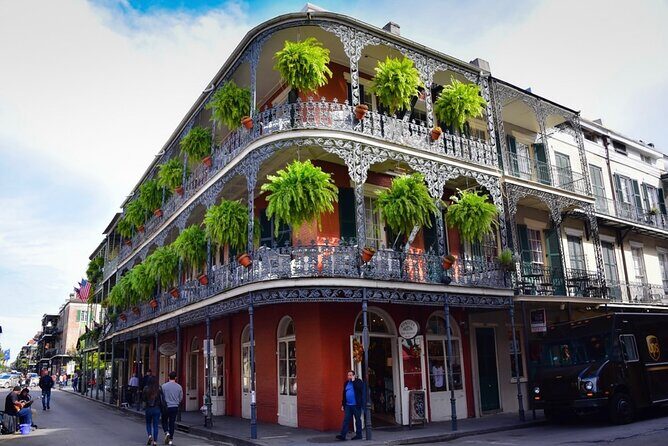
In the middle of the spook and celebration talk, you’ll see key civic and historical landmarks. The route includes St. Louis Cathedral, the Cabildo, and the Old Ursuline Convent, all of which anchor the French Quarter’s story.
For me, the payoff of these stops is contrast. One moment you’re hearing supernatural legends and vampire lore tied to the streets. The next moment you’re standing before iconic architecture that reflects older chapters of the city, before modern Carnival culture took over the spotlight.
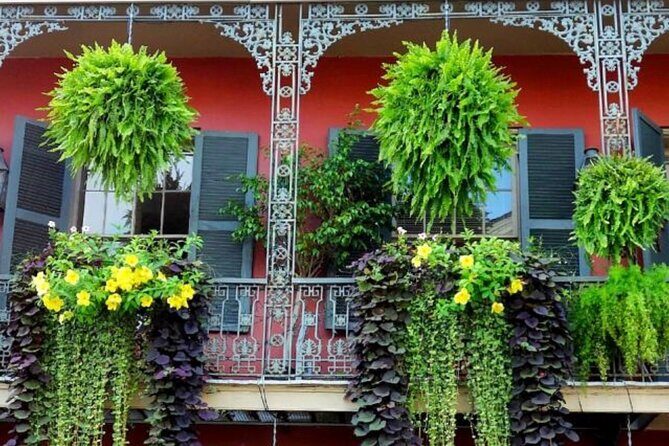
These landmarks also help you “place” the Quarter. If you’ve ever felt like the French Quarter is all curves, wrought iron, and one street looking like the next, this kind of landmark routing gives your brain handles to grab.
Pirate legends, cultural mix, and the people behind the myths
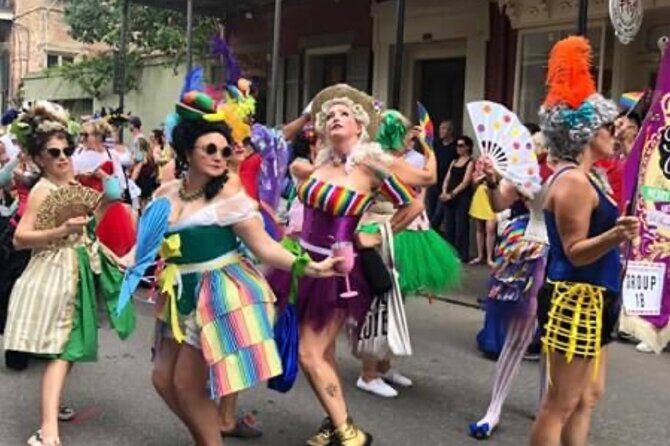
New Orleans has always been a mixing bowl, and this tour leans into that. You’ll hear stories about famous former and current residents tied to the neighborhood—names and characters in the mix of pirates, prostitutes, and Hollywood celebrities linked to Creole mansions.
You also learn how New Orleans culture differs from anywhere else. That matters because a lot of cities have history, but New Orleans has personality. The city feels like it runs on layers: French and Spanish influence, African heritage, Catholic traditions, folk magic, and neighborhood storytelling all stacked on top of each other.
The tour keeps these themes moving through your walk. That’s what makes it feel like a guided stroll through a storybook, rather than a list of stops.




Haunted New Orleans: voodoo lore, vampires, and why the cemeteries matter
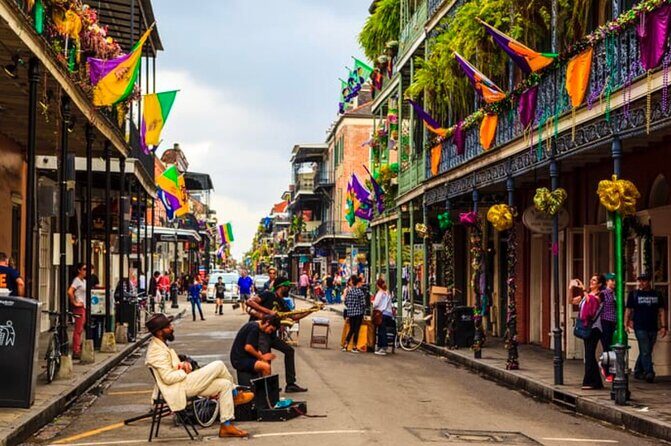
The spooky side is not random. It’s woven into local customs, especially around death and burial.
You’ll hear about how traditional burial practices in New Orleans differ from elsewhere. You’ll also hear why above-ground cemeteries recycle vaults again and again. Those details sound odd at first, but they explain why the cemetery landscape feels so tied to the city’s everyday identity—not just something you visit once and forget.
Then the tour shifts toward the supernatural legends people associate with the Quarter: vampire stories and documented sightings of ghosts. The point is not to convince you of anything supernatural. The point is to show how legend became part of place, language, and even tourism culture over time.
If you like stories that explain how fear becomes folklore, this section is the strongest “why New Orleans feels haunted” portion of the experience.
Optional ghost hunting with an EMF meter and paranormal detector
This is where the tour can feel different from a typical walking history tour. If you want to try it, there’s an option to use provided equipment: an EMF meter and a ghost or paranormal detector.
But keep one reality-check in mind. The tour operator is clear: there is no guarantee you’ll encounter paranormal activity. That’s not a sales trick; it’s just how things work with any ghost-hunting gadget. What you’re really buying is the chance to do the activity and compare your results in a fun, guided setting.
Also pay attention to the rules. If you request the equipment, you’ll need to check it out at the start. The equipment is tracked and has a fee of $250 for lost, damaged, or missing pieces. So treat it like camera gear you can’t replace easily.
If you do not want to use the gear, that’s fine. You can still follow the guide’s stories and do the full walk. But if you like hands-on weirdness, this option is the feature that makes the tour more participatory.
Food, drinks, and the real-world pacing of a walking tour
This is a walking tour, so plan around your feet. It’s moderate paced and designed to fit within about 1 to 2 hours. It may run longer if there are delays, like waiting around at bars along the route.
Alcohol is not included, but drinks are available to purchase. That can make the atmosphere more fun if you’re in Carnival mode. Just remember: some bars may be busy, which can slow things down, and the tour operator can refuse service to people who are extremely intoxicated.
If you’re skipping alcohol, you still have options. The tour mentions go-to bars or windows along the route for people who do not want to go inside a bar.
One more practical note: audio or video recording devices are not allowed during the tour. Photos are encouraged, and the tour takes time-stamped photos at the meeting location. So if you want a quick photo before you start, show up early enough to do it cleanly.
Who this tour is best for
I’d choose this tour if you want New Orleans in story form—Mardi Gras tradition plus haunted lore—without spending all day moving between distant sites.
It’s especially good for:
- People who love the French Quarter but want a guide to help you connect the dots.
- Folks who want something spooky but still rooted in actual landmarks.
- Anyone who likes interactive options, like trying EMF and detector equipment.
I’d think twice if:
- You’re coming specifically for guaranteed paranormal results. The tour explicitly can’t promise that.
- You’re very time-sensitive. The route can change, and waiting at bar stops can impact pacing.
- You’re hoping for long costume-or-photo time before the walk. One high-score comment noted that a short dressing and photo window was not enough for them, so build your own buffer.
Also, if you’re traveling with kids: children under 18 are not admitted unless a parent or guardian is present, or unless the guide authorizes it. Even then, not all bars allow children.
Should you book the 2026 New Orleans Mardi Gras history and haunted walk?
If you want a compact way to get both Mardi Gras context and spooky New Orleans storytelling, this tour is a strong value at $33. It’s inexpensive compared to many guided experiences, and you’re getting major landmark coverage plus optional participation with ghost-hunting tools.
I’d book it if your goal is atmosphere and context, not a guaranteed supernatural sighting. The best mindset is: show up ready for a fun, guided walk; enjoy the legends; and treat the EMF and detector use as a game with local flavor.
If you do book, do two things that will protect your day: double-check you can reach the operator by phone/text/email so you’re not surprised by last-minute changes, and show up at the exact meeting courtyard gate at Lafittes on time. One small mistake there can ruin the whole start of the experience.
FAQ
FAQ
How long is the tour?
It runs about 1 to 2 hours, and it’s a moderate-paced walking tour.
Where do I meet the guide?
Meet at the gate of the courtyard attached to Lafittes Blacksmith Shop Bar at 941 Bourbon St, New Orleans, LA 70116. The tour does not meet inside the bar.
Is the tour a walking tour?
Yes. It’s a walking tour through the French Quarter, ending near Jackson Square.
What does the ticket include?
You get a professional guide and admission for the walking tour. Food and alcoholic drinks are not included.
Can I use ghost-hunting equipment?
There is an option to use provided equipment such as an EMF meter and a ghost or paranormal detector, but it is not guaranteed to produce any paranormal results. Equipment must be checked out at the start.
Does the tour guarantee you will see a ghost?
No. The tour states there is no guarantee you will encounter paranormal activity.
Is recording allowed?
Audio or video recording devices are not allowed during the tour. Photos are allowed and encouraged.
What if the tour is canceled?
The experience can be canceled if minimum traveler numbers are not met, or in cases of poor weather/inclement conditions. If canceled due to poor weather, you’ll be offered a different date or a full refund; if canceled due to minimum numbers, you’ll be offered an alternative or a full refund.