REVIEW · NEW ORLEANS
New Orleans Music Tour
Book on Viator →Operated by Historic New Orleans Tours · Bookable on Viator
Jazz history has a sidewalk version. This New Orleans Music Tour connects the city’s sound to where it started—Congo Square’s West African roots—then follows the trail to modern-day street performance. I especially love how the guide ties music to the city’s full human story, including the ways slavery shaped what New Orleans created, taught, and exported. I also like that you get time with street musicians in action, not just statues and names on plaques. One heads-up: with only about two hours, it’s a fast walk, so you’ll want comfortable shoes and a flexible mindset about how much you can absorb at each stop.
You’ll meet in the Warehouse District/French Quarter edge area, then finish at Preservation Hall where people are often lining up for the 5 PM show. It’s a small group experience (up to 20), which usually means more chances to ask questions and hear the details you’d miss on a bigger bus tour.
In This Review
- Key highlights worth planning for
- Louis Armstrong Park and Congo Square: the origin beat
- J&M Studios and the New Orleans Sound: why the streets matter
- Basin Street Station and Storyville: jazz’s complicated playground
- May Bailey’s Place and the Tango Belt: a different kind of stage
- Preservation Hall finish: bounce music and real street energy
- Price and time: is $25 worth it?
- Who this walk is best for (and who should rethink it)
- Practical tips for comfortable listening
- Should you book this New Orleans Music Tour?
- FAQ
- How long is the New Orleans Music Tour?
- What is the price per person?
- Where does the tour start and end?
- What time does the tour run?
- What language is the tour offered in?
- Is this tour in a small group?
- Is the ticket mobile?
- Are there any admission fees at stops?
- What should I bring?
- Is good weather required?
Key highlights worth planning for
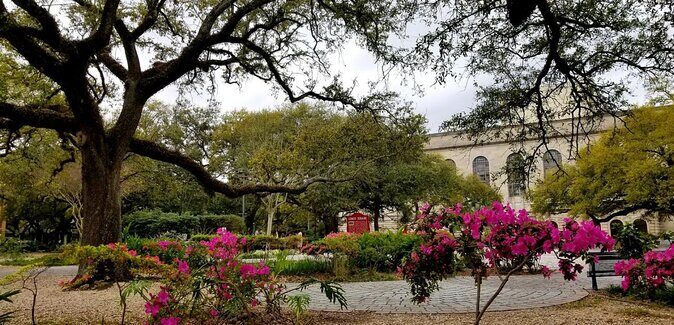
- Congo Square (the core origin stop): the connection between West African ritual and the sound that traveled worldwide
- Cosimo Matassa’s J&M Studios: the “New Orleans Sound” and why it gets called a rock ’n roll birthplace
- Storyville on Basin Street: the era when jazz’s early legends performed in a very adult district
- May Bailey’s Place and the Tango Belt: French Opera House vibes in a neighborhood that shaped who gathered where
- Preservation Hall as the finish line: bounce music context plus a chance to take the show energy with you
- Current street music on the route: you hear what’s alive today while you learn what came before
Louis Armstrong Park and Congo Square: the origin beat
The tour starts by setting your ears on the right frequency. Louis Armstrong Park is a smart first stop because it gives you a big, recognizable anchor before you get into the deeper layers. From there, you move toward Congo Square, and that’s where the story shifts from “music as entertainment” to music as culture, community, and survival.
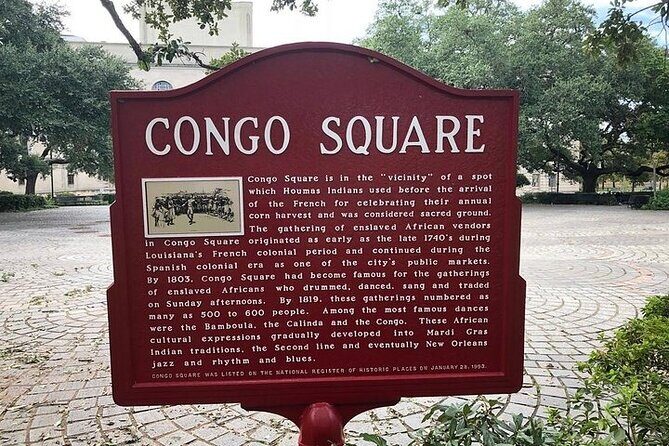
Congo Square is described as the only place in North America where pure West African religious ritual and musical traditions took place. Whether you’re a jazz fan, a rock fan, or you mostly care about how cities make art, this stop reframes the whole timeline. You’re not just learning famous performers. You’re learning why those performances existed, how they survived, and how rhythms and traditions got carried forward.
A point I really like here is the guide’s focus on cause and effect. New Orleans music didn’t happen in a vacuum. It developed from specific gatherings, specific traditions, and specific histories. Expect the tour to make you think about the human impact behind the sound—especially how slavery shaped what people were forced to do and what they managed to create anyway.
What to watch for: Congo Square is also tied to festivals—this tour connects it to the first New Orleans Jazz and Heritage Festival in 1970. That’s helpful, because it shows the city didn’t just preserve the past. It organized it into public celebration.
Potential drawback: if you’re hoping for long, sit-down time, this isn’t that kind of stop. You’ll see a lot in a short span, so treat it like a launchpad. After the tour, you might want to return on your own if this is the part that grabs you.
You can also read our reviews of more tours and experiences in New Orleans.

J&M Studios and the New Orleans Sound: why the streets matter
Right near Armstrong Park, the tour points you toward the building associated with Cosimo Matassa and J&M Studios. This is a major reason the tour feels different from a typical “greatest hits” walk. You’re not just hearing who became famous. You’re being shown where the recordings and the signature style were shaped.
Matassa’s J&M Studios is credited with creating the New Orleans Sound. The names linked to this studio read like a who’s who of American music development: Professor Longhair, Dave Bartholomew, Fats Domino, Guitar Slim, Shirley & Lee, Lloyd Price, Ernie K-Doe, Allen Toussaint, and Clarence Frogman Henry. And the tour also references visitors like Little Richard, Ray Charles, and Jerry Lee Lewis.
That list matters for you as a visitor because it helps you connect dots across decades. New Orleans wasn’t only producing local icons. It was shaping national music, with performers and styles traveling outward.
There’s also a bold claim included in the tour: J&M Studios is called the true birthplace of rock ’n roll. You don’t have to treat every statement as literal gospel to find it useful. The real value is that the tour helps you understand how recording, songwriting, and the local talent network worked together. When you leave, you’ll likely hear those connections when you listen back to classic tracks later.
What to watch for: if you’re the type who likes specifics, this is where your guide tends to go heavy on names, connections, and timelines. It’s one of the stops that sets up the rest of the walk.
A small consideration: one review noted a guide using an iPad for videos or audio examples. Screen time can reduce how much you notice real street sound. If that matters to you, ask your guide to keep the clips short and focus on what you can hear outside.
Basin Street Station and Storyville: jazz’s complicated playground
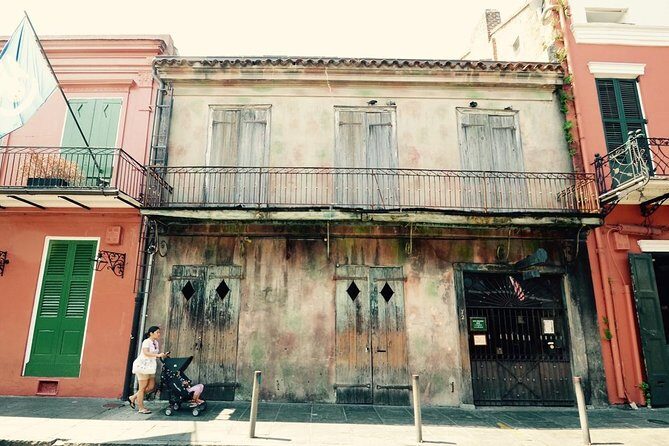
Next, the tour moves to Basin Street Station, then walks down Basin Street to see what remains of Storyville. Storyville is often described as a turn-of-the-century red light district, and the tour doesn’t dodge that context. That’s a big part of why this walk can feel more honest than the typical postcard version of New Orleans.
The stop ties the street life of the district to the early days of jazz culture. It references performers and legends associated with Storyville’s music scene, including King Oliver, Buddy Bolden, Jelly Roll Morton, and Sidney Bechet. It also points to Frank Early’s My Place Saloon, where the song Pretty Baby was written.
For you, this is useful even if you’re not trying to learn adult history. Storyville is part of the story of how jazz spread through nightlife, venues, and social mixing. Music wasn’t only happening in concert halls. It was happening where people gathered, paid, flirted, argued, danced, and heard new sounds.
What to watch for: don’t treat this stop like a museum. It’s more like a guided walk through layers. You’ll often feel how the geography of a district shapes the music that grows inside it.
A practical note: this is still a walking tour, so keep moving. The point is to see and absorb quickly, then carry it with you to the next stop.
May Bailey’s Place and the Tango Belt: a different kind of stage
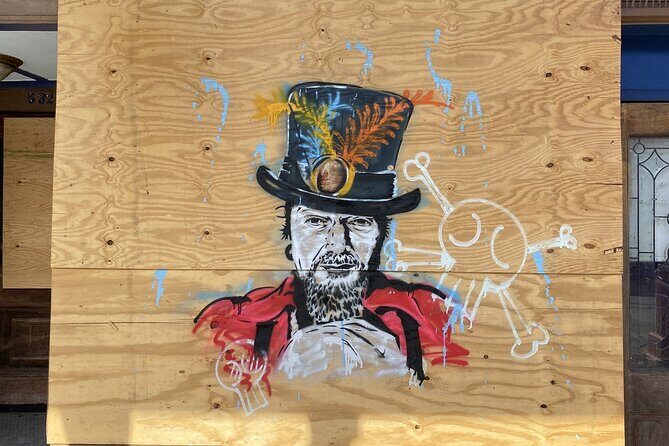
After Storyville, you head through what’s described as the Tango Belt to May Bailey’s Place and the site of the Old French Opera House. This part of the tour broadens your sense of what New Orleans musical life looked like.
Tango Belt gives you a hint that New Orleans wasn’t locked into a single style. Different waves of music, different communities, and different kinds of entertainment all overlapped. Then May Bailey’s Place and the old opera site add another layer: the idea that public music culture had both street energy and formal performance roots.
I like that this stop keeps you from turning New Orleans into a one-note jazz city. Even if jazz is the headline, the story is bigger: a city that hosts multiple genres and multiple kinds of gatherings can produce music that sounds original, because it’s pulled from many directions.
Potential drawback: if you’re very jazz-purist and want only jazz-to-jazz connections, this stop might feel like it slows the pace. But it’s still valuable because it explains how venues and neighborhoods shaped who came into music spaces and why.
Preservation Hall finish: bounce music and real street energy
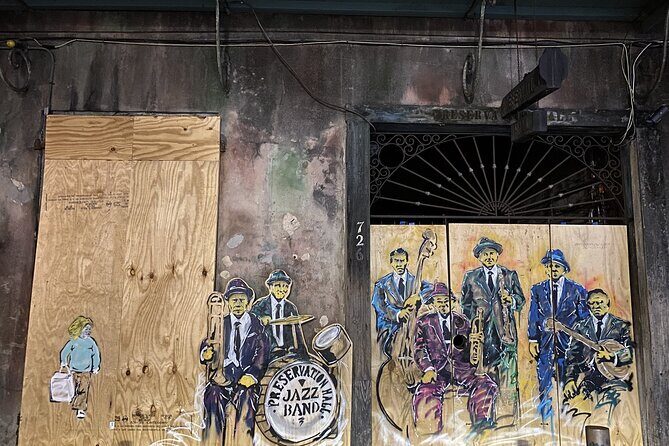
The tour ends at Preservation Hall on St. Peter Street, near where people are lining up for the 5 PM show. That matters because it changes your mindset at the end. You’ve just walked through origins and context; now you’re at a place strongly associated with keeping the sound alive.
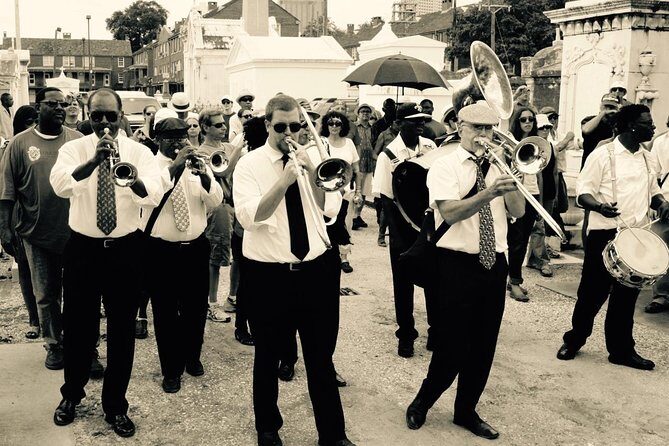
The tour frames Preservation Hall as representing the past, present, and future of New Orleans music. It also points you toward bounce music origins and encourages you to check out the world’s greatest street musicians who keep the tradition moving today.
This finish is one of the best reasons to book the tour in the afternoon. You’re not only learning. You’re also positioned to immediately follow up with live culture—either by going inside Preservation Hall or by continuing your night walk for street performances.
What you might notice in this final stretch: the energy of the crowd outside, plus the possibility of catching current street musicians near the action. One review even mentioned a surprise second line parade, which is exactly the kind of New Orleans timing magic that can happen when you’re paying attention on foot.
One consideration: the tour is about walking and landmarks. If you want long indoor time at Preservation Hall, plan that separately. The tour’s value is the setup and the connections, not replacing your own evening plans.



Price and time: is $25 worth it?
At $25 per person for about two hours, this tour sits in the “high value” zone for New Orleans. Here’s why: you’re paying for a guided route through multiple landmark areas that each connect to a specific part of the city’s music ecosystem.
A big part of the value is that most stops are free, with Congo Square admission included. So you’re not hit with surprise add-on costs at every corner. And because the group cap is 20, you’re more likely to get interaction instead of tuning out.
The tour also works well for people who are short on vacation time. Two hours is long enough to get story and context, but short enough that you can still slot in dinner and music afterward. If you start at 2:00 pm, ending near Preservation Hall gives you time to catch that 5 PM vibe without rushing across town.
My balanced take: the tradeoff is intensity. Two hours means fewer pauses and less wandering. If you like to read every plaque slowly and take photos constantly, you may feel time pinch. If you’re okay with a guided sprint through meaning, it’s a great buy.
Who this walk is best for (and who should rethink it)
This tour fits best if you want New Orleans music in a grounded way. You’ll enjoy it most if you like:
- hearing how the city shaped major performers and styles
- understanding the social and historical forces behind the sound
- mixing landmark visits with current street music energy
It’s also a good choice for couples and small groups. Many of the strongest reviews praise the guides for being fun, engaging, and story-driven. Names that come up include David Higgins, Eva, Anna, Margie, and Rob—each described as enthusiastic and passionate about connecting local music history to broader influence.
If you’re a traveler who only wants surface-level stories and zero tension topics, the tour may feel heavier than expected. The slavery and cultural context isn’t treated like a side note. It’s part of the explanation for why the music developed the way it did.
Practical tips for comfortable listening
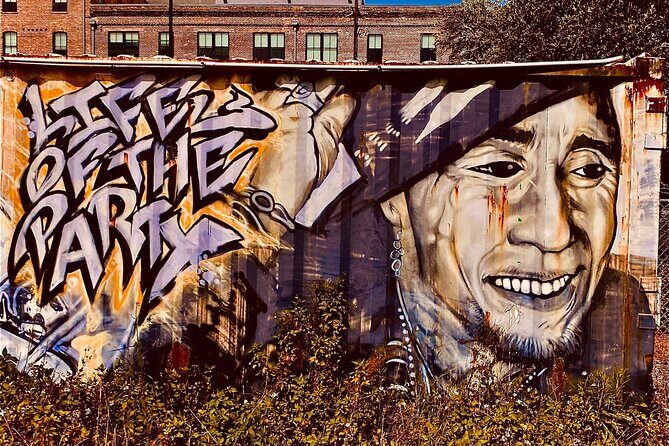
This is a walking tour, so your comfort directly affects your enjoyment.
Bring:
- comfortable shoes
- water
- sunscreen and a hat
- rain and sun protection
Also remember that the experience requires good weather. If the weather turns, you may be offered a different date or a full refund, so keep an eye on forecast the day you plan to go.
How to get more out of it: stay close to your group and pick one or two themes you care about most—maybe Congo Square origins, the studio side of music, or the Storyville nightlife context. When your brain has a focus, the stops feel connected instead of scattered.
If you tend to get “story fatigue,” plan to do a lighter activity afterward. This tour gives you more meaning than you’d get from just walking and listening on your own.
Should you book this New Orleans Music Tour?
Yes, if you want a tight, well-paced walk that connects famous names to the real places where sounds were born, shared, and transformed. The best part for most people is the way the guide links Congo Square, J&M Studios, and the city’s performance neighborhoods to the music you already know—and then points you toward what’s still happening on the streets.
Skip or reconsider if you mainly want long indoor time at venues, or if you dislike tours that ask you to engage with uncomfortable history. Also, if you’re the type who needs extra time at a single stop to fully absorb it, you may feel rushed in a two-hour format.
If you book, I’d treat it like your afternoon “map.” Then spend your evening doing the listening part—Preservation Hall show or street music nearby—using what you just learned as your decoder ring.
FAQ
How long is the New Orleans Music Tour?
The tour lasts about 2 hours.
What is the price per person?
It costs $25.00 per person.
Where does the tour start and end?
It starts at Rampart Treehouse, 740 N Rampart St, New Orleans, LA 70116 and ends at Preservation Hall, 726 St Peter, New Orleans, LA 70116.
What time does the tour run?
The start time is 2:00 pm.
What language is the tour offered in?
The tour is offered in English.
Is this tour in a small group?
Yes. The maximum group size is 20 travelers.
Is the ticket mobile?
Yes. The tour includes a mobile ticket.
Are there any admission fees at stops?
Most visits are listed as free, with Congo Square admission included.
What should I bring?
Wear comfortable shoes, and bring water, sunscreen, a hat, plus rain and sun protection.
Is good weather required?
Yes. The experience requires good weather, and if it’s canceled due to poor weather, you’ll be offered a different date or a full refund.