REVIEW · NEW ORLEANS
New Orleans Private Vehicle City Tour
Book on Viator →Operated by Livery Tours · Bookable on Viator
New Orleans can feel like a blur—this tour gives you structure. In about 3 hours, you get a private driving loop with a professional historian guide, so you’re not just sightseeing the names on a map.
I really like the mix of neighborhoods and themes, especially the way the route balances the city’s signature sights with harder moments like the Lower 9th Ward. I also like that you can ask questions as you go, instead of rushing through facts like a worksheet.
The main trade-off? At $650 per group (up to 2), it’s not the cheapest way to see town, and each stop is brief—great for orientation, less great if you want long hangs in one place.
In This Review
- Key highlights to know before you go
- A 3-hour private driving tour that helps you read New Orleans
- Hotel pickup and drop-off: the time you actually save
- French Quarter: the oldest neighborhood, with context you can use later
- St. Louis Cemetery No. 3: burial practices and local remembrance
- City Park’s live oaks: a breather and a clue to New Orleans’ natural mood
- Warehouse District: old American sector to arts-and-warehouses reality
- Lower 9th Ward and Katrina’s lasting mark
- Garden District: streetcar heritage and antebellum streets
- Professional historian guide: why names matter on this tour
- Price and value: $650 for up to 2, and what you’re really buying
- How to make the most of brief stops (without feeling rushed)
- Who this tour is best for
- Should you book this New Orleans Private Vehicle City Tour?
- FAQ
- How long is the New Orleans Private Vehicle City Tour?
- Is this tour private or shared?
- Does the tour include hotel pickup and drop-off?
- What stops are included on the route?
- Are any admissions included?
- What’s included in the price?
- What should I know about food and drinks?
- What is the cancellation policy?
Key highlights to know before you go

- Private city driving, not a group bus: just your group, with a historian guide in the car and at the stops
- Hotel pickup and drop-off built in: you save time (and walking) at the start and end
- St. Louis Cemetery No. 3 admission included: you won’t have to figure out that one ticket on your own
- A route that spans eras and emotions: French Quarter to Garden District, plus Katrina remembrance
- Flexible timing within your day: you can fit the tour more easily than fixed departures
A 3-hour private driving tour that helps you read New Orleans

This is the kind of tour I recommend when you want a fast, guided sense of how New Orleans fits together. You get a half-day overview—enough time to connect the dots between neighborhoods—without spending your entire day in a vehicle.
And because it’s private, your guide can slow down for the questions that matter to you. I’ve found that in New Orleans, the “why” is what makes the “what” click—why buildings look the way they do, why certain traditions survive, and why the city carries both celebration and grief so openly.
You can also read our reviews of more city tours in New Orleans



Hotel pickup and drop-off: the time you actually save
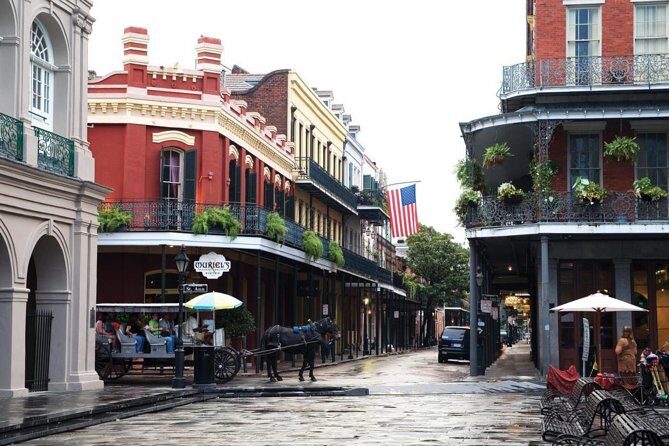
Hotel pickup sounds like a small detail, but in New Orleans it’s often the difference between a smooth start and a stressful one. You meet your driver in front of your hotel about 10 minutes before the arranged time, and the group returns to the hotel at the end.
This also helps if you’re staying in a busy area where finding parking would otherwise eat up time. Instead, you get in the car, settle, and start learning right away.
One more practical note: the tour runs in English and uses a mobile ticket, so you’re not juggling paper while you’re trying to get your bearings.
French Quarter: the oldest neighborhood, with context you can use later
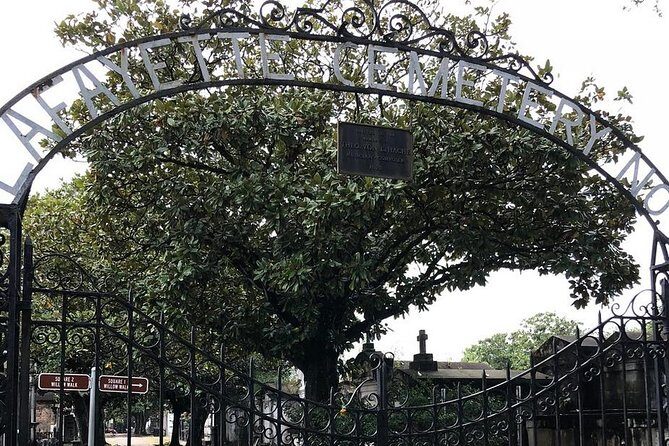
The French Quarter is the starting point for a reason—it’s the oldest neighborhood, and it sets the visual and cultural tone for the rest of the city. Here, you’ll get a short orientation window: not just where things are, but how the area became what it is.
A 30-minute stop is enough to understand the basic geography and street patterns, and to spot the kinds of details you’ll see again as you wander on your own later. If you’re arriving with a list of must-sees, this is the place to learn what’s worth prioritizing so you don’t spend day two playing catch-up.
Drawback to consider: because the stop is timed, you won’t have hours to linger in the busiest corners. Treat it as your “map in motion” stop.
St. Louis Cemetery No. 3: burial practices and local remembrance
This is the most quietly powerful segment of the route. You’ll visit St. Louis Cemetery No. 3 for about 10 minutes, and importantly, admission is included.
Cemeteries in New Orleans aren’t just places to pass by—they’re part of how the city honors people. With a historian guide, you’re not limited to surface descriptions. You’ll learn about burial practices and the way locals remember the departed.
Time is short here, so focus on what you can absorb quickly:
- look for the symbolism you’re being pointed to
- ask one or two good questions, then let your eyes do the rest
If you need a slower pace, you can ask your guide for what to notice so you can revisit later on your own.
City Park’s live oaks: a breather and a clue to New Orleans’ natural mood

Then you head to New Orleans City Park, where the payoff is the setting. You’ll have about 30 minutes, and the highlight is the largest and oldest live oak grove in the world.
This stop works because it changes the tempo. After streets and architecture, City Park gives you breathing room—literally and emotionally. It’s a good moment to step back and see the city as more than buildings: trees shape how a place feels, and New Orleans is deeply shaped by its climate and landscape.
Practical tip: plan for walking comfort. Even with a timed stop, you’ll likely move through shaded areas and paths—so wear shoes that won’t punish you later.
You can also read our reviews of more private tours in New Orleans






Warehouse District: old American sector to arts-and-warehouses reality
Next comes the Warehouse District, known as the old American sector and now associated with the Warehouse/Arts District vibe. You’ll spend about 30 minutes here.
This stop is useful if you want to understand how New Orleans layers new uses onto older structures. The “what changed” story matters, because it helps you read the city’s streets outside the French Quarter bubble.
Since your time is limited, I’d use this segment for pattern-spotting: what buildings look preserved, what looks repurposed, and what the streets suggest about the neighborhood’s working past.
Lower 9th Ward and Katrina’s lasting mark
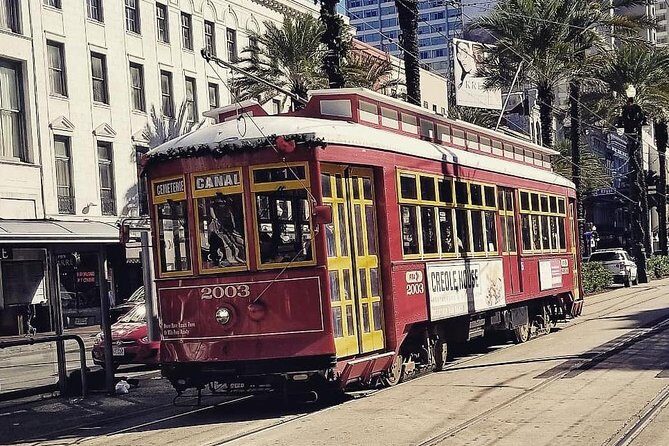
The Lower 9th Ward stop is about 30 minutes, and it’s one of the route’s emotionally weighty moments. The area’s destruction was ingrained into national memory when Hurricane Katrina hit in 2005.
A guided stop here is valuable because the context can turn a drive-by into understanding. You’ll learn how to look at what’s here now—how memory, rebuilding, and remembrance coexist.
Consideration: this isn’t a light, fun detour. If your day needs a gentler emotional rhythm, place extra patience in your schedule here. The strength of this tour is that it doesn’t skip the truth of the city.
Garden District: streetcar heritage and antebellum streets
The tour closes at the Garden District, including time around about 30 minutes and highlighting two big draws: the city’s oldest streetcar line and beautiful antebellum homes.
This segment gives you contrast. The Garden District often feels like a different New Orleans universe—more residential, more strollable, and visually defined by its architecture. With a historian guide, you’ll get more than postcard descriptions. You’ll understand how the neighborhood’s story fits into the city’s broader development.
If you’re planning your self-guided time after the tour, this is a great stop to note where you’d like to return. Even if your timed visit feels short, it sets you up to wander smarter later.
Professional historian guide: why names matter on this tour
One of the best parts of this experience is the people. The guides associated with this tour style are praised for staying engaged and answering real questions. For example, Harris stood out for sharing knowledge across New Orleans history and music, and he offered a recommendation for Mahogany Jazz Hall that you can use as an evening plan.
Robin is highlighted for being able to customize what you focus on—so if you care more about architecture, music, or the city’s turning points, you can steer the conversation within the tour’s timed stops.
Randy and driver Jimmy were also praised for how the ride itself felt: polite, fun, and safe. That matters because New Orleans can be hectic outside the car. A calm, confident driver helps you focus on learning instead of white-knuckling your seatbelt.
Price and value: $650 for up to 2, and what you’re really buying
At $650 per group (up to 2), you’re paying for privacy, time efficiency, and expert interpretation—not just transportation.
Here’s the value logic that makes sense:
- You get round-trip hotel pickup and drop-off, which can save you hassle and time.
- You have a professional historian guide who can shape the route through discussion, not just recite.
- You avoid planning admissions and sequencing across multiple neighborhoods in one go.
If you’re traveling solo or as a couple, it can be expensive compared with public tours. But if you care about understanding the city and want a stress-free, door-to-door experience, this price starts to look reasonable.
If you’re a small group larger than two, your vehicle choice may allow more people (the tour supports different vehicle sizes). That’s when the “per-person value” usually becomes much better.
How to make the most of brief stops (without feeling rushed)
Because each stop is timed—roughly 10 to 30 minutes—your best strategy is to arrive with one or two questions per stop.
Here are practical ways to do that:
- Decide what you want first: history, architecture, or the city’s more difficult chapters. Then ask for emphasis on those themes.
- Bring comfortable walking shoes even if most of the time is seated—some stops will involve short walks and looking around.
- If you want to extend a specific neighborhood after the tour, use the final minutes of that stop to ask your guide what to prioritize nearby.
Also, plan meals and drinks on your own. The tour does not include food or drinks unless specifically noted, and alcoholic drinks are available to purchase separately.
Who this tour is best for
This fits well if you:
- are on a first visit and want a smart orientation
- want history with context instead of scattered reading
- prefer privacy and door-to-door pickup
- have limited time and still want to cover major areas
It may feel less ideal if you want long stays at one place (especially the cemetery) or if you’re traveling with a budget that expects a shared group tour.
Should you book this New Orleans Private Vehicle City Tour?
I’d book it if you want your first day in New Orleans to feel organized, meaningful, and low-stress. The private format, hotel pickup, and historian guide make it a strong way to connect neighborhoods in just about three hours.
I’d think twice if price is your biggest limiter or if you’re the type who needs a full afternoon in just one neighborhood. This tour is built for overview and direction, not for marathon wandering.
If you do book, go in with a theme you care about—history, architecture, music, or Katrina-era remembrance—and use your guide’s expertise to point you toward the best next stops after the tour.
FAQ
How long is the New Orleans Private Vehicle City Tour?
It runs for about 3 hours.
Is this tour private or shared?
It’s private. Only your group participates.
Does the tour include hotel pickup and drop-off?
Yes. Pickup is offered from centrally located New Orleans hotels, and you’re returned at the end of the tour.
What stops are included on the route?
You’ll visit the French Quarter, St. Louis Cemetery No. 3, New Orleans City Park, the Warehouse District, the Lower 9th Ward, and the Garden District.
Are any admissions included?
St. Louis Cemetery No. 3 admission is included. The other stops listed are free.
What’s included in the price?
Included items are fuel surcharge, gratuity for the driver, a professional historian guide, and hotel pickup and drop-off. Gratuity for the historian guide is up to you.
What should I know about food and drinks?
Food and drinks are not included (unless specified). Alcoholic drinks can be purchased separately.
What is the cancellation policy?
You can cancel for a full refund up to 24 hours before the experience’s start time. Free cancellation is available within that window.