REVIEW · NEW ORLEANS
New Orleans Treme’ Walking Tour
Book on Viator →Operated by French Quarter Phantoms · Bookable on Viator
Treme has a story you can walk. This small-group tour threads music, race, and everyday life through landmarks in and around Treme, with a guide who keeps it moving and human. I love how personal the pacing feels with a small group of up to 14 and how the route covers the key places behind early jazz.
What really makes this tour work is the way your guide uses sound and story together. Multiple guides (from Kwaku and Claire to Erin and Nika) lean into music as a way to explain what you’re seeing, so the neighborhood doesn’t stay stuck in a textbook.
One thing to note before you book: part of the early time can feel park-centered (including the Armstrong Park area), so if you’re expecting to be on residential streets nonstop from minute one, plan to adjust your expectations.
In This Review
- Key things to know before you go
- A Treme Walk That Explains the Jazz Timeline on Foot
- Where You Meet and How the Timing Really Works
- Storyville District: The Red-Light Chapter That Helped Shape Jazz Lore
- French Quarter Phantoms: Setting the Map Before You Walk the Neighborhood
- Tour Treme’: St. Augustine’s Church and the Tomb of the Unknown Slave
- St. Augustine’s Church: Faith, endurance, and community memory
- The Tomb of the Unknown Slave: A heavy stop done with care
- Congo Square: Community Gatherings, African Drumming, and Jazz Origins
- The Lost Sock @ Rampart: The Studio Side of New Orleans Music
- What Makes the Guides So Effective Here
- Practical Tips So You Enjoy It Instead of Just Surviving It
- How to Think About the $20.50 Price
- Who This Tour Is Best For
- Should You Book the New Orleans Treme’ Walking Tour?
- FAQ
- How long is the New Orleans Treme’ Walking Tour?
- How much does the tour cost?
- Where does the tour start, and where does it end?
- What time does the tour run?
- Is a mobile ticket provided?
- Is the tour in English?
- Is anything included besides the guide?
- What about rain and photos or video?
- Is there a place for cancellation if plans change?
Key things to know before you go
- Small-group cap (up to 14) keeps the walk interactive and easier to follow
- Music-focused storytelling helps you connect landmarks to the sounds that came from them
- Congo Square is a must-stop tied to African dance, drumming, and community gatherings
- You’ll visit major sites in one efficient loop without paying for most stops
- The Lost Sock @ Rampart adds music-industry context via early recording studio connections
- Comfortable shoes matter since it’s a full walking tour with outdoor time rain or shine
A Treme Walk That Explains the Jazz Timeline on Foot
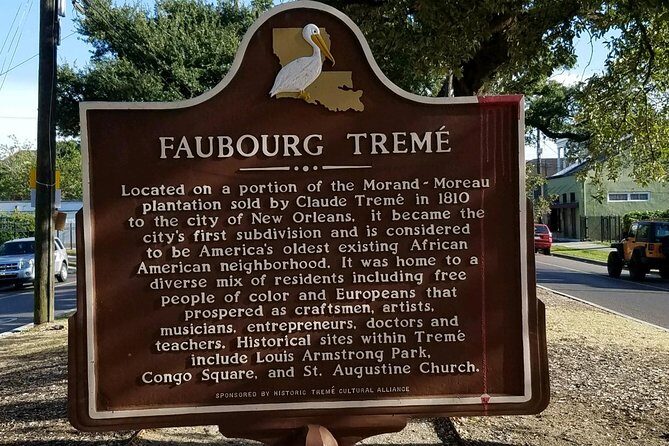
New Orleans has plenty of tours that skim the surface. This one is built around a better question: where did the music come from, and who lived with the consequences? You’re walking through Treme-adjacent history that’s tied to entertainment, survival, community organizing, and creativity.
If your goal is to understand the city beyond the postcard, you’ll appreciate the way the tour links places you might recognize (like Congo Square) with places that most visitors miss or misunderstand. And because the duration is about 1 hour 45 minutes, you can fit it into a full day without losing half your afternoon.
You can also read our reviews of more walking tours in New Orleans


Where You Meet and How the Timing Really Works
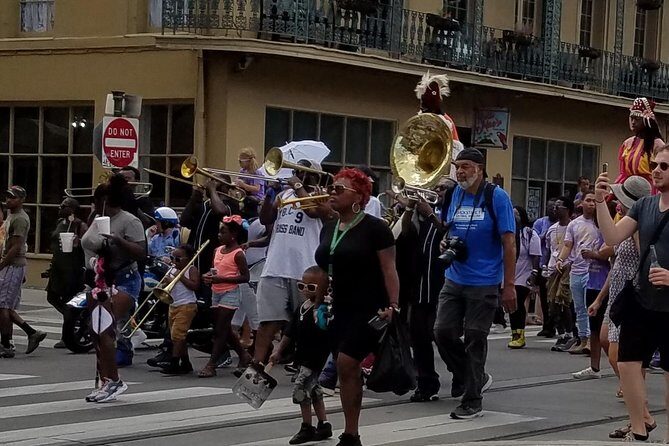
You’ll start at the Voodoo Lounge, 718 N Rampart St (and the tour ends back at the same spot). The start time is 10:30 am, and the day’s weather will matter because this is an outdoor walk.
A practical heads-up: because the tour mixes short orientation moments with longer landmark stops, you may spend stretches where you’re standing, listening, and looking around rather than constantly moving block to block. That’s not a problem if you like story-first sightseeing. If you prefer pure street-walking, just know the early portion may feel slower while the guide sets context.
The tour runs rain or shine, so bring a light layer for humidity or a simple rain plan. You can bring a camera, but no videotaping is allowed.
Storyville District: The Red-Light Chapter That Helped Shape Jazz Lore
The tour opens by taking you through the old Storyville District, covering what was happening there from 1897 to 1917. This is the kind of location that gets mythologized, especially when people talk about Storyville as a birthplace of jazz.
What makes this stop more than trivia is the way it frames early New Orleans-style jazz in the context of nightlife venues—brothels, bars, and dance halls—where musicians socialized and performed. You’ll come away understanding why music historians obsessed over this era, and also why the story is complicated.
This stop is short (about 15 minutes) and doesn’t require admission. So it works as a fast primer before you move deeper into Treme’s community story.
French Quarter Phantoms: Setting the Map Before You Walk the Neighborhood
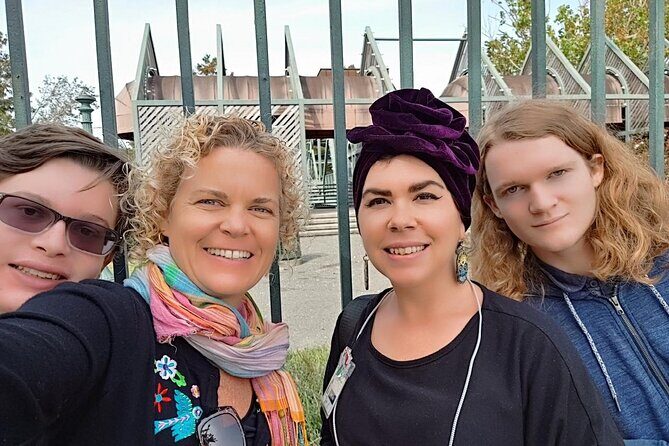
Right after the start, there’s a brief segment tied to general Treme history. Think of this as getting your bearings fast: who lived here, what the neighborhood meant, and why these sites matter together.
It’s only about 10 minutes, but it matters because the rest of the tour references names, social patterns, and cultural threads. If you come in cold, you’ll still follow. If you come in wanting context, those first minutes help.
Tour Treme’: St. Augustine’s Church and the Tomb of the Unknown Slave
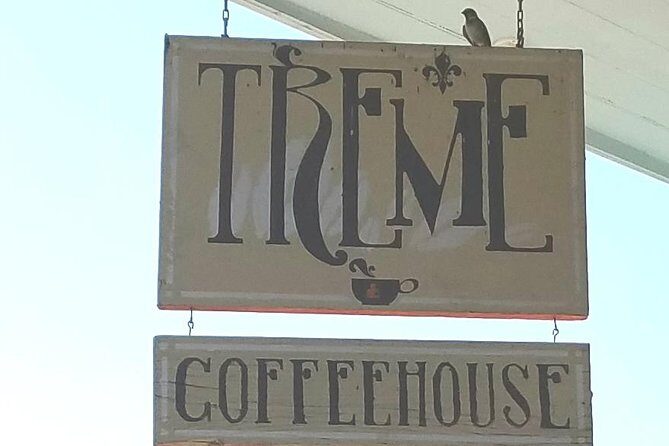
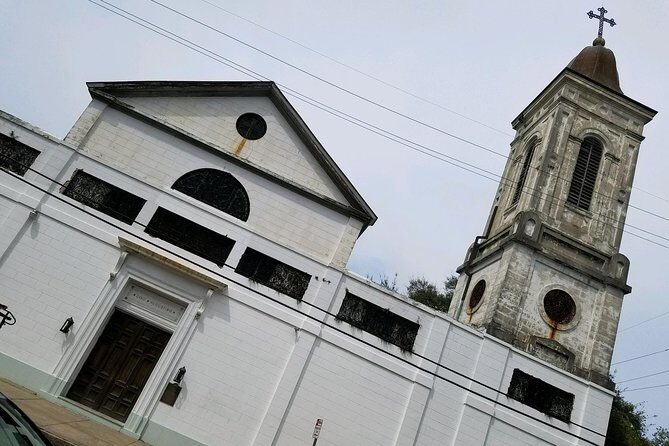
The longest part of the walk is labeled as Tour Treme’, and this is where you get the strongest sense of place. Expect a guided pass through several historic stops, including St. Augustine’s Church and the Tomb of the Unknown Slave.




St. Augustine’s Church: Faith, endurance, and community memory
Religious sites in New Orleans aren’t just architecture. They’re community anchors, places where traditions stayed alive while the city changed around them. When your guide points out specific details, it helps you notice how culture survives in plain sight.
The Tomb of the Unknown Slave: A heavy stop done with care
The Tomb of the Unknown Slave often becomes a standout moment on this tour. It’s not only about who is honored there—it’s about what that history costs, and what people fought to keep. If you want the tour to feel honest rather than polished, this is one of the places that delivers it.
Time here is about 50 minutes, and that’s enough to hear the story, ask questions, and actually look. If you’re doing this with kids or seniors, this is also a good portion to slow down for a breather—your feet will thank you later.
Congo Square: Community Gatherings, African Drumming, and Jazz Origins
Next up is Congo Square, where enslaved and free people of color gathered throughout the 19th century for meetings, open markets, and celebrations. The tour connects these gatherings to African dance and drumming, and explains why that cultural energy played a substantial role in the development of jazz.
This stop is about 15 minutes, and the admission is included. That’s a nice value detail because it means you’re not nickel-and-diming your way through the most meaningful landmarks.
One practical expectation: Congo Square can be emotionally powerful and conceptually dense, so don’t rush it. Let the guide’s framing land before you move on. If you’re the type who likes to take photos, this is a good time to do it—just keep your eyes up when the guide is talking.
The Lost Sock @ Rampart: The Studio Side of New Orleans Music
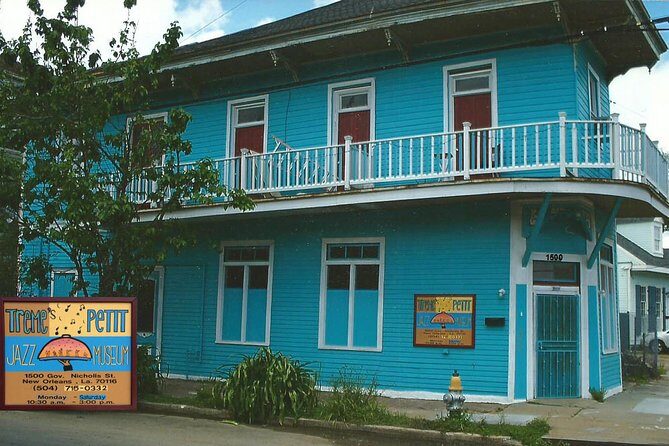
You end with a stop called The Lost Sock @ Rampart, which combines a laundry and museum concept with music history. It’s also tied to a Rock n Roll Hall of Fame location, and the guide connects it to the old Cosimo’s J&M Recording Studio.
This is the part of the tour that turns “jazz origins” into “how songs got made.” The tour mentions that artists such as Fats Domino, Little Richard, and Professor Longhair recorded some of their first work there. Even if you don’t know those studio facts going in, the story helps you see New Orleans music as craft, not just myth.
Expect about 15 minutes here, and the stop doesn’t require you to pay extra for admission.
What Makes the Guides So Effective Here
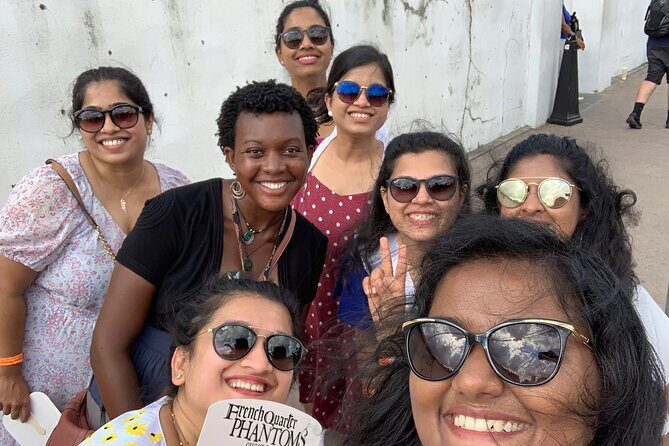
The biggest reason people feel satisfied with this tour isn’t just the stops—it’s the way the guide tells the story. Across different guide names, a common thread shows up: clear communication, strong pacing, and a talent for using music selections to match the moment.
You might hear guides like Kwaku, Claire, Erin, Nika, Pepe, Eva, Bobby, Kweku, and others referenced for bringing the neighborhood to life. Some guides also play music during segments so you don’t just hear about jazz—you hear what the guide is pointing you toward.
If you’re picky about tours (the kind where you can tell who truly knows the material and who’s reading off a script), this one usually hits that mark. You’ll know quickly whether your guide is syncing the story to what you’re looking at.
Practical Tips So You Enjoy It Instead of Just Surviving It
A few things will make this walk smoother:
- Wear comfortable shoes. It’s a walking tour, and you’ll be on your feet during outdoor time.
- Bring a camera if you want photos, but remember no videotaping.
- Expect some standing and listening. The tour mixes short narration with landmark viewing, not just moving nonstop.
- Plan for weather. It runs rain or shine, so bring a light rain layer or protection if storms are common when you travel.
- Respect the pacing. If you ask a question, your guide may adjust in real time. That’s part of what makes the experience feel personal.
And if you’re traveling with a group that moves at different speeds, the small size is helpful. It’s easier for the guide to manage the group than on large coach tours.
How to Think About the $20.50 Price
At $20.50 per person, you’re paying for three things: a professional guide, a structured route, and the time saved by not having to research every stop yourself.
What makes it feel like solid value is that most of the itinerary is built around free-to-access outside points, while Congo Square admission is included. You’re also getting a guided link between several major parts of the city’s story—Storyville, Treme’s landmark sites, Congo Square, and the studio/music connection at The Lost Sock.
Could you DIY this walk with a map? Sure. But you’d spend a lot of time piecing together what the places mean and who is missing from the common version of the jazz story. This tour does that work for you in a tight window.
Who This Tour Is Best For
This tour makes the most sense if you:
- want history tied directly to music rather than vague mentions of jazz
- care about how communities formed, organized, and survived through harsh social systems
- prefer a small-group format where you can actually interact with the guide
- like learning from local voices and names, not just reading plaques
It’s also a good choice for first-time visitors who want more than the obvious route. If you’re already deep into New Orleans music knowledge, you’ll still like the way the tour connects studio history and community gathering spaces.
Should You Book the New Orleans Treme’ Walking Tour?
If your ideal New Orleans day includes storytelling with real locations, this is a smart booking. The tour’s main strength is how it connects the neighborhood’s landmarks to the music and cultural life that grew there, with guides who often use music cues and clear explanations.
Just go in with one expectation dialed correctly: it’s not only a fast march through Treme streets. You may spend early time in park-centered context (including the Armstrong Park area), then move into the neighborhood with more specific landmark stops. Once you accept that structure, you’ll get more from the experience.
FAQ
How long is the New Orleans Treme’ Walking Tour?
It lasts about 1 hour 45 minutes.
How much does the tour cost?
The price is $20.50 per person.
Where does the tour start, and where does it end?
It starts at Voodoo Lounge, 718 N Rampart St, New Orleans, LA 70116, and it ends back at the same meeting point.
What time does the tour run?
The start time is 10:30 am.
Is a mobile ticket provided?
Yes, the tour uses a mobile ticket.
Is the tour in English?
Yes, it’s offered in English.
Is anything included besides the guide?
The itinerary includes admission at Congo Square, and the other listed stops show free admission. A professional guide is included.
What about rain and photos or video?
The tour runs rain or shine. You may bring a camera, but videotaping is not allowed.
Is there a place for cancellation if plans change?
Free cancellation is available up to 24 hours before the start time for a full refund.