REVIEW · NEW ORLEANS
New Orleans: Voodoo, Storyville, and Treme Walking Tour
Book on GetYourGuide →Operated by NOLA Historic Tours, LLC · Bookable on GetYourGuide
A side of New Orleans you can actually walk. This New Orleans Voodoo, Storyville, and Treme walking tour strings together three neighborhoods you’ve heard of, then ties them to people, places, and conflicts that shaped Creole and African-American culture.
What I like most is the mix of big themes and specific locations—Storyville and its role in early jazz, then Voodoo as lived belief alongside Roman Catholic influence. I also like that it’s not just spooky storytelling; you get to see the street-level settings tied to Marie Laveau and the “War of the Pews.”
One drawback to factor in: it’s a solid walk, and if you’re the kind of person who needs everything to be perfectly smooth, keep in mind there’s been at least one reported case of a guide not showing up.
In This Review
- Key things that make this tour worth your time
- Starting at Backatown Coffee in the old Storyville footprint
- Storyville to early jazz: what you’ll learn near the Basin area
- Bienville Basin Apartments and “New Urbanism” in plain street-level terms
- Voodoo in New Orleans: realities, myths, and Catholic connections
- Marie Laveau’s home site: separating fact from myth
- Basin Street Station to music landmarks: Congo Square, Louis Armstrong Park, and more
- St. Augustine’s and the Tomb of the Unknown Slave: the War of the Pews
- Treme neighborhood walking: Our Lady of Guadalupe Church and HBO connections
- Optional Backstreet Cultural Museum and the lagniappe trick
- Price and value for a 2-hour walking tour
- Who this tour fits best (and who might want a different plan)
- The one thing to watch before you commit
- Should you book this New Orleans Voodoo, Storyville, and Treme tour?
- FAQ
- How long is the New Orleans Voodoo, Storyville, and Treme walking tour?
- Where does the tour start?
- What are some of the main stops on the tour?
- Is food or drinks included in the price?
- Is there anything optional during the tour?
- Is the tour in English, and do I need walking-appropriate clothing?
Key things that make this tour worth your time
- Storyville on the ground: start at Backatown Coffee, then learn how the district helped shape early jazz.
- Voodoo with guardrails: West African religious roots plus crossovers with Roman Catholicism.
- Marie Laveau’s legacy: you’ll visit the site tied to her home and separate fact from myth as best as possible.
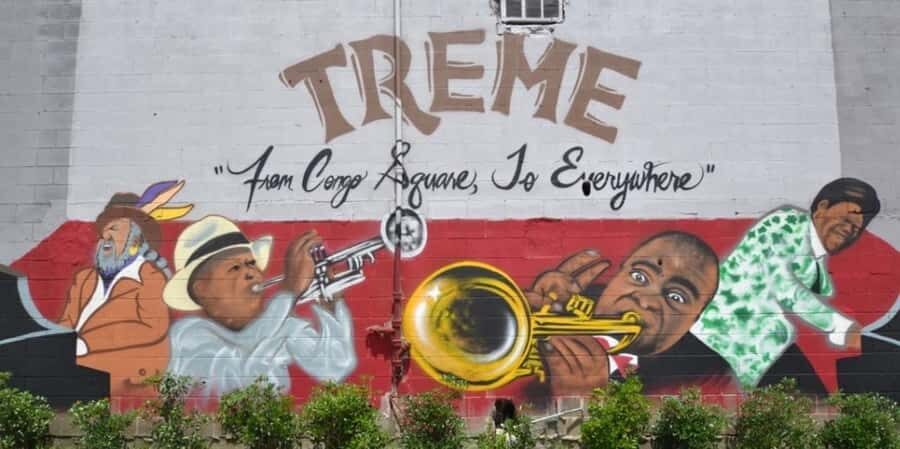
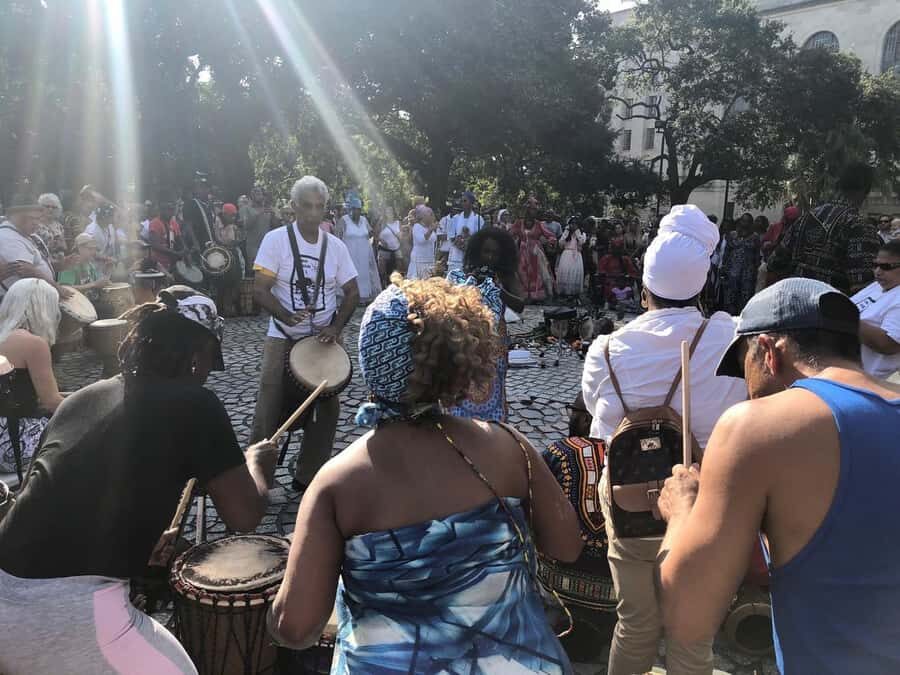
- Congo Square and Louis Armstrong Park: places where music, community, and performance history overlap.
- The War of the Pews: tied to sites around St. Augustine’s Catholic Church and the Tomb of the Unknown Slave, plus the 1891 Parish Prison vendetta story.
Starting at Backatown Coffee in the old Storyville footprint
You begin at Backatown Coffee, which sits on the site of the notorious red-light district called Storyville. That’s a strong opener because it immediately reframes what Storyville was: not just scandal, but a specific local district that was decriminalized for about 20 years.
From there, you’ll walk with a guide who connects the dots between street life, the people who lived and worked here, and the early music scene. One reason this matters: the story of jazz doesn’t show up in New Orleans as one neat invention. It shows up as a messy human ecosystem—nightlife, money, migration, and performance all in the same neighborhoods.
You can also read our reviews of more walking tours in New Orleans


Storyville to early jazz: what you’ll learn near the Basin area
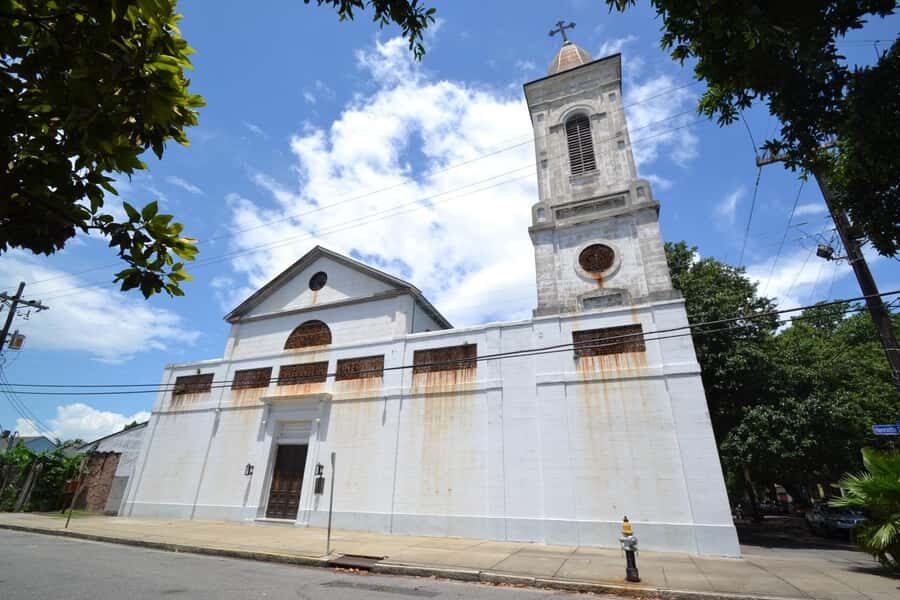
The tour keeps going to sites tied to Storyville’s physical remnants, including a visit to the former Iberville Housing Project—now the Bienville Basin Apartments. The point isn’t the building itself as a postcard. It’s what the guide will tell you about what stood here during Storyville’s era, including surviving buildings linked to the district.
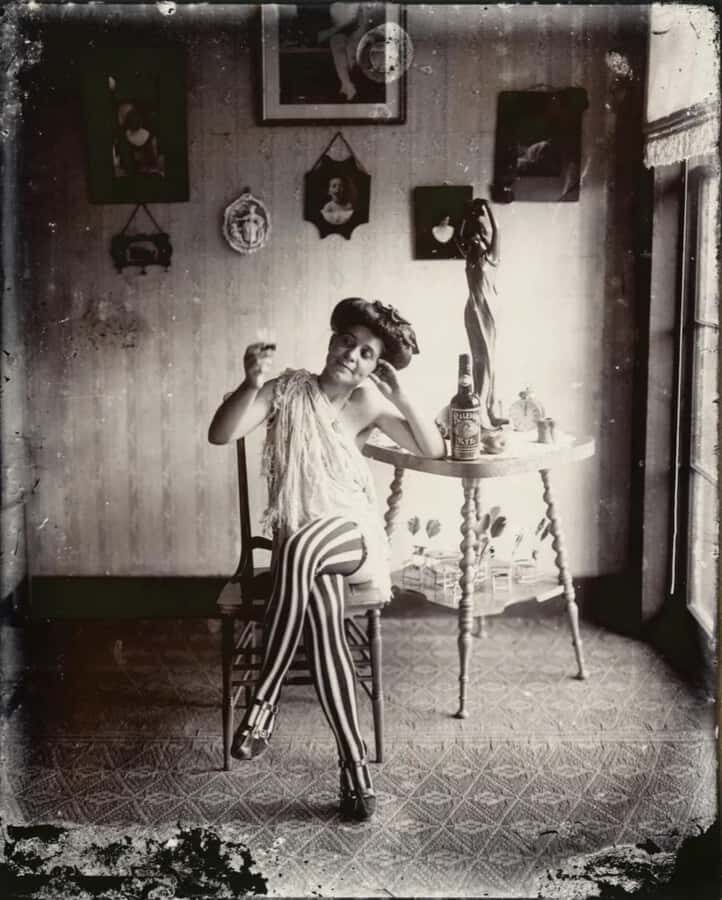
You’ll hear how Storyville’s decriminalized prostitution district played a role in the development of early jazz. The guide also points out notable names associated with that musical era—Jelly Roll Morton, King Oliver, and Sidney Bechet. Even if you’re not a jazz scholar, you’ll leave with a clearer sense of why music historians keep circling back to this neighborhood.
Two practical tips for this part:
- Watch for the way your guide uses place names to anchor the story. If you lose the thread, ask what you should look at next.
- Expect the tone to be frank. This is the kind of tour where you’re learning real social history, not sanitizing it.
Bienville Basin Apartments and “New Urbanism” in plain street-level terms
A notable stop is the former Iberville Housing Project, now the Bienville Basin Apartments, where you’ll learn about today’s “New Urbanism” in architecture. That sounds abstract, but on the ground it usually means this: how a city tries to reshape older spaces—what gets preserved, what gets rebuilt, and who the new design serves.
For me, this is where the tour becomes more than three themed stories. You start seeing New Orleans as a city that repeatedly reworks the same real estate, then argues about what the changes mean. Storyville is one chapter. The housing project is another. The architecture lesson is a third layer: how the present interprets the past.
You’ll want to pace yourself here, because the walk keeps moving and the tour keeps layering context.
Voodoo in New Orleans: realities, myths, and Catholic connections
After Storyville, the tour shifts gears into Voodoo—its history, the ancient West African religious basis, and the crossovers with Roman Catholicism in slave-holding colonies. This part is built to handle the topic responsibly without turning it into pure fear-mongering.
The guide explains Voodoo as both reality and myth. That matters because New Orleans has long lived with outsiders projecting their own ideas onto local belief systems. By the time you reach the Marie Laveau section, you’ll be better prepared to understand why certain stories stick, why some get distorted, and why people still talk about Voodoo as something lived.
If you’re curious but cautious, this is a good approach. You get the religious roots and the colonial-era crossovers, then you get a framework for interpreting claims without treating every headline-style story as fact.
Marie Laveau’s home site: separating fact from myth
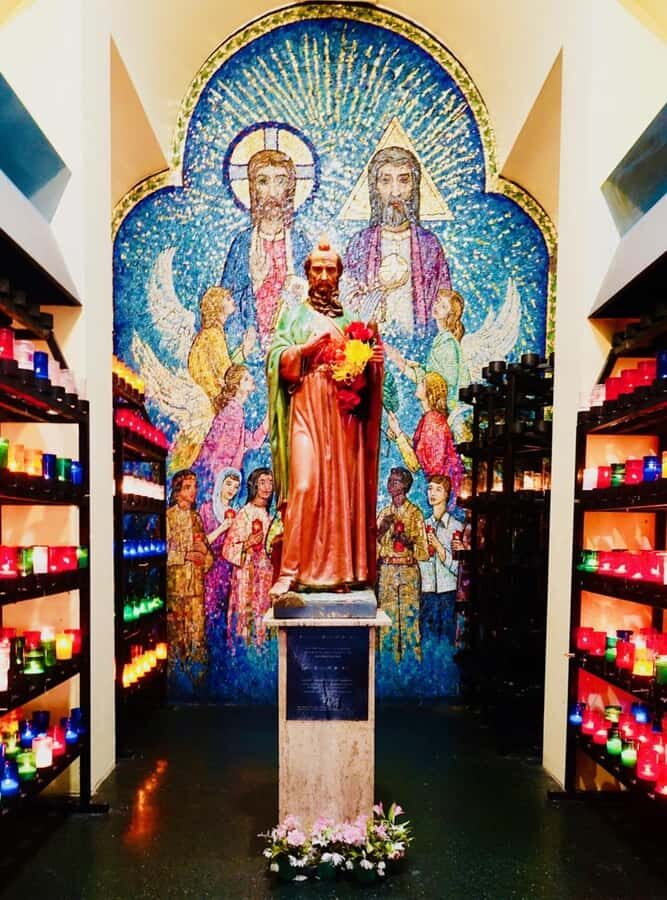
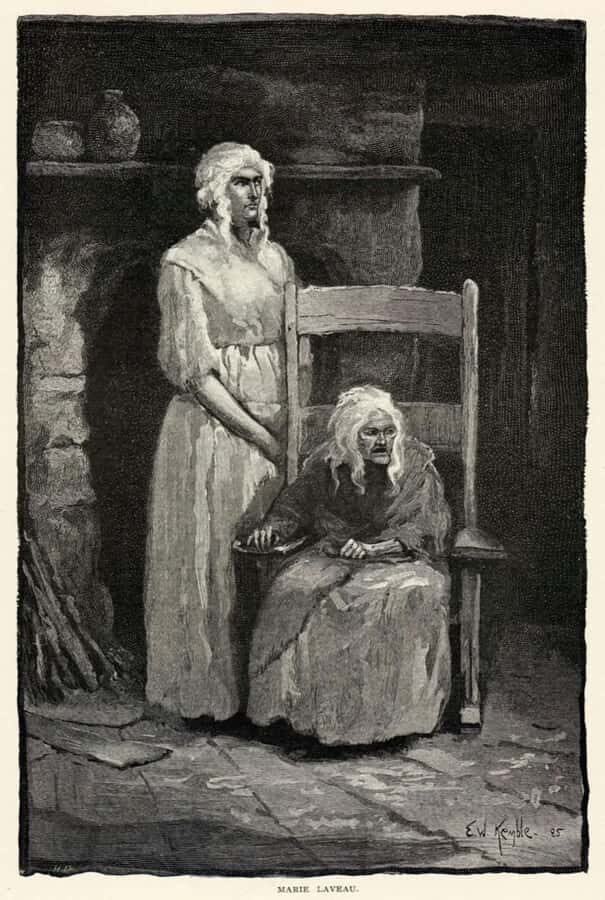
One of the most direct emotional stops is the site of Marie Laveau’s home. The tour uses her biography to show how the city remembers its Voodoo practitioners—especially Marie Laveau, described here as the most well-known Voodoo queen in this country’s history.
What I like is the tour’s emphasis on separating what is fact and what is myth. That doesn’t mean you’ll get a perfect, lab-tested truth on every detail, because history rarely behaves that nicely. It does mean you’ll learn how to reason through stories: what’s grounded in documentation, what’s shaped by later retellings, and what may be local legend that still holds meaning.
If you’re visiting New Orleans for the first time, this is also a helpful reality check. You’ll see that Voodoo isn’t just costuming, photos, and folklore. It’s tied to community memory, spiritual practice, and cultural survival.




Basin Street Station to music landmarks: Congo Square, Louis Armstrong Park, and more
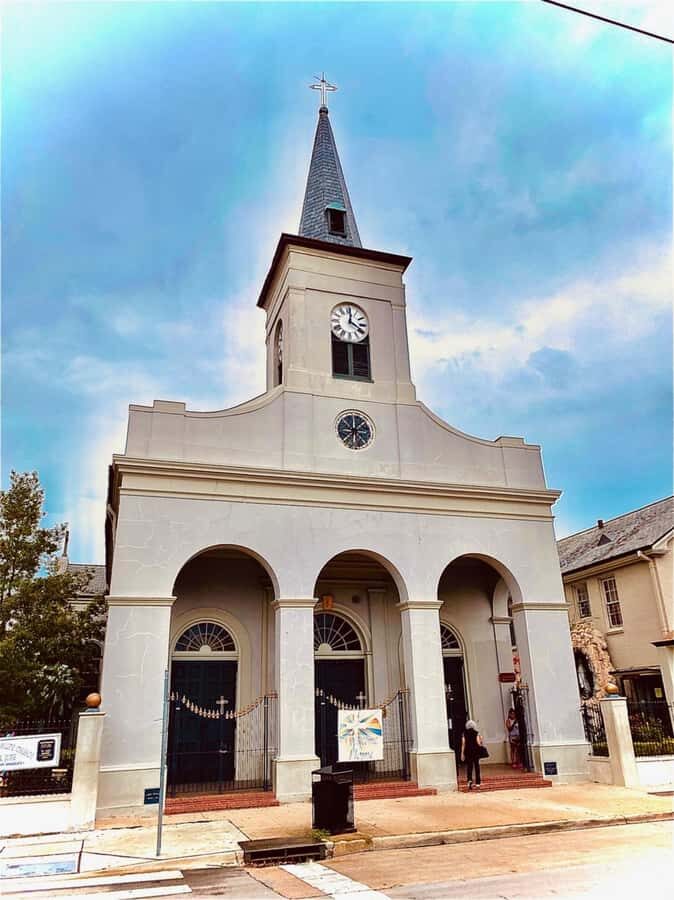
Next, the tour heads toward the Basin Street Station area and connects you to a string of music and gathering landmarks. You’ll visit Louis Armstrong Park and Congo Square, plus Perseverance Hall and the Rabassa-de Pouilly House.
Here’s what you can take from this section, beyond location names:
- Congo Square is where community gatherings and performance traditions get discussed in a way that makes sense in New Orleans. It’s a place name that carries weight because people gathered here for years, not just once.
- Louis Armstrong Park anchors the story in the jazz world you heard about earlier with Storyville. You start noticing how the city ties music to place.
Perseverance Hall and the Rabassa-de Pouilly House add texture too. These aren’t just “pretty stops.” They help you feel how New Orleans spreads culture across streets and buildings, not only across museums.
A quick way to get more from this portion: keep an eye on what your guide highlights as historically significant. If your guide points out a corner, doorway, or building feature, you’ll usually understand why once they connect it to the story they’re telling.
St. Augustine’s and the Tomb of the Unknown Slave: the War of the Pews
Then the tour moves into a darker, more complicated chapter: the “War of the Pews.” You’ll learn about it at St. Augustine’s Catholic Church and at the Tomb of the Unknown Slave.
You may not know this story at all before the tour, and that’s exactly why it’s included. New Orleans history isn’t only about music and festivals. It’s also about power, community conflict, and the way people fought over belonging and public space—even inside sacred places.
The tour also ties this theme to the 1891 Parish Prison vendetta, describing how it assassinated Sicilian convicts accused of murdering Police Chief Hennessy. The important takeaway for you is the pattern: arguments tied to status and authority don’t stay private. They spill into institutions. They become remembered history.
If you visit churches in New Orleans, follow the vibe the space asks for. That usually means quiet respect, staying aware of other worshippers, and dressing appropriately—this tour flags that some sites require respectful behavior and attire.
Treme neighborhood walking: Our Lady of Guadalupe Church and HBO connections
The tour spends real time in Treme, a neighborhood often treated as a living archive of Creole and African-American culture. You’ll hear about Treme through the lens of the “War of the Pews” story line and also through references to the HBO series Treme.
You’ll also visit Our Lady of Guadalupe Church as part of the route. Even if you’re not watching the show, the inclusion makes sense: it points you to the kind of community-centered filming that tries to show life as local people understand it.
The practical value here: you’re not just collecting “must-see” places. You’re learning how one neighborhood absorbed conflict, kept traditions, and continued producing culture. Treme helps you see New Orleans as continuity, not only as a set of dated landmarks.
Optional Backstreet Cultural Museum and the lagniappe trick
There’s an optional stop at the Backstreet Cultural Museum, dedicated to preserving Mardi Gras Indian and Second Line culture. If you’re the type who wants context you can keep afterward—something you can revisit by walking around in a museum setting—this is worth considering.
One small thing that’s actually smart: your guide offers a brief description of St. Louis Cemetery if you ask. You can also get the definition of lagniappe, explained by making that inquiry.
This is the kind of detail that makes a tour feel like it has a real guide behind it, not just a checklist. It’s also a low-pressure way to turn a question into a mini-story. If you like learning local language and customs, don’t skip this chance.
Price and value for a 2-hour walking tour
At $30 per person for about 2 hours, this tour sits in the sweet spot for a city like New Orleans. You’re not spending a full half-day, but you’re still getting multiple meaningful stops that cover:
- Storyville and early jazz connections
- Voodoo with religious and historical context
- Marie Laveau’s home site
- Congo Square and Louis Armstrong Park
- St. Augustine’s, the Tomb of the Unknown Slave, and the War of the Pews
- Treme neighborhood sights, including Our Lady of Guadalupe Church
The value isn’t only the number of locations. It’s the guided interpretation that connects them into one story of how culture survives alongside conflict. Admission to the Backstreet Cultural Museum is not included, and food and drinks aren’t included either—so plan to eat before or after, and carry water if the day is warm.
Also, this is significant walking. Comfortable walking shoes aren’t a suggestion—they’re the difference between enjoying the day and looking at every bench like it’s an oasis.
Who this tour fits best (and who might want a different plan)
This tour is ideal if you want New Orleans history that mixes culture, religion, and street-level storytelling. It’s especially good if you’re curious about:
- Why early jazz is tied to Storyville
- How Voodoo is discussed with West African roots and Catholic crossovers
- How local history includes church conflict and community power struggles
- The kinds of landmarks that matter in Treme
I’d think twice if you:
- Prefer a very light, casual walk with minimal tough topics
- Need lots of seating breaks
- Are sensitive to discussions of slavery-era history and criminal justice violence
The one thing to watch before you commit
A smooth day matters. One past booking included a no-show problem where the guide didn’t turn up and didn’t cancel in advance, which is obviously not what anyone wants. I can’t predict that will happen again, but I’d still do the simple, practical thing: confirm the meeting details the day-of and keep the operator’s contact info handy.
Should you book this New Orleans Voodoo, Storyville, and Treme tour?
If you’re trying to see New Orleans beyond the usual postcard loop, I think this is a strong choice. For $30, you’re getting a guided walk through Storyville, Voodoo, and Treme with standout anchor stops like Congo Square, Louis Armstrong Park, St. Augustine’s, the Marie Laveau home site, and the War of the Pews story.
Book it if you like history that’s grounded in places and explains how myths and memories form. Skip it if you want only gentle vibes, minimal walking, or guaranteed perfect operations.
FAQ
How long is the New Orleans Voodoo, Storyville, and Treme walking tour?
It lasts about 2 hours.
Where does the tour start?
It starts at Backatown Coffee, located on the site of the former Storyville red light district.
What are some of the main stops on the tour?
You’ll visit places such as Congo Square, Louis Armstrong Park, the site of Marie Laveau’s home, St. Augustine’s Catholic Church, and the Tomb of the Unknown Slave, plus stops in the Treme neighborhood.
Is food or drinks included in the price?
No. Food and drinks are not included.
Is there anything optional during the tour?
Yes, admission to the Backstreet Cultural Museum is optional (and not included).
Is the tour in English, and do I need walking-appropriate clothing?
The tour is in English. Wear comfortable walking shoes and dress appropriately for respectful behavior at some sites.