REVIEW · NEW ORLEANS
Private French Quarter Walking and City Surrounding Neighborhoods Driving Tour
Book on Viator →Operated by New Orleans Private Tours · Bookable on Viator
New Orleans feels bigger on a small-group tour. This private combo takes you from Jackson Square through the French Quarter on foot, then out into real neighborhoods by car so you can ask questions and connect the dots fast.
I love the 3-hour French Quarter walk built around icons like St. Louis Cathedral, the Cabildo, and the riverfront atmosphere. I also like the 50-mile drive that shows areas like St. Charles Avenue, the Garden District, and Bayou St. John, not just the postcard blocks.
One thing to consider: at $695 per group (up to 4), the value depends on sharing the cost, and entry to places like the cathedral and Cabildo is not included if you choose to go inside.
In This Review
- Key highlights you’ll feel right away
- French Quarter first: Jackson Square and landmark-watching on foot
- Stopping points that explain the city, not just name-drop it
- What makes the French Quarter feel different on this tour
- Audubon Park and Faubourg Marigny: culture lessons you can actually picture
- A smart mid-day break: optional lunch and how to use it
- The 50-mile neighborhood drive: St. Charles Avenue to the Garden District
- Hurricane Katrina and rebuilding: why this tour doesn’t stop at pretty streets
- Price and value: is $695 for four actually worth it?
- Timing and practical tips for a smooth 7-hour day
- Who should book this tour, and who might skip it
- Should you book this private French Quarter walk plus neighborhood drive?
- FAQ
- How long is the Private French Quarter Walking and City Surrounding Neighborhoods Driving Tour?
- What’s the maximum group size?
- Where does the tour start?
- What time does the tour start?
- Is hotel pickup and return included?
- How much of the tour is walking versus driving?
- Are admissions included for all stops?
- Is lunch included in the tour price?
- Are masks required?
- Can I bring a service animal?
Key highlights you’ll feel right away
- Small-group format (max 4) for an up-close, question-friendly experience
- Hotel pickup and return plus private vehicle for the driving portion
- French Quarter on foot: about 1.5 miles (2.4 km) at a relaxed pace
- Neighborhood variety by car: Bayou St. John, St. Charles Avenue, Faubourg Marigny, Garden District, and more
- Story stops that add context like the granulating sugar origin tied to Audubon Park
- A guide named Dominic Musso is repeatedly praised for strong organization and local, personal anecdotes
French Quarter first: Jackson Square and landmark-watching on foot
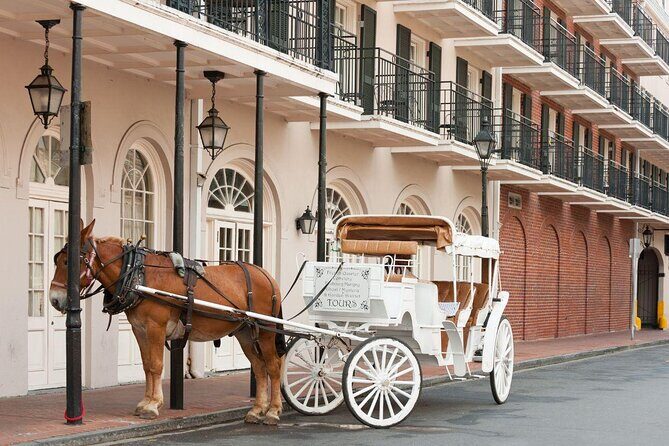
The day starts in the French Quarter, meeting at 619 St Peter around 9:00 am. You’ll begin with a private walking segment designed to help you get your bearings fast—not just take photos. Plan on comfortable shoes because you’ll cover about 1.5 miles (2.4 km) over roughly 3 hours of walking, plus short stops.
This is a great setup if you’re new to New Orleans. The guide can point out how the streets, buildings, and courtyards fit together, and you’ll have time to ask for clarification without getting hurried along. Because your group is capped at four people, the pace stays human and the conversation stays local.
A practical note: some of the big French Quarter sights are clustered. That matters, because it means you’re not spending the whole time relocating—you’re spending the time looking and listening.
You can also read our reviews of more walking tours in New Orleans


Stopping points that explain the city, not just name-drop it
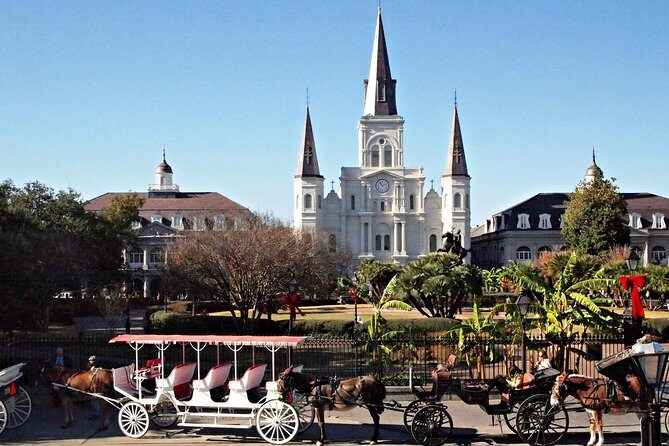
Your walking route centers on major landmarks, with the guide tying each one to the bigger story of New Orleans. You’ll start at Jackson Square, then move through key stops that give you both architecture and context.
At Jackson Square, you get a basic, clear explanation of what shaped the city’s founding. It’s one of those places where it’s easy to just admire the view—this helps you understand why the view looks the way it does and why that spot mattered.
Then you have the option to step into St. Louis Cathedral. If you do, you’ll spend about 10 minutes at the stop. Admission isn’t included, so it’s a choose-your-own-adventure moment. Even if you don’t go inside, the exterior and the role of the cathedral in the area’s identity can still make the stop worthwhile.
Next up is the Cabildo, where you can visit the building and learn why the Louisiana Purchase is connected to what happened here. The guide keeps it grounded and specific, rather than treating it like a vague trivia moment.
What makes the French Quarter feel different on this tour
The French Quarter is famous, but it’s also easy to experience it like a checklist. This tour aims for the opposite: you’ll see the landmarks and then understand how the pieces connect—culture, religion, government history, and the way the riverfront shaped the city’s growth.
As you walk, you’ll also pass major French Quarter sights tied to the area’s signature look—think stops in the orbit of St. Louis Cathedral, the Cabildo, and the Pontalba buildings. You’ll also get time around the general atmosphere near the Presbytere and the Mississippi riverfront areas, which helps the tour feel like New Orleans as a place, not New Orleans as a set of points on a map.
Audubon Park and Faubourg Marigny: culture lessons you can actually picture
After the walking portion, you switch gears and head out by private vehicle. One of the smart parts of this tour is how it balances the most famous area (the French Quarter) with neighborhoods that show how the city works day to day.
You’ll visit Audubon Park, with a stop that includes a story about how the process of granulating sugar was invented there. It’s the kind of fact that sounds odd until someone explains the connection, and suddenly the park isn’t just green space—it’s part of the city’s economic past.
Then comes Faubourg Marigny, described as an early suburb. Your guide explains how the area developed and also talks about the Placage system of matchmaking and slavery. That’s heavy material, but the point of making it part of a walking-and-driving day is that it anchors the French Quarter’s glamour to the reality of how New Orleans society formed.
These stops are valuable because they don’t feel like random detours. They’re used to build your mental map: here’s what people built, here’s why it was built, and here’s how that shapes what you see today.
A smart mid-day break: optional lunch and how to use it
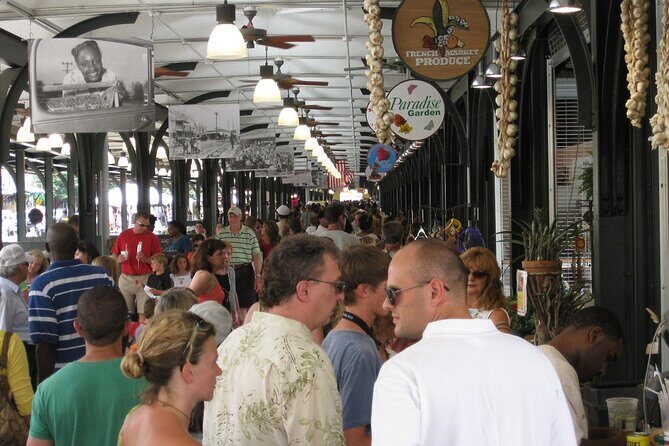
After the morning tour segment, you have time to rest your feet and recharge. Lunch is optional and on your own budget, but your guide can recommend where to go based on what you want to eat and any dietary restrictions.
I like this approach for two reasons. First, you’re not stuck at a pre-selected restaurant when your tastes might run Cajun one day and something lighter the next. Second, your guide has already been talking about the city’s food and culture, so their suggestions usually come with helpful context, not just a list of names.
If you’re choosing lunch on your own, aim for something quick enough that you still feel fresh for the driving portion. The afternoon route moves through multiple neighborhoods, and you’ll enjoy it more if you’re not running on pure snack power.
You can also read our reviews of more city tours in New Orleans





The 50-mile neighborhood drive: St. Charles Avenue to the Garden District
The afternoon is where the tour expands beyond the tourist lane. You’ll take a private vehicle and cover about 50 miles (80 km) through distinctive parts of New Orleans, including neighborhoods that help you see how different parts of the city developed.
Key areas on the route can include:
- Bayou St. John
- St. Charles Avenue
- Faubourg Marigny
- Esplanade Ridge
- 17th Street Canal
- Tulane and Loyola Universities
- Garden District
- the Central Business District area as you finish
Driving like this changes what you notice. On foot, you’re focused on faces of buildings and immediate streets. By car, you start to recognize bigger patterns—street grids, the feel of different districts, and how wealth and industry can sit next to each other.
The university stops (Tulane and Loyola) also help you understand the city’s modern role. You’ll hear about the idea that there are eight universities in town and what their presence contributes to New Orleans. Even if you’re not a student, that matters because universities affect culture, development, and daily life.
Hurricane Katrina and rebuilding: why this tour doesn’t stop at pretty streets
One of the most important parts of the driving day is the way the guide connects what you see now to Hurricane Katrina and what came after. You’ll learn about the lasting legacy of Katrina and ongoing rebuilding efforts that continue to shape modern-day New Orleans.
This matters because it keeps the tour honest. New Orleans is visually stunning, but the real story includes damage, recovery, and choices about what gets rebuilt—and what doesn’t. When your route includes places tied to canals, neighborhood changes, and district contrasts, the rebuilding theme stops being abstract.
If you like history that lives in the present—signs, street layouts, and neighborhoods you can’t ignore—this afternoon portion will feel especially worth your time.
Price and value: is $695 for four actually worth it?
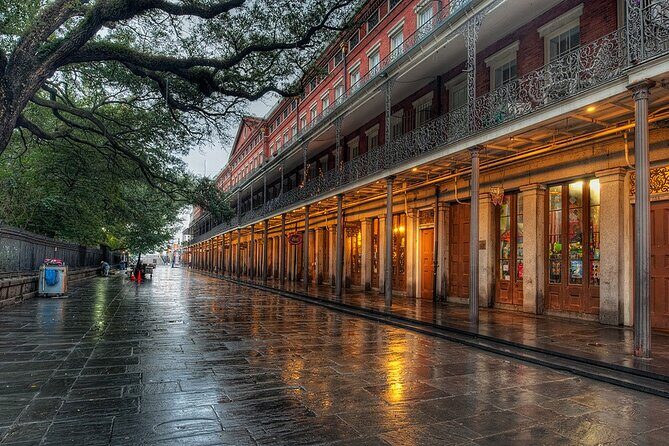
$695 per group (up to 4) works out to roughly $174 per person if you have a full group. That’s not a bargain price in a city where you can find cheaper group tours. But this tour is private, with a licensed local guide, a dedicated walking route, private transportation, and round-trip hotel pickup.
Where the value tends to show up:
- you get a real back-and-forth with the guide instead of getting talked at
- the itinerary is split: French Quarter walking plus neighborhood driving
- you cover more ground than a pure walking tour without losing the local explanations
- admission choices (like inside the cathedral or Cabildo) stay flexible
The biggest decision point for you is group size. If you’re traveling as two, the per-person price is higher; if you’re traveling as four, it becomes much easier to justify. If you want a first-timer overview with actual context (not just movement), this price starts to feel reasonable.
Timing and practical tips for a smooth 7-hour day
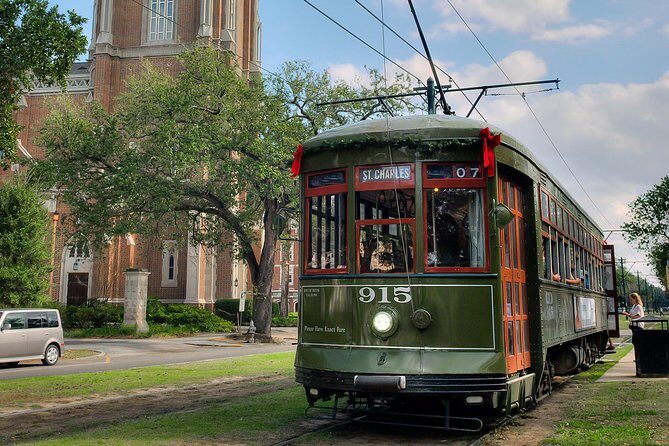
This experience runs about 7 hours total. It starts at 9:00 am, and it ends back at the meeting point.
Because the morning includes a longer walk, dress for comfort and heat. Even if the weather is mild, New Orleans can mean sticky air and lots of standing around at stops. Bring water if you can. You’re not told that drinks are included, and lunch is optional anyway.
Also note the mask guidance: as of March 2022, masks are no longer required by the city, but some venues may still require masks and/or proof of vaccination. If that applies to you, confirm ahead of time to avoid unpleasant surprises at indoor stops.
If you plan to go inside St. Louis Cathedral or the Cabildo, remember admission isn’t included in the tour. If you’re okay with viewing from outside, you can keep costs down.
Who should book this tour, and who might skip it

This works especially well if you:
- want a first-time New Orleans introduction that still feels detailed
- like history with modern context, including Katrina rebuilding
- prefer a private format where questions don’t get squeezed out
- want to see both iconic sights and neighborhoods with a real sense of everyday life
You might consider something else if you:
- already know the French Quarter deeply and feel you need more offbeat specialty stops
- dislike walking and would rather do only a driving-style highlights tour
- are traveling solo or as a couple and don’t want the per-person cost to be high
Should you book this private French Quarter walk plus neighborhood drive?
I’d book it if you want a guided day that connects the famous New Orleans to the New Orleans people actually live in. The best part is the pacing: morning landmarks at walking speed, then an afternoon route that shows districts, city structure, and the Katrina rebuilding story in context.
It’s also a smart pick if you’re the kind of person who likes to ask one question and keep asking until things click. With a max group of four, you’re more likely to get answers that match your interests, whether that’s architecture, culture, or how the city changed after major events.
If you’re traveling as a group of four, the price becomes easier to swallow—and you get the most out of the private format. If it’s just two of you, the tour still can be worth it, but decide based on how much you value a guided, small-group experience versus saving money with a larger group option.
FAQ
How long is the Private French Quarter Walking and City Surrounding Neighborhoods Driving Tour?
The tour lasts about 7 hours total.
What’s the maximum group size?
The booking is limited to a maximum of 4 people per group.
Where does the tour start?
The meeting point is 619 St Peter, New Orleans, LA 70116.
What time does the tour start?
The start time is 9:00 am.
Is hotel pickup and return included?
Yes. The tour includes hotel pickup and return, along with private transportation.
How much of the tour is walking versus driving?
It’s a combo: a private 3-hour walking tour of the French Quarter, followed by a private 3-hour driving tour of surrounding neighborhoods.
Are admissions included for all stops?
Not all admissions are included. Stops such as St. Louis Cathedral and the Cabildo list admissions as not included (while other stops on the route indicate no admission ticket required).
Is lunch included in the tour price?
Lunch is not included, but your guide can recommend places. Lunch is an optional stop and is paid for on your own.
Are masks required?
As of March 2022, masks are no longer required by the city, but some venues may still require masks and/or proof of vaccination. It’s advised to check before booking.
Can I bring a service animal?
Yes. Service animals are allowed.