REVIEW · NEW ORLEANS
Soul of New Orleans City Tour: Enslavement to Modern Day Culture
Book on Viator →Operated by 2nd Line Tours/Experience · Bookable on Viator
New Orleans has a hidden classroom, and it’s on the street. This tour connects the city’s story to the people who shaped it, from early African rhythms to modern-day culture, with a guide leading the way. You’ll also ride in air-conditioned transport, so you’re not white-knuckling the heat while trying to find the right corner.
Two things I really like: you get a strong neighborhood overview without needing public transit or map skills, and your guide tells the story in a way that stays human, not like a dry worksheet. Expect real emotion too, including the harder chapters alongside art, music, and survival.
One possible drawback: some stops are brief. You’re not doing long museum-style time at each location, so if you want slow, deep pacing at one single site, you’ll have to treat this more like a guided route with follow-up options.
In This Review
- Key highlights worth knowing before you go
- A bus ride that tells the truth about New Orleans
- Price and value for a 2 hours 45 minutes culture route
- Getting oriented at Adventures in New Orleans (and why it matters)
- Stop 1: Treme for jazz roots and civil rights context
- Stop 2: Congo Square and the cultural meeting point
- Stop 3: Studio Be murals and the art of memory
- The bigger story: from enslavement to modern-day culture (with real place names)
- Who this tour is best for (and who might want something else)
- Logistics that keep the day smooth
- Should you book Soul of New Orleans: Enslavement to Modern Day Culture?
- FAQ
- FAQ
- How long is the Soul of New Orleans City Tour?
- How much does it cost?
- What’s included in the price?
- Where does the tour start and end?
- What’s the group size limit?
- Is the tour offered in English?
- Do I need to use public transport to join the tour?
- Are service animals allowed?
- What’s the cancellation policy?
- What happens if weather is bad?
- Does the tour require a minimum number of travelers?
Key highlights worth knowing before you go
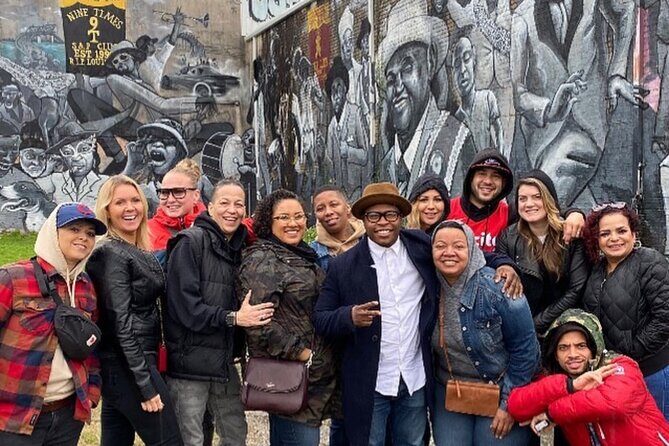
- Guided route, not self-navigation: a lead guide keeps you oriented and moving efficiently
- Air-conditioned transport included: less sweat, more listening
- Treme stop for jazz and civil rights context: you’ll connect music to community history
- Congo Square focus on African and Creole cultural mixing: plus the stories tied to enslaved people
- Studio Be mural viewing: street art used as living memory
- Small group size (max 24): you’re less likely to get lost in the crowd
A bus ride that tells the truth about New Orleans
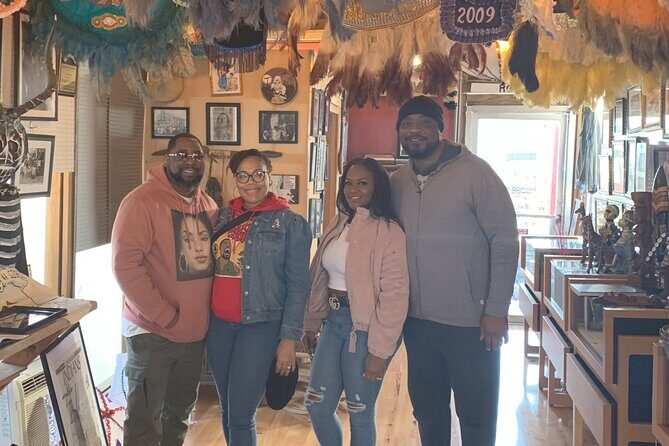
This isn’t the kind of New Orleans tour where you only skim the pretty parts and call it culture. You’ll get a focused route through neighborhoods that matter, with guide commentary that connects past to present. The title is a clue: it follows a line from enslavement toward modern-day culture, and it doesn’t try to soften the hard parts.
I like the way the tour keeps you moving. It’s structured enough to cover ground, but it still leaves room for the guide to pause when something important is right in front of you. If you’ve ever felt like New Orleans history is everywhere and nowhere at once, this route helps you sort it.
Also, you’ll likely hear story-driven details that make the city feel personal. Guides such as Jay and Dennis are specifically mentioned for their storytelling style and for explaining how local experiences connect to larger events. You’ll also see video footage and slides used during the ride, which helps you track names, places, and timelines without needing to constantly ask what’s going on.
One more practical point: the tour includes short walking portions, but the overall pace stays friendly. This is a good format when you want education without turning your day into a leg workout.
You can also read our reviews of more city tours in New Orleans



Price and value for a 2 hours 45 minutes culture route
At $55 per person for about 2 hours 45 minutes, the price feels fair for what you’re getting. You’re not just paying for a bus and a few photos. The experience includes air-conditioned transport, and admission tickets are included for the stops (Treme, Congo Square, and Studio Be).
Here’s the value angle that matters: you’re buying organization plus interpretation. Instead of bouncing around town on your own and guessing what you’re seeing, you get a guide who frames each stop in context. That saves time, and time in New Orleans is real money.
Group size is capped at 24, which usually means you can hear the guide and ask questions without yelling across a stadium. The tour also runs in English and uses a mobile ticket, so you’re not juggling paper in the sun.
If you’re the type who likes to build a day plan around one strong anchor experience, this fits well. It also makes a great first or second tour because it helps you understand what you’ll see later on your own.
Getting oriented at Adventures in New Orleans (and why it matters)
You’ll meet at Adventures in New Orleans, 414 Canal St. The tour ends back at the same meeting point, which is handy if you want to continue exploring afterward without hunting for a new drop-off.
The big practical win is that you don’t have to figure out unfamiliar neighborhoods. The guide leads, and the group stays together. That matters in a city where one wrong turn can take you from interesting to confusing fast.
Transport is included and air-conditioned, so you’re protected from the mid-day heat. Even if the day is warm, that break keeps you sharper for the walking portions and for listening.
Also, the tour is described as near public transportation. That’s useful if you’re mixing options, but it’s not required. You’re mostly relying on the tour’s own route and vehicle.
Stop 1: Treme for jazz roots and civil rights context
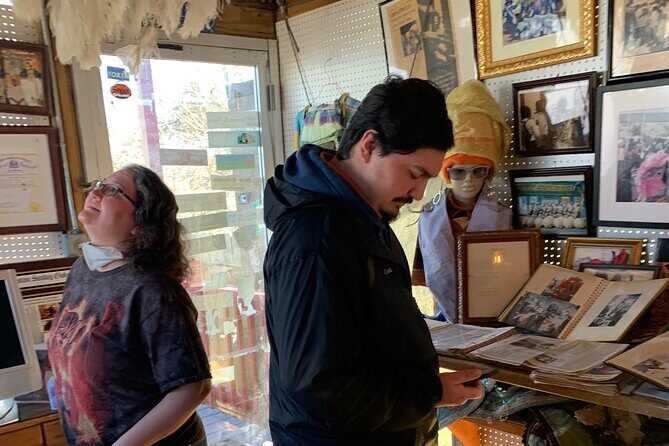
First up is Treme, a neighborhood with deep cultural importance. This is where the tour connects music to community, and community to civil rights. You’ll learn about Treme’s role in the civil rights movement and why it’s recognized as America’s oldest black community.
You’ll also hear about jazz as part of the area’s identity, including stories tied to jazz legends. While the stop is only about five minutes, the point isn’t to hang out. The point is to give you the story so the street-level scenes make sense.
You may notice live music venues nearby as you stroll. That’s not an accident. The tour uses these details to help you see jazz as something lived and built in the neighborhood, not just something performed on a stage.
Potential drawback: with a short stop, you’ll want to keep your questions handy. If you’re the type who likes to slow down and read every sign, consider using this moment as a starting line, not the final word.
Stop 2: Congo Square and the cultural meeting point
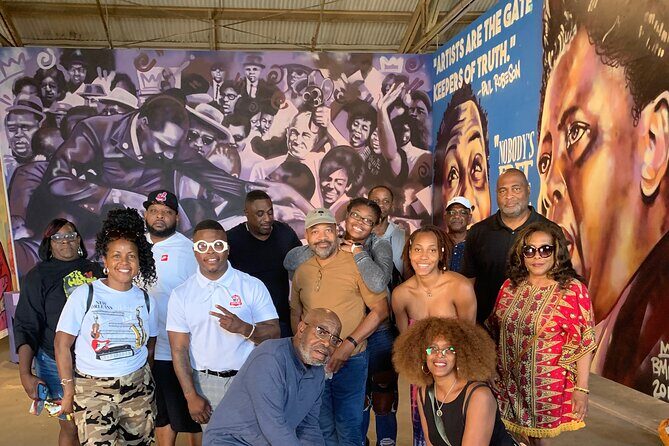
Next is Congo Square, another stop where the tour focuses on cultural mixing. You’ll learn about how African rhythms and Creole traditions converged there, and you’ll hear stories about the enslaved people who gathered in this space to share music, dance, and culture.
This stop matters because it shows culture as both resistance and survival. It’s not presented as a distant artifact. Instead, you’re guided to understand how community gathering spaces shaped identity and continuity through enormous pressure.
The timing is similar to the first stop—about five minutes—so you’ll get the big framing, then you move on. That can feel quick, but it works if you’re pairing this tour with later self-exploration. Once you know the meaning of the place, you’ll be able to recognize why it’s significant even if you only see it from the sidewalk.
If you’re sensitive to heavy topics, go in with that awareness. The tour’s theme is the full arc from enslavement to modern-day culture, and Congo Square is one of the spots where that connection is especially direct.





Stop 3: Studio Be murals and the art of memory
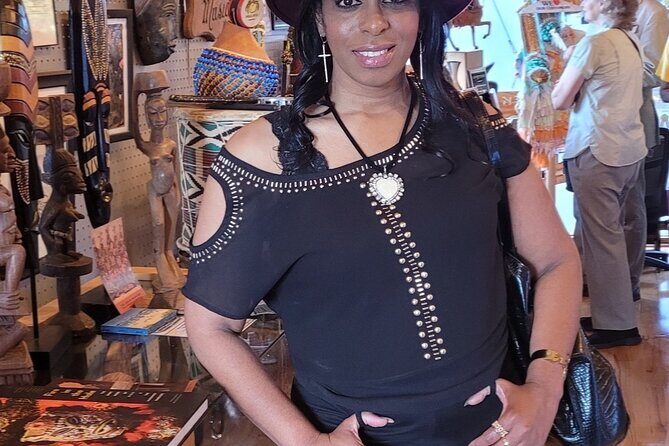
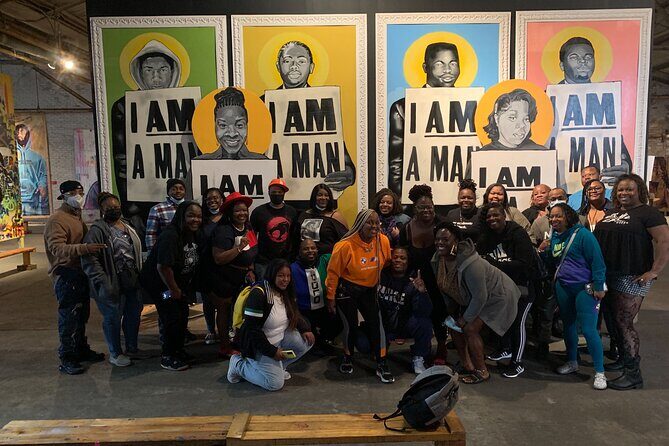
The final listed stop is Studio Be, where you have the chance to observe New Orleans murals. This is a different kind of classroom. Instead of focusing on a single historical moment, it uses visual storytelling to keep memory in public view.
Murals in New Orleans aren’t just decoration. They often function like community archives—capturing stories, pride, grief, and pride again. The tour gives you just enough time to look closely and understand why the art is meaningful.
Since the stop is short (about five minutes), you’ll get the gist rather than a long walking gallery session. If you want to linger, you might want to plan extra time nearby later, or ask the guide for the best way to continue seeing street art after the tour ends.
This stop is also a nice emotional balance point. After heavier historical context at Treme and Congo Square, Studio Be gives your eyes something to hold onto—color and voice, not just dates and labels.
The bigger story: from enslavement to modern-day culture (with real place names)
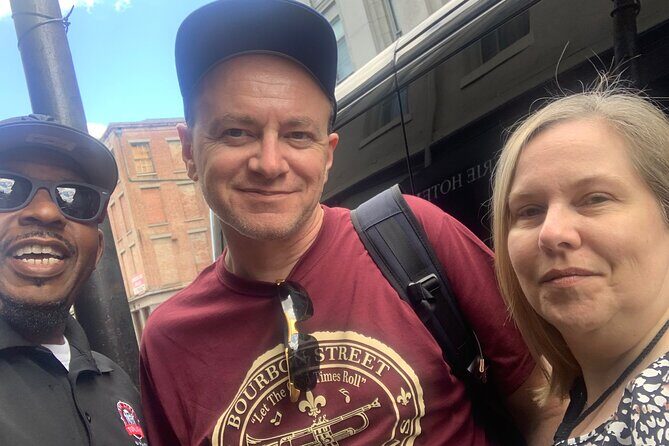
The title promises a through-line, and the tour largely delivers it by connecting neighborhood scenes to a longer narrative. You’ll hear about the challenges tied to poor communities and the resilience that grew despite them.
A lot of people highlight the emotional weight of the route, especially when the tour reaches areas tied to Hurricane Katrina’s impact. You may hear Katrina-focused context during the day, and you may also see discussion tied to the Lower 9th Ward and levee-related changes years after the storm.
Some sessions include meeting Dr. Leona Tate, PhD, with stories connected to school integration and the McDonogh Three. Even if your day doesn’t include every person mentioned in others’ experiences, the tour’s structure keeps returning to the same point: injustice and activism are part of the city’s daily life, not just a chapter in a book.
One practical perk in all of this: guides often share extra tips, including food and music recommendations. That’s not just a bonus. It helps you keep learning after you leave the bus, which is where good tours turn into real trips.
Also, the guide’s pacing matters. People specifically mention that guides don’t rush and answer questions. That’s one reason the tour lands well for both first-time visitors and folks who want a sharper understanding beyond postcard New Orleans.
Who this tour is best for (and who might want something else)
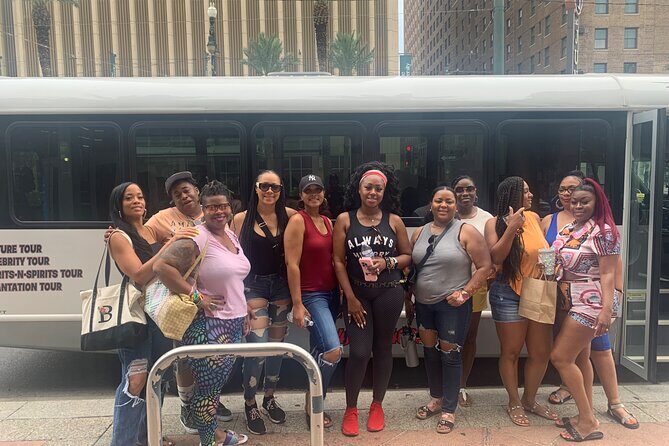
This is a strong fit if you want more than a surface city tour. If you care about how New Orleans became New Orleans—how culture survived, changed, and carried meaning forward—you’ll likely enjoy this.
It’s also good for groups with mixed ages and comfort levels. The tour has worked for families with a wide spread in ages, which suggests the pace is kept sensible and the guidance is flexible.
If you’re a solo traveler, the small group format can feel welcoming. People mention that the experience works well solo because the guide narration keeps you from feeling lost, and you aren’t stuck in awkward group silences.
If you’re looking for only upbeat sights, this may feel heavy at points. It’s not designed as a mood-light photo sprint.
And if you love one single place so much you want to spend hours there, this route might feel like it moves too fast. In that case, you’ll get the context, then you’ll probably want to come back to your favorite stop afterward.
Logistics that keep the day smooth
You’re dealing with a city where timing and walking can get tricky, so the tour’s structure is part of the value.
You’ll use a mobile ticket. You’ll start and finish at the same meeting point on Canal Street. You’ll travel by air-conditioned transport, and the guide takes the lead, so you won’t spend your precious minutes orienting yourself.
The tour language is English, and it’s described as suitable for most travelers. Service animals are allowed, and the tour is near public transportation, which helps if you plan to connect to other activities.
Group size is capped at 24, which helps keep the experience conversational rather than chaotic.
Should you book Soul of New Orleans: Enslavement to Modern Day Culture?
Book it if you want a guided route that gives meaning to what you’re seeing. This tour is for people who want context, not just vibes. The stops are short, but the storytelling is the point, and the included admissions plus transport make the price feel justified for a well-led day.
Skip it (or pair it with another option) if you prefer long stays at fewer sites. You’ll get a strong overview here, not a slow, museum-style experience.
If you’re the kind of visitor who wants New Orleans to make sense—historically, culturally, emotionally—this is one of the better ways to do that in a single afternoon.
FAQ
FAQ
How long is the Soul of New Orleans City Tour?
The tour runs about 2 hours 45 minutes.
How much does it cost?
It costs $55.00 per person.
What’s included in the price?
Air-conditioned transport is included, and admission tickets are included for the stops listed (Treme, Congo Square, and Studio Be).
Where does the tour start and end?
The tour starts at Adventures in New Orleans, 414 Canal St, New Orleans, LA 70130, USA, and it ends back at the same meeting point.
What’s the group size limit?
The maximum group size is 24 travelers.
Is the tour offered in English?
Yes, it’s offered in English.
Do I need to use public transport to join the tour?
No. Public transport is near, but the tour includes transport so you don’t need to navigate on your own.
Are service animals allowed?
Yes, service animals are allowed.
What’s the cancellation policy?
Cancellation is free up to 24 hours in advance for a full refund. Changes made less than 24 hours before the start time are not accepted, and refunds are not available within 24 hours.
What happens if weather is bad?
The experience requires good weather. If it’s canceled due to poor weather, you’ll be offered a different date or a full refund.
Does the tour require a minimum number of travelers?
Yes. If the minimum isn’t met, it may be canceled, and you’ll be offered a different date/experience or a full refund.