REVIEW · NEW ORLEANS
The National WWII Museum Campus Pass plus 4-D Film
Book on Viator →Operated by National WWII Museum · Bookable on Viator
WWII comes alive in 4D and stone paths. I love how timed entry helps you avoid purchase lines, and I love how the vibrating seats make the Tom Hanks 4D film feel real. You’re on a 6-acre campus in downtown New Orleans, and this package ties your day to a specific movie time so you can plan smart.
I also like that the pass gives you real museum time, not just a quick hit. With your selected screening, you can enter the National WWII Museum any time before your film and start walking the pavilions that honor WWII heroes across the grounds.
Plan one possible catch up front: the 4D show uses intense sensory effects. Beyond All Boundaries includes loud noises and flashing lights (plus fog effects and sudden chair movements), and it’s not closed captioned. The good news is stationary seating is available, and assisted listening devices are available at the Solomon Victory Theater Visitor Services desk.
In This Review
- Key reasons this pass works well
- National WWII Museum Campus Pass: what you’re really buying for $49.35
- Entering the National WWII Museum grounds before your 4D film
- Solomon Victory Theater and Beyond All Boundaries: what the 4D experience includes
- Preparing for the sensory effects in Beyond All Boundaries
- Visiting five WWII tribute pavilions across the campus
- What the museum is like in practice: reading, audio, and real context
- The all-day pacing trick: build around your opening hours
- Food and breaks on the grounds
- Who this pass is best for (and who should think twice)
- Value check: why this package often feels worth the money
- Should you book the National WWII Museum Campus Pass plus 4D Film?
- FAQ
- How much does the National WWII Museum Campus Pass plus 4-D Film cost?
- Do I get a mobile ticket for this experience?
- Can I enter the museum before my 4-D film screening time?
- What are the museum’s opening hours?
- Is Beyond All Boundaries closed captioned?
- What kinds of effects does the 4-D film include?
- What accommodations are available during the 4-D film?
- What are my cancellation options if weather is poor or I need to cancel?
Key reasons this pass works well
- Timed entry to the 4D film cuts down on waiting and helps you build a clean schedule.
- Pick your screening time and still arrive early to tour the museum first.
- Tom Hanks narration in 4D pairs documentary storytelling with vibrating seats and layered projection.
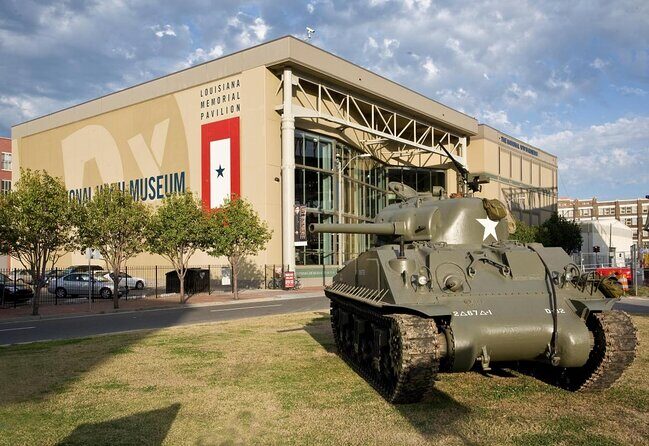
- Five WWII tribute pavilions across a 6-acre campus keep the experience spread out and easier to pace.
- You’ll need a true day: opening hours run 9 a.m.–5 p.m., and there’s a lot to read and watch.
- Ask about accommodations like stationary seating and assisted listening for Beyond All Boundaries.
National WWII Museum Campus Pass: what you’re really buying for $49.35
For $49.35 per person, you’re not paying for a tour guide or a fancy add-on. You’re buying a day plan that includes admission to the National WWII Museum plus a timed ticket to the in-demand 4D movie, Beyond All Boundaries.
That matters because this museum is spread across a sizable, campus-style footprint—about 6 acres (2.5 hectares). When a place like this runs on self-guided wandering (even with lots of audio and visuals), a timed film ticket becomes your anchor. It helps you avoid the classic problem: showing up hungry for history, then realizing you only have a fraction of the day left.
Also, this package is built around mobile tickets, so you can keep things simple on the ground. Confirmation comes at booking time, and the pass is meant for a smooth on-site check-in process without a big fuss.
You can also read our reviews of more museum experiences in New Orleans


Entering the National WWII Museum grounds before your 4D film
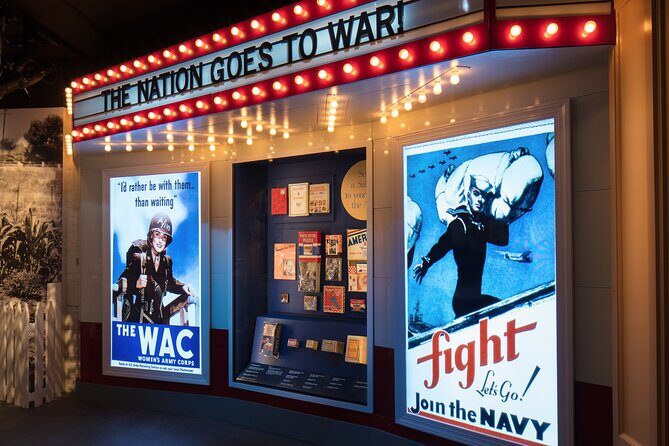
Your 4D screening time is the clock you plan around, but you’re not stuck outside until the movie starts. You can enter the museum any time before your movie time and start touring immediately.
Here’s the practical value: you can choose your rhythm. If you’re the type who likes to warm up first, you can knock out a couple of pavilions early and save the heavier rooms for later. If you’re the type who gets overwhelmed with choices, arriving early lets you get oriented while your brain is fresh.
The museum’s layout is campus-style, so expect a lot of walking. The exhibits are also text-heavy—plan for time spent reading, watching short films, and taking in audio/visual displays. This isn’t a quick museum stroll where you can skim your way through.
Solomon Victory Theater and Beyond All Boundaries: what the 4D experience includes
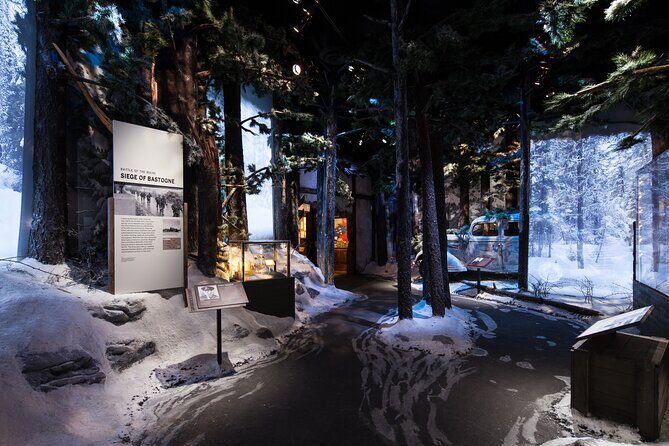
The show happens in Solomon Victory Theater, and it’s the centerpiece of this pass for a reason. Beyond All Boundaries is timed, narrated by Tom Hanks, and enhanced with effects that go beyond typical cinema.
During the experience, you’ll encounter:
- Vibrating seats that respond during key moments
- Atmospheric effects that add physical realism
- Moving props and scenery
- Lighting and sound effects
- A multi-layered projection approach
In other words, the film is designed to make WWII feel immediate. That’s powerful, and it’s also why the pacing of your day matters. If you stack this 4D show too late or too early, you might either feel rushed afterward or find it hard to focus when you’re still processing what you just watched.
Preparing for the sensory effects in Beyond All Boundaries
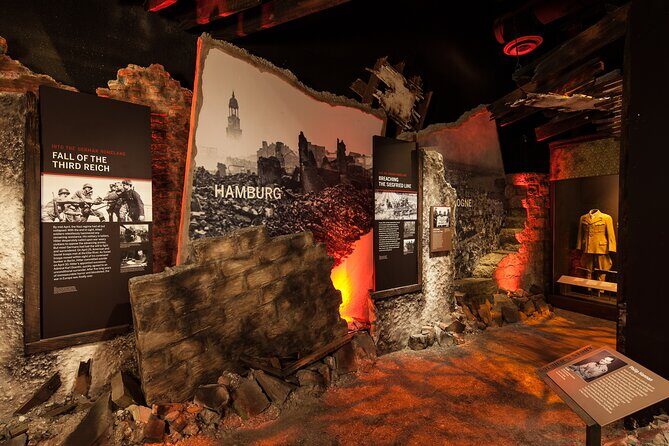
This is the one part where I’d encourage you to plan ahead. The show can aggravate certain medical conditions because of loud noises, flashing lights, fog effects, and sudden chair movements. The seat motion is part of the design, not a side effect.
If you’re sensitive to stimulus, you have options:
- Stationary seating is available
- Assisted listening devices are available at the Visitor Services desk in Solomon Victory Theater
And one more practical note: the film is not closed captioned, so if you rely on captions for clarity, plan accordingly. If you’re someone who gets startled easily, it’s smart to arrive a bit early so you can settle, use any available accommodations, and not feel rushed.
Also, given how intense the sound and visuals can be, I’d consider bringing ear plugs. The show is emotional history, and your ears will notice.
Visiting five WWII tribute pavilions across the campus
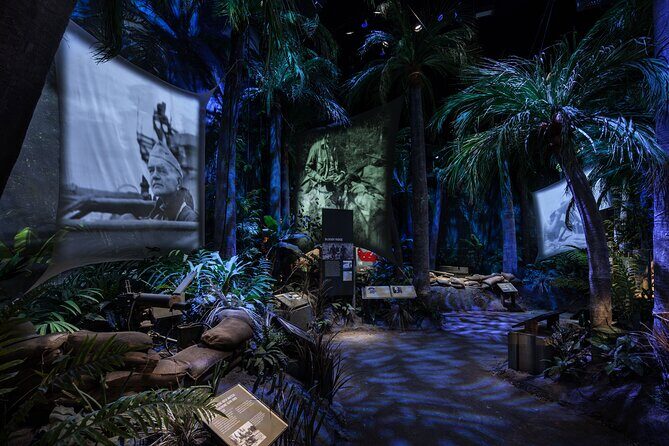
After (or before) your 4D film, you’ll spread out across the museum’s campus and its multiple pavilions honoring WWII heroes. The ticket package is built for that kind of day: you’re meant to wander, choose what hits you most, and keep moving through the story as you go.
The strongest advantage of this setup is pacing. A campus with multiple buildings helps you avoid the boredom that can happen when everything is packed into one giant hall. You get natural breaks between sections, even though you’re still walking.
The exhibits also carry a heavy emotional weight. You should go in expecting documentary footage and storytelling that confronts what war does to real people. If you’ve ever walked through a memorial and felt your mood shift, you’ll recognize that feeling here.





What the museum is like in practice: reading, audio, and real context
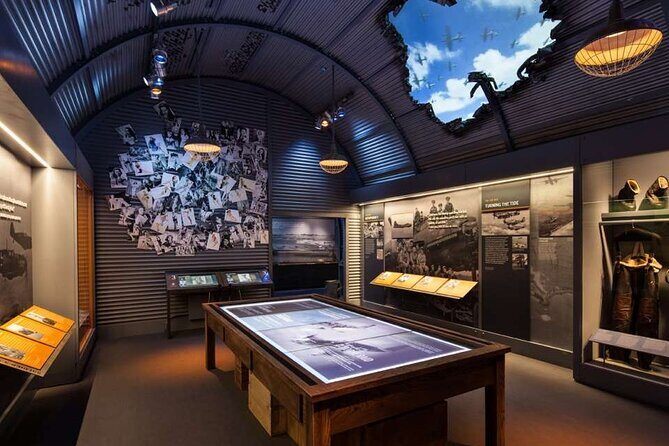
This is not a museum that feels like a theme park, where the main event is hands-on interactivity. You’ll find a lot of information to read and a lot of audio/visual storytelling to absorb. There are also interactive elements like kiosks, but the core experience is interpretation, not play.
In real terms, that means:
- Give yourself time for reading (glasses help if you need them).
- Expect audio and visual displays throughout, which can be tricky if you’re trying to multitask.
- Navigation can feel confusing at first, especially if you arrive with only a vague plan.
My advice: before your 4D film, take five minutes to get your bearings. Once you understand how the buildings connect, your day becomes easier. Otherwise, you might spend energy second-guessing where to go next instead of spending energy on the exhibits.
The all-day pacing trick: build around your opening hours
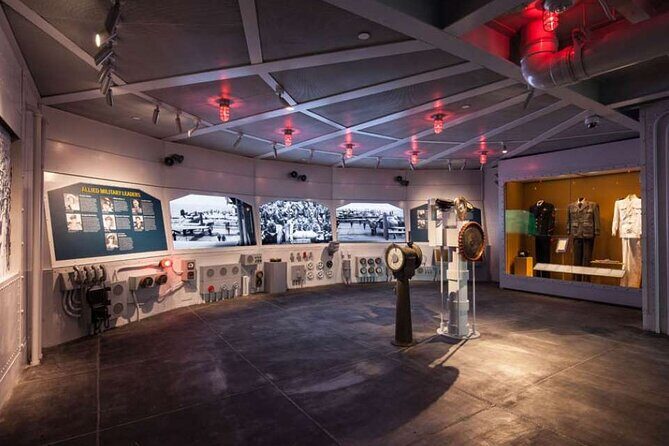
The National WWII Museum is open Monday–Sunday, 9 a.m. to 5 p.m. Your pass is designed for an approximately 1-day visit, but the key is not to treat that as a “quick stop” day.
A realistic approach looks like this:
- Use the early part of the day for 1–2 pavilions (and your first orientation).
- Time your 4D film so you still have energy afterward.
- Plan on the afternoon for the most important rooms and any “I don’t want to miss this” sections.
Even with strong interest, it’s very easy to run out of day before you finish. People often come in thinking they’ll do half a museum, then realize there’s far more than they expected—especially if you’re a reader and not a scanner.
If you want to be safe, plan for a full day. And if you truly love WWII history, you’ll likely wish you had more time to return to sections you skimmed.
Food and breaks on the grounds
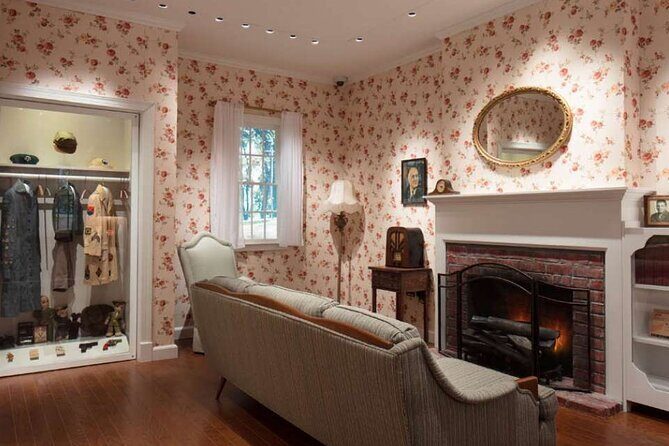
You’ll need a break. This campus style museum can eat up hours with walking and reading. The good part is that there’s a place to eat on-site, so you don’t have to plan every meal around leaving the museum.
My practical tip: schedule one real pause. Even a short sit-down meal can reset your focus so your second half of the visit lands better.
Who this pass is best for (and who should think twice)
This is a strong fit if you:
- Love WWII history and want a structured museum day
- Like documentary storytelling with a cinematic component
- Want the added impact of Tom Hanks narration in 4D
- Prefer a prebooked plan that reduces on-site waiting
It’s also a good family option for older kids and teens who can handle heavy subject matter. The content is serious, and the pacing includes lots of reading.
But consider thinking twice if you:
- Are sensitive to loud noises, flashing lights, fog, or sudden seat movement
- Need closed captions for accessibility during the 4D film (the show is not captioned)
- Want a mostly hands-on museum for younger children (this one is more informational and documentary-focused)
If you do fit the “I’m okay with intense media” category, the 4D show is often the moment that helps the rest of the museum snap into focus.
Value check: why this package often feels worth the money
At $49.35, the value is less about buying a cheap ticket and more about buying time and momentum.
You’re getting:
- Admission to the museum
- A prebooked, timed 4D film slot
- A setup that helps you avoid ticket purchase lines
That combination matters because your day is limited by opening hours. If you show up without a timed film plan, you might lose time figuring out availability. Here, the film is already part of your schedule.
Also, the 4D show isn’t just an optional “nice-to-have.” It includes vibrating seats, moving props, and layered projection with Tom Hanks narrating. That’s the kind of production value that can make the story feel more immediate than reading alone.
If you’re the type who loves to watch, then absorb, then read more, this pass is built for you.
Should you book the National WWII Museum Campus Pass plus 4D Film?
Book it if you want a WWII-heavy day in downtown New Orleans with a strong anchor moment at Solomon Victory Theater. The timed entry helps you manage your time, and Beyond All Boundaries is a high-impact experience with physical effects and Tom Hanks narration.
Skip it only if the 4D sensory effects are a concern for you, or if you need the show to be closed-captioned (it isn’t). If you’re on the fence, plan around that: choose a stationary seating option if you need it, use assisted listening if helpful, and arrive early enough to settle in.
FAQ
How much does the National WWII Museum Campus Pass plus 4-D Film cost?
The price is $49.35 per person.
Do I get a mobile ticket for this experience?
Yes. This package includes a mobile ticket.
Can I enter the museum before my 4-D film screening time?
Yes. You may enter the National WWII Museum any time before your movie time to begin touring.
What are the museum’s opening hours?
The museum is open Monday–Sunday from 9 a.m. to 5 p.m.
Is Beyond All Boundaries closed captioned?
No. The 4-D film is not closed captioned.
What kinds of effects does the 4-D film include?
Elements of Beyond All Boundaries may include loud noises, flashing lights, fog effects, and sudden chair movements.
What accommodations are available during the 4-D film?
Stationary seating is available. Assisted listening devices are available for Beyond All Boundaries, available by asking at the Visitor Services desk in the Solomon Victory Theater.
What are my cancellation options if weather is poor or I need to cancel?
You can cancel for free up to 24 hours in advance for a full refund. If it’s canceled due to poor weather, you’ll be offered a different date or a full refund. If you cancel less than 24 hours before the start time, the amount paid is not refunded.