REVIEW · NEW ORLEANS
Two Plantation Tour: Oak Alley and Laura or Whitney
Book on Viator →Operated by CRESCENT CITY TOURS & TRANSPORTATION · Bookable on Viator
A plantation tour can feel like a postcard. This one is different, because it mixes film locations, revolt history, and an honest look at slavery in one long day. You get to see Louisiana plantation life from multiple angles, including a stop built to educate you about the people the slave system harmed.
Two things I really like: the way the tour uses small-group time to keep the day moving without feeling rushed, and the thoughtful pairing of Oak Alley with either Whitney Plantation or Laura. One thing to consider first: snacks aren’t included, and lunch at Oak Alley is extra—so plan for food costs on a 7-hour day.
In This Review
- Key Points You’ll Actually Care About
- A Long Day Out of New Orleans, Built for Better Context
- Pickup, Timing, and What to Expect Before You Even Start Touring
- Film Locations That Help You Spot the Places Faster
- Destrehan and the 1811 German Coast Slave Revolt Stop
- Lake Pontchartrain Crossing: Marsh Views on the Way to the Main Stops
- Oak Alley: Big House Guidance and Grounds You Can Walk Yourself
- Whitney Plantation: Educational Focus on the Human Cost
- Laura Plantation: The Creole Plantation View (When It’s Your Match)
- Driver and Group Experience: Why It Feels More Human
- Value and Price: Is $152 Worth It?
- Who This Tour Suits Best
- If You Care About Balance: How the Stops Work Together
- Should You Book This Two-Plantation Tour?
- FAQ
- How long is the tour?
- What is the price per person?
- Do they pick you up from your hotel?
- Where does the tour start?
- What’s included and what’s not included?
- How many people are on the tour?
- Is the tour offered in English, and what if weather is bad?
Key Points You’ll Actually Care About
- Oak Alley + Whitney or Laura in one outing so you don’t have to commit to only one plantation
- Film-site stops at Evergreen and Saint Joseph connected to Django Unchained and 12 Years a Slave
- Destrehan’s 1811 German Coast slave revolt stop, tied to one of the largest recorded slave revolts in U.S. history
- Lake Pontchartrain crossing with a stop over the marsh area of the massive saltwater lake system
- Guided/self-guided balance: Oak Alley’s big house is guided, while parts of the grounds are for you to explore on your own
A Long Day Out of New Orleans, Built for Better Context
This tour is a full-day drive—about 7 hours—so you’re not just ticking off two plantations. You’re also getting the setting that made Louisiana’s plantation economy work: roads, farmland, waterways, and the forced-labor system that underpinned it.
The day starts with pickup from the downtown New Orleans area. If your hotel isn’t listed, you’re matched with a nearby pickup spot. The meeting point is the Wyndham Garden Baronne Plaza New Orleans at 201 Baronne Street, and the tour starts at 8:30 am. Pickup happens between 8:30 am and 9:00 am depending on where you’re staying.
You’ll ride in an air-conditioned vehicle with a maximum of 24 travelers, though this is marketed as a small-group experience limited to 12. Either way, the feel is easier than big coach tours—especially because the schedule packs in multiple stops.
And there’s a nice touch for comfort and respect: during transfer time, the tour asks everyone to keep quiet. Translation: you can listen to the guide’s commentary without everyone competing for attention.
You can also read our reviews of more tours and experiences in New Orleans.


Pickup, Timing, and What to Expect Before You Even Start Touring
Plan to be ready early. Pickup windows are often tight, and this one is scheduled between 8:30 and 9:00 am. If you’re staying near the downtown core, you’ll likely be picked up directly. If not, you’ll get a nearby option.
You’ll have a mobile ticket, and confirmation comes at booking time. The tour is offered in English.
The tour also relies on good weather. If weather is bad, you’ll be offered a different date or a full refund. That matters because the route includes a marsh crossing area on the way toward the plantations.
Film Locations That Help You Spot the Places Faster
One of the more interesting elements is how the tour uses recognizable movie connections as wayfinding.
At Evergreen, you stop at the location where scenes for Django Unchained were shot, and where Queen Sugar (the Oprah Winfrey mini series) also used the property for filming. It’s a clever approach: even if you don’t care about movies, it gives your brain a map for where you are and why this region looks the way it does.
Another film-linked stop is Saint Joseph Plantation, tied to the movie 12 Years a Slave. Again, you’re not watching clips—you’re standing in the real geography that film makers used. That’s the point: you connect modern visuals to the historic setting you’re learning about.
Just don’t expect these stops to replace the deeper education you’ll get later. Think of them as context anchors that keep the day from feeling like nonstop lectures.
Destrehan and the 1811 German Coast Slave Revolt Stop
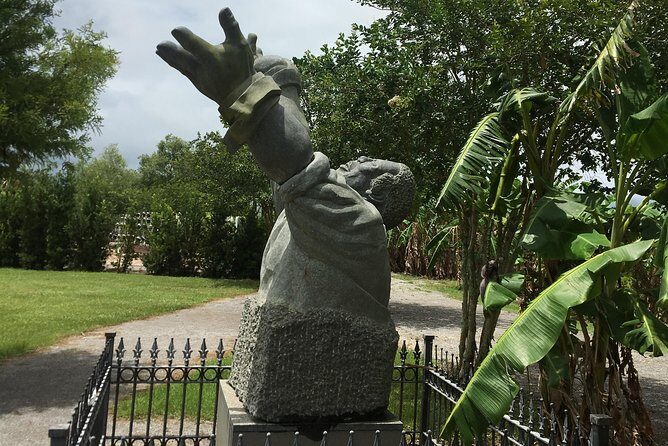
This is one of the stops that gives the day real emotional weight, because it’s tied to resistance and the reality that enslaved people fought back even under extreme danger.
At Destrehan, you visit the area associated with the German Coast slave revolt in 1811. The tour frames it as the largest slave revolt recorded in American history. When a stop is built around a specific event like this, it changes how you see the plantation landscape afterward—you start looking for clues about how control was enforced, and how people tried to break it.
There’s also a practical benefit. If you’re worried the tour will spend all its time at one plantation and ignore the broader system, this stop is a reminder that Louisiana’s plantation world wasn’t static. It was contested.
Lake Pontchartrain Crossing: Marsh Views on the Way to the Main Stops
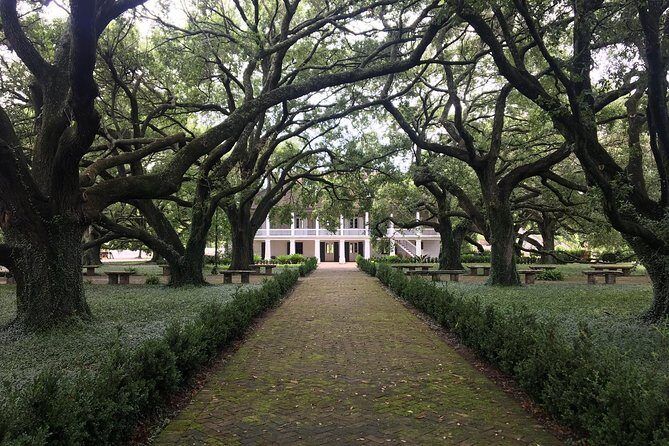
Before you reach your target plantation, you cross Lake Pontchartrain and make your way through the marsh of this massive saltwater lake. This section doesn’t feel like a museum moment. It’s more like a reset for your senses.
Here’s why I think it’s a good use of time: when you’re touring sites tied to slavery, you need a little space to process. The marsh crossing adds breathing room while still teaching you something physical about the region. Louisiana isn’t just plantations and courtyards—it’s also water, wetlands, and travel routes shaped by the landscape.
If it’s hot, you’ll appreciate the air-conditioned vehicle for this leg. If it’s cooler, you might want to keep your camera ready, because the view is often the part of the day you remember later.





Oak Alley: Big House Guidance and Grounds You Can Walk Yourself
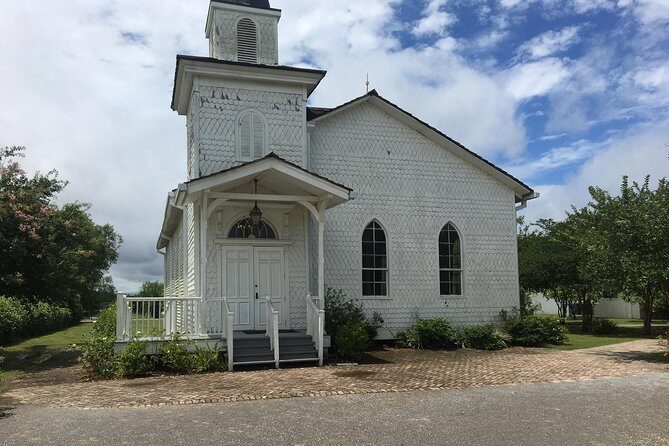
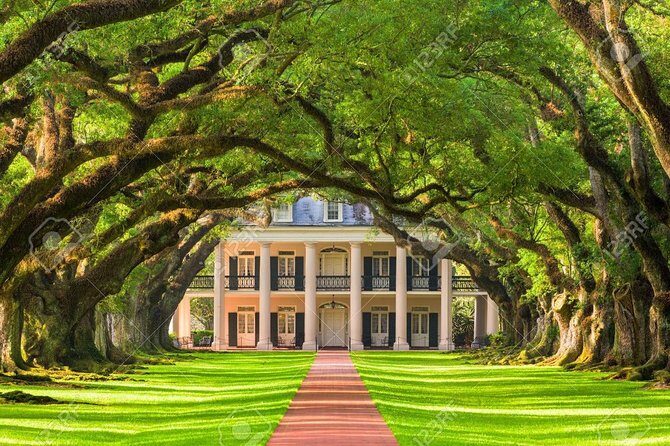
Oak Alley is the plantation stop that most people associate with Louisiana plantations for good reason. The signature feature is the famous row of oak trees, with trunks that are extremely wide and branches that reach heavily over the grounds. If you care about photos, this is your stop.
The experience at Oak Alley is split in a way that works well. You get a guided portion focusing on the big house. Then you transition into self-guided time to explore the slave quarters and the grounds on your own.
That mix matters. A guide in the big house can give you the key facts and language to understand what you’re seeing. Then self-guided time lets you slow down and look at the details that stick in your mind—like how the design of the property reflected the social order of the time.
One practical note: there’s an option to eat lunch at Oak Alley first. Lunch is not included in the tour price, so you should treat it as an add-on. If you’re hungry, eating on-site can be convenient. If you prefer to manage your budget, you can plan a snack pack and eat later—though snacks aren’t included, so you’ll need to bring or buy your own.
Whitney Plantation: Educational Focus on the Human Cost
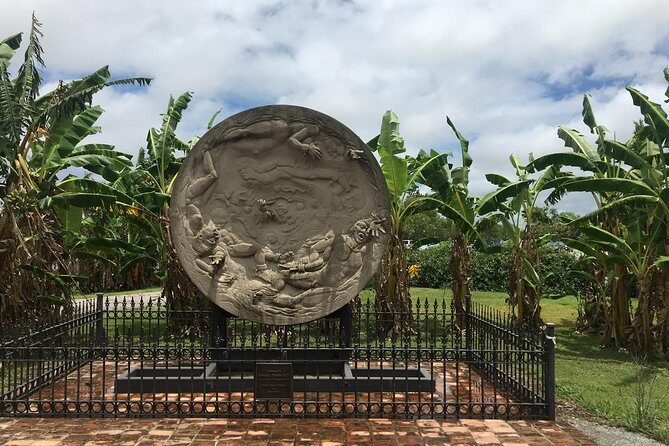
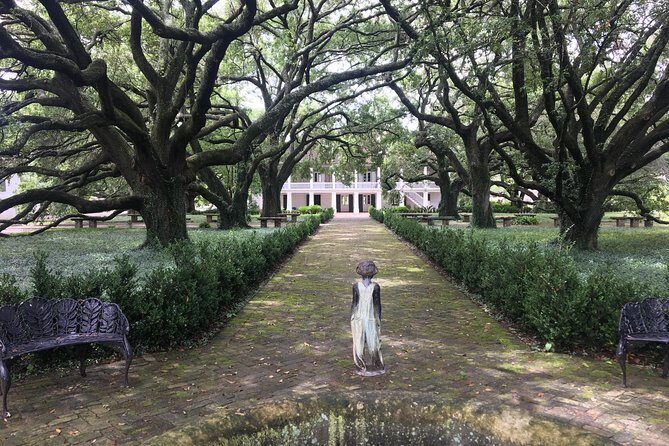
If your tour choice includes Whitney Plantation, expect a different tone than Oak Alley. Whitney is designed as an educational monument honoring lives affected by the American enslavement trade.
The experience here is unguided for about two hours. That might sound odd at first, but it often works better than a rapid guided talk. You get time to read displays at your own pace and absorb difficult information without someone trying to compress it into a highlight reel.
This is also where the responsible, thoughtful approach shows through most clearly. Whitney isn’t about pretty views. It’s about remembrance and education, and it asks you to take the people harmed by the system seriously—not as background, but as the point of the visit.
Bring your patience here. Two hours can feel short if you read carefully. But it’s enough time to make the visit meaningful.
Laura Plantation: The Creole Plantation View (When It’s Your Match)
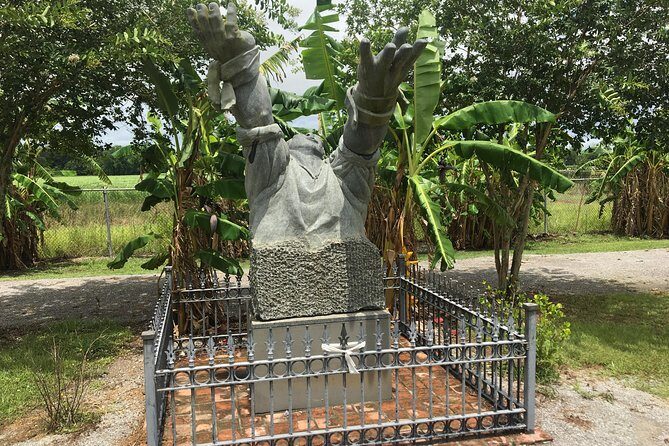
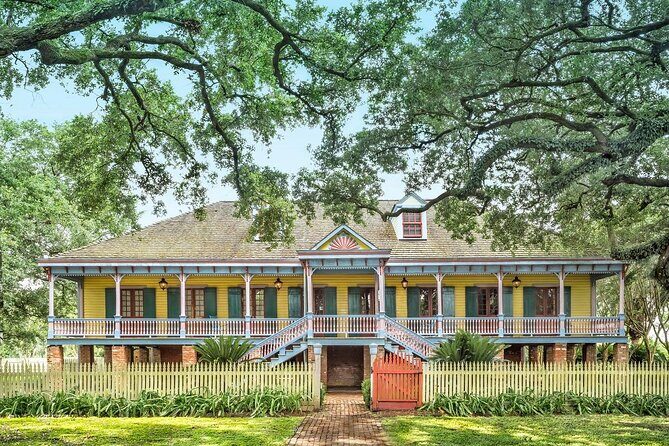
On this tour, you may visit Laura Plantation or Whitney Plantation depending on your booking. If you’re assigned Laura, you’ll also get a look at the creole plantation you’ll see as the day moves forward.
Laura is presented in a way that fits into the same bigger story the tour is building: Louisiana plantation life isn’t one single style, and the region’s cultural mix shows up in how properties were organized and remembered.
Even if you’re more drawn to Whitney’s education format, Laura can still be valuable because it rounds out your understanding of what plantation life could look like in different settings. Think of it as another piece of the overall picture—less memorial-focused than Whitney, but still part of the day’s larger learning goal.
Driver and Group Experience: Why It Feels More Human
The tour runs with a transport partner, Crescent City Tours & Transportation, and the ride part of the day matters more than you’d think. There’s enough driving that your guide’s commentary on the way out can set the tone for the stops you’ll visit later.
In past rides, the driver Brian Webber has been highlighted for being friendly and for sharing lots of information along the route. You’ll often learn useful bits simply by hearing what landmarks mean as you pass them—especially when the day covers multiple historical themes.
Also, because this isn’t a huge crowd, you’re less likely to feel like you’re constantly searching for your group at each stop. That makes a difference on days that are already packed.
Value and Price: Is $152 Worth It?
At $152 per person for about 7 hours, the value comes from the mix of included pieces:
- Air-conditioned transport from the New Orleans area
- A small-group experience
- Multiple stops that add context beyond the two main plantations
- Entry time at Oak Alley, plus Whitney or Laura depending on your option
What’s not included is a snack plan, and lunch at Oak Alley is extra. So the real cost for you depends on how you handle food. If you bring snacks and skip lunch, you can keep spending down. If you eat on-site, budget extra.
The bigger value question is time. With plantations spaced out from New Orleans, doing two in one tour is usually more efficient than trying to piece things together solo. You’re buying the convenience of one organized day and using the driving time for historical interpretation instead of dead time.
Who This Tour Suits Best
This is a great match if you:
- Want two plantations on one day without the stress of planning transportation
- Prefer small-group energy over big coach touring
- Like your history grounded in specific places, events, and documentation
- Want Oak Alley for the iconic visuals, plus Whitney for a memorial education focus (or Laura for a creole plantation perspective)
It may not be ideal if you:
- Get tired doing back-to-back sites in one long day
- Need lots of included food options (since snacks aren’t included and lunch is extra)
If You Care About Balance: How the Stops Work Together
What I like most about the structure is that it doesn’t treat plantations as one story. Oak Alley’s guided big house and self-guided grounds give you a framework to look around. Whitney shifts the tone toward education and remembrance. The in-between stops—Evergreen, Destrehan, Saint Joseph, and the Pontchartrain crossing—connect you to the region’s film-meets-history way of seeing.
You end up with a day that feels like more than two photo stops. You leave with more context for how Louisiana’s plantation system operated, how it was remembered, and how people survived, resisted, and were exploited within it.
Should You Book This Two-Plantation Tour?
Book it if you want a single, well-organized day that gives you both the iconic plantation look and a more responsible, educational visit. The Oak Alley + Whitney pairing (or Oak Alley + Laura, depending on your option) is a strong combo when you only have one day to spare.
I’d also book it if you appreciate smart pacing: guidance where it helps, then self-paced time where you need it most. That’s especially true at Oak Alley and Whitney.
Skip it only if you’re very food-budget sensitive or you know you’ll struggle with long driving days. Bring snacks, plan for lunch if you want it, and wear comfortable shoes for the grounds.
If you match those basics, this is a tour that’s practical, meaningful, and easy to recommend for a New Orleans plantation day done the right way.
FAQ
How long is the tour?
The duration is listed as about 7 hours.
What is the price per person?
The price is $152.00 per person.
Do they pick you up from your hotel?
Yes. Pickup is offered from most downtown hotels. If your hotel isn’t listed, you’ll be assigned the nearest pickup option. Pickup is scheduled between 8:30 AM and 9:00 AM.
Where does the tour start?
The meeting point is Wyndham Garden Baronne Plaza New Orleans, 201 Baronne Street, New Orleans, LA 70112.
What’s included and what’s not included?
Included: air-conditioned vehicle. Not included: snacks.
How many people are on the tour?
The tour has a maximum of 24 travelers, and it’s described as a small group limited to 12.
Is the tour offered in English, and what if weather is bad?
It’s offered in English. It requires good weather, and if it’s canceled due to poor weather, you’ll be offered a different date or a full refund.