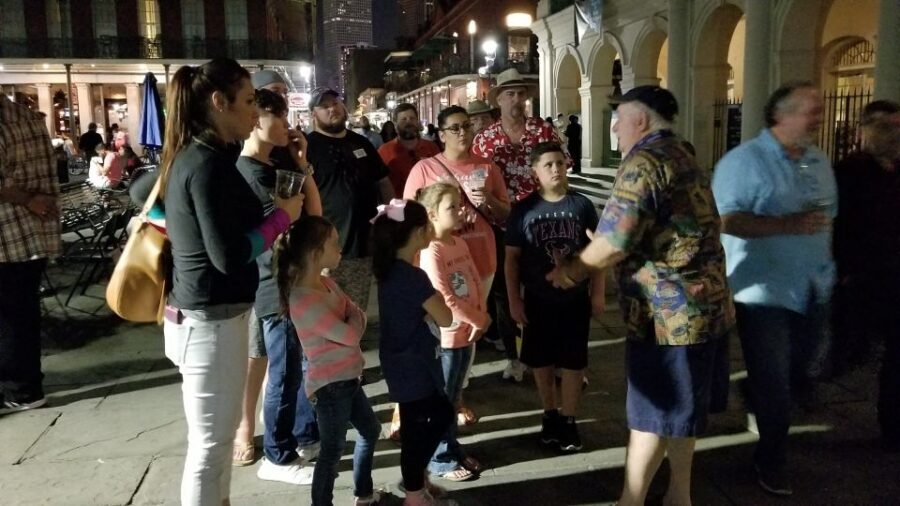
REVIEW · NEW ORLEANS
Urban Enslavement Tour at Hermann Grima House
Book on Viator →Operated by Hermann-Grima House · Bookable on Viator
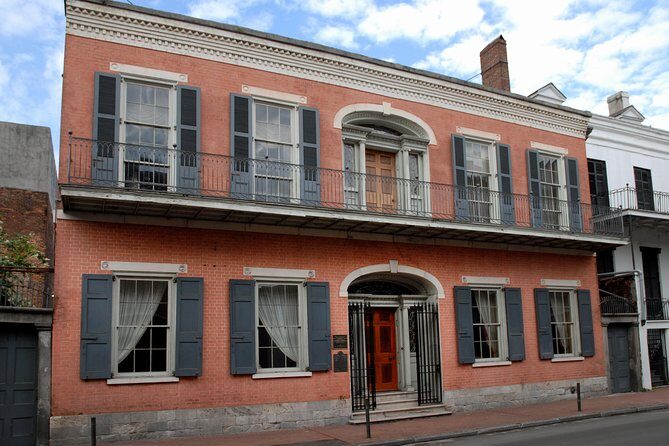
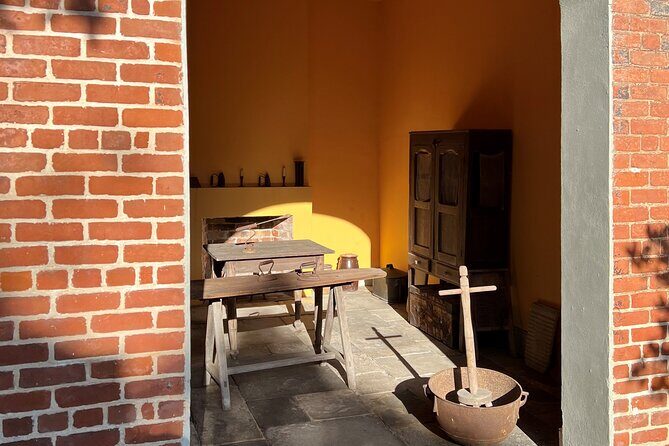
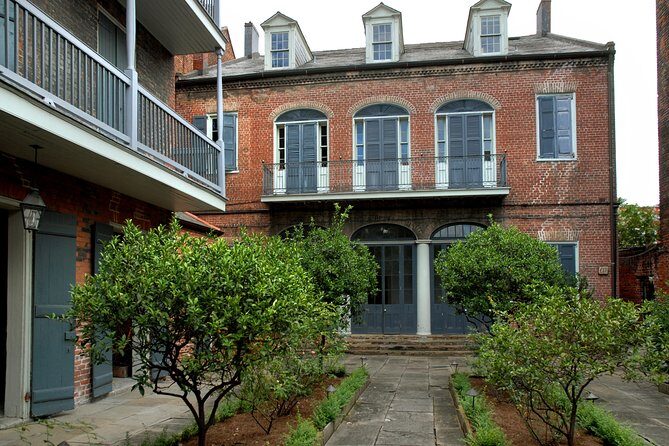
A New Orleans home tells the truth fast. The Urban Enslavement Tour uses the restored Hermann-Grima House—built in 1831 in the French Quarter, with a Federalist façade, an open-hearth kitchen, and courtyard—to help you understand slavery in an urban setting and how African-descended people shaped New Orleans. I love the way the house layout gets treated like a real piece of evidence, not just a pretty backdrop.
I also love the enslaved-centered perspective in the narration, with details that bring day-to-day hardship into focus—right down to work rhythms and how children were affected. One possible drawback: the story can feel uneven if you’re hoping for nonstop emphasis on enslaved people’s personal humanity, since some visitors felt the “household” side (owners and family) gets more time than expected—so come prepared with questions.
In This Review
- Key things to know before you go
- Entering the Hermann-Grima House: a French Quarter home that explains power
- The 1-hour flow: what you can realistically expect
- Stop 1 at Hermann-Grima House: the building’s features aren’t neutral
- Urban slavery in plain sight: daily work, family strain, and forced routines
- Urban versus rural: what the comparison is actually good for
- The guide matters: what to listen for from Robert and Kelsy
- Price and value: $17 can feel like a bargain here
- Timing and logistics that help your day actually work
- What kind of traveler should book this?
- Should you book Urban Enslavement at Hermann-Grima House?
- FAQ
- How long is the Urban Enslavement Tour at Hermann-Grima House?
- How much does the tour cost?
- Is the admission ticket included?
- What language is the tour offered in?
- Do I need a printed ticket?
- Are service animals allowed?
- What happens if the weather is poor?
Key things to know before you go
- A 1-hour, museum-style tour in a real home: room flow and facts are tight, not dragged out.
- Urban slavery gets the spotlight: the tour compares city slavery with rural differences.
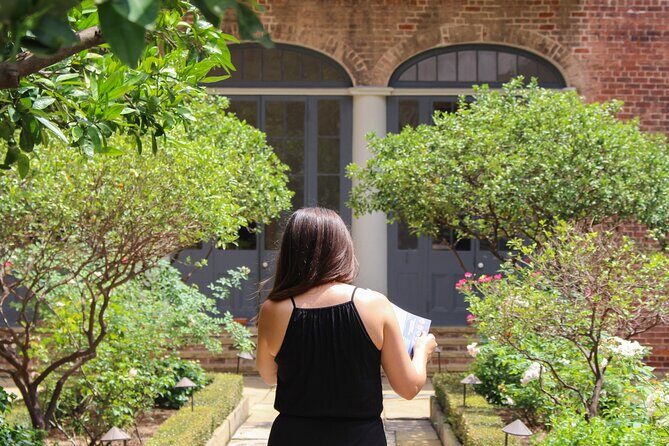
- The house does the teaching: Federalist façade, original open-hearth kitchen, courtyard spaces, and restricted-style layouts.
- Guides bring the story to life: Robert and Kelsy are singled out for clear explanation and answering questions.
- Admission is included in the ticket price: you’re paying for access plus interpretation.
- Plan for weather: it’s stated to require good weather, with an alternate date or refund if canceled for poor conditions.
Entering the Hermann-Grima House: a French Quarter home that explains power
This tour works because it doesn’t try to tell you history in the abstract. You’re standing in a restored French Quarter home from 1831, where architectural choices, room layouts, and everyday spaces point toward the social system that held people in place.
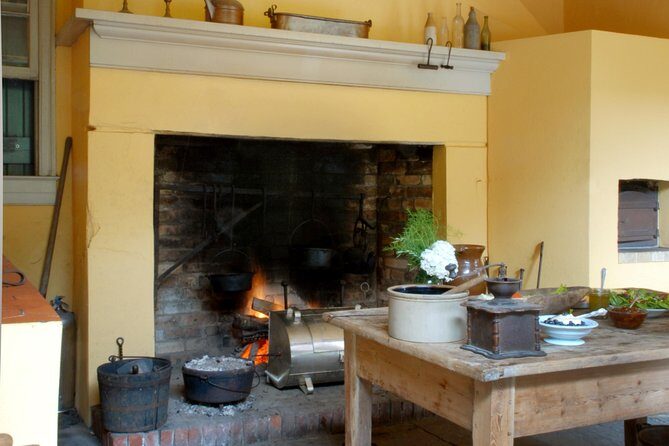
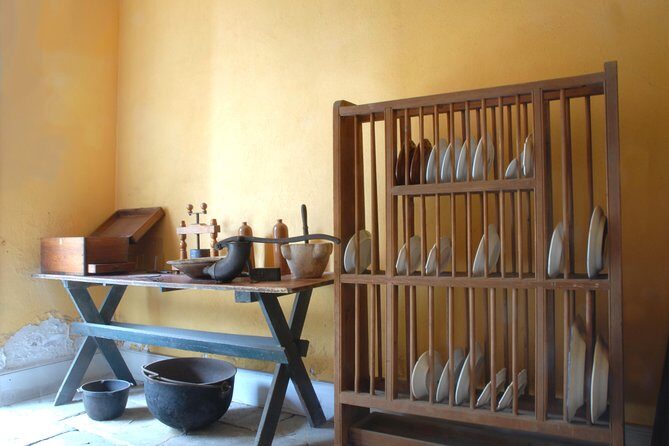
Hermann-Grima House mixes visual “wow” with real, hard context. You’ll see the building’s Federalist architectural façade, plus interior spaces tied to how the household functioned—like the original operating open-hearth kitchen and the surrounding courtyard spaces. The result is that you’re not just hearing about urban slavery. You’re looking at the physical setting where control and labor played out.
And this matters for value. For $17 per person, you’re getting a guided interpretation experience tied directly to a major historic property, not just a quick stop on a walking route.
You can also read our reviews of more tours and experiences in New Orleans.



The 1-hour flow: what you can realistically expect
The tour runs about one hour, and it’s designed to fit into a normal travel day. That duration is short enough to keep your attention, but long enough to cover the property’s major story beats.
Because there’s one main stop—inside and around Hermann-Grima House—you’ll go from “establish the building” to “use the building to explain people’s lived realities.” Expect the pace to be narrative-heavy, with the guide pointing out what you should notice and why.
If you’re the type who likes to ask questions, bring that energy. Multiple guides get praised for being open to questions, and that can be the difference between learning names and understanding systems. You may also find the group size stays fairly small at times, which can make Q&A easier.
Stop 1 at Hermann-Grima House: the building’s features aren’t neutral
This is the full itinerary, and it’s packed.
You’ll start with what the house looks like and how it’s put together—then move into how that layout connected to daily life. The narration includes the kind of architectural contrast you can actually see: formal façade outside, while interior spaces and function-driven rooms reflect the household’s hierarchy.
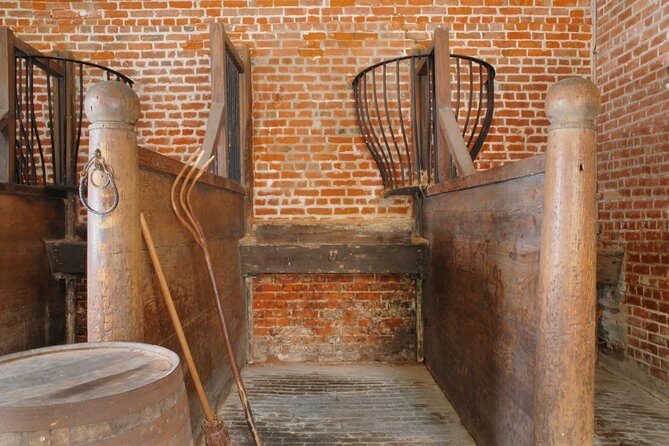
The tour also leans on concrete house details, not vague talk. From what’s described in guest notes, you can expect to hear about the interior layout and “zones” concept—areas that were off limits to enslaved people, plus the way porches or veranda spaces factored into household life. You may even be shown practical infrastructure like a giant water cistern, which turns “old building” into “how people actually survived day to day.”
Urban slavery in plain sight: daily work, family strain, and forced routines
The heart of this tour is how slavery operated in a city. Instead of treating New Orleans like a background, the narration focuses on urban enslavement—how it differed from rural experiences, and how enslaved people’s lives intersected with city life.
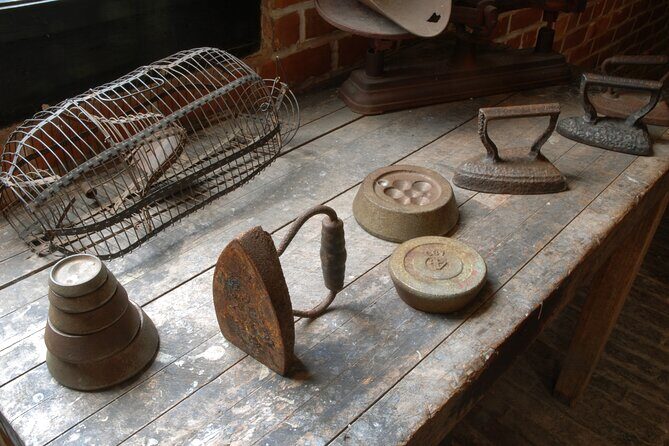
In the descriptions shared by visitors, the tour doesn’t shy away from specific daily realities. You may hear about exhausting labor tasks such as ironing and resewing sleeves, long cooking days (described as stretching roughly 12–16 hours), and the constant strain around children. One guest notes that child care could mean enslaved children were cared for alongside others only up to about age five, with serious consequences afterward.
It also includes the economic machinery behind the system: how enslaved people could be sold, including situations tied to paying debts, and the heartbreaking complexity of being bought back after freedom had been granted.
Be ready for emotional weight. This is exactly the kind of tour where you may need a short pause to catch your breath before moving to the next room.
Urban versus rural: what the comparison is actually good for
The comparison isn’t there for trivia. It helps you avoid the common trap of thinking slavery “looked the same everywhere.”
Here, the point is that the setting changes the experience. Since the tour explicitly looks at how urban enslavement differed from rural settings, it pushes you to think about how control played out when people were living in a city environment tied to neighbors, commerce, and the household economy.
You’ll also get a link to broader impact: the tour aims to show how people of African descent contributed to shaping New Orleans. That part matters because it keeps you from stopping at suffering alone. You’re reminded that the story didn’t end with enslavement—it continued through community, labor, culture, and change.
If you want this section to land well, pay attention to how the guide ties the house’s day-to-day function back to the city’s larger system.






The guide matters: what to listen for from Robert and Kelsy
You’ll feel the difference when a guide tells the story with clarity and purpose. In the feedback provided, Robert is praised for explaining the history of urban enslaved people and for being able to answer questions in a way that stays grounded in what the house shows. Another highlight: some visitors describe Robert’s closing statements as moving and personal, including a connection to generational family experience.
Kelsy also comes up for narrative work that helps visitors feel the contrast—hard life of enslaved people next to the opulent life of the owner. That kind of framing helps you make sense of why the house looks the way it does.
So what should you do as a visitor? Come with two types of questions:
- Questions about the building’s specific features (kitchen spaces, outdoor areas, restricted zones).
- Questions about the enslaved people’s lived reality in the city (what the work looked like, how family life was affected).
When you do that, the tour becomes more than a one-time history hit. It turns into a story you can actually “read” the rest of your trip.
Price and value: $17 can feel like a bargain here
At $17 per person, this is priced low enough that you shouldn’t hesitate—especially because the ticket includes admission to the site and you’re getting an interpretive guided experience (not just access).
A one-hour tour can be a sweet spot in New Orleans. You get meaningful context without committing half a day. And because it’s a museum-run home experience, the value isn’t only the tour talk—it’s also the chance to see the property and understand its physical logic.
Is it perfect value for everyone? If you’re looking for a long, multi-stop deep dive, you might want more time. But if you want a sharp, focused education session in a real historic house, the math works.
Timing and logistics that help your day actually work
This tour is booked ahead on average about 13 days, so don’t wait until the last minute—especially if you’re traveling in peak season or on a weekend.
You’ll also want to plan around weather. The experience notes it requires good weather. If it gets canceled due to poor conditions, you’ll be offered a different date or a full refund.
On the practical side, you’ll use a mobile ticket, and the site is near public transportation. Service animals are allowed, and most travelers can participate—good signals if you’re building a flexible itinerary.
One more small planning tip: give yourself a little buffer afterward. You may leave with heavy thoughts, and the French Quarter is full of distractions—music, food, bright streets. Build in time to decompress so you don’t just bounce from history to noise instantly.
What kind of traveler should book this?
This tour suits you if you:
- Want New Orleans history tied to a real house, not only walking-story stops.
- Prefer a focused hour that explains a theme clearly (urban slavery, how it differed, and African-descended contributions).
- Like guides who take questions seriously and use the property itself as evidence.
It’s also a strong choice for couples and solo travelers. The tone can be thoughtful and reflective, and the format is built for guided understanding.
Where you might reconsider: if you only want the enslaved people’s story in the strictest sense and you’re hoping every minute stays there, be aware that some guests felt the narrative may spend more time on the house’s families than they expected. Even so, the best fix is simple: ask the guide what’s known about daily life and humanity in the enslaved quarters, then follow up.
Should you book Urban Enslavement at Hermann-Grima House?
Yes, if you want a high-impact, one-hour tour that uses the physical reality of an 1831 home to explain urban slavery in New Orleans. The price-to-time value is hard to beat, and the narrative focus on enslaved experience (with city-versus-rural comparison) gives you a different lens than plantation-only history.
I’d book it especially if you’re the type who likes to learn by looking—porches, kitchen spaces, restricted-style zones, courtyard layout—and then asking questions. Guides like Robert and Kelsy are clearly part of the reason people leave feeling the tour landed emotionally and intellectually.
Book it if you can handle the subject matter. It’s education with consequences, not just vibes. And once you’re done, you’ll see the French Quarter with sharper eyes.
FAQ
How long is the Urban Enslavement Tour at Hermann-Grima House?
It lasts about 1 hour.
How much does the tour cost?
The price is $17.00 per person.
Is the admission ticket included?
Yes, the admission ticket is included with the tour.
What language is the tour offered in?
The tour is offered in English.
Do I need a printed ticket?
No. You’ll receive a mobile ticket.
Are service animals allowed?
Yes, service animals are allowed.
What happens if the weather is poor?
The experience requires good weather. If it’s canceled due to poor weather, you’ll be offered a different date or a full refund.