REVIEW · NEW ORLEANS
Walking Tour about The Good, The Bad and The Beautiful Women of New Orleans
Book on Viator →Operated by French Quarter New Orleans Tours LLC · Bookable on Viator
The French Quarter has a secret cast of women. This women-first walk turns familiar streets into a story about real people like Barones Pontalba and Henriette Delille, with politics, religion, and even entertainment woven in. I love the street-level pacing and the way our guide, Mikko, tells the anecdotes with high energy and real answers to follow-up questions. I also like that it’s a focused hour, not a half-day commitment.
One watch-out: it’s about a mile and mostly outside, so humidity can hit hard, and it’s not a good fit for mobility limits or breathing issues in summer.
In This Review
- Key Things You’ll Notice on This Tour
- Why This Women-First French Quarter Walk Works
- Price and Value: What $10 Buys You in Real Terms
- Meet at 820 St. Louis St. and Get Your Timing Right
- Bourbon Street, Reframed: The Alternate Story You Don’t Get From Maps
- Jackson Square and the Barones Pontalba You’ll Actually Remember
- St. Louis Cathedral Stop: Henriette Delille and the Sainthood Story
- The Ursuline Convent Story: Education, Discipline, and Survival
- Frances Parkinson Keyes: The Home Where Writing Got Made
- Madame LaLaurie: Beyond the Headlines at a Private Home
- What You’ll Get (and What You Won’t)
- Who Should Book This Tour
- What to Bring for a Comfortable French Quarter Hour
- Should You Book This Tour?
- FAQ
- How long is the tour?
- About how far do we walk?
- Where do we meet, and where does it end?
- Is the $10 ticket price all-inclusive?
- Do we get food or drinks on the tour?
- Do you enter buildings during the tour?
- What group size should I expect?
Key Things You’ll Notice on This Tour
- Bourbon Street gets a second storyline focused on the women tied to its business and nightlife
- Jackson Square’s Barones Pontalba comes alive as tough, not tame
- Henriette Delille at St. Louis Cathedral with the sainthood process explained in plain terms
- Ursuline nuns in New Orleans and why their education mission mattered
- Frances Parkinson Keyes and the author’s home you’ll see from the outside
- Madame LaLaurie’s two-sided reputation, with respect for the fact that it’s a private residence
Why This Women-First French Quarter Walk Works
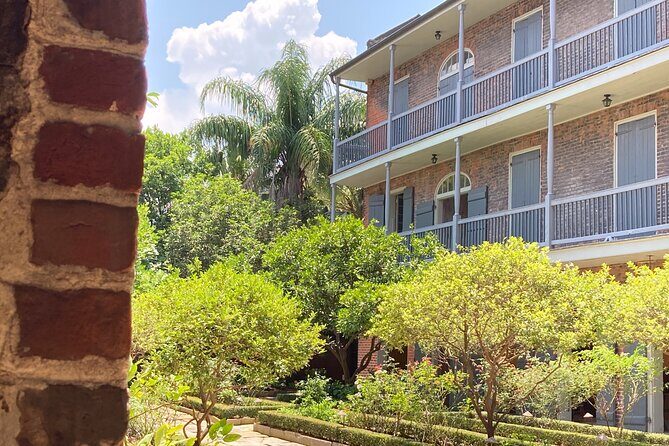
New Orleans is loud, risk-taking, and full of contradictions. What I like about this tour is that it doesn’t pretend the city’s past was neat. It points your attention toward women who influenced politics, religion, education, and culture, even when society tried to keep them in the background.
The structure helps. You’re not bouncing between random plaques. You’re walking a tight route in the French Quarter while the guide builds connections: a woman’s job or ambition leads to a location, and that location leads to a bigger theme. You’ll hear stories that cover the big-ticket topics people expect in New Orleans, plus the in-between parts like who ran things behind the scenes and why.
You can also read our reviews of more walking tours in New Orleans



Price and Value: What $10 Buys You in Real Terms
At $10 per person, you’re paying for a short, guided route with strong storytelling and frequent chances to ask questions. This is the kind of price that makes sense for groups and solo visitors who want context without committing to a long tour.
The other value angle is group size. It caps at 20 travelers, which keeps the hour from turning into a traffic jam of listening. And since a minimum of 4 guests is required to run the tour, it’s also likely you’ll have a lively, engaged group rather than a tiny solo session.
Meet at 820 St. Louis St. and Get Your Timing Right
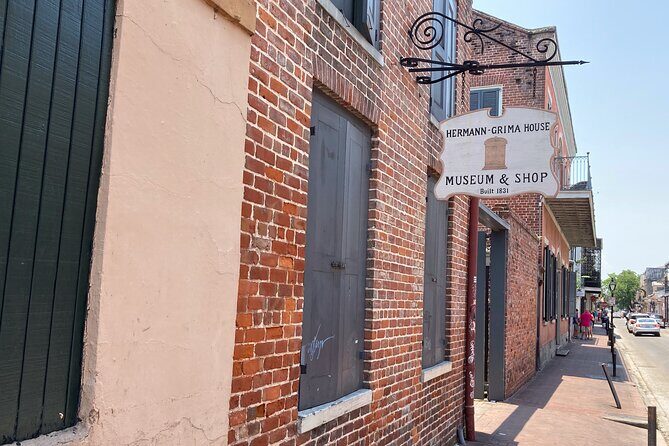
Plan to arrive 15 minutes early at 820 St. Louis St. If the gates are closed, you meet by the sign. You’ll get a mobile ticket, and your guide leads you from there through the lower French Quarter.
The walk is about one mile and runs around one hour. It also helps that the stops are designed for short pauses (the schedule calls for stops at least 10 minutes outside). Translation: you’ll get the main points without being stuck waiting through long building visits.
Bourbon Street, Reframed: The Alternate Story You Don’t Get From Maps
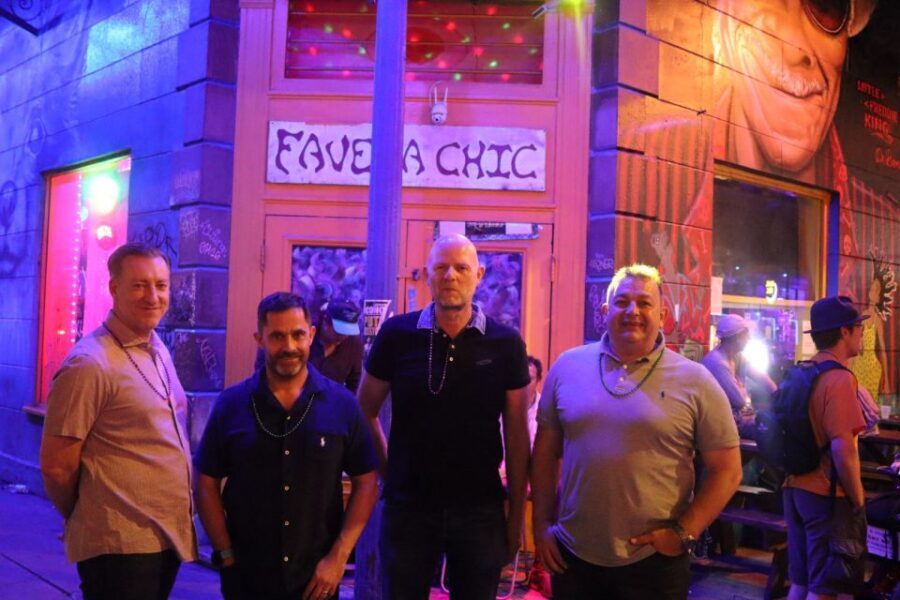
Bourbon Street is famous for noise, drink, and late-night chaos. This tour adds an alternate layer: many of the women discussed had ties to Bourbon Street, whether through business or pleasure.
That change in angle matters because Bourbon Street often gets treated like a single-note attraction. Here, you’re looking at it as part of a social machine—where entertainment, commerce, and reputation were constantly negotiated. Even if you’re visiting for the energy, it’s smart to understand how that energy formed. You’ll walk the same street, but you’ll see it differently when your guide connects the stories to what you’re standing next to.
Jackson Square and the Barones Pontalba You’ll Actually Remember
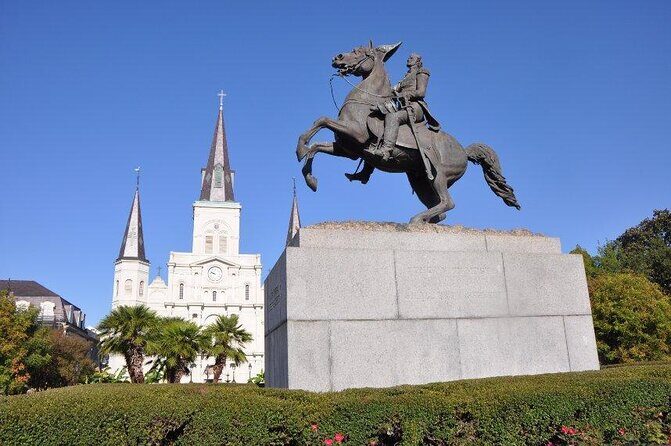
Jackson Square is a postcard spot, but the tour refuses to let it stay decorative. You’ll learn about Baroness Pontalba, and you should pay attention to how the guide frames her.
The key idea: she’s presented as anything but meek or dependent. Instead, you get a portrait of a woman with influence and drive—someone who shaped real parts of the city, not just an interesting anecdote. That makes Jackson Square feel less like a background and more like a stage where power and strategy mattered.
And because you’re staying outdoors, you get to connect the story to the real layout around you. It’s easier to remember details when you can point your feet at the place where they happened.





St. Louis Cathedral Stop: Henriette Delille and the Sainthood Story
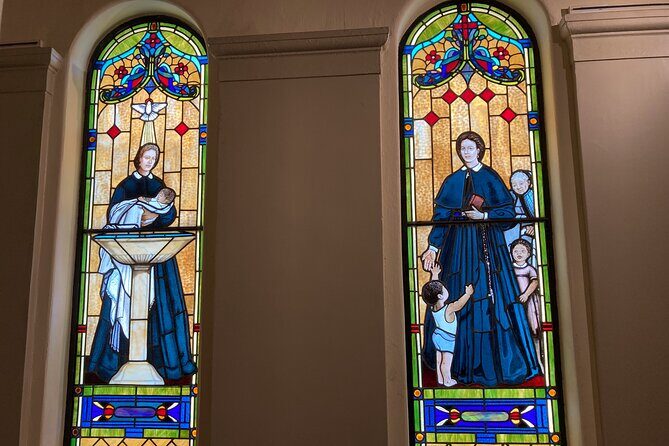
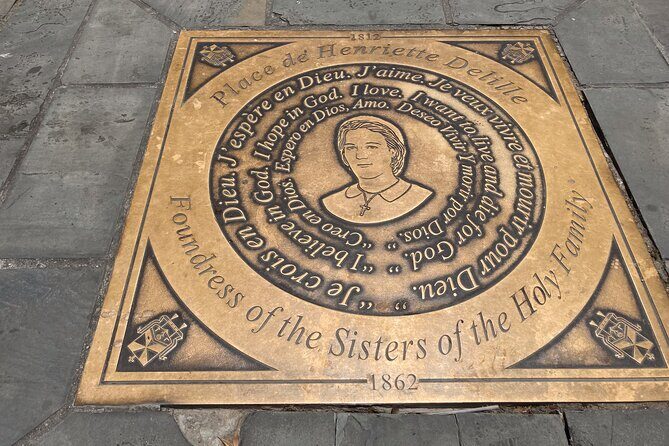
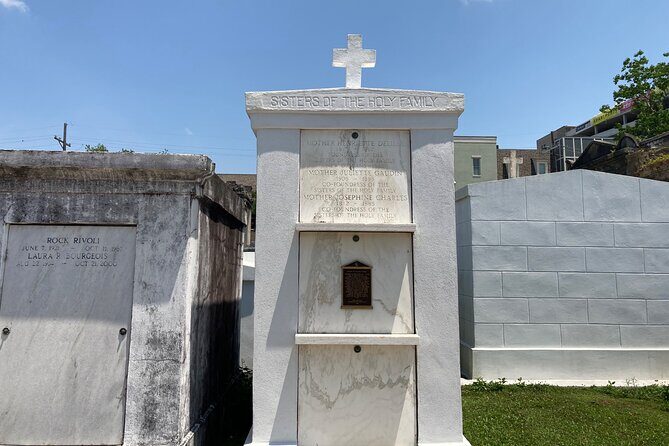
At St. Louis Cathedral, the tour focuses on Henriette Delille, foundress of the Sisters of the Holy Family, and her path toward sainthood.
What’s useful here is that the guide doesn’t just name her. You’ll get the outline of the process and how far along it is, explained in a way that makes the whole concept feel understandable instead of distant. If you’ve ever wondered how religious recognition works historically, this is one of the better moments on the route for clarity.
This stop is listed as about 10 minutes with a free ticket note. Either way, the format stays in the walking-tour style: you’re there for the story and context, not a long museum-style visit.
The Ursuline Convent Story: Education, Discipline, and Survival
You’ll also hear about the history of the Ursuline nuns in New Orleans, especially their mission to educate young ladies. The word education can sound generic until someone places it in the reality of the time—who had access, who didn’t, and why teaching could be an act of stability.
In this tour, the Ursuline story functions like a backbone. It helps you understand that New Orleans wasn’t shaped only by flamboyant figures and dramatic headlines. It was built by systems—learning, staffing, and long-term community roles—many of them carried by women working with patience and discipline.
Frances Parkinson Keyes: The Home Where Writing Got Made
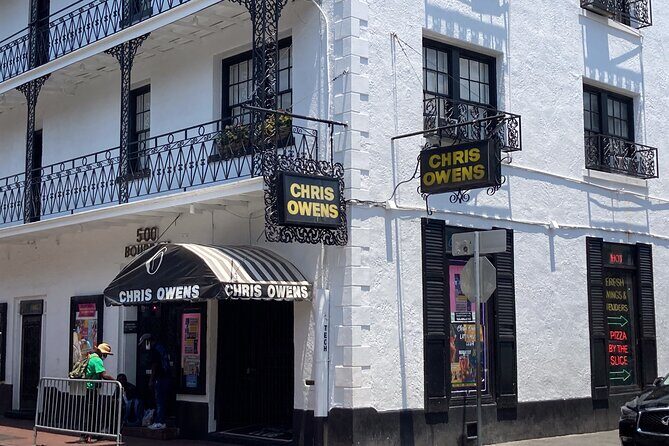
Another outside stop brings you to the home associated with Frances Parkinson Keyes, the author who owned and lived there while writing some of her most famous works.
This is a nice pivot if you’re a “how did people actually live?” type of traveler. You’re not only hearing about women in roles tied to politics or religion. You’re also seeing how a creative life connects to place. Even from the sidewalk, it gives you a sense of the neighborhood’s intellectual side, not just its entertainment side.
Madame LaLaurie: Beyond the Headlines at a Private Home
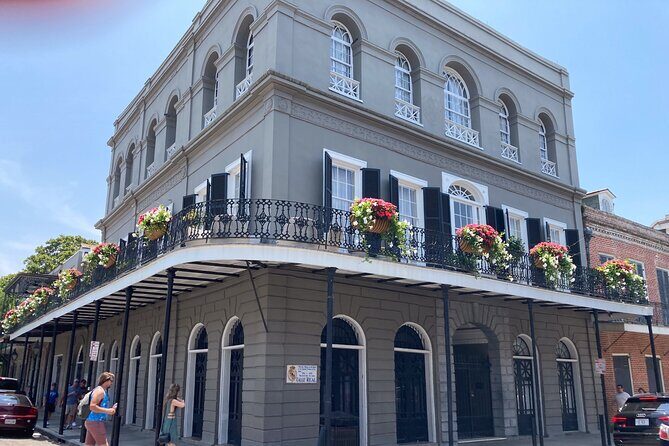
Madame LaLaurie is a name that shows up in New Orleans conversations for darker reasons. On this tour, you’ll hear about her, but you’ll also get an emphasis on another side of her life—while keeping it clear that it’s a private home and there’s no entry.
That balance is important. New Orleans history can turn into spectacle if you’re not careful. Here, the guide frames the story with enough context that you’re not just collecting shock value. You’re learning how reputation forms and how complicated stories get simplified over time.
You’ll also end at the LaLaurie Mansion address on Royal St. (1138 Royal St.), which keeps the last stop tied to the reality of the location rather than a distant legend.
What You’ll Get (and What You Won’t)
Included:
- A guide-led walk through the French Quarter with stops at each listed location
Not included:
- No food or drink
- No building entry
That last point matters. If you’re hoping for lots of indoor time, this isn’t built that way. You’re there to learn by seeing the exterior spaces and hearing how the guide reads the city’s layout and landmarks.
Who Should Book This Tour
This tour is a great fit if you:
- Want women-centered New Orleans history in a short format
- Prefer walking with stops over a sit-down lecture
- Like story-driven guides who answer questions during the walk
- Appreciate dark and dramatic material when it’s handled with context
It may not be your best match if you:
- Have walking or standing problems
- Need a mostly indoor experience
- Have breathing problems during summer months, since humidity can be intense
- Want a long sit-down museum-style visit
What to Bring for a Comfortable French Quarter Hour
Even when the walk is short, the conditions can be brutal. Come ready for heat and moisture. I recommend:
- Sunscreen and sunglasses
- A hat or umbrella
- Water planning (since no drinks are included)
Also note that the tour is described as near public transportation, which is handy if you want to combine it with other French Quarter stops.
Should You Book This Tour?
If you’re choosing between generic French Quarter sightseeing and something with a clear point of view, I’d pick this. For $10, you get a tight route, a strong storytelling voice, and a topic you likely won’t see elsewhere: women who shaped New Orleans’s past through politics, faith, education, writing, and the complicated street-life connections that formed the city.
Book it especially if you want your New Orleans visit to feel more human and less like a checklist. The only real reasons to skip are physical comfort (humidity and walking) or if you’re specifically looking for indoor time.
If you’re ready for an hour of names, places, and stories that make you look twice at familiar streets, this one belongs on your itinerary.
FAQ
How long is the tour?
The tour is about 1 hour.
About how far do we walk?
It’s approximately a one-mile walking tour.
Where do we meet, and where does it end?
Meet at 820 St. Louis St., New Orleans, LA 70112, about 15 minutes before the tour time. The tour ends near shopping and dining in the lower French Quarter at the guide’s discretion, and it lists an ending at LaLaurie Mansion, 1138 Royal St, New Orleans, LA 70116.
Is the $10 ticket price all-inclusive?
The price includes a guided walking tour through the French Quarter with stops at each location listed. Admission is noted as free for the St. Louis Cathedral stop, but no food or drink is included.
Do we get food or drinks on the tour?
No. Food and drink are not included.
Do you enter buildings during the tour?
No. You do not enter buildings, but you stop at the locations listed.
What group size should I expect?
The tour has a maximum of 20 travelers, and it requires a minimum of 4 guests to run.