REVIEW · NEW ORLEANS
Whitney Plantation and Soul of New Orleans City Tour Combo
Book on Viator →Operated by 2nd Line Tours/Experience · Bookable on Viator
Slavery memorials in New Orleans hit hard. This combo tour blends Whitney Plantation with the Soul of New Orleans side of the city, pairing self-guided remembrance with local-style storytelling in the neighborhoods. You get round-trip transportation and a schedule that moves, so you can cover the emotional and the everyday parts of New Orleans in one go.
I particularly like how the Whitney portion is set up for a respectful, self-guided audio experience. I also like that the city half includes meaningful stops, not just postcard New Orleans, including Katrina neighborhood aftermath and key cultural sites like Congo Square and Studio BE.
One thing to consider: the tour includes a self-guided audio component at Whitney rather than a live guide inside the plantation exhibits, and there’s no restroom on board the bus.
In This Review
- Key reasons this combo makes sense
- The overall idea: plantation memory meets New Orleans streets
- Morning pickup and how the day keeps moving
- New Orleans city tour first stop: 2nd Line Tours style
- Whitney Plantation: why the audio format is part of the respect
- Katrina aftermath: seeing the damage, not just the headlines
- Studio BE: a quick stop with real local energy
- Congo Square: jazz origins and why it matters here
- Price and value: is $129 fair for what you get?
- Logistics to get right: restrooms and timing
- Who should book this combo (and who might not)
- Should you book Whitney Plantation + Soul of New Orleans?
- FAQ
- How long is the Whitney Plantation and Soul of New Orleans city tour combo?
- Is hotel pickup available?
- Is admission to Whitney Plantation included?
- Is the Whitney Plantation portion guided by audio or a live guide?
- Is there a restroom on the bus?
- Can I cancel for a full refund?
Key reasons this combo makes sense
- You get two perspectives in one day: plantation slavery memorials plus urban New Orleans context
- Whitney is done with audio, not a quick drive-by, so you can go at your own pace through the exhibits
- City stops tie history to place, including Katrina damage areas
- Congo Square adds cultural grounding by connecting enslaved Africans’ gatherings to the roots of jazz
- Small group size (up to 24) makes it easier to ask questions on the city side
- All fees and taxes are bundled into the price, so you’re not doing math all day
The overall idea: plantation memory meets New Orleans streets
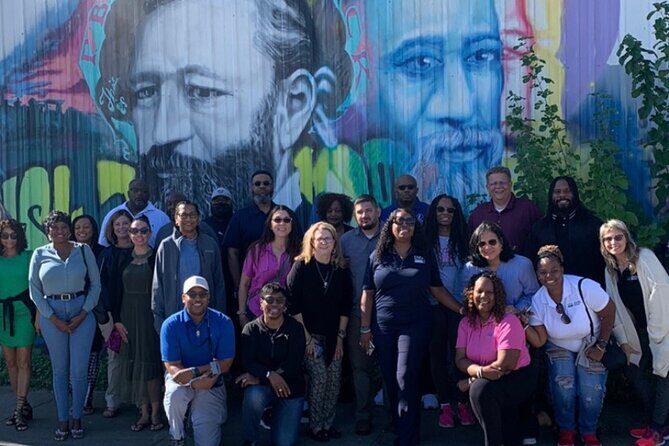
This is the kind of tour combo that helps you avoid the common mistake: seeing plantation slavery as a separate, distant chapter. Here, you’re shown how the plantation system shaped people’s lives, and then you connect that to New Orleans as it exists now—through neighborhoods, art spaces, and cultural landmarks.
The day is structured so the emotional weight lands first (Whitney), then the city context follows. That rhythm matters. If you’re trying to understand New Orleans beyond music and food, the order helps you keep the big picture in view.
You can also read our reviews of more city tours in New Orleans


Morning pickup and how the day keeps moving
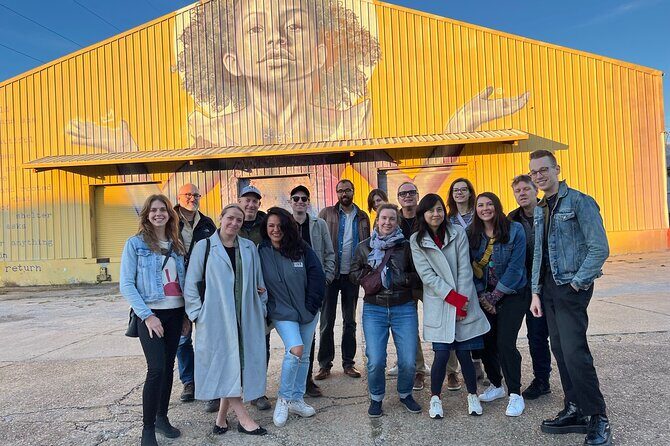
The day starts early. Pickup happens between 8:00 AM and 8:30 AM, and you’ll want to be outside your hotel by 8:00 AM since the driver may be making multiple hotel stops. If you’re meeting at the central lot, it’s the parking area at 414 Canal Street. A white bus with the company logo is how you’ll spot the group.
Plan for a little waiting time. The operator notes you should allow up to 30 minutes for the bus to arrive. For me, that’s the kind of detail that keeps the morning calm instead of stressful.
Inside the bus, you’re in an air-conditioned vehicle, and you’ll get a mobile ticket. The combination of AC plus a structured pickup window is a real quality-of-life point when your day is already long (about 8 to 9 hours total).
New Orleans city tour first stop: 2nd Line Tours style
The first city stop is handled by 2nd Line Tours, with a block of time set aside for New Orleans history and traditions. The format here is classic city-tour logic: you’re not just hopping between stops—you’re getting the thread that connects them.
On the urban side, the big payoff is that you’re seeing New Orleans through someone who cares about local history and culture. In particular, guides like Jay show up in the experience with an insider energy, and you can get pointed, practical context while you’re on the move. That matters because it changes how you interpret what you’re actually looking at later.
This is also where you’ll likely get some Katrina-linked framing, since the day’s city portion includes aftermath from Hurricane Katrina. Even if you know the basics, hearing how the city changed in real locations helps it stop being abstract.
Whitney Plantation: why the audio format is part of the respect
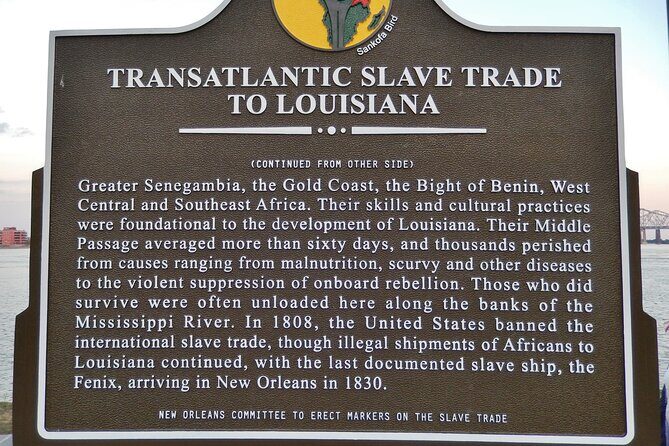
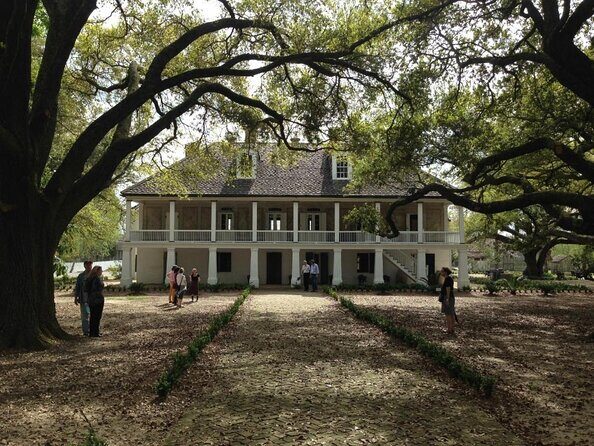
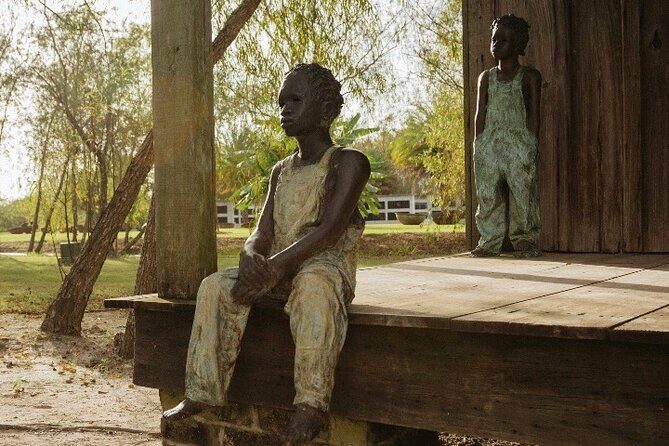
The Whitney Plantation portion is where this combo earns its reputation. You’re given about two hours to explore exhibits focused on enslaved people’s lived experience—using original buildings, slave cabins, memorials, and artwork designed to confront what happened rather than soften it.
What I like about the setup is the independence it gives you. A self-guided audio tour means you can linger on what hits you hardest. You’re not rushed by someone trying to herd a group through heavy material.
A few exhibits stand out based on what’s emphasized during the visit:
- Wall of Honor: names of more than 350 enslaved individuals connected to the plantation. Seeing names instead of numbers is a strong reminder that each person was real.
- Memorial artwork such as Field of Angels, representing an estimated 2,200 enslaved children who died in St. John the Baptist Parish.
- The overall exhibit design: the point isn’t to make slavery feel historical or abstract. It’s to keep the human cost front and center.
Now for a fair consideration: an audio guide works best when you’re the type who can focus without constant live prompting. If you want a live guide to explain every exhibit as you go, the audio format can feel like less engagement than you hoped. One clear suggestion from the field: if a voice recorder feels impersonal to you, be mentally prepared for that, and plan to slow down at the moments you care about most.
Katrina aftermath: seeing the damage, not just the headlines
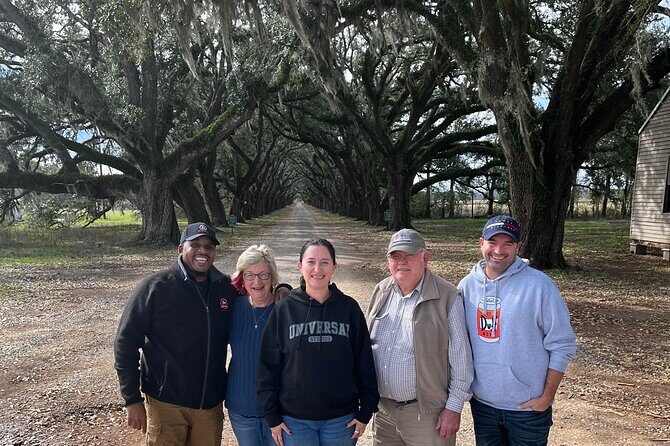
The city portion includes a stop that lets you see the aftermath of neighborhoods devastated during Hurricane Katrina. This is one of those parts where context matters: you’re not only looking for scars on buildings—you’re also learning what changed, what broke, and how that shaped real lives.
In the urban tour experience, guides can point out specific places linked to the levee failures and neighborhood impacts. For example, you may be taken to areas associated with the Ninth Ward and shown where the levee wall broke. It’s also possible to pass sites connected to education history tied to desegregation, including the McDonogh No. 19 story.
I’ll say it plainly: this half is not just scenery. It’s history you can see. If you come in with at least some curiosity, the payoff is high.





Studio BE: a quick stop with real local energy
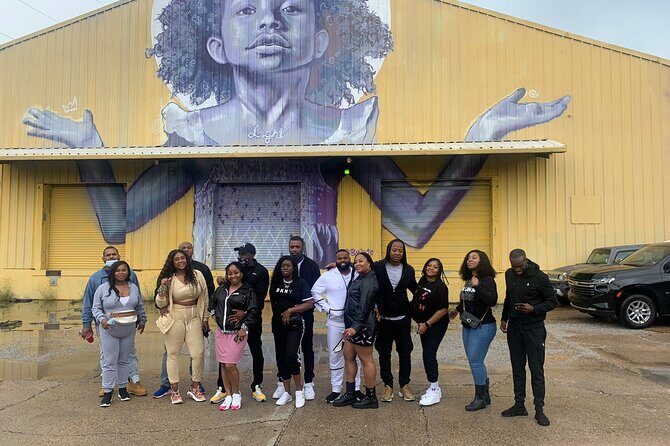
After the heavier memory work, the schedule includes a short visit to Studio BE, about 15 minutes long. This is described as a landmark cultural destination and a space for artists and community voices.
A short stop is exactly what this is. Don’t treat it like a full museum visit. Instead, use it as a pause to see a different side of New Orleans: the present-day creativity shaped by history, not separated from it.
If you like modern art and community spaces, this stop can feel refreshing after the plantation memorials. If you’re the type who wants every minute packed with history, you might wish the city portion had more time here—still, 15 minutes is enough to get the idea.
Congo Square: jazz origins and why it matters here
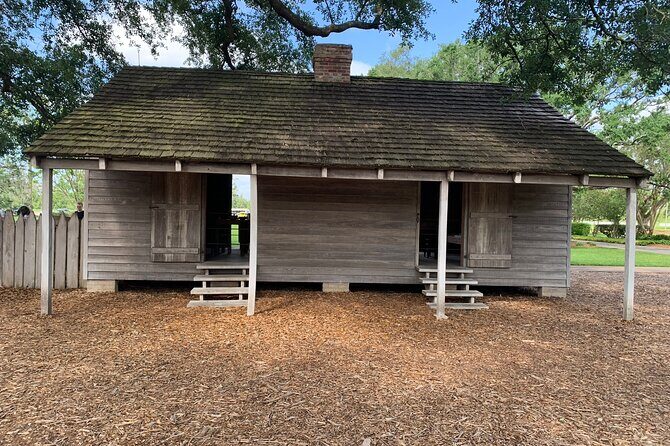
The day ends the city-side story at Congo Square. This is presented as a key place in the history of jazz, described as where enslaved Africans gathered to celebrate heritage through music, dance, and storytelling—contributing to the musical foundations that later spread around the world.
Here’s how I think about it: Congo Square gives you a different emotional flavor than Whitney, but it doesn’t contradict it. It shows continuity—how culture survived, transformed, and moved through time.
If you’re trying to connect the dots between oppression and expression, this stop helps. You’re not just hearing that jazz came from somewhere. You’re standing in a place framed as an origin point for that story.
Price and value: is $129 fair for what you get?
At $129 per person for a combo that runs about 8 to 9 hours, the value comes from bundling three things you’d otherwise have to organize separately:
- Transportation: round-trip from downtown hotels with an air-conditioned vehicle.
- A structured day plan: Whitney plus multiple city stops, rather than piecing it together.
- Admissions and fees: the price includes what’s marked as included, and the operator lists all fees and taxes as covered.
You also get a group size cap of 24, which helps keep the city-side experience workable. And since the average booking lead time is 36 days, it’s smart to plan ahead—prime days and limited capacity can tighten up.
The real “value question” isn’t only cost. It’s match. If you want a heavy-hitting remembrance site with time to absorb it, plus a guided city context that fills in what you’d otherwise miss, this price fits. If you mainly want quick hits and lots of free time, you might feel the schedule is packed.
Logistics to get right: restrooms and timing
Two practical notes before you go:
- No restroom on board: plan your timing. If you’re prone to needing breaks, you’ll want to use restroom opportunities at stops.
- The pickup window is real: allow up to 30 minutes for the bus. If you’re at a hotel with easy curb access, you’ll be happier.
Also, the tour notes that if it’s after 8:35 AM and you haven’t been picked up, you should call. Keep that number handy on your phone after booking.
Who should book this combo (and who might not)
This combo fits best if you’re:
- visiting New Orleans for a short time and want the biggest “meaning per hour”
- the kind of traveler who likes context and place-based history
- ready for difficult subject matter at Whitney and want a respectful format
You might consider another option if you:
- strongly prefer a live, guided walkthrough at the plantation rather than audio
- want more unstructured downtime, since the day is scheduled and runs long
Solo travelers also do well with this format, since you’re not managing separate tickets or transportation. It also works for small groups who want shared knowledge without turning the day into chaos.
Should you book Whitney Plantation + Soul of New Orleans?
I’d book it if your goal is understanding New Orleans with both honesty and context. The Whitney Plantation portion is structured for remembrance, with the Wall of Honor and memorial art doing the heavy lifting. The city side then gives you connective tissue through Katrina aftermath and culturally significant stops like Congo Square.
That said, go in with eyes open: part of Whitney here is audio self-guided, and there’s no restroom on board, so it’s not a casual, laid-back outing. If that doesn’t bother you, this combo is a strong use of one long day in New Orleans.
FAQ
How long is the Whitney Plantation and Soul of New Orleans city tour combo?
It runs about 8 to 9 hours total.
Is hotel pickup available?
Yes. Pickup is available from most downtown New Orleans hotels. If your hotel isn’t listed, you can choose a nearby pickup option. There’s also a central meeting point at the parking lot at 414 Canal Street.
Is admission to Whitney Plantation included?
Yes. Whitney Plantation admission is included in the tour.
Is the Whitney Plantation portion guided by audio or a live guide?
The Whitney Plantation visit is self-guided with an audio tour.
Is there a restroom on the bus?
No. The tour notes that there is no restroom on board.
Can I cancel for a full refund?
Yes. You can cancel up to 24 hours in advance for a full refund. If you cancel less than 24 hours before the start time, the amount paid is not refunded.