REVIEW · NEW ORLEANS
A Blessing Ceremony with the Voodoo Queen of New Orleans
Book on Viator →Operated by Big Easy Walking Tours · Bookable on Viator
A good New Orleans night starts with direction. This private tour takes you through the French Quarter with a local musician, mixing music history stops with local advice on where to go next. I especially like the guide’s band-spotting mindset and the chance to see Louis Armstrong’s first trumpet—that’s the kind of detail you can’t easily find on your own.
My other favorite part is the stop at St. Augustine Church, where you’ll visit the Tomb of the Unknown Slave (admission included). One drawback to plan for: this experience requires good weather, so you’ll want a bit of flexibility if rain moves in.
In This Review
- Key highlights to know before you go
- A 6:00 pm French Quarter walk with a local musician
- St. Augustine Church and the Tomb of the Unknown Slave: a serious pause
- Jazz stops you can’t fake: Armstrong and French Quarter music landmarks
- How the guide helps you avoid tourist traps in real time
- The “spooky” factor: vampires, ghost-story energy, and local lore
- Price and value: what $225 buys you here
- Who should book this private New Orleans evening tour
- Should you book this New Orleans evening tour?
- FAQ
- How long is the tour?
- Where does the tour start?
- What is the price per person?
- Is this a private tour?
- What’s included with the St. Augustine Church stop?
- Is the tour affected by weather?
Key highlights to know before you go
- Local musician guidance through the French Quarter, with practical suggestions for venues and bands
- Louis Armstrong’s first trumpet for a rare, specific music-history moment
- St. Augustine Church visit with the Tomb of the Unknown Slave and included admission
- Frenchmen Street and the New Orleans Jazz Museum as music-focused landmarks
- Private format for just your group, led by a guide with lots of energy
- Spooky-style storytelling that can swing from playful to a little eerie
A 6:00 pm French Quarter walk with a local musician
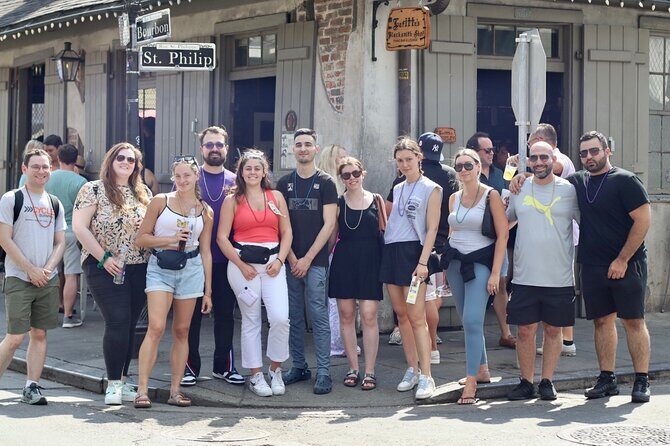
You meet at 1226 Treme St, New Orleans, LA 70116 at 6:00 pm, and the tour ends back at the same spot. The total time is about 2 hours, so it’s paced for an evening stroll rather than a marathon. If you like walking tours but hate feeling trapped in a rigid checklist, this format is a good match.
This is also a private outing, meaning only your group participates. That matters in New Orleans because the best advice is rarely one-size-fits-all. If you’re after lively bars, calmer listening rooms, or a place that fits your mood that night, a good guide can steer you quickly.
One practical note: it’s a mobile ticket. Bring your phone charger if you’re the type who forgets cables. And since it’s near public transportation, you’re not forced into a taxi-or-nothing mindset.
You can also read our reviews of more tours and experiences in New Orleans.


St. Augustine Church and the Tomb of the Unknown Slave: a serious pause
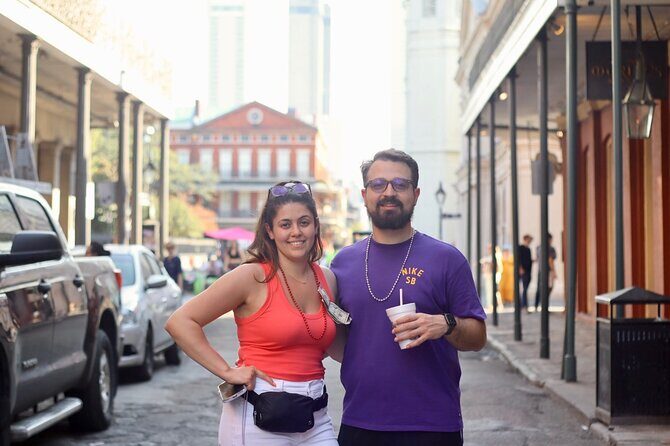
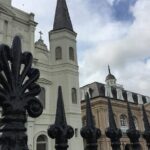
A big chunk of the experience centers on St. Augustine Church, where you’ll see the Tomb of the Unknown Slave. The time at this stop is about 45 minutes, and admission is included.
What I like about this kind of stop is the contrast. The French Quarter can feel like constant motion—music spilling out of doors, people photographing balconies, street noise that never really turns off. Then you reach a place like this and it changes the pace. Even if you’re not a church person, it’s a reminder that New Orleans’ story isn’t only about parties and brass bands.
In a tour like this, that pause does two things for you. First, it gives context for the surrounding culture instead of treating the city like a set of photo backdrops. Second, it helps your later music stops land better in your brain, because you’re seeing how faith, history, and community space sit alongside nightlife.
Drawback to consider: this is a sit-and-stand type of visit, and churches can be quieter and slower than the street. If you expect every minute to be walking and music, you may have to adjust your pace expectations.
Jazz stops you can’t fake: Armstrong and French Quarter music landmarks

The best part of a guided music walk is that you’re not just looking at buildings—you’re learning what to listen for and where to go next. This tour builds that mindset into its route.
You’ll be shown key music hotspots, including the New Orleans Jazz Museum and Frenchmen Street. The museum moment is especially memorable because you’ll get a rare look at Louis Armstrong’s first trumpet. That’s the kind of specific detail that turns a general love of jazz into something more personal: suddenly you’re not just hearing a name—you’re connecting it to an object and a story you didn’t already know.
Frenchmen Street is where that knowledge becomes useful. It’s the kind of area where music is a constant background, but the quality varies by venue and time. A local musician guide helps you separate a place that looks fun from a place that’s actually worth your ticket or cover.
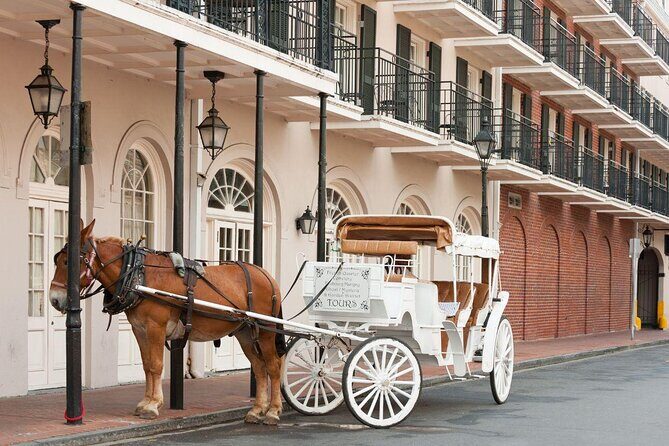
If you like taking photos, this part also tends to be camera-friendly. You’ll see classic New Orleans streetscapes, and you’ll have context for what you’re photographing. That makes your pictures more than souvenirs.
How the guide helps you avoid tourist traps in real time
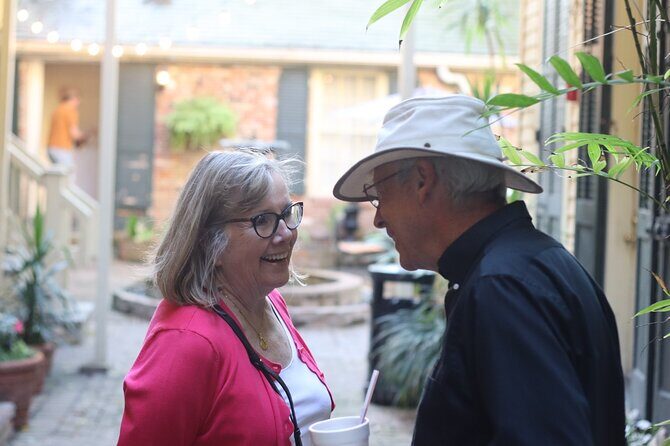
The guide on this tour is the engine. The vibe is friendly, high-energy, and story-forward, with lots of local flavor. In the past, guides like Pandi have been praised for keeping things fun—laughs included—and for making the neighborhood feel understandable fast.
The practical value is in how you’re taught to move through the night. Instead of you guessing where the good sets are, the guide gives you advice on where to find local haunts and which venues to watch that match your tastes.
This kind of tip is worth real money in New Orleans because the city’s full of tempting shortcuts. A spot can look iconic and still be overpriced or packed with people who don’t stay for the music. With a guide, you’re better at deciding on the fly:
- What’s playing at the right level for your evening
- Where you’ll likely find locals rather than only tour groups
- How to think about the neighborhood’s music culture, not just its landmarks
I also like the way this tour mixes genres and eras in a way that feels like a living evolution. One theme that comes through strongly is how blues, classical influences, and jazz connect over time, rather than treating jazz like it appeared fully formed.
The “spooky” factor: vampires, ghost-story energy, and local lore

This isn’t a pure history lecture. It has a playful, sometimes spooky storytelling tone. You may hear ghost-style legends and even vampire lore in the mix, and it works because New Orleans is a city where folklore and music aren’t enemies. They’re often side-by-side.
That said, it’s still not a horror tour. It’s more like: quick eerie story beats while you’re walking, then back to music, culture, and what to do next. If you enjoy light scare energy and don’t need everything to be academically formal, you’ll probably have a good time.
This style is also why groups end up taking better photos and staying engaged. When your guide makes the streets feel like a story, you stop treating each stop like a checkbox.




Price and value: what $225 buys you here
At $225 per person, this is not a budget activity. You’re paying for a guided, private evening with someone who can steer you through the French Quarter like a local, not like a brochure.
So is it worth it? In my view, it makes sense if you want more than “see the sights.” This tour is built around:
- A specific, rare music-history moment (Armstrong’s first trumpet)
- A church visit with included admission (the Tomb of the Unknown Slave)
- Actionable advice that helps you choose venues and avoid wasted time
If your plan is to wander anyway and you already know exactly where you’re going to listen to music, you might not need a guide. But if you want the “tell me what to do tonight” layer, the price stops feeling random.
Also, private tours are often where you get better attention and more back-and-forth questions. Even if the itinerary is structured, your group’s interests can shape how the guide frames the neighborhood.
Who should book this private New Orleans evening tour
This is a strong match for you if:
- You want a French Quarter-focused evening walk with music culture at the center
- You enjoy learning through stories, not just reading plaques
- You want help choosing venues and bands for later that night
- You like the idea of seeing real music history items, not just hearing names
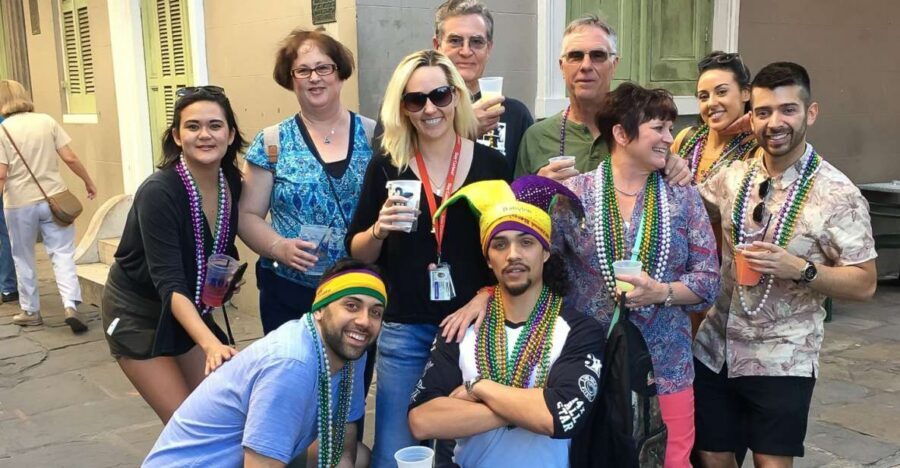
It’s also a good option for birthdays and group celebrations, because the tone can be fun, social, and photo-friendly. And because it’s private, it adapts better to your group’s energy than a large group walking tour.
If you dislike walking at night, hate spooky-ish stories, or want only one narrow topic (like strictly jazz clubs with no church stop), you might find the mix less satisfying.
Should you book this New Orleans evening tour?

Book it if you want a guided night that connects music landmarks with practical local advice, plus a meaningful church stop that adds weight beyond nightlife. The Louis Armstrong moment and the French Quarter guidance are the big reasons to choose it, and the private format makes the experience feel tailored rather than mass-produced.
Skip it if you’re looking for a low-cost hangout, or if you’d be uncomfortable with the weather-dependent schedule and the fact that the tour includes a slower, more reflective stop.
If you’re ready to trade random wandering for smart local direction, this is a solid way to spend a couple hours in the French Quarter.
FAQ
How long is the tour?
It runs for about 2 hours.
Where does the tour start?
You start at 1226 Treme St, New Orleans, LA 70116, USA, and it ends back at the same meeting point.
What is the price per person?
The price is $225.00 per person.
Is this a private tour?
Yes. Only your group participates.
What’s included with the St. Augustine Church stop?
You’ll have admission included for the Tomb of the Unknown Slave at St. Augustine Church.
Is the tour affected by weather?
Yes. It requires good weather. If it’s canceled due to poor weather, you’ll be offered a different date or a full refund.