REVIEW · NEW ORLEANS
Adults-Only Voodoo History Guided Walking Tour in New Orleans
Book on Viator →Operated by Hottest Hell Tours - Adults Only · Bookable on Viator
Marie Laveau lingers around the corners. This 90-minute adults-only voodoo history walk links St. Louis Cemetery No. 1, Congo Square, and Jackson Square, with the Gates of Guinee spirit-realm idea along the way.
I love how the tour keeps its footing in real New Orleans locations, starting just outside cemetery walls while your guide explains the symbolism and ceremonies tied to Marie Laveau. I also like the small-group format (max 20), which means you can ask questions and actually hear the story without shouting over traffic.
The one drawback to note: you do not enter the cemetery, so if you want an above-ground cemetery viewing as the main event, this may feel a little too much like a walk-and-talk.
In This Review
- Key highlights at a glance
- St. Louis Cemetery No. 1 without the cemetery tour vibe
- Marie Laveau and the Gates of Guinee: symbolism you can picture
- Congo Square: where African-American history and voodoo meet at ground level
- Dauphine Street and voodoo dolls: propaganda, fear, and why the story grew
- Conjure New Orleans mid-walk break: a breather that also fits the theme
- Jackson Square finish: easy to roll right into your next stop
- Guide energy, group size, and why Doug keeps coming up
- Timing and logistics that make or break a walking tour in New Orleans
- Tickets, what’s included, and where the $37 actually goes
- How scary is it, really
- Should you book this adults-only voodoo walking tour?
- FAQ
- Where do I meet for the tour?
- How long is the walk?
- Is this tour adults-only?
- Do you enter St. Louis Cemetery No. 1?
- What kind of experience should I expect if I’m worried about it being scary?
- What should I wear?
Key highlights at a glance
- Adults-only focus makes the tone more thoughtful and less chaotic
- St. Louis Cemetery No. 1 area start sets a serious, historical mood fast
- Congo Square stop ties voodoo and African-American heritage to specific place and time
- Dauphine Street discussion of voodoo dolls includes the darker propaganda story around them
- Mid-point break at Conjure New Orleans gives you a breather during the walk
- Jackson Square ending drops you right back into one of the easiest places to explore next
St. Louis Cemetery No. 1 without the cemetery tour vibe
The tour begins at Basin St. Station, at 1201 St Louis St, right in the French Quarter-adjacent mess of good directions and better foot traffic. It’s an easy spot to find on foot, and the meeting point is specific enough that once you’re there, you just look for the guide waiting on the corner of St. Louis St. and Basin St.
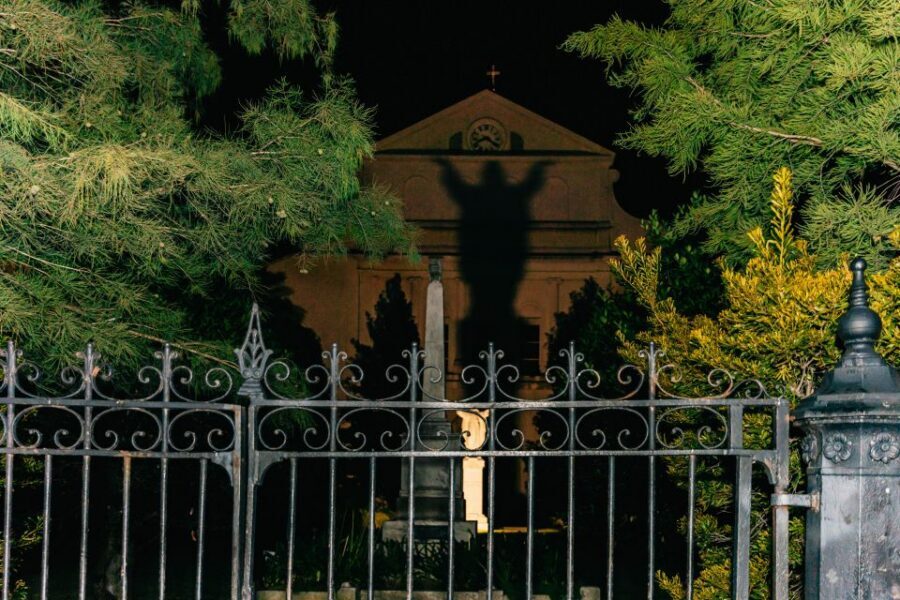
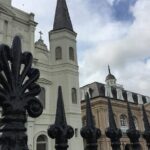
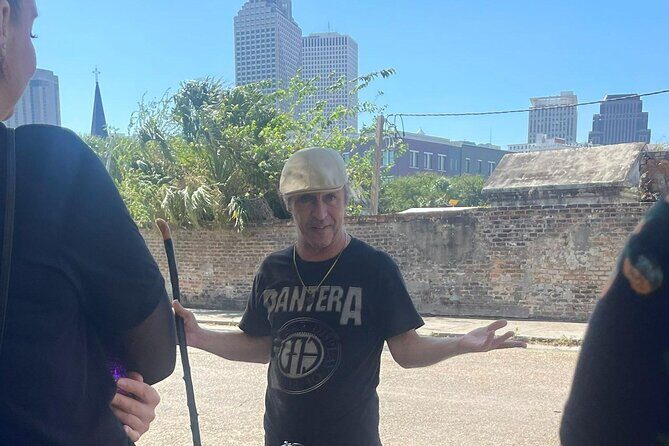
From there, the first real “wow” moment comes quickly: you head toward St. Louis Cemetery No. 1 and start just outside its walls. You won’t go inside, but that’s part of the design. The guide uses the cemetery as the frame for the story, then talks about Marie Laveau’s interment site and the Gates of Guinee idea as an entry point to the spirit realm.
If you’re expecting a traditional cemetery tour with lots of interior viewing, adjust your expectations now. This is more about where belief and history intersect on the streets, and how those meanings shaped what people did, believed, and feared.
You can also read our reviews of more walking tours in New Orleans


Marie Laveau and the Gates of Guinee: symbolism you can picture
The cemetery area stop is brief, but the payoff is in how your guide makes the place feel understandable instead of mysterious-for-mystery’s-sake. You’ll connect a real historical figure—Marie Laveau—with the spiritual concepts people associated to her era.
What I like about this approach is that it treats the supernatural claims as part of a cultural system, not just spooky entertainment. The Gates of Guinee concept is presented in a way that helps you “see” what locals might have meant by access points to another realm—something that sounds abstract until it’s tied to a specific setting.
You’ll also notice the tour tone stays adult and respectful. This helps, because voodoo in New Orleans often gets flattened into stereotypes elsewhere. Here, you’re learning the language of the tradition, so you can spot what’s myth and what’s cultural memory.
Congo Square: where African-American history and voodoo meet at ground level

Next up is Congo Square, one of the key New Orleans anchors for African-American and voodoo-related heritage. This is where the tour shifts from one famous individual to a wider picture of community life—music, gathering, belief, and the social space where cultures met and survived.
Even though your stop time is short, the location matters. Congo Square isn’t a random stop for atmosphere. It’s a place that helps explain how traditions lived in public, not only in private rites.
If you’re the type who likes connecting dots, this is one of the best moments on the route. It turns the tour from a Marie Laveau spotlight into a broader understanding of how voodoo-related practice fit into New Orleans society—especially through African-derived spiritual and cultural currents.
Dauphine Street and voodoo dolls: propaganda, fear, and why the story grew
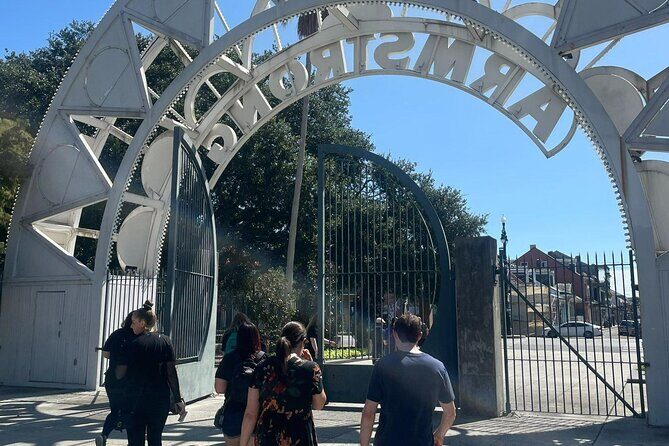
Then you move to Dauphine Street, where the guide explains how voodoo became the target of negative propaganda—the kind that spreads fear instead of understanding. This stop is about how ideas get twisted, repackaged, and exported as entertainment or warning labels.
You’ll also hear the story behind voodoo dolls: what purpose people said they served, how the idea traveled, and why it became a symbol in pop culture. The goal here isn’t shock. It’s to show how real belief systems get oversimplified when outsiders reduce them to “evil magic.”
This portion is especially useful if you’ve ever felt annoyed by horror-movie voodoo. You’ll leave with more clarity on why dolls show up in stories at all—and why the details often get wrong on purpose, or at least without context.
Conjure New Orleans mid-walk break: a breather that also fits the theme
Halfway through, you get a break at Conjure New Orleans. That matters more than it sounds, because this is a full street walk in a city where sun and sudden rain can change the whole day in minutes.
This pause gives you a moment to reset before heading to the final stretch. You can use the time to regroup, ask follow-up questions, and refocus your attention. Since the tour includes multiple quick stops, this middle breather keeps it from feeling like a sprint between landmarks.
If you’re a “I’ll buy one small thing and keep walking” type of souvenir shopper, this is also the point where you’ll see the retail side of New Orleans folklore. Just keep it practical: do what you can carry comfortably for the rest of the walk.
You can also read our reviews of more guided tours in New Orleans






Jackson Square finish: easy to roll right into your next stop
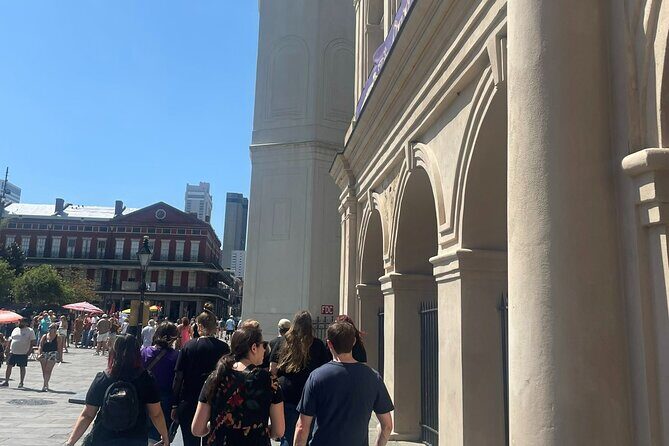
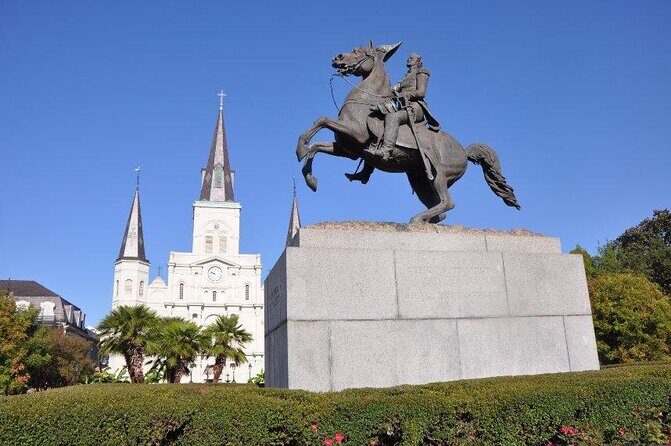
The tour ends at Jackson Square. That’s a smart ending location because you’re immediately near one of the city’s most walkable areas and common pickup points. It also means you can keep exploring without needing another ride or a complicated route back.
By the time you reach Jackson Square, you’ve already covered the tour’s core arcs:
- a cemetery-linked story tied to Marie Laveau,
- Congo Square’s broader African-American heritage connection,
- the propaganda-and-dolls discussion on Dauphine Street,
- and a themed break at Conjure New Orleans.
So the ending feels like a natural drop-off point rather than a dead-end. You can finish the tour, then immediately build your own itinerary—maybe you want more church history, more street photography, or a food stop to ground the spooky mood.
Guide energy, group size, and why Doug keeps coming up
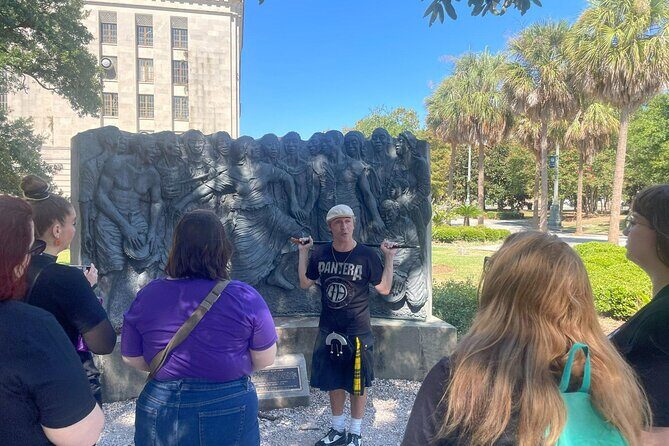
You’ll typically be in good hands with a licensed, insured, and bonded operator running the walk. The tour caps at 20 people, which is a big deal for a walking format. Smaller groups mean less chaos at corners and fewer “what did they say?” moments at the stops.
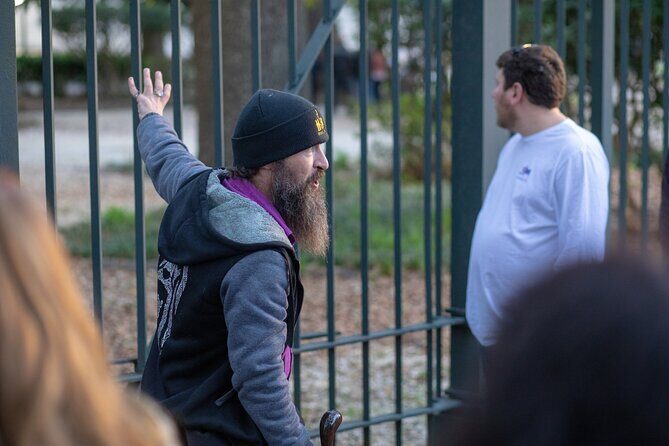
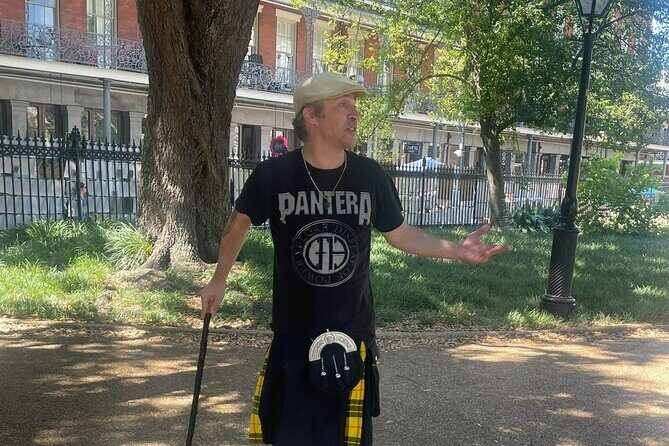
Your guide is the engine here. Many past participants singled out Doug, who’s credited with designing the Gates of Guinee version of this walk. In that role, he’s described as theatrical and energetic, with a style that uses storytelling to help you picture what the route means.
There are also examples of other guides in past schedules—Claire and Mac show up in feedback too. Different personalities can land differently, but the consistent theme is the same: the tour aims to be entertaining while staying tied to place and history.
Also worth noting: the company sets expectations for behavior. Intoxicated participants won’t be allowed, which keeps the tone respectful and helps the group stay focused on what’s being explained.
Timing and logistics that make or break a walking tour in New Orleans
This tour runs about 1 hour 30 minutes, starting at 11:00 am. Show up early. You should arrive 30 minutes ahead for check-in, and tours depart sharply, with no late arrivals accepted.
That means plan your ride like you’re going to a serious appointment, not a casual stroll. If you’re using Uber, Lyft, or a taxi, give yourself buffer time. New Orleans traffic and footpaths can easily steal 10–15 minutes when you’re not expecting it.
Dress for movement. You’re walking in a tropical climate, with sun and sudden rain both on the menu. Wear light layers and comfortable walking shoes. If you want a practical tip that matters: bring a rain layer that’s easy to keep on you, not a heavy jacket you’ll regret carrying.
The tour also says it’s weather-dependent for safety. In general it runs in typical rain, but if conditions become dangerous (flooding or severe storms, for example), the operator may cancel and offer another date or a full refund.
Tickets, what’s included, and where the $37 actually goes
At $37 per person, this isn’t a freeform “wander and hope” tour. You’re paying for:
- a guided walk by an in-person guide,
- a structured route through key voodoo-linked New Orleans locations,
- and a small-group format that keeps the experience audible and interactive.
You get the walking tour and the guide, and you’ll use a mobile ticket. What you don’t get is alcohol. That’s not a dealbreaker, but it changes the vibe: it stays focused and adult-appropriate, especially with the adults-only rule.
Also, don’t expect major museum-style admissions. Most stops are described as free or ticket-free. The only paid element noted in the stop details is the general understanding that you won’t be purchasing cemetery entry as part of this experience, since the tour begins outside and does not enter.
So the value here is less about buildings and more about interpretation. If you like your tours to explain why certain streets and squares matter, you’re in the right price zone.
How scary is it, really
The tour content is described as spooky, unnerving, and possibly disturbing in themes—but it isn’t built like a haunted-house ride. There are no fake ghosts or monsters jumping out at you, and there are no scheduled scares.
Think of it like French Quarter atmosphere plus cultural explanation. Some sites are private residences or operating businesses, and the tour doesn’t go inside. You’ll see the outside context, then you’ll get the stories and meanings behind the walls and streets you’re standing on.
If you want something creepy-but-safe in the daytime, this fits. If you want pure horror theater, you might find it too grounded in real-world history and belief systems.
Should you book this adults-only voodoo walking tour?
Book it if you want a structured, adults-only walk that connects voodoo ideas to specific New Orleans places—especially St. Louis Cemetery No. 1, Congo Square, Dauphine Street, and the end-at-Jackson Square convenience. The strongest reason is the emphasis on myth-busting and context, with Doug (and sometimes other guides like Claire or Mac) bringing a storytelling style that makes the route easier to remember.
Skip it if your priority is an actual cemetery entry and viewing. This walk doesn’t go inside the cemetery, so it won’t satisfy a checklist “cemetery tour” craving.
If you’re open-minded and respectful—and you show up on time—you’ll probably get exactly what this tour promises: an adults-only, street-level New Orleans lesson that makes the voodoo conversation less scary in the wrong ways and more understandable in the right ones.
FAQ
Where do I meet for the tour?
You meet at 1201 St Louis St, New Orleans, LA 70112 (Basin St. Station area). The guide will be waiting outside on the corner of St. Louis St. and Basin St.
How long is the walk?
The tour lasts about 1 hour 30 minutes.
Is this tour adults-only?
Yes. It’s adults only.
Do you enter St. Louis Cemetery No. 1?
No. The tour begins just outside the cemetery walls, and it does not enter the cemetery.
What kind of experience should I expect if I’m worried about it being scary?
The content is described as spooky and possibly disturbing, but there are no fake ghosts or monsters and there are no scheduled scares.
What should I wear?
Wear light layers and comfortable flat shoes for walking. New Orleans weather can include surprise rain and sun.