REVIEW · NEW ORLEANS
Audubon Aquarium and Insectarium Ticket
Book on Viator →Operated by Audubon Nature Institute Inc. · Bookable on Viator
Small wonders start before you even reach the exhibits. This Audubon ticket pairs a modern aquarium with an insect-focused indoor adventure, all close to the French Quarter. For about 2–3 hours, you can bounce from hands-on animal encounters to big gallery moments without hunting down separate admissions.
I especially like the mix of big and hands-on—the Shark Discovery Touch Pool and the long Great Maya Reef tunnel are the kind of stuff you remember later. I also like that you’re not just looking at fish behind glass: the Gulf of Mexico habitat is huge (450,000 gallons), and the Amazon Rainforest gallery adds birds and animals beyond the usual aquarium lineup.
One real consideration: it’s a lot of walking on varied surfaces. If you have limited endurance or mobility, plan for breaks, and keep in mind some areas can be tough to reach comfortably.
In This Review
- Key highlights at a glance
- Price and what $42.77 buys you at Audubon
- Location: close enough to pair with a French Quarter day
- Step inside: how the aquarium route feels in real life
- Stop 1: The Shark Discovery Touch Pool and the 30-foot tunnel
- The Gulf of Mexico habitat: the biggest wow-factor on the ticket
- Amazon Rainforest gallery: birds, piranhas, pacus, and an anaconda
- Insectarium and Butterfly Garden: the part kids light up over
- VR add-on: worth it only if you really want it
- Timing: how to pace 2–3 hours without missing the best parts
- Accessibility and walking surfaces: plan for real-world movement
- Reviews score: what the 4.2 rating really suggests
- Practical tips I’d use before you go
- Should you book Audubon Aquarium and Insectarium tickets?
- FAQ
- How long does the Audubon Aquarium and Insectarium visit take?
- What’s included in the ticket price?
- Is the Virtual Reality experience included?
- Where is Audubon Aquarium and Insectarium located?
- Is a mobile ticket used?
- Are service animals allowed?
- Is public transportation nearby?
- What kind of physical fitness level is recommended?
- What are some aquarium highlights included with admission?
- Can I cancel and get a refund?
- When should I book for best timing?
Key highlights at a glance
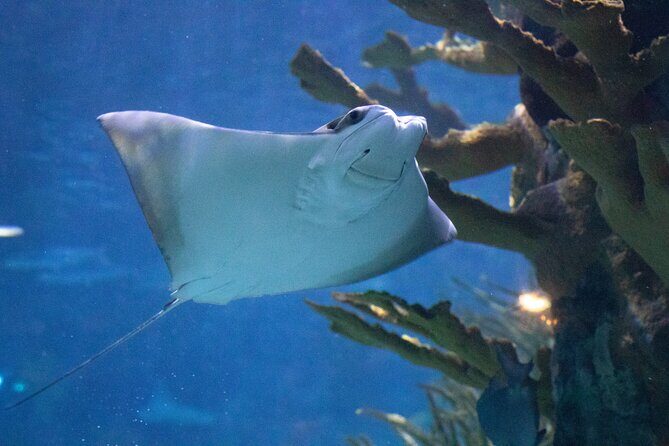
- Hands-on time with sharks and stingrays at the Shark Discovery Touch Pool
- A 30-foot tunnel through the Great Maya Reef habitat
- A major Gulf exhibit: 450,000 gallons for Mississippi River and Gulf vibes
- Amazon Rainforest gallery with free-flying birds and animals like piranhas, pacus, and an anaconda
- Family-friendly insect fun plus a Butterfly Garden that many people make the day’s favorite stop
- VR costs extra if you want the tech add-on ($10 per person)
Price and what $42.77 buys you at Audubon
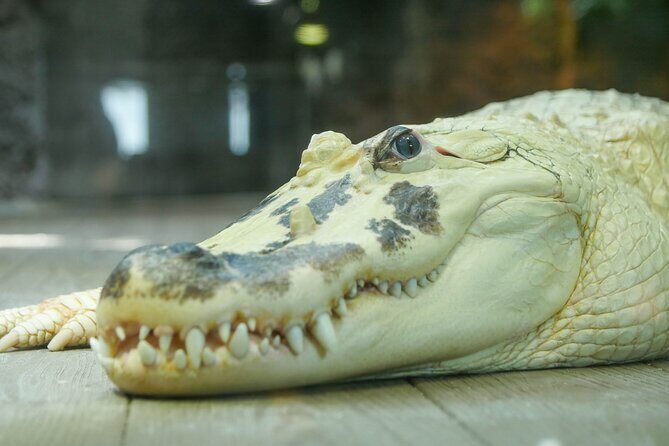
At about $42.77 per person, this ticket is a straightforward value play because it includes admission to both the Aquarium and the Insectarium, plus all fees and taxes. In practical terms, it’s easier to justify than buying separate attraction tickets, especially if you’re visiting with kids or you want a weather-proof indoor plan.
The time window also helps your value math. Plan on 2–3 hours, and you’ll likely have enough energy to see the core aquarium highlights and at least the major insect/butterfly areas. If you love animal encounters and interactive exhibits, you can stretch it a bit by slowing down in the galleries.
One cost note: the Virtual Reality experience is not included and costs $10 per person. If you think you might try it, decide ahead of time so it doesn’t turn into an unplanned add-on.
You can also read our reviews of more tours and experiences in New Orleans


Location: close enough to pair with a French Quarter day
Audubon Aquarium and Insectarium sits adjacent to the French Quarter, which makes this a good “wrap around” stop. You can do a morning of New Orleans wandering, come in when the sun (or rain) hits hard, then head back out without losing the day.
It’s also near public transportation, which matters in a city where parking can be a time sponge. If you’re driving, give yourself extra buffer for parking and entry timing—one of the most common visitor frustrations here isn’t the aquarium itself, it’s getting from vehicle to tickets to the correct entrance route.
And yes, there’s a simple comfort factor: it’s all indoors. When the weather turns, you’re not stuck deciding whether to soldier on—you just shift into aquarium mode.
Step inside: how the aquarium route feels in real life
The aquarium experience is designed like a series of themed worlds. You’ll move through areas covering the Caribbean, Amazon Rainforest, and waters that connect to the Mississippi River and the Gulf of Mexico—so your visit never feels like one long hallway of the same thing.
The “reimagined” setup leans into modern exhibit design and clear wayfinding once you’re inside. The flow works best if you go with the big anchors first—touch pool, tunnel, then the rainforest gallery—rather than bouncing randomly.
Also, if you’re the type who likes details, this place has them. Expect labeled habitats and species placements that help you understand what you’re seeing, not just admire it. That’s part of why people come away feeling they learned something, not only that they had fun.
Stop 1: The Shark Discovery Touch Pool and the 30-foot tunnel
If you want one reason to build your day around this ticket, it’s the Shark Discovery Touch Pool. Touch pools aren’t just gimmicks when they’re done well—they create a moment of real connection. You’re up close with sharks and stingrays, which is a rare kind of interaction for an aquarium.
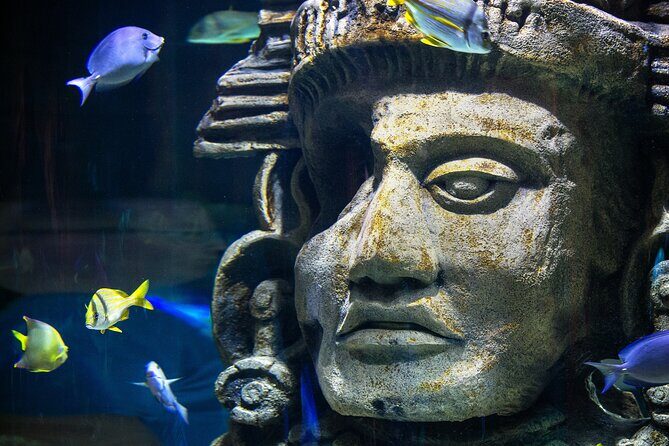
Then there’s the Great Maya Reef—a 30-foot-long tunnel where you can watch aquatic creatures swim through the corridor like you’re standing inside their world. This is the kind of exhibit that’s great even if you’ve been to other aquariums before, because it changes the viewing angle completely.
Practical tip: if you have limited time, prioritize these two features early. Once you’ve done them, the rest of the aquarium galleries become more flexible. And if the touch pool has a line, you can keep moving through nearby displays while you wait.
The Gulf of Mexico habitat: the biggest wow-factor on the ticket
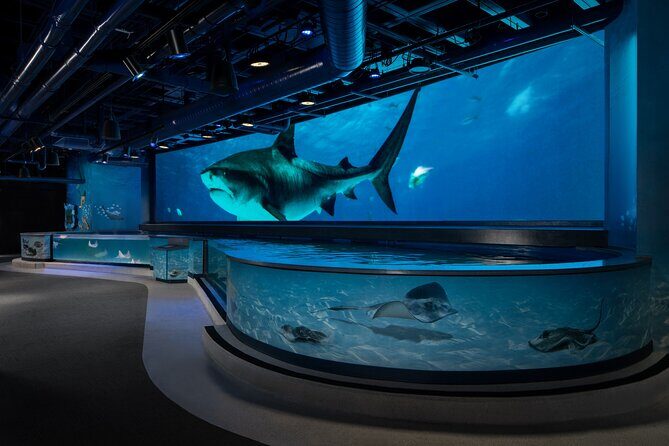
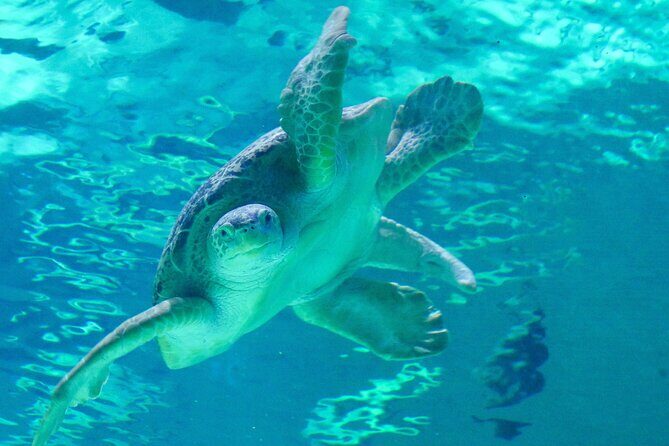
One of the aquarium’s star exhibits is the 450,000-gallon Gulf of Mexico habitat. That number tells you you’re not dealing with a small tank and a few fish. You’re walking into a major space built for the scale of Gulf life.
Why it matters: big habitats help you see behavior, not just silhouettes. Even when you’re looking from multiple angles, the exhibit design makes it easier to track how animals move through open water rather than circling in a tight visual box.
If you’re a photographer, this is usually the best place to slow down. The views are wide and the lighting feels made for “look longer than you planned” moments. If you’re visiting with kids, this is also where you can point out differences in animal movement and behavior—usually without needing a formal explanation.






Amazon Rainforest gallery: birds, piranhas, pacus, and an anaconda
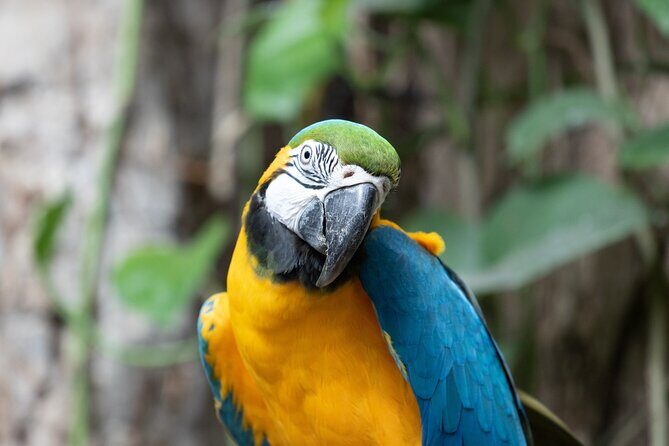
The Amazon Rainforest area is where the aquarium starts to feel more like a living ecosystem than a fish show. Expect lush plant life and free-flying birds, which adds motion and sound to the experience.
You’ll also encounter species that don’t belong in most people’s mental list of aquarium animals. The gallery includes piranhas and pacus, plus an anaconda snake. It’s a mix that keeps the visit from turning into a one-note routine.
My advice: don’t rush this section. The rainforest theme works because it has layers—plants, birds, and then animals that you might need to search for a second time to really see clearly. If you’re with kids, give them a simple mission like spotting the birds first, then checking for the less-common species afterward. Everyone stays engaged longer.
Insectarium and Butterfly Garden: the part kids light up over
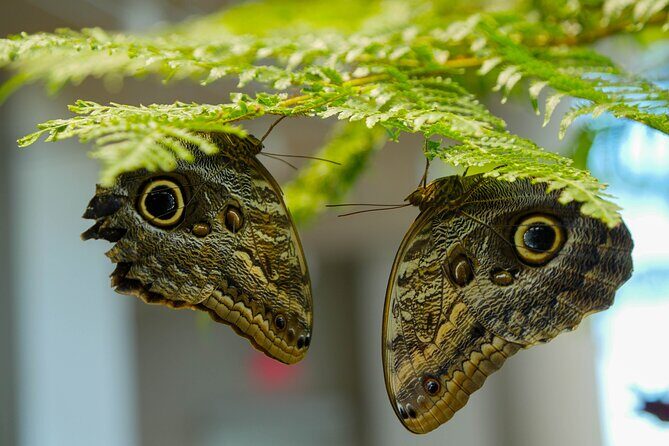
This ticket isn’t only about ocean animals. The Insectarium leans into interaction and active learning, which is a big reason families tend to rate it highly. Depending on what’s on during your visit, you may see bug-focused activities designed to get kids comfortable with insects rather than afraid of them.
One area that repeatedly earns affection is the Butterfly Garden. People often describe it as a favorite because it’s beautiful and slower-paced compared to the aquarium’s big tanks. It’s the place where you can reset after a lot of walking and still feel like you saw something special.
If you like hands-on learning yourself, the insect portion offers a different kind of curiosity—less about scale, more about behavior. And when kids get the chance to experience insects up close, it changes the whole tone of the visit.
VR add-on: worth it only if you really want it
There is a Virtual Reality experience on-site, but it’s not included. It costs $10 per person, so treat it like a nice extra, not the backbone of the day.
I’d skip it if you’re already packed with motion and excitement. But if you’re someone who enjoys tech add-ons and you’ll have the time to fit it in without rushing the rest, it can add variety to the visit.
Either way, the real value of this ticket is the animal-based exhibits. VR should feel like seasoning, not the main meal.
Timing: how to pace 2–3 hours without missing the best parts
Two to three hours is enough for a strong visit, but it’s also long enough to get tired if you keep moving nonstop. I suggest you think in chunks: do the big aquarium anchors first, then plan your insect and butterfly time like a cooldown.
Here’s a pacing approach that works for most people:
- Start with the Shark Discovery Touch Pool and Great Maya Reef tunnel
- Move into the Gulf habitat and the main aquarium galleries
- Save the Amazon Rainforest for when you’re ready to slow down
- Finish with the Insectarium and Butterfly Garden when energy is low but curiosity remains
This order helps because the most physically demanding moments (touch pool lines, tunnel crowds, longer exhibit viewing) happen early while you’re freshest.
Accessibility and walking surfaces: plan for real-world movement
This isn’t a “sit and watch TV” kind of outing. You’ll be on your feet for much of the visit, with areas that can feel uneven. The information for the ticket notes moderate physical fitness is recommended.
If you use a wheelchair, it helps to go in with realistic expectations. Some floors can include natural stone, which can be harder to roll across smoothly than flat indoor surfaces. Also, electric scooter rentals are not part of the setup here, so manual mobility support is the common expectation.
If you need support reaching specific areas, I’d keep flexibility in your schedule. In at least one case, staff support included helping someone reach the Butterfly Garden when other parts of the route weren’t feasible. That tells me the staff approach can be practical when you communicate what you can manage.
Bottom line: bring patience, plan breaks, and pick your must-sees.
Reviews score: what the 4.2 rating really suggests
This experience averages a 4.2 rating based on 62 reviews. That mix usually points to a place that hits the mark for most people, while a minority have frustrations—often related to access, time spent, or ticket scanning at entry.
The strongest praise consistently centers on two themes: the aquarium’s big exhibit design and the insect/butterfly portion for families. Most positive comments focus on how much there is to see under one roof and how interactive the experience can feel.
The negative experiences tend to be about friction—entrance issues caused by construction detours, or entry machines being picky about mobile tickets. You can reduce that friction with one simple habit: have a backup plan for your ticket.
Practical tips I’d use before you go
- Bring a backup for your mobile ticket. If your phone battery dips or a scanner misreads a screen, you don’t want your day to stall. Keep a screenshot ready, and if you’re the cautious type, print as well.
- Go for the hands-on first. Touch experiences and tunnels are the most likely to get crowded. Doing them early keeps your day calm.
- Give the rainforest time. It’s one of the more interesting galleries because it blends birds, plants, and less-common species. Rushing makes it feel smaller.
- Plan your insect time like dessert. The Insectarium and Butterfly Garden often land well at the end of a trip when you want something engaging but less intense than big aquarium tanks.
- Don’t forget the kids angle. Bug activities and butterfly viewing can turn a normal outing into a memory—especially if your group likes hands-on moments.
Should you book Audubon Aquarium and Insectarium tickets?
Yes, I think you should book if you want a weather-proof New Orleans plan that covers both ocean life and insect curiosity in one stop. The ticket is a good value because it includes two attractions together, and the exhibit lineup has real anchor moments like the Shark Discovery Touch Pool and the 30-foot tunnel.
I would reconsider only if you know you can’t handle long indoor walks or uneven surfaces. In that case, you can still enjoy parts like the Butterfly Garden, but you’ll want to go in with a flexible plan and extra time for accessibility needs.
If your idea of a great day includes animal encounters, interactive exhibits, and a calm-but-cool way to learn, this is one of those tickets you can feel good about buying.
FAQ
How long does the Audubon Aquarium and Insectarium visit take?
The experience is listed as about 2 to 3 hours.
What’s included in the ticket price?
The ticket includes Audubon Aquarium & Insectarium admission, plus all fees and taxes.
Is the Virtual Reality experience included?
No. The Virtual Reality experience is not included and costs $10 per person.
Where is Audubon Aquarium and Insectarium located?
It’s in New Orleans, and it’s adjacent to the French Quarter.
Is a mobile ticket used?
Yes. The ticket is mobile.
Are service animals allowed?
Yes, service animals are allowed.
Is public transportation nearby?
Yes. It’s noted as near public transportation.
What kind of physical fitness level is recommended?
A moderate physical fitness level is recommended.
What are some aquarium highlights included with admission?
You can visit the Shark Discovery Touch Pool, see the 30-foot-long Great Maya Reef tunnel, and explore the Amazon Rainforest and large Gulf of Mexico habitat.
Can I cancel and get a refund?
Yes. Cancellation is free if you cancel up to 24 hours in advance for a full refund.
When should I book for best timing?
On average, this is booked about 15 days in advance.