REVIEW · NEW ORLEANS
Cemetery Tour New Orleans
Book on Viator →Operated by DuPont and Company · Bookable on Viator
Cemeteries in New Orleans tell family stories. This cemetery tour New Orleans format focuses on how loved ones are placed and re-placed in family tombs, with a local guide who has ancestors entombed in the cemetery you visit.
I like the way the guide turns stone and symbolism into real burial explanations, not just spooky sightseeing. I also like that most of your time goes into one standout stop, with the cemetery admission included, and a short second stop nearby for a wider sense of the area.
One thing to plan around is heat and humidity. This is an outdoor walking tour, so if you hate sweating in public, bring shade and expect a slower pace in warm weather.
In This Review
- Key things to know before you go
- The City of the Dead idea: why this tour feels different
- St. Louis Cemetery No. 3: above-ground tombs and the two-coffin question
- What to watch for at this stop
- A practical drawback
- Bayou St. John: a short stop with big time depth
- How the tour works on the ground: timing, pace, and group size
- The emotional texture: facts, family, and what the stories imply
- Price and value: is $30 fair for this cemetery tour?
- Who this tour suits best (and who might want to rethink it)
- Should you book the Cemetery Tour New Orleans?
- FAQ
- How long is the cemetery tour in New Orleans?
- What stops are included on the tour?
- How much does the tour cost?
- Is admission included for the cemetery?
- Where do I meet the tour, and when does it start?
- How large is the group?
- What should I do if the weather is poor?
Key things to know before you go
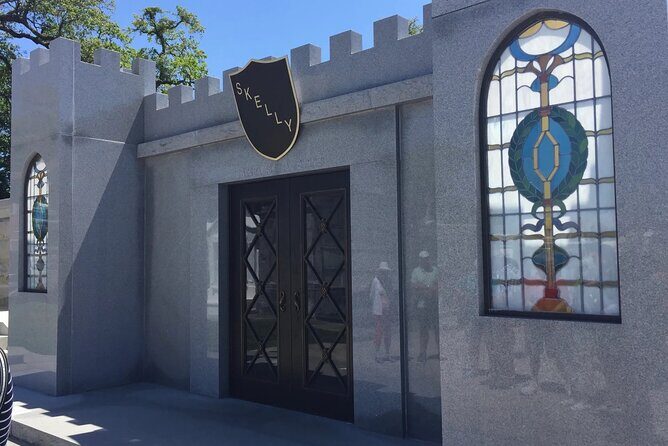
- Family tomb “recycling and rotation”: how a space built for two can end up holding far more over time
- Guide with personal ties: your leader is a New Orleanian with ancestors in the cemetery
- St. Louis Cemetery No. 3 gets the bulk of the time and is one of the oldest in the city
- Bayou St. John is a quick add-on, with nearby Spanish Fort and Spanish Customs House
- Small group (max 14) keeps the tour from feeling crowded
- Mobile ticket means you can keep it simple on arrival
The City of the Dead idea: why this tour feels different
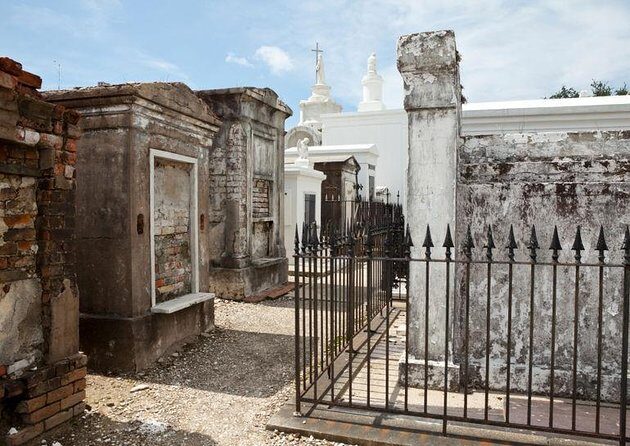
New Orleans cemeteries aren’t treated like sealed-off history. They’re more like family storage rooms that have to work over generations. The tour frames this with the city’s distinctive habit of recycling and rotation in family tombs, where the same spot can receive many entombments over time even when the tomb is built for just a couple.
That changes the tone. Instead of a checklist of names and dates, you’re listening to how communities handle grief, space, and family responsibility. I find that angle makes the whole experience more human, and it also explains why these cemeteries feel so intensely tied to today, not just the past.
And you get a guide who is not just reading from a script. The tour’s promise is that your New Orleanian guide has ancestors buried in the cemetery you’re visiting. That matters. It tends to turn the facts into something more personal, the kind of storytelling that sticks after you leave.
You can also read our reviews of more tours and experiences in New Orleans.



St. Louis Cemetery No. 3: above-ground tombs and the two-coffin question
The heart of the tour is St. Louis Cemetery No. 3, where you spend about 1 hour 20 minutes. This is your main walk and your main learning time, and it’s also one of the city’s best-known and oldest cemeteries.
You start by seeing the above-ground tombs, then you move into what makes New Orleans burial design so unusual: tombs can be built to hold only two coffins, yet those same family spaces can be used again and again across time. The tour focuses on why that happens, and that’s where the experience starts to feel like a lesson in how families adapt rather than just a lesson in architecture.
For me, the most interesting part is how the guide connects the physical layout to the living rules of the city. If you’ve ever wondered how a place can hold so much when it looks so fixed, this stop answers it. You’ll hear about the burial procedures and the logic behind “room for two” becoming “room for hundreds” when families continue the tradition—or when they don’t.
There’s also an emotional undercurrent here. One of the key themes that comes through in feedback is how it can feel sad when descendants no longer exist to maintain burial sites. Even without turning the tour into a guilt trip, that reality hangs in the air once you learn how maintenance and family ties fit into the system.
What to watch for at this stop
- How space gets used over time, not just how it looks
- The way tombs function as family property across generations
- The mood shift from curiosity to reflection as you understand maintenance and legacy
A practical drawback
Cemeteries are exposed. On hot, humid days, it can feel like the tour moves slower than you want. The best fix is preparation: bring shade (an umbrella helps) and plan to take breaks rather than pushing through.
Bayou St. John: a short stop with big time depth

After the cemetery, you add a second, much shorter stop: Bayou St. John for about 10 minutes. This is a quick hit, not a deep dive—think of it as a historical palate cleanser that places the cemetery area in a broader New Orleans timeline.
The tour highlights Bayou St. John as the oldest portage into New Orleans, which is a great detail because it explains why this spot matters for movement and settlement. And if you’re the type who likes geography that comes with stories, you’ll appreciate the nearby references: the old Spanish Fort and the old Spanish Customs House are in the area, and the tour notes that this neighborhood is older than the French Quarter.
Even in ten minutes, you get a sense that New Orleans isn’t one era layered on top of another. It’s multiple eras influencing the same land. That makes the cemetery stop feel even more grounded—like it belongs to a place that has been changing logistics and borders for a long time.





How the tour works on the ground: timing, pace, and group size
This is a 1 hour 30 minutes (approx.) experience that ends back at the meeting point. You start at Moss Street & Esplanade Avenue at 10:30 am and you finish where you began, which makes it easier to plan the rest of your day afterward.
The group is capped at 14 travelers. That’s small enough that you’re less likely to get lost in the back, and it usually means you can ask questions without feeling like you’re interrupting a conveyor belt of guests.
It also uses a mobile ticket, so you’re not scrambling for paper tickets or figuring out where the QR code lives. Confirmation is received at booking, which helps you relax the morning of.
The emotional texture: facts, family, and what the stories imply
Cemetery tours can go one of two ways: either they focus on spooky vibes, or they focus on the practical human side. This one leans into the human side, and that can hit harder than you expect—in a good way.
You’ll hear about burials and funerals as lived experiences, including the burial procedures that allow a family tomb to hold many entombments over time. And you’ll learn that the system depends on families continuing the work of maintaining sites. When that link breaks, the tour’s tone makes space for the uncomfortable reality that some graves don’t get the same care.
That’s also why this tour can feel surprisingly balanced. You’re not just staring at stonework. You’re learning how a community handles long-term care, reuse, and remembrance. Even if you’re not a history buff, the explanations give you a framework for what you’re seeing.
A quick note: this is not a “background” activity. If you prefer your sightseeing light and funny, you might find it a bit weighty. But if you like your travel with meaning, it’s exactly the kind of tour that teaches you how a place thinks.
Price and value: is $30 fair for this cemetery tour?
At $30 per person, this tour is priced as a mid-range guided experience. Here’s the value math that matters:
- You’re paying for a guided walk through one of the city’s oldest cemeteries
- The cemetery admission ticket is included in the main stop
- The second stop at Bayou St. John is noted as free, so it’s more like a bonus geography lesson than an extra paid attraction
- The group is small (max 14), which usually improves the quality of the storytelling and Q&A
If you’ve ever done cemetery-adjacent sightseeing where you pay for a guide but still get charged extra at the door, this arrangement feels more straightforward. The bulk of your money goes into one serious site and one serious guide-led explanation.
One more value point: this kind of tour benefits from timing. It’s commonly booked about 36 days in advance, which suggests it’s popular. If you’re going in peak season or on a date you really care about, book early rather than assuming last-minute space will be available.
Who this tour suits best (and who might want to rethink it)
This works best for you if you like:
- Meaningful local storytelling, not just dates and names
- Learning why New Orleans has its own burial logic, including the “recycling and rotation” idea
- Walking at a human pace with a small group
It might not be ideal if:
- You hate heat and humidity and don’t like walking outdoors for most of the morning
- You’re looking for a purely casual, low-emotion activity
- You want a stop with lots of time for photos and loitering—most of your time is structured around explanations
Should you book the Cemetery Tour New Orleans?
If you’re curious about how New Orleans turns burial into family continuity—and you want a guide who actually has a personal stake in the cemetery—you’ll likely enjoy this. The St. Louis Cemetery No. 3 portion gives you the core experience with the important context, and the Bayou St. John add-on gives you a quick bridge to the wider history of the area.
I’d book it if you can handle a warm day with the right shade and water plan. And I’d skip or reschedule if you’re sensitive to humidity and can’t get comfortable outdoors. With the small group size, included cemetery ticket, and focused stops, this one feels like a solid use of time rather than a rushed “photo and go” loop.
FAQ
How long is the cemetery tour in New Orleans?
It runs for about 1 hour 30 minutes.
What stops are included on the tour?
You’ll visit St. Louis Cemetery No. 3 and Bayou St. John.
How much does the tour cost?
The price is $30.00 per person.
Is admission included for the cemetery?
Yes. Admission ticket is included for St. Louis Cemetery No. 3, while the Bayou St. John stop is listed as free.
Where do I meet the tour, and when does it start?
The meeting point is Moss Street & Esplanade Avenue in New Orleans, and the start time is 10:30 am. The tour ends back at the meeting point.
How large is the group?
The tour has a maximum of 14 travelers.
What should I do if the weather is poor?
The experience requires good weather. If it’s canceled due to poor weather, you’ll be offered a different date or a full refund. You can also cancel for a full refund if you do it at least 24 hours before the experience start time.