REVIEW · NEW ORLEANS
New Orleans Citywide Driving Tour
Book on Viator →Operated by New Orleans Private Tours · Bookable on Viator
A New Orleans car ride can feel like a storybook. This private half-day tour threads major neighborhoods together with a licensed local guide, so you see the contrasts that make the city click—history, culture, and real-world change. I especially like the flexibility to shape the day around what you want to photograph or linger over, and the way a guide helps you connect what you’re looking at to what happened before.
The other big win for me is the private format (up to 4 people) with live commentary and lots of back-and-forth, not a lecture where you’re stuck just watching out the window. One drawback to plan for: you’ll be in the vehicle for much of the time, and if your ideal New Orleans day is mostly walking long distances, this is more about driving viewpoints and short stops.
You’ll usually roll out from the French Quarter area and cover around 50 miles of city streets, plus key stops like City Park and major uptown stretches. In my experience, that’s the sweet spot for first-timers and returnees who want structure without feeling rushed. A useful consideration: entrance fees for any unplanned attractions aren’t included, so if you want to add museum time or special sites, expect to handle those separately.
In This Review
- Key things that make this tour work
- The value: why pay for a private driving tour in New Orleans
- Getting started at 701 Chartres St: how the day begins
- The French Quarter baseline: getting the city’s logic before you speed off
- City Park stop: seeing Katrina’s storm surge impact in context
- Driving through neighborhoods: Marigny, Esplanade Avenue, and the architecture you can read
- Uptown New Orleans: sugar, plantations, and what the 1884 World’s Fair hints at
- University Section and Garden District: Tulane, Loyola, and the city’s education engine
- American Sector, Lafayette Square, and the Port: where modern New Orleans shows up
- Cemeteries and history on the move: how stops fit into the 2–3 hour plan
- Who this private driving tour is best for
- A quick word about the guide: Dominick’s approach
- Should you book this tour?
- FAQ
- How long is the New Orleans Citywide Driving Tour?
- What does the tour cost?
- Is pickup offered?
- Where does the tour start?
- What areas and landmarks does the tour cover?
- Can I choose the start time?
- Are food and drinks included?
- Are attraction entrance fees included?
- Does the tour operate in bad weather?
- Is cancellation free?
Key things that make this tour work

- Hotel pickup and drop-off plus a dedicated minivan/mini bus keeps your day stress-free.
- Private, up to 4 people means you can ask questions and tailor stops in real time.
- City Park and the Katrina storm surge story adds weight to the scenery you’ll see.
- A guided route through uptown and university areas ties architecture to the city’s growth.
- Big-picture stops like the Superdome, port area, Lafayette Square, and the World War II Museum area help you place modern New Orleans on the map.
The value: why pay for a private driving tour in New Orleans
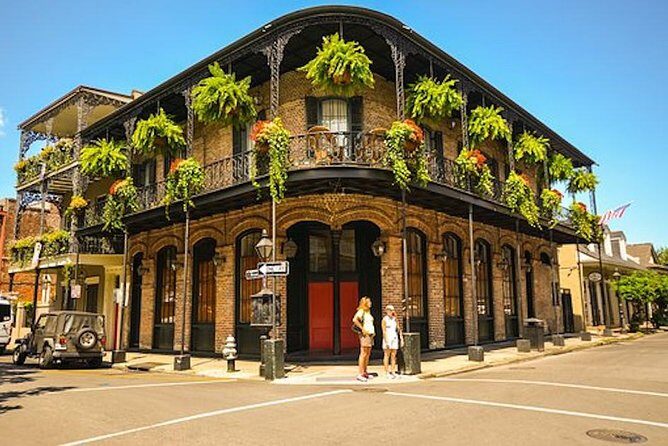
New Orleans can be surprisingly tricky to “self-drive well.” Traffic patterns change, parking can be a hassle, and neighborhoods feel far apart even when they’re only a short ride away. This tour solves the practical problem by doing the driving for you in a private vehicle, while your guide focuses on what to look for and why it matters.
At $595 per group (up to 4 people), the price really depends on how full your group is. If you’re traveling as a small party, you’re effectively buying convenience plus interpretation. That’s the difference between a car ride where you point and hope, and a guided route where you actually understand what you’re seeing as you pass it.
The other value piece is time. You’re out about 2 to 3 hours, and the tour covers a lot of ground—about 50 miles—without turning your day into a marathon. If you want the city’s key neighborhoods and landmarks in one sitting, this format is efficient.
You can also read our reviews of more tours and experiences in New Orleans.



Getting started at 701 Chartres St: how the day begins
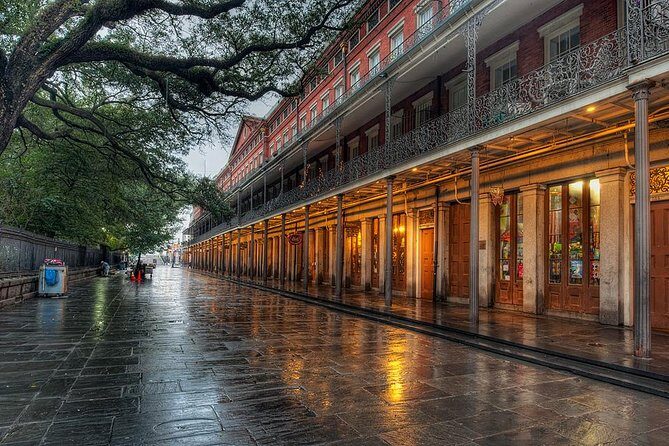
The tour starts at 701 Chartres St, New Orleans, LA 70116, and it ends back at the meeting point. You can also get hotel pickup and drop-off (and pickup/drop-off from designated meeting points), which is a big deal if you don’t want to deal with taxis, rideshare stacking, or figuring out where to park.
You’ll also get a mobile ticket, so there’s less paper fuss. And because it’s private, your vehicle and guide stay with your group—no swapping in strangers mid-route, no listening to someone else’s itinerary.
Start times are flexible. You can choose from several morning and afternoon options, and you’re allowed to designate stops for refreshment, photos, or an attraction you want to see up close. That means the day can match your energy level instead of forcing you into a rigid schedule.
The French Quarter baseline: getting the city’s logic before you speed off

Even before the major stops, you get orientation. The tour starts near the French Quarter and your guide explains the basic history of the city. That matters, because New Orleans isn’t just “pretty streets.” It’s a layered place shaped by different cultures, trade, and political control over time.
Once you have that foundation, you’ll start noticing patterns as you drive:
- where certain neighborhoods sit in relation to the “center”
- how architecture changes as you go uptown
- how the city’s story keeps showing up in street names, civic spaces, and the scale of buildings
This is also where a private guide shines. You can ask questions as you go, and the guide can steer the conversation toward what you find most interesting—universities, migration and conflict, economic history, or how the city rebuilt after disaster.
City Park stop: seeing Katrina’s storm surge impact in context
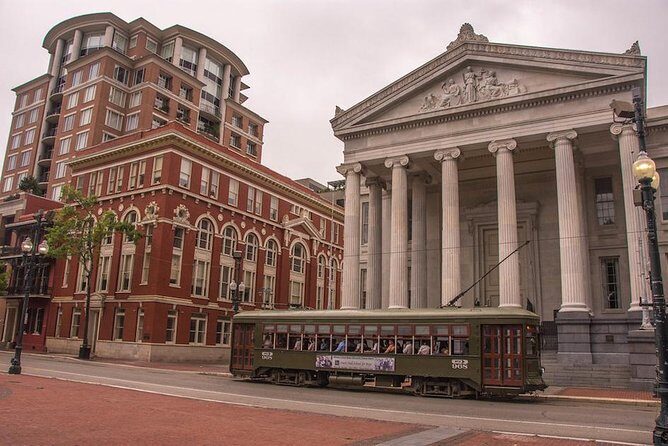
One of the most memorable parts is City Park. You’ll get time there while the guide connects the scenery to Hurricane Katrina. The key detail is that the storm surge in Hurricane Katrina made landfall in this area.
This isn’t the kind of stop where you’re just looking at a landmark and moving on. It gives you a lens for understanding why certain areas and institutions feel the way they do today. City Park looks like open space and leisure from a distance, but with the context, you read it differently—like a place that survived something huge and still carries that history.
Practical tip: even if the park setting looks relaxed, dress for real weather. The tour runs in all weather conditions, so bring what you’d bring for a normal outdoor day—hat for sun, rain protection if needed, and shoes that are comfortable for short walks.
Driving through neighborhoods: Marigny, Esplanade Avenue, and the architecture you can read
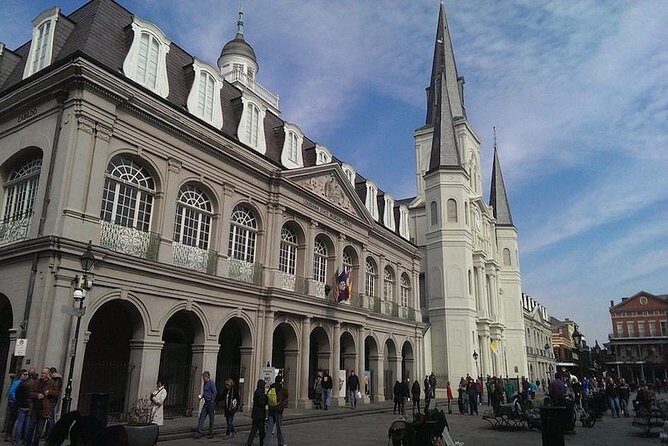
As you move out from the initial French Quarter base, you’ll pass through areas like Marigny and Esplanade Avenue, then continue through a broader loop of historic neighborhoods. The route is designed to show the city’s contrasts fast—how one block can feel like lived-in neighborhood life, and another can feel like a grand civic or historic corridor.
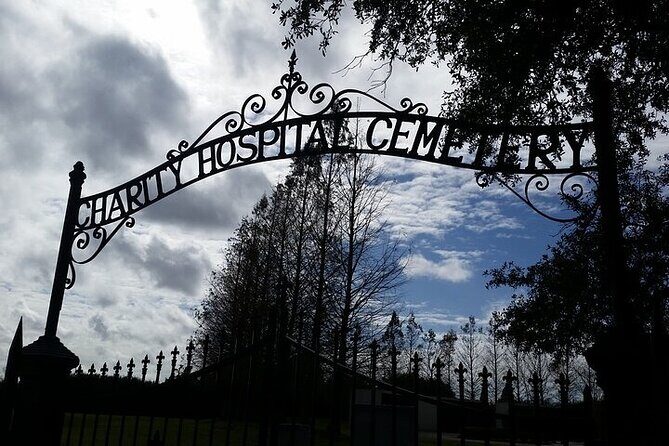
You’ll also see a cemetery stop along the way, which helps keep the tour grounded in the city’s unique traditions instead of treating it like a sightseeing drive-only day.
What I like about this kind of route is that you start “reading” New Orleans. You can look at building scale and street layout and understand when the city was expanding, when it was protecting itself, and where certain influences took hold.






Uptown New Orleans: sugar, plantations, and what the 1884 World’s Fair hints at
The guide ties several threads together while you’re in the uptown conversation. You’ll hear about the invention of granulation of sugar, the 1884 World’s Fair, and how these economic forces connect to plantations and the way wealth and power shaped parts of the city.
Even if you don’t usually care about industrial history, the way it’s explained here helps you see why neighborhoods look the way they do. The city grew and prospered through specific systems, and those systems left behind street-level clues—patterns of investment, building types, and civic ambition.
A note for expectations: this is still a driving tour, so the history comes in “chunks.” It’s ideal if you want context without getting stuck in a museum for hours. If you’re the type who loves long indoor deep-reads, you might add an optional museum stop on your own at the guide’s suggestion points, since entrance fees aren’t included for unplanned attractions.
University Section and Garden District: Tulane, Loyola, and the city’s education engine

You’ll cover the University Section and the tour specifically mentions Tulane and Loyola, plus discussion of all the universities in the city. For me, this is one of the best parts of a citywide route, because it explains how education shapes housing, commerce, and neighborhood identity.
It also helps you understand New Orleans as a living city, not only a place of old buildings. Universities create a constant mix of students, staff, visitors, and ideas. That energy changes what a neighborhood feels like at street level, even when the architecture remains classic.
Then you’ll pass through areas associated with the Garden District, where the residential character makes an easy visual comparison against other parts of the city. You’ll get plenty to look at from the vehicle and in any short stop moments your group chooses.
American Sector, Lafayette Square, and the Port: where modern New Orleans shows up
As the route turns toward the central parts of the city, the guide shifts from “old story” to “how the city developed afterward.” You’ll hear about the development of the American Sector, plus discussion of major modern landmarks and civic space.
Key sights in this stretch include:
- the World War II Museum area
- the art district
- Lafayette Square
- the Superdome
- the port
This sequence is smart. It helps you connect New Orleans today to the city’s broader development—where big institutions are located, why civic landmarks matter, and how the city’s identity continues to evolve. Even if you’ve been to some of these spots before, having the guide’s framing tends to make them feel less random and more like a system.
If you care about photography, this is where your phone and camera can work overtime. You’ll be near major landmarks without having to do the heavy navigation yourself.
Cemeteries and history on the move: how stops fit into the 2–3 hour plan
This tour includes a cemetery stop as part of the driving loop. Cemeteries in New Orleans aren’t just places to visit. They’re part of the city’s cultural fabric and an important key to understanding how the past is handled here.
Because this is a private tour with short stops, you’re not expected to spend half a day inside. Instead, you get the guide’s explanation, a chance to see what makes the cemetery special, and then you move on while the rest of the route is still fresh.
One good strategy for you: decide in advance which kind of stop you want most. If cemeteries are a priority, spend your time there. If photos and architecture matter more, ask the guide to build the break around viewpoints and street-level scenes.
Who this private driving tour is best for
This tour is a strong match if you:
- want a first-time New Orleans overview that still feels grounded and specific
- prefer driving and short stops over long walks
- like asking questions and getting real answers in real time
- want to cover multiple neighborhoods in one half-day without planning parking routes
It also works well for people who’ve been to New Orleans before and want a sharper explanation of what they missed or misunderstood—especially in how the city connects disasters, economic change, and civic development.
A quick word about the guide: Dominick’s approach
The most praised element from past guests is the guide himself. In particular, Dominick comes up again and again for being a top-class communicator. He’s described as a city planner for New Orleans who has lived in the city for generations, which helps explain why his stories feel tied to the street-level reality you’re seeing. The tour includes live commentary plus an open discussion feel, so you’re not stuck waiting for the next stop to ask a question.
That’s the difference you’ll likely notice: the tour isn’t just facts. It’s interpretation, and it’s interactive.
Should you book this tour?
If you’re trying to make the most of limited time, this is one of the more practical ways to see New Orleans at “maximum city coverage per hour.” The private format, hotel pickup options, and guide-led context do real work for you—especially if you’re balancing sightseeing with heat, schedule pressure, or first-day orientation needs.
Skip it only if your ideal New Orleans day is mostly walking-heavy exploring, with lots of long indoor stops. This is a driving tour, so you’ll be trading some foot exploration for a broader route and a guided storyline across the city.
FAQ
How long is the New Orleans Citywide Driving Tour?
The tour is about 2 to 3 hours, and the exact length can vary based on weather, traffic, and requests from your group.
What does the tour cost?
It costs $595.00 per group, up to 4 people.
Is pickup offered?
Yes. The tour includes hotel pickup and drop-off, plus pickup and drop-off from designated meeting points.
Where does the tour start?
The meeting point is 701 Chartres St, New Orleans, LA 70116, USA.
What areas and landmarks does the tour cover?
You’ll see the French Quarter area, St. Charles Avenue, the University Section, Garden District, City Park, the lakefront, and the central business district. The tour also discusses areas connected to the Ninth Ward, and it references places such as the World War II Museum area, the art district, Lafayette Square, the Superdome, and the port.
Can I choose the start time?
Yes. The tour offers several morning and afternoon start times, and you can choose your start time.
Are food and drinks included?
No. Food and drinks are not included, but you can designate stops for refreshment.
Are attraction entrance fees included?
No. Admissions for unplanned attractions are not included.
Does the tour operate in bad weather?
Yes, it operates in all weather conditions. You should dress appropriately.
Is cancellation free?
Yes. You can cancel up to 24 hours in advance for a full refund. Cancellation changes within 24 hours of the start time are not refunded.