REVIEW · NEW ORLEANS
Crescent City History Tour
Book on Viator →Operated by New Orleans Drunk History Tours • Show Me New Orleans Tours · Bookable on Viator
New Orleans grabs you fast, and this walk keeps it moving. The Crescent City History Tour links French Quarter landmarks with stories about how the city formed, including voodoo-related figures and practices. It’s built for easy wandering, with multiple start times so you can fit it into a busy day.
I like that you get a guided route through the postcard zone—Jackson Square, St. Louis Cathedral, the Presbytere, and Cabildo areas—without needing to plan anything. I also like the price-to-time value: for $35, you’re spending about 1–2 hours on foot with a guide and a structured flow (plus photos are encouraged).
The one thing to think about is the walking. It’s a moderate-paced neighborhood stroll, and bar crowds or wait time can affect how long you’re out. Wear real shoes and be ready for New Orleans weather.
In This Review
- Key highlights
- Why this 1–2 hour French Quarter walk is such a smart plan
- Meeting at 941 Bourbon St: the part people trip on
- Stop 1: Lafitte’s Blacksmith Shop Bar area and the way the tour sets the tone
- The French Quarter walking segment: Jackson Square, St. Louis Cathedral, and beyond
- Voodoo in the streets: what the tour teaches (and what to take seriously)
- Presbytere, Cabildo, and the Ursuline story: the buildings you’ll recognize
- Beauregard-Keyes House and the New Orleans Pharmacy Museum: details you’ll want on your radar
- Pace, timing, and what to wear so you don’t rush the experience
- Price and value: is $35 worth it in the French Quarter?
- Who this tour is best for (and who should skip it)
- Should you book the Crescent City History Tour?
- FAQ
- How long is the Crescent City History Tour?
- How much does the tour cost?
- Where do I meet the tour?
- Where does the tour end?
- Is the tour in English?
- Are drinks included?
- Do we enter museums or private locations?
- What if I need to bring a service animal?
- What if the weather is bad?
- Can children join?
Key highlights
- Meet at 941 Bourbon St, at the Lafitte’s courtyard gate (not inside the bar)
- Jackson Square focus with major French Quarter landmarks in one route
- St. Louis Cathedral, Presbytere, and Cabildo areas up close from the sidewalk
- Voodoo practice and famous figures explained as part of local tradition
- 1–2 hours walking, with morning/afternoon/evening departures
- Free admission ticket listed for the sights on the walk, with no entry into private locations
Why this 1–2 hour French Quarter walk is such a smart plan
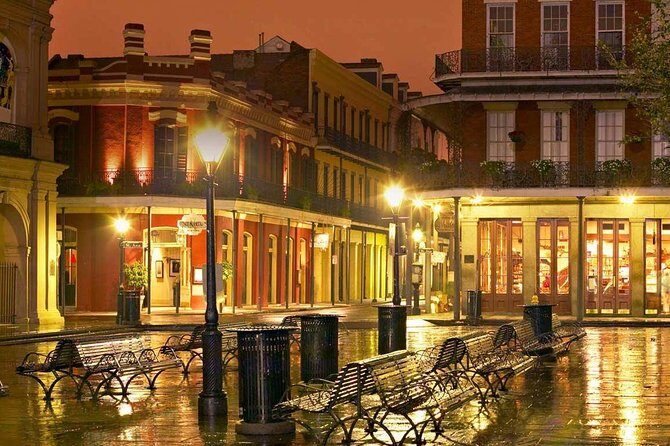
This tour is short on purpose. In the French Quarter, where streets tangle and it’s easy to lose the thread, a guided route helps you get your bearings fast and then keep exploring on your own afterward.
You’re looking at roughly 1 to 2 hours on foot, and the format stays simple: you meet, you walk, you stop for stories, and the tour ends right in the middle of where you’ll want to keep sightseeing. If your schedule is tight (or your legs already feel like they’re in charge), this length is a good fit. It’s also the kind of activity that works early in the day, before the Quarter gets too warm and too crowded.
Because it’s a group tour, you’ll want to match the pace. The operator calls it moderate paced, and there’s a note that time can run long due to bar wait time. Translation: don’t plan a tight dinner reservation at the exact finish time—leave yourself a cushion.
You can also read our reviews of more city tours in New Orleans


Meeting at 941 Bourbon St: the part people trip on
Let’s make this easy: you don’t meet inside Lafitte’s Blacksmith Shop Bar. You meet outside at the gate of the courtyard attached to the Legendary Lafittes Blacksmith Shop Bar at 941 Bourbon St.
A couple important details:
- Tours meet and depart at the courtyard gate, not at a street corner.
- You’ll want to arrive a few minutes early and check in with the guide.
- If you’re late, the guide won’t wait, since they start on schedule.
That might sound strict, but it’s exactly what keeps a walking tour from turning into a traffic jam of lost people. New Orleans streets are old, uneven, and narrow—so the tour has to keep moving. If you want a smooth start, set your phone map to the meeting address and look for the courtyard gate by the bar.
Also note: there’s mobile ticket confirmation, and the tour is in English. If your phone service is spotty while you’re walking, take a screenshot of your ticket ahead of time.
Stop 1: Lafitte’s Blacksmith Shop Bar area and the way the tour sets the tone
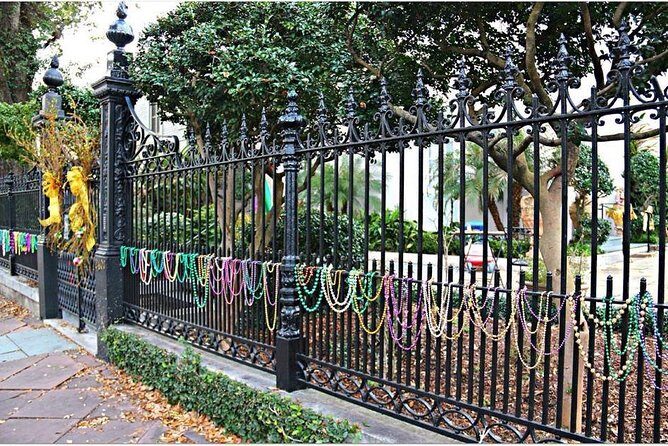
The tour begins at 941 Bourbon St, in the area around the courtyard gate attached to Lafitte’s. You’re not going inside for the tour meet. The plan is to start with a local landmark that anchors the day—then the guide steers you into the French Quarter’s big-picture story.
What this first phase is good for:
- You get oriented fast. Bourbon Street is loud and busy, so a guide gives you structure before you head into quieter corners.
- It helps you understand the Quarter as a layered neighborhood, not just a row of buildings.
You’ll also notice the tour stays focused on seeing landmarks rather than shopping or doing lots of paid entrances. The tour notes no entry into private locations, and it lists items with free admission. Practically, that usually means you’ll rely on the walk and the stop-and-explain moments more than inside visits.
The French Quarter walking segment: Jackson Square, St. Louis Cathedral, and beyond
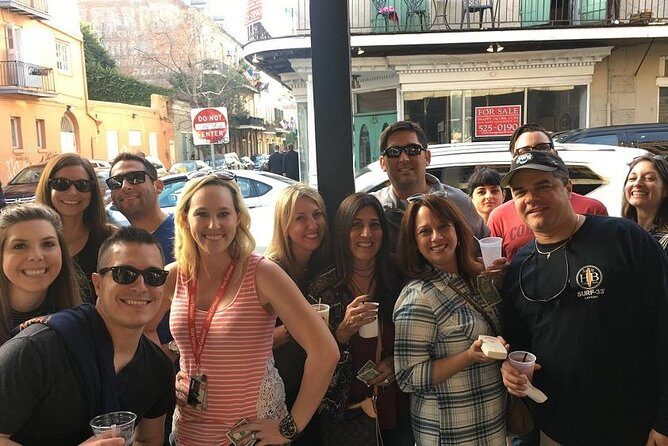
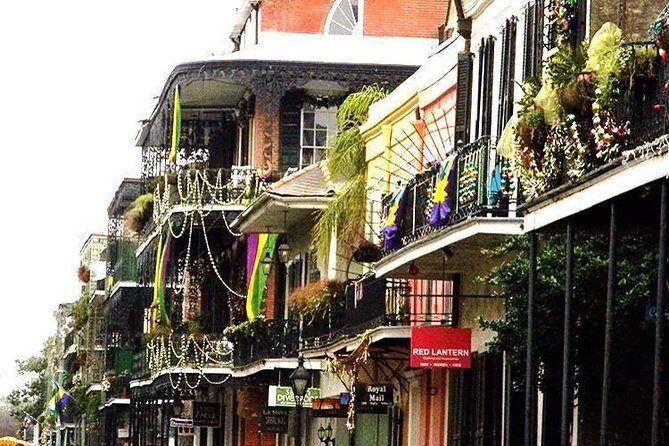
From there, the tour rolls right into the core French Quarter sights, with Jackson Square as a central stop. If you’ve ever seen New Orleans postcard images, this is where the vibe starts.
Here’s what you can expect during this portion:
- Jackson Square: the guide points out historic buildings and helps you connect what you’re seeing to how the city developed.
- St. Louis Cathedral: you’ll view it as part of the larger neighborhood story, not as a standalone photo stop.
- The Presbytere and Cabildo: you’ll get context on these landmark-adjacent buildings from the street.
- Old Ursuline Convent Museum area: you’ll see it as a key piece of the Quarter’s built environment.
Even without going deep into interior spaces, these stops are valuable because they give you the “why” behind the layout. In the French Quarter, the same streets that look like movie sets also carry clues about religion, government, community life, and immigration patterns over time. A good guide can turn a skyline view into a city lesson without killing the fun.
One small consideration: since it’s a walking tour, your “up close” view will still depend on crowd levels at the square. If it’s peak time, you may have to adjust your photo angle and let other people pass. That’s normal here.
Voodoo in the streets: what the tour teaches (and what to take seriously)
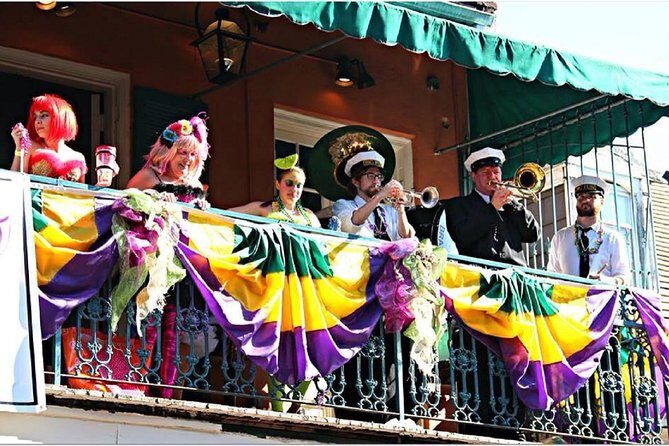
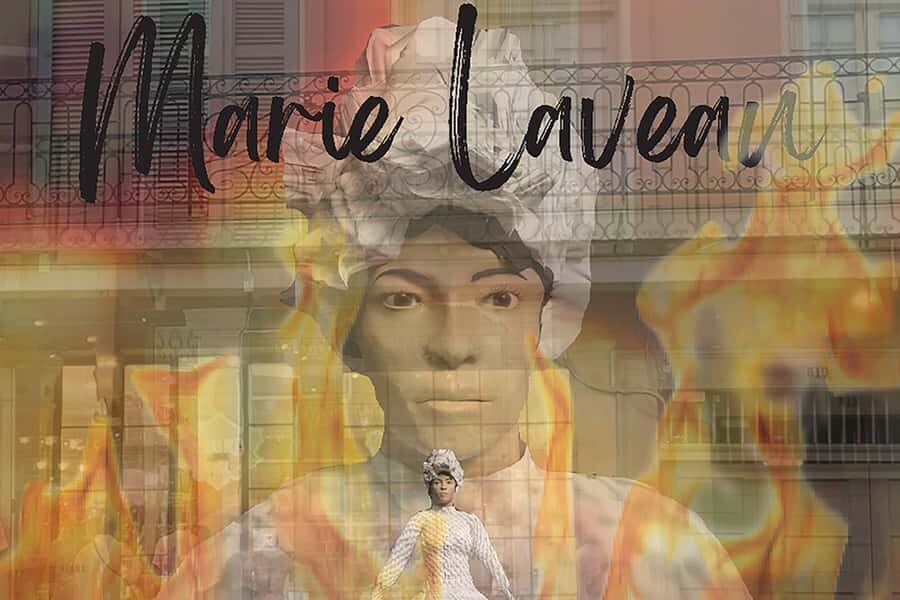
One of the most interesting parts is the voodoo segment—specifically the practice and famous figures tied to it. This is where the tour earns its name as more than just a highlight reel.
You should expect the guide to explain voodoo as part of local tradition and identity in New Orleans, not as a Halloween costume story. The aim is to give context and history so you understand why it shows up in the city’s culture, street narratives, and older buildings.
Here’s how I’d approach it as a listener:
- Keep an open mind, but also ask yourself what’s explanation vs. storytelling.
- Watch how the guide connects it to specific places and local culture rather than treating it like a separate theme park.
This part can be the most memorable because it explains things you’d otherwise only notice in passing—names, symbols, and references you might see while wandering.
You can also read our reviews of more historical tours in New Orleans



Presbytere, Cabildo, and the Ursuline story: the buildings you’ll recognize
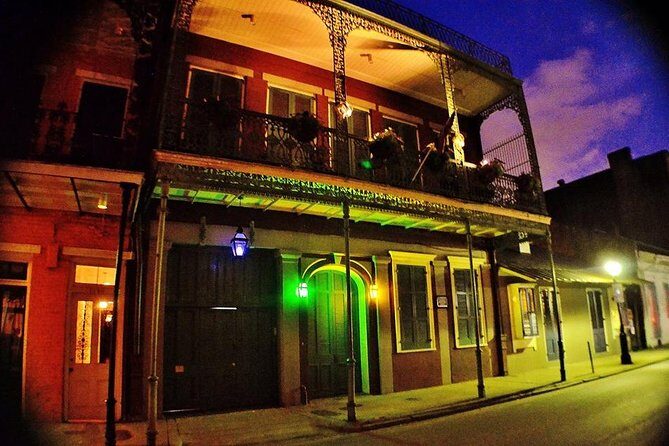
If Jackson Square is the opening scene, the nearby historic structures are where the plot thickens.
During this stretch, you’ll see:
- Cabildo: part of the cluster of civic and institutional buildings that made the Quarter a center of official life.
- The Presbytere: another prominent landmark in the same neighborhood orbit, easy to spot when you know what to look for.
- Old Ursuline Convent Museum area: a reminder that this district wasn’t only about commerce and nightlife—it also held long-running educational and community threads.
The practical value here is that you leave with names. When you walk the Quarter afterward, you’ll spot these buildings again and understand what you’re looking at. That turns casual wandering into something more satisfying.
One drawback to keep in mind: this is mostly observation from the public sidewalk. The tour rules say no entry into private locations, so don’t count on jumping into every labeled site as part of the included experience. If you want interiors, you can always plan those separately for later.
Beauregard-Keyes House and the New Orleans Pharmacy Museum: details you’ll want on your radar
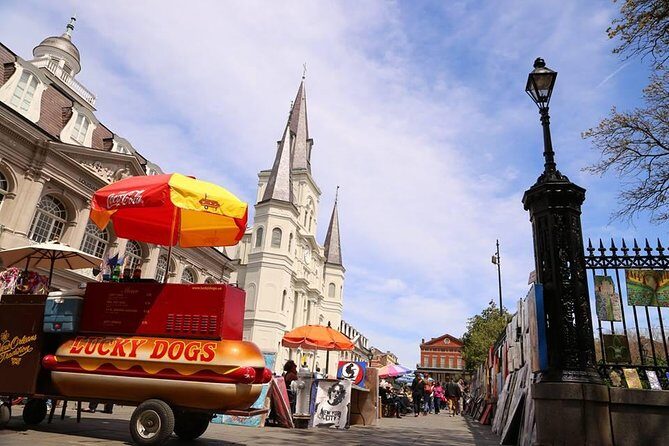
The itinerary also includes stops around:
- Beauregard-Keyes House
- New Orleans Pharmacy Museum
- plus more stops along the walk
These are the kind of places that can make the French Quarter feel more real. It’s easy to focus only on the big-ticket icons. These stops help you notice the small turns in the story—how daily life worked, how buildings were used, and how the city’s social and commercial world evolved.
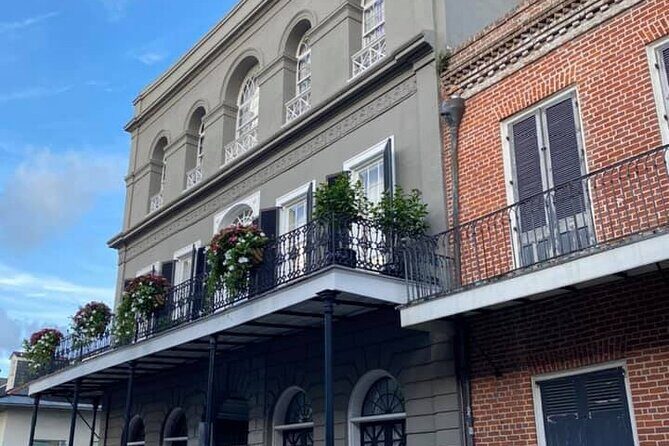
If you enjoy architecture, doorways, plaques, and “wait, what is that?” moments, this section is likely to reward you. And if you’re traveling with someone who loves photos, these are good places to slow down and frame a shot without getting lost in the crowd.
Pace, timing, and what to wear so you don’t rush the experience
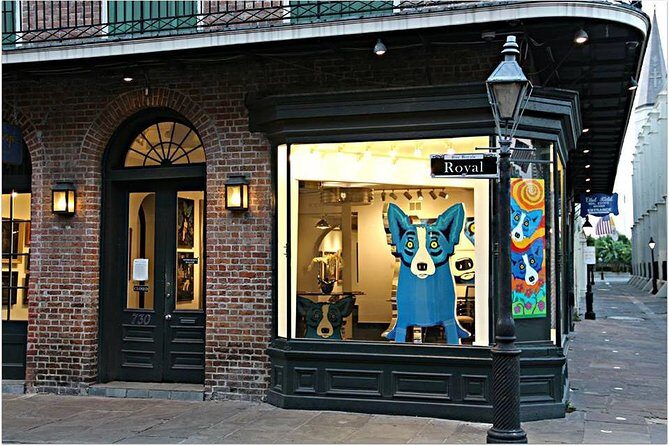
This tour is a walk-first plan. The operator describes it as moderate paced, and the duration can run 1–2 hours, depending on timing and any waiting during bar stops.
So do yourself a favor:
- Wear comfortable shoes. The Quarter’s streets are uneven and the sidewalks can be crowded.
- Bring a layer. The weather can swing in New Orleans.
- If you’re sensitive to heat, aim for a morning or evening departure time.
Tours also note that times can change due to local traffic, and updates are sent by text and/or email. Make sure your reservation info has a working phone number.
Also worth knowing: the tour doesn’t include drinks. It mentions drinks are available to purchase along the route, and the guide can’t pause the group to let people wander off for photos. That keeps everything moving, but it means you’ll need to plan quick photo moments while staying with the group.
Price and value: is $35 worth it in the French Quarter?
At $35 per person for about 1–2 hours, this is priced like a classic guided walking tour—meaning the value is in the story and the route design, not in a stack of paid attractions.
Here’s what you’re getting for the money:
- A guided French Quarter walk with named stops
- Context that ties major landmarks (Jackson Square, St. Louis Cathedral, Presbytere, Cabildo) together
- A focused section on voodoo practice and famous figures, which you’d rarely get in a casual self-guided wander
- A free admission ticket listed for the sight set, with no entry into private locations
So if you want to walk, learn a few names, and leave with a clearer sense of how the Quarter works, the price makes sense.
If you already know the French Quarter well and you mainly want museum interiors, you might feel like it’s more “walk and learn” than “access and entry.” But for first-time planning—or for a second trip when you want deeper context—this hits a sweet spot.
Who this tour is best for (and who should skip it)
I’d put this tour at the top of your list if you:
- Want a structured French Quarter experience without building an itinerary
- Like guided storytelling that connects architecture and local traditions
- Prefer a short walking plan you can fit between other activities
- Travel with teens or friends who do better when a guide keeps things moving (one guide named Cody is described as super personable and great at keeping it engaging)
You might want to consider something else if you:
- Can’t do walking tours or need long breaks
- Want lots of museum interior time as part of the included cost
- Hate group pacing and need to wander independently
Should you book the Crescent City History Tour?
Yes, book it if you want a high-value, low-planning way to understand the French Quarter. The tour’s best strength is that it connects big landmarks to real cultural threads—especially with the voodoo segment—and keeps the whole experience to a manageable 1–2 hours.
Skip it only if you’re expecting nonstop indoor access or you’re not comfortable with moderate walking. Otherwise, arrive a little early, meet at the Lafitte’s courtyard gate on Bourbon Street, and let the guide do the heavy lifting of turning streets into a story.
FAQ
How long is the Crescent City History Tour?
The walking tour lasts about 1 to 2 hours.
How much does the tour cost?
The price is $35.00 per person.
Where do I meet the tour?
Meet at 941 Bourbon St, New Orleans, LA 70116, at the gate of the courtyard attached to Lafittes Blacksmith Shop Bar. Tours do not meet inside the bar and do not meet at a street corner.
Where does the tour end?
The tour concludes in the heart of the French Quarter.
Is the tour in English?
Yes, the tour is offered in English.
Are drinks included?
No. Drinks are available to purchase along the route.
Do we enter museums or private locations?
No entry is gained inside private locations.
What if I need to bring a service animal?
Service animals are allowed.
What if the weather is bad?
The tour is rain-or-shine. If it is canceled due to poor weather, you’ll be offered a different date or a full refund.
Can children join?
Children under age 18 are not admitted without a parent or guardian unless authorized by one of the tour guides.