REVIEW · NEW ORLEANS
Explore Oak Alley Plantation Guided Tour with Transportation
Book on Viator →Operated by Nawlins Luxury Tours · Bookable on Viator
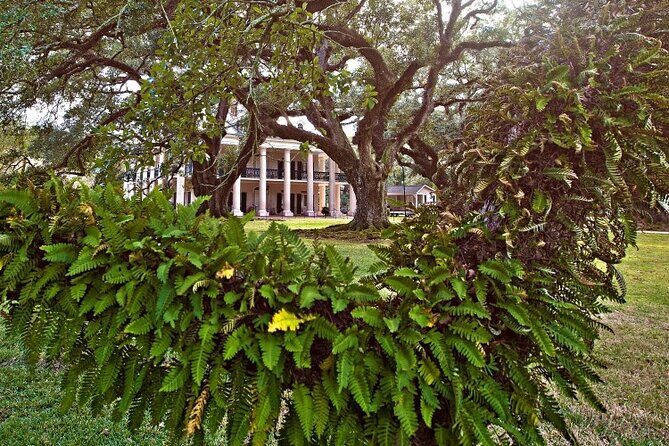
28 oak trees set the mood fast. This guided trip takes you from New Orleans to Oak Alley Plantation in Vacherie, where the avenue’s dramatic story leads into a Greek Revival mansion, working-farm artifacts, and focused exhibits that explain plantation life.
I especially like the hotel pickup and drop-off. It saves you from dealing with timing and driving logistics on your own, which matters when you’re spending most of the day on the road. I also like that the guided storytelling covers more than the house, including antique machinery and on-site exhibits tied to sugar and labor.
One consideration: the day includes a lot of transit time. Even with the included admission and a guided visit, you’ll be moving through the plantation on a set schedule, so it can feel tight if you want to slow-walk every room and every exhibit.
In This Review
- Key highlights at a glance
- Oak Alley’s 28-oak entrance and Greek Revival mansion vibe
- Price and timing: where the $80 value really lands
- Hotel pickup and the practical comfort of riding with the group
- The guided walking tour: what you cover on the grounds
- Inside the mansion: Greek Revival interiors and original features
- The Slavery at Oak Alley exhibit: the part you should prioritize
- Sugar Cane Theater, the Confederate officer tent, and the Black Smith Shop House
- Antique farm machinery and why it works on a guided tour
- Amenities: restaurant and souvenir shop, plus what to plan for meals
- Group size and guide energy: what to expect from Nawlins Luxury Tours
- Who this tour fits best (and who should choose another approach)
- Should you book this Oak Alley guided tour with transportation?
- FAQ
- FAQ
- How long is the Oak Alley Plantation guided tour with transportation?
- What does the tour include?
- Is admission to Oak Alley included?
- Where is Oak Alley Plantation located?
- Is food or drinks included?
- Is there hotel pickup and drop-off?
- Is the ticket mobile?
- How much walking is involved?
- Does the tour run in bad weather?
- What is the group size limit?
- What is the cancellation cutoff for a full refund?
Key highlights at a glance

- 28 huge oak trees line the approach, and they pre-date the plantation house
- Greek Revival mansion interiors with original features and period details
- Slavery at Oak Alley exhibit covering life from about 1835 through the Civil War’s end
- Sugar Cane Theater plus farm buildings, tying sugar production to the people who lived there
- Black Smith Shop House featuring one of the few remaining 1890s era forges of its type in Louisiana
- Small group size (up to 26 people) with hotel transportation included
Oak Alley’s 28-oak entrance and Greek Revival mansion vibe
Oak Alley’s signature moment is the drive up the road lined with 28 massive oak trees. They’re not just scenery. They’re part of why the place is named Oak Alley at all, and they’re described as predating the plantation house that sits beyond them.
When you reach the main house, the architecture does what it was built to do: it impresses. The mansion is Greek Revival and dates to the 19th century, and you’ll get a guided walking look at the property that frames the rooms and artifacts in context, not just as photo backdrops.
You should also know this is a plantation site with layers you can’t ignore. The tour experience includes exhibits that address slavery and plantation life directly, so it’s best viewed as educational first, aesthetic second. If you come in with that mindset, the time on site feels meaningful instead of superficial.
You can also read our reviews of more guided tours in New Orleans



Price and timing: where the $80 value really lands

At about $80 per person, the big value isn’t just the admission. It’s the transportation from New Orleans plus a driver/guide who helps turn the trip into a plan you can follow without stress.
The trade-off is time. The overall duration is about 5 hours 30 minutes, but most of that day is wrapped around getting to Vacherie and back. One real-world schedule split the day roughly into about an hour each way, with around an hour on the property for a guided mansion look and time connected to the slavery-area visit. Your exact timing may differ, but it’s a good way to think about what you’re buying: convenience plus a focused visit, not a slow, unhurried full-day experience.
Pickup can also be earlier than you expect. If you’re staying in New Orleans, you’ll want to be ready for a pickup window listed by the operator so you don’t lose time sitting around or, worse, missing the group. The tour runs in all weather conditions, but it may be adjusted or canceled in poor weather, depending on the day.
So ask yourself one question: do you want a guided “best of” visit with transportation? Or do you want a long, detailed self-paced day? This one leans toward the guided-and-convenient side.
Hotel pickup and the practical comfort of riding with the group

This is one of the easiest plantation trips to do from New Orleans because hotel pickup and drop-off are included. You provide your pickup information, then you show up when your pickup window is scheduled, and the rest is handled.
The tour uses a mobile ticket, so there’s less to print and more to keep track of on your phone. I recommend doing a quick checklist the night before: confirmation email received, pickup details read, and the mobile ticket ready.
Since the group max is 26 people, the van or vehicle experience is not a huge cattle-car situation. You’ll still be sharing the trip with other people, but you’re unlikely to feel totally lost in a crowd.
The guided walking tour: what you cover on the grounds

Once you’re at Oak Alley, the pacing becomes the story. The guided experience includes a walking visit through the plantation grounds and points you to key areas and exhibits.
The property is where the tour earns its credibility. You’re not only viewing the mansion from outside; you’re getting a guided look at the home’s interiors and the historic features on site. There’s also mention of antique farm machinery up close, which helps shift the focus from the house’s glamour to what a plantation machine actually required.
The walking is described as moderate. That likely means you’re moving at a steady pace across paths and between buildings, with enough stops that you can catch your breath, but not enough to treat it like a short museum stroll. If you’re doing this with mobility limits, you should plan your footwear and pacing carefully.
Inside the mansion: Greek Revival interiors and original features
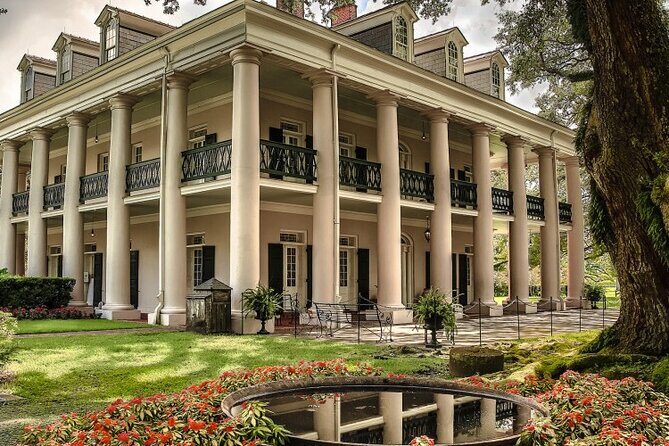
Your time at Oak Alley includes a guided look at the main house. The mansion is described as having gracious interiors with hardwood floors and chandeliers that catch the light. In practical terms, that means you’ll get a structured route through the rooms rather than wandering until you’re bored.
What makes the mansion visit useful is that it doesn’t stay in the decorative lane. The tour is tied to exhibits that interpret plantation life directly, so when you’re in rooms or viewing original features, there’s a layer of meaning connected to who lived and worked there.
You may not have hours to linger in every corner, so focus on what resonates. If you’re into architecture, take a moment to notice how the Greek Revival style communicates wealth and power. If you’re more into daily life, keep your attention on what the exhibits are pointing you toward as you move.






The Slavery at Oak Alley exhibit: the part you should prioritize
Oak Alley includes an exhibit called Slavery at Oak Alley, which covers the story of enslaved people on the sugar plantation from about 1835 to the end of the Civil War. It also addresses daily life topics such as healthcare, punishment, and life after emancipation.
This is the stop that changes the tone of the visit. The mansion and the trees can create a pull toward romance, but this section grounds the experience in reality. If you only have limited time on site, still make sure you don’t speed through this area with your eyes only half open.
I also like that the exhibit isn’t generic. It’s specifically connected to daily life and major life transitions, including emancipation. That’s the kind of information that turns a historic site from a backdrop into an education.
Sugar Cane Theater, the Confederate officer tent, and the Black Smith Shop House
The plantation story here isn’t told from one angle. You get multiple stops that broaden what the grounds represent.
The Sugar Cane Theater uses video and exhibits to explain sugar’s impact on people connected to Oak Alley. That matters because sugar wasn’t just a product. It drove the labor system, the daily routine, and the economics behind the scenes.
There’s also a Confederate Commanding Officer’s Tent exhibit. It’s presented as part of the on-site storytelling, which means you’ll see how different narratives show up on plantation grounds. If you prefer a strictly labor-and-society focus, this portion may feel less aligned with your interests, but it’s still part of how the site chooses to interpret the era.
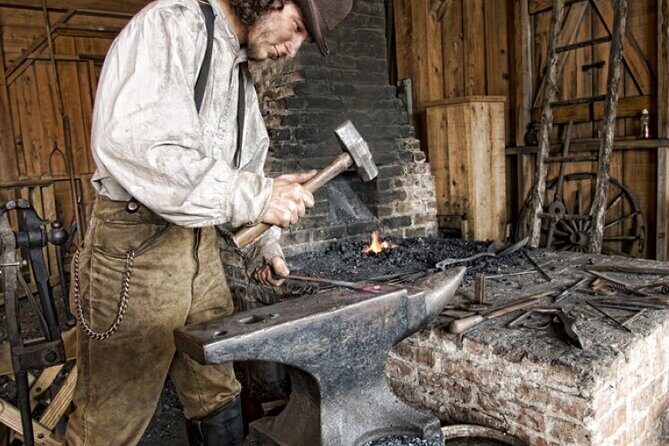
Don’t miss the Black Smith Shop House either. It’s described as one of the few remaining 1890s era forges of its type in Louisiana. In a guided format, a working-site artifact like this is valuable because it makes the plantation feel industrial, not just theatrical.
Antique farm machinery and why it works on a guided tour
One of the points that stands out in this experience is seeing antique farm machinery up close. That’s a smart inclusion for a guided format, because machinery is easier to understand when someone helps you connect it to what plantation work required.
On your day, it can also serve as a mental reset. After moving through interpretive exhibits, you may appreciate a more tactile, tangible element. Machinery doesn’t ask you to process ideas the way exhibits do; it shows you the tools of labor and production.
If you like hands-on learning, this is where the tour’s structure pays off. You’re not just seeing the house. You’re getting proof that plantation life ran on equipment, maintenance, and routine.
Amenities: restaurant and souvenir shop, plus what to plan for meals
Food and drinks are not included, so you’ll need to plan for meals on your own. The site includes a restaurant and a souvenir shop, which gives you a way to break up the day without having to guess where to eat nearby.
In a tour format like this, you’ll also want to watch your timing. With a limited window on site, meal plans that require a long sit-down might not fit. If you’re hungry, aim for quick options at the restaurant on site, or come prepared with a snack you can manage during transit before you arrive.
Souvenirs can be a nice way to remember the pieces you found most important, especially if you’re choosing between items that reflect the sugar theme versus the mansion theme.
Group size and guide energy: what to expect from Nawlins Luxury Tours
This experience is operated by Nawlins Luxury Tours, and the group size is capped at 26 people. That size helps keep the tour from turning into a silent queue, because there’s enough room for the guide to interact without being swamped.
The guide style is a major reason people enjoy the experience. A well-paced guide with humor can make it easier to stay engaged through heavy topics, including slavery and punishment. The tone matters here, and when a guide uses clear explanations and a light touch where appropriate, you can focus on learning rather than just enduring the schedule.
You’ll be in a traditionally-dressed tour guide setting too, which adds atmosphere. Still, the key is how the guide connects the atmosphere to the exhibit content. That’s what makes the visit feel like interpretation instead of pageantry.
Who this tour fits best (and who should choose another approach)
This tour is a strong match if you want a guided experience with transportation from New Orleans. It’s also a good fit if you like history that touches both architecture and lived experience, including the Slavery at Oak Alley exhibit and sugar-related storytelling.
It’s less ideal if your top priority is spending lots of time at one stop. Because the day is time-boxed, you’re unlikely to fully stretch out and read every sign slowly without feeling rushed. It’s also not the best option if you strongly dislike emotionally heavy subject matter, since the slavery exhibit is central to the experience.
If you’re the kind of person who likes structure—pickup, arrival, guided route, key exhibits—this works well. If you prefer total freedom to linger, this may feel like the schedule has the steering wheel.
Should you book this Oak Alley guided tour with transportation?
I think you should book it if you want a convenient, guided way to see Oak Alley from New Orleans without the headache of arranging transport and timing. The combination of hotel pickup, a guided walk, and specific exhibits (slavery, sugar, and working artifacts) makes the experience efficient and focused.
Book with realistic expectations about pacing. Expect a day where transit is a big chunk of the timeline, and your on-site time is limited. If you go in knowing it’s a guided highlights visit, not an all-day slow immersion, you’ll get more satisfaction from every stop.
Also, if you care about the slavery narrative, make that your anchor point during your time on site. That’s where the tour’s interpretive value is clearest.
FAQ
FAQ
How long is the Oak Alley Plantation guided tour with transportation?
It runs for about 5 hours 30 minutes (approx.).
What does the tour include?
You get a driver/guide and hotel pickup and drop-off.
Is admission to Oak Alley included?
Yes. Admission is included, with about 2 hours at the plantation.
Where is Oak Alley Plantation located?
Oak Alley Plantation is in Vacherie, near New Orleans.
Is food or drinks included?
No. Food and drinks are not included.
Is there hotel pickup and drop-off?
Yes, hotel pickup and drop-off are included, as long as you provide your hotel pickup information.
Is the ticket mobile?
Yes. A mobile ticket is offered.
How much walking is involved?
The tour involves a moderate amount of walking.
Does the tour run in bad weather?
It operates in all weather conditions, but the cancellation policy notes that if it’s canceled due to poor weather, you’ll be offered a different date or a full refund.
What is the group size limit?
The maximum group size is 26 people.
What is the cancellation cutoff for a full refund?
You can cancel up to 24 hours in advance for a full refund.