REVIEW · NEW ORLEANS
French Quarter Tour with Local Guide and Creole Stories
Book on Viator →Operated by Brown Flavor Tours LLC · Bookable on Viator
Ninety minutes makes the Quarter feel readable. This French Quarter tour ties Creole stories to real street corners, from Pirate’s Alley lore to the beliefs and legends that shaped the Vieux Carré.
I love that it’s guided by a certified local guide with narration in multiple languages, so you get the story instead of just the scenery. One possible drawback: several stops list admission as not included, so if you want inside time at every site, you may need extra spending.
In This Review
- Quick Take: What Makes It Worth Your Time
- Creole Stories on a 90-Minute French Quarter Route
- Getting Started at Pirate’s Alley Cafe: The Quarter’s Legend Alley
- Jackson Square and the Cathedral Core: Where Power Meets Pageantry
- Muriel’s Jackson Square: Colonial Layers and the Ghost Guest Idea
- Old Ursuline Convent Museum: Faith, Education, and Social Life
- Lalaurie Mansion: The Madame LaLaurie Story, and How It Mutates in Pop Culture
- The Elegant Street Stretch: French and Spanish Architecture on Display
- Lafitte’s Blacksmith Shop Bar: Old Bar Meets Privateer Legend
- Marie Laveau House of Voodoo: Tradition, Faith, and One Key Figure
- Bourbon Orleans Hotel: From Convent and Orphanage to Civil War-Era Stories
- St. Anthony’s Garden: A Peaceful Space With Rumor in the Air
- The Price: $35 for a Guided Walk That Lets You Pick Your Extras
- Who This Tour Fits Best (and Who Might Want Something Else)
- Should You Book This French Quarter Tour?
- FAQ
- How long is the French Quarter tour?
- Where is the meeting point?
- What time does it start?
- Is the tour only in English?
- Are admissions included for every stop?
- Is there an optional Creole drink?
- What is the maximum group size?
- Do I receive a mobile ticket?
- Is alcohol served during the tour?
- Can I cancel for free?
Quick Take: What Makes It Worth Your Time
- Creole storytelling built stop-by-stop rather than a general overview
- Narration in English, Spanish, French, or Italian (so you can choose your comfort)
- A small group max of 18 for calmer questions and better pacing
- Mix of iconic squares and legend-heavy landmarks (voodoo, privateers, haunted history)
- You can control extra costs with optional drink and souvenir add-ons
Creole Stories on a 90-Minute French Quarter Route
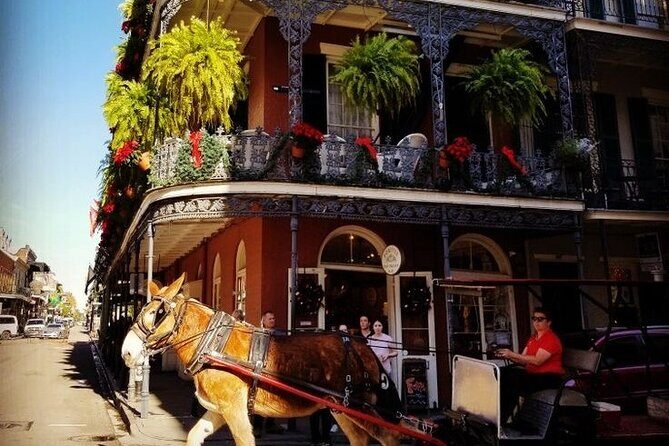
If you only have a short window in New Orleans, this tour is a good way to get your bearings fast. You start in a narrow alley famous for old-world rumors, then you move into the area’s power-center near St. Louis Cathedral, and you finish by circling through spots tied to folklore, hotels, and quiet corners that people still whisper about.
What I like most is the way the guide links each location to a theme: colonial life, survival stories, faith and folklore, and the Quarter’s famous habit of mixing the serious with the spooky. You’ll also be walking at a pace that fits a compact schedule, with short stops that let you hear the story without turning it into a full-day sprint.
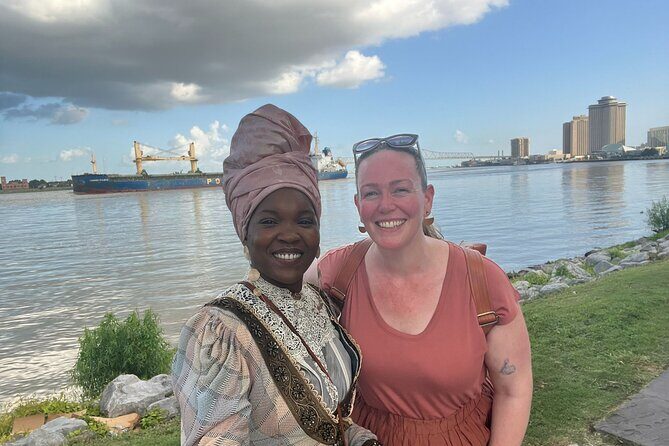
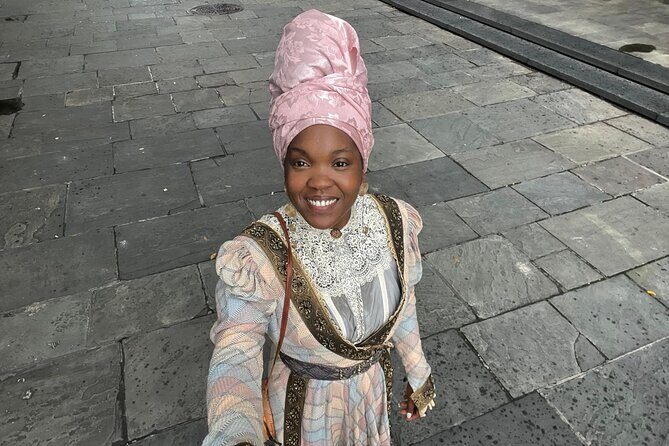
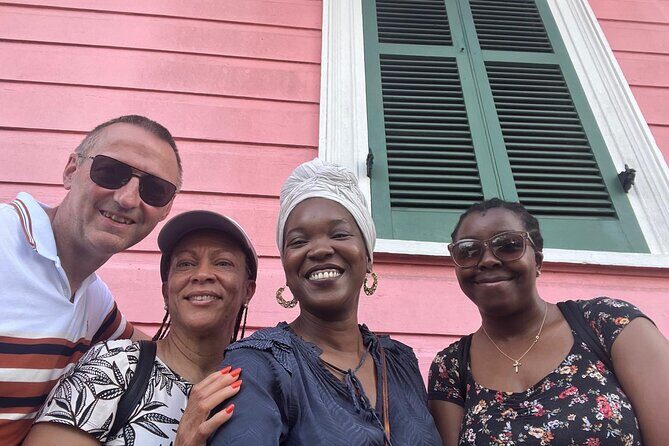
And yes, there’s a human element. In the guided-narration style that local guides use here, you can expect the delivery to feel personal, not like a script. Erika is a guide name that comes up often, and the big point is simple: friendly, professional storytelling that keeps you listening.
You can also read our reviews of more guided tours in New Orleans



Getting Started at Pirate’s Alley Cafe: The Quarter’s Legend Alley

You meet at Pirate’s Alley Cafe on Pirates Alley, a narrow strip where the past feels close enough to touch. This is where the tour begins its mood-setting work. The guide points out why alleys like this mattered in New Orleans—when this city was built on movement, secrecy, and quick deals between people who didn’t always play by the rules.
Stop here is brief, about 5 minutes, and the admission ticket isn’t included. Translation for your planning: treat this as an orientation stop and a story starter. Take a quick look, listen for the details the guide shares, then keep going. If you want a long sit-down coffee, you can do that before or after the tour, but this start is really about context.
Practical tip: wear shoes you can handle on uneven sidewalks. The Quarter always finds the one patch of pavement that wants to roll your ankle.
Jackson Square and the Cathedral Core: Where Power Meets Pageantry
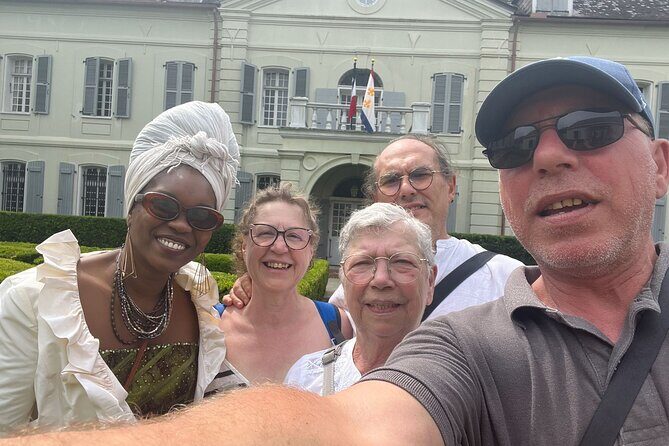
From the alley, you head toward Jackson Square, the Vieux Carré’s historic heart. Expect about 15 minutes here, and good news: this stop lists admission as free.
What makes Jackson Square effective on a guided walk is that it’s more than photos. You’re surrounded by St. Louis Cathedral, plus the Cabildo and Presbytère nearby. The guide explains how this space was used for celebrations, rebellions, and major moments in Louisiana’s story. Even if you’ve read about New Orleans politics before, hearing it connected to this exact public square makes it stick.
Also, Jackson Square is a good place to pause and reset. If your feet are already warm from the first stretch, you can use these 15 minutes to take a breath, check your bearings, and get ready for the next jump into more specific characters.
Muriel’s Jackson Square: Colonial Layers and the Ghost Guest Idea
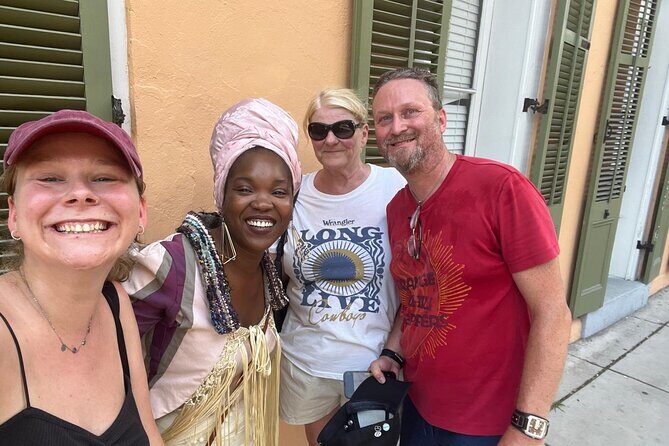
Next you’ll pause at Muriel’s Jackson Square, another short stop (about 5 minutes). Admission isn’t included, but the point here is history as atmosphere.
You’ll learn how the building’s past connects to colonial life and how its story became part of the restaurant’s identity, including the famous idea of a ghost guest. Whether you’re the skeptical type or the full believer type, this kind of stop does one useful thing: it shows how New Orleans treats history like living conversation, not a museum label.
What you should watch for: listen for how the guide frames the building’s transformation—how something designed for one purpose can end up telling stories for a different era.
Old Ursuline Convent Museum: Faith, Education, and Social Life
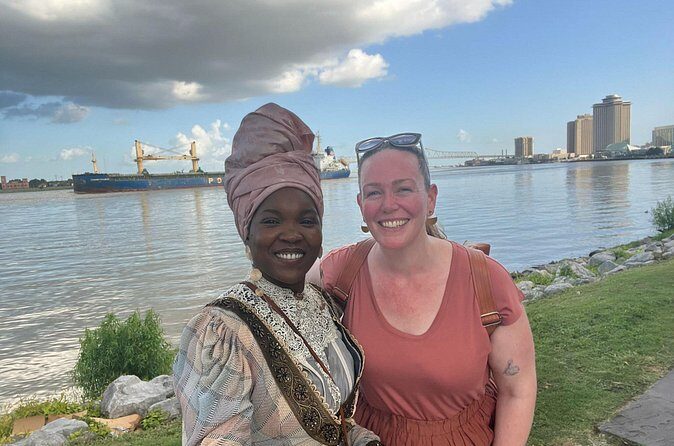
Then it’s to the Old Ursuline Convent Museum, listed as another quick stop at about 5 minutes, with admission not included.
This is one of the stops I think you’ll appreciate if you like the quieter, structural side of city history. The guide explains how the Ursulines influenced education, religion, and social life during the French and Spanish colony era. The tour description also points to the fact that this is one of the oldest buildings in the city and part of the Mississippi Basin story.
Even without deep interior time, this brief stop can give you a framework for understanding why certain institutions in New Orleans mattered so much. You start seeing how religion and schooling weren’t separate from daily life—they were part of how communities formed.





Lalaurie Mansion: The Madame LaLaurie Story, and How It Mutates in Pop Culture
After that comes one of the most famous and controversial stops: the Lalaurie Mansion. You’ll get around 10 minutes here, and admission isn’t included.
The tour focus is the true story behind Madame Delphine LaLaurie and how her tale has been interpreted in popular culture. That combination is what makes this stop worth your attention. New Orleans has plenty of legends, but this one gets treated as both fact-and-story—people keep repeating it, and it keeps changing shape depending on who tells it and why.
A smart way to approach this stop: listen for how the guide separates what’s known, what’s claimed, and what later storytellers turned into horror entertainment. If you can keep that mental sorting process going, the stop becomes more than a spooky photo spot—it becomes a lesson in how myths spread.
Consideration: because admission isn’t included, you’ll mostly experience this stop from the outside. If you want maximum depth, plan time elsewhere in your schedule for museum-style learning.
The Elegant Street Stretch: French and Spanish Architecture on Display
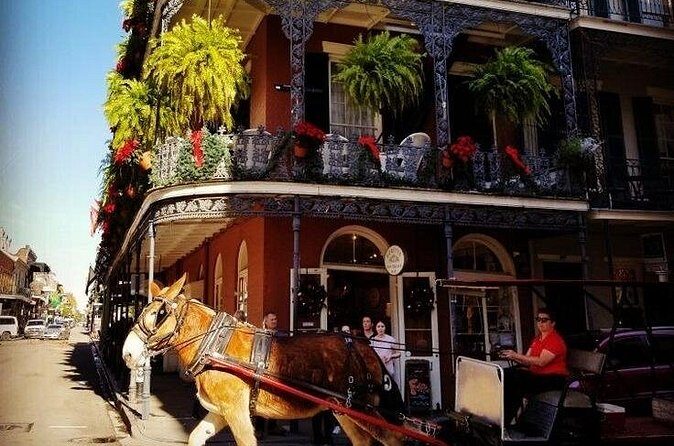
Between the mansion stop and the next major landmark, the tour includes a walk along one of the neighborhood’s most elegant streets. The focus is French and Spanish colonial architecture, plus art galleries and antique shops.
This segment is valuable for a simple reason: it changes the rhythm. After story-heavy stops, you get moving context. You can look up at details—doorways, balconies, and building lines—and feel the city’s architectural voice instead of hearing only about dramatic characters.
If you’re the type who likes to browse, this is a good moment to note which shops you’d like to revisit later. The tour isn’t built to turn into an all-day shopping trip, but it gives you a shortlist.
Lafitte’s Blacksmith Shop Bar: Old Bar Meets Privateer Legend
Now you shift to Lafitte’s Blacksmith Shop Bar, one of the oldest bars in America, tied to Jean Lafitte, a privateer associated with New Orleans.
This stop is short (about 5 minutes) and lists admission as free. The setting alone can help you understand why this story lasts. Bars in the Quarter often act like informal history rooms—where the people and the rumors get passed along at the same time.
What you should listen for: how the guide connects Lafitte’s defiance of empires and alliances with the city’s own survival instincts. This isn’t history as textbook. It’s history as a local legend with a physical location attached.
Practical note: if you take the optional Creole drink, you’ll need to follow the venue’s adult alcohol rule. The tour indicates alcoholic beverages are served only to people over 21; minors get non-alcoholic options.
Marie Laveau House of Voodoo: Tradition, Faith, and One Key Figure
Next is the Marie Laveau House of Voodoo, around 10 minutes, with admission not included. This stop aims to help you understand the tradition of voodoo in New Orleans and to frame Marie Laveau’s role as a famous priestess and cultural figure.
This is one of those stops where good guiding matters. The value here isn’t shock or horror. It’s context—how a belief system fits into local identity, how practitioners shaped community life, and how stories about Marie Laveau became part of the city’s memory.
Since admission isn’t included, you’re not expected to fully investigate exhibits during this short stop. You’ll get a grounded explanation first, which makes it easier to decide later if you want to spend more time learning in depth.
Bourbon Orleans Hotel: From Convent and Orphanage to Civil War-Era Stories
Then you pass the Bourbon Orleans Hotel, about 5 minutes, with admission not included.
The key details here are the layered past: a convent and an orphanage, plus preserved histories of the colonial era and the Civil War. This isn’t just architectural sightseeing. It’s a reminder that New Orleans buildings often carry multiple lives in their walls.
If you’re interested in how the city handled social needs and major historical disruptions, this short stop gives you a thread to follow. It helps you connect the Quarter’s glamour with its harder chapters.
St. Anthony’s Garden: A Peaceful Space With Rumor in the Air
After the lively parts of the Quarter, you reach St. Anthony’s Garden, a quieter pause behind St. Louis Cathedral. You’ll get about 5 minutes here, and admission isn’t included.
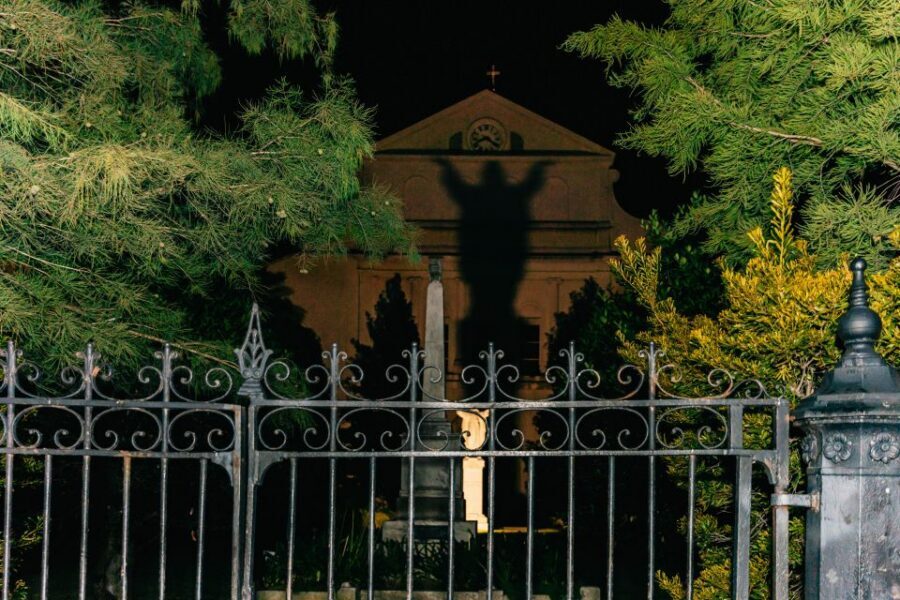
This spot is described as holding stories of mourning, conspiracies, and secret encounters. Even if you don’t go into anything formal, the setting changes how you experience the tour. Gardens tend to slow your brain down. You can take in the contrast: the public square with major monuments, then a tucked-away place that feels more private and human.
This is also where you can think about what you’ve heard so far. The stories about faith, crime, and survival stop feeling like separate curiosities and start feeling like part of one city pattern: people living under pressure, making community, and turning meaning into rituals and legends.
The Price: $35 for a Guided Walk That Lets You Pick Your Extras
At $35 per person for about 1 hour 30 minutes, this tour sits in a reasonable range for a guided walking experience in the French Quarter. The value is that you’re paying for interpretation: a certified local guide, and narration offered in English, Spanish, French, or Italian.
The small group limit of 18 helps with the feel of the tour. You don’t want to be in a crowd when you’re trying to absorb stories tied to specific buildings.
Where your budget can change: admissions. Some stops list admission as free (Jackson Square and Lafitte’s Blacksmith Shop Bar), while many others specifically note admission tickets not included. If you want inside time at every site, you’ll likely pay extra beyond the base tour price.
Optional add-ons are clear:
- A Creole drink option costs $7 per person.
- Souvenirs are an option at $8 per person.
If you’re the type who likes to sample one local drink and keep moving, the $7 add-on is simple. If you’d rather save money, skip it and put that toward a longer visit at a museum or a second meal later.
Who This Tour Fits Best (and Who Might Want Something Else)
This French Quarter route is great for you if:
- you want a tight overview that connects monuments to character-driven stories
- you prefer guided narration in your chosen language
- you like walks that are short and frequent, not long museum marathons
It may be less ideal if:
- you want deep, ticketed time inside every major stop
- you dislike controversial stories or prefer only lighter historical material
Because several stops have admission tickets not included, this is best thought of as a curated walking story tour plus optional follow-up. You’ll get the map in your head, then decide what deserves your extra time.
Also, the timing starts at 10:00 am. Going early is smart in the Quarter. You’ll beat some of the bigger foot-traffic and keep your tour experience comfortable.
Should You Book This French Quarter Tour?
I’d book it if you want the French Quarter to make sense in a short stretch of time. The structure is built for understanding: alley legends, the civic center at Jackson Square, and then the city’s belief and legend landmarks—ending with a quieter garden stop.
Skip it only if your goal is “inside every site.” With admissions not included at multiple stops, you’ll need extra planning and budget to turn this into a full museum day.
If you do book, pick the narration language you’ll actually understand in the moment. And if you meet Erika (or another guide on the same style), lean in during the story parts. This tour works best when you treat it like walking storytelling, not just a checklist.
FAQ
How long is the French Quarter tour?
It runs about 1 hour 30 minutes.
Where is the meeting point?
You start at Pirate’s Alley Cafe, 622 Pirates Alley, New Orleans, LA 70116.
What time does it start?
The start time is 10:00 am.
Is the tour only in English?
No. Narration is personalized in English, Spanish, French, or Italian.
Are admissions included for every stop?
No. Some stops are marked as free (Jackson Square, Lafitte’s Blacksmith Shop Bar), while several others list admission tickets as not included.
Is there an optional Creole drink?
Yes. A Creole drink option is available when booking for $7.00 per person.
What is the maximum group size?
The tour has a maximum of 18 travelers.
Do I receive a mobile ticket?
Yes. The tour includes a mobile ticket.
Is alcohol served during the tour?
The tour indicates that alcoholic beverages are served only to people over 21 years old; minors receive non-alcoholic beverages.
Can I cancel for free?
Yes. You can cancel for a full refund up to 24 hours in advance of the experience’s start time.