REVIEW · NEW ORLEANS
Half-Day Oak Alley Plantation Tour
Book on Viator →Operated by Legendary Tours INC · Bookable on Viator
Oak Alley Plantation isn’t just for pretty photos. It’s a focused way to see stately grounds while learning how rural Louisiana’s plantation system worked before the Civil War, including the role of the slave trade in fueling plantation industries.
I really like the practical setup: you start at 8:00 am with hotel pickup from most places in New Orleans, and you get admission included for your time at Oak Alley. I also like that the tour is built around the full site feel—main house, gardens, and slave cabins—so you’re not just driving past history.
One thing to consider: with a group and multiple pickups, your on-site time can feel tight if the schedule gets squeezed, and at least one person noted the tour can run short on time at Oak Alley.
In This Review
- Key things to know before you go
- From New Orleans Hotel Pickup to Oak Alley, Smooth or Tight?
- The Oak Alley Visit: What You’ll See in About 2 Hours
- The practical reality of a 2-hour window
- The Story the Tour Tells: Plantation Life Before the Civil War
- Main House and Gardens: The Part Most People Want, With Context
- Slave Cabins and the Hard Part of the Narrative
- Driver and Bus: When Comfort Makes the Whole Day Better
- Price and Logistics: Is $79 Worth It for This Amount of Time?
- What Could Make You Feel Rushed (And How to avoid it)
- Who This Tour Fits Best in New Orleans
- Should You Book the Half-Day Oak Alley Tour?
- FAQ
- What time does the tour start?
- How long is the tour?
- Is admission to Oak Alley included?
- Do I get hotel pickup in New Orleans?
- What language is the tour offered in?
- How big is the group?
- Are service animals allowed?
- Does the tour run in any weather?
- What is the cancellation policy?
Key things to know before you go

- Hotel pickup in the morning helps you skip logistics and get straight to the plantation.
- Admission is included, so you can spend your time looking, not lining up.
- You get about 2 hours on site, which is great for a structured visit but not a long wander.
- Small bus group (max 41) means you’ll likely hear the guide and follow the flow.
- Expect heavy topics: the tour covers how the slave trade supported plantation industries.
From New Orleans Hotel Pickup to Oak Alley, Smooth or Tight?

The biggest value of this half-day tour is simple: you don’t have to figure out transportation. A license experience driver picks you up the morning of your tour and takes you safely and on schedule to Oak Alley Plantation. The start time is 8:00 am, and it runs about 5 hours total.
That matters because Oak Alley is outside the city buzz, and a self-guided trip can eat time fast—parking, figuring out routes, then working out admission timing. Here, your transportation is the heavy lift. You also get a mobile ticket, which is handy if you like going light with paper.
That said, the schedule has one built-in pressure point: pickups. Some tours can have an efficient route; others require more stops than expected. One review called out that there were too many pick-ups for the bus and that the on-site time felt around 30 minutes too short, leaving them rushed. The good news is that another review praised the driver a lot, including an especially informative, funny, professional experience and a clean, nice bus—so the ride quality can be a plus even if timing needs to be managed.
If you’re sensitive to feeling rushed, I’d plan your mindset for this as a “structured visit” rather than a slow, indecisive day. Oak Alley can be emotionally intense, and the more calm time you have, the better your experience tends to feel.
You can also read our reviews of more tours and experiences in New Orleans



The Oak Alley Visit: What You’ll See in About 2 Hours

At Oak Alley, you get your main block of time: about 2 hours on site, with the admission ticket included. This is not presented as a long, all-day stroll. Instead, it’s designed for a guided and coherent circuit through the parts that help you understand how the plantation operated and how people lived there.
Here’s what you should be ready to see:
- The stately main house
- The gardens
- The slave cabins, plus more across the property
That lineup is valuable because it connects architecture and landscaping with the reality of plantation labor. It’s the difference between looking at a pretty place and actually understanding the system that made it possible.
One review highlighted a guided house tour and also mentioned time for something they called the cane sugar theatre, plus time to enjoy food and stroll around the grounds. You should not assume every element will fit perfectly every time—2 hours can be a careful balancing act—but it’s a good sign that the visit can include both structured interpretation and some breathing room for casual wandering.
The practical reality of a 2-hour window
Two hours goes quickly once you add in walking time, small pauses for context, and whatever pace the group keeps. If you enjoy reading every interpretive sign and photographing everything, you’ll likely feel the clock. If you prefer a guided overview that helps you know where to look, two hours is often just right.
The Story the Tour Tells: Plantation Life Before the Civil War
This tour doesn’t treat Oak Alley as a postcard. The core learning goal is explicit: you’re there to explore the history of rural Louisiana before the Civil War, and you’re guided on how the American slave trade supported plantation industries.
That theme is important for two reasons.
First, it gives you the bigger economic frame. You’re not only hearing about daily life on the grounds—you’re learning why the plantation system mattered to the broader American economy, and how enslaved labor was central to that.
Second, it helps you interpret what you’re physically seeing. When you look at the main house, you can understand it as part of a hierarchy. When you walk toward slave cabins, the meaning changes from scenery to lived experience. Gardens and carefully maintained grounds also start to read differently once you know they were tied to a labor system and an industry.
Be ready for a tour that covers painful material. Most people leave with more than photos—they leave with a clearer sense of how plantations functioned, not just how they looked.
Main House and Gardens: The Part Most People Want, With Context
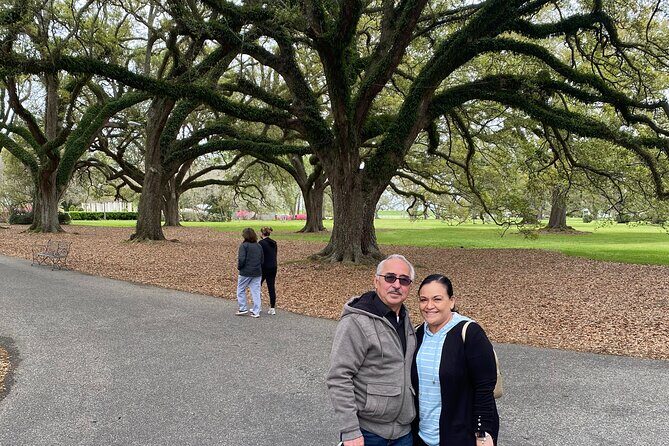
The main house and gardens usually draw the first wave of attention—fair enough. The house delivers that “stately” feel, and the gardens help you understand how the property was designed and maintained.
What I like about this tour is that those scenic elements are not treated as the whole point. They’re paired with guided interpretation that connects back to the historical context: rural Louisiana before the Civil War and the industries that were supported by the slave trade.
If you like tours that give you both atmosphere and explanations, this is the sweet spot. You’ll feel the beauty, but you won’t lose the meaning.
One practical tip: since your time on site is limited, don’t over-plan your photo list at the very beginning. Give yourself time to take in the guided flow first, then do a second pass for photos and slower walking—if time allows.






Slave Cabins and the Hard Part of the Narrative
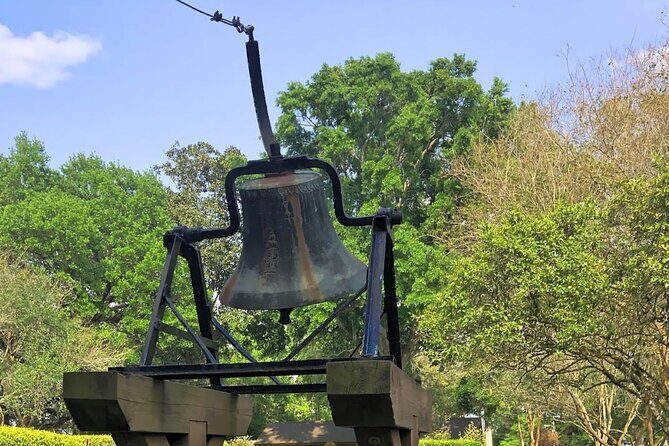
The slave cabins are part of the highlights, which I appreciate. If a tour avoids them, you end up with a sanitised version of history. Here, the cabins are included in the overall walk, and that inclusion changes how you process the property.
I’d go in mentally ready for discomfort. Learning about the slave trade supporting plantation industries isn’t abstract when you’re standing on the grounds where people were forced to live and work. This is where the tour earns its seriousness.
If you tend to find heavy history tiring, don’t try to make this your “fun day.” This is more like a meaningful, informative morning that may stick with you for the rest of the trip—in a good way.
Driver and Bus: When Comfort Makes the Whole Day Better

The driver experience can make or break tours like this, because the ride is a big chunk of your morning.
There’s a clear signal that the bus and driver matter here. One review singled out the driver/guide named Anthony for being kind and professional, with the added bonus that the tour started and ended punctually. Another review praised the bus driver as the best they’d had, calling out how informative and funny he was, plus that the bus was clean and nice.
That combination is a win. When the driver gives clear guidance and keeps things organized, you’re less likely to feel lost or stressed when you arrive at a large site. And since your on-site time is tight, a good driver helps you protect what you came for.
Price and Logistics: Is $79 Worth It for This Amount of Time?

At $79.00 per person, this is positioned as a straightforward half-day outing. The headline value is that it includes admission for your time at Oak Alley and provides hotel pickup from most New Orleans hotels.
In plain terms, you’re paying for three things:
- Transportation with pickup
- A structured schedule
- Admission included
Whether it’s a good deal for you depends on how you’d do this on your own. If you’d rather avoid driving outside the city, parking, and timing admission yourself, the $79 can feel reasonable because it removes decision fatigue.
The one pricing risk is the time feel. If your on-site time turns rushed, you might feel like you paid for a faster-than-you-wanted experience. That’s why the tour works best if you’re comfortable with a guided overview and aren’t hunting for a fully unhurried, slow-paced day.
For most people, this price makes sense as an efficient and informative way to see Oak Alley’s key areas and understand the plantation narrative without needing to build a plan from scratch.
What Could Make You Feel Rushed (And How to avoid it)

There’s a big practical variable with bus tours: the pickup sequence. One review said the tour was about 30 minutes too short, and they linked it to too many pick-ups for the bus. The message you should take from that is not panic—it’s planning.
Here’s how to stack the odds in your favor:
- Be ready a little earlier than the stated pickup time so you don’t add delay.
- Keep your morning flexible. If you schedule breakfast or other activities tightly before pickup, you can end up feeling stressed.
- If you want to linger at the house or gardens, accept that the guided flow may control your pace.
It also helps to know that guides can adapt when schedules get busier than usual. One response from the tour provider noted that an allotted time was followed on the day in question, even when pickup volume exceeded the usual limit. Translation: sometimes timing feels off, even when the operation tries to stay on track.
So my advice is to treat this as a strong overview, not a guaranteed long stay. If you want leisurely time, you might plan a separate, slower visit later.
Who This Tour Fits Best in New Orleans
This is a good match if you want:
- A morning departure that still feels like part of your trip planning
- An efficient way to see Oak Alley’s key sections: main house, gardens, and slave cabins
- A tour that explicitly covers how the slave trade supported plantation industries
- Transportation that starts at your hotel, so you don’t fight logistics in a new city
It’s also a solid choice for people who like a guided structure. If you’re the type who uses a tour to learn where to look and then later explores on your own, this works well as a primer.
On the other hand, it’s probably not ideal if your idea of fun is drifting for hours with zero time pressure. Two hours on site is what it is, and some days can feel tighter depending on how the pickup schedule runs.
Finally, it’s a respectful historical visit, not just a scenic one. If that tone matches your travel style, you’ll likely feel satisfied.
Should You Book the Half-Day Oak Alley Tour?
If you want an easy, guided, half-day way to reach Oak Alley and get the historical context that goes beyond the photos, I think this is worth booking. The practical value—hotel pickup, admission included, and a 2-hour guided on-site visit—hits the basics that make day trips easier.
I’d especially lean toward booking if you:
- Like structured sightseeing
- Prefer not to figure out transport and admission
- Want the narrative focus on rural Louisiana before the Civil War and the slave trade’s role in plantation industries
I’d think twice if:
- You hate rushed schedules
- You want long free time to wander without a group pace
- You’re coming in expecting a slow, detailed, hours-long experience on the grounds
If your goal is a meaningful overview that helps you understand what you’re seeing, this tour gives you a clear path.
FAQ
What time does the tour start?
The tour starts at 8:00 am.
How long is the tour?
It runs for about 5 hours (approx.), with about 2 hours spent at Oak Alley Plantation.
Is admission to Oak Alley included?
Yes. Your admission ticket is included for your time at Oak Alley.
Do I get hotel pickup in New Orleans?
Yes. The driver provides convenient pickup from most New Orleans hotels.
What language is the tour offered in?
It is offered in English.
How big is the group?
The tour has a maximum of 41 travelers.
Are service animals allowed?
Yes, service animals are allowed.
Does the tour run in any weather?
The experience requires good weather. If it’s canceled due to poor weather, you’ll be offered a different date or a full refund.
What is the cancellation policy?
Free cancellation is offered up to 24 hours in advance for a full refund. If you cancel less than 24 hours before the experience starts, the amount paid is not refunded.