REVIEW · NEW ORLEANS
New Orleans: Whitney Plantation Half-Day Tour (Guided Tour)
Book on GetYourGuide →Operated by K's Lurury Transportation and Tours · Bookable on GetYourGuide
Plantation history comes with teeth. I love the luxury, climate-controlled van and the fact you get a guided big-house look at Whitney Plantation. One caution: the story here is heavy, so go in ready for uncomfortable truths.
This trip also gives you a useful New Orleans culture primer on the drive out, with drivers like Kin and Kendrall earning praise for their timing, warmth, and clear explanations before you ever step onto plantation ground. You’ll have time to see a mix of plantation styles through photo stops, plus extra comfort perks like leather seating, bottled water, and USB charging.
The one thing to plan around is food: food and drinks are not included. You can usually grab lunch on your own once you’re at the longer stop near Oak Alley.
In This Review
- Key Highlights Worth Your Time
- Getting Picked Up at Jackson Square (And Why That Matters)
- The Comfortable Van Ride: Leather Seats, USB Charging, and a New Orleans Primer
- The Quick Photo Stops: Evergreen, Laura, and the Felicity/St. Joseph Area
- Oak Alley Time: Oak-Tree Alley Photos and Options for Lunch
- Why Whitney Plantation Needs Its Own Time Block
- Habitation Heidel to Whitney Plantation: Indigo, Rice Connections, and the Heidel Story
- Walking Under the Oak Trees: The Grounds Part That Sticks With You
- Comparing Plantation Styles Without Losing the Thread
- Time, Pace, and What the Half-Day Really Feels Like
- Price and Value at $86: What You’re Really Buying
- Who This Tour Fits Best (And Who Might Want a Different Option)
- Should You Book This New Orleans Whitney Plantation Half-Day Tour?
- FAQ
- Where is pickup for this tour?
- What if my hotel is farther than 2 miles from the French Quarter?
- How long is the tour?
- How many people are in the group?
- Is the tour wheelchair accessible?
- Is the guide provided in English?
- What is included at Whitney Plantation?
- Is food included?
- Can I cancel and pay later?
Key Highlights Worth Your Time
- Pickup that works for French Quarter plans: meet in front of Jackson Square or get hotel pickup within 2 miles.
- Comfort for a long drive: leather seating, climate control, bottled water, and USB ports.
- Small-group pace: limited to 12 people, so your guide can actually talk.
- Whitney Plantation with the big-house focus: entrance included and time to walk the grounds under the oaks.
- An on-the-road mini tour of Louisiana culture: you get context before you reach the plantation sites.
Getting Picked Up at Jackson Square (And Why That Matters)
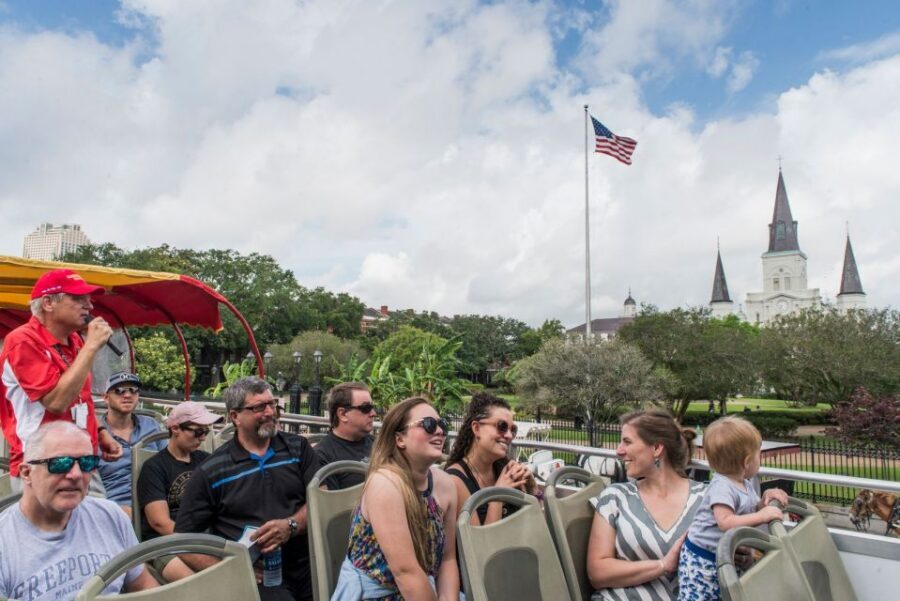
This tour starts in the easiest possible place for a half-day: Jackson Square. If your hotel sits within about 2 miles of the French Quarter, you’re picked up there. If not, you meet up at St. Louis Cathedral area by Jackson Square and head out from there.
Why I like this setup: it saves you from juggling taxis or public transit right at the start. You also get a smoother day if you want to still enjoy New Orleans before evening plans. Even the first stretch matters because the guide uses the ride to help you understand what you’re about to see.
One more practical note: the van ride out to the plantation area takes time, and the tour keeps you seated in a comfortable vehicle instead of “figure it out” transportation. That’s not glamorous, but it is the difference between a good half-day and a tiring one.
You can also read our reviews of more guided tours in New Orleans



The Comfortable Van Ride: Leather Seats, USB Charging, and a New Orleans Primer
The transportation is genuinely comfortable for a tour like this. You’re in a luxury, climate-controlled van with leather seating, plus complimentary bottled water and USB charge ports. That sounds like small stuff until you’re on the road for hours and you want your phone alive for photos and maps.
What makes the drive valuable is the conversational mini tour. As you head out of New Orleans, your guide builds context about Louisiana culture so the plantation stops make more sense. In the past, drivers like Kin and Kindrell were praised for being knowledgeable, attentive, and even safe and easy-going on the roads.
Then, as you approach the plantation sites, the guide does a quick pass on what to look for and where to focus your attention. That kind of “pre-game” makes the on-site time feel less like random walking and more like a guided story.
The Quick Photo Stops: Evergreen, Laura, and the Felicity/St. Joseph Area
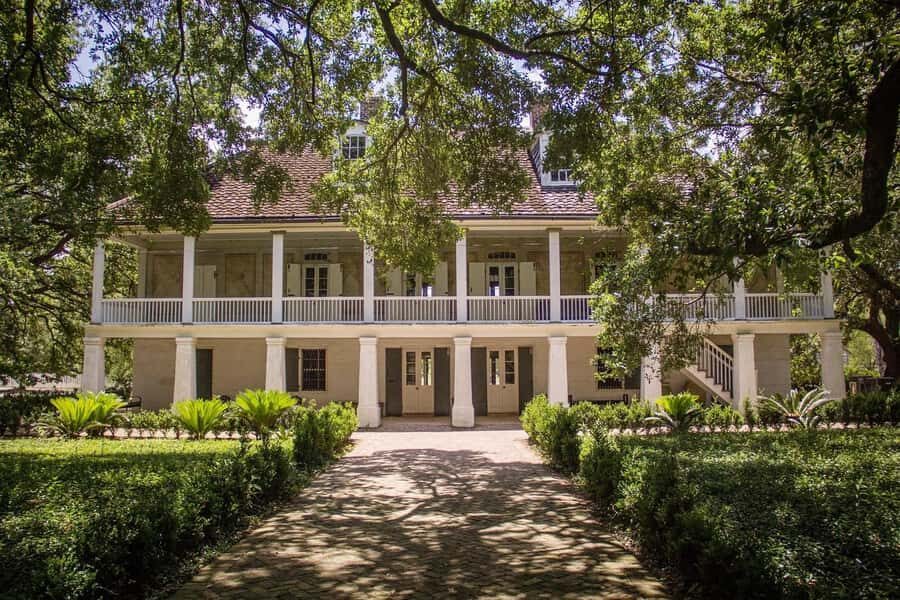
This tour is not one single plantation with hours of walking. It’s a string of stops, and the short ones are part of the point: you get quick visual anchors while your guide talks history and connects the dots.
Along the way you’ll have photo stops at places like Evergreen Plantation and passes at other plantation areas including Laura Plantation and the St. Joseph/Felicity Plantation region. Expect very short time windows for photos and quick look-throughs, not deep museum-style visits.
What you gain from these brief stops:
- You see how plantation sites look from the outside before you go “full on” at Whitney.
- You can compare different plantation styles and settings without spending the whole day driving and waiting.
- You collect photos you can actually use later to remember what you’re seeing.
A consideration: if you’re the type who hates time pressure, these stops might feel “too quick.” But the tour structure is designed to feed you context now, and then give you the meaningful time on the most focused stop.
Oak Alley Time: Oak-Tree Alley Photos and Options for Lunch
Oak Alley is the longer stop in the middle of your day. The tour includes photo time around the area, and then you get a larger window—about three hours—to explore Oak Alley Plantation as a national historic landmark.
This is the part of the day where the experience shifts from drive-by context to personal exploring. You can walk around the grounds, take in the well-known oak-tree alley setting, and then decide how much time to spend in the main buildings you can access during your visit.
Food is also the practical question here. The tour does not include meals, but there’s an option to have lunch at the restaurant or deli on-site. That means you can keep moving without needing to hunt down a separate plan later in the afternoon.
My advice: treat Oak Alley as your reset. Use the time to stretch, grab a drink, and take a slower walk before you focus again on Whitney, where the subject matter turns more direct and emotional.
Why Whitney Plantation Needs Its Own Time Block
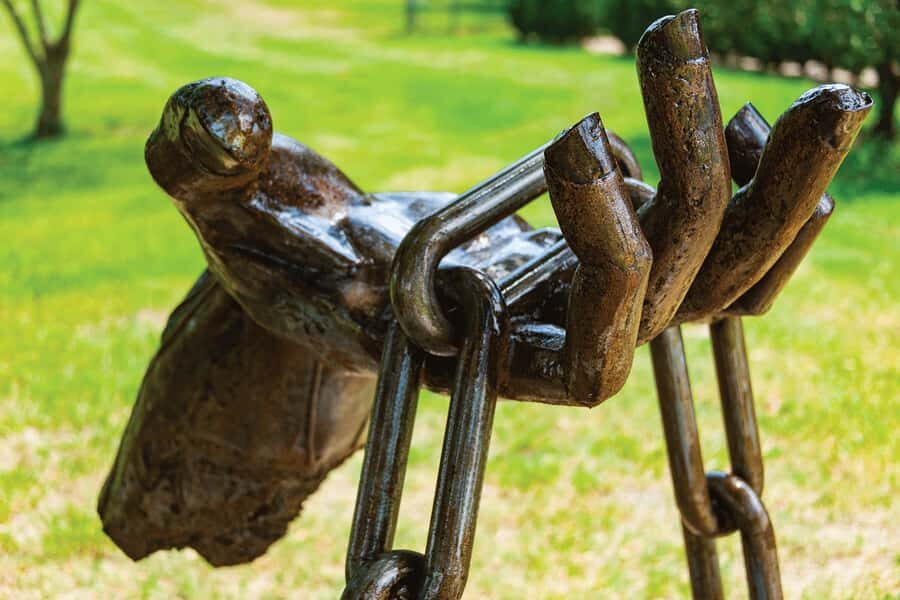
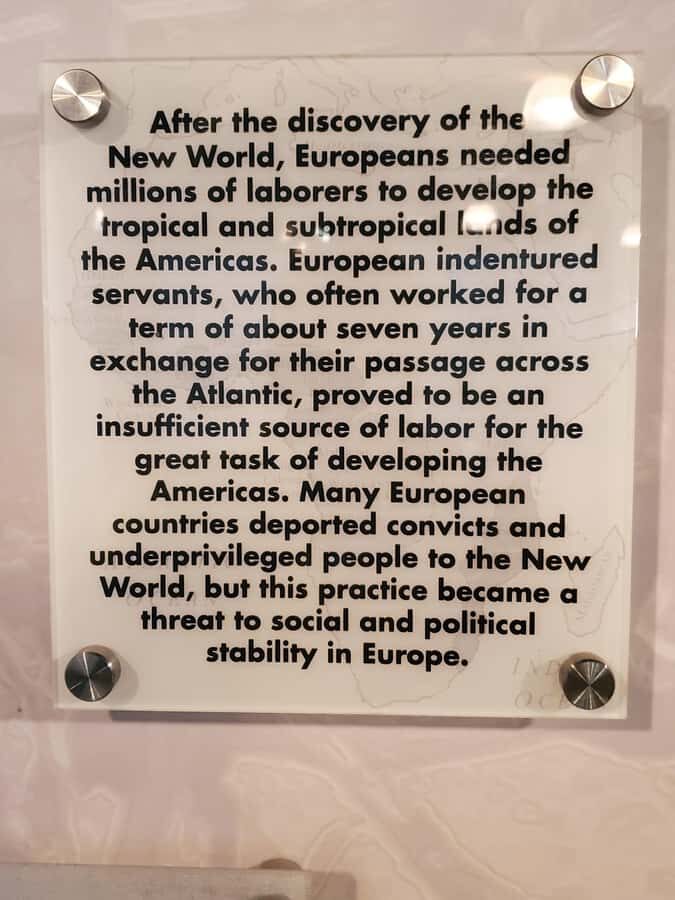
Whitney Plantation is the main event on this tour. The focus is on a “full-scope” look at what a typical southern plantation economy was doing in the 18th century, and how profits shaped lives—especially enslaved lives.
You’re there long enough to actually absorb it: around 2.5 hours on the property. That’s a realistic amount of time if you want to walk, read, take photos where allowed, and still have breathing space to process.
The key detail that makes Whitney different from some plantation stops is that the story goes beyond architecture and scenery. You’ll learn how the plantation made money and how the plantation system operated—starting with indigo production and expanding through later changes in Louisiana’s economy.
You can also read our reviews of more tours and experiences in New Orleans



Habitation Heidel to Whitney Plantation: Indigo, Rice Connections, and the Heidel Story
Whitney Plantation is known historically as Habitation Heidel (also called the Heidel Plantation) and it has a long timeline of change across about 250 years.
Here’s the foundation your guide sets up before you fully tour:
- You’ll learn about Ambroise Heidel, a German immigrant from the Rhineland area who purchased the property in 1752.
- During the early years, Heidel established a small indigo plantation and depended on enslaved Africans for indigo production.
- At one point, the plantation had roughly 20 enslaved Africans whose expertise supported successful indigo crops.
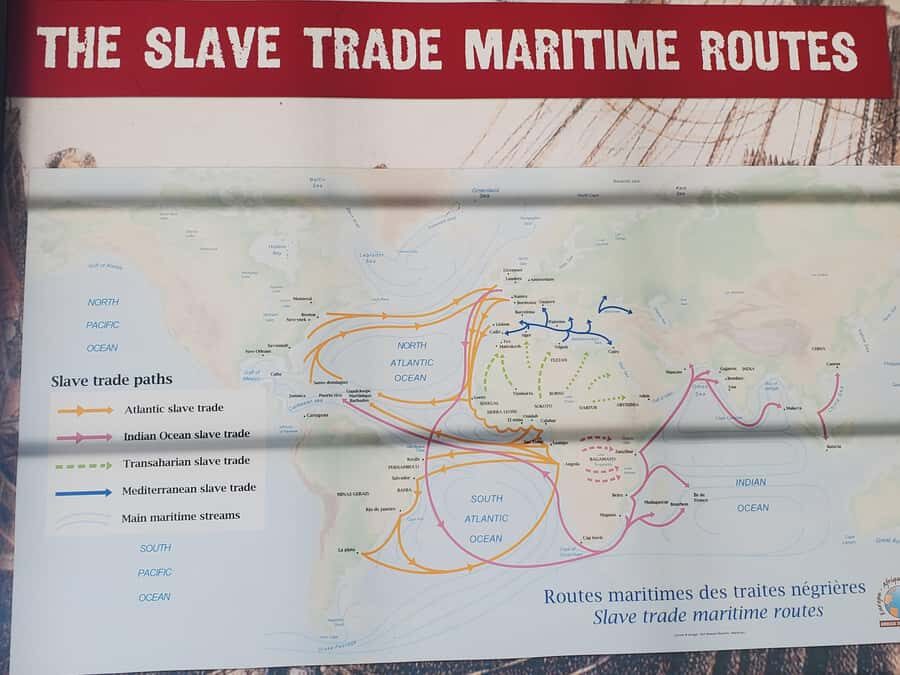
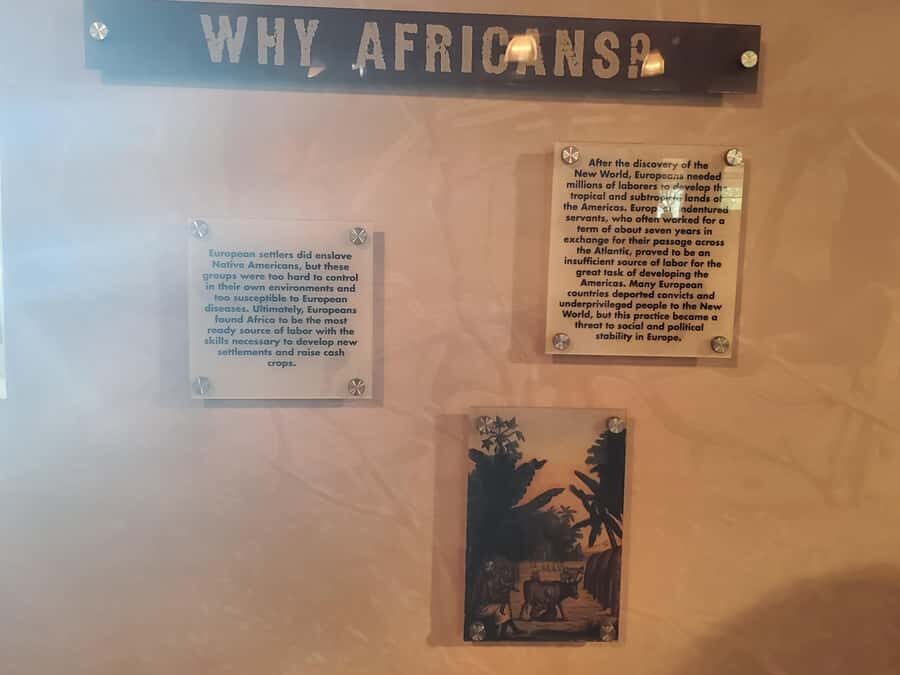
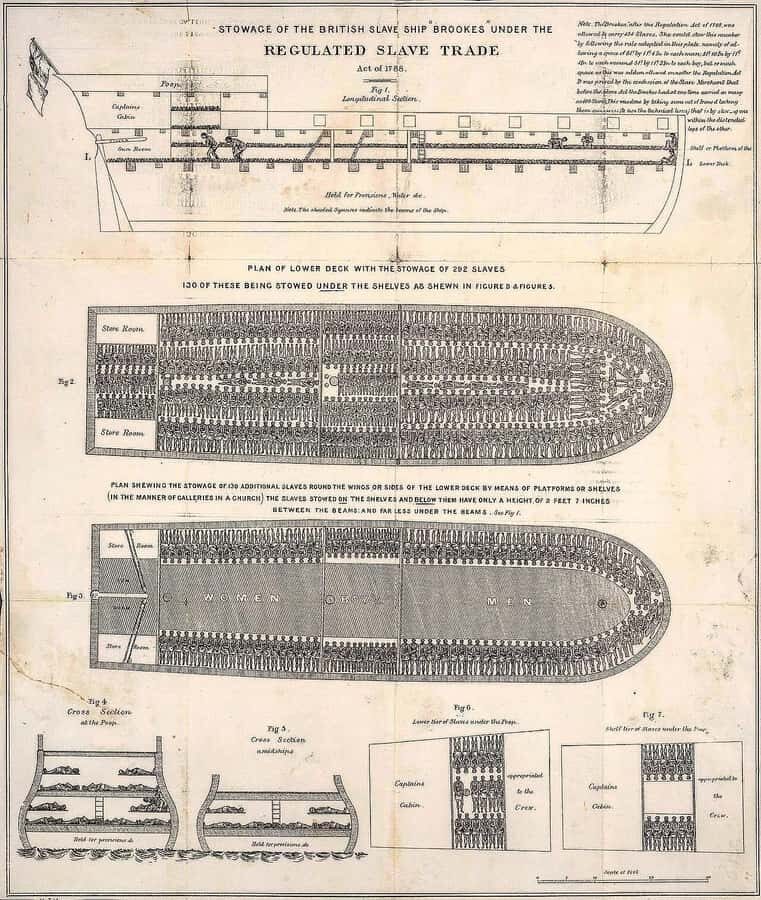
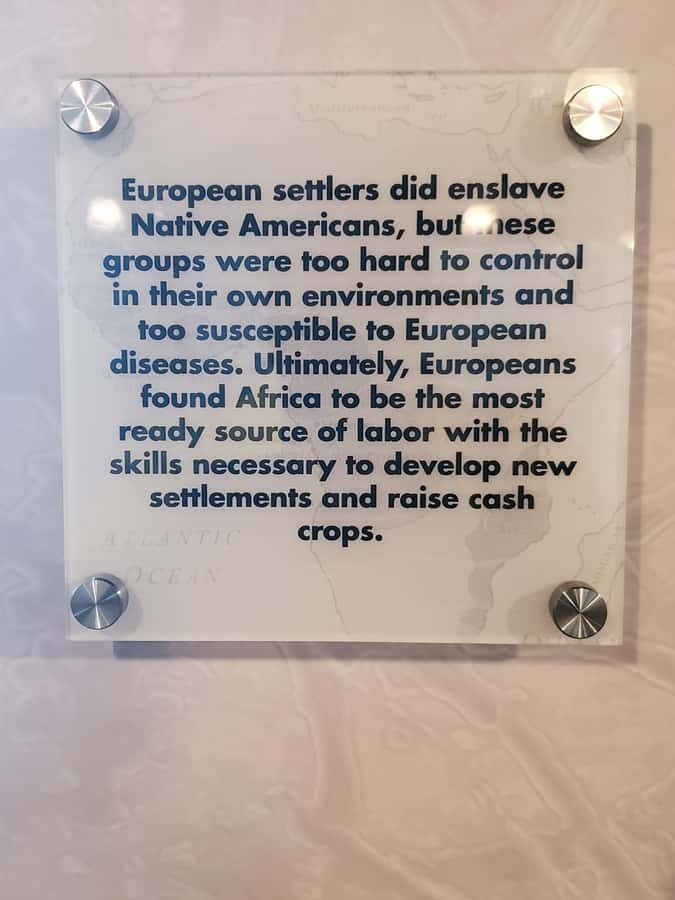
Then the story broadens into why enslaved people ended up in Louisiana and how certain agricultural knowledge traveled through coercion. In 18th century Louisiana, many enslaved Africans sold into slavery had origins tied to West African areas known for rice and indigo production, which were major cash crops in the early colony.
After that, you’ll also hear how the economy shifted. After 1795, sugar production expanded in Southeast Louisiana, and that brought major changes to daily life for both free people and enslaved people.
This is the part I think many first-time visitors need. Plantation tourism can sometimes leave you staring at columns and oak trees without understanding the engine beneath it. Whitney tries hard to explain the engine—profit, crops, and the human cost that powered them.
Walking Under the Oak Trees: The Grounds Part That Sticks With You
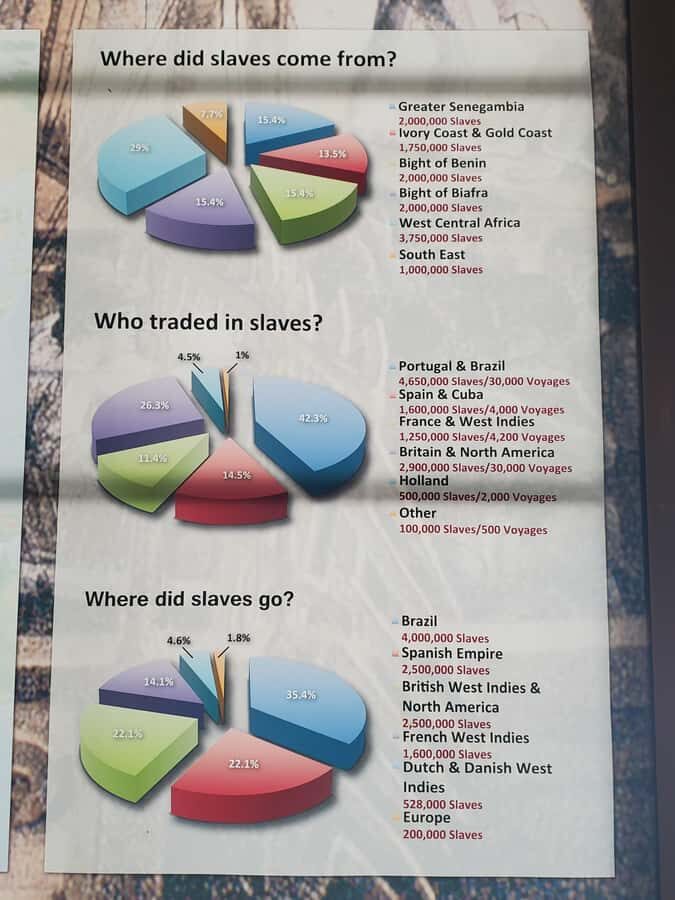
On this tour, you’re invited to walk under the iconic alley of oak trees. That’s a literal highlight, but it’s also a powerful contrast: beauty and grief share the same space here.
You’ll have time to explore the grounds at your own pace during your Whitney visit, which is helpful because the site is not the kind of place where every minute needs to be scheduled tightly. Give yourself a mix of time for reading and time just walking the property. If you rush only for photos, you’ll miss what the place is trying to communicate.
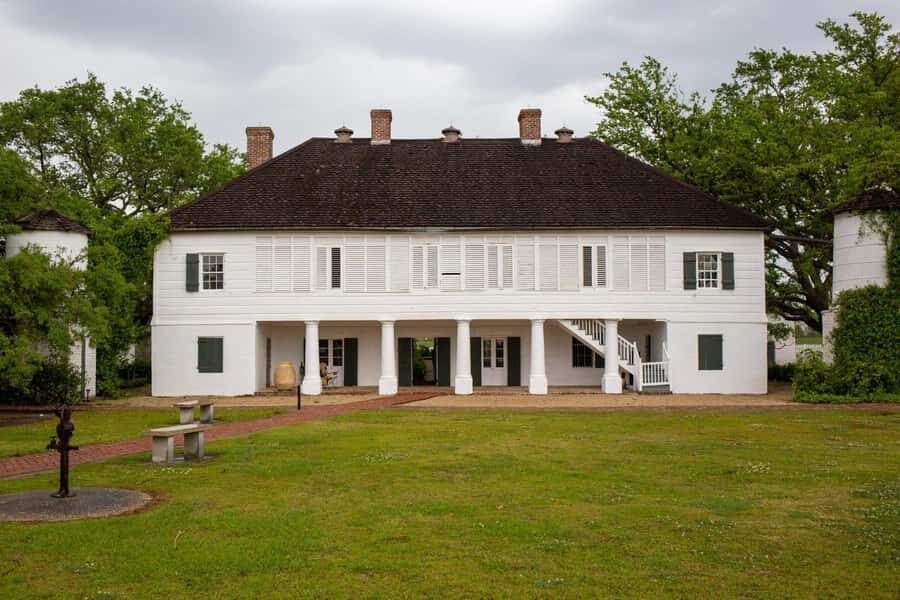
The tour also includes entrance to the big house area. The value of including the big-house entry is that you can connect how people lived in the plantation’s operational center with what you learned about the plantation’s labor system.
Comparing Plantation Styles Without Losing the Thread
The tour is structured so you see several plantation sites, but the thread stays with you because your driver/guide explains history in sequence and helps you place each photo stop in context.
You also get the chance to take photos of both a Creole and an American plantation, which is a clue that the route is meant to show variety in plantation design and cultural influences. Even if you only catch the exterior views at the short stops, you’ll have enough visual contrast to remember the differences later.
The payoff is simple: when your mind is working from architecture alone, it gets confused. When you get context first, the buildings become evidence instead of decoration.
Time, Pace, and What the Half-Day Really Feels Like
Five and a half hours is long enough to feel like an actual excursion, but short enough that you still return to New Orleans the same day.
In practice, here’s how that time tends to feel:
- You start with pickup and a comfortable drive out.
- You get quick photo stops that are mostly about orientation and visual context.
- You spend the most time on the two big moments: Oak Alley and Whitney.
- You loop back toward New Orleans with additional photo time on the route, including a stop around Lake Pontchartrain and pass-bys through Vacherie.
If you like structure, this schedule works. If you need long museum hours, you might feel the short stops are just appetizers. Still, it’s a solid way to pack in multiple key sites without losing your entire day.
Price and Value at $86: What You’re Really Buying
At $86 per person for a 330-minute experience, you’re paying for more than entry tickets. The value is in the combination:
- Hotel-area pickup and drop-off that starts from Jackson Square or nearby hotels.
- Climate-controlled transport with practical perks like water and USB ports.
- A live English guide during the drive, including cultural context.
- A focused Whitney Plantation component, including entrance to the big house and time under the oak trees.
If you tried to do this on your own, you would likely spend more time coordinating transport, and you’d lose the guided setup that makes Whitney easier to understand. The price also becomes more reasonable when you factor in the small group size (limited to 12), meaning you’re not just stuck in a huge bus.
One thing to plan for: the tour does not include food. That’s not a dealbreaker, but it affects how you budget your afternoon, especially since Oak Alley is long enough that lunch may be a real decision.
Who This Tour Fits Best (And Who Might Want a Different Option)
This works best for you if:
- You want plantation history with clear context, not just scenery and quick stops.
- You prefer a small-group format where the guide can talk and you can hear explanations.
- You appreciate comfort on longer drives, especially if you’re doing this from the French Quarter area.
It may not be the best fit if:
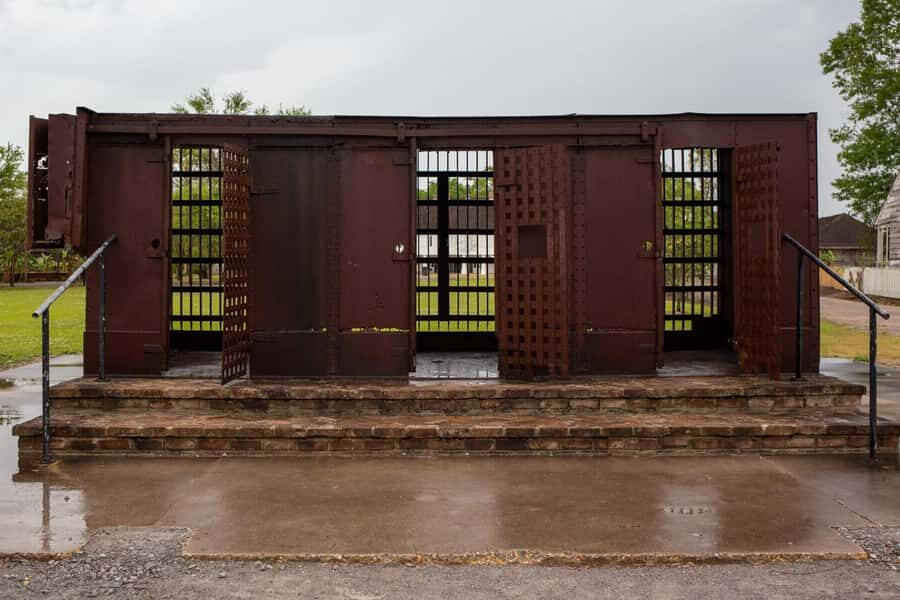
- You’re uncomfortable with frank discussion of slavery and the plantation system.
- You need a slow travel pace at every stop and don’t like photo stop windows.
Also, if you’re the kind of person who loves learning before you walk into a museum or landmark, you’ll like how the drive time is used to set the stage.
Should You Book This New Orleans Whitney Plantation Half-Day Tour?
If you want a half-day plan that actually makes Whitney Plantation make sense, I think this is a smart booking. The mix of pickup convenience, comfortable transport, and a guided build-up before Whitney hits the sweet spot for people who only have limited time in New Orleans.
Book it if you’re ready for heavy historical content and you want to leave with more than just a few postcard photos. Consider a different plan if you want only light, aesthetic plantation touring or if you need food and long sit-down breaks built into the price.
Either way, schedule this thoughtfully. Give yourself time afterward in New Orleans to decompress, eat well, and reflect before you jump back into the city’s rhythm.
FAQ
Where is pickup for this tour?
Pickup is included. You meet in front of Jackson Square, and pickup is also available at hotels within a 2-mile radius of the French Quarter.
What if my hotel is farther than 2 miles from the French Quarter?
If you are not staying within the 2-mile radius of the French Quarter, there is a meeting spot in front of St. Louis Cathedral Jackson Square.
How long is the tour?
The duration is listed as 330 minutes.
How many people are in the group?
The tour is a small group limited to 12 participants.
Is the tour wheelchair accessible?
Yes, the tour is wheelchair accessible.
Is the guide provided in English?
The live tour guide offers the tour in English.
What is included at Whitney Plantation?
Entrance to the big house is included, and you can walk under the iconic oak tree alley.
Is food included?
Food and drinks are not included. There is an opportunity to have lunch at the restaurant or deli during the tour.
Can I cancel and pay later?
You can cancel up to 24 hours in advance for a full refund, and there is a reserve now & pay later option (you pay nothing today).