REVIEW · NEW ORLEANS
Haunted Ghost and Paranormal Tour in New Orleans
Book on Viator →Operated by NOLA GhostRiders · Bookable on Viator
New Orleans turns spooky at dusk. This 2-hour haunted walking tour pairs French Quarter legends with real landmarks, from the Lalaurie mansion to Jackson Square haunt stories, all with an entertaining guide pace. I especially love how it mixes the scary with the explain-like-you-are-here context, and I also like that you get to see famous facades up close, including Gardette-LePretre (the Sultan’s House). One possible drawback: it can lean more history than pure jump-scare haunting, and summer heat or rain can make the walk less fun.
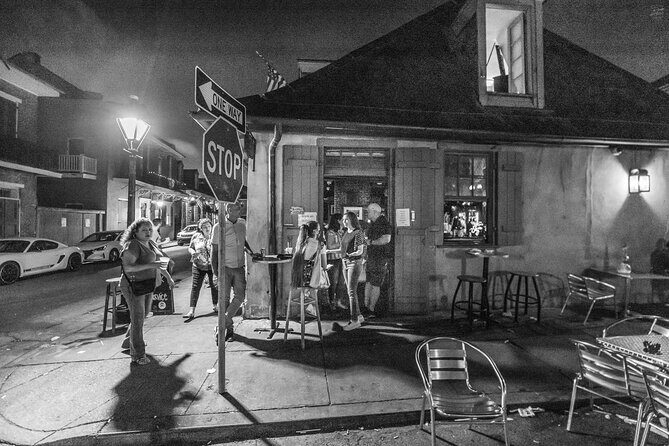
You’ll meet up at Voodoo Tavern and PoBoys, 1140 Decatur St at 8:00 pm, then spend the night moving stop to stop with short, focused story sessions. Most stops are quick photo breaks, so you’ll want comfy shoes and a flexible mindset that this is more “spooky storytelling” than “literal paranormal proof.”
Key things to know before you go
- Low price, real guide time: $15 gets you a full 2 hours with an English-speaking guide and a small group size (max 28).
- Famous French Quarter stops: Lalaurie, Gardette-LePretre, Le Petit Theatre, and Jackson Square are built for great night viewing.
- Some admissions not included: a couple of stops require tickets if you want inside access.
- Guide style matters: the best experiences tend to come down to the storyteller (and how they handle group energy).
- It’s ages 12+: the tour is family-friendly in theme, but younger kids aren’t included.
In This Review
- French Quarter at 8:00 pm: what this tour really delivers
- Meeting point, timing, and how to avoid a rough start
- Stop by stop: what happens at each haunted location
- Lalaurie Mansion: the scandal that never fades
- New Orleans Pharmacy Museum: haunting in a very specific way
- 1041 Royal St: the vampire-story angle
- Gardette-LePretre Mansion: Sultan’s House, mass murder, and photo-perfect ironwork
- Le Petit Theatre: where stage ghosts feel real
- Muriel’s Jackson Square: dinner-story ghosts at the edge of the action
- Why the guide choice can make or break the night
- How scary is it: jump scares or story scares?
- Price and value: is $15 worth it?
- Getting the most out of a 2-hour night walk
- Who should book this tour (and who might want another style)
- Should you book the Haunted Ghost and Paranormal Tour with NOLA GhostRiders?
French Quarter at 8:00 pm: what this tour really delivers
This is a walking tour that uses New Orleans as the stage. The French Quarter at night does half the work for you—cast iron balconies, narrow streets, and that old-stone feeling make every legend sound more plausible. Then your guide adds the rest: ghost lore, grim true-crime flavor, and the kind of character-driven storytelling that makes you look twice at doors and windows.
I like that the tour keeps it focused and human-scale. You’re not stuck in a long bus ride or a museum maze. You’re out with a guide for about 2 hours, stopping for around 10 minutes at each main spot, plus the walking between. If you want a quick, easy way to understand why New Orleans gets branded the “most haunted city” so often, this fits.
Now, here’s the honest tradeoff. Several stops are best appreciated from the street, and some parts can feel like local history with spooky framing. If your only goal is maximum fright, you might leave wanting more actual haunting. But if you’re happy with a mix of legends and the reasons people connect those stories to specific buildings, you’ll likely enjoy the vibe.
Meeting point, timing, and how to avoid a rough start
You start at Voodoo Tavern and PoBoys (1140 Decatur St). The tour runs 8:00 pm to about 2 hours later, and it ends back at the same meeting point. That loop matters because it keeps the route simple: you won’t feel like you wandered into a maze with no clear exit.
Arrive early. Plan on being there 30 minutes ahead. In the French Quarter, you can lose time fast just finding the exact pin on the map and figuring out where the group is gathering. Smart casual is the dress code, but think practical first: comfortable shoes beat style here.
If you’re using public transit, you’re in a good spot. The area is described as near public transportation, and ride share or walking is an option too, with only limited street parking nearby. For the smoothest night, I’d aim to walk in with a small plan: where you’ll meet, where you’ll park if you drive, and how you’ll get back afterward without stress.
You can also read our reviews of more tours and experiences in New Orleans.


Stop by stop: what happens at each haunted location

This tour moves in a set order, and each stop has a different flavor—some are tied to notorious crimes, some to early city life, and some to folklore that New Orleans tells so well.
Lalaurie Mansion: the scandal that never fades
The first major stop is the Lalaurie Mansion. This is where the tour leans hard into the story of cruelty and murder—especially the tale that circulated in the 1800s about Abuse and the deaths of enslaved people tied to Madame Lalaurie. The guide frames it as one of those New Orleans stories that refuses to stay buried, and it’s also a place people connect to modern culture, including its mention in American Horror Story.
What you’ll get from this stop is context. Even if you’ve heard the name before, it’s the kind of location where your brain starts matching dates, people, and why the story stuck. The drawback is also predictable: you’re mostly viewing from the outside. The admission ticket isn’t included, so don’t plan on going in unless you budget for separate entry.
Practical tip: if you’re sensitive to heavy topics, this stop is the one to notice first. It’s not all campfire spooks.
New Orleans Pharmacy Museum: haunting in a very specific way
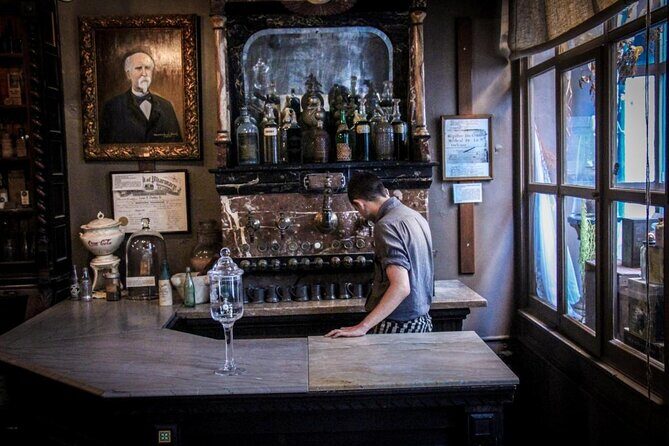
Next you visit the New Orleans Pharmacy Museum. This stop gives you a different kind of “paranormal-adjacent” feeling: not ghosts under beds, but the weird power of history. The tour tells the story of Louis J. Dufilho, Jr., described as America’s first licensed pharmacist, and highlights his major contribution in New Orleans in 1816.
I like this kind of stop because it expands what you think a haunted tour can be. The city isn’t only haunted by dead people. It’s haunted by ideas, professions, reputations, and buildings where the past was stored like inventory. If your goal is understanding New Orleans as a place where stories stack up, this stop works.
Like Lalaurie, admission isn’t included, so if you want indoor time you’ll need to plan and pay separately.
1041 Royal St: the vampire-story angle
Stop three is 1041 Royal St, and it plays with vampire folklore. Here the tour leans into the myth pattern—ageless skin, soul-piercing eyes, a strange kind of thirst—and then connects the fantasy to Louisiana’s own storytelling tradition.
Even if you’re not a vampire fan, this stop gives you a fun contrast. It’s less “documented horror” and more “why these legends thrive.” In New Orleans, that question is part of the thrill. The city has always been good at taking the unknown and turning it into a character you can talk about.
This stop is listed as free, which helps keep your budget predictable. It’s also one of those places where a quick photo and a sharp listening session can make the story land.




Gardette-LePretre Mansion: Sultan’s House, mass murder, and photo-perfect ironwork
You then hit the Gardette-LePretre Mansion, also known as the Sultan’s House. This building is famous for its age—183 years old—and the architectural details that make it so photogenic at night. You’ll hear about features like the half-basement, sidewalk-level windows, and those cast-iron filigree balconies that French Quarter photographers always chase.
Then the tour turns to the darker side of the story: the haunting backstory includes a sultan, a stolen harem, and mass murder. That mix is very New Orleans: elegant ironwork and human cruelty in the same frame.
What might disappoint you a bit is that, depending on the building and access rules, you may not be going far past street viewing. Also, admission is not included at this stop. Still, even if you never cross a threshold, it’s a strong location because the architecture itself supports the mood.
Le Petit Theatre: where stage ghosts feel real
Le Petit Theatre is next, and this is one of the most “spooky in a sensory way” stops. The tour describes it as full of ghosts, including Union soldiers, a theater manager, a nun, and an actress who committed suicide. The story gets physical too, with the idea that doors blow open and shut and that bottles of wine fly off shelves.
If you like your haunting theatrical—almost like you can hear the curtain rising—this is a great stop. It also fits New Orleans perfectly: the city has always treated performance as something close to ritual.
For this one, the important practical point is timing. It’s about a short visit, so listen for what makes the building’s story feel connected, not just scary.
Muriel’s Jackson Square: dinner-story ghosts at the edge of the action
The final stop is Muriel’s Jackson Square, a French Quarter restaurant where you’re told to think of patrons dining among the spirits of the past. The building’s story is layered: it’s believed to have served as a holding facility for enslaved people put up for auction in the early 1700s. Then the Great New Orleans Fire of 1788 partially destroyed the original structure.
After that, the tour connects the building to Pierre Antoine Lepardi Jourdan, who restored the property and made it his family home. In 1814, he lost it in a poker game and then died by suicide on the second floor rather than being forced out.
This is where the tour’s tone can hit hard. It’s not only ghost stories. It’s New Orleans reminding you that the city’s biggest “spooky” moments often involve suffering and power. If you keep that in mind, the stop feels meaningful instead of just creepy.
Admission isn’t part of the tour cost for this stop, and the 10-minute viewing window keeps it from becoming a long sit-down.
Why the guide choice can make or break the night
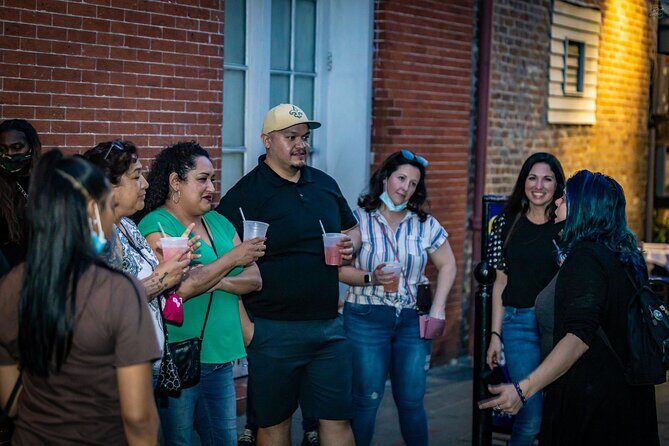
In every New Orleans walking tour, the guide matters. Here, it matters even more because the format is storytelling + street viewing. If the guide keeps energy high and keeps moving the story forward, the whole thing feels like a fast, fun night walk with stops. If the guide slows down or gets stuck in long explanations, it can start to feel like a history lecture with occasional spooky notes.
The reviews you’ll hear about this tour (even if you never look them up) point to the same pattern: some guides bring humor, confidence, and crowd control. Guides like Raffle and Steven are repeatedly praised for entertaining delivery and for weaving in personal French Quarter details. Other guides, like Rob and Carlo, are also mentioned as engaging, but one critique called out a mismatch between the scary expectations and what ended up feeling more history-focused.
There’s also a practical reality the guide can’t fully control: group behavior. One critique mentions that rude kids and people not following the basic rules can take the fun down a notch. If you’re bringing teens, it helps to talk beforehand: keep voices down, stay with the group, and treat the tour like a shared show.
If you want the best odds, show up ready to listen. Your attitude helps your guide shine.
How scary is it: jump scares or story scares?
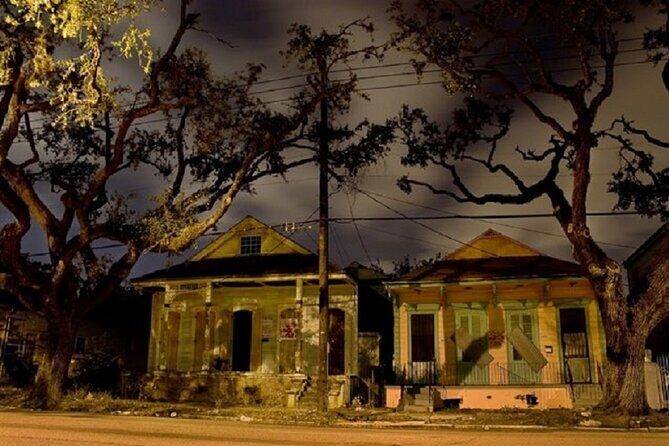
This tour sits in the middle lane of haunted experiences. It’s not marketed as full paranormal investigation. It’s a guided walk that uses legends, notorious stories, and architecture to create atmosphere.
So if you’re expecting doors slamming every five minutes, you may feel slightly underfed. If you’re happy with stories that explain why people associate certain buildings with haunting, you’ll likely find it satisfying. A lot of the fun is in the “wait, that makes sense” feeling—why a mansion gets a reputation, why a theater story keeps repeating, why a restaurant becomes part of the local ghost map.
Also, the content isn’t all the same shade. The Lalaurie and Jackson Square stops carry heavy moral weight. Le Petit Theatre leans theatrical. The Royal Street vampire story is playful folklore. That mix is part of the charm.
One more reality check: the tour is an evening walk. If you go in summer heat, you may end up thinking about sweat more than ghosts. One person flat-out said the conditions were unbearable. If you can, pick a cooler night, or at least bring water and be realistic.
Price and value: is $15 worth it?
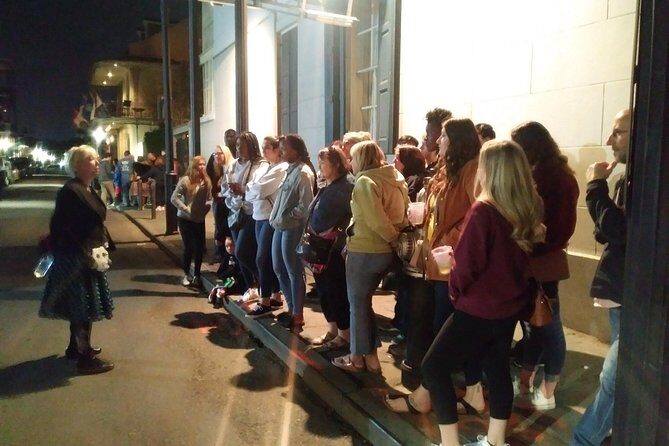
At $15 per person, the value is hard to beat for a guided 2-hour experience in the French Quarter. You’re not paying for entry tickets as part of the base price. You’re paying for the guide time, the storytelling, and the route connecting well-known sites.
The big budget note: admission tickets are not included for some stops. That means your real cost depends on whether you want to go inside places like the Lalaurie Mansion or the New Orleans Pharmacy Museum. If you only view from the street at the listed locations, you’ll keep your spend low. If you want indoor access, you should add a little extra money just in case.
Still, even with possible extra admissions, $15 is an efficient way to spend an evening. It’s also flexible: the tour ends where it starts, so you can keep exploring after without feeling trapped.
Getting the most out of a 2-hour night walk
Here’s how to make the experience feel worth your time, especially on a route full of facts and legends.
Wear comfortable shoes. The tour includes walking, mostly on flat surfaces, and it’s described as not overly strenuous. That said, you’re out at night and you’ll want stable footing.
Dress smart casual, but also layer. New Orleans weather can swing fast between late day and evening. If rain rolls in, bring a rain layer or umbrella. One review notes the guide helped by lending an umbrella, which hints at what can happen when weather turns.
Expect quick stops. Each main location is around 10 minutes, so you won’t get long inside tours through the schedule. Use that time to ask yourself: what detail is the guide pointing out, and why does that detail matter to the haunting story?
Choose the right mindset. This tour rewards curiosity. If you walk in thinking, I want to understand how legends attach to places, you’ll leave with a stronger sense of New Orleans.
Who should book this tour (and who might want another style)
Book it if you want:
- A budget-friendly haunted night walk in the French Quarter
- A story-first approach that explains why certain sites carry spooky reputations
- A mix of folklore and darker local tales, including stops tied to famous legends
Consider a different type of haunted experience if:
- You only want heavy scares and live-action “paranormal evidence”
- You’re very sensitive to topics connected to slavery-related suffering and crimes (some stops carry real moral weight)
- You’re going in peak heat and know walking will frustrate you
For families, note the age limit is 12+. That keeps the tour focused on older kids and adults who can handle the storytelling content.
Should you book the Haunted Ghost and Paranormal Tour with NOLA GhostRiders?
If your idea of a great New Orleans night is a guide-led walk where you learn why the city tells its ghost stories the way it does, this is a strong pick—especially for $15. The route covers major, recognizable landmarks, and the best versions of the tour seem to come alive through energetic guides like Raffle and Steven.
If you want guaranteed inside access or maximum scares, you may feel slightly underwhelmed. But if you’re willing to treat it like a spooky education with great atmosphere, you’ll get your money’s worth fast.
My suggestion: if the weather looks rough, go anyway only if you can dress for it. And when you arrive, pick the mindset that helps storytelling land. In New Orleans, the ghosts often come from the details you notice when someone points at a balcony, a doorway, or a name carved into local memory.